7 Surprising Things You Can (and Can’t) Compost in Your Backyard
Composting is one of the easiest ways to reduce household waste and create nutrient-rich soil for your garden. But not everything you toss into the bin belongs in your compost pile—and some surprising items actually do. Knowing what works (and what doesn’t) helps you avoid odors, pests, and slow decomposition. These common composting myths and facts will help you build a healthier, more efficient backyard system.
Eggshells (Yes, You Can Compost Them)
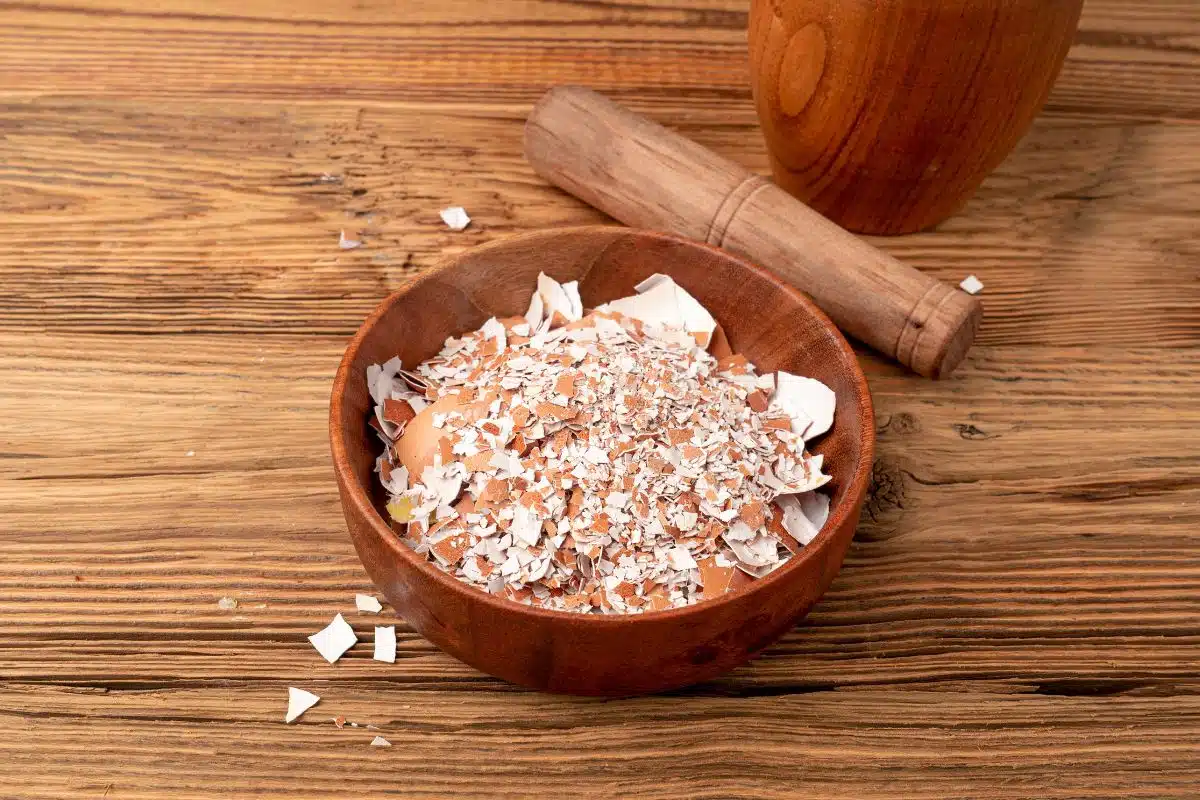
Eggshells are a great addition to your compost pile because they’re rich in calcium, which helps improve soil health. They break down slowly, so it’s best to crush them before adding them in. Over time, they help balance acidity in your compost. Just avoid adding large chunks, as they take longer to decompose.
Coffee Grounds (Yes, You Can Compost Them)
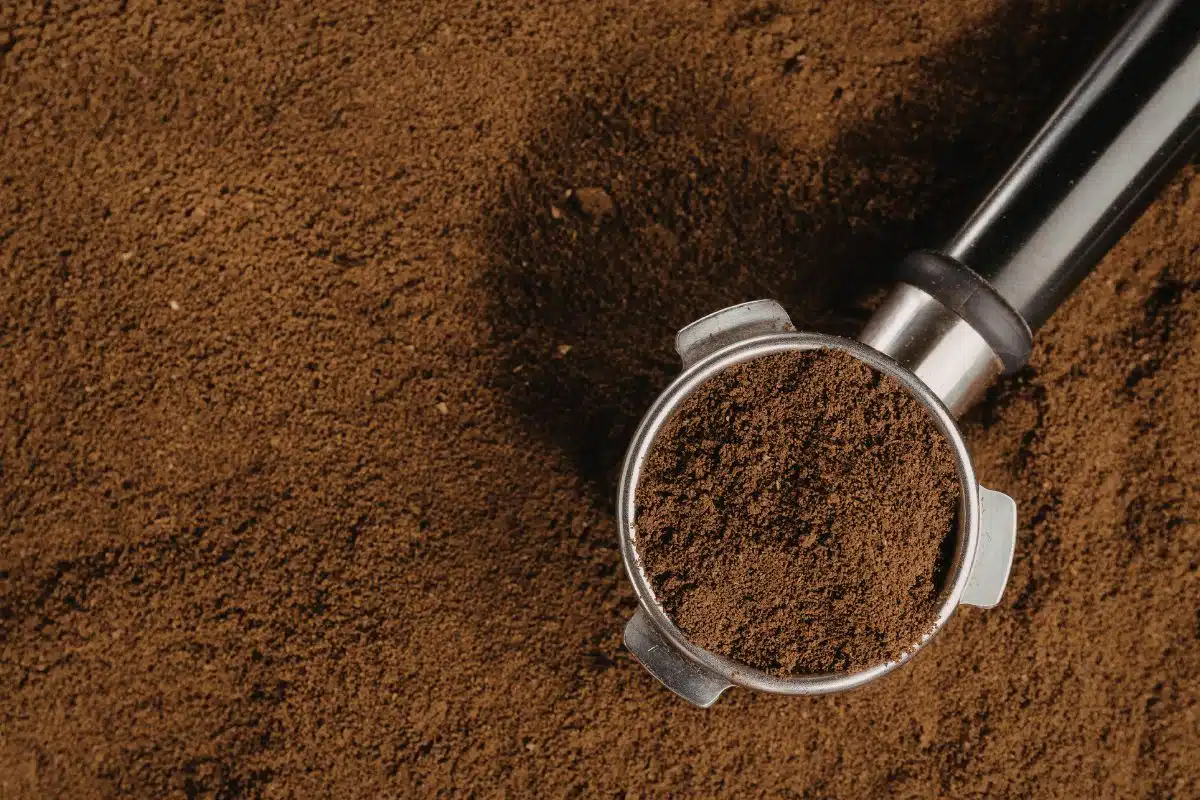
Used coffee grounds are a composting favorite and are considered “green” material despite their dark color. They add nitrogen to your compost, which helps speed up decomposition. They also attract beneficial microbes that improve soil quality. Just be sure to mix them well with browns like leaves or cardboard.
Citrus Peels (Yes, But In Moderation)
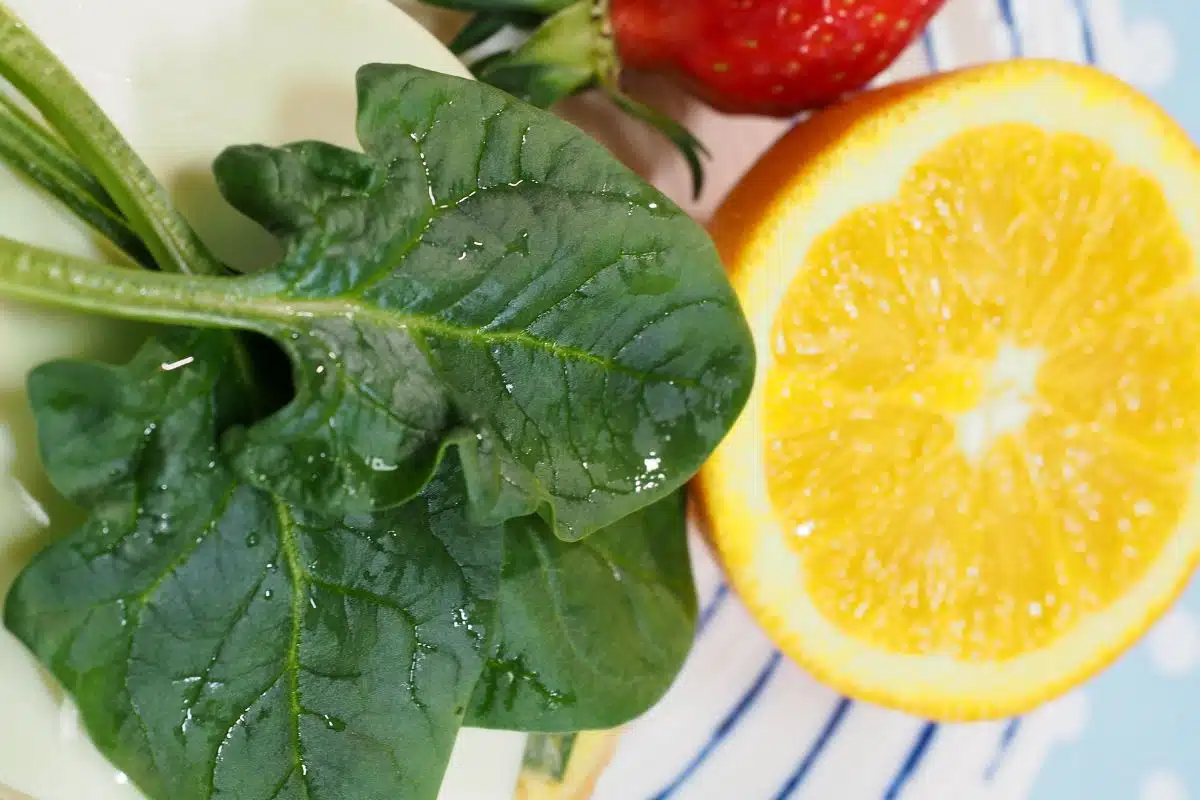
Citrus peels like oranges, lemons, and limes can be composted, but they should be added sparingly. They break down more slowly due to their acidity and tough skin. Too many can temporarily affect the balance of your compost pile. Chop them into smaller pieces to help them decompose faster.
Meat and Dairy (No, Avoid Them)
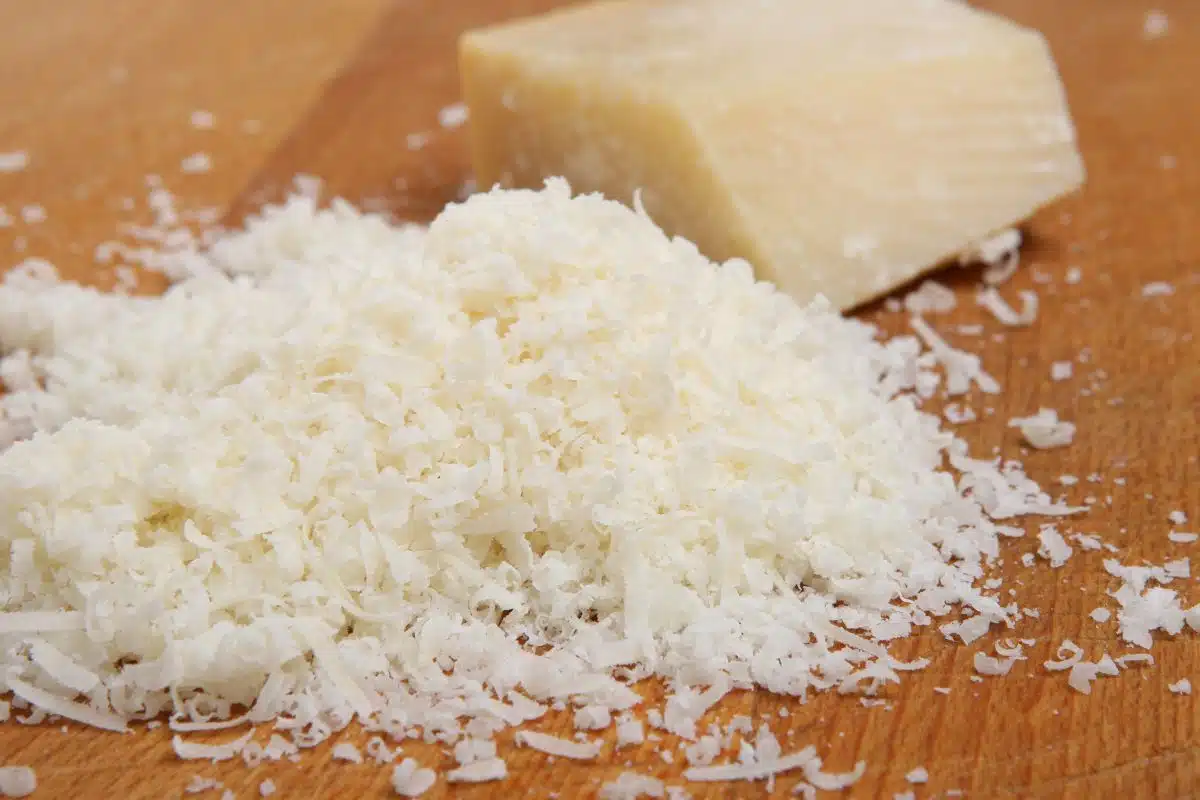
Meat, cheese, and other dairy products should not be added to backyard compost piles. They break down slowly and can attract pests like rats and raccoons. These items also create strong odors as they decompose. Stick to plant-based scraps to keep your compost safe and balanced.
Grass Clippings (Yes, You Can Compost Them)
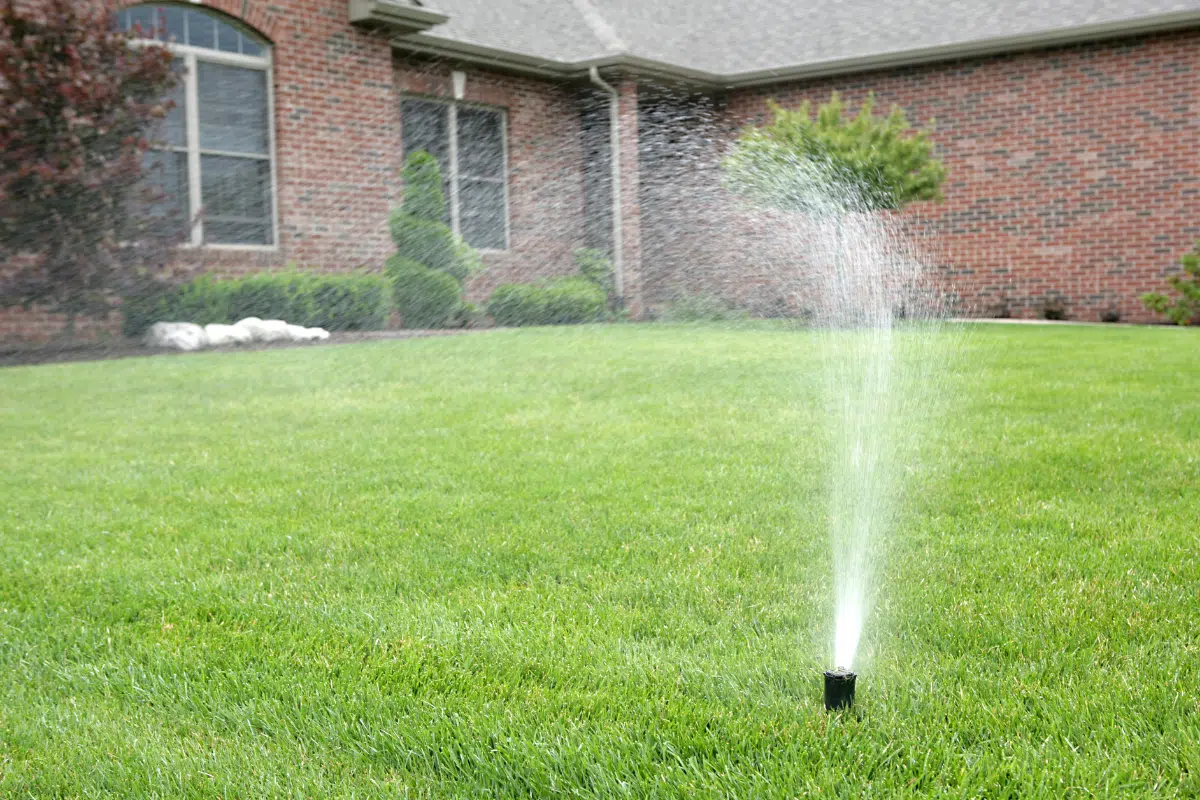
Fresh grass clippings are a valuable “green” material rich in nitrogen. They help heat up your compost pile and speed up decomposition when mixed properly. However, adding too many at once can cause clumping and odor issues. It’s best to layer them with dry leaves or paper materials.
Weed Seeds (No, Avoid Them)
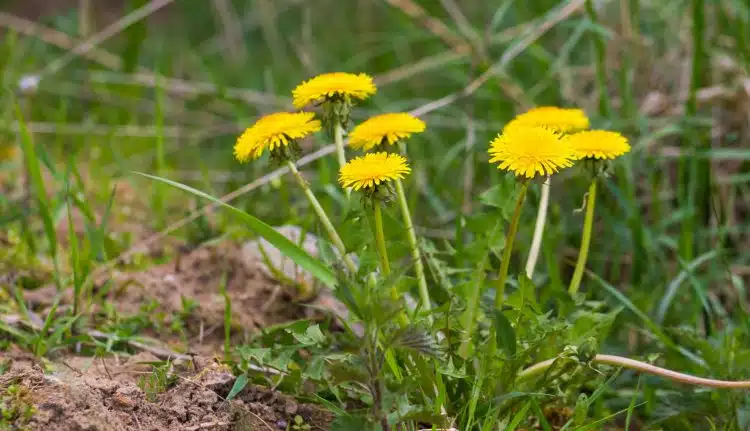
While weeds themselves can be composted, those with seeds should be avoided. Many backyard compost piles don’t get hot enough to kill weed seeds completely. If added, they can spread back into your garden later. It’s safer to discard seed-heavy weeds or use a hot composting system.
Paper Towels and Cardboard (Yes, In Most Cases)
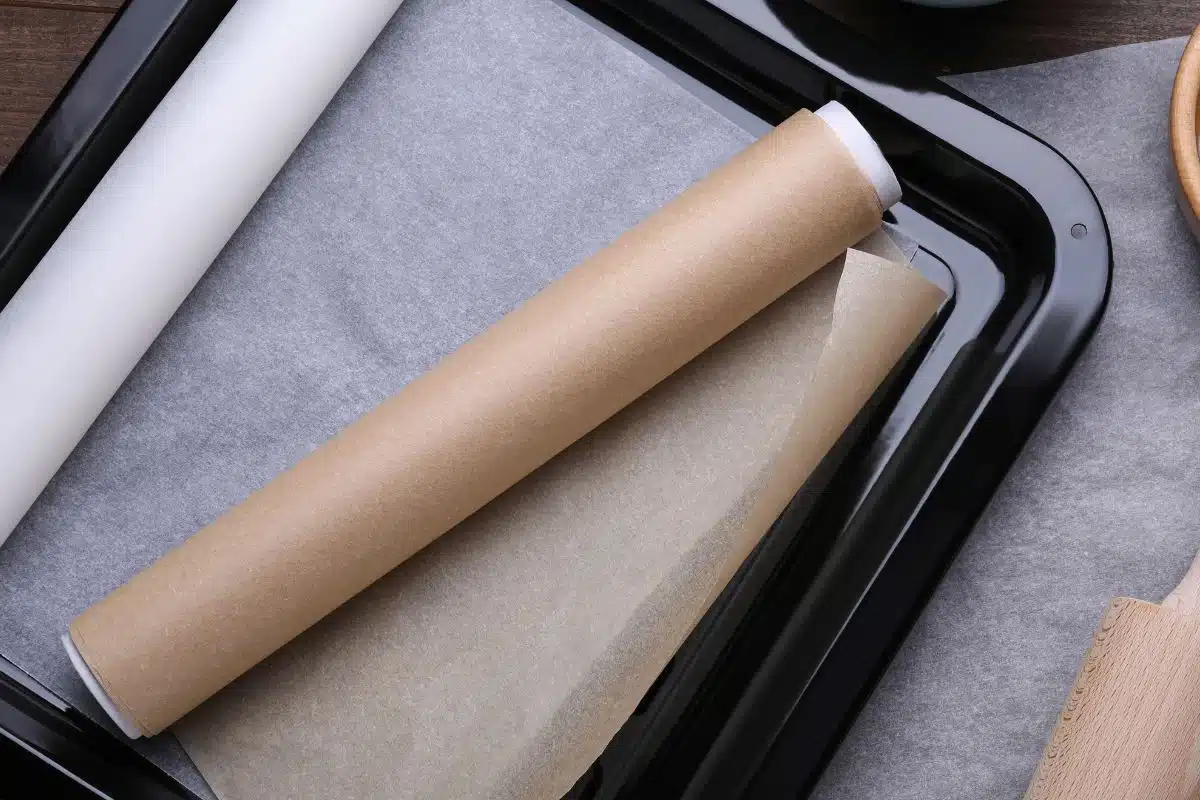
Uncoated paper towels and plain cardboard can be composted as “brown” materials. They help balance moisture and add carbon to your pile. Shredding them speeds up decomposition and improves airflow. Just avoid glossy, heavily inked, or chemically treated paper products.
Oily or Greasy Foods (No, Avoid Them)
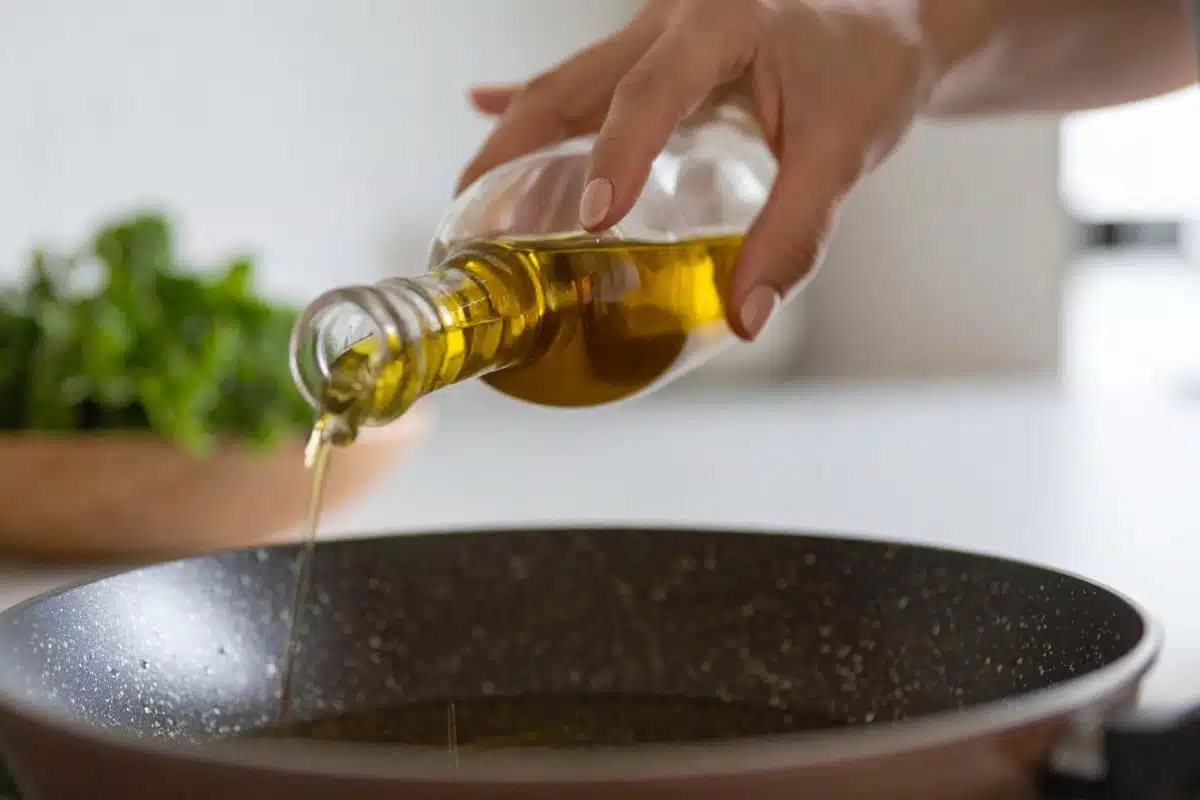
Foods coated in oil or grease should not go into a backyard compost bin. They slow down decomposition and can create unpleasant odors. These materials may also attract unwanted pests. Stick to natural, plant-based kitchen scraps for the best composting results.
This post may contain affiliate links or sponsored content. Disclosure Policy