9 Small Things That Are Costing You Way More Than They Should
It’s easy to overlook the little habits that quietly drain your wallet. From everyday routines to common spending choices, these seemingly harmless actions can add up to big expenses over time. Here are six things you’re doing that may cost far more than you realize.
Daily Coffee Runs

That $5 latte doesn’t seem like much—until you add it up. A daily stop at the coffee shop can easily cost over $100 a month, money that could stay in your pocket if you brewed at home.
Unused Subscriptions
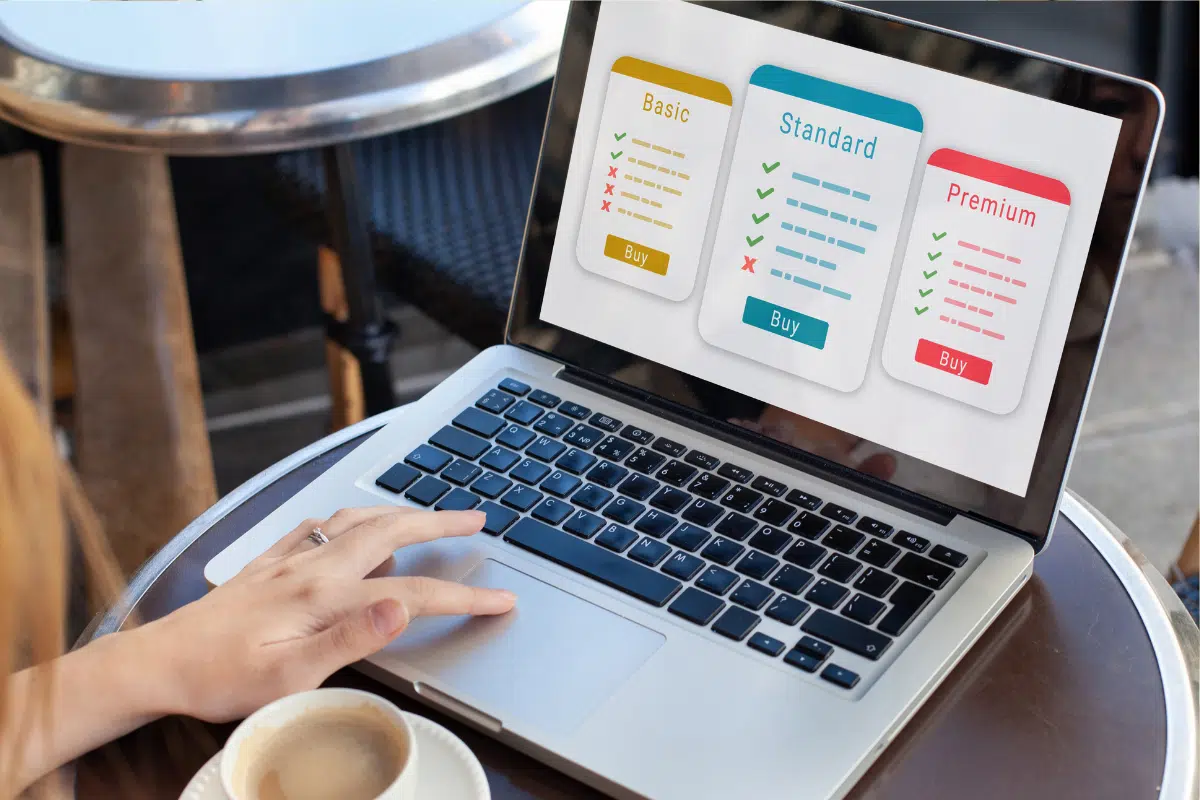
Streaming services, apps, software tools, and membership boxes often start cheap — then stack up. Many people forget about trials that converted to paid plans or rarely used subscriptions still billing monthly. A quick audit of your bank statement can reveal surprising recurring charges. Canceling just two or three unused services can make an immediate difference.
Ordering Takeout Too Often

Takeout is convenient, but the delivery fees, tips, and markups add up fast. Cooking at home just a few nights a week can save you a significant amount.
Bottled Water

Buying bottled water may seem cheap, but it’s much more expensive than using a reusable bottle and filter. Over time, the cost of convenience really stacks up.
Overusing Convenience Stores
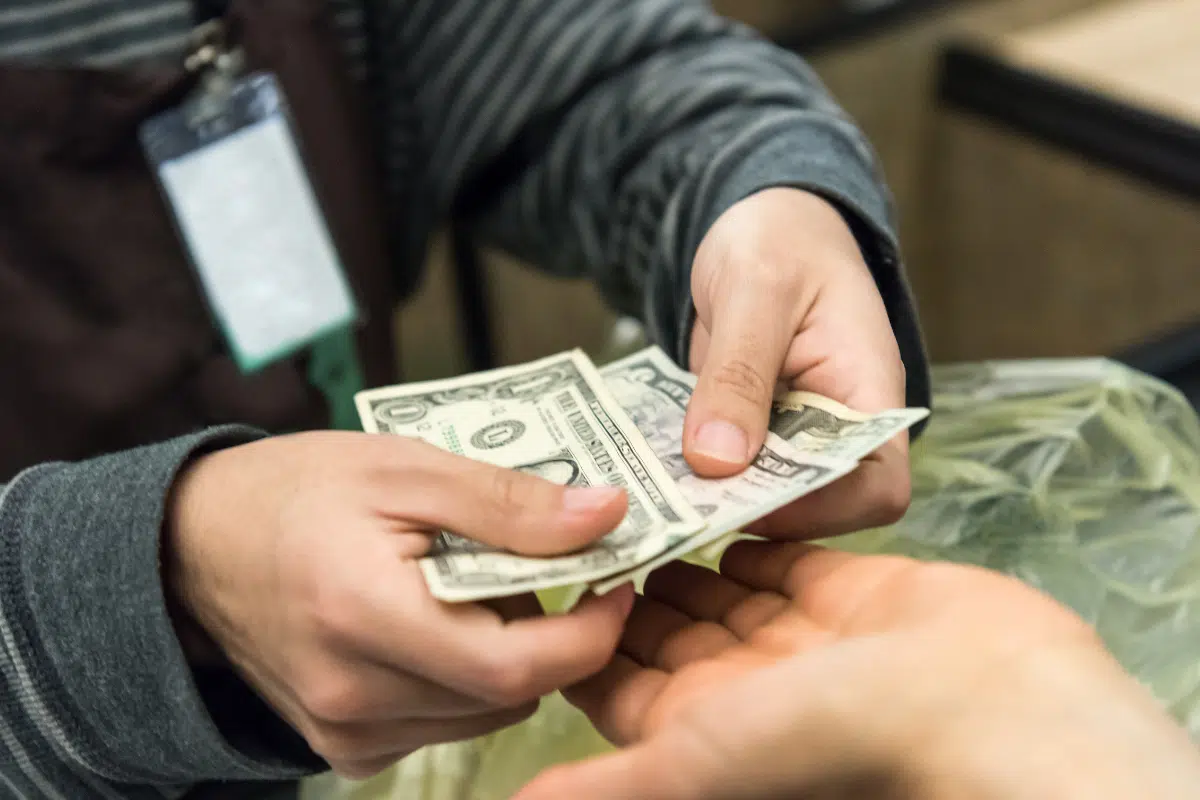
Grabbing items at convenience stores or ordering delivery feels like a small luxury, but the markup is often steep. Snacks, drinks, and household basics can cost significantly more than at grocery stores or bulk retailers. Even paying a few dollars extra several times a week adds up fast. Planning ahead and buying in advance can quietly save hundreds per year.
Ignoring Energy Waste
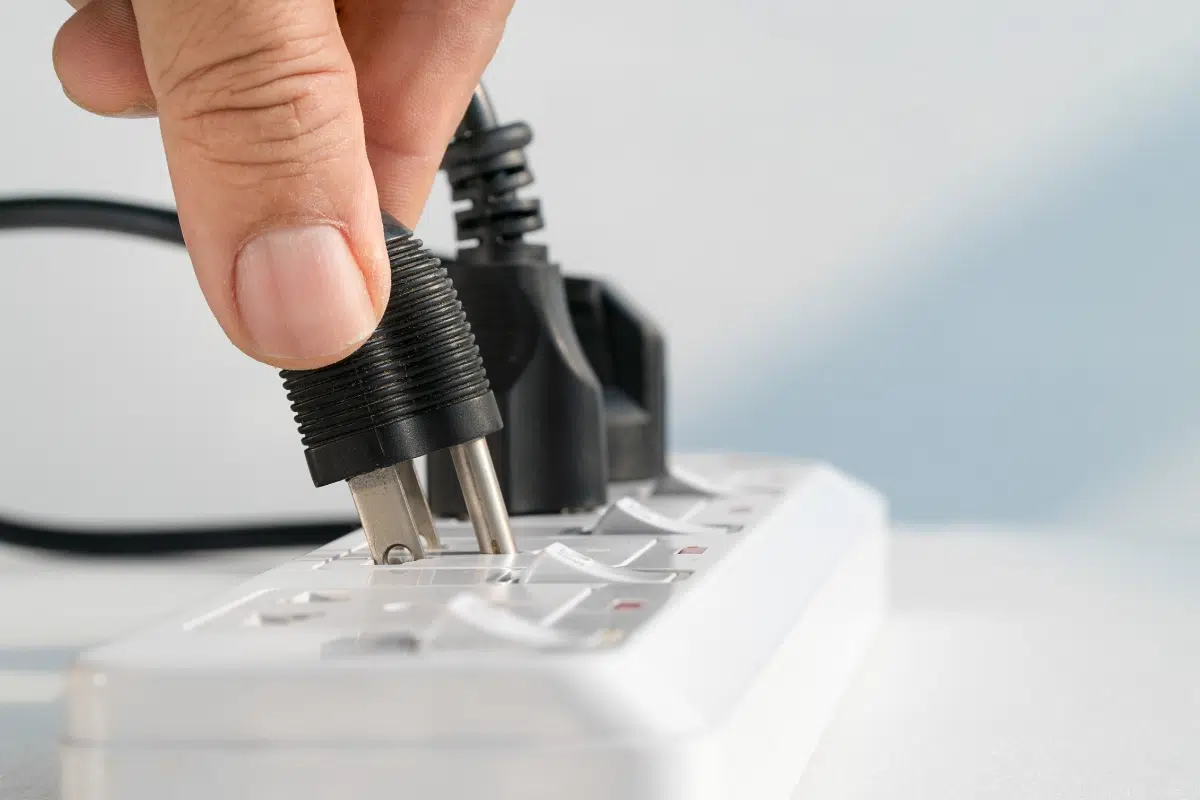
Leaving lights on, running half-full dishwashers, and poor thermostat settings slowly push utility bills higher. Older bulbs and inefficient appliances also use more electricity than you might expect. Small adjustments — like smart power strips and LED bulbs — can noticeably cut costs. Efficiency upgrades often pay for themselves over time.
Brand Loyality

Automatically buying the same brand every time can cost more than necessary. Store brands and lesser-known competitors frequently offer similar quality at lower prices. Without comparing unit prices, shoppers often overpay out of habit. A quick label check can lead to easy savings.
Carrying a Credit Card Debit
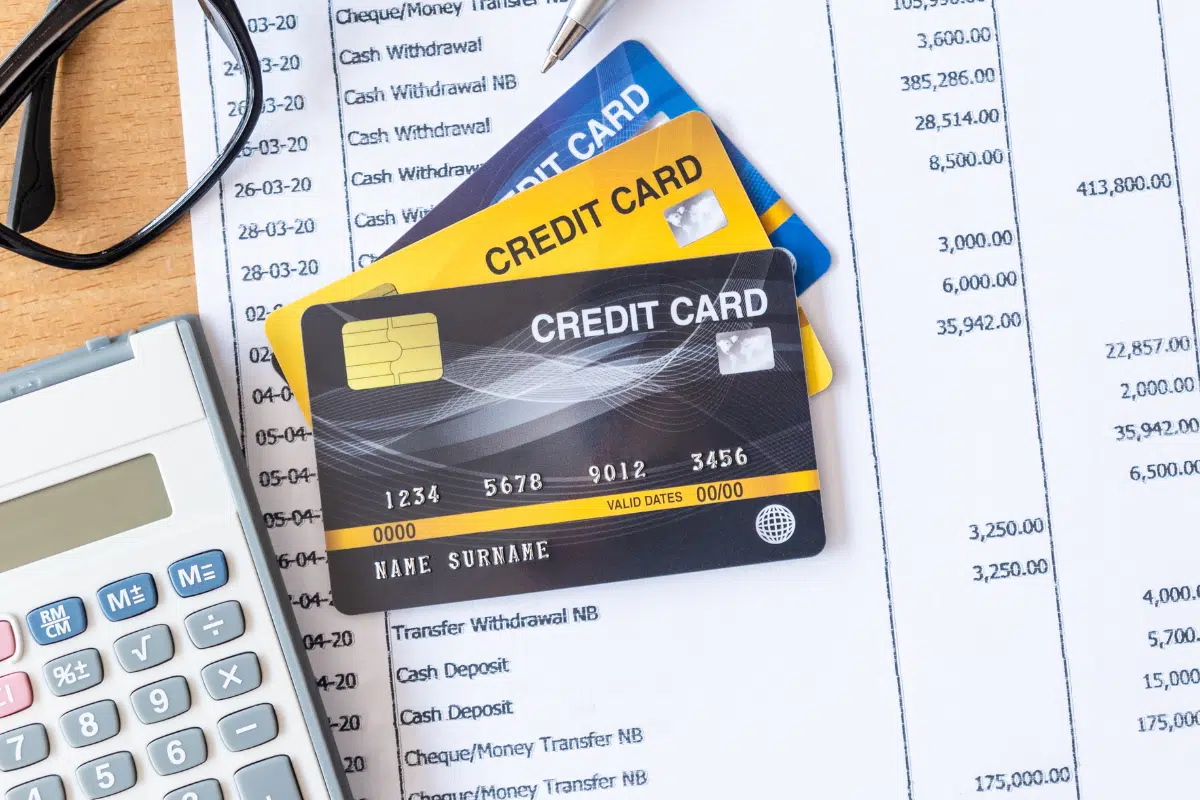
Interest charges are one of the most expensive “hidden” costs in everyday life. Even a modest balance can grow quickly with high APR rates. Making only minimum payments stretches repayment and multiplies the total cost. Paying more than the minimum — even a little — reduces long-term expense.
Last Minute Shopping

Waiting until the last minute for travel, gifts, or major purchases often means paying premium prices. Rush shipping, limited options, and impulse decisions drive costs higher. Planning ahead gives you time to compare prices and catch sales. Timing alone can be one of the biggest money-saving tools.
This post may contain affiliate links or sponsored content. Disclosure Policy