
6 Simple Ways to Lower Your Home Energy Bills
Energy bills can add up quickly, but lowering them doesn’t always require expensive upgrades or major lifestyle changes. A few practical adjustments—from improving your home’s lighting and sealing air leaks to using your thermostat more efficiently—can reduce wasted energy and improve comfort. The biggest savings will depend on your home, climate, utility rates and existing equipment, so it’s smart to focus first on changes that fit your situation. These six strategies are a good place to start.
Swap Out Old Bulbs for LEDs

Replacing frequently used incandescent bulbs with energy-efficient LEDs is one of the simplest lighting upgrades you can make. ENERGY STAR says certified LED bulbs use up to 90% less energy than standard incandescent bulbs and can last about 15 times longer. Start with lights you use for several hours a day, such as kitchen, living-room and outdoor fixtures. Check the package to make sure the bulb has the right brightness, color temperature and dimming compatibility for your fixture.
Seal Drafty Windows and Doors
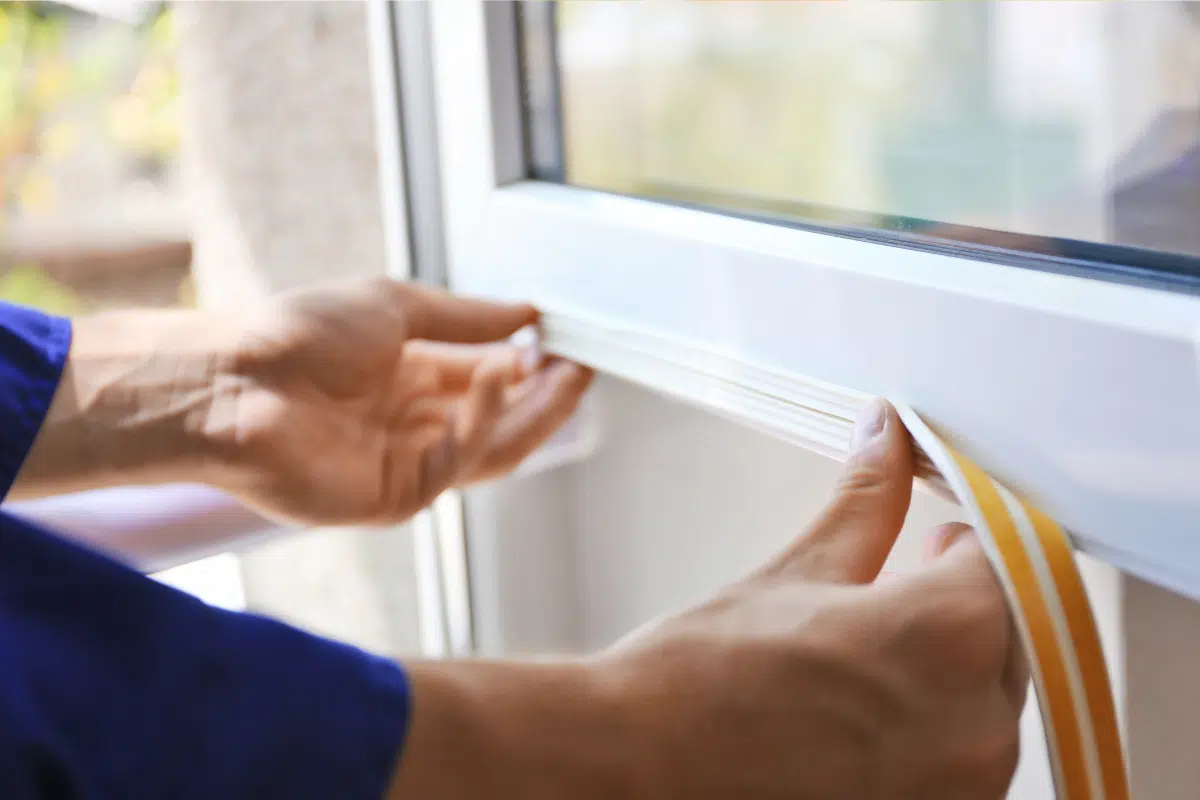
Small gaps around windows and doors can allow heated or cooled air to escape, making your HVAC system work harder. The U.S. Department of Energy recommends caulk for cracks around stationary components and weatherstripping for moving parts such as doors and operable windows. Sealing obvious leaks can improve comfort as well as reduce heating and cooling costs. If you rent, ask your landlord about repairs or removable weatherstripping before making permanent changes.
Use Your Thermostat More Efficiently
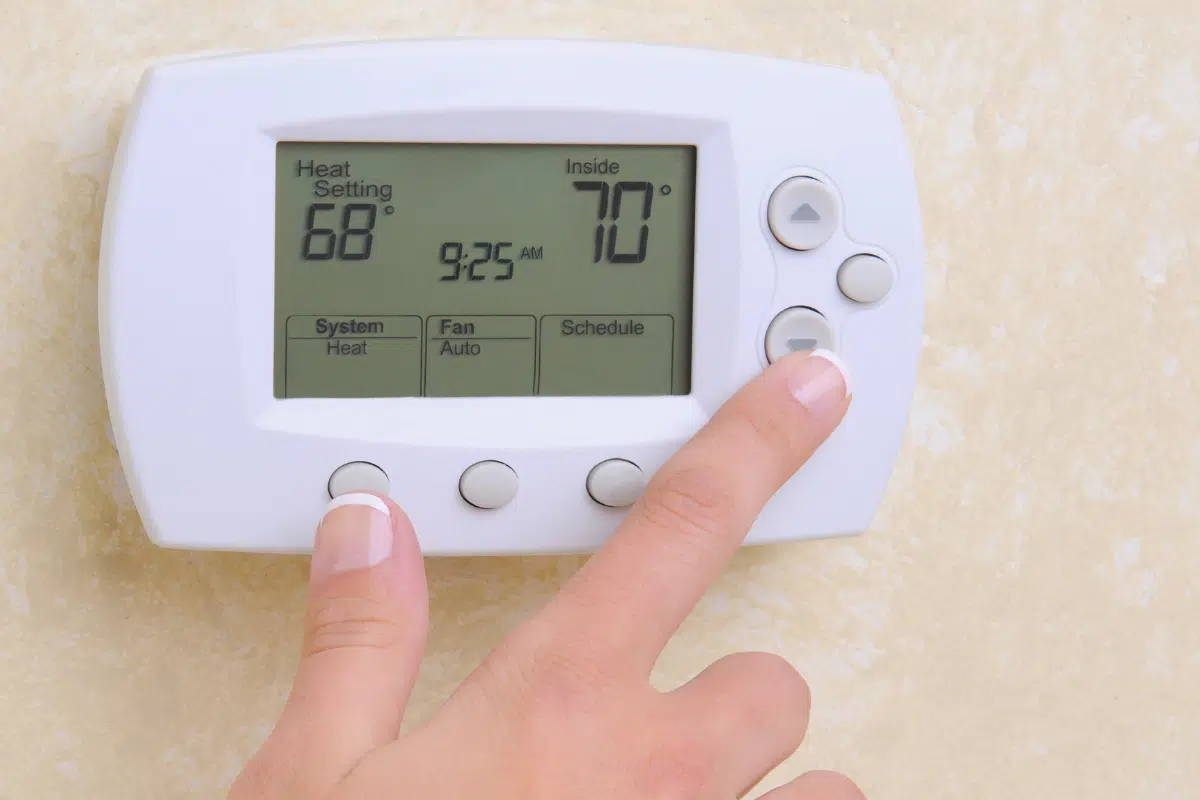
Heating and cooling can account for a substantial share of household energy use, so your thermostat settings can have a meaningful impact on your bill. A programmable or smart thermostat can automatically adjust temperatures when you’re asleep or away, reducing the need to heat or cool an empty home. The ideal schedule depends on your HVAC system, household routine and comfort preferences. If you already have a programmable thermostat, making better use of its schedule may cost nothing.
Cut Unnecessary Standby Power
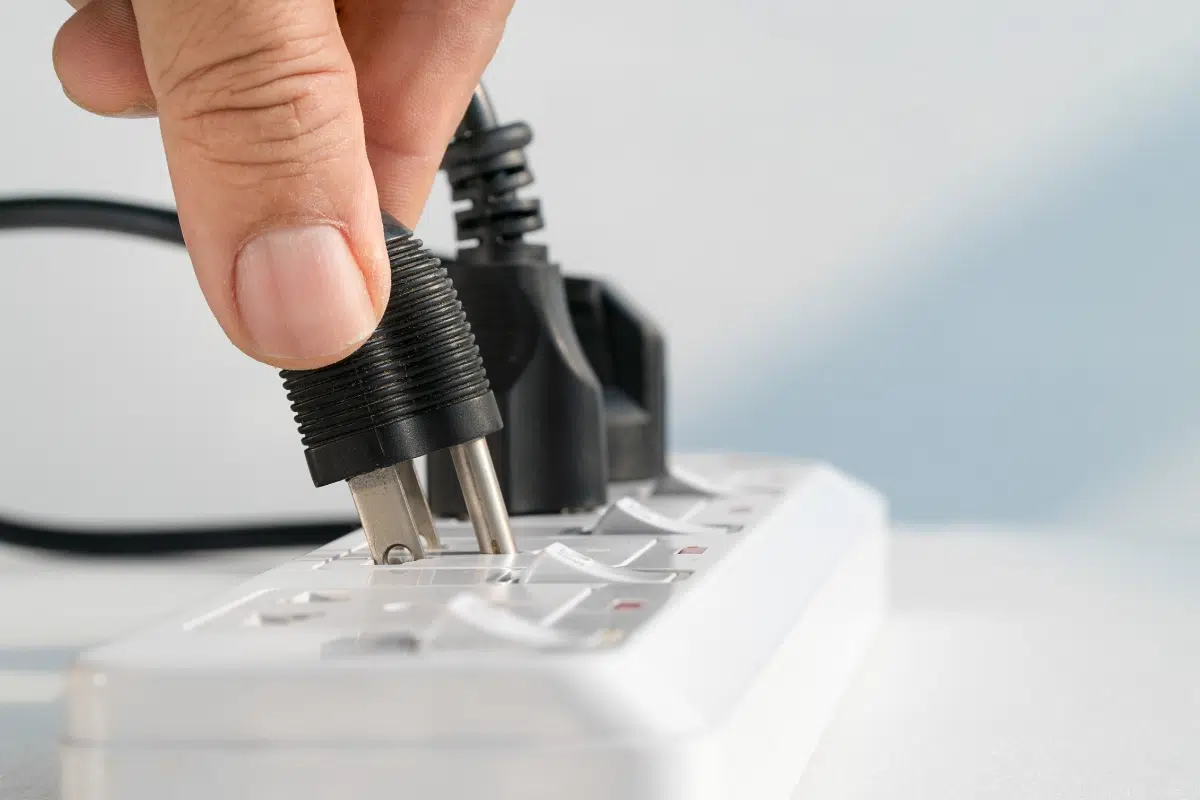
Many electronics consume some electricity while plugged in, even when they appear to be turned off or are sitting in standby mode. The amount varies by device, so unplugging every charger in the house is unlikely to produce dramatic savings by itself. Instead, concentrate on groups of electronics that stay connected for long periods, such as entertainment systems, and use a power strip to make disconnecting them easier. ENERGY STAR also recommends choosing efficient electronics and using available power-management features.
Run Appliances Strategically
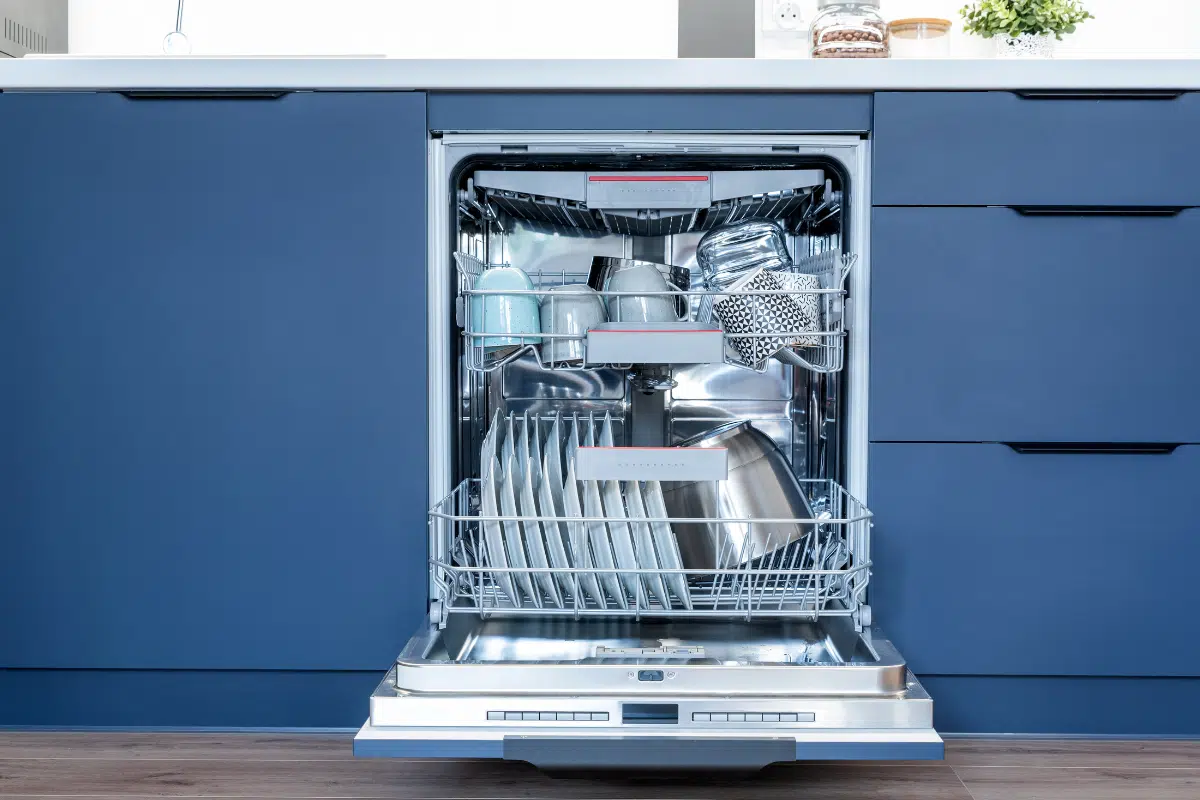
Running full loads in your dishwasher and washing machine can help you get more use out of each cycle. If your utility offers time-of-use pricing, shifting electricity-intensive tasks to lower-cost periods may reduce your bill, but the savings depend on your specific rate plan. Simply running a dishwasher at night does not automatically save money if your utility charges the same rate around the clock. Check your electricity provider’s current pricing schedule before changing when you run major appliances.
Choose ENERGY STAR When Replacing Appliances
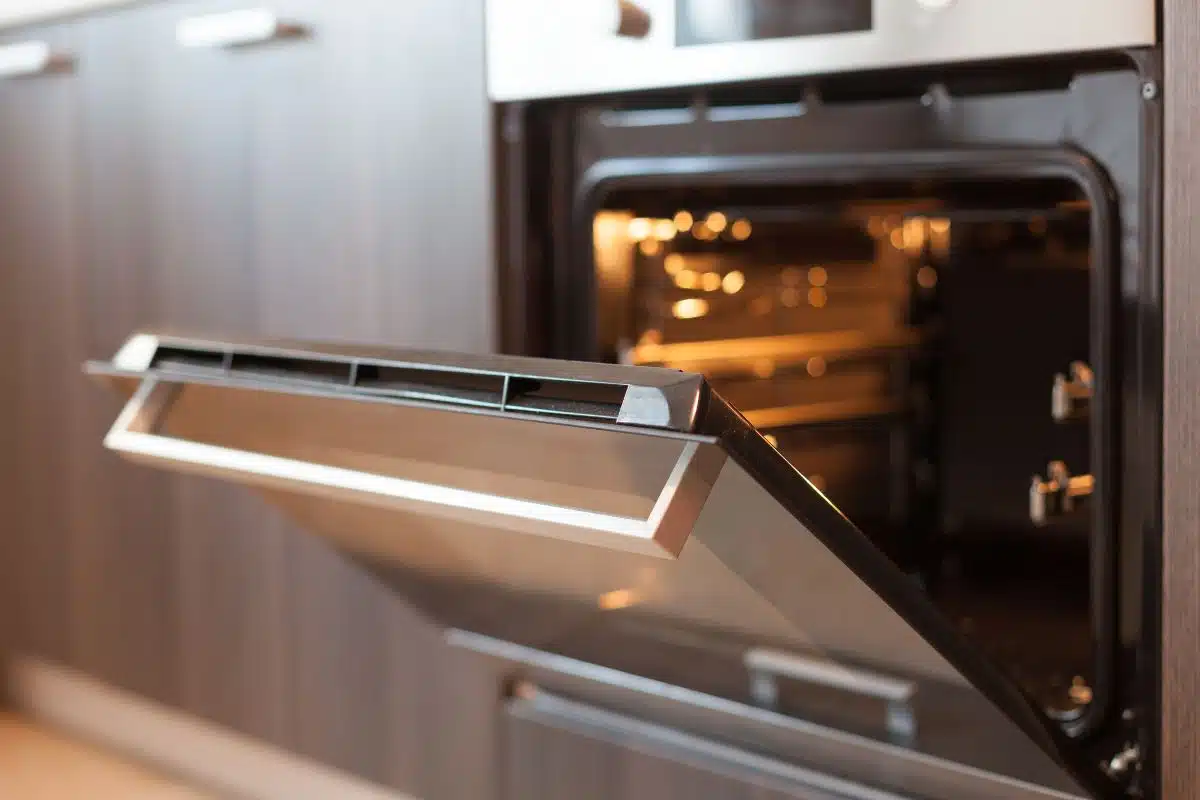
When an old refrigerator, washer, dishwasher, air conditioner or other major appliance needs replacing, look for the ENERGY STAR label. ENERGY STAR-certified products must meet strict efficiency requirements established by the EPA or Department of Energy and are designed to use less energy while maintaining performance. Before buying, compare the estimated energy use of specific models rather than assuming every newer appliance will deliver the same savings. It’s also worth checking for utility rebates and other incentives through the ENERGY STAR Rebate Finder, since available offers vary by location.
This post may contain affiliate links or sponsored content. Disclosure Policy