6 Simple Ways to Save Money on Gas Without Driving Less
With fuel prices continuing to fluctuate in 2026, many drivers are looking for practical ways to cut costs without making major lifestyle changes. The good news is that improving fuel efficiency doesn’t always require expensive upgrades or drastic habits. Small adjustments to how you drive, maintain your vehicle, and plan your trips can add up to noticeable savings over time. These simple, realistic strategies can help you get more miles out of every tank while keeping your daily routine intact.
Keep Your Tires Properly Inflated
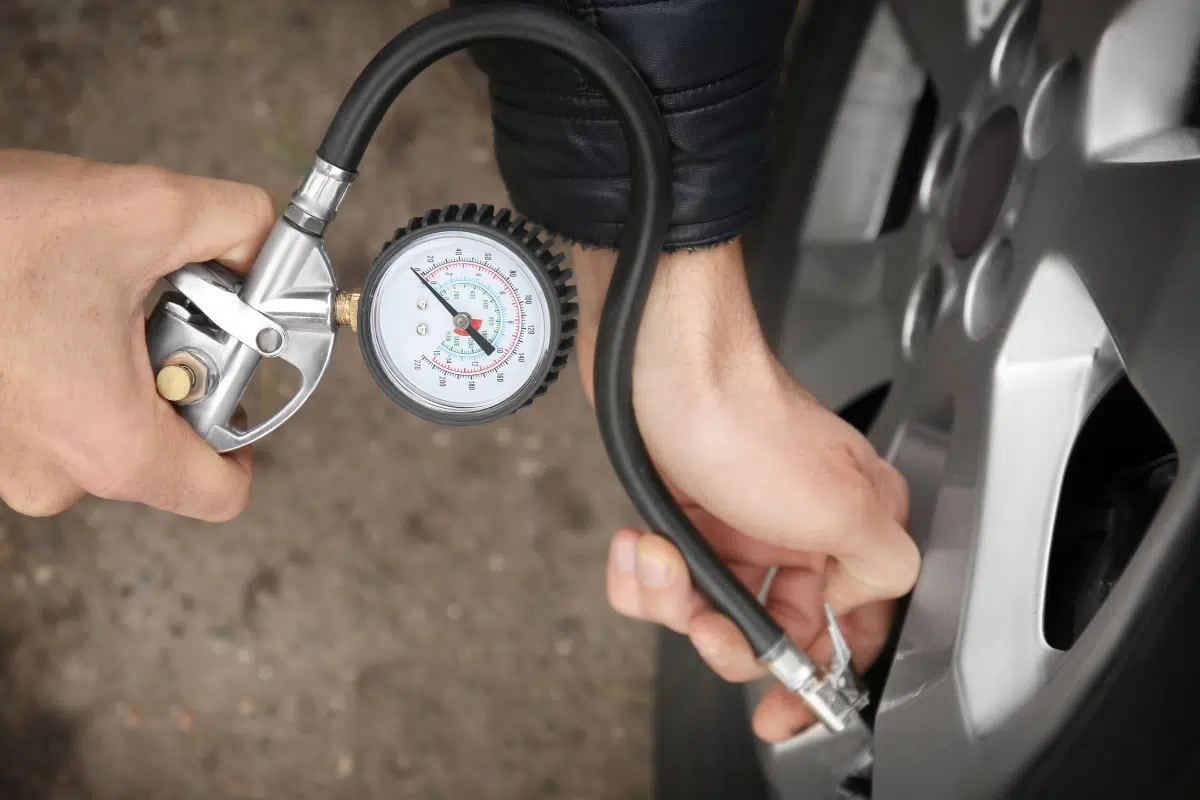
One of the easiest and most overlooked ways to improve fuel efficiency is maintaining correct tire pressure. Underinflated tires increase rolling resistance, forcing your engine to work harder and burn more fuel. Checking your tire pressure at least once a month—and especially during seasonal temperature changes—can improve gas mileage and extend tire life. Most vehicles have a recommended PSI listed inside the driver’s door for quick reference.
Combine Errands Into One Trip

Short, repeated trips use more fuel than many drivers realize because engines are least efficient when cold. Combining errands into a single route reduces unnecessary starts and stops, helping your vehicle run more efficiently. Planning can also minimize time spent in traffic or backtracking. Over time, this simple habit can noticeably reduce your overall fuel consumption.
Use Cruise Control on Highways
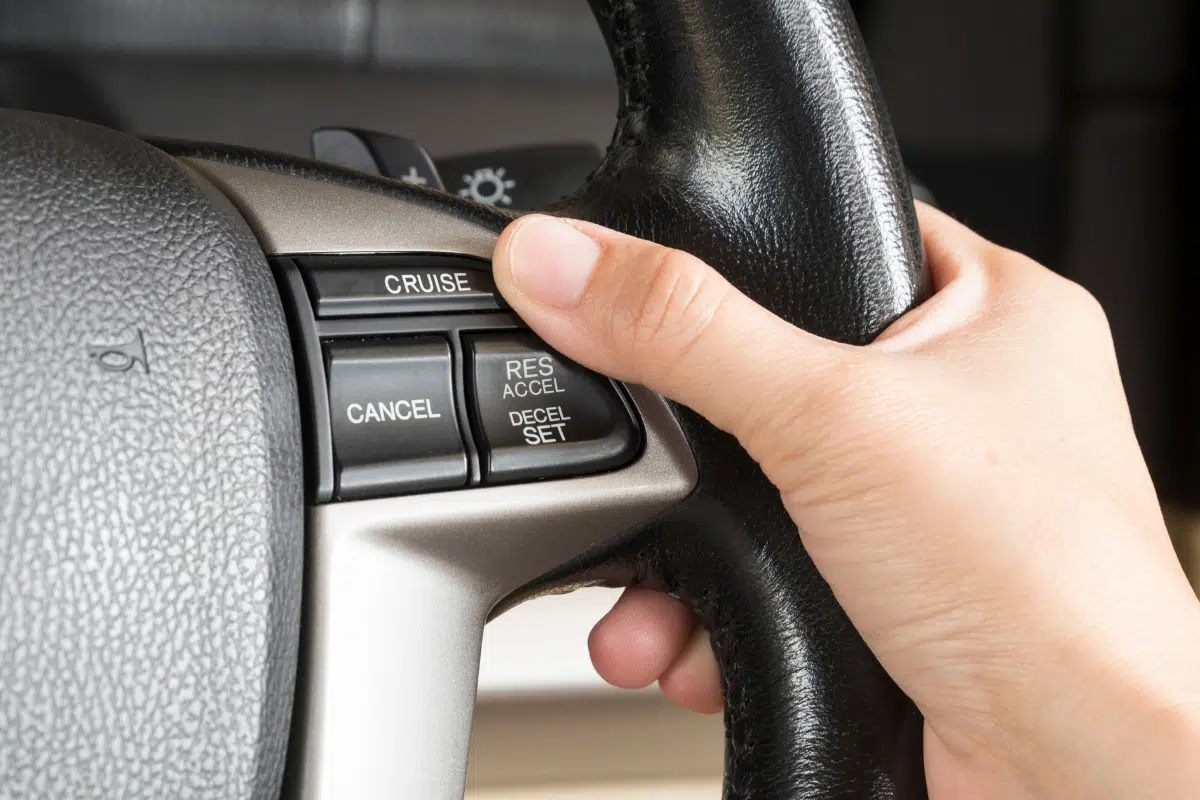
Cruise control helps maintain a steady speed, which is one of the most effective ways to improve fuel efficiency on long highway drives. Constant acceleration and braking use more gas than a smooth, consistent pace. On flat, open roads, cruise control can help optimize mileage without requiring extra effort from the driver. It also helps reduce fatigue on longer trips.
Lighten Your Vehicle Load
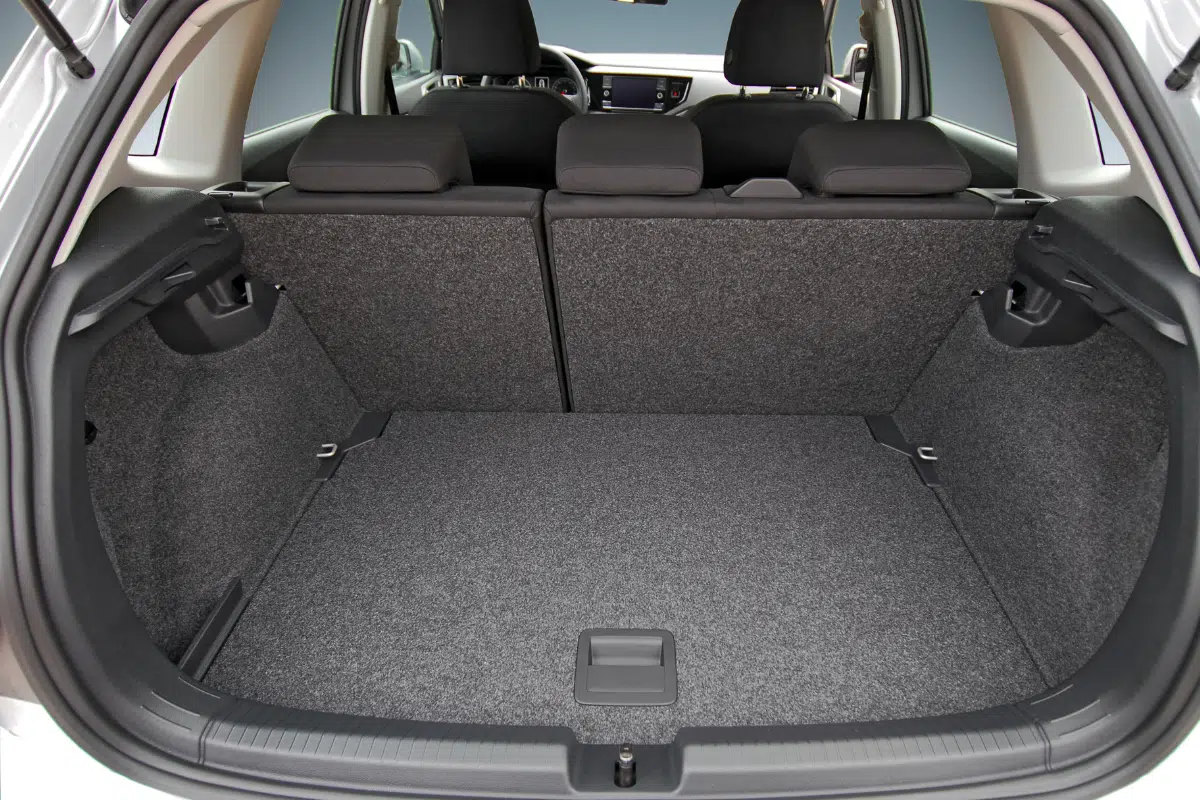
Carrying unnecessary weight in your vehicle can lower fuel efficiency by forcing the engine to work harder. Items stored in your trunk or back seat that you don’t regularly use should be removed when possible. Roof racks and cargo carriers can also create drag, further reducing mileage. Keeping your vehicle as light as practical is an easy way to improve efficiency year-round.
Avoid Excessive Idling
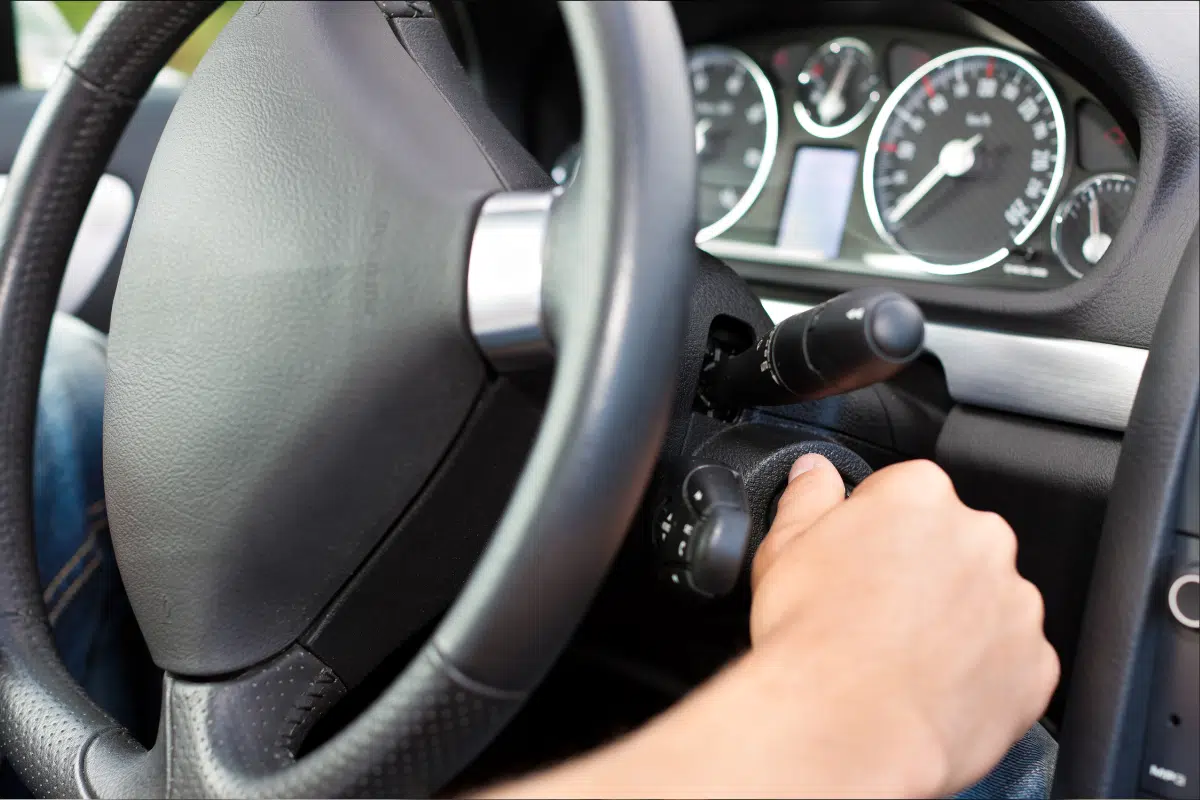
Idling burns fuel without moving the vehicle, which can add up over time—especially during long waits or drive-thru lines. Modern engines use less fuel to restart than they do when sitting idle for extended periods. Turning off your engine when parked or waiting for more than a minute can help conserve gas. Many newer vehicles even come with automatic start-stop systems designed for this purpose.
Use Gas Price Apps Before You Fill Up

Fuel price comparison apps have become more accurate and widely used in recent years, helping drivers quickly locate the cheapest nearby stations. Checking prices before you head out—or while planning your route—can lead to immediate savings on every fill-up. Some apps even factor in rewards programs or membership discounts. Over time, these small savings can add up significantly without changing your driving habits.
This post may contain affiliate links or sponsored content. Disclosure Policy