5 Fast-Food Chains That Cook Fresh to Order — and 5 That Depend on Microwaves
Please update this msn.com gallery post. Please make sure that it is updated with current information and that it is up-to-date. Please make sure to have a well written introduction as well as a 3-4 sentence description under each item. I keep seeing comments on Msn.com from readers that Msn.com is reporting the same content over and over again. I don’t want that. And please do not include anything about the year 2026. If need be also update the headers to make them reflect that they are up to date.
Chipotle – Fresh Ingredients Prepared Throughout the Day
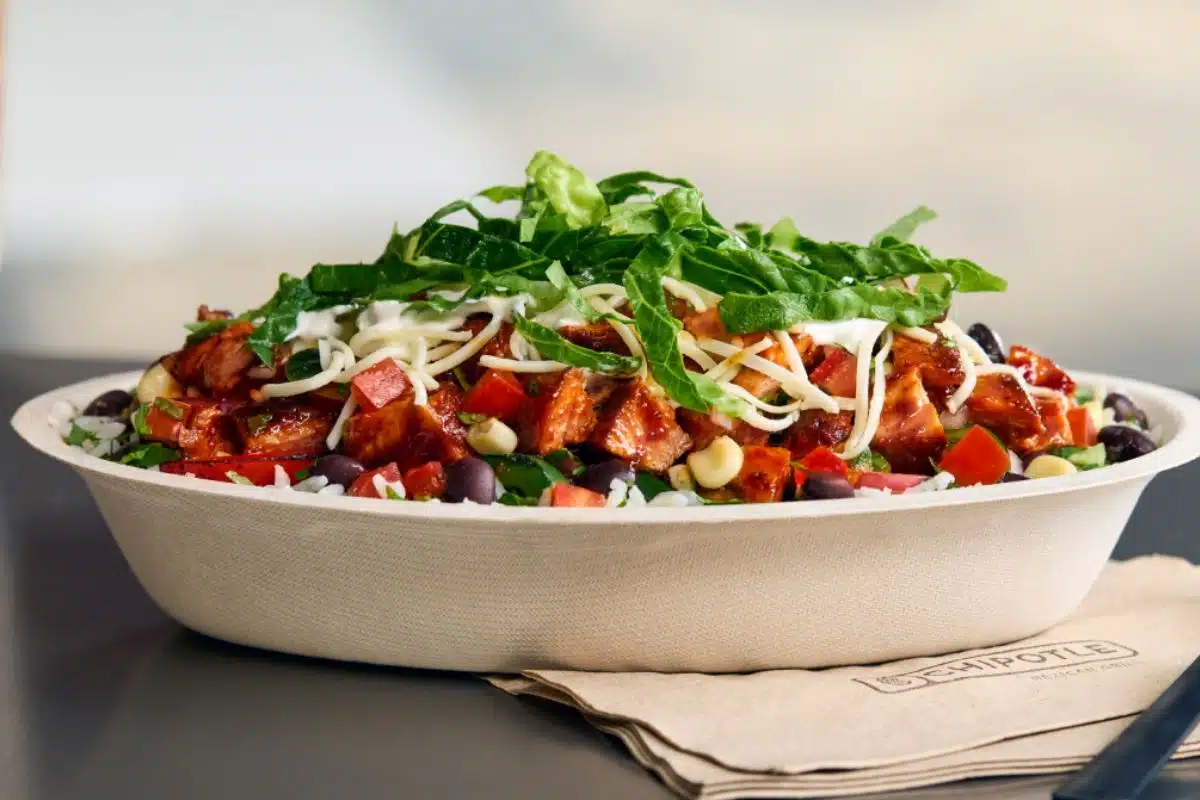
Chipotle has built its reputation around preparing many of its ingredients fresh in each restaurant. Employees chop vegetables, make guacamole, prepare salsas, and grill chicken, steak, and other proteins in-house throughout the day. Orders are assembled as customers move through the serving line rather than being pre-made ahead of time. Standard Chipotle kitchens are not centered around microwave cooking, making the chain one of the closest examples of fresh preparation in fast-casual dining.
In-N-Out Burger – Cooked Fresh When You Order
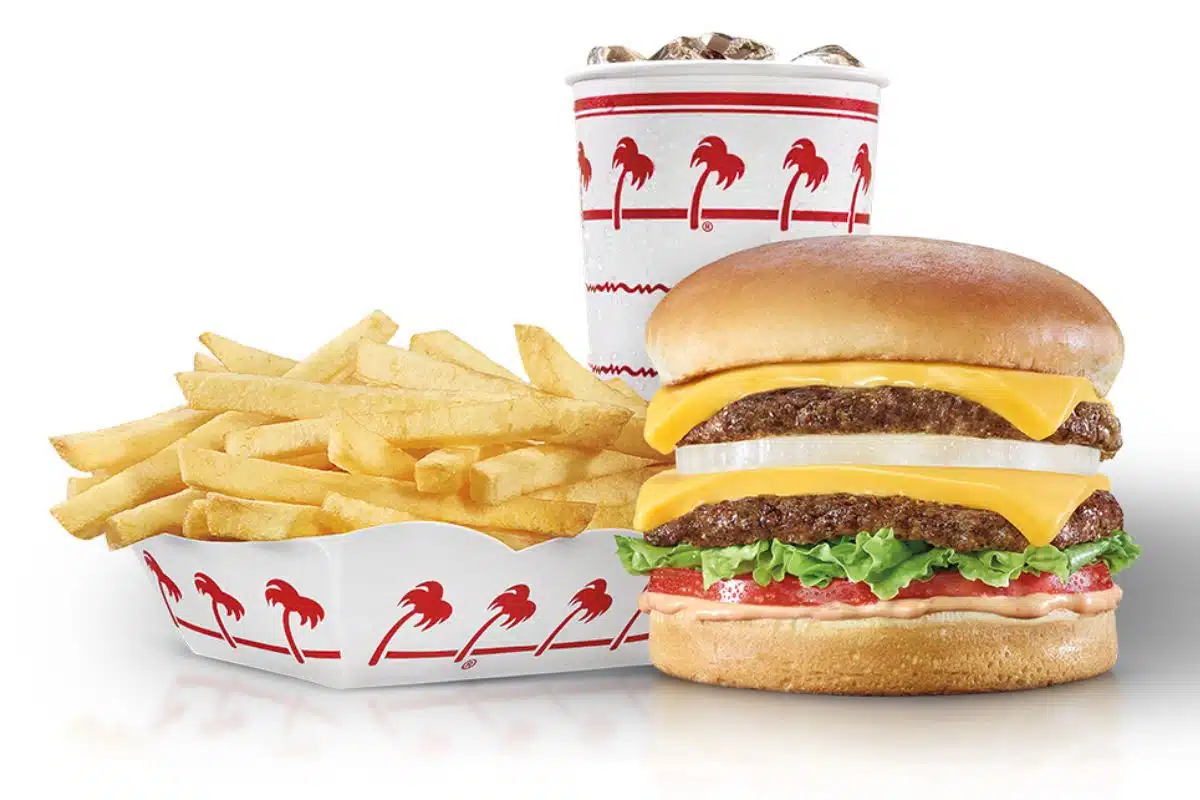
In-N-Out keeps its menu intentionally small, allowing employees to prepare each order fresh. Burger patties are cooked on the grill after they’re ordered, and whole potatoes are sliced in-store daily before being fried. The company is also known for avoiding freezers for its beef patties, emphasizing fresh deliveries instead. This straightforward approach has helped In-N-Out earn a loyal following for consistently fresh burgers and fries.
Five Guys – Fresh Burgers and Hand-Cut Fries
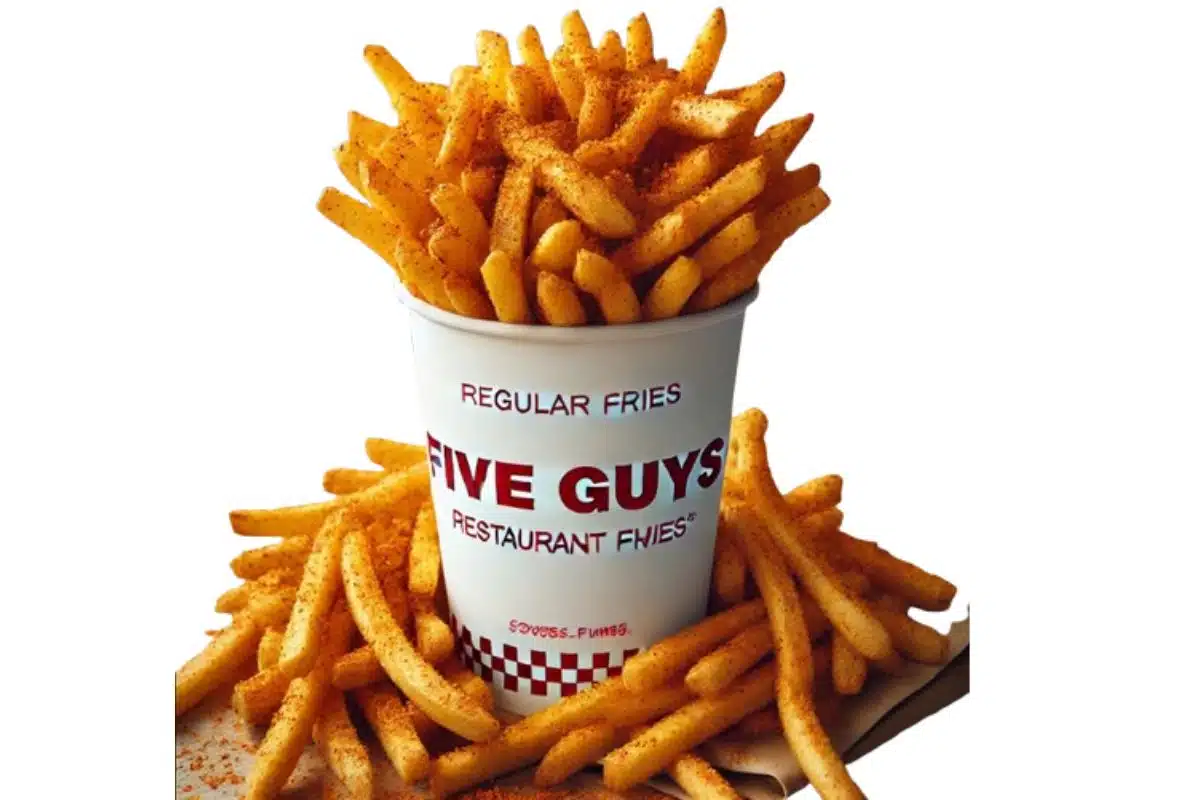
Five Guys prepares its burgers on a flat-top grill after customers place their orders, rather than relying on pre-cooked patties. Potatoes are hand-cut in each restaurant and cooked in peanut oil throughout the day, creating one of the chain’s signature menu items. The restaurants focus on grilling, frying, and assembling food instead of reheating completed meals. That commitment to made-to-order cooking is a major reason the brand stands out in the burger category.
Chick-fil-A – Chicken Cooked in Small Batches
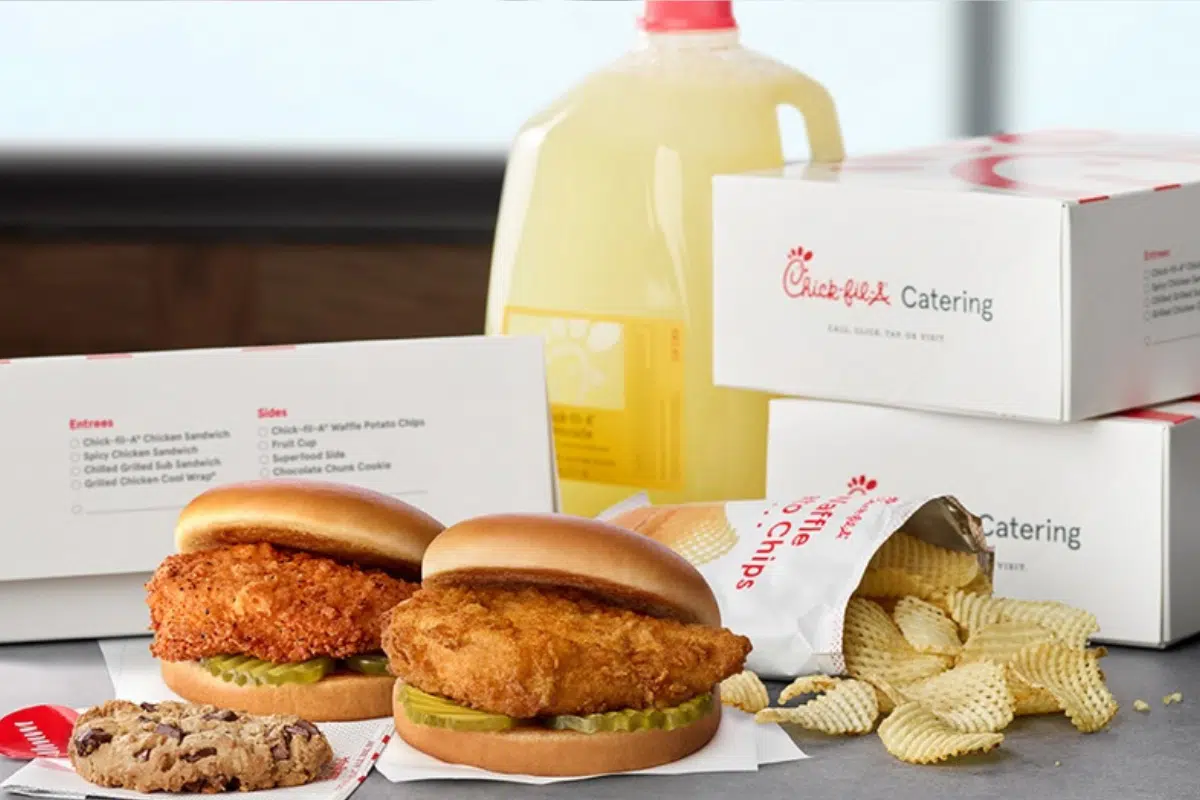
Chick-fil-A restaurants hand-bread chicken and pressure-cook it in peanut oil throughout the day to keep up with customer demand. Rather than preparing large quantities far in advance, employees cook fresh batches regularly so sandwiches and nuggets remain hot and flavorful. Fresh produce is also prepared daily for salads and toppings. The chain relies primarily on fryers and kitchen equipment instead of microwaves for its core menu items.
Shake Shack – Restaurant-Style Cooking From Fresh Ingredients
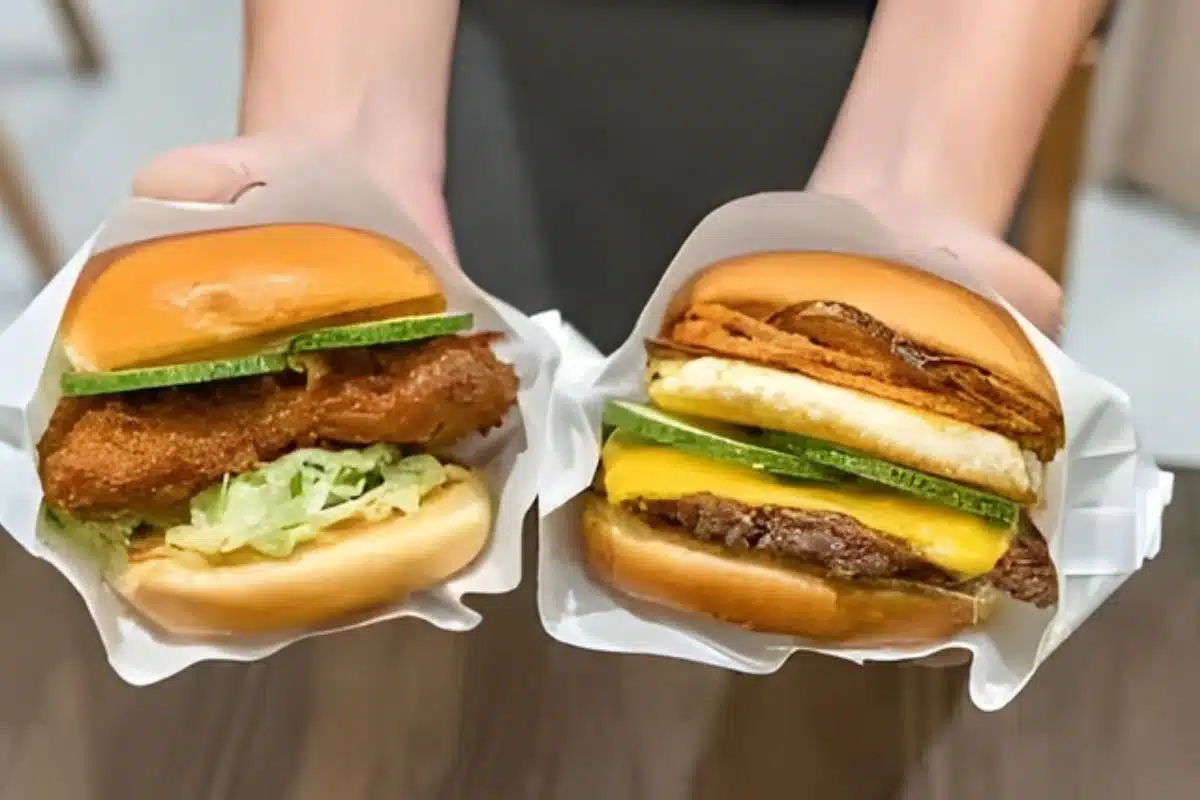
Shake Shack uses fresh, never-frozen beef that is cooked on a griddle after an order is placed. Burgers, chicken sandwiches, crinkle-cut fries, and shakes are prepared using restaurant-style cooking methods designed to emphasize quality over maximum speed. While some ingredients arrive pre-portioned, most menu items are assembled fresh during service. The result is a fast-casual experience that feels closer to a traditional restaurant than a typical drive-thru.
McDonald’s – Fast Systems with Select Microwave Use
McDonald’s prepares many of its signature menu items using grills, fryers, and specialized kitchen equipment designed for consistency. Beef patties, chicken products, and French fries are cooked using dedicated cooking systems, while holding cabinets help maintain food at serving temperature. Certain items, such as some breakfast products, desserts, or specialty menu items, may be reheated using microwaves depending on the restaurant and the product. The combination of fresh cooking and carefully managed holding times allows McDonald’s to serve millions of customers efficiently every day.
Subway – Cold Prep with Frequent Heating Options
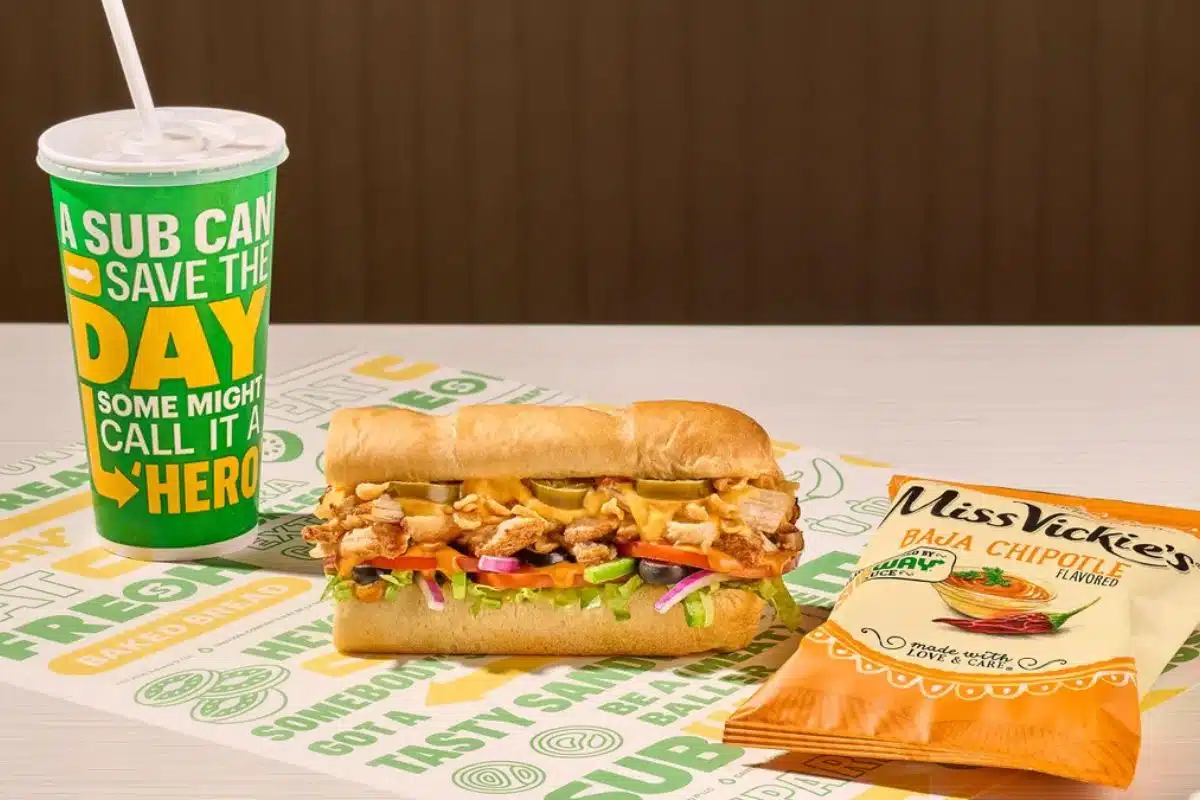
Most Subway sandwiches begin with cold ingredients that are assembled in front of customers. If a toasted sandwich is ordered, it’s typically heated in a high-speed commercial toaster oven rather than a traditional microwave. Meats, cheeses, vegetables, and sauces are portioned ahead of time, making customization quick and easy. The chain’s preparation style centers more on assembly than on cooking from raw ingredients.
Burger King – Flame-Grilled Burgers With Fast Finishing
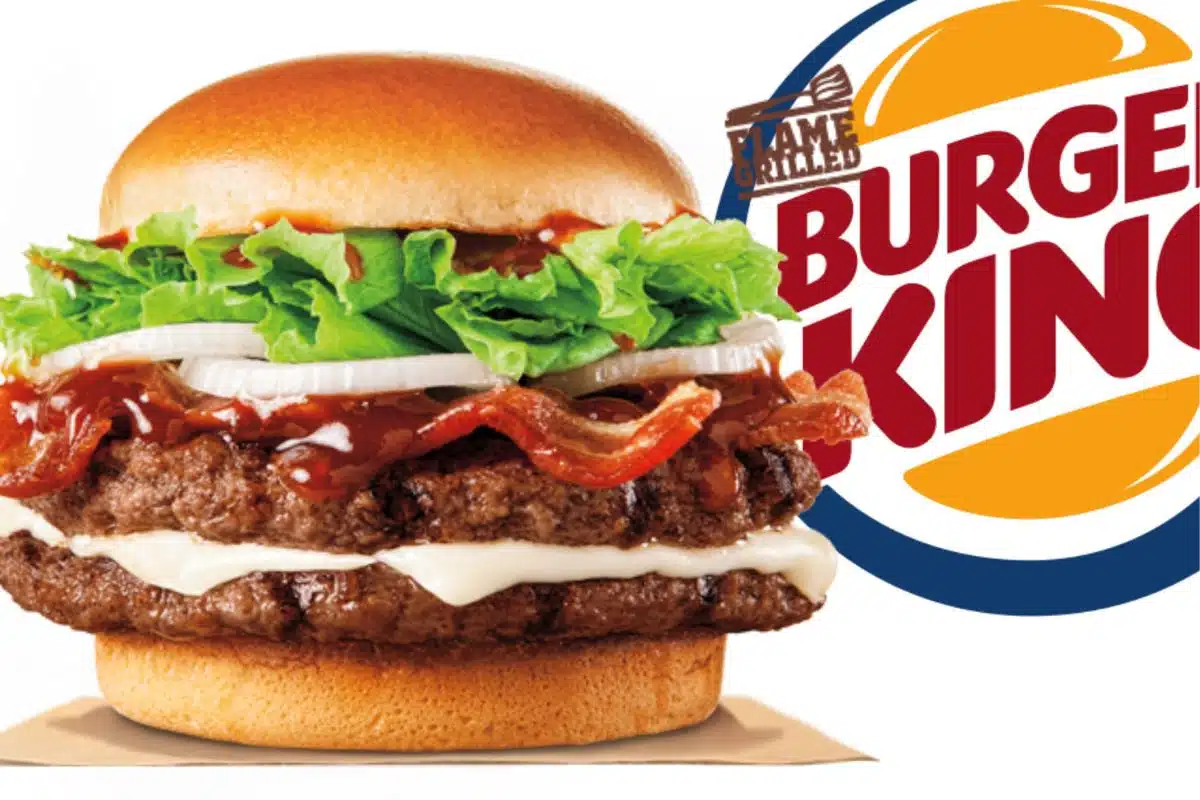
Burger King continues to distinguish itself with its signature flame-grilled beef patties, which provide the chain’s recognizable smoky flavor. Many burgers are finished to order with fresh toppings and condiments, while side items are cooked in fryers or prepared using other commercial kitchen equipment. Some breakfast products or specialty menu items may be reheated as needed depending on restaurant procedures. The combination of flame grilling and quick assembly helps Burger King maintain fast service during busy meal periods.
Taco Bell – High Use of Pre-Cooked and Heated Ingredients
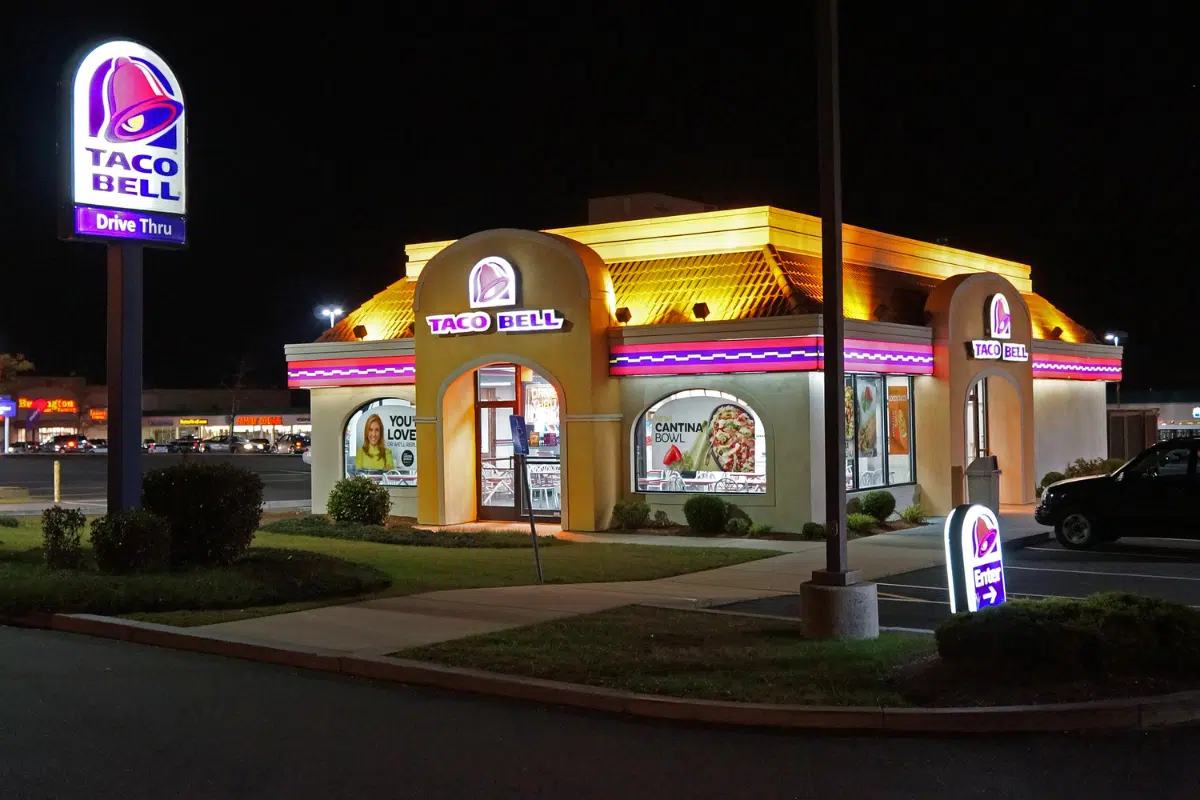
Taco Bell’s menu is built around ingredients that are cooked ahead of service, held at safe temperatures, and assembled into dozens of different menu combinations. Seasoned beef, beans, chicken, rice, and sauces are portioned quickly to create tacos, burritos, quesadillas, and other favorites. Many heated menu items are finished using high-speed steamers or other commercial warming equipment rather than being cooked from raw ingredients. This preparation system allows Taco Bell to offer a large menu while keeping wait times short.
Wendy’s – Fresh Beef with Select Reheating Use
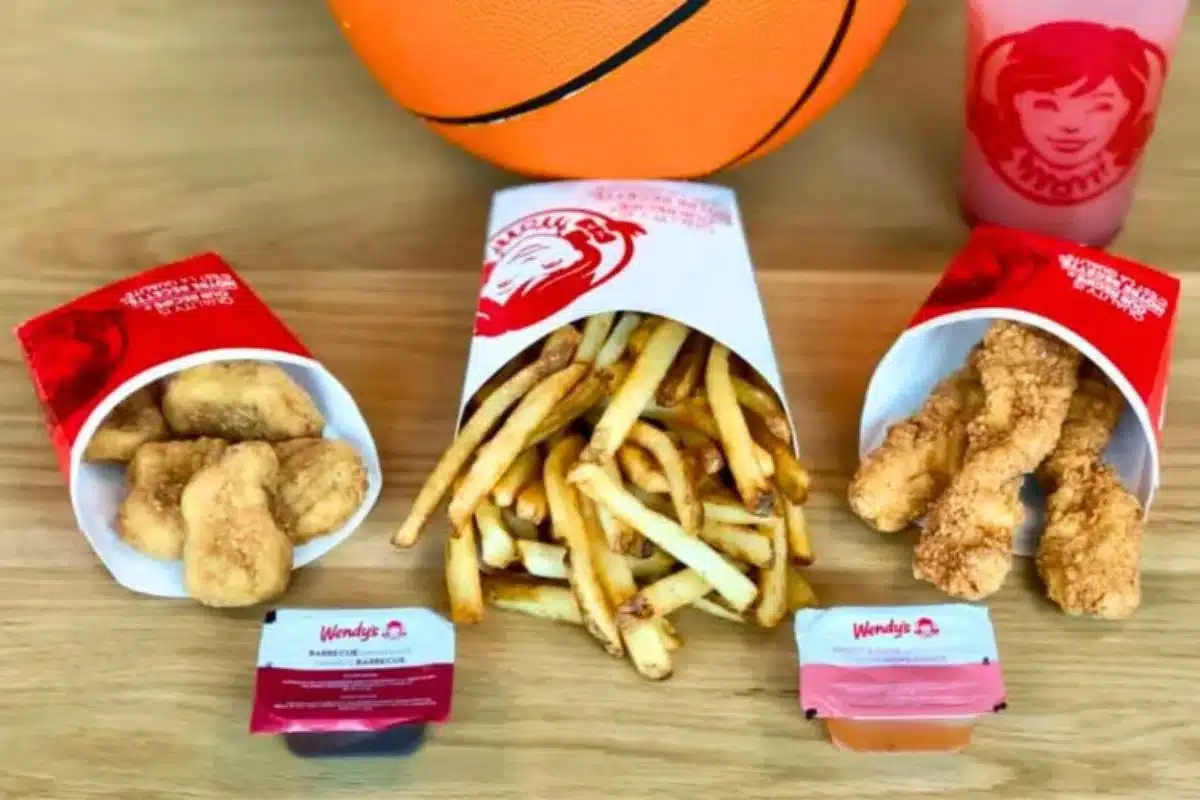
Wendy’s is well known for using fresh, never-frozen beef in its hamburger patties, which are cooked on the grill throughout the day. Chicken sandwiches are cooked using commercial fryers, while baked potatoes are oven-baked and chili is prepared in large batches before being held at serving temperature. Like many major chains, certain products or ingredients may occasionally be reheated using commercial kitchen equipment depending on operational needs. Wendy’s blends fresh cooking with efficient preparation methods to deliver both speed and consistency.
This post may contain affiliate links or sponsored content. Disclosure Policy