10 Kitchen Habits That Could Fail a Restaurant Health Inspection
Most home kitchens aren’t expected to meet restaurant health code standards—but many everyday habits that seem harmless can increase the risk of foodborne illness. Professional kitchens are held to strict food safety guidelines because even small mistakes can lead to contamination, bacterial growth, or cross-contact between foods. The good news is that a few simple changes can make your kitchen cleaner, safer, and more organized. From checking your refrigerator temperature to replacing worn-out cutting boards, these common habits are worth a second look. See how your kitchen stacks up against the food safety practices inspectors look for every day.
Check Your Refrigerator Temperature Regularly
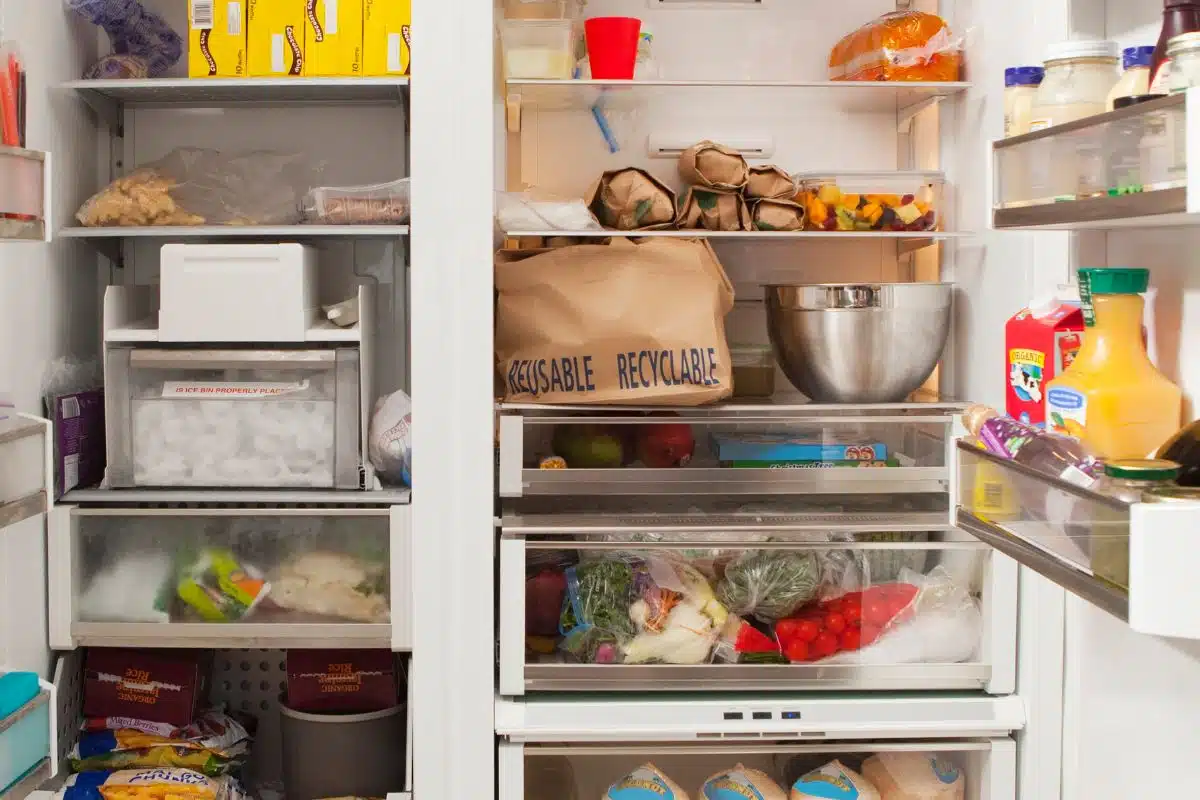
Many people assume their refrigerator is cold enough, but the only way to know is by using an appliance thermometer. Food should be stored at 40°F (4°C) or below to slow the growth of harmful bacteria, while freezers should remain at 0°F (-18°C). Even a refrigerator that’s only a few degrees too warm can shorten the safe storage life of milk, meat, leftovers, and other perishables.
Don’t Let Leftovers Become Mystery Containers
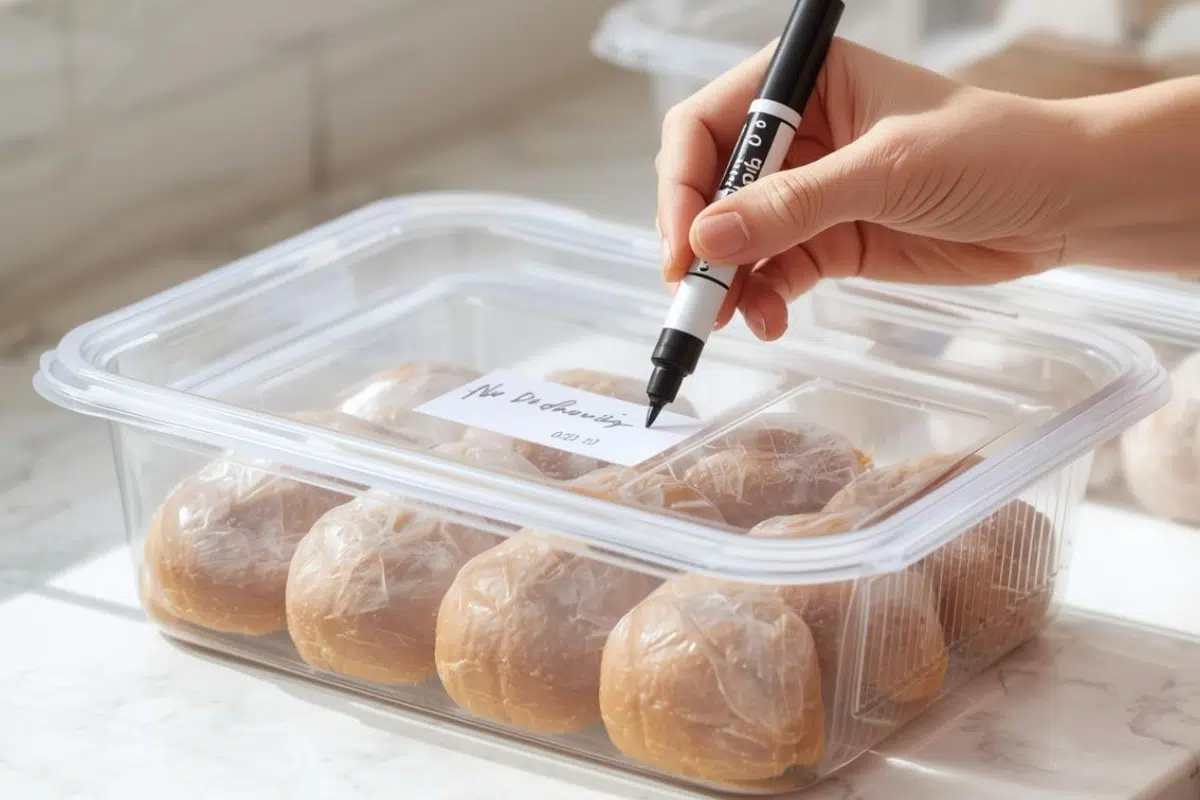
Restaurant kitchens carefully label prepared foods with the date they were made, and it’s a habit worth copying at home. Leftovers can all start to look alike after a few days, making it easy to keep them longer than is recommended. Dating containers with masking tape or reusable labels makes it much easier to use food while it’s still at its best and safely discard anything that’s been forgotten.
Replace Kitchen Sponges Before They Become a Problem
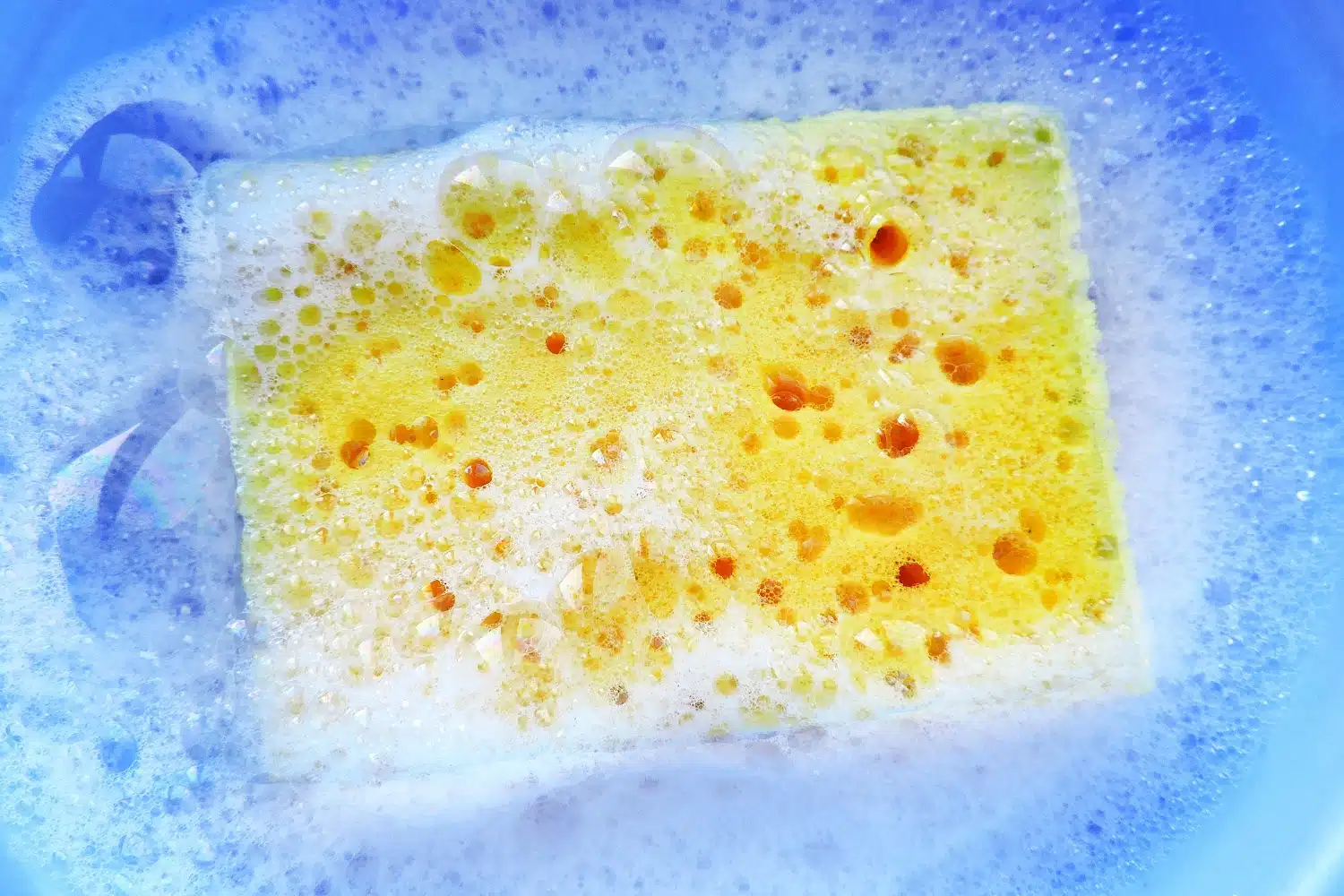
Kitchen sponges stay damp for long periods, creating an ideal environment for bacteria to multiply. If a sponge develops an odor, starts falling apart, or has been in use for weeks, it’s probably time for a replacement. Better yet, rotate washable dishcloths that can be laundered in hot water, or regularly sanitize reusable cleaning tools to help reduce bacterial buildup.
Store Raw Meat Below Ready-to-Eat Foods
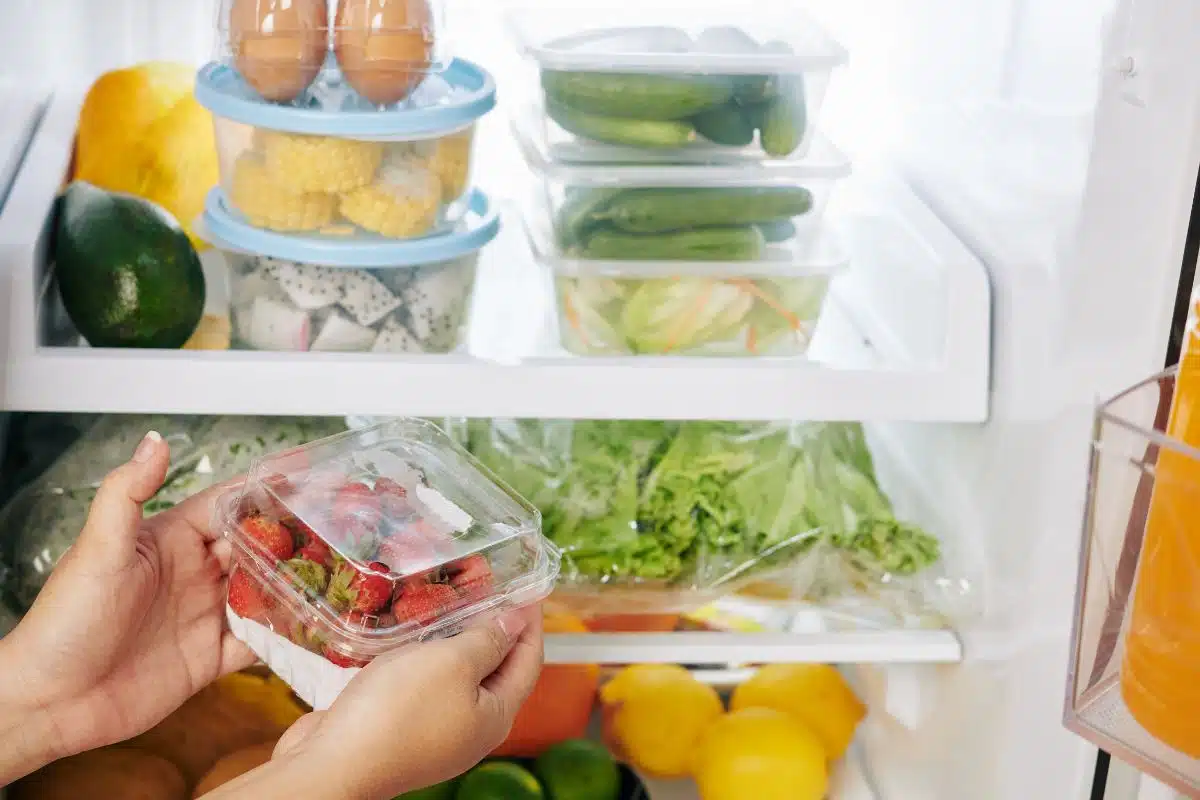
One of the biggest concerns during restaurant inspections is preventing cross-contamination. Raw beef, poultry, pork, and seafood should always be stored on the lowest shelf of the refrigerator in leak-proof containers so juices can’t drip onto foods that won’t be cooked again. This simple habit greatly reduces the risk of spreading harmful bacteria throughout your refrigerator.
Retire Worn-Out Cutting Boards
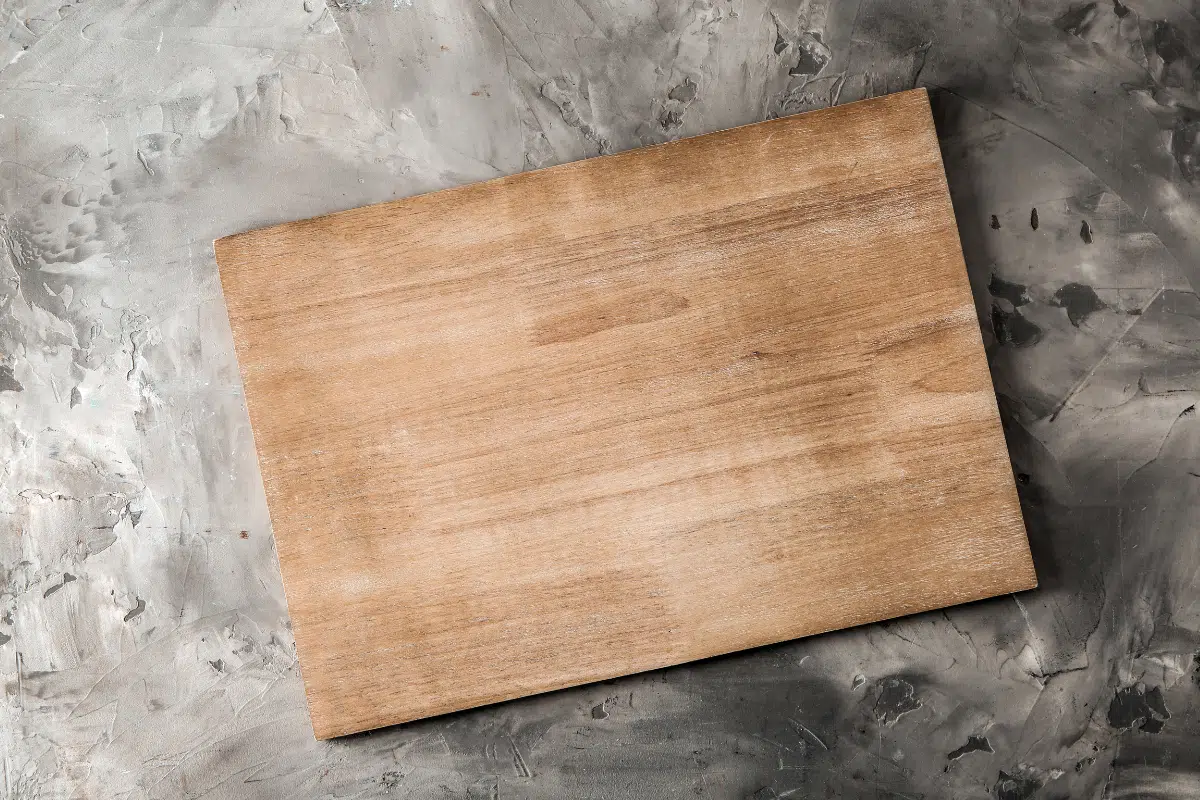
Cutting boards develop deep knife grooves over time, and those tiny cuts can trap food particles that are difficult to remove completely. Using separate boards for raw meat and fresh produce is one of the easiest ways to prevent cross-contamination. If a board has excessive wear, cracking, or staining that won’t come clean, replacing it is often the safest choice.
Wash Your Hands the Right Way
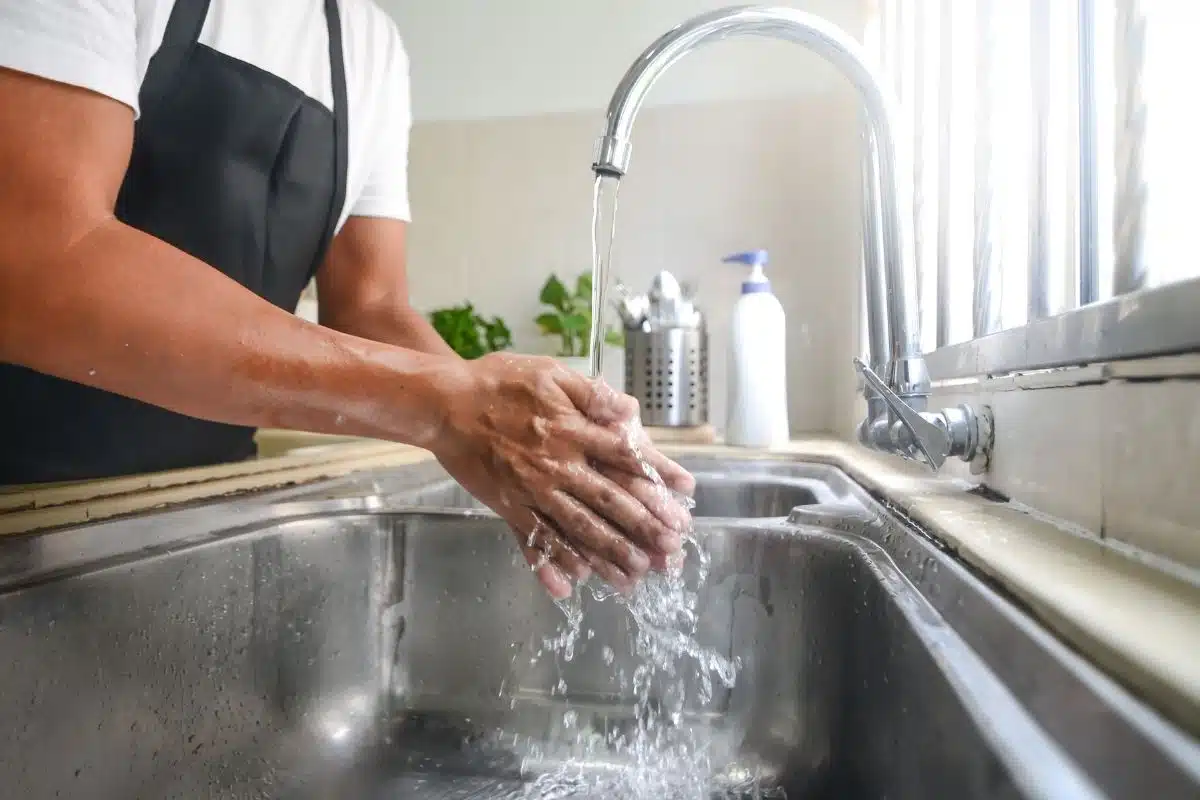
Handwashing remains one of the most effective ways to prevent foodborne illness. Wash with soap and warm running water for at least 20 seconds, making sure to scrub between your fingers, under your nails, and the backs of your hands. It’s especially important after handling raw meat, touching pets, using your phone, coughing, or taking out the trash before returning to food preparation.
Sanitize Food Preparation Surfaces Between Tasks
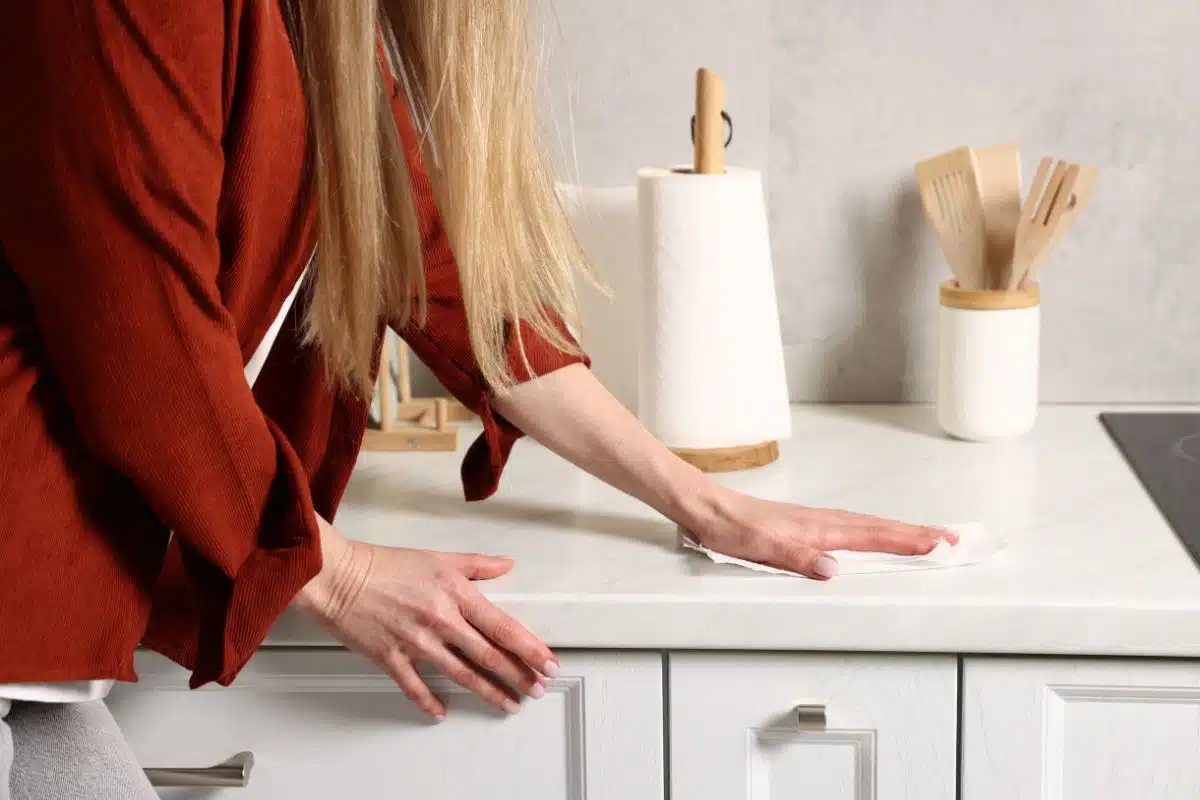
Wiping countertops with a damp cloth may remove crumbs, but it doesn’t necessarily eliminate harmful germs. When preparing different foods—especially after handling raw meat, eggs, or seafood—clean surfaces with hot, soapy water and follow with an appropriate kitchen sanitizer if needed. This helps prevent bacteria from transferring to foods that are ready to eat.
Don’t Ignore Your Trash Can
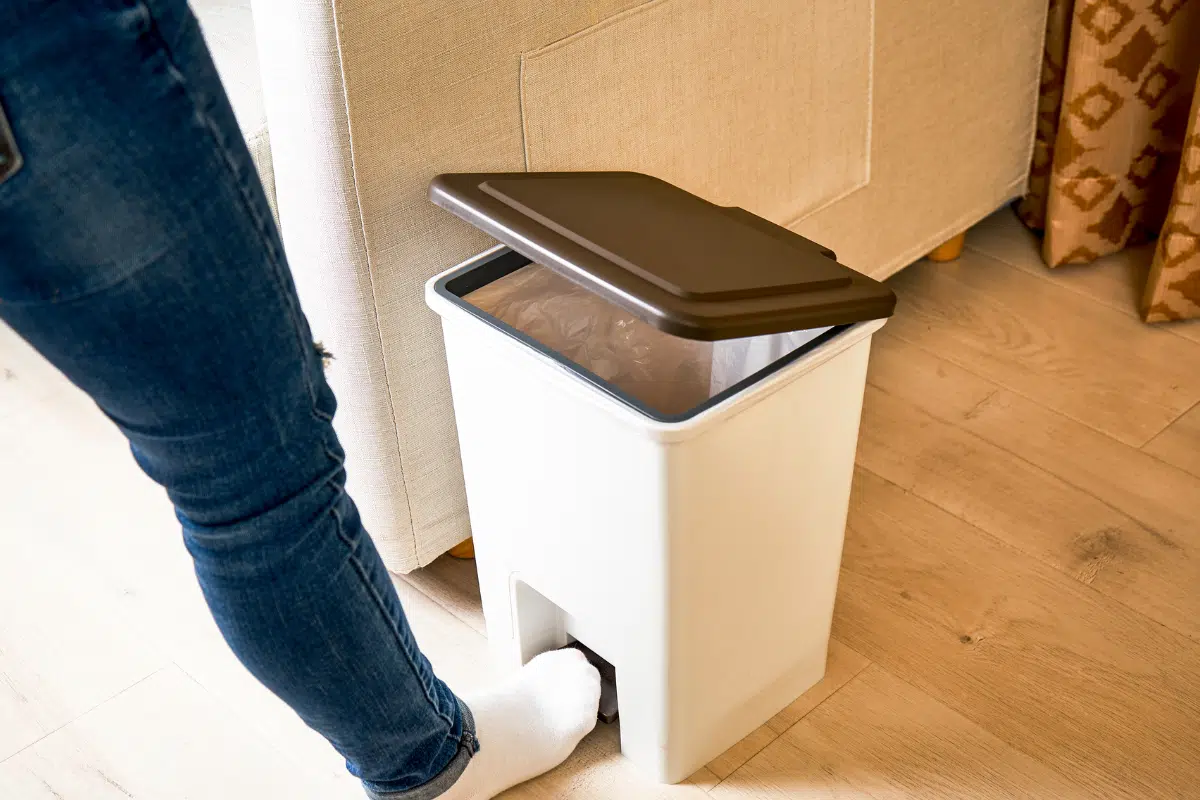
A garbage can is more than just a place to throw things away—it can also become a breeding ground for bacteria, mold, odors, and pests. Empty kitchen trash regularly, especially when it contains food waste, and clean both the inside and outside of the can on a routine basis. A lid that closes properly also helps discourage insects and rodents.
Check Pantry Staples More Often Than You Think
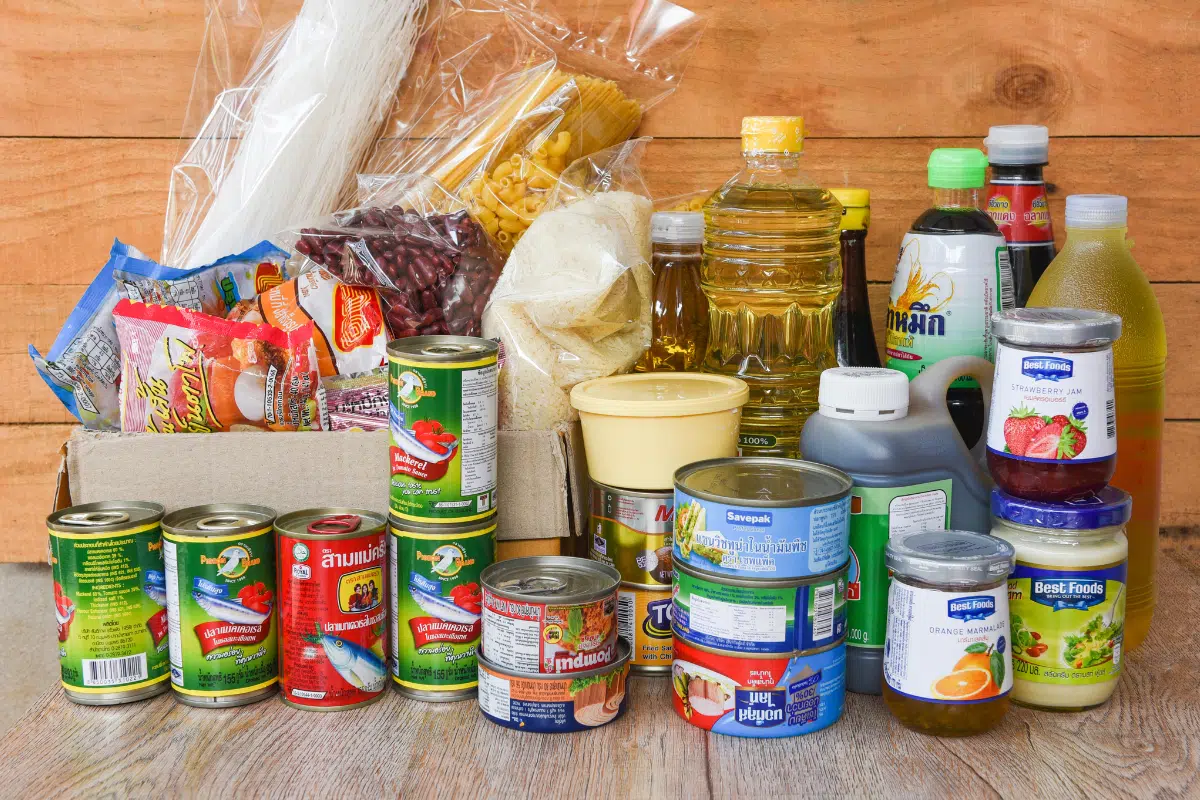
While many shelf-stable foods last a long time, they don’t last forever. Spices gradually lose their flavor, oils can become rancid, and baking ingredients may no longer perform as expected. Take a few minutes every few months to rotate older products to the front, discard expired items, and keep your pantry organized so food doesn’t get forgotten.
Clean the Places Everyone Forgets
Restaurant inspectors pay attention to high-touch surfaces because they’re frequently overlooked during routine cleaning. Refrigerator door handles, microwave buttons, cabinet pulls, faucet handles, coffee maker lids, appliance controls, and refrigerator door seals can all collect grease, food residue, and germs. Giving these areas a quick wipe several times a week helps keep your kitchen cleaner and reduces the spread of bacteria.
This post may contain affiliate links or sponsored content. Disclosure Policy