15 Household Iterms That Are Not Worth The Money
It’s easy to assume that higher price means higher quality — especially when it comes to products for your home. But some household items come with hefty markups that simply don’t deliver better performance. In many cases, cheaper alternatives work just as well (or even better). Before your next shopping trip, here are 15 household items that may not be worth the money.
Brand-Name Cleaning Sprays
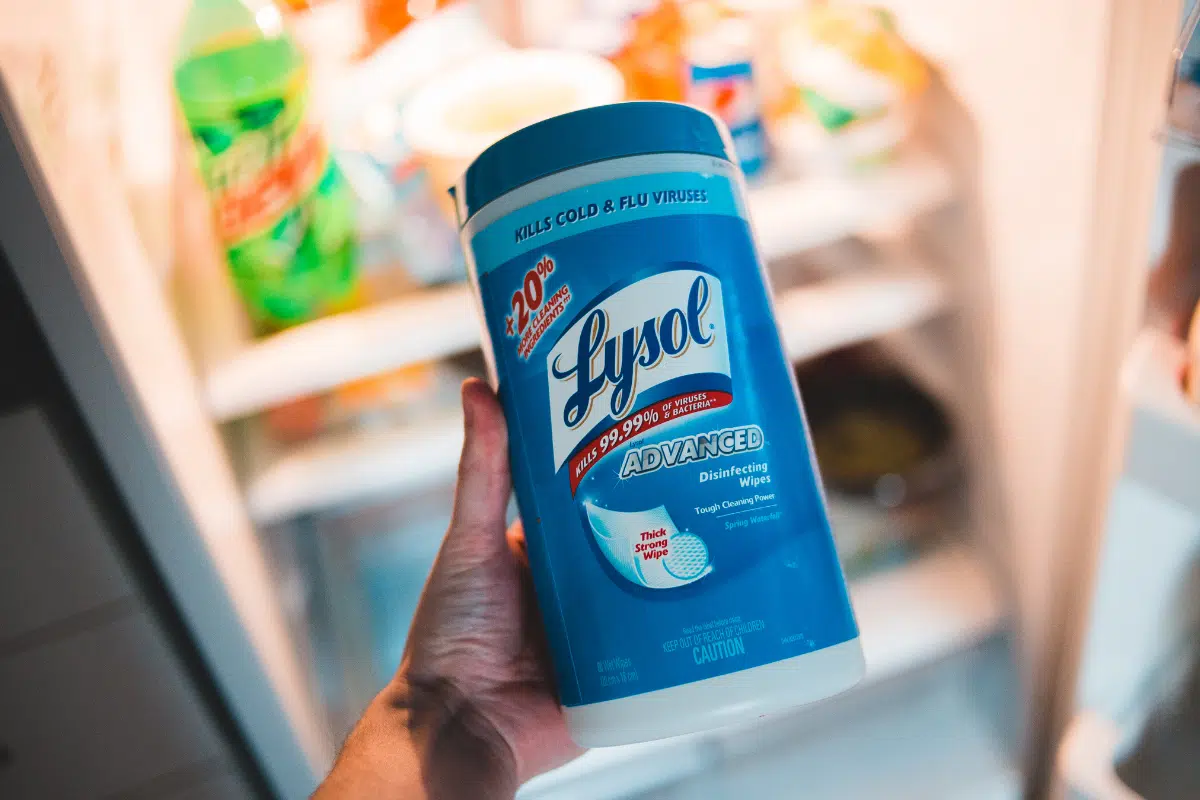
Many store-brand cleaners use nearly identical ingredients at a fraction of the price. For everyday surfaces, you’re often paying for branding and packaging rather than better results. In some cases, simple DIY solutions work just as effectively.
Single-Purpose Kitchen Gadgets

Avocado slicers, banana cutters, and other “as-seen-on-TV” tools often clutter drawers after just a few uses. A basic knife can usually do the same job. These gadgets add up quickly — and rarely justify the cost or storage space.
Extended Warranties

Retailers heavily promote extended warranties, but most products don’t fail within the covered period. Many credit cards and manufacturers already provide built-in protection. In the long run, skipping the add-on often saves more money.
Fancy Laundry Detergent Pods
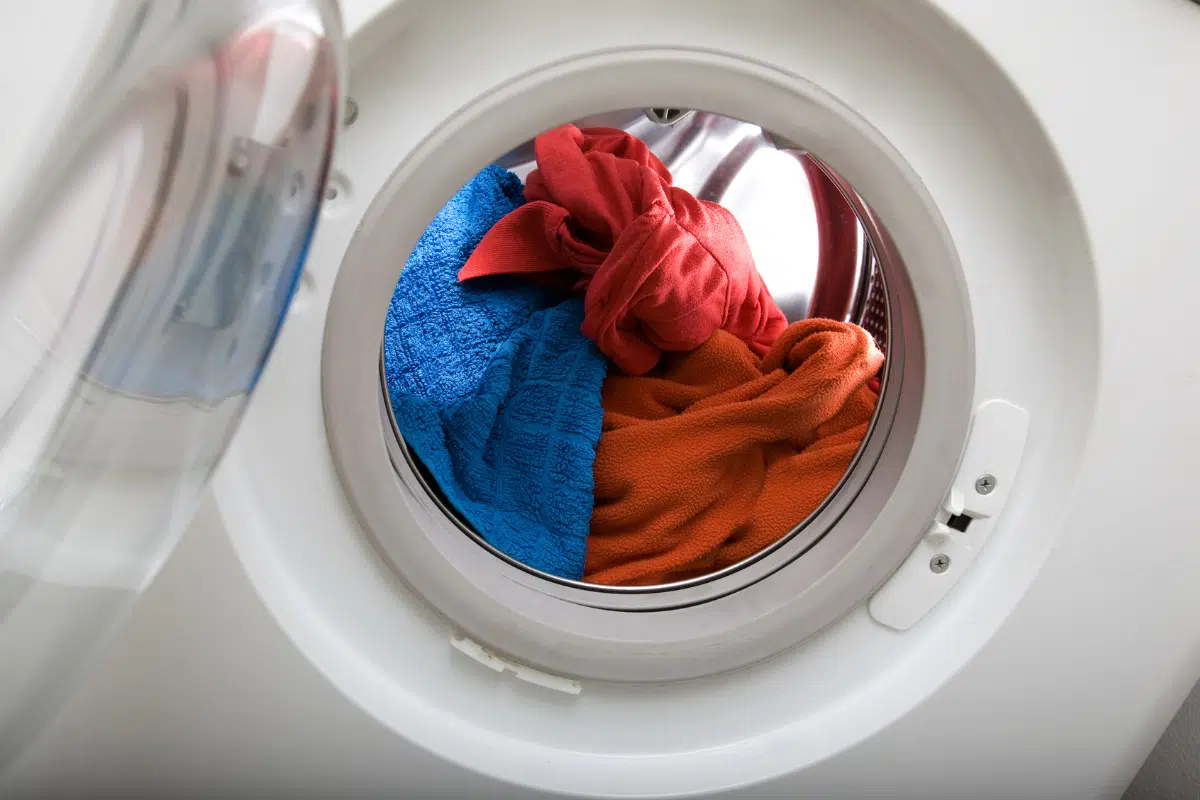
Pods are convenient, but they typically cost more per load than liquid or powder detergent. You’re paying extra for pre-measured packaging. Bulk detergent often delivers the same cleaning power for less.
Pre-Cut Produce
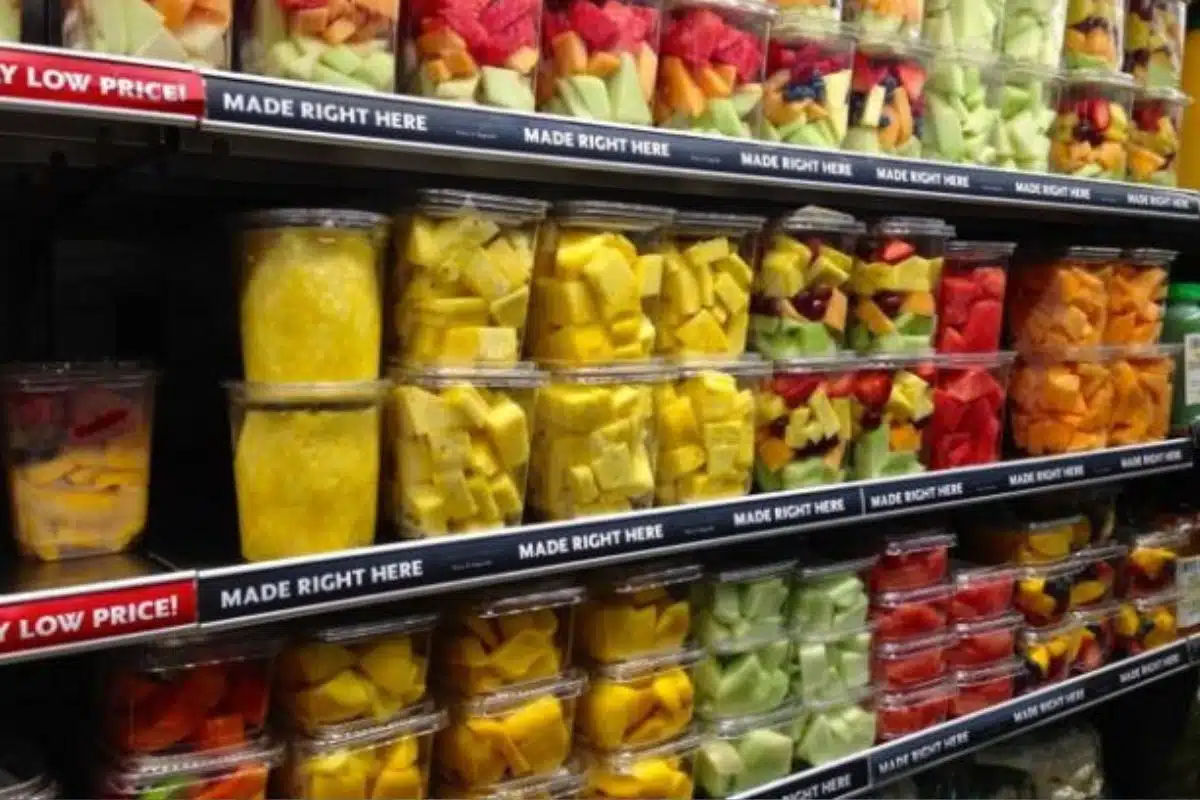
Pre-chopped fruits and vegetables can cost two to three times more than whole produce. While convenient, the markup adds up fast. A few minutes of prep at home can significantly reduce your grocery bill.
Bottled Water
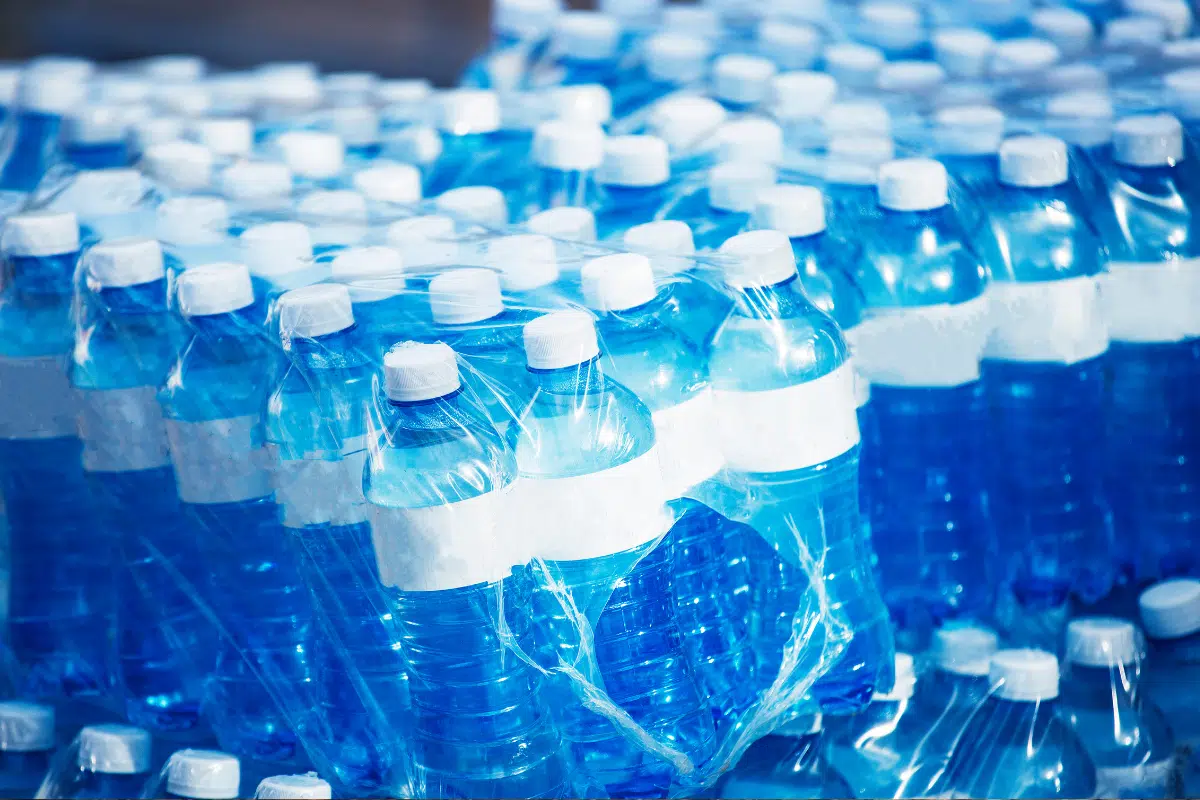
Bottled water is one of the biggest markups in grocery stores. A reusable bottle and home filter cost far less over time. You’ll also reduce plastic waste while saving money.
Paper Towels for Every Mess
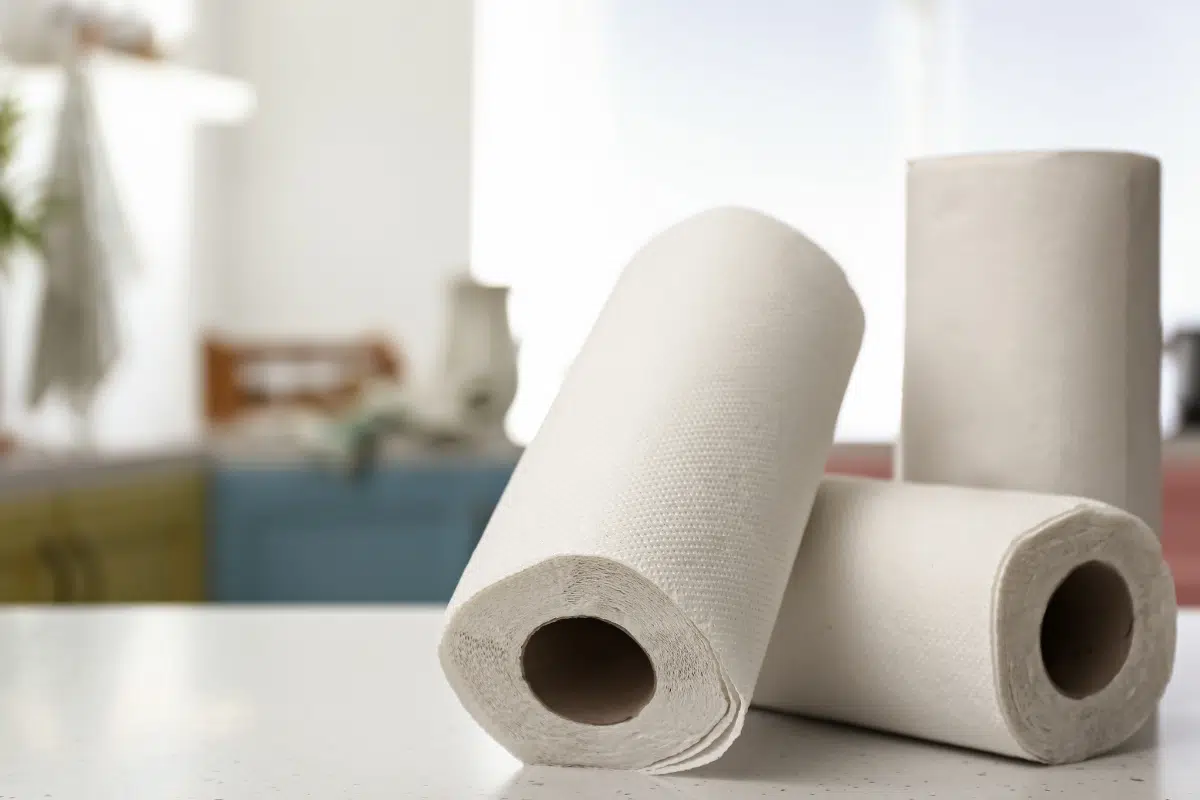
Paper towels are handy, but constant repurchasing gets expensive. Washable cloths or microfiber towels handle most everyday spills just as well. Over time, switching can noticeably lower household costs.
High-End Trash Bags
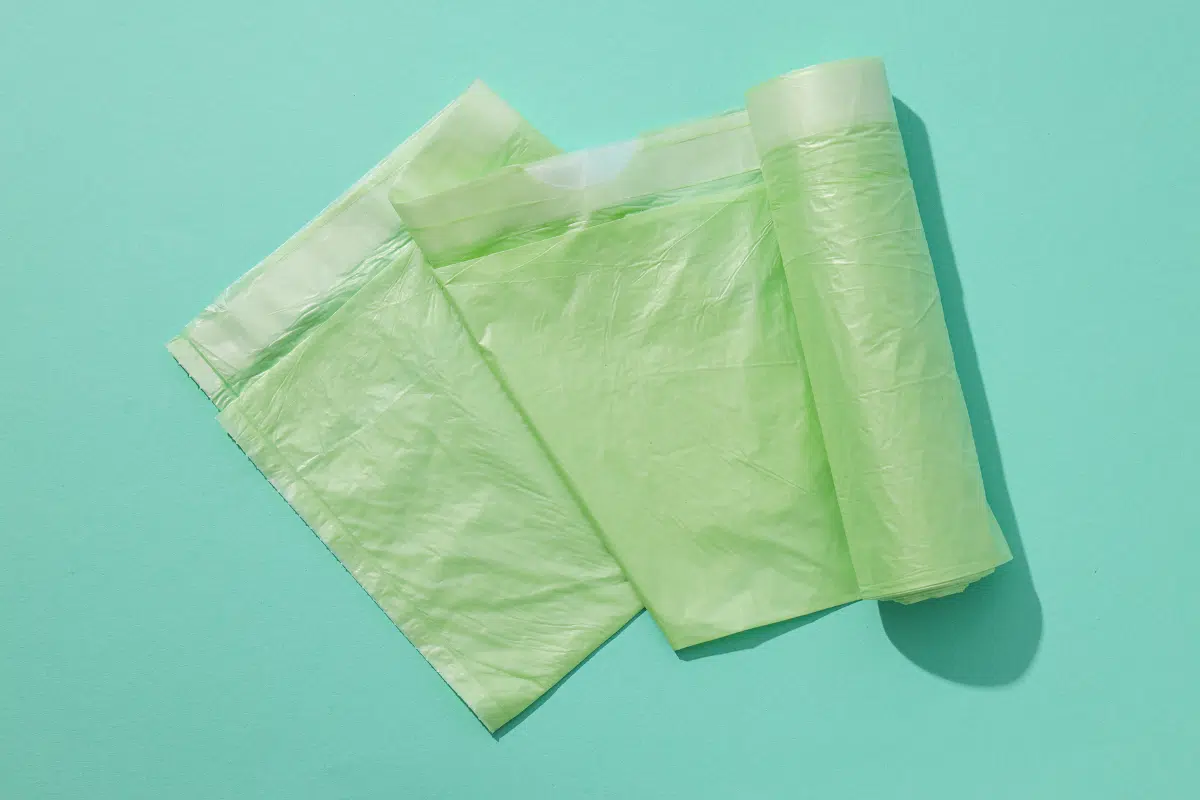
While durability matters, premium trash bags often cost much more without a dramatic difference in performance. Mid-range or store brands frequently work just fine for everyday use.
Fabric Softener

Fabric softener isn’t always necessary and can even reduce towel absorbency over time. Alternatives like wool dryer balls are reusable and cost-effective. Skipping liquid softener can trim ongoing expenses.
Cable TV Bundles

Large cable packages often include dozens of channels you never watch. Between fees and equipment rentals, costs add up quickly. Many households save by switching to more flexible streaming options.
Decorative Storage Bins
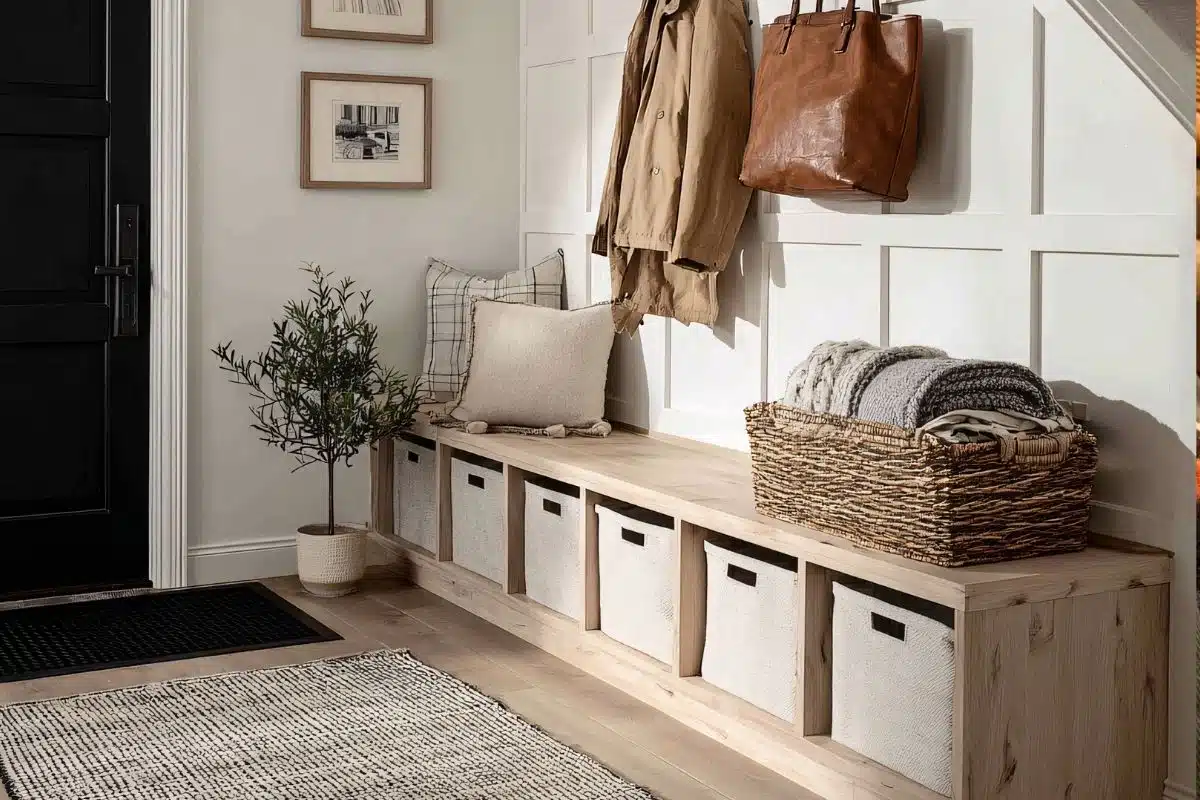
Trendy storage containers can be surprisingly expensive. Before buying, consider repurposing baskets, boxes, or bins you already own. Function matters more than matching aesthetics in most closets.
Air Freshener Plug-Ins
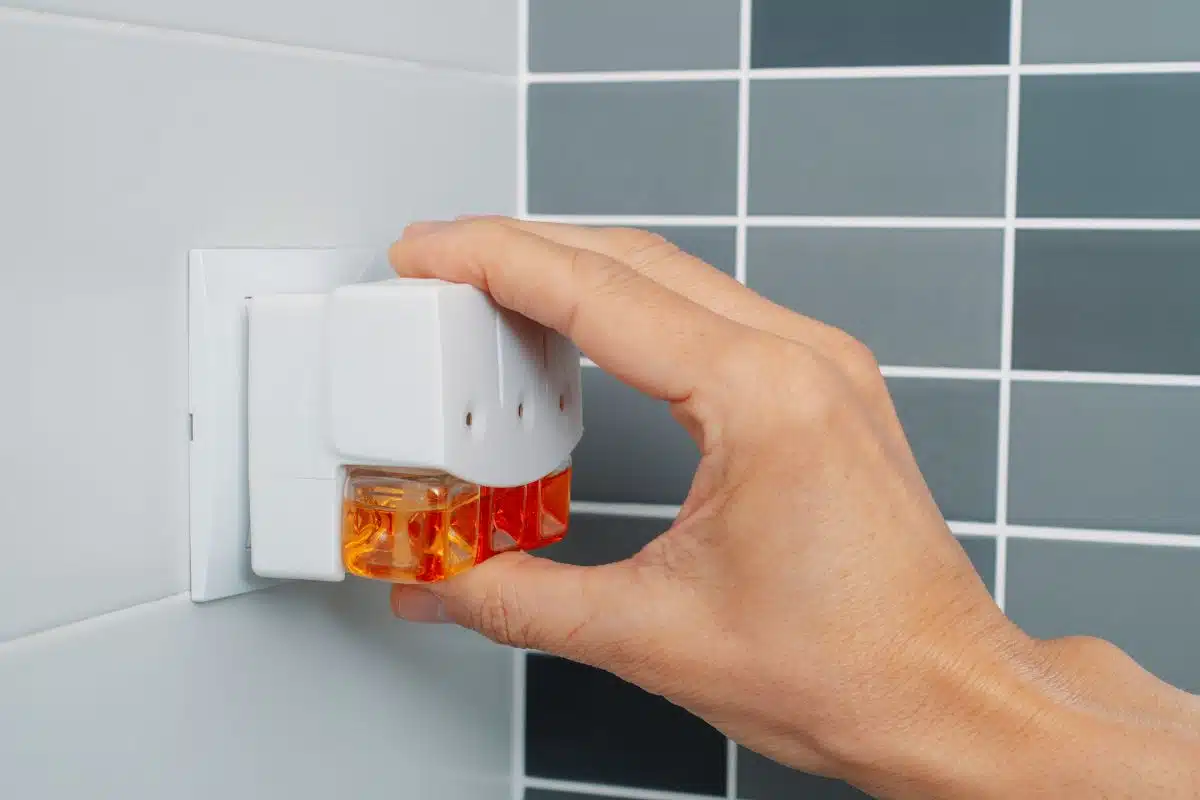
Plug-ins and scented refills require constant replacement. Natural options like baking soda, essential oil diffusers, or improved ventilation can cost less over time while reducing artificial fragrances.
Expensive Light Bulbs Without Energy Savings
Not all “premium” light bulbs justify their price. Energy-efficient LED bulbs can save money long-term, but overpriced specialty bulbs without efficiency benefits often don’t deliver value.
Name-Brand Batteries
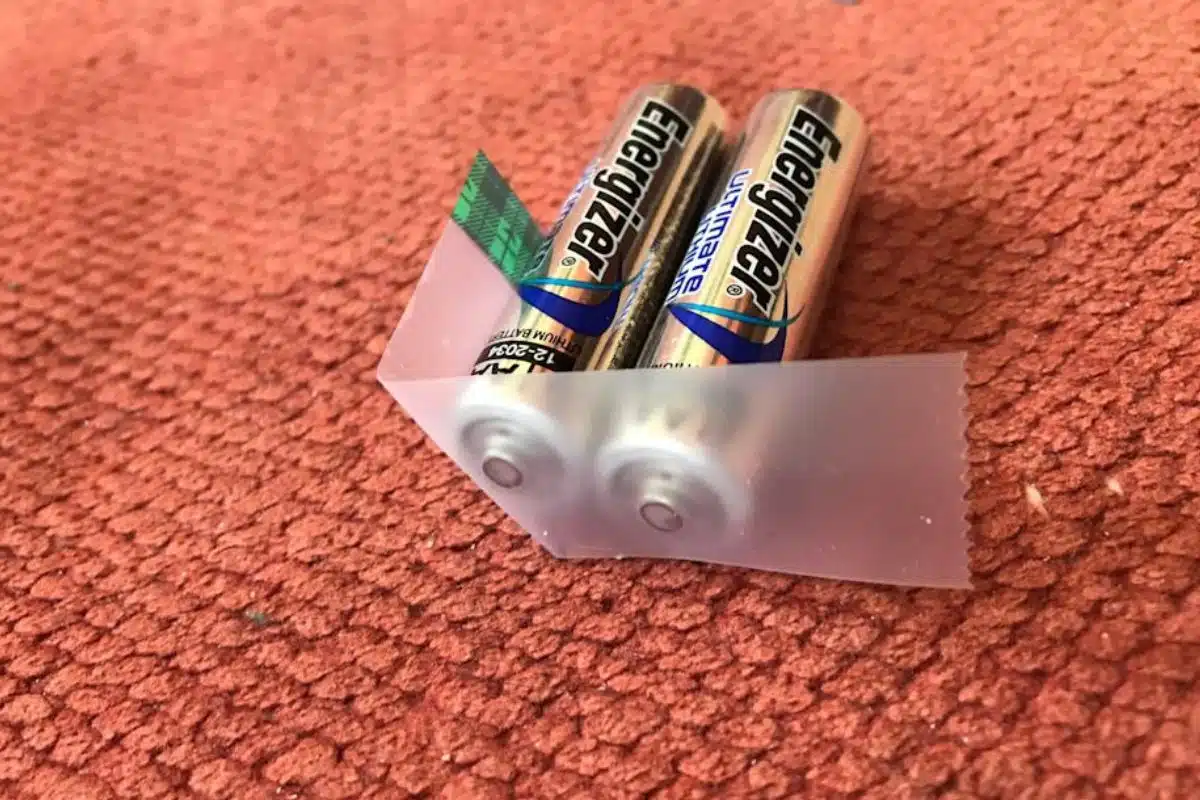
Store-brand batteries frequently perform just as well as major brands in low-drain devices. Paying extra doesn’t always mean longer life. Buying multipacks or rechargeable batteries can reduce long-term costs.
Greeting Cards

Greeting cards can cost $5 to $10 each — for something that’s often discarded quickly. Multipacks, printable cards, or heartfelt handwritten notes offer the same sentiment for far less money.
This post may contain affiliate links or sponsored content. Disclosure Policy