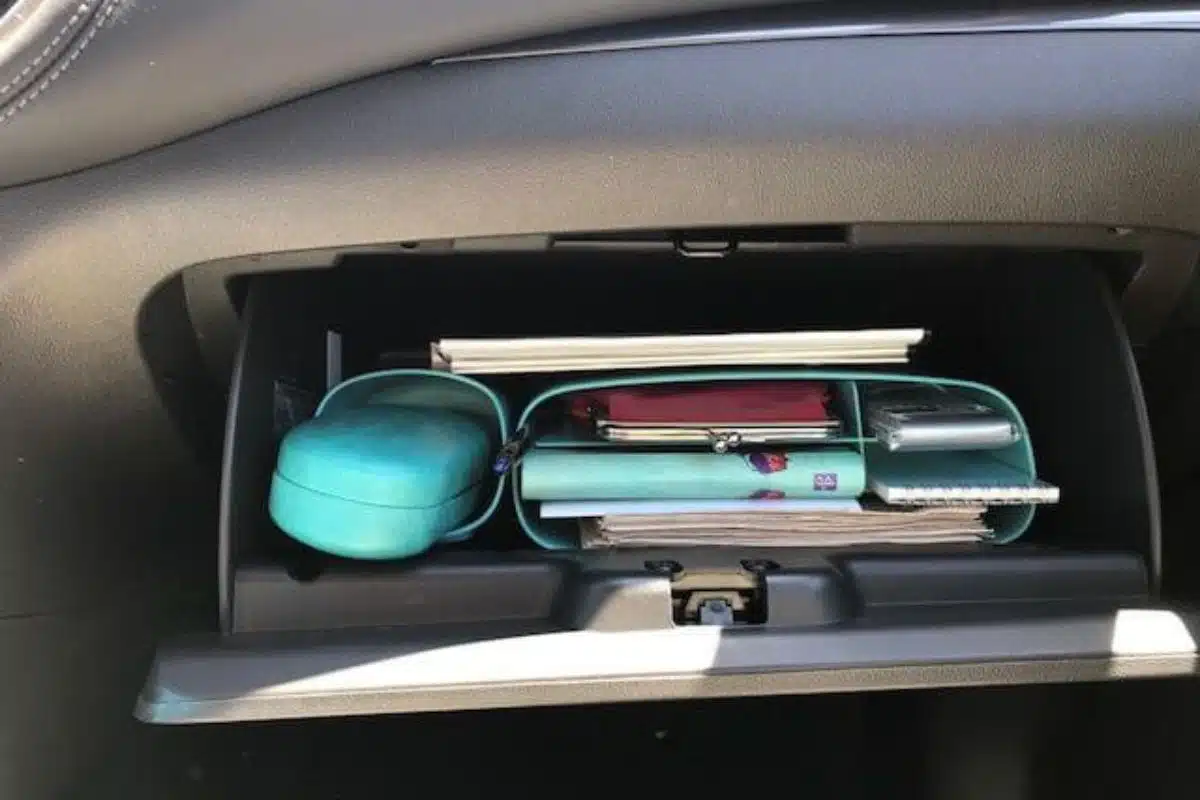
13 Foods You Can Safely Eat After the Expiration Date
Expiration dates can be confusing—and in many cases, they don’t actually mean food is unsafe. Most dates on packaged foods indicate quality, not safety. When stored properly, many everyday items last well beyond the printed date. These common foods are often still perfectly fine, helping you reduce waste and save money.
Eggs
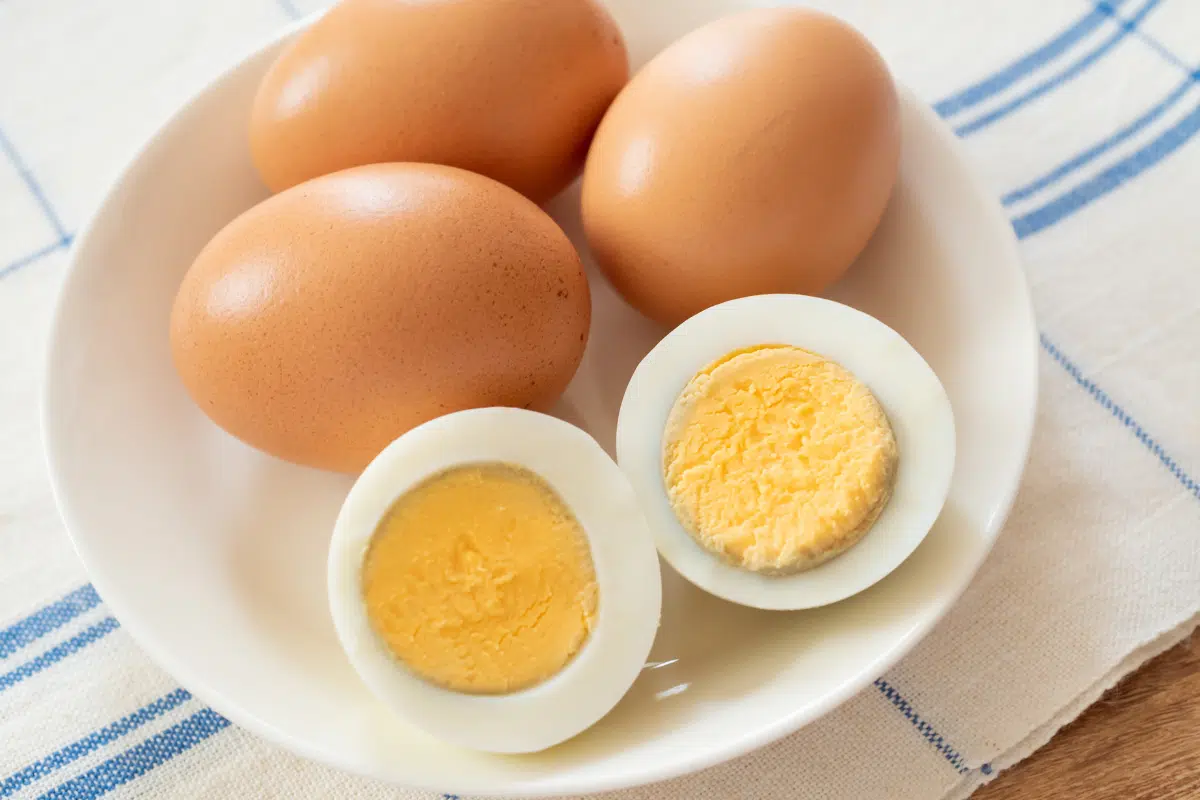
Eggs can last weeks beyond their expiration date when kept refrigerated. A simple water test can help—if the egg sinks, it’s still fresh; if it floats, it’s time to toss it. Always cook thoroughly for safety.
Milk
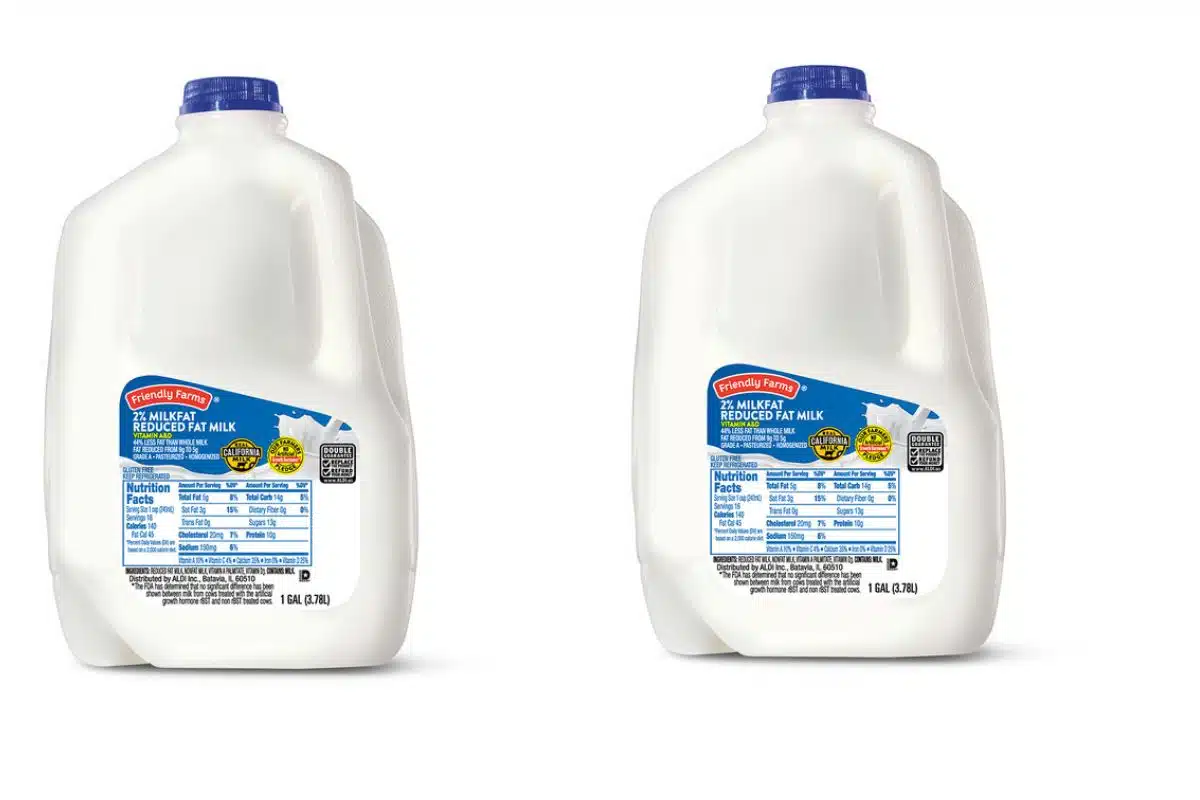
Milk often stays good several days past its date if stored at a consistent cold temperature. Give it a sniff—if it smells fine and hasn’t curdled, it’s usually safe to use.
Yogurt
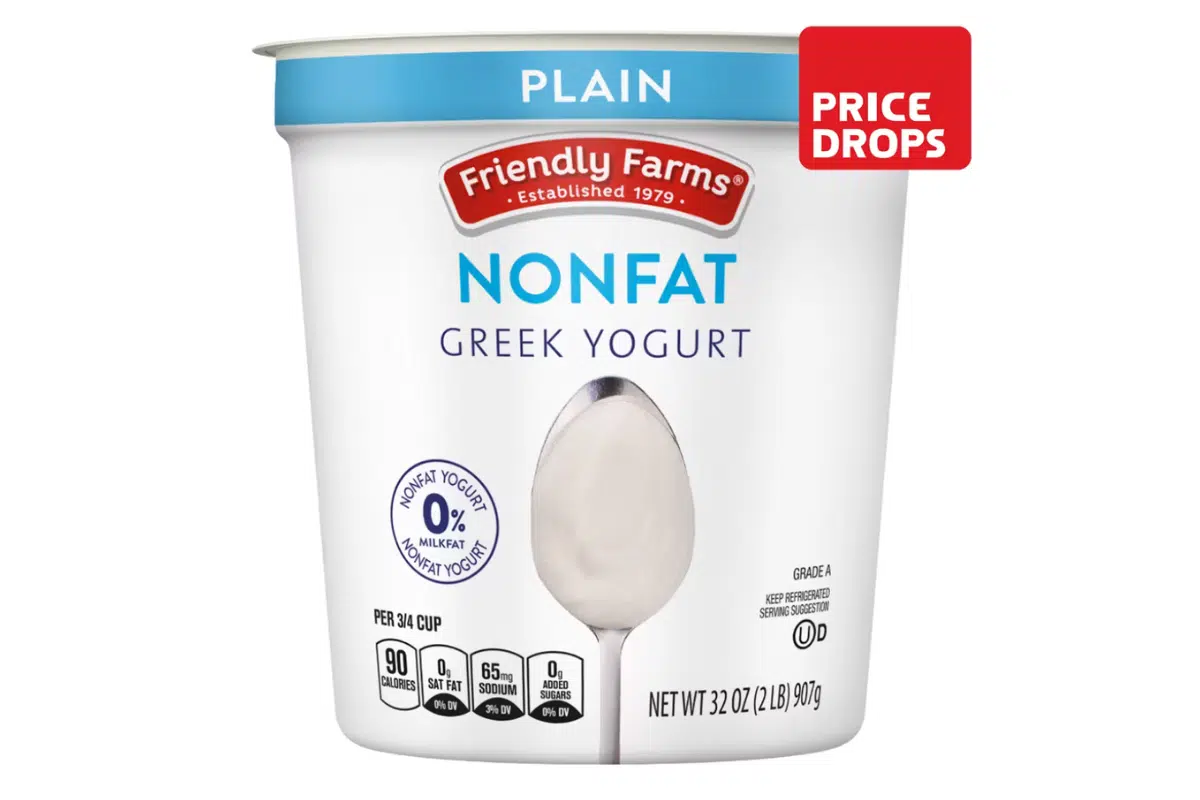
Unopened yogurt can last 1–2 weeks beyond the date on the container. The beneficial bacteria actually help preserve it. Just check for mold or an off smell before eating.
Hard Cheese
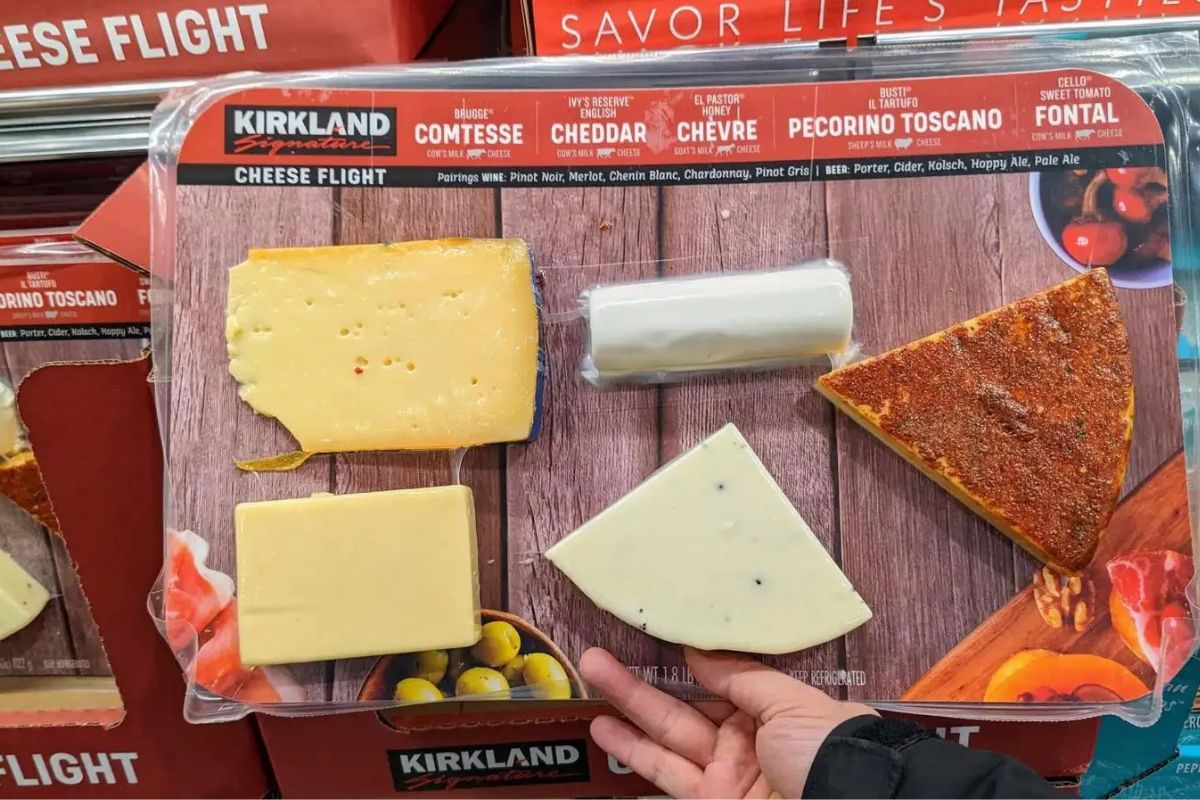
Hard cheeses like cheddar or Parmesan can last well beyond their dates. If mold appears, you can often cut off at least an inch around it and safely enjoy the rest.
Bread
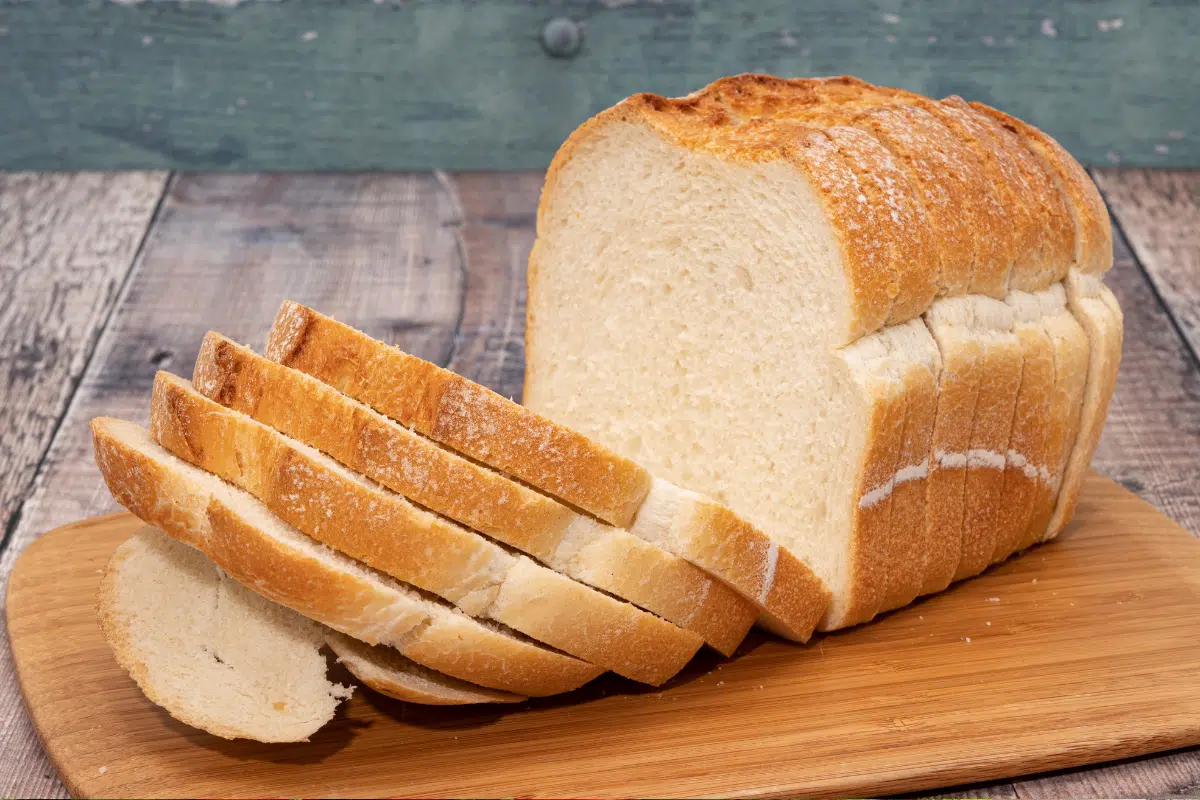
Bread can be eaten past its expiration date as long as there’s no mold. If it starts to go stale, it’s still great for toasting, croutons, or breadcrumbs.
Canned Foods
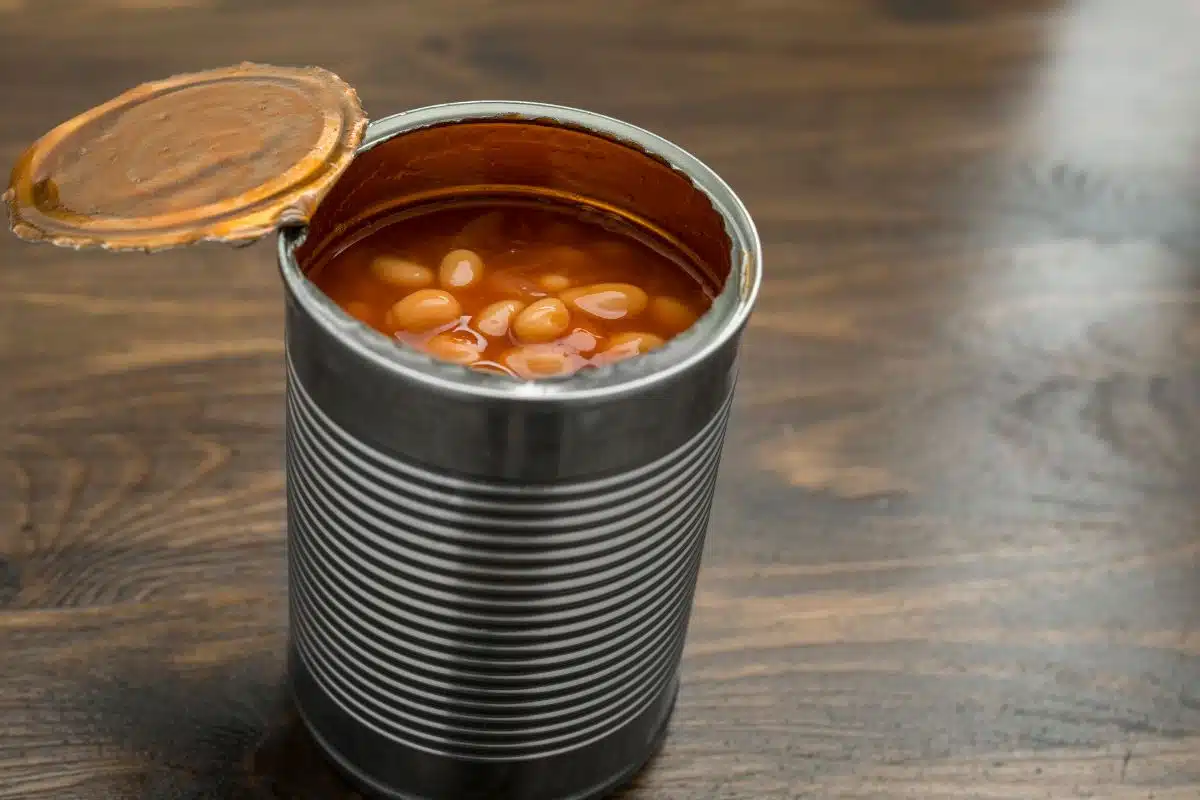
Canned foods can last years past their expiration date if the can is intact—no dents, bulges, or rust. The quality may decline slightly, but the food is often still safe to eat.
Dry Pasta
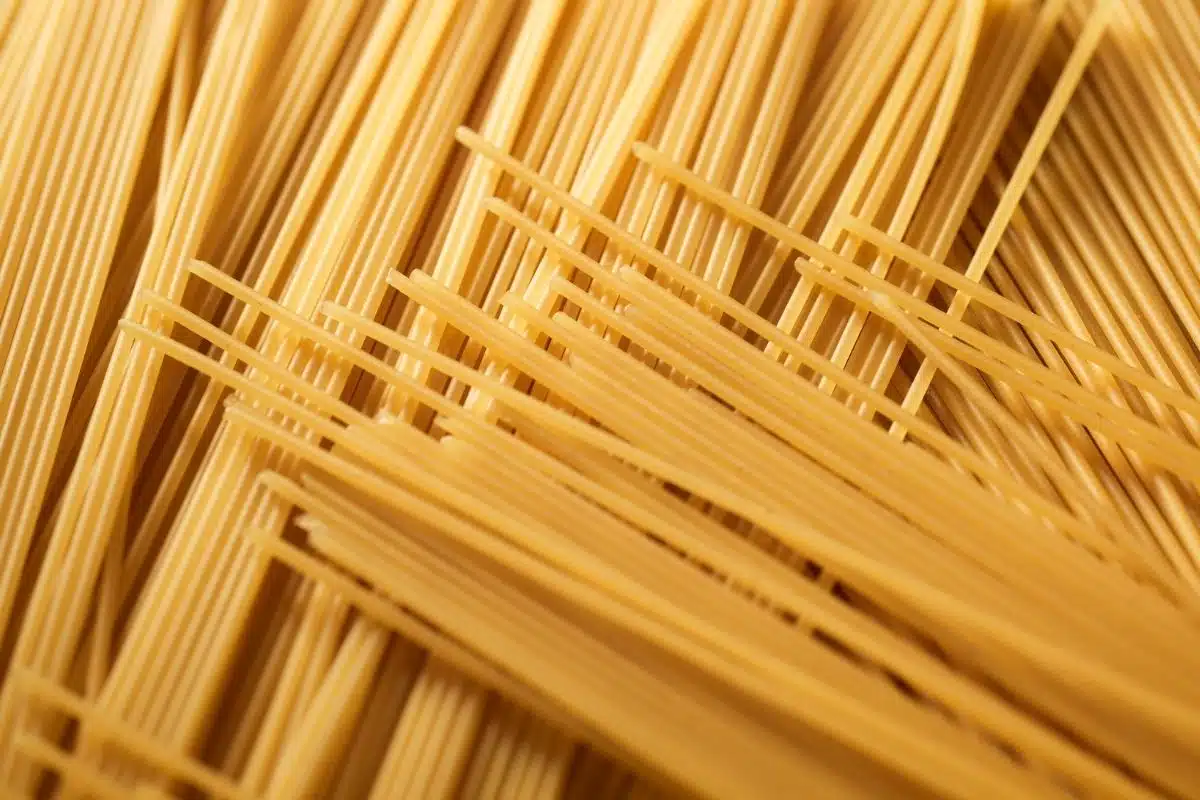
Dry pasta has an extremely long shelf life and can be used long after its expiration date. As long as it’s kept dry and free from pests, it’s good to go.
Rice
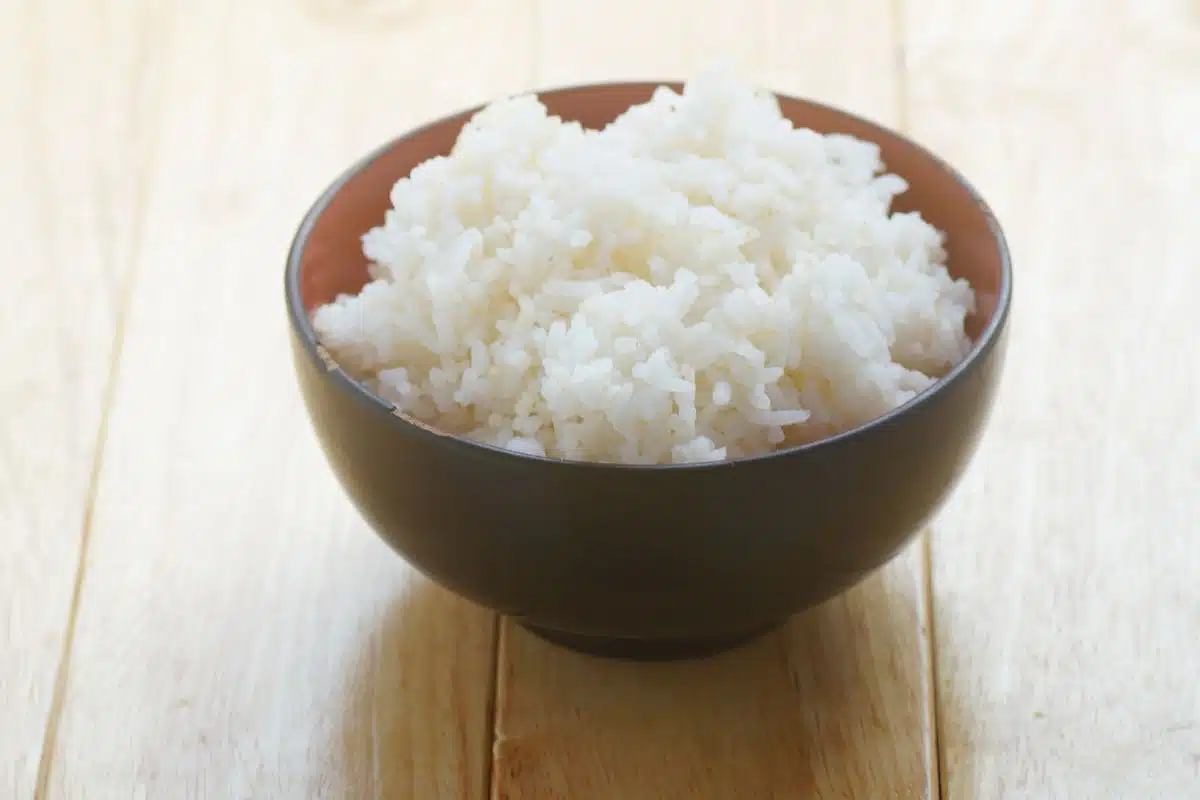
White rice, in particular, can last for years when stored in a sealed container. Brown rice has a shorter shelf life due to its natural oils but can still last beyond the date if stored properly.
Frozen Foods

Frozen foods don’t technically expire—though quality may decline. As long as they’ve stayed frozen, they’re safe to eat.
Peanut Butter
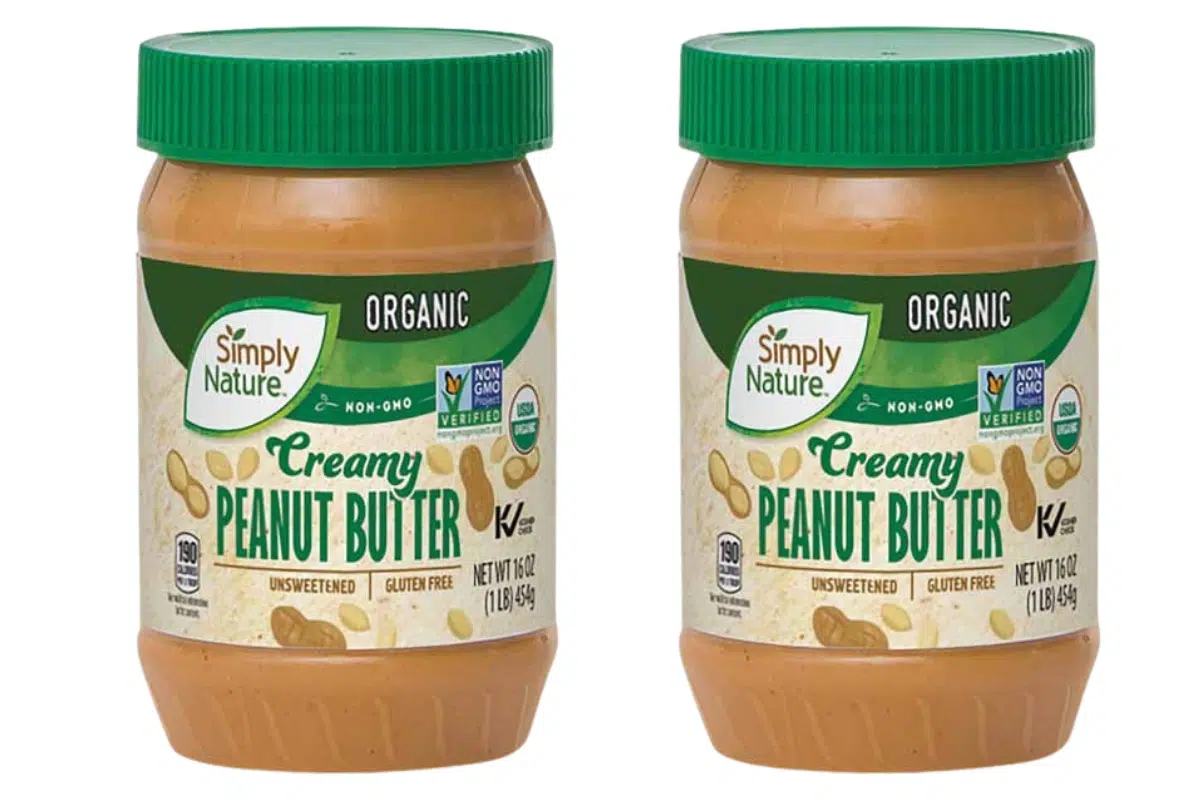
Peanut butter can last months beyond its expiration date, especially unopened. Natural oils may separate, but a quick stir usually brings it back to normal.
Salad Dressing
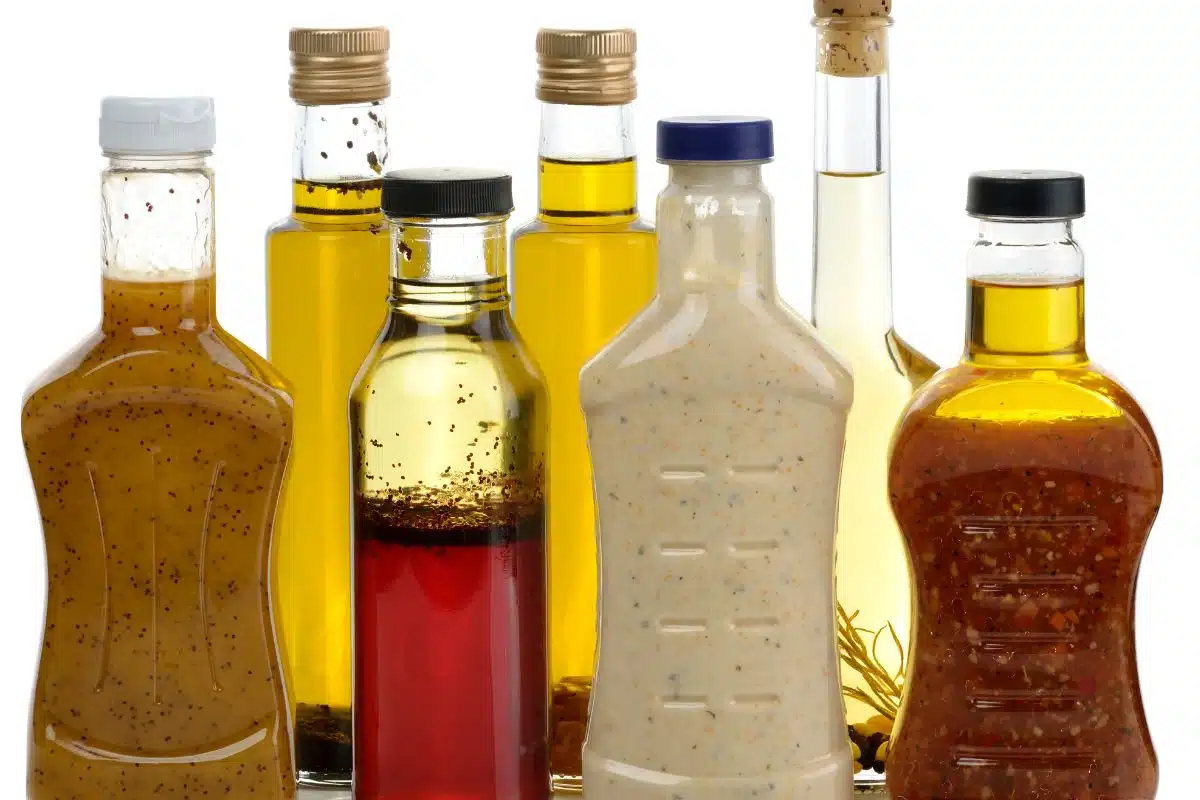
Shelf-stable dressings, especially vinegar-based ones, often remain safe months past the date when refrigerated after opening.
Chocolate
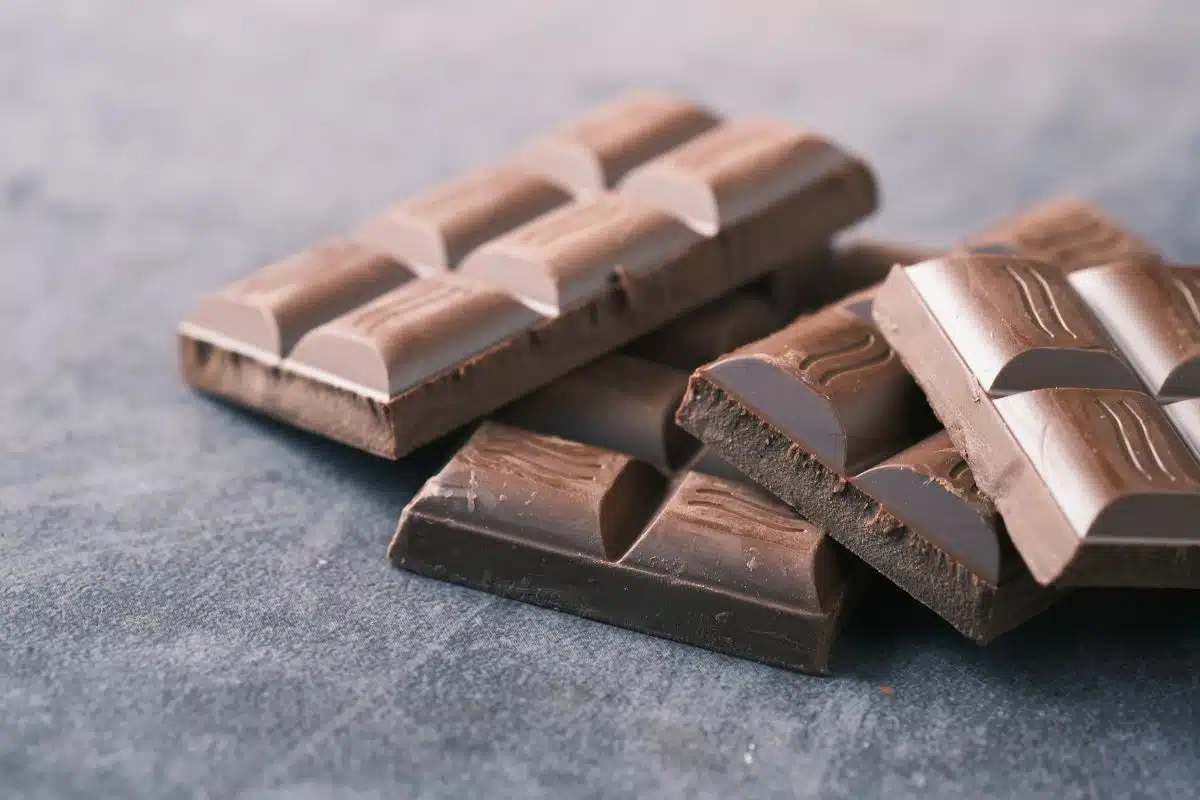
Chocolate can develop a white film called bloom, but it’s harmless. The chocolate is still safe to eat even past the date.
What Food Dates Really Mean
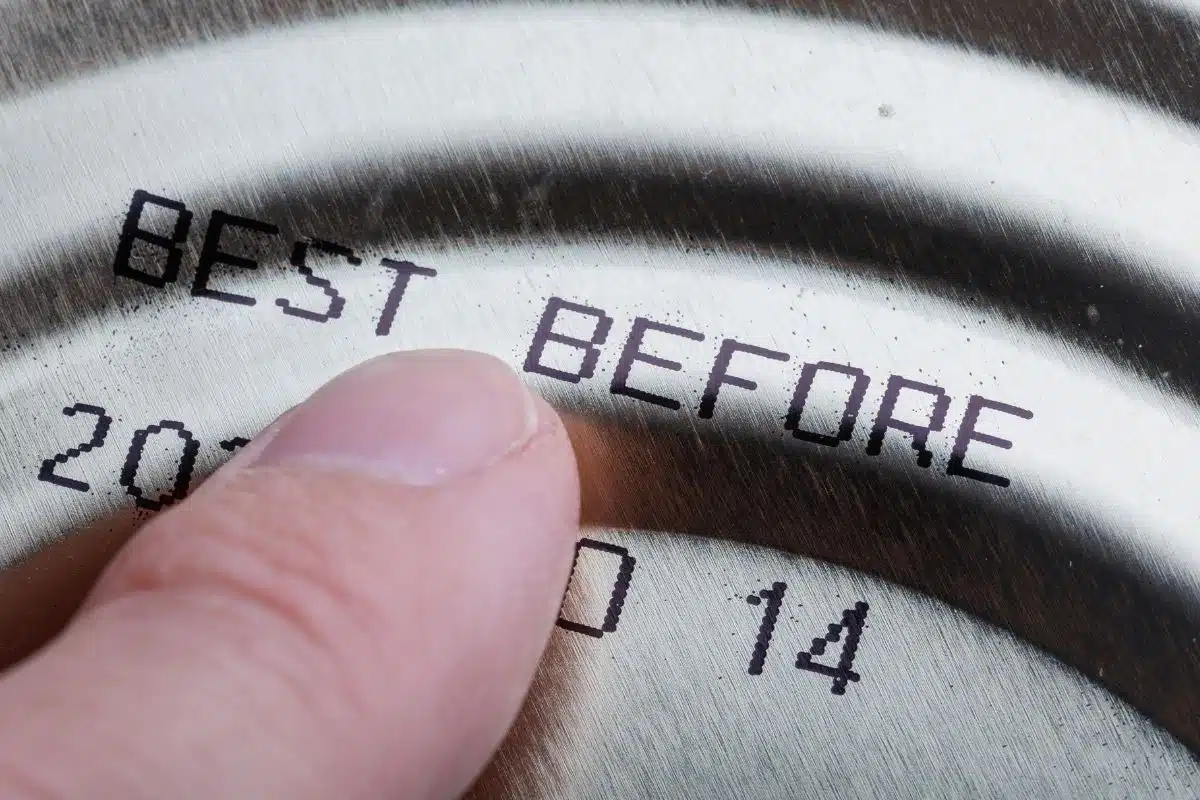
Terms like “best by,” “sell by,” and “use by” usually refer to flavor and texture, not food safety. Trust your senses—look, smell, and taste—before tossing food unnecessarily.
Butter
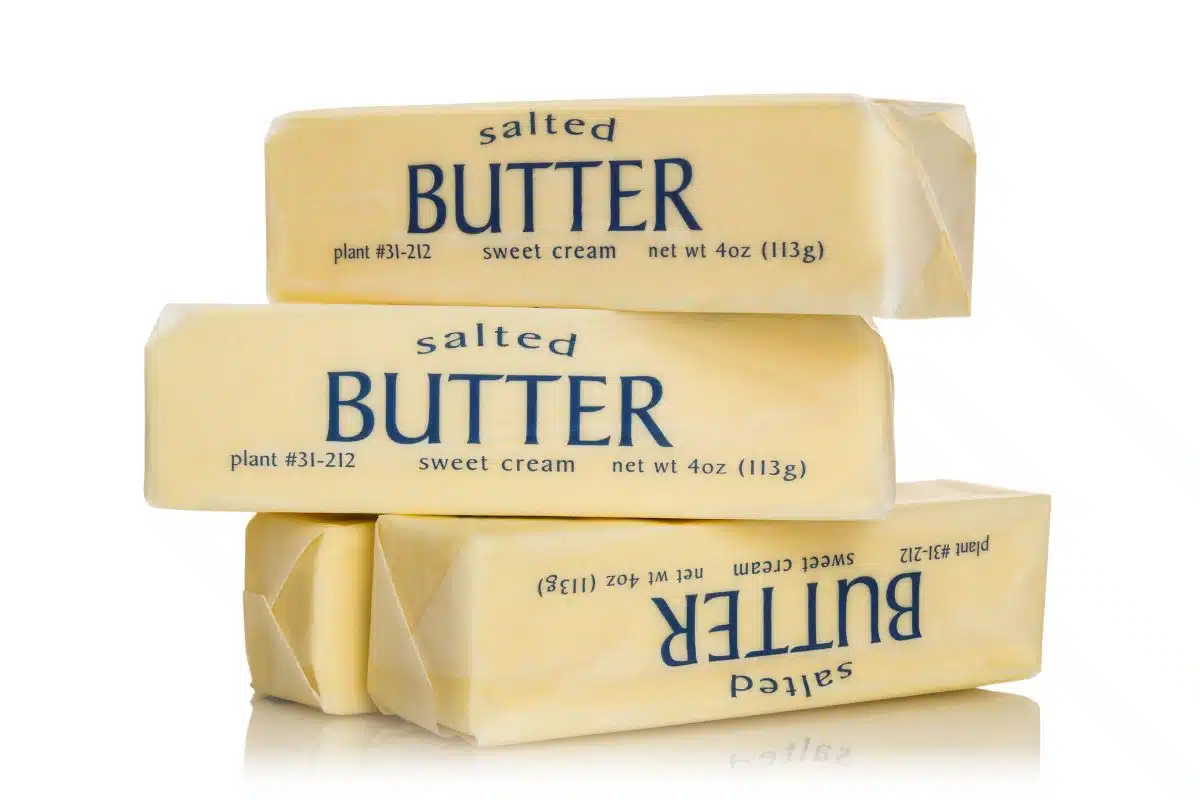
Butter can last weeks past its expiration date in the fridge and even longer when frozen. If it smells fresh and hasn’t developed an off taste, it’s still usable.
This post may contain affiliate links or sponsored content. Disclosure Policy