10 Simple Money-Saving Habits That Can Make Every Dollar Go Further
Saving money doesn’t always require making dramatic changes to your lifestyle. Small decisions—such as planning meals, reviewing recurring expenses, and waiting before making nonessential purchases—can have a meaningful effect when repeated consistently. The goal isn’t to eliminate everything you enjoy, but to become more intentional about where your money goes. These practical habits can help reduce wasteful spending while leaving more room in your budget for the things that matter most.
Automate Your Savings

Automatic transfers can make saving easier because the money moves before you’re tempted to spend it. Set up a recurring transfer from your checking account to a separate savings account after each paycheck or on another schedule that works for your budget. Even a modest amount can build over time when the habit is consistent. Make sure the transfer amount is realistic so it doesn’t cause overdrafts or force you to move the money back later.
Plan Meals Before You Shop

A weekly meal plan can help you buy ingredients with a purpose instead of filling your cart with items that may go unused. Check your refrigerator, freezer, and pantry before making the shopping list so you can build meals around food you already have. Planning ahead can also reduce the number of last-minute restaurant or takeout purchases during busy evenings. You don’t need to plan every meal perfectly—having a few easy backup dinners can be enough to make a difference.
Use Rewards Without Changing Your Spending

Cashback programs, store loyalty rewards, and credit card points can provide savings when they’re used on purchases you were already planning to make. The important part is not buying something simply because it earns rewards or comes with a coupon. Check expiration dates, redemption requirements, annual fees, and other restrictions before signing up for a program. A reward only saves money if you aren’t spending extra to earn it.
Buy in Bulk Only When It Makes Sense

Buying larger packages can lower the unit price of frequently used products such as rice, paper goods, toiletries, or household supplies. Before buying in bulk, compare the price per ounce or unit with smaller packages and current sales at other stores. Consider whether you have enough storage space and whether you’ll actually use the product before it expires or becomes unusable. A lower price per unit isn’t a bargain if part of the package ends up in the trash.
Audit Your Recurring Expenses

Recurring charges can be easy to overlook because they are automatically deducted from your account. Once every few months, review your bank and credit card statements for streaming services, memberships, apps, subscriptions, and other automatic payments. Cancel services you rarely use and check whether a cheaper plan would meet your needs. Redirecting even a few small monthly charges toward savings or debt payments can add up over a year.
Shop With a Price in Mind

Sales and coupons are most useful when they lower the cost of something you genuinely need. Compare unit prices rather than assuming the largest package or most prominently advertised deal is the best value. Digital coupons can help, but check the terms because some discounts require a loyalty account, minimum purchase, or specific quantity. Keeping a short list of regularly purchased items and their typical prices can also make it easier to recognize a real bargain.
Learn a Few Useful DIY Skills

Learning to handle simple household tasks can reduce the number of small jobs you need to pay someone else to complete. Cleaning, basic sewing, simple furniture repairs, painting, and other straightforward projects can often be learned with practice and reliable instructions. Start with low-risk projects and know when a job requires a qualified professional, particularly when electricity, gas, plumbing, or structural work is involved. The goal is to save money safely, not simply to avoid every professional service.
Give Nonessential Purchases a Waiting Period

A waiting period can help separate something you genuinely want from something that simply caught your attention. Try waiting 24 hours for smaller purchases and longer for more expensive nonessential items. During that time, check whether you already own something that serves the same purpose and whether the purchase fits your budget. If you still want the item and can comfortably afford it after waiting, you’ll be making the decision with less pressure.
Track Where Your Money Actually Goes

A budget becomes much more useful when it reflects your actual spending rather than what you think you spend. Review bank and credit card transactions regularly and group purchases into categories such as groceries, dining out, transportation, entertainment, and household expenses. Look for recurring patterns rather than worrying about every individual purchase. Once you know where the money is going, you can decide which categories are worth changing.
Tackle High-Interest Debt
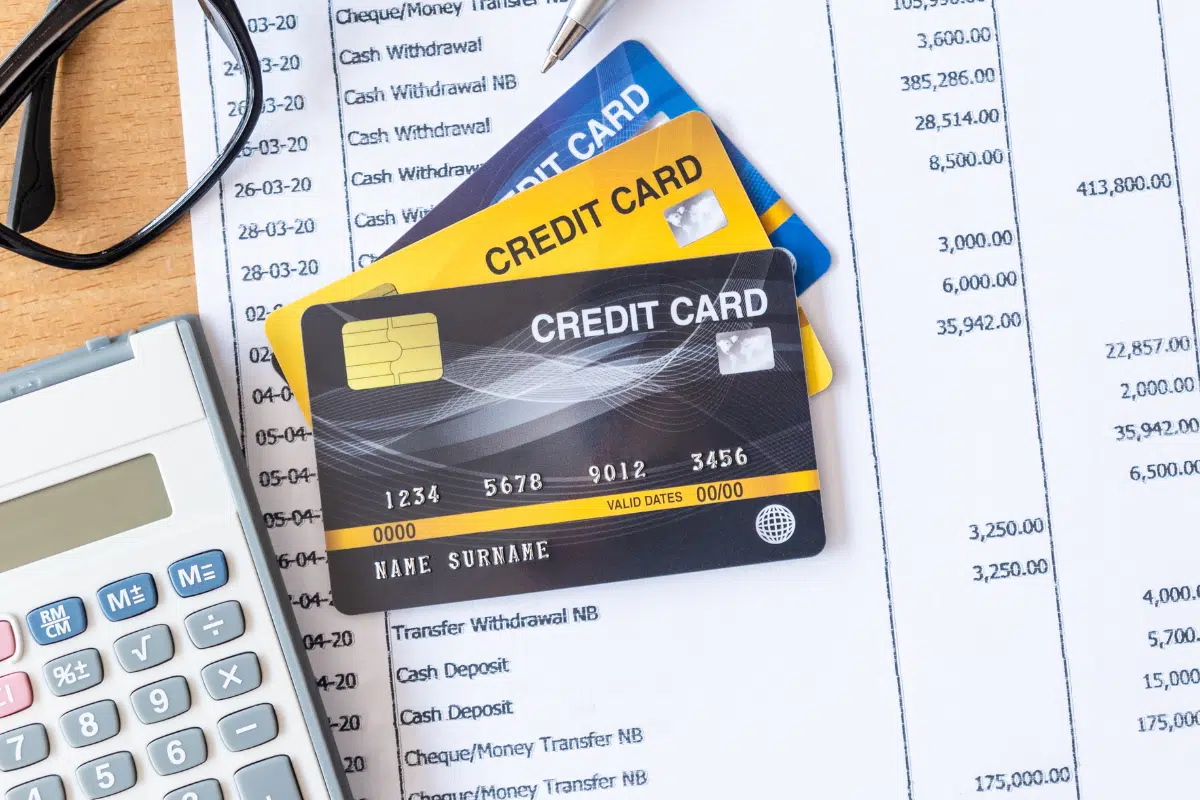
High-interest credit card balances can make it difficult to build savings because a significant portion of each payment may go toward interest. After covering required minimum payments, directing extra money toward the highest-interest balance can reduce the amount of interest that accumulates over time. This approach is commonly known as the debt avalanche method. Once a balance is eliminated, you can redirect the money that had been going toward that payment toward another debt or savings goal.
This post may contain affiliate links or sponsored content. Disclosure Policy