10 Reasons Your Refrigerator Is Freezing Food and How to Fix It
Finding frozen lettuce, rock-hard milk, or eggs with icy crystals is more than just frustrating—it can also lead to wasted food and higher grocery bills. While many people assume their refrigerator is simply running too cold, several different issues can cause food to freeze unexpectedly. Some are easy adjustments you can make in minutes, while others may signal that your refrigerator needs maintenance. Before calling for repairs, it’s worth checking a few common problem areas. These simple troubleshooting tips can often solve the issue and help your refrigerator maintain a safe, consistent temperature while keeping your groceries fresh.
Your Refrigerator Temperature Is Set Too Low
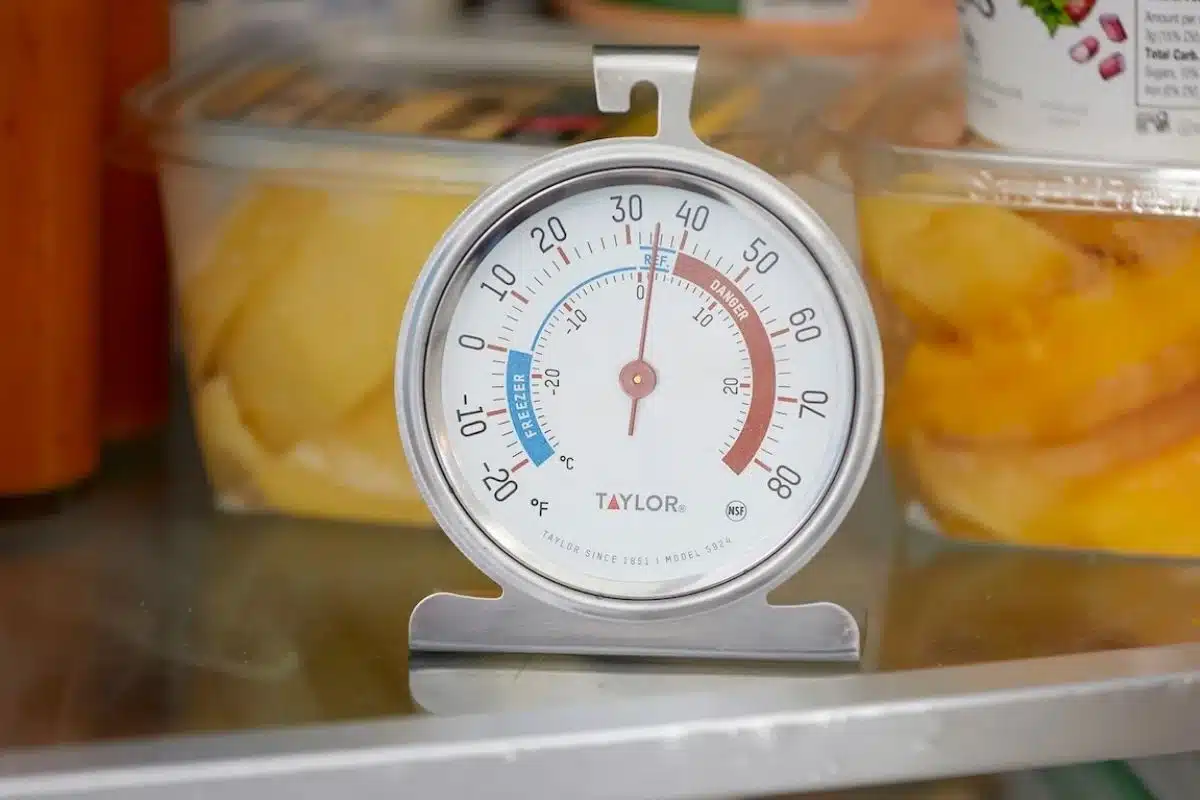
One of the most common reasons food freezes is a temperature setting that’s simply too cold. Most refrigerators perform best when set between 37°F and 40°F, while the freezer should remain at 0°F. Lower settings don’t necessarily keep food fresher—they simply increase the likelihood of freezing delicate items like produce, dairy, and beverages. If you’re unsure of your refrigerator’s actual temperature, place an appliance thermometer inside for a day to verify it.
Food Is Blocking the Air Vents
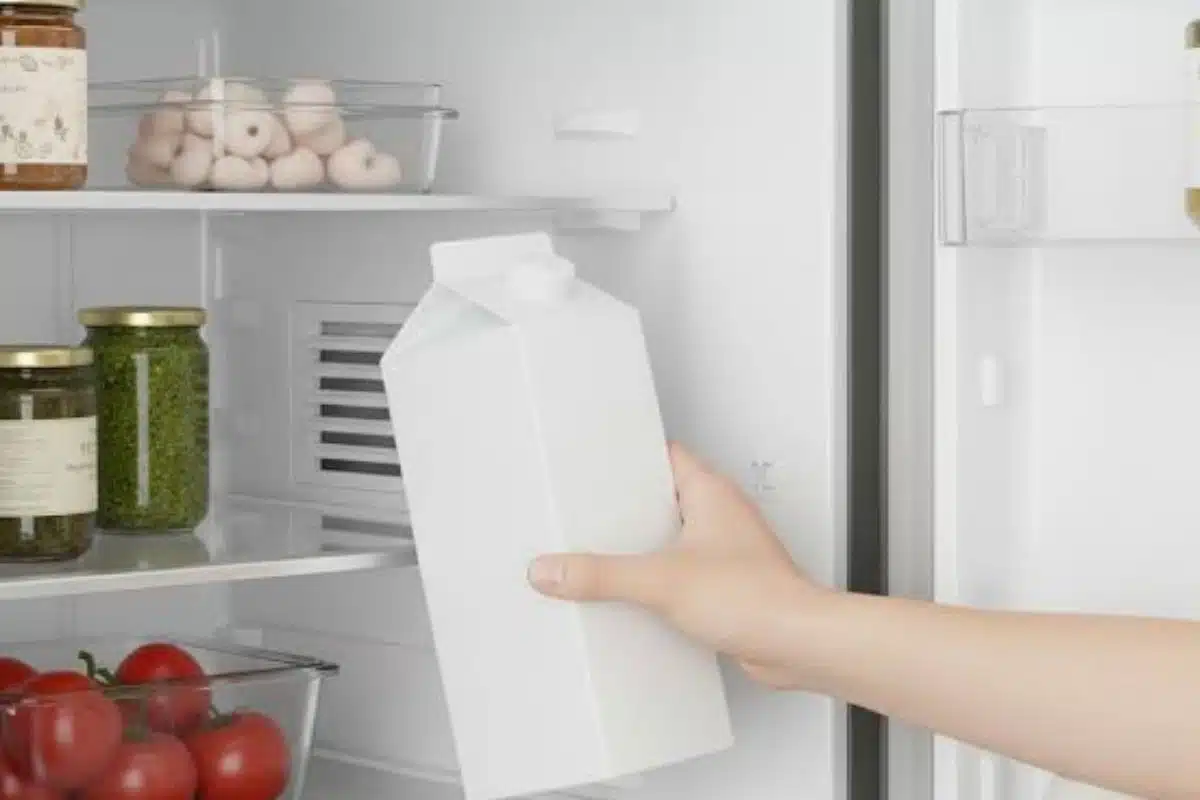
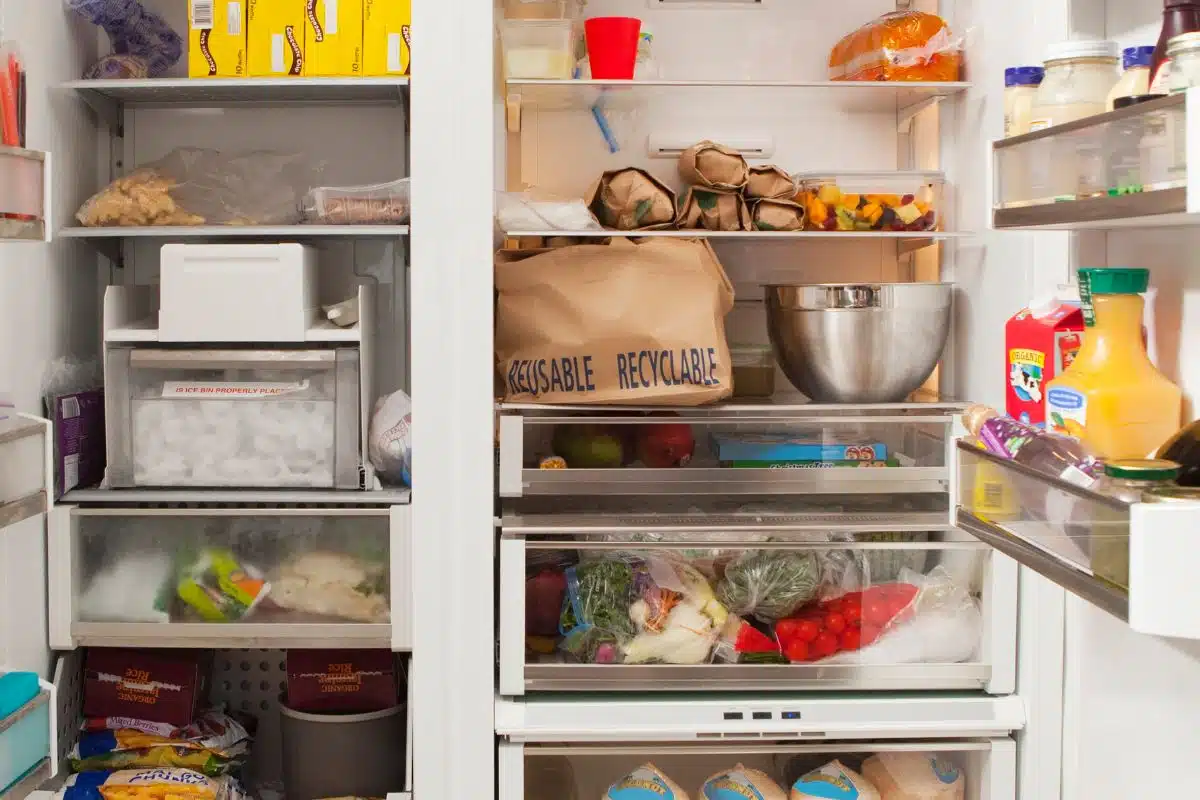
Cold air enters the refrigerator through vents, usually located along the back or upper walls. If milk, leftovers, or produce are stored directly in front of these vents, they receive a constant blast of freezing air. Rearranging shelves and leaving a little space around the vents allows cold air to circulate more evenly. This simple adjustment often solves freezing problems immediately.
You’re Storing Produce on the Top Shelf
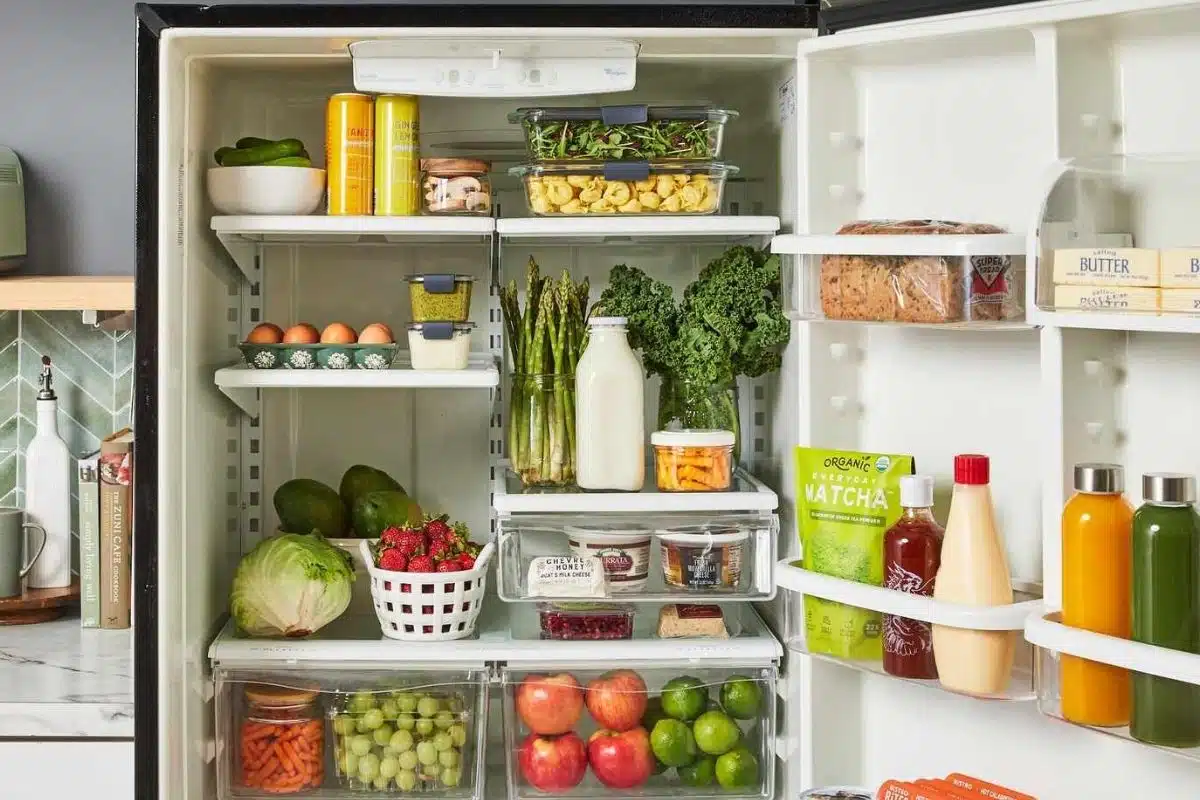
Not every shelf maintains exactly the same temperature. In many refrigerator models, the upper shelves or areas near the back wall stay colder than lower shelves. Delicate foods like leafy greens, berries, cucumbers, and herbs often last longer when stored in designated crisper drawers instead of colder areas. Learning the natural temperature zones in your refrigerator helps keep food fresher.
The Crisper Drawer Settings Need Adjusting
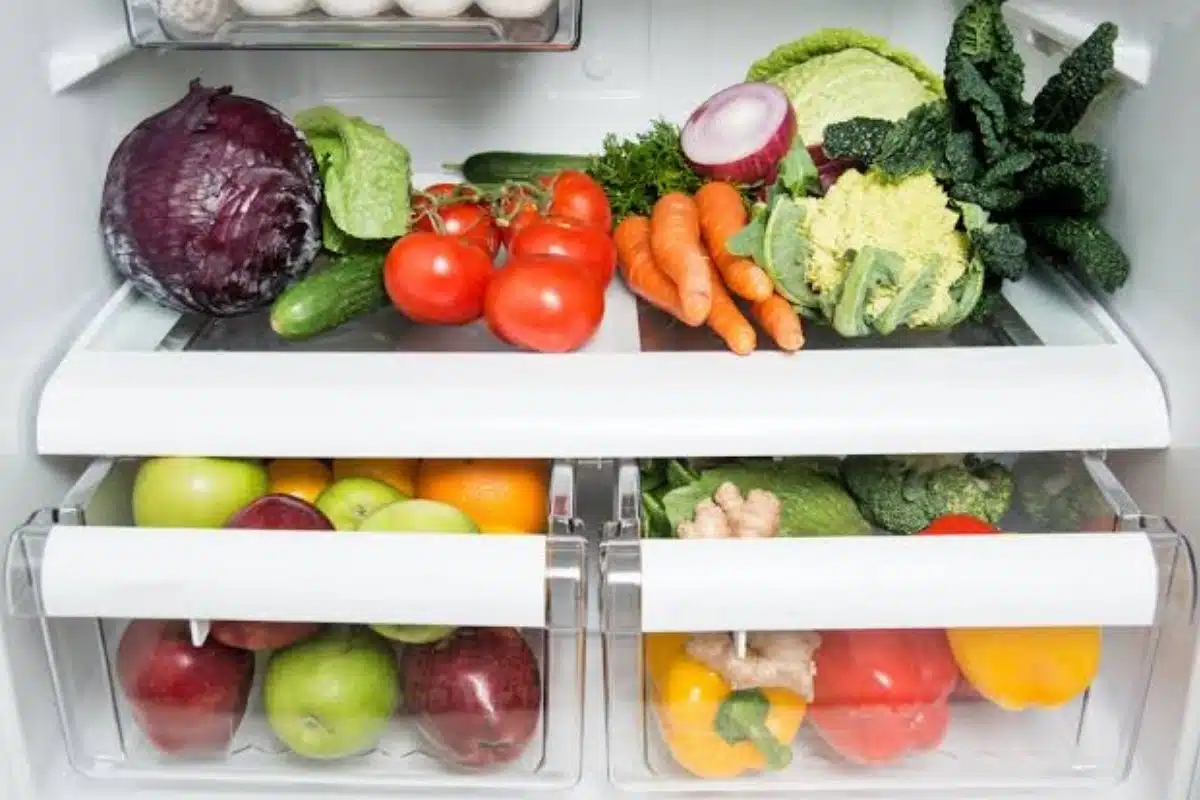
Many people overlook the humidity controls on their crisper drawers. While these sliders don’t change the temperature, they regulate moisture levels that help different fruits and vegetables stay fresh longer. Using the correct setting for produce can reduce moisture loss and improve food quality. Check your owner’s manual to see how your refrigerator’s drawers are designed to work.
The Refrigerator Is Too Empty
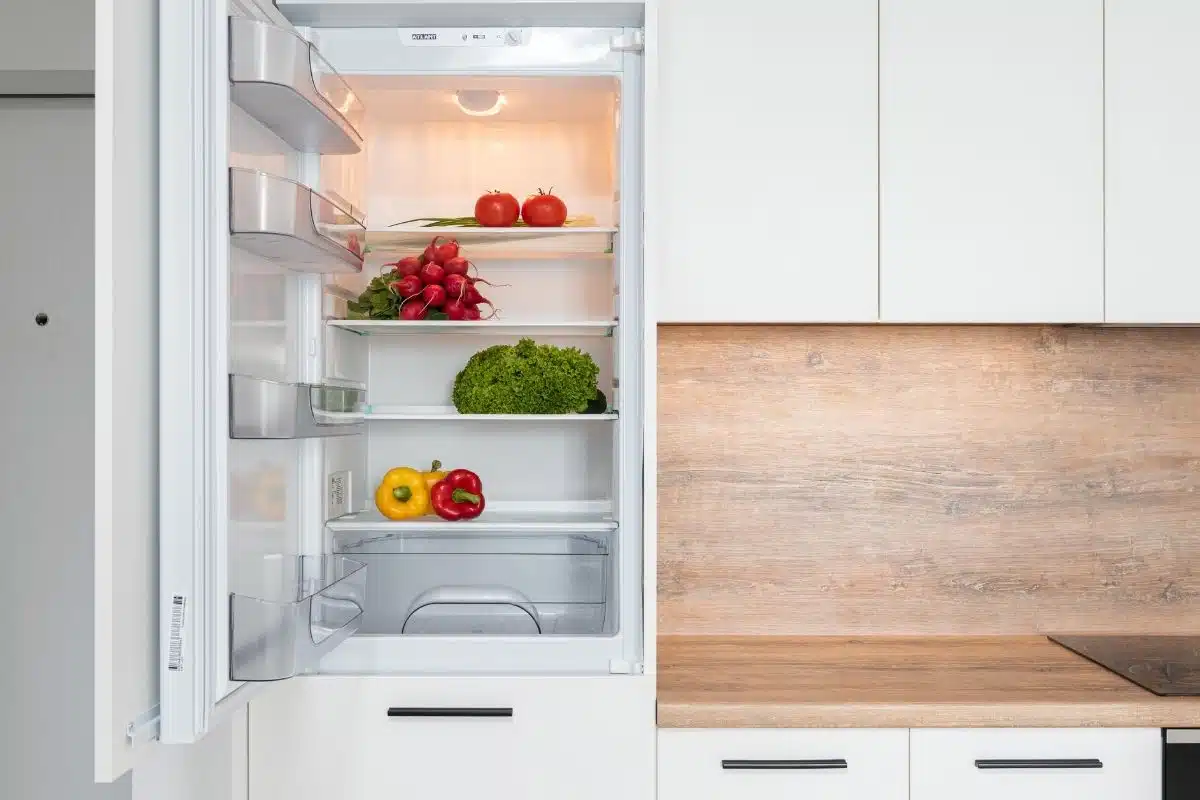
A nearly empty refrigerator doesn’t always maintain temperatures as evenly as one that’s moderately stocked. Food acts as thermal mass, helping stabilize temperature changes each time the door opens. If your refrigerator is mostly empty, cold air may circulate more aggressively and create freezing spots. Keeping it reasonably filled—but not overcrowded—helps maintain more consistent cooling.
The Door Seal Isn’t Closing Properly
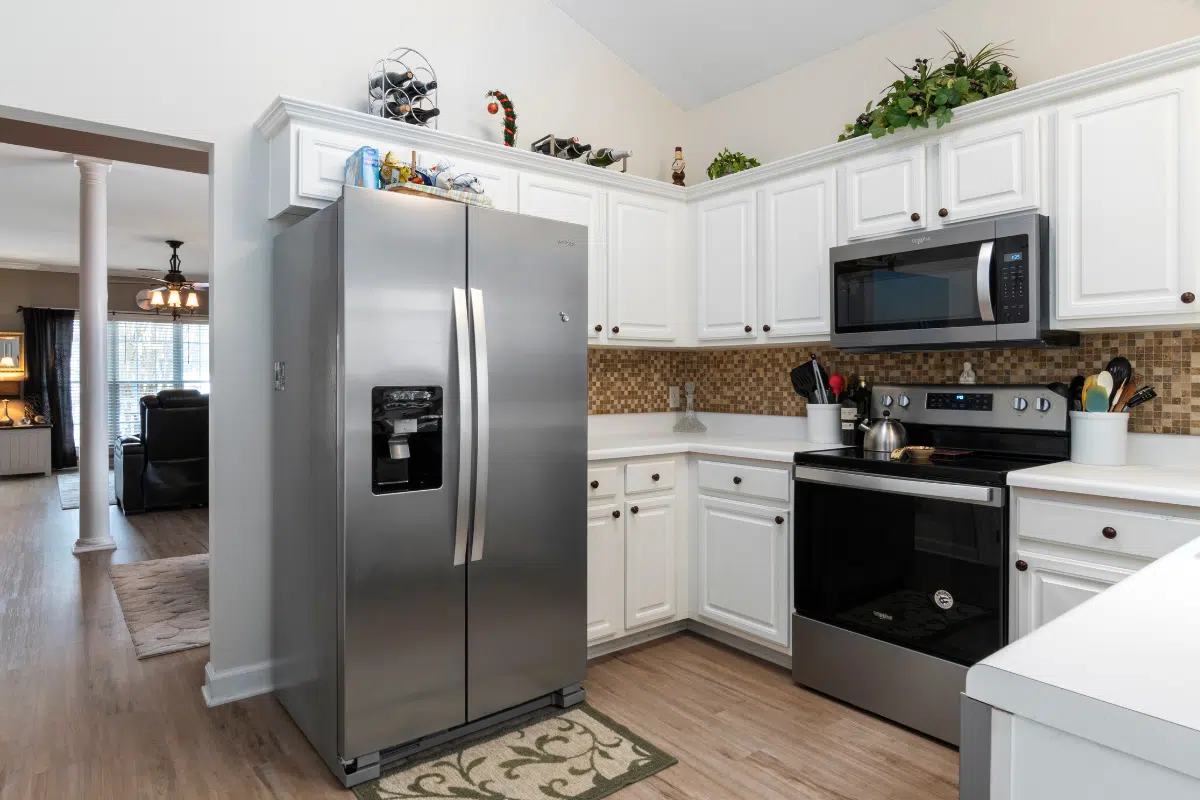
Damaged or dirty door gaskets allow warm air to enter, causing the refrigerator to cycle more frequently to maintain its temperature. These longer cooling cycles can create colder-than-normal areas inside the refrigerator. Inspect the rubber seal for cracks, gaps, or food debris, and clean it regularly with warm, soapy water. Replacing a worn gasket is often an inexpensive repair that improves efficiency.
Your Refrigerator Is Overpacked
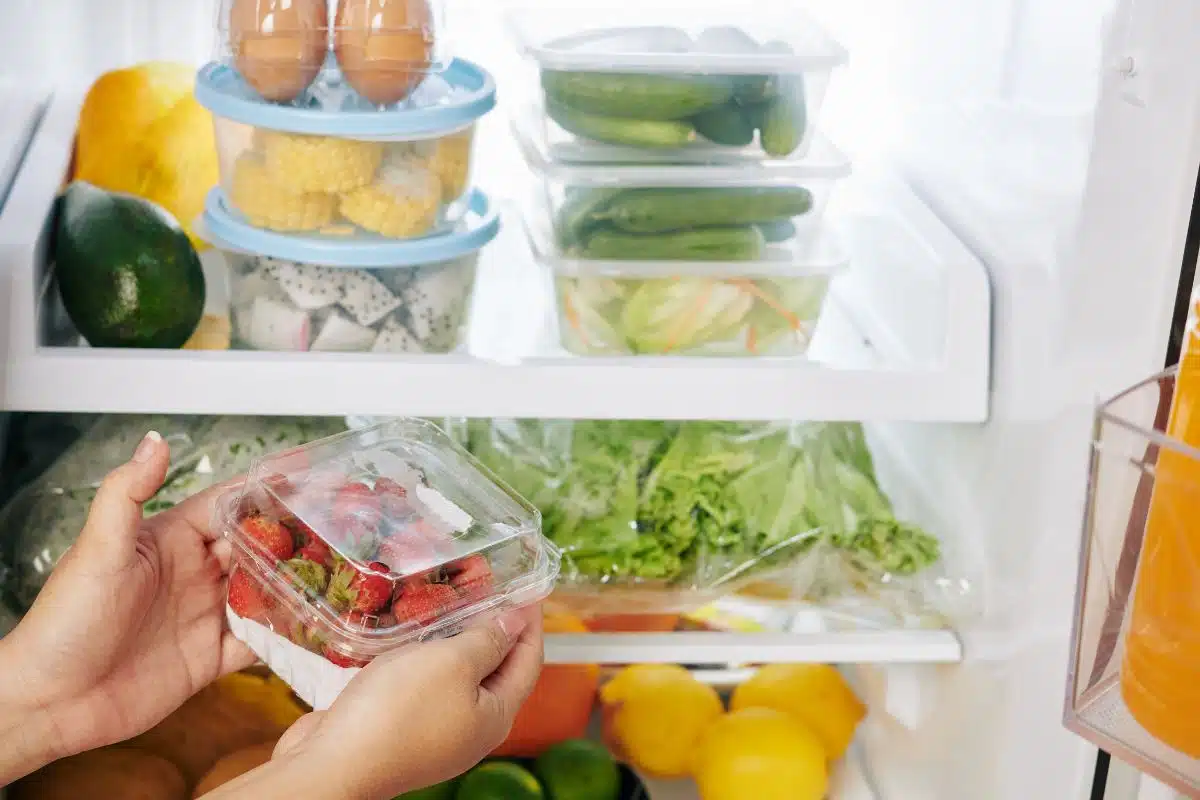
While an empty refrigerator can create temperature swings, an overfilled one causes a different problem. Crowded shelves block airflow, making some areas much colder than others. This uneven circulation can leave certain foods frozen while others remain at the proper temperature. Leave enough space between items so cold air can move freely throughout the compartment.
The Temperature Sensor May Be Covered
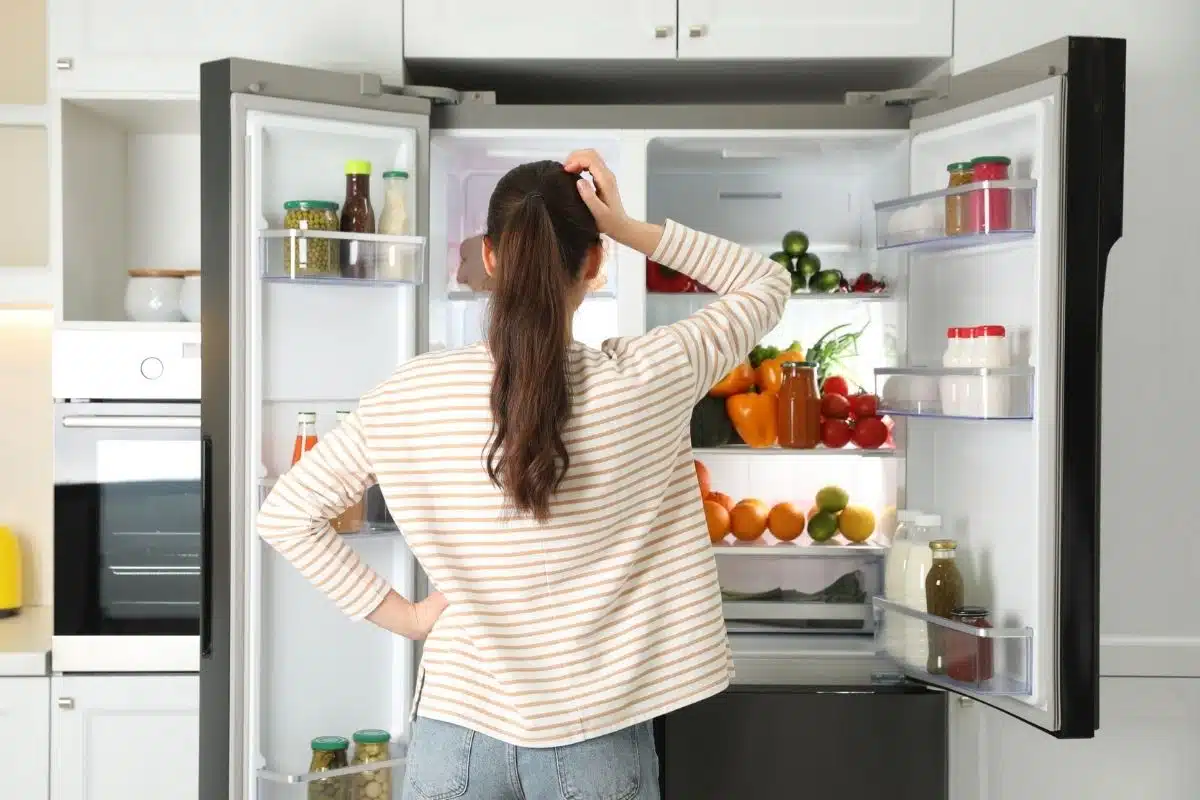
Many modern refrigerators use sensors to monitor internal temperatures. If large containers or grocery bags cover the sensor, the appliance may receive inaccurate readings and continue cooling longer than necessary. Keeping sensors unobstructed helps the refrigerator regulate itself properly. Consult your owner’s manual if you’re unsure where the sensor is located.
The Damper Control Could Be Stuck Open
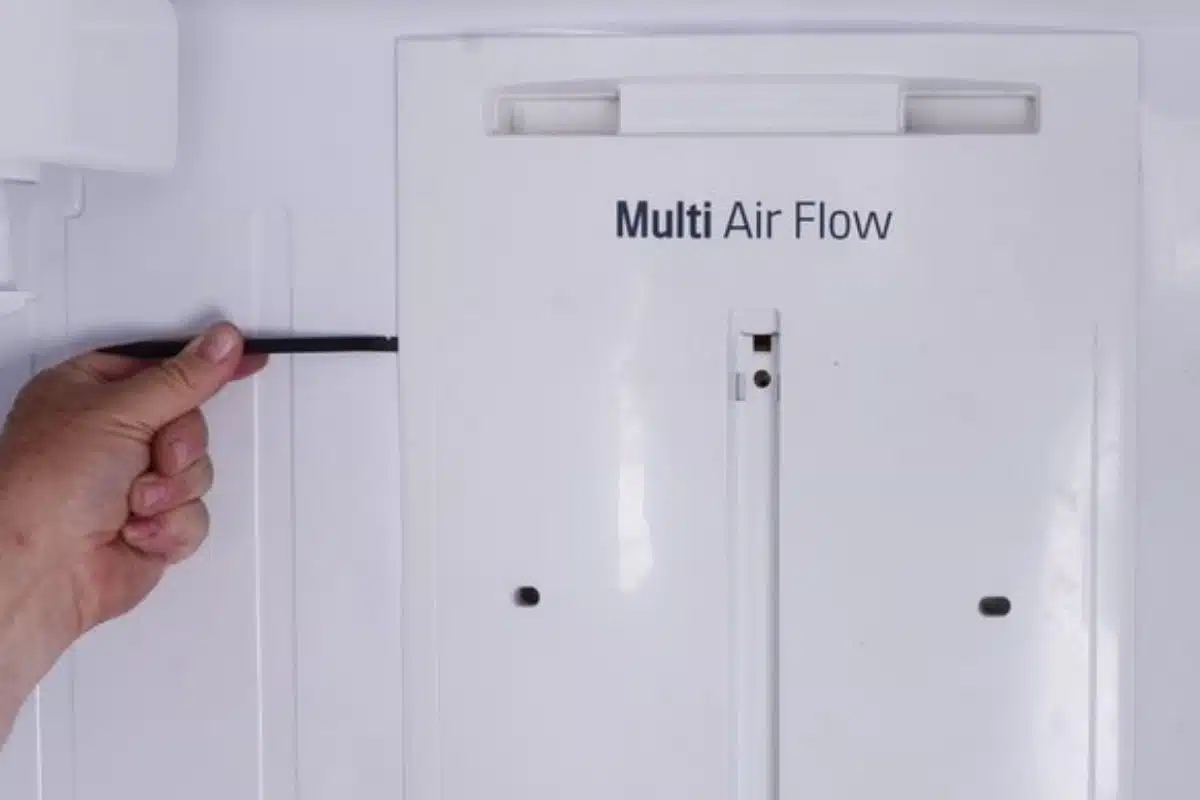
Most refrigerators use a damper to regulate how much cold air flows from the freezer into the refrigerator compartment. If this component becomes stuck open, excessive cold air may enter the fresh food section and freeze nearby groceries. This issue is more common in older refrigerators but can occur in newer models as well. If other troubleshooting steps don’t help, the damper may need professional inspection.
Your Refrigerator May Need Service
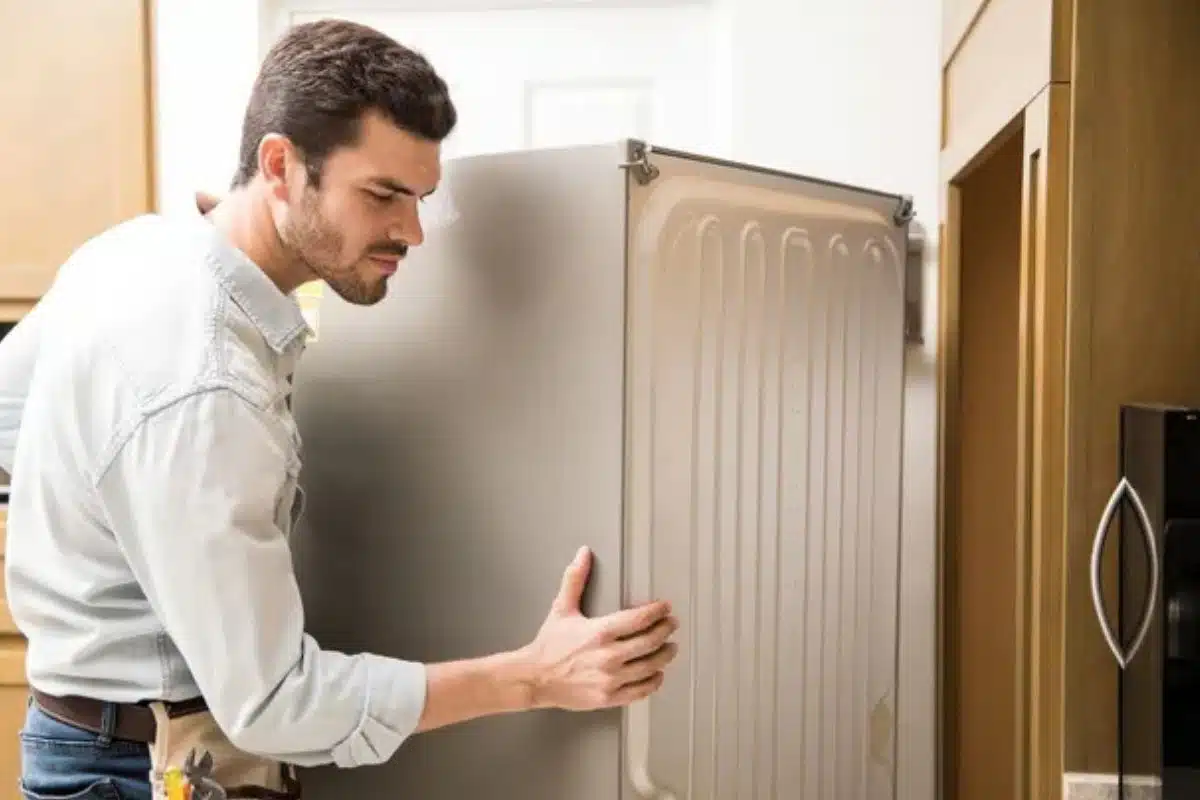
If you’ve adjusted the temperature, improved airflow, and reorganized your food but freezing continues, a mechanical issue may be developing. A faulty thermostat, thermistor, control board, or air damper can all affect cooling performance. While some repairs are relatively simple, others require a qualified appliance technician. Addressing the problem early may prevent more expensive repairs later.
This post may contain affiliate links or sponsored content. Disclosure Policy