How to Remove Stubborn, Baked-On Food From Cookware
Baked-on food can make even your favorite pots and pans frustrating to clean, especially when soaking alone doesn’t do the trick. Before you reach for harsh cleaners or abrasive scrubbers, try a method suited to your cookware. From loosening stubborn residue with simmering water to safely cleaning nonstick and cast-iron pans, these practical tips can help make cleanup easier without damaging your cookware. The secret is knowing which technique works best for the material you’re cleaning.
Start With a Warm, Soapy Water Soak
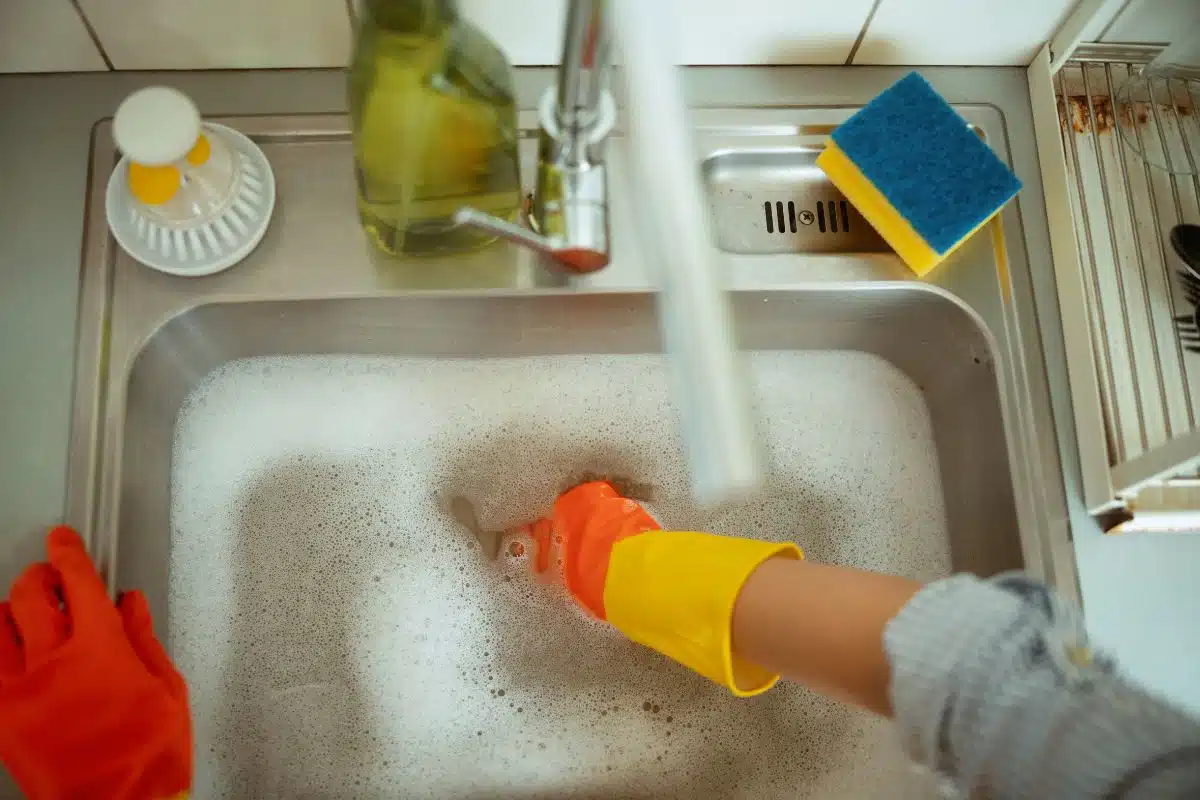
Before reaching for specialty cleaners, give the stuck-on food time to soften. Once the cookware has cooled, fill it with warm water and a little dish soap, then let it soak for 20 minutes or longer if needed. Use a nonabrasive sponge or soft scrub brush to loosen the residue without damaging the surface. This simple first step works well for many everyday messes, especially when food hasn’t been burned completely onto the pan.
Use Baking Soda on Stubborn Stainless Steel Messes
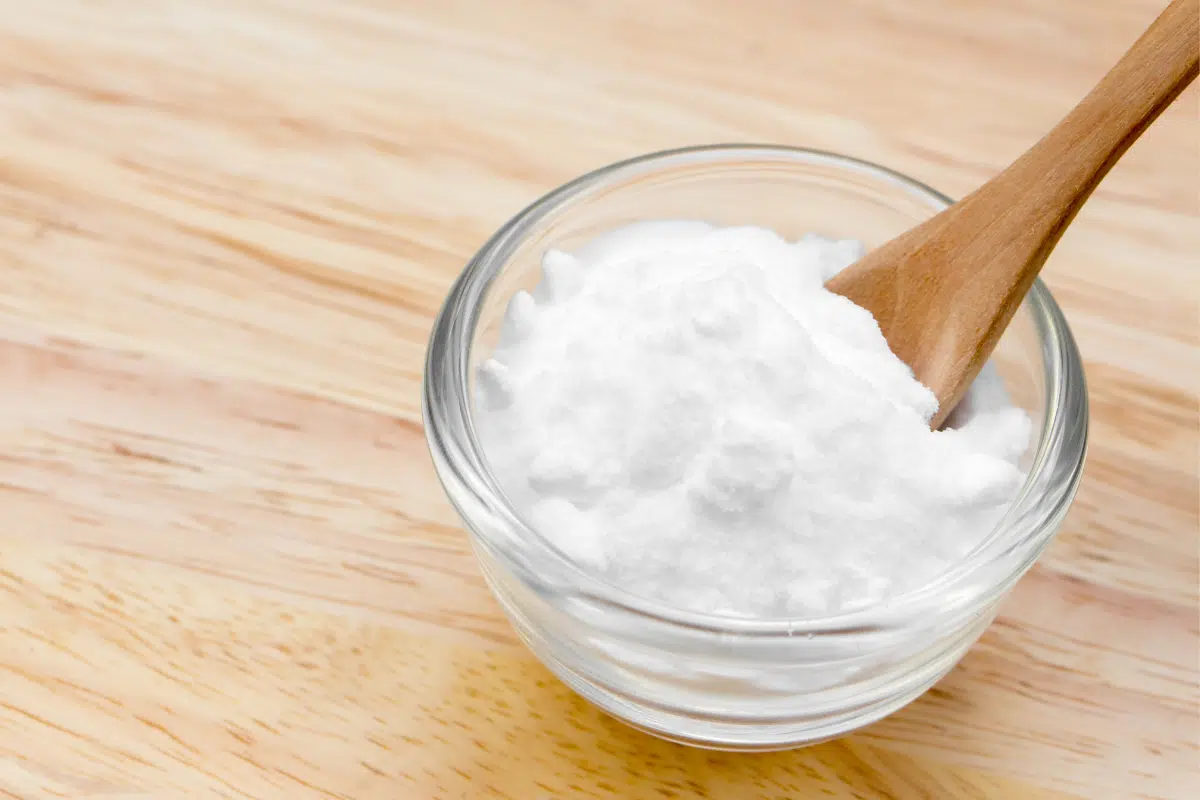
Baking soda can help lift stubborn residue from stainless steel pots and pans without requiring a harsh cleaning routine. Mix it with a little water to make a paste, spread it over the affected area, and gently scrub with a suitable sponge or cloth. Rinse thoroughly and wash with dish soap afterward to remove any remaining residue. Check your cookware manufacturer’s instructions before using abrasive cleaners, since finishes and recommendations can vary.
Simmer Water to Loosen Burnt-On Food
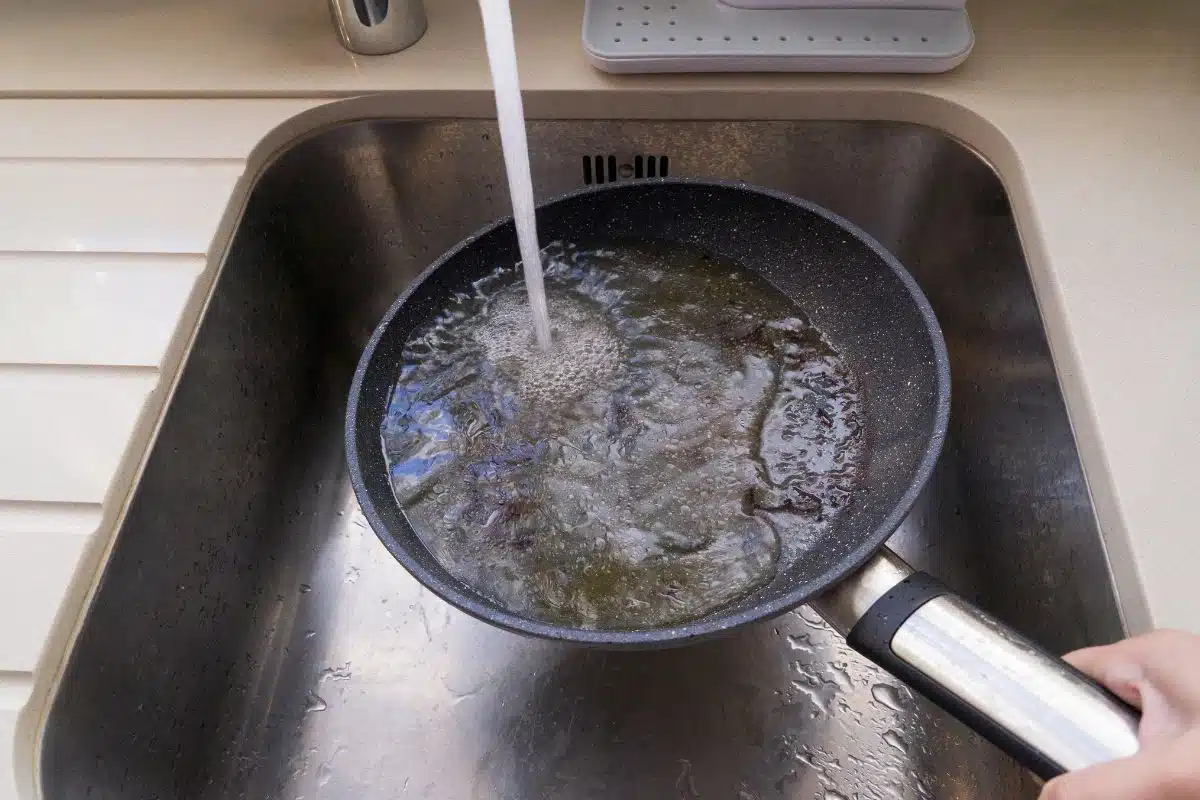
When food is firmly stuck to the bottom of a stainless steel pan, a little heat can make cleanup easier. After the pan has cooled enough to handle safely, add enough water to cover the residue and bring it to a gentle simmer on the stovetop. As the water loosens the food, carefully use a wooden or silicone utensil to lift the softened bits. Let the pan cool before washing, and never use this method on cookware that isn’t designed for stovetop heating.
Treat Nonstick Pans With a Gentle Touch
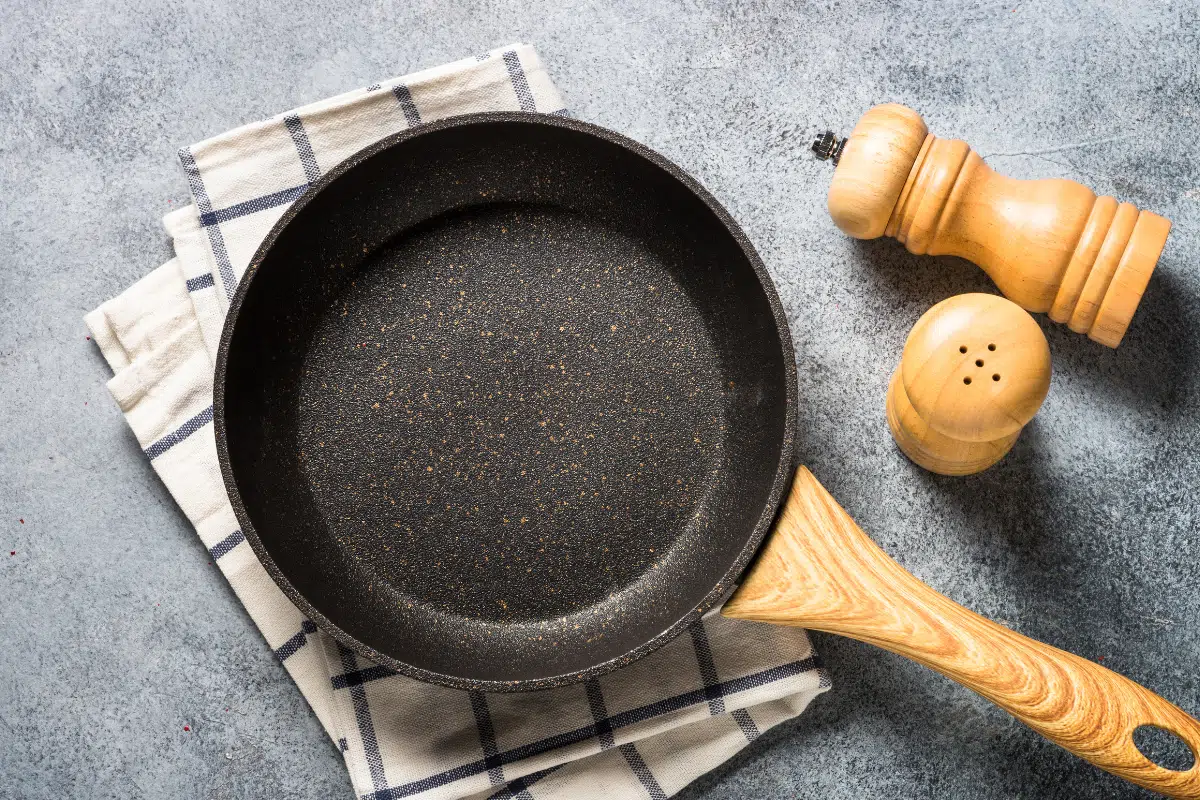
Nonstick cookware needs a different approach because aggressive scrubbing can damage its coating. Allow the pan to cool, soak it in warm, soapy water, and wipe away softened food with a soft sponge or cloth. If residue remains, use a nonabrasive nylon scraper or a cleaning tool approved by the manufacturer rather than steel wool or a metal utensil. If the coating is peeling, flaking, or deeply scratched, consider replacing the pan instead of trying to restore the damaged surface.
Clean Enameled Cast Iron Without Scratching It
Enameled cast iron can hold onto stubborn food, but harsh scrubbing and sudden temperature changes may damage its finish. Let the cookware cool completely, then soak it in warm, soapy water and gently work at the residue with a nonmetallic brush or scraper. For persistent baked-on food, Lodge recommends boiling two cups of water with four tablespoons of baking soda for a few minutes in suitable stovetop-safe enameled cookware, then loosening the residue with a pan scraper. Always follow the instructions for your particular pot, and avoid pouring cold water into hot enamel cookware.
Remove Stuck-On Food From Cast Iron
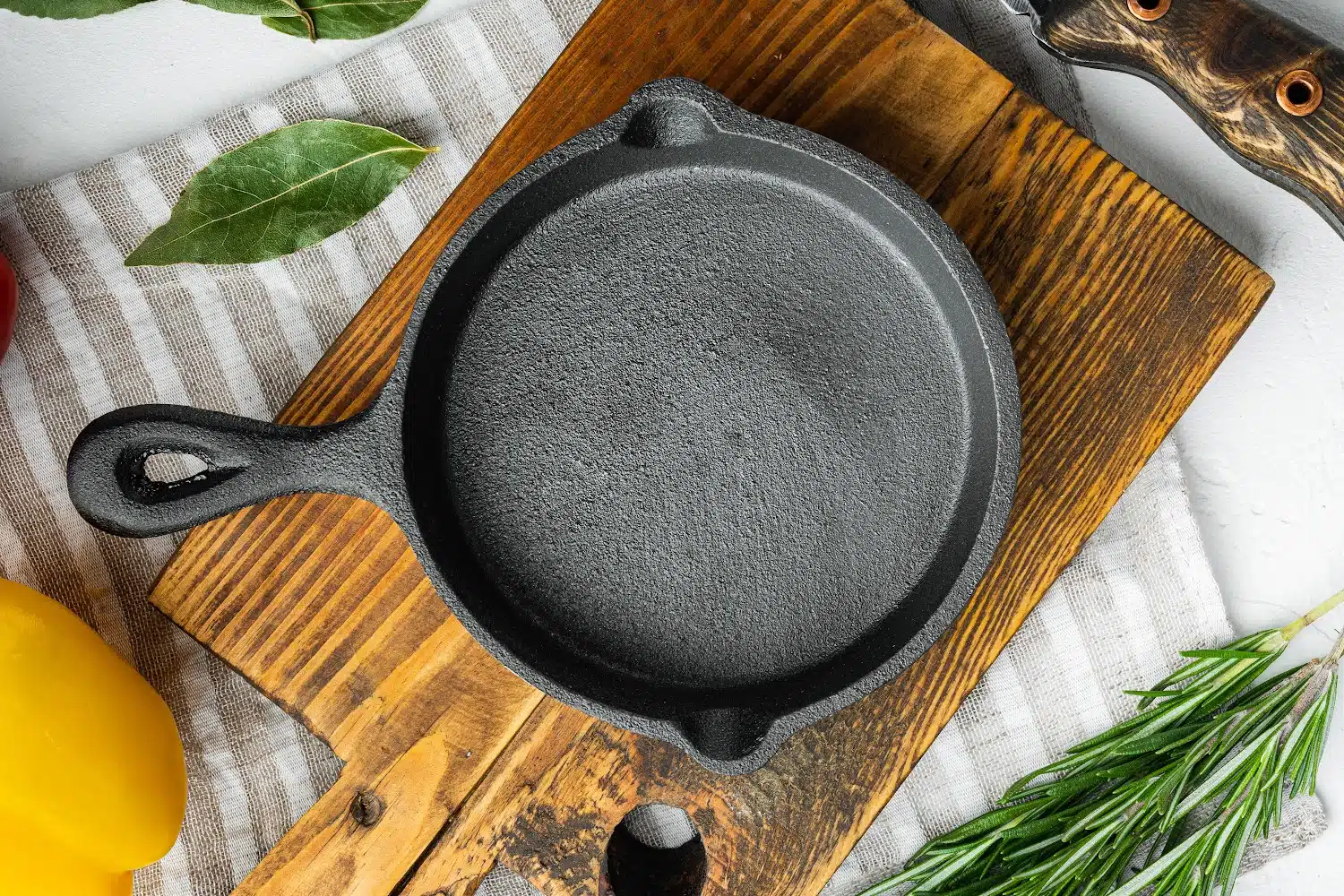
Traditional, unenameled cast iron requires care to protect its seasoning, but that doesn’t mean you must leave food stuck to the surface. Use a pan scraper or stiff brush with warm water to loosen residue, then dry the skillet thoroughly to prevent rust. A small amount of mild dish soap is generally fine for modern cast-iron care; avoid prolonged soaking, which can encourage rust. Once the pan is clean and dry, apply a very thin layer of cooking oil if needed to maintain its seasoned surface.
Try a Pan Scraper Before Reaching for Steel Wool
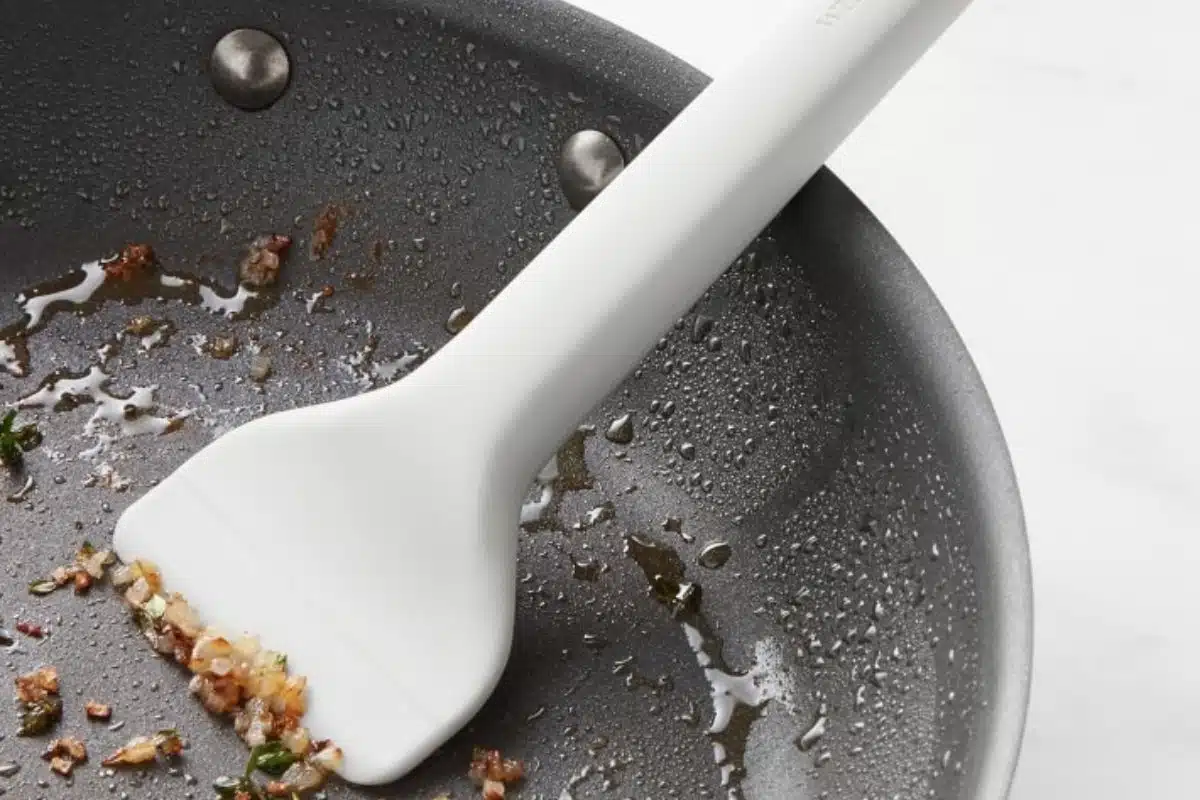
A pan scraper can remove stubborn food without the aggressive abrasion of a metal scouring pad. Choose a plastic, nylon, or other suitable scraper that matches your cookware’s surface, then gently work under the softened residue rather than digging into the pan. This can be particularly helpful around the edges of a burned-on patch where a sponge struggles to reach. Avoid metal scrapers on nonstick coatings and enamel, and check the manufacturer’s guidance before using one on specialty finishes.
Use a Cookware-Specific Cleaner for Persistent Residue
If soaking and gentle scrubbing aren’t enough, a cleaner made for your cookware material may be the next step. Stainless steel cleaners can help with stubborn residue and discoloration, while products formulated for ceramic or enameled surfaces may be more appropriate for other finishes. Read the label carefully, follow the directions, and rinse the pan thoroughly before using it to prepare food again. Never assume that a product suitable for stainless steel is also safe for nonstick, aluminum, or enamel cookware.
Prevent Baked-On Food Before It Starts
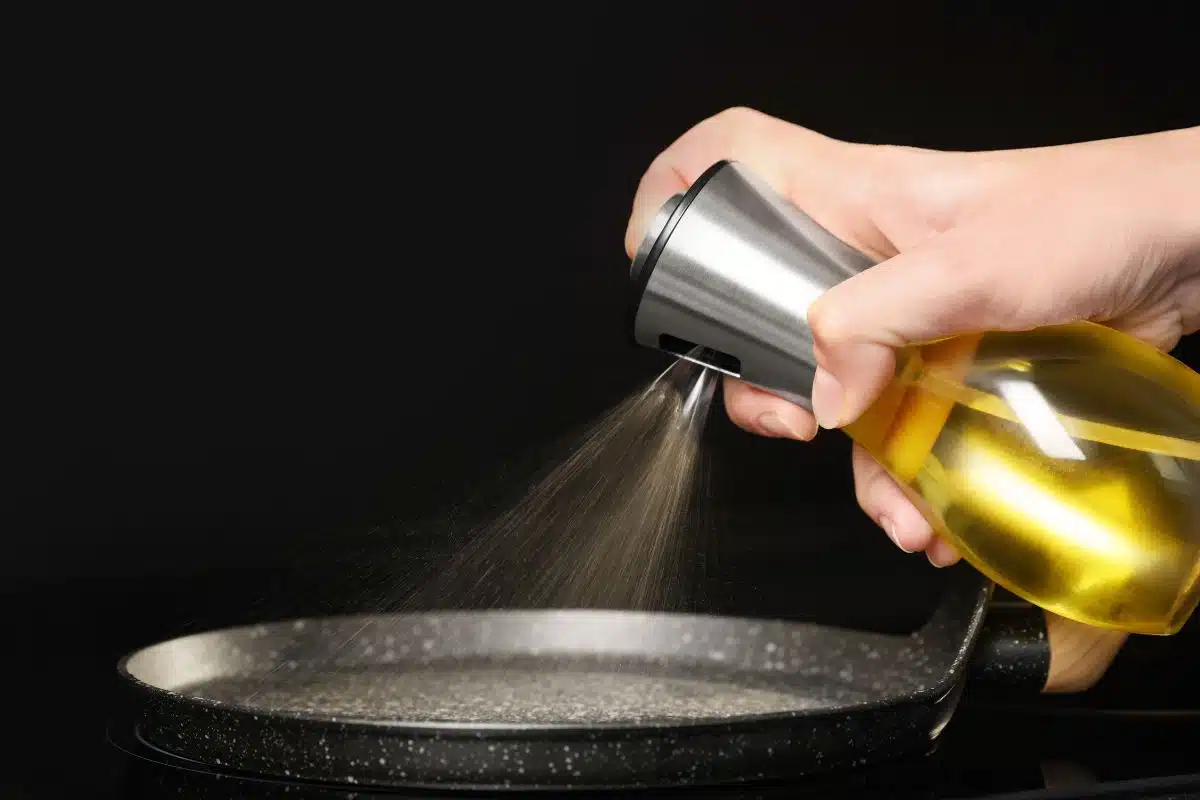
A few cooking habits can make cleanup much easier. Use the heat level recommended for your cookware, add the appropriate oil or cooking liquid, and avoid letting food or grease burn onto the surface. When cooking is finished, allow the pan to cool safely and clean it soon afterward rather than leaving residue to harden overnight. Most importantly, match your cleaning method to the material: the right technique can save time while helping your pots and pans last longer.
This post may contain affiliate links or sponsored content. Disclosure Policy