10 Cleaning Tips We Used to Swear By That Don’t Hold Up Today
Some traditional housekeeping advice has been passed down for generations, but not all of it fits modern homes or modern life. With today’s more efficient tools, improved cleaning products, and busier schedules, a number of once-common routines now take more time and effort than they’re worth. In many cases, simpler methods deliver better results with far less strain. Here are old-school cleaning habits you can comfortably leave behind.
Cleaning the Entire House in One Day
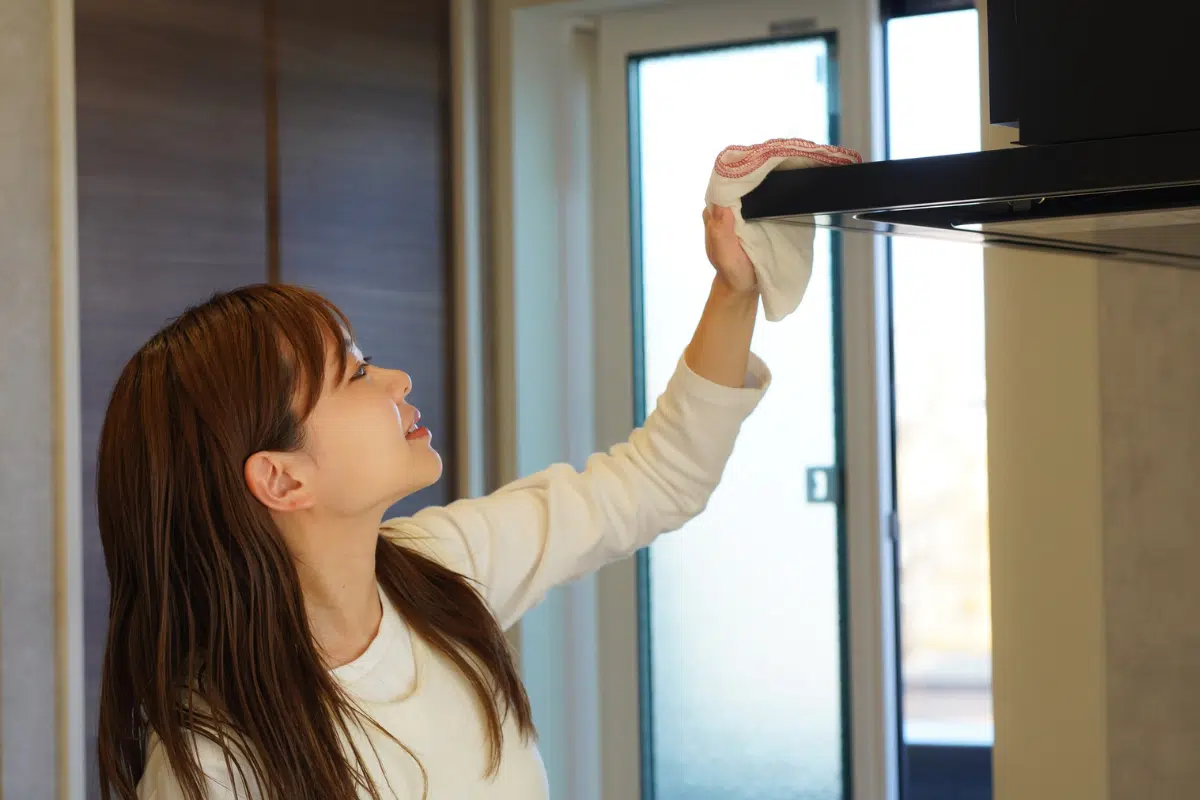
The idea of a single weekly cleaning marathon is becoming less practical for most households. It often leads to exhaustion and doesn’t always stay consistent week to week. Breaking tasks into small daily or alternating routines keeps things more manageable. Short, regular resets tend to maintain a cleaner home with less stress overall.
Hand-Washing Dishes Instead of Using the Dishwasher
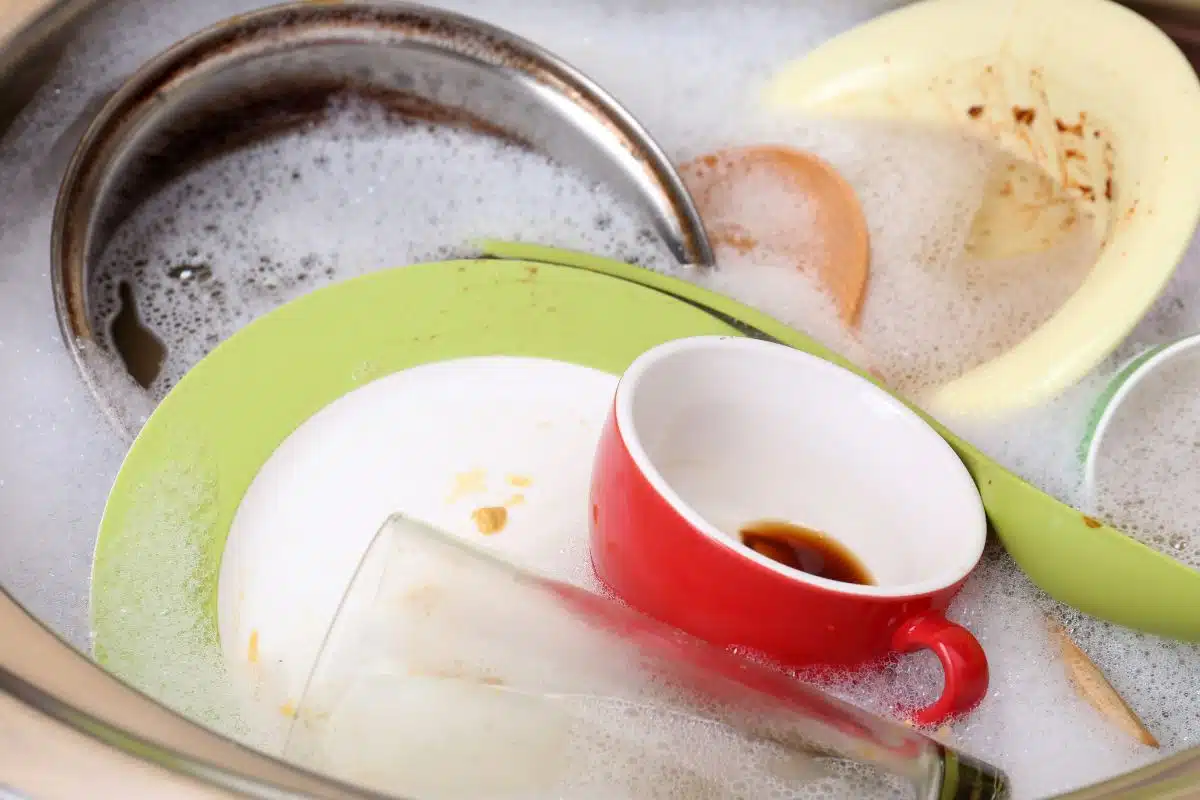
Modern dishwashers are designed to be both water- and energy-efficient, especially when run with full loads. In most homes, they use less water than washing by hand. Scraping and loading dishes quickly is often more efficient than standing at the sink for long periods. The dishwasher also provides a more consistent level of sanitizing when used correctly.
Relying on Homemade Cleaners for Every Surface
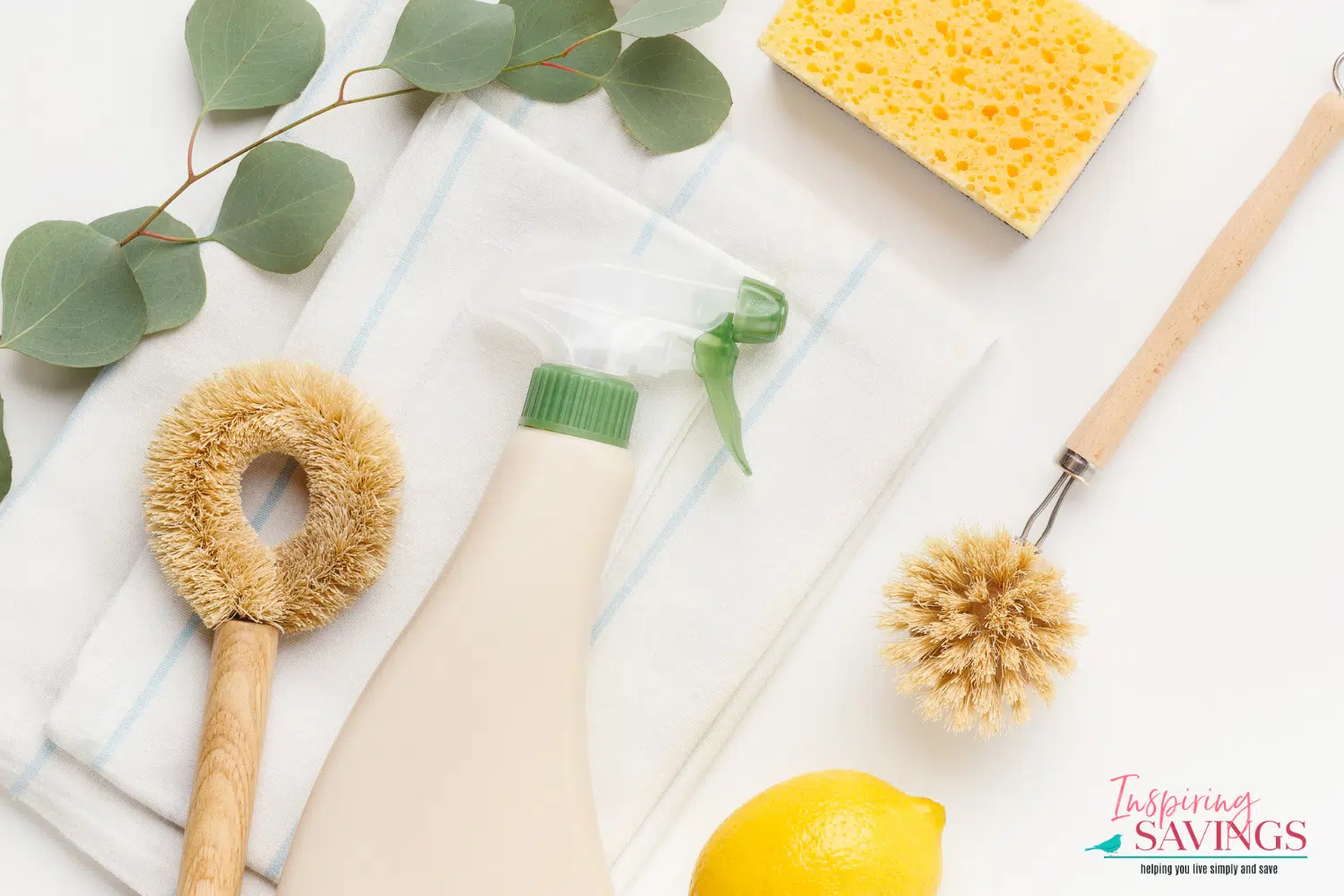
DIY cleaning solutions once gained popularity for being inexpensive and simple, but they aren’t always the most effective option for every job. Store-bought cleaners today are formulated for specific surfaces and often clean and disinfect more reliably. While natural solutions still have their place for light cleaning, they may not be ideal for heavy-duty disinfecting or grease removal.
Polishing Furniture on a Weekly Schedule
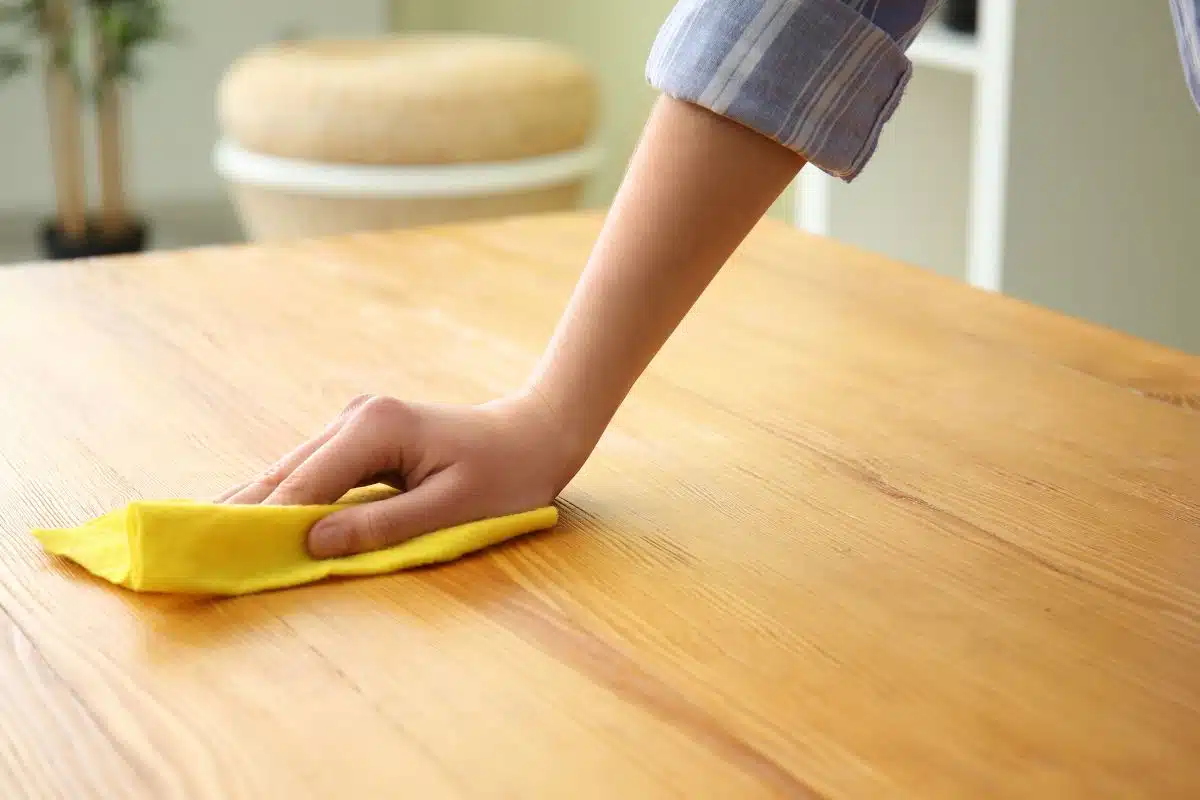
Frequent furniture polishing was once considered essential, but it isn’t necessary for most modern finishes. Overuse of polish can actually lead to buildup or dulling over time. Most wood furniture only needs light dusting regularly and occasional polishing a few times a year, depending on use and exposure.
Saving Deep Cleaning for Guests Only
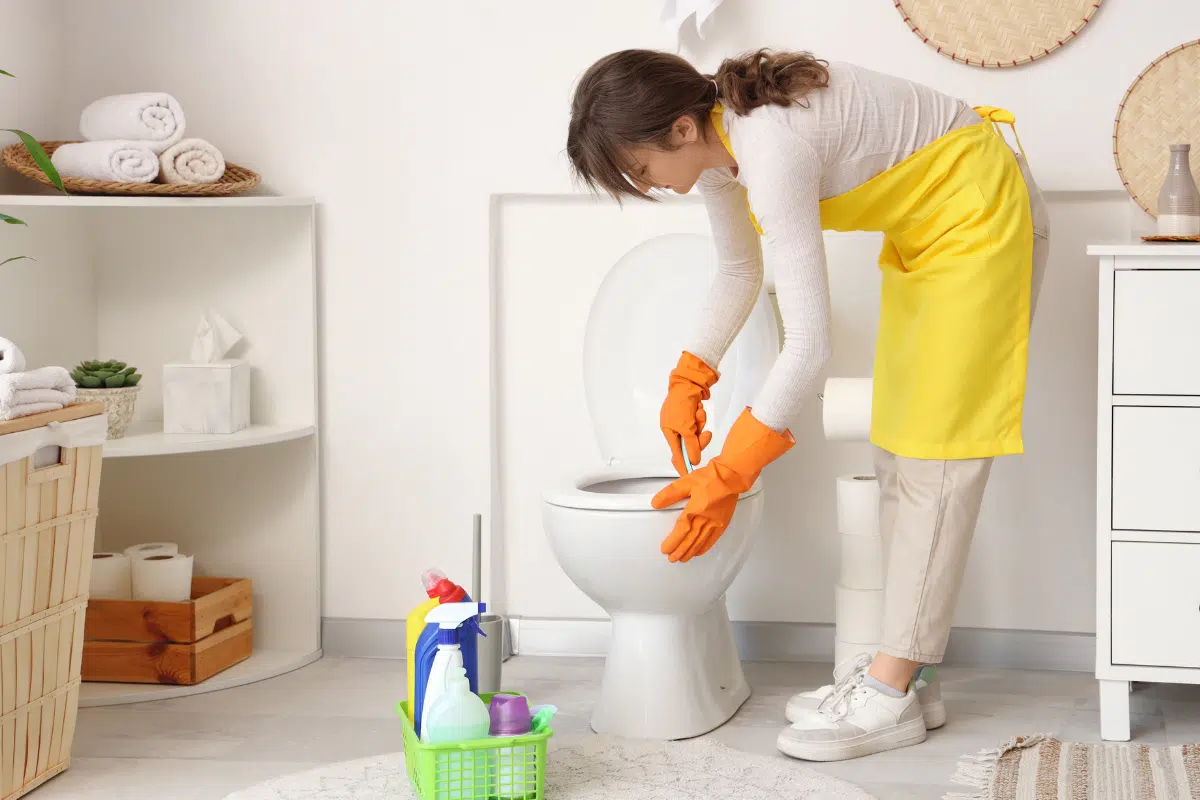
Cleaning the home only in preparation for visitors creates unnecessary pressure and can lead to inconsistent upkeep. A more balanced approach is maintaining light, steady cleaning habits throughout the week. This keeps the home more consistently comfortable without the stress of last-minute scrubbing sessions.
Ironing Every Item of Clothing and Linens
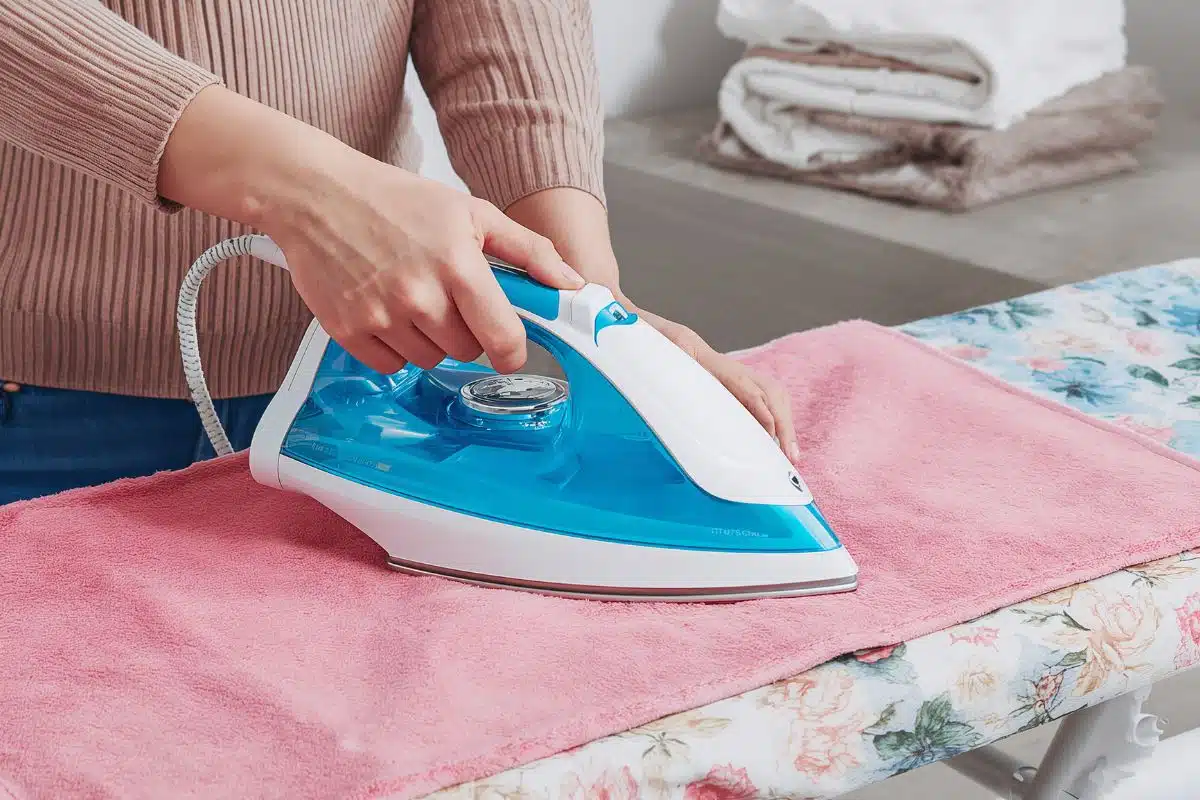
Full ironing routines are largely unnecessary in many modern households. Today’s fabrics are designed to resist wrinkles, and dryer settings or quick steaming can handle most minor creases. Items like towels, bedding, and casual wear rarely require full ironing to look presentable.
Scrubbing Floors on Hands and Knees
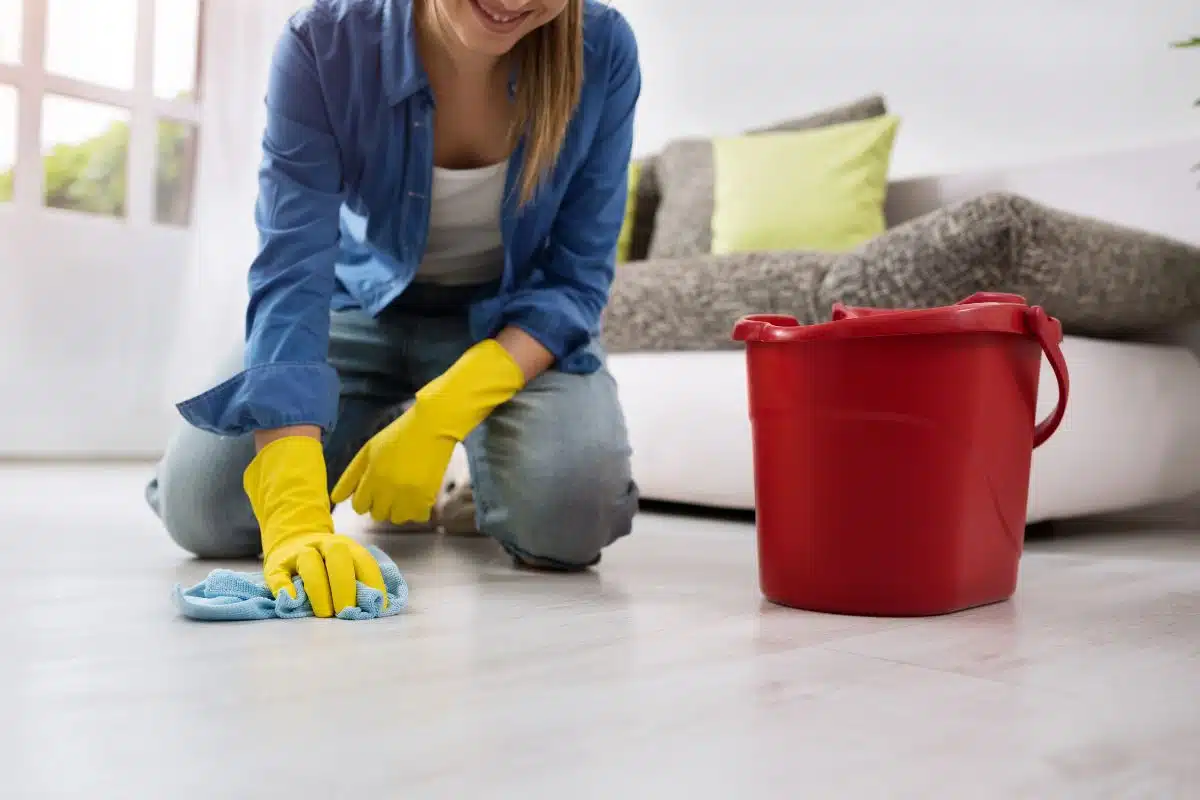
While this method can be thorough, it is time-consuming and physically demanding. Modern microfiber mops, steam mops, and spray systems are designed to clean effectively with far less effort. For most routine cleaning, these tools provide equal or better results while protecting your joints and saving time.
Storing All Cleaning Supplies in One Place
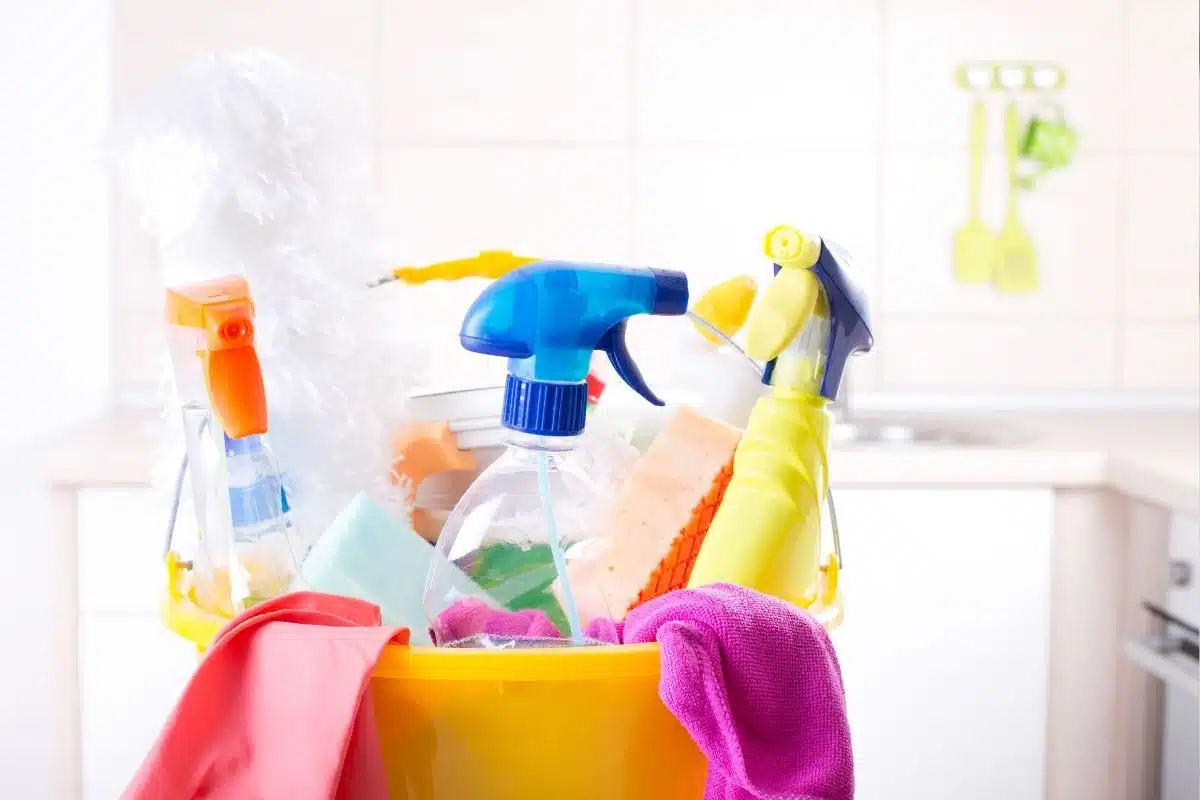
Keeping every cleaning product under the sink may seem organized, but it often slows down quick cleanups. Storing basic supplies where they’re actually used—such as bathroom wipes in the bathroom or dusting cloths upstairs—makes it easier to stay on top of messes. Convenience often leads to more consistent cleaning habits.
Washing Windows Until They Squeak
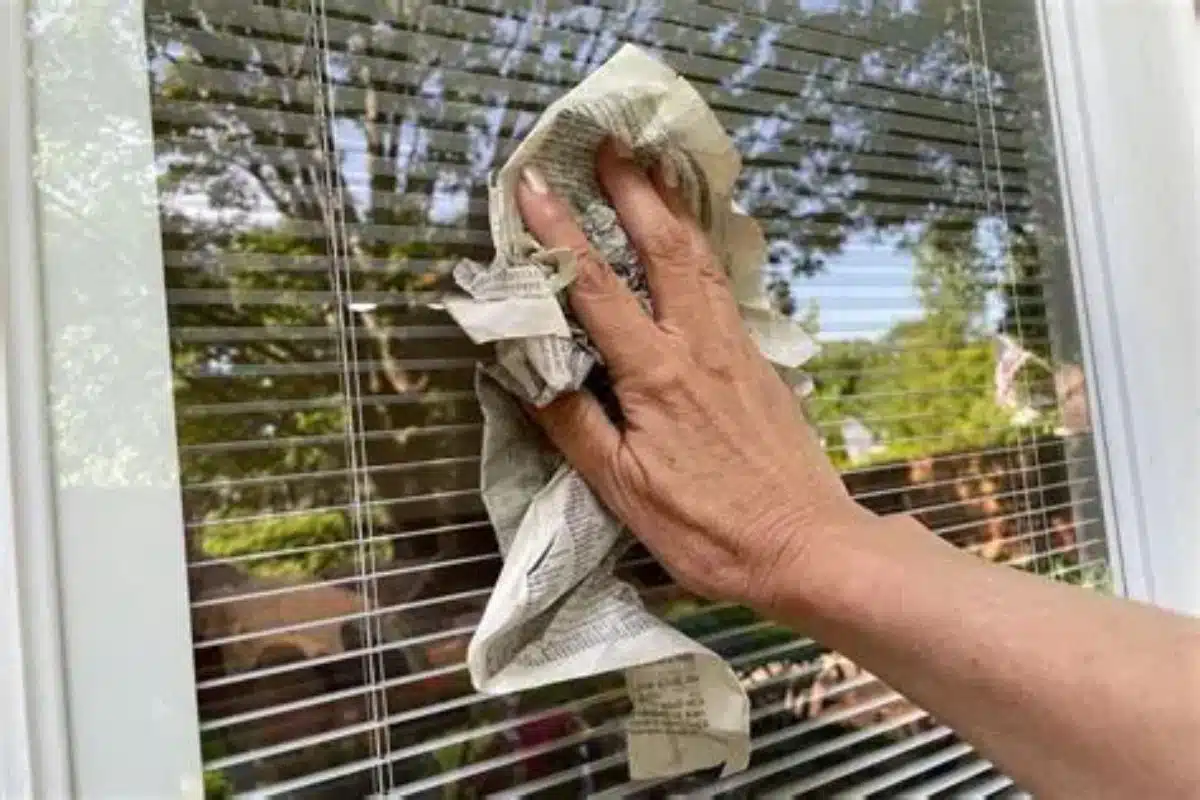
That “squeaky clean” finish doesn’t necessarily mean a better clean. In many cases, it can indicate leftover residue from soap or cleaner. A light application of modern glass cleaner with a microfiber cloth is usually more effective, leaving a streak-free finish without overworking the surface.
Believing a Perfectly Clean Home Is the Goal
Older housekeeping ideals often emphasized perfection, but today’s approach is more realistic and sustainable. A well-maintained home should support daily living, not create constant pressure to achieve spotless conditions. Focusing on comfort, cleanliness, and consistency is far more practical than aiming for perfection.
This post may contain affiliate links or sponsored content. Disclosure Policy