
10 Simple Money-Saving Strategies That Still Work
Managing money doesn’t require complicated spreadsheets, extreme budgeting, or giving up everything you enjoy. In fact, many of the most effective ways to improve your finances involve small, consistent habits that work quietly in the background. From automating savings to cutting recurring expenses and making smarter everyday purchases, these practical strategies can help you keep more of your hard-earned money. Here are 10 smart money habits that are helping people save more, spend better, and build stronger financial foundations.
Automate Your Savings

One of the easiest ways to grow your savings is to remove the temptation to spend the money first. Set up an automatic transfer from your checking account to a savings account every payday, even if it’s only a small amount. Because the transfer happens automatically, you won’t have to remember to do it or rely on willpower. Over time, these consistent contributions can build an emergency fund, vacation fund, or down payment fund faster than you might expect.
Use Cashback and Rewards Apps
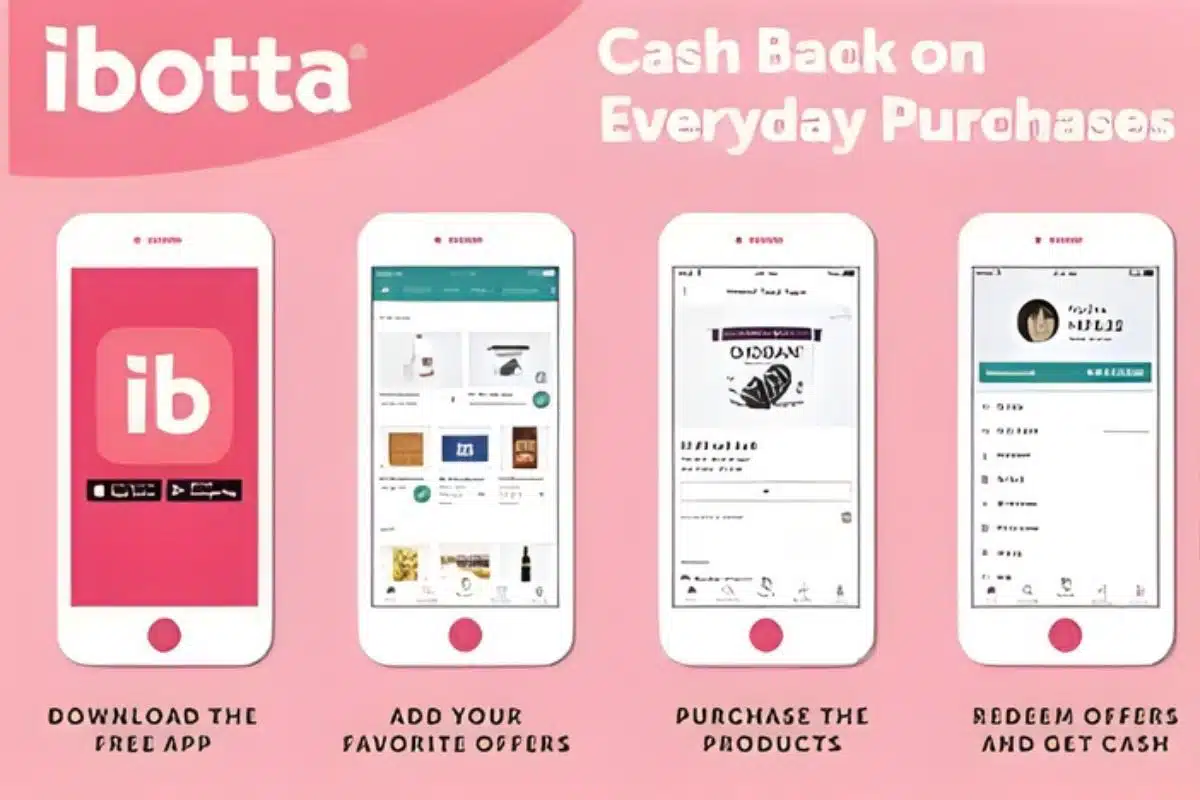
Cashback apps continue to be one of the simplest ways to earn money on purchases you’re already making. Popular options such as Rakuten, Ibotta, Fetch, and Upside offer rewards on everything from groceries and gas to online shopping. Many savvy shoppers stack these rewards with retailer sales and credit card rewards to maximize savings. While the individual rewards may seem small, they can add up to hundreds of dollars over the course of a year.
Round Up Purchases to Save Spare Change
Several banking and investing apps allow you to round purchases up to the nearest dollar and save or invest the difference automatically. For example, a $4.50 coffee purchase could be rounded up to $5.00, with the extra 50 cents moved into savings or investments. Since the amounts are small, most people barely notice the transfers. It’s a simple way to make progress toward financial goals without dramatically changing your spending habits.
Audit and Cancel Unused Subscriptions

Streaming services, fitness apps, cloud storage plans, and subscription boxes can quietly drain your budget month after month. Take time every few months to review recurring charges and identify services you rarely use. Apps like Rocket Money can help track subscriptions, but reviewing your bank statements works just as well. Many people are surprised to discover they’re spending hundreds of dollars each year on subscriptions they forgot they even had.
Use the “24-Hour Rule” for Non-Essential Buys
Impulse purchases can quickly derail even the best budget. Before buying a non-essential item, wait at least 24 hours before completing the purchase. This brief pause gives you time to decide whether you genuinely need the item or simply want it in the moment. Many shoppers find that the urge disappears after a day, helping them avoid unnecessary spending while still allowing room for thoughtful purchases.
Track Spending With Modern Budgeting Tools

You can’t improve what you don’t measure. Budgeting apps such as YNAB, Monarch Money, and Simplifi make it easier to see exactly where your money is going each month. Many connect directly to your financial accounts and automatically categorize spending. Having a clear picture of your habits often reveals opportunities to cut expenses without feeling deprived.
Automate Debt Payments
Late fees and missed payments can be costly setbacks when you’re trying to improve your finances. Setting up automatic payments for credit cards, student loans, or personal loans helps ensure bills are paid on time. Consistent payments can also support a stronger credit history over time. Even if you choose to make additional payments manually, automation provides valuable peace of mind.
Embrace “No-Spend” Challenges

A no-spend challenge involves temporarily eliminating discretionary purchases for a set period, such as a week or a month. The goal isn’t punishment—it’s becoming more aware of spending habits and reducing unnecessary purchases. Many participants discover they already have plenty of entertainment, food, and household supplies available. The challenge can also help reset spending habits after periods of overspending.
Buy Gift Cards for Regular Expenses

Many consumers overlook discounted gift card marketplaces where gift cards are sold below face value. Purchasing discounted cards for retailers you regularly visit can create instant savings on future purchases. This strategy works particularly well for grocery stores, restaurants, home improvement stores, and major retailers. As long as you buy cards only for businesses you already use, the savings can add up over time.
Start Micro-Investing

Many people delay investing because they believe they need large amounts of money to get started. Today, numerous investment platforms allow users to begin with very small contributions and add money gradually over time. Regular investing, even in modest amounts, helps build the habit while allowing your money the opportunity to grow. The key is consistency rather than trying to invest large sums all at once.
This post may contain affiliate links or sponsored content. Disclosure Policy