10 Grocery Habits That Helped Me Save $100 a Month on Food
Groceries continue to be one of the most consistent pressures on household budgets, and many shoppers are still feeling the impact of higher prices across everyday essentials. While there’s no single trick that transforms your grocery spending overnight, small, intentional changes in how you plan, shop, and store food can add up quickly. When I started paying closer attention to where my money was going in the grocery store, I realized I wasn’t overspending on one big thing—I was losing money through dozens of small habits. From unplanned trips to wasted food and convenience buys, it all added up.
Plan Meals Ahead of Time

Meal planning is one of the simplest ways to take control of your grocery spending. By mapping out breakfasts, lunches, and dinners for the week, you eliminate guesswork at the store and reduce the temptation to buy extras. It also helps you use ingredients more efficiently across multiple meals, which naturally reduces waste.
Make a Realistic Shopping List

A well-thought-out shopping list keeps your spending focused and intentional. I started writing down not just what I needed, but approximate quantities based on my meal plan. Sticking to the list—and avoiding extra aisle browsing—significantly reduced impulse purchases that used to inflate my total.
Buy in Bulk for Staples

Pantry staples like rice, oats, pasta, flour, and dried beans are often much cheaper when purchased in larger quantities. Once I started buying these items in bulk and organizing them properly at home, I noticed fewer last-minute grocery runs and better long-term savings. The key is focusing on items you actually use regularly.
Embrace Store Brands
Store brands have improved dramatically in recent years, often matching name brands in both quality and taste. Switching basics like canned goods, dairy products, spices, and cereal can lead to noticeable savings over time. In many cases, the only real difference is packaging and marketing—not performance.
Shop Seasonal Produce
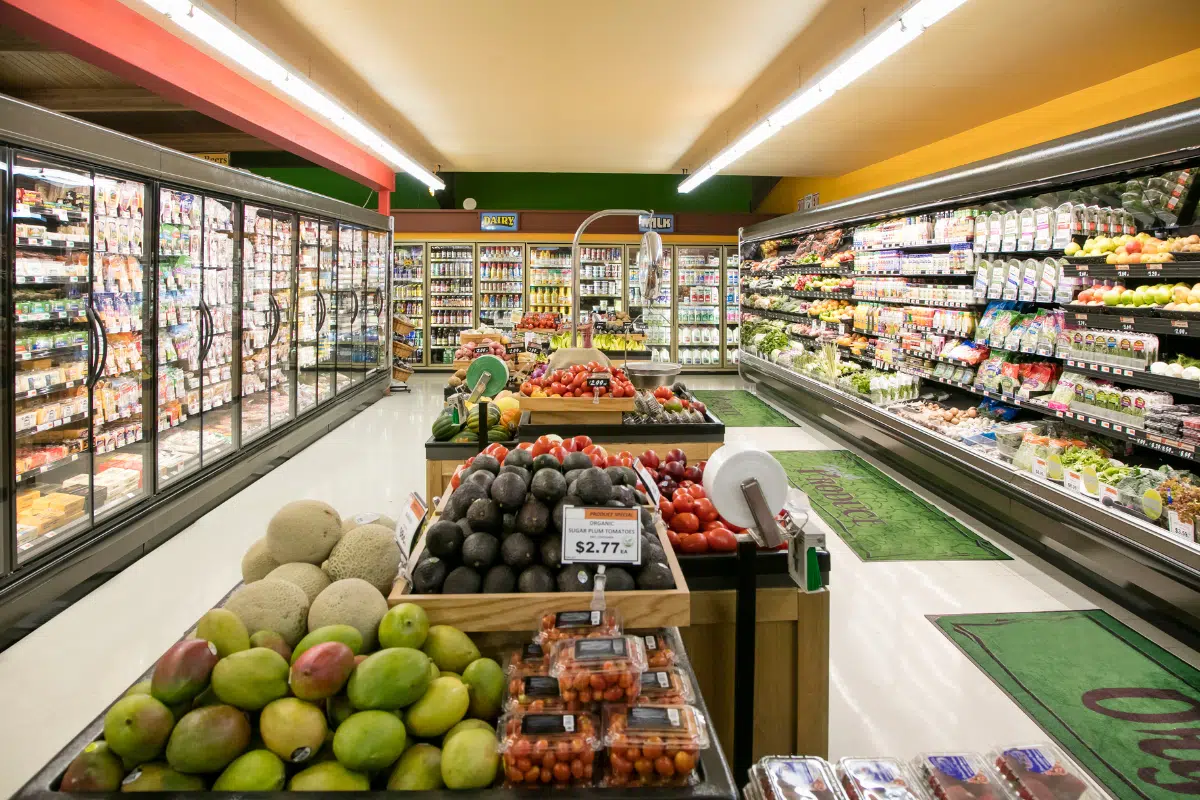
Seasonal produce is typically fresher, more flavorful, and significantly less expensive than out-of-season options. I started planning meals around what’s currently abundant at my local grocery store or farmers market. This simple shift not only lowered my costs but also made meals more varied throughout the year.
Freeze Leftovers and Extras

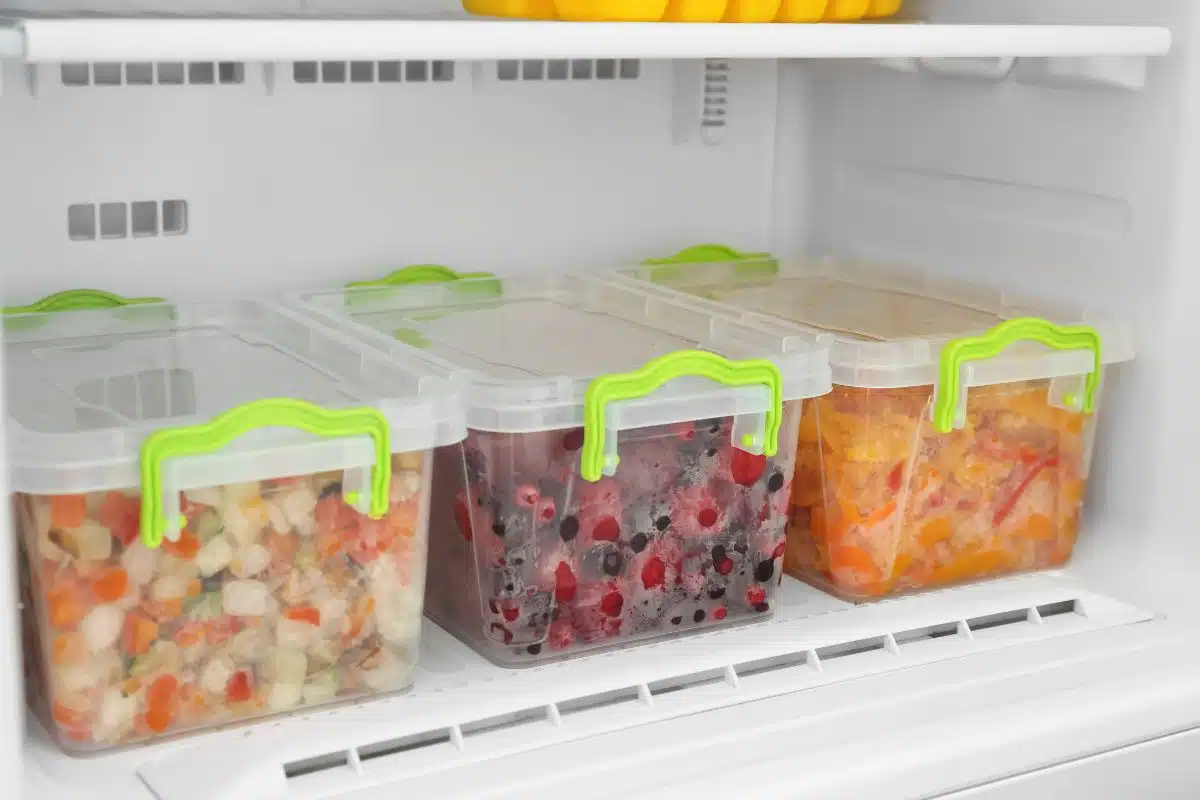
One of the biggest money drains in many households is food waste. Freezing leftover portions, bread, shredded cheese, and even cooked proteins helps extend their shelf life and prevents unnecessary repurchasing. Over time, this habit turns into a built-in backup system for quick meals and emergency dinners.
Use Cashback and Reward Apps

Digital savings tools have become more effective and widely used in 2026. Grocery store apps, cashback programs, and digital coupons can be stacked strategically for additional savings on everyday purchases. While each discount may seem small, they add up significantly over the course of a month when used consistently.
Limit Pre-Packaged and Convenience Items

Convenience foods like pre-cut vegetables, snack packs, and ready-made meals often come with a significant markup. Preparing these items at home takes a bit more time but usually costs much less and allows for better control over ingredients. This shift alone can make a noticeable difference in your weekly total.
Shop Less Frequently

Reducing grocery store trips to once or twice a week helps limit impulse buying. Fewer visits mean fewer “extras” that weren’t part of your original plan. Over time, this habit also encourages more intentional meal planning and better use of what you already have at home.
Compare Unit Prices

The lowest sticker price doesn’t always mean the best deal. Checking the unit price (cost per ounce, pound, or liter) helps identify true value across different package sizes and brands. I’ve often found that mid-sized or store-brand options offer the best balance between cost and quantity, saving money without sacrificing quality.
This post may contain affiliate links or sponsored content. Disclosure Policy