10 Foods That Get Weird When You Freeze Them
Freezing food is one of the easiest ways to reduce waste and save money — but not all foods come out of the freezer the same way they went in. While freezing preserves safety and flavor, it can dramatically change texture, sometimes for better and sometimes for worse.
Knowing which everyday foods behave differently after freezing can help you avoid disappointment and use your freezer more wisely. Here are 10 common foods that noticeably change texture once frozen — and what to expect when you thaw them.
Milk
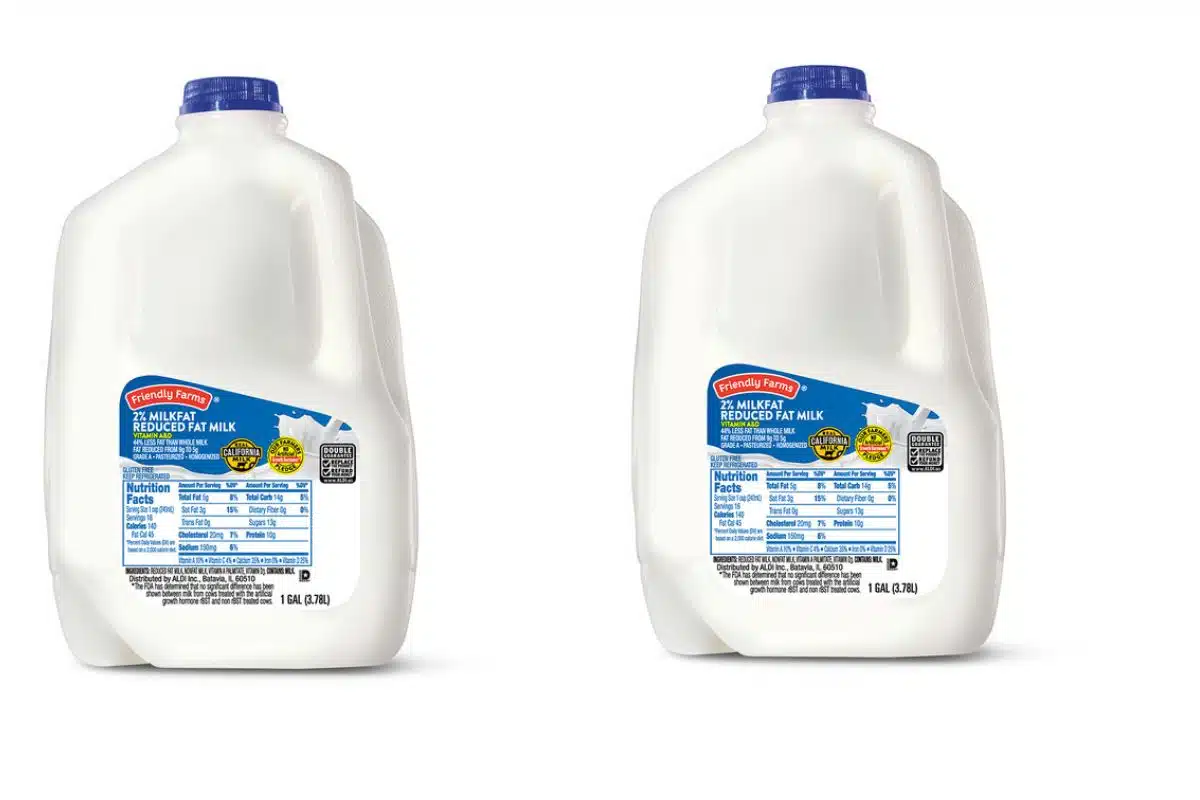
When frozen and thawed, milk often separates and becomes slightly grainy. While it’s still safe to use, it’s best reserved for cooking or baking rather than drinking straight.
Cream Cheese
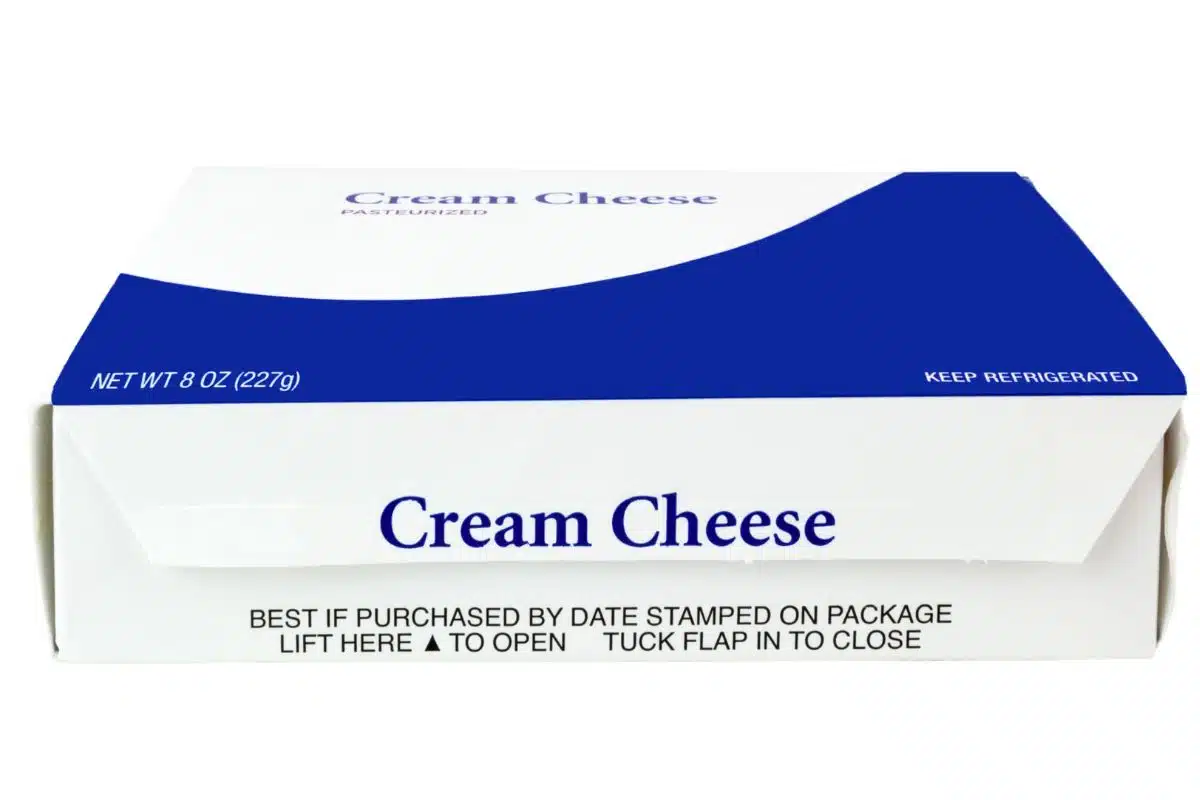
Freezing causes cream cheese to become crumbly and less smooth. It works well in baked dishes or dips where texture matters less, but it won’t spread the same afterward.
Yogurt
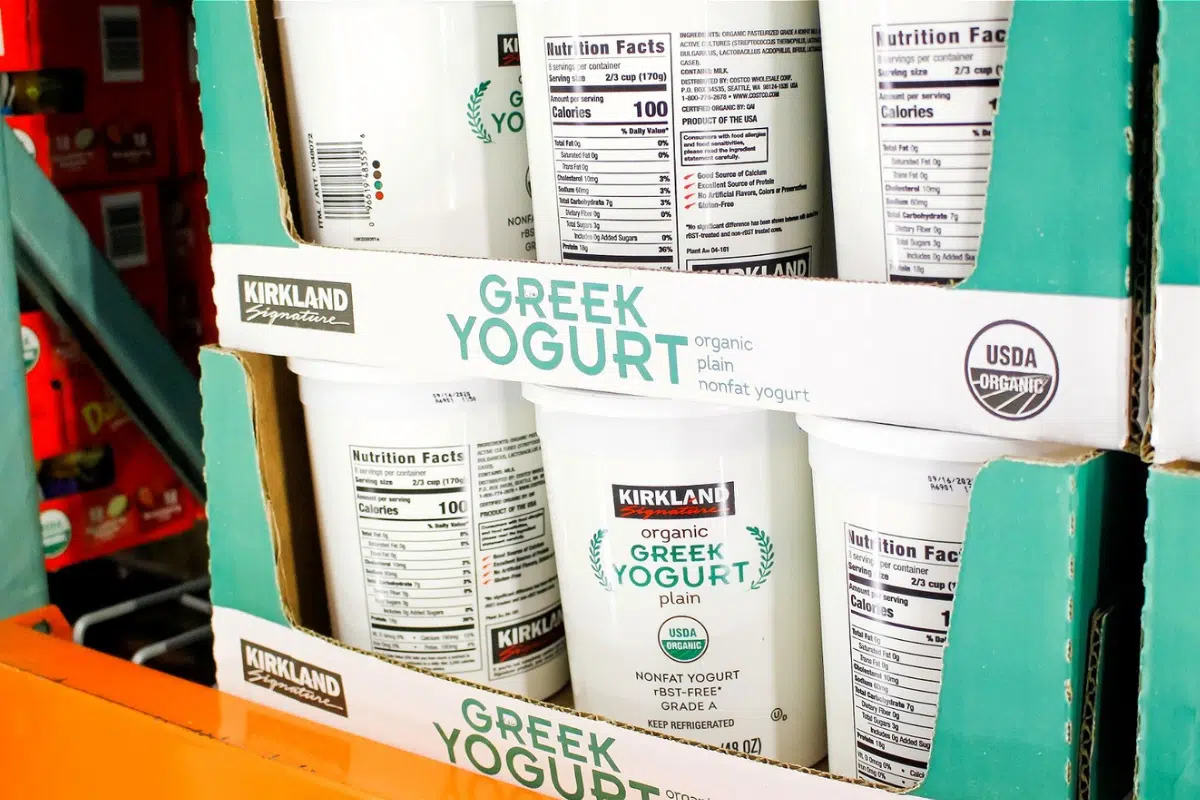
Yogurt tends to turn watery and grainy once thawed. While the texture changes, it’s still great for smoothies, baking, or frozen yogurt-style treats.
Cooked Pasta
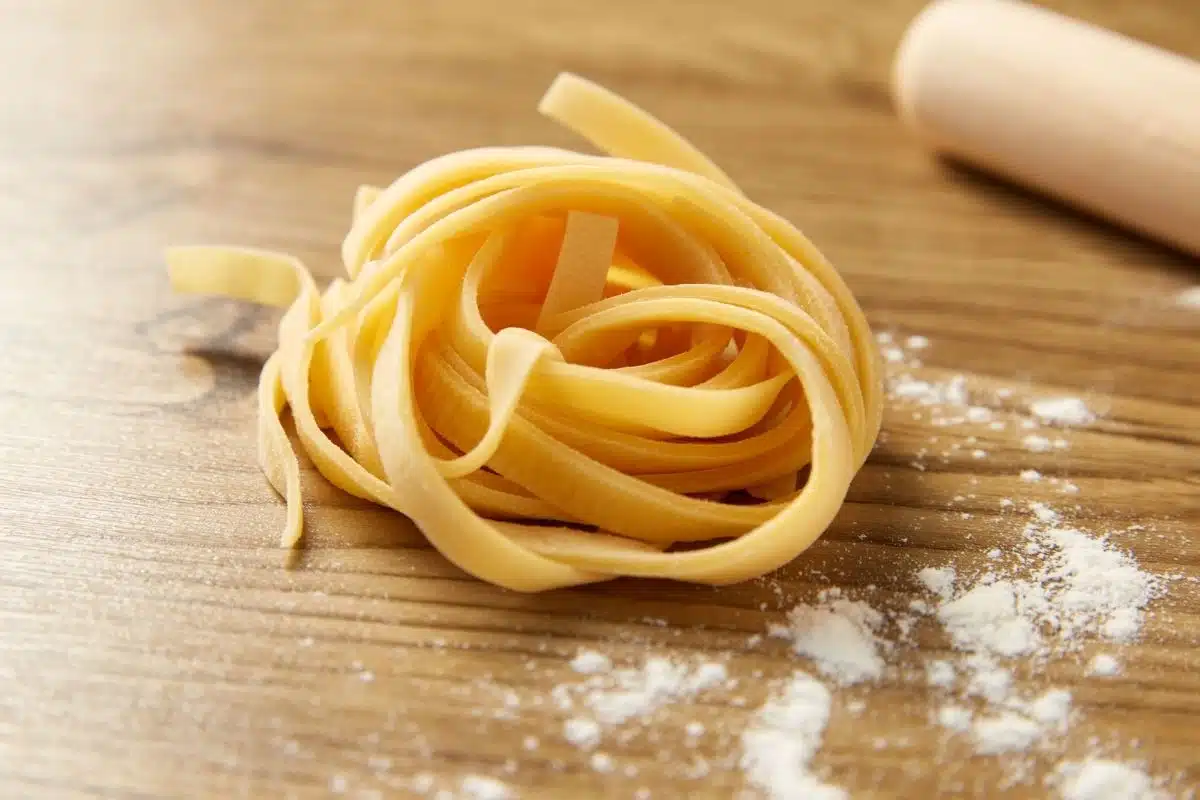
Frozen pasta can become softer or mushy when reheated, especially if it was fully cooked before freezing. Slightly undercooking pasta helps it hold its texture better after thawing.
Potatoes
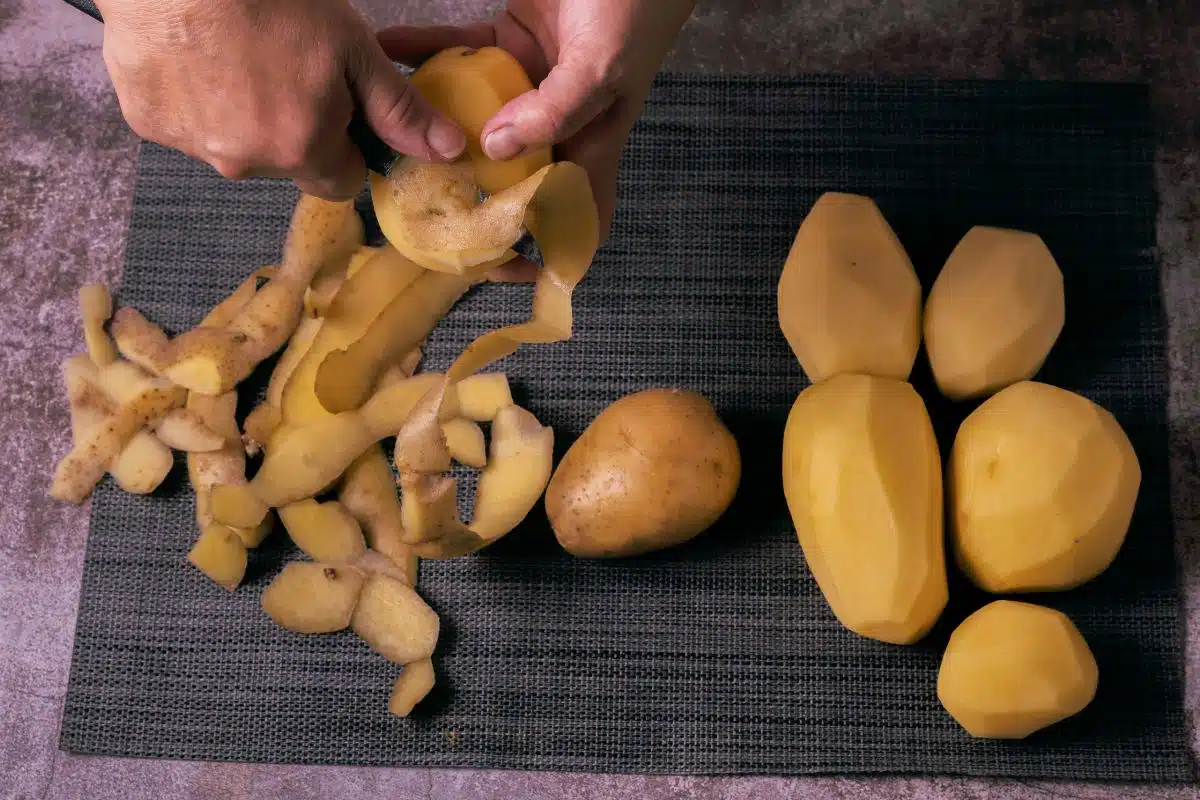
Raw potatoes turn gritty and watery when frozen due to their high water content. Cooked potatoes also change texture, often becoming mealy unless prepared as mashed or roasted first.
Eggs (Out of the Shell)
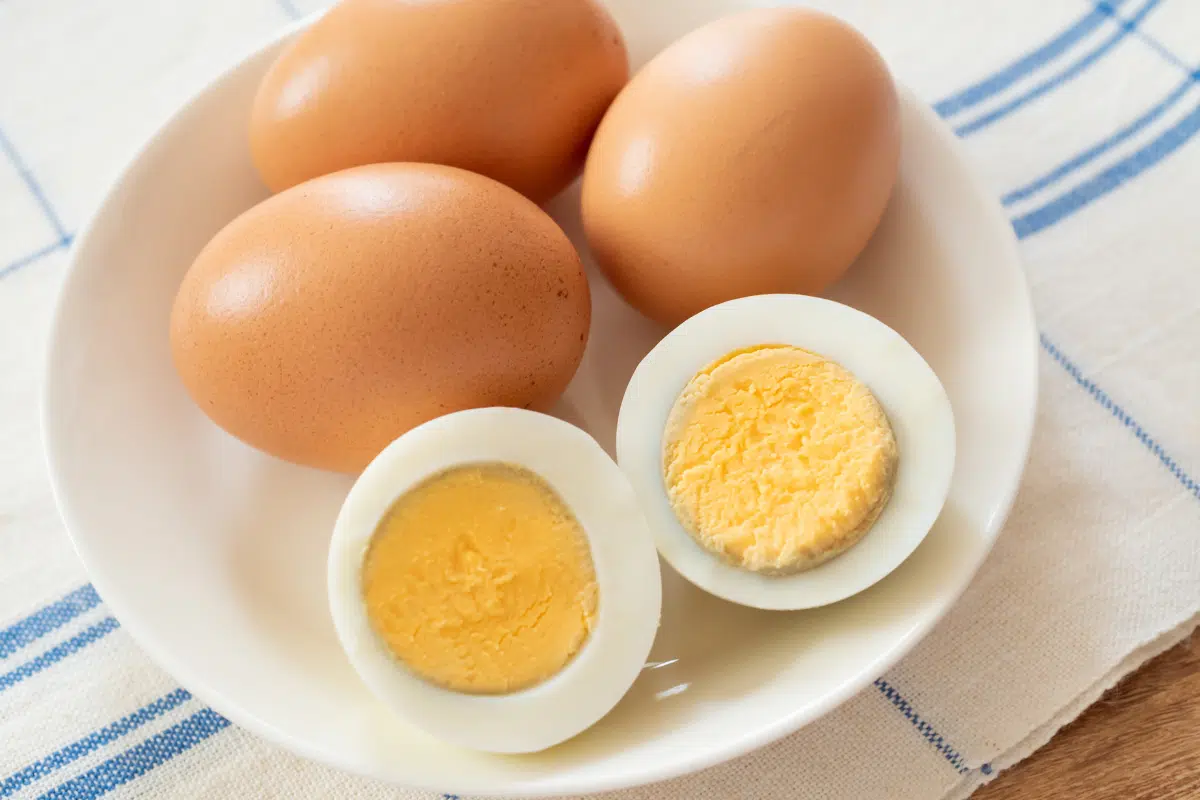
Frozen eggs become thicker and sometimes rubbery when thawed. They’re best used for scrambling or baking, not for dishes that rely on a delicate egg texture.
Lettuce
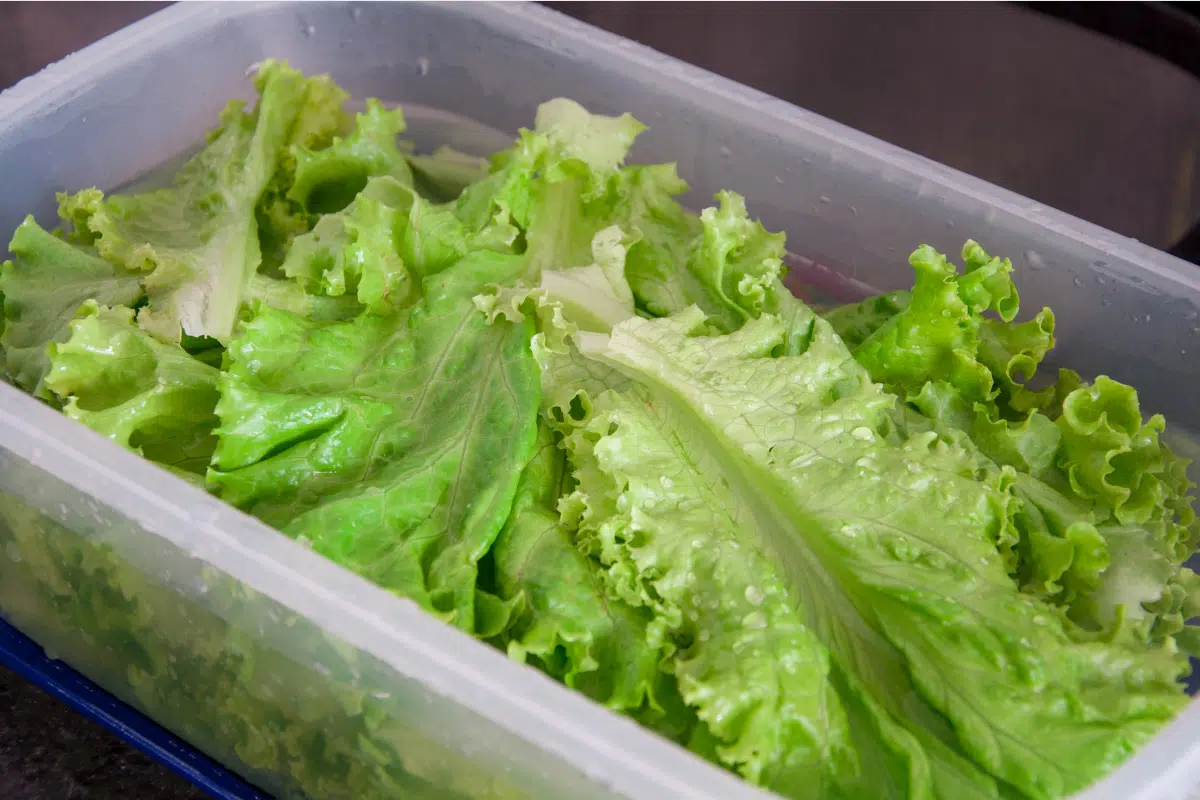
Freezing destroys lettuce’s crisp structure, leaving it limp and watery. While it’s not ideal for salads, frozen lettuce can still work in soups or smoothies.
Cucumbers
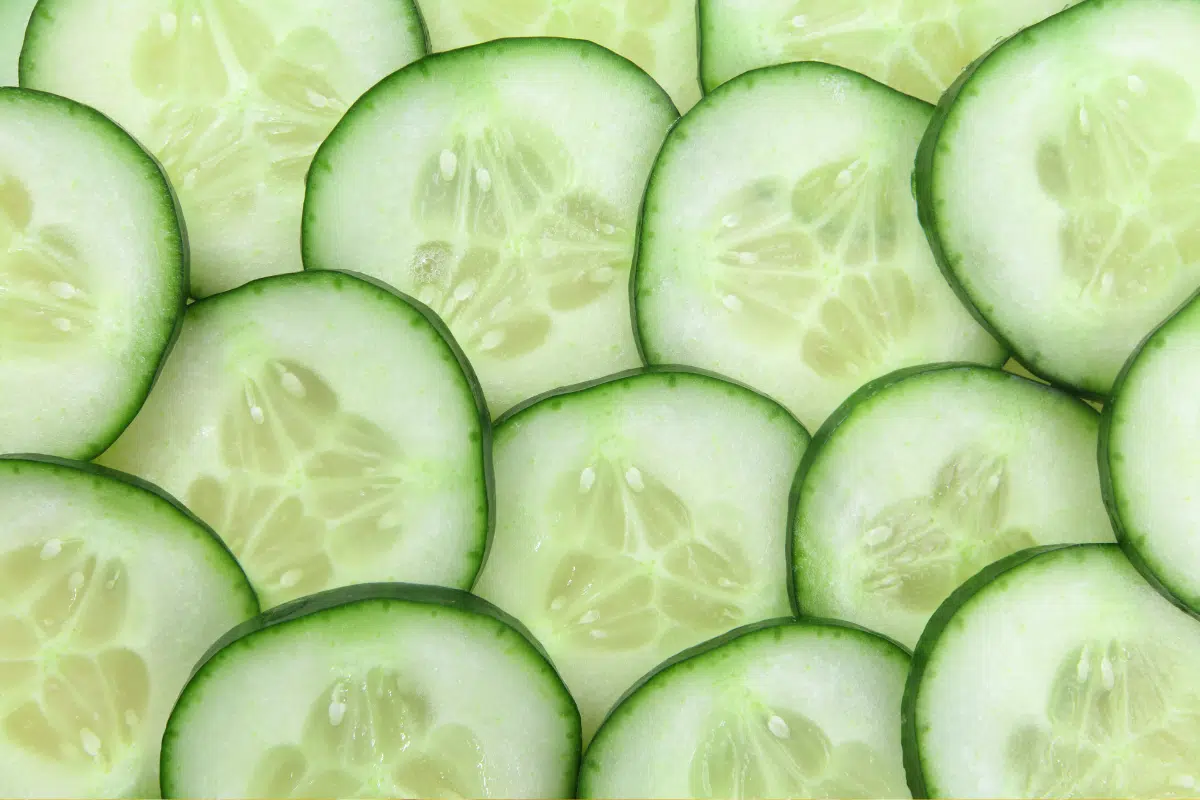
Once frozen and thawed, cucumbers lose their crunch and turn soft. They’re better suited for blended dishes or infused waters rather than fresh eating.
Sour Cream
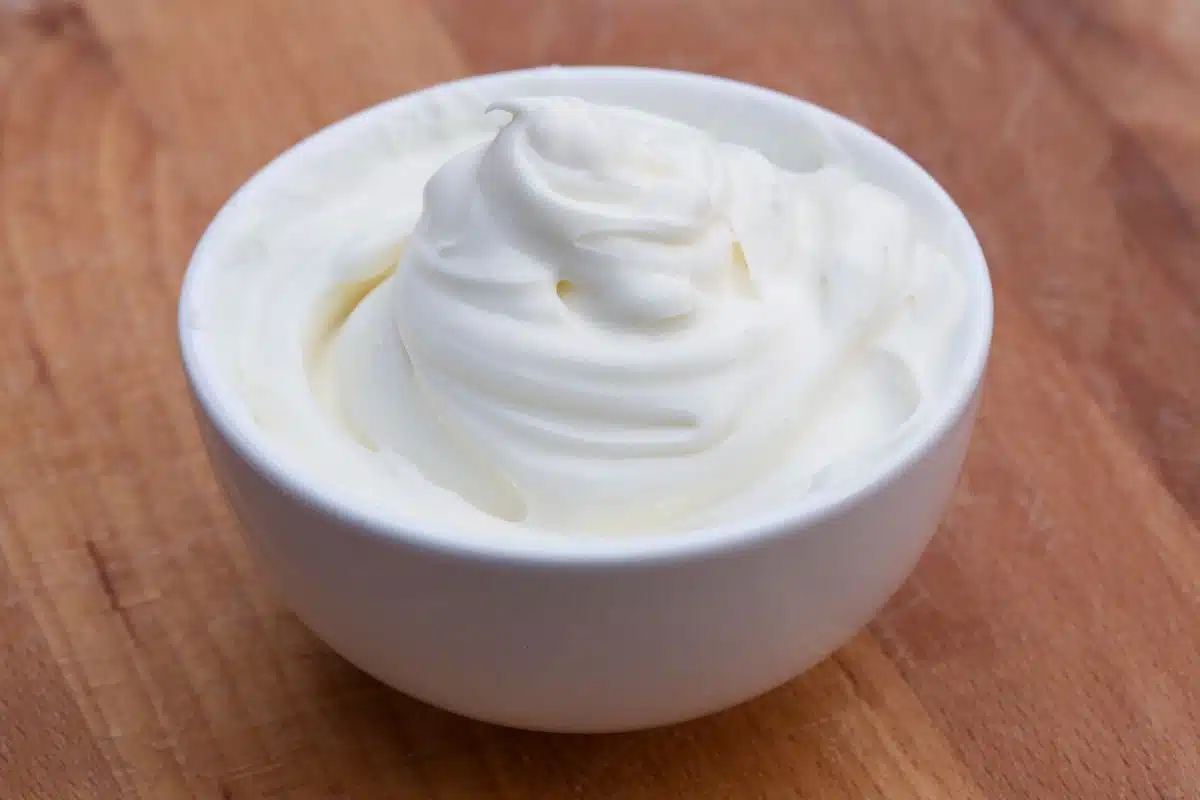
Freezing causes sour cream to separate and become grainy. While it’s still usable, it works best in cooked dishes like casseroles or sauces.
Avocados
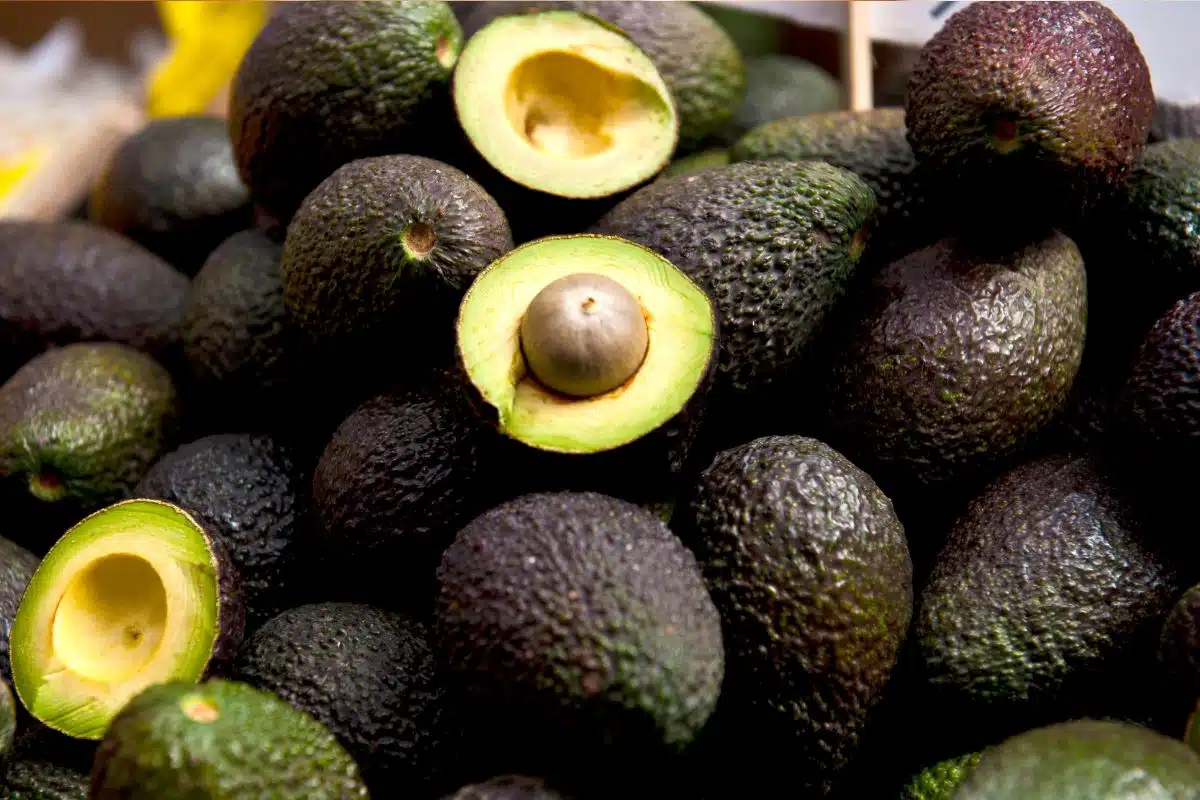
Frozen avocados lose some of their creamy texture and can become slightly mushy. They’re perfect for guacamole, spreads, or smoothies — just not slicing.
This post may contain affiliate links or sponsored content. Disclosure Policy