10 Foods That Can Change Texture in the Freezer
Freezing is one of the easiest ways to extend the life of food, but it doesn’t preserve every texture equally well. Water inside food forms ice crystals during freezing, and those crystals can damage the structure of foods, particularly when they contain a lot of water. The result can be anything from a softer vegetable to a dairy product that separates after thawing. Knowing which foods change texture can help you decide what belongs in the freezer and how to use it afterward.
Milk
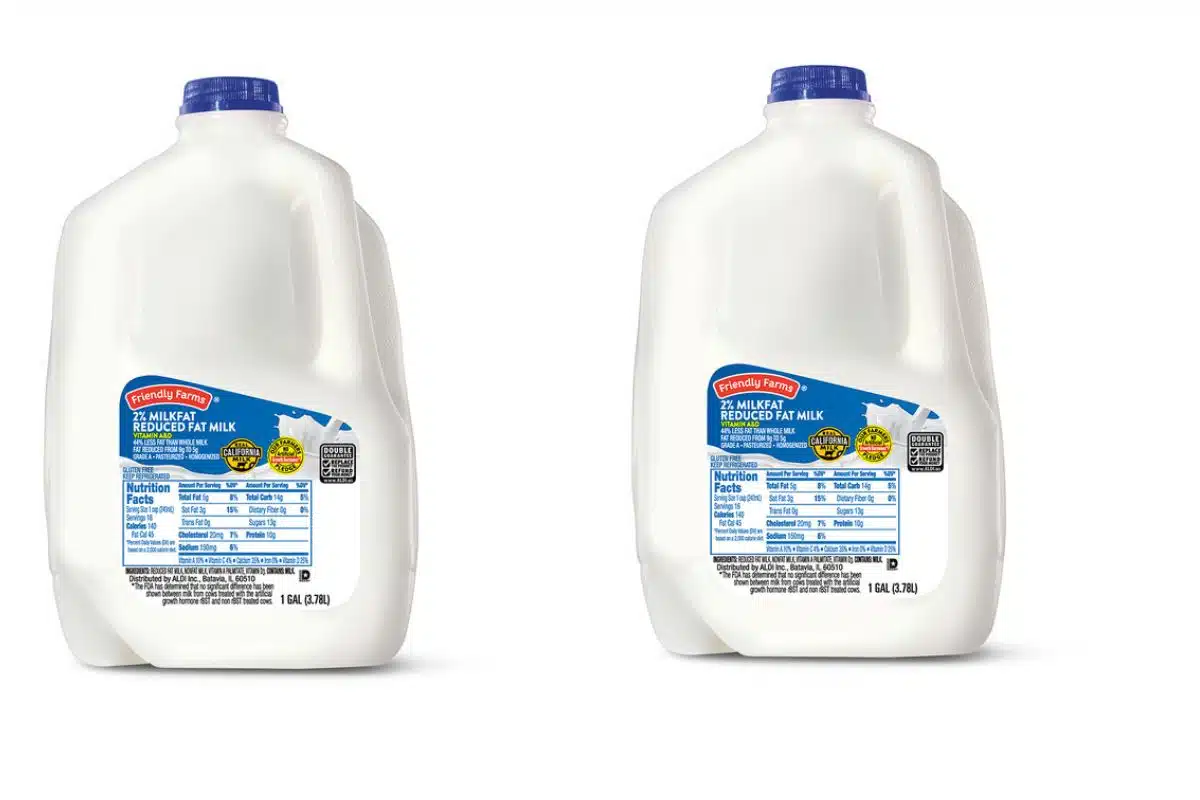
Milk can separate during freezing and thawing, leaving it with a grainier or less uniform texture. That doesn’t necessarily make it unusable, but the change can be noticeable when you drink it plain. Thawed milk is often better suited to cooking, baking, sauces, or smoothies, where the texture is less apparent.
Cream Cheese
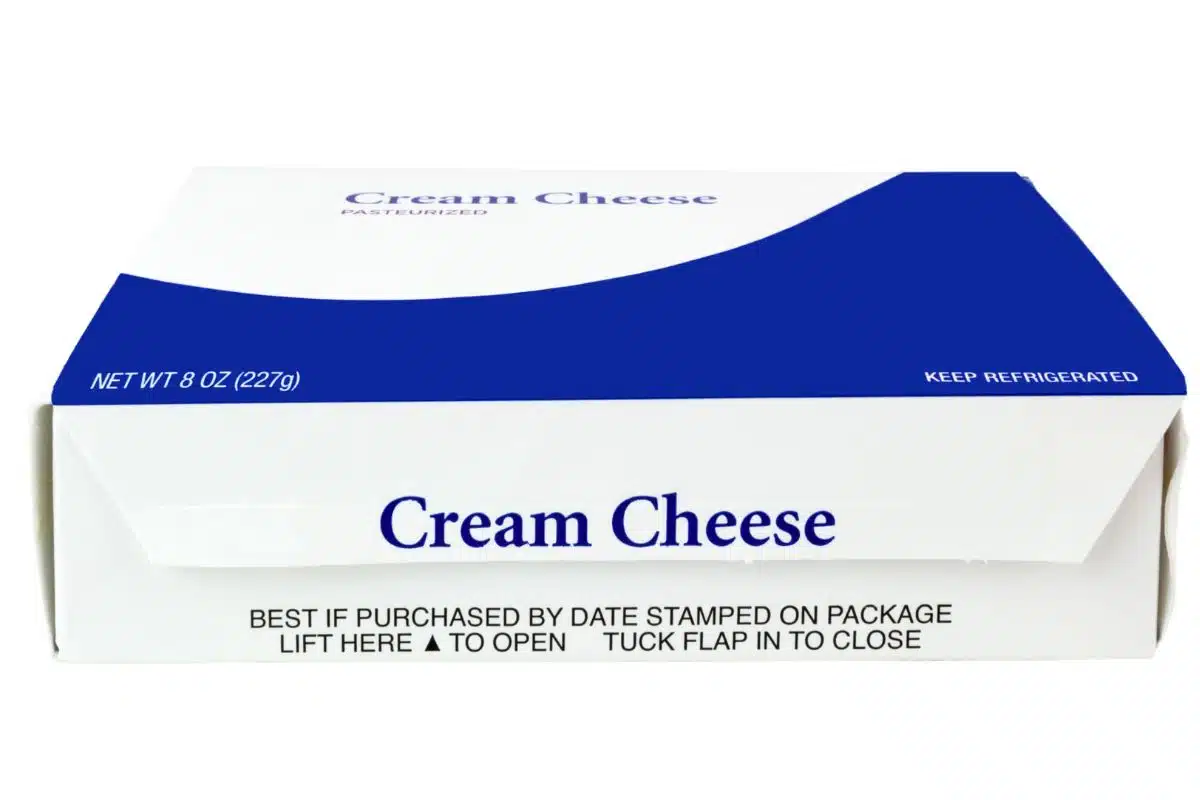
Cream cheese can become crumbly or slightly grainy after freezing and thawing because its structure changes as water freezes and separates from the dairy. It may not spread as smoothly as it did before freezing. However, it can still work well in baked dishes, cooked sauces, or other recipes where the original spreadable texture isn’t essential.
Yogurt
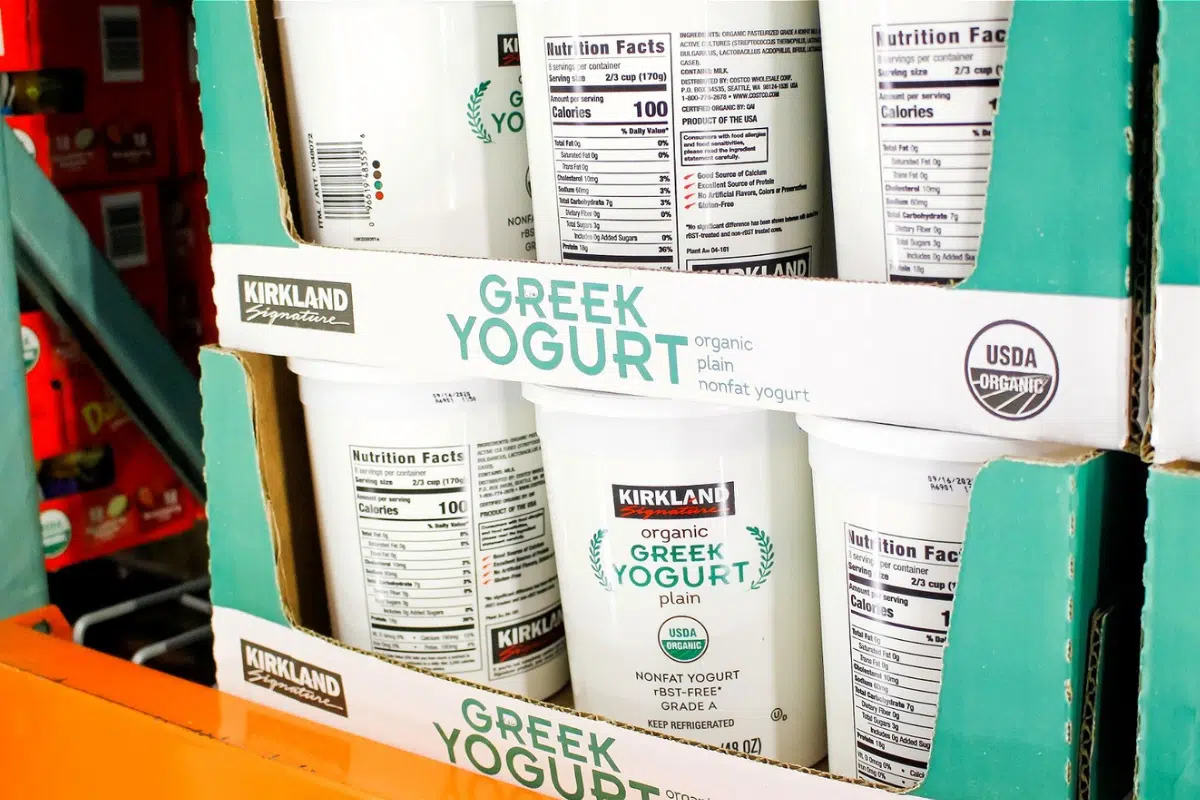
Yogurt can separate and become thinner or grainier after being frozen and thawed. The exact change depends on the type of yogurt and its formulation, but the texture may not be as smooth as it was when fresh. Thawed yogurt is often better used in smoothies, baking, or other recipes rather than served on its own.
Cooked Pasta
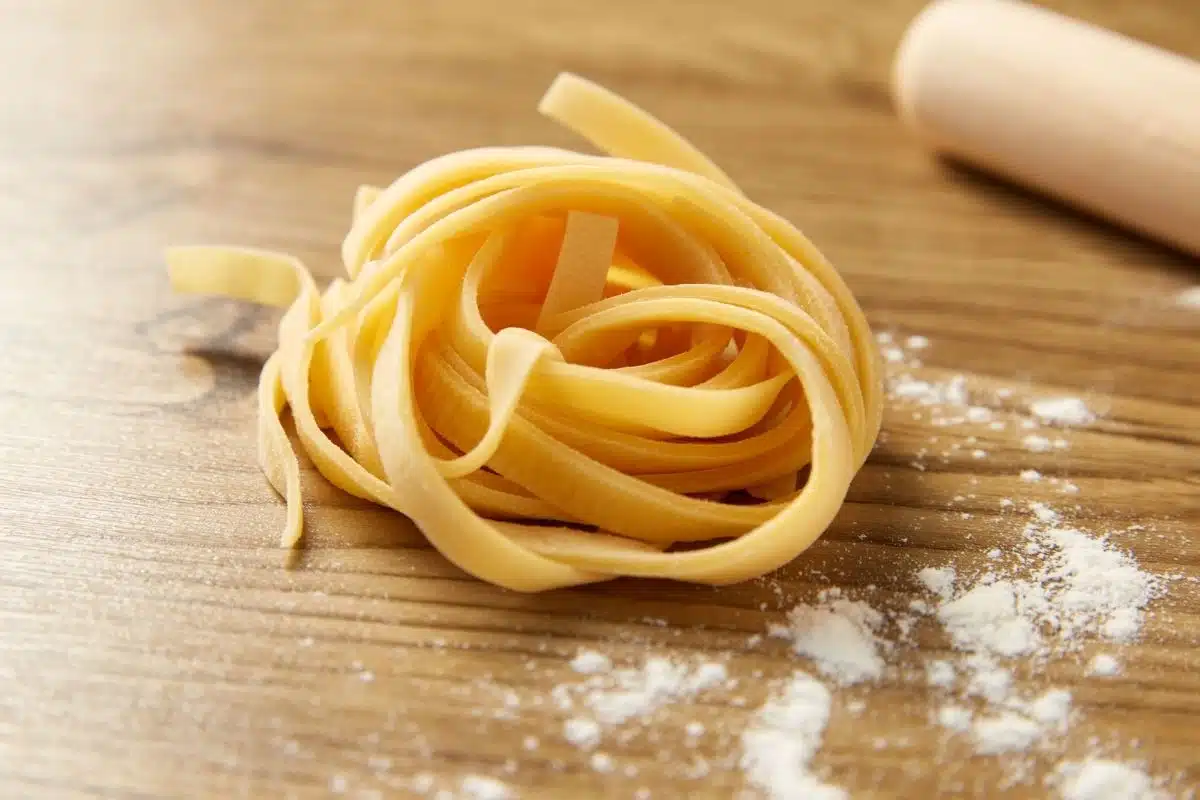
Cooked pasta can become softer or mushier after freezing and reheating, particularly when it is frozen by itself. The National Center for Home Food Preservation lists cooked macaroni and spaghetti among foods that do not freeze particularly well when frozen alone. If you’re freezing a pasta dish, cooking the pasta just until al dente and avoiding overcooking it during reheating can help preserve a better texture.
Potatoes
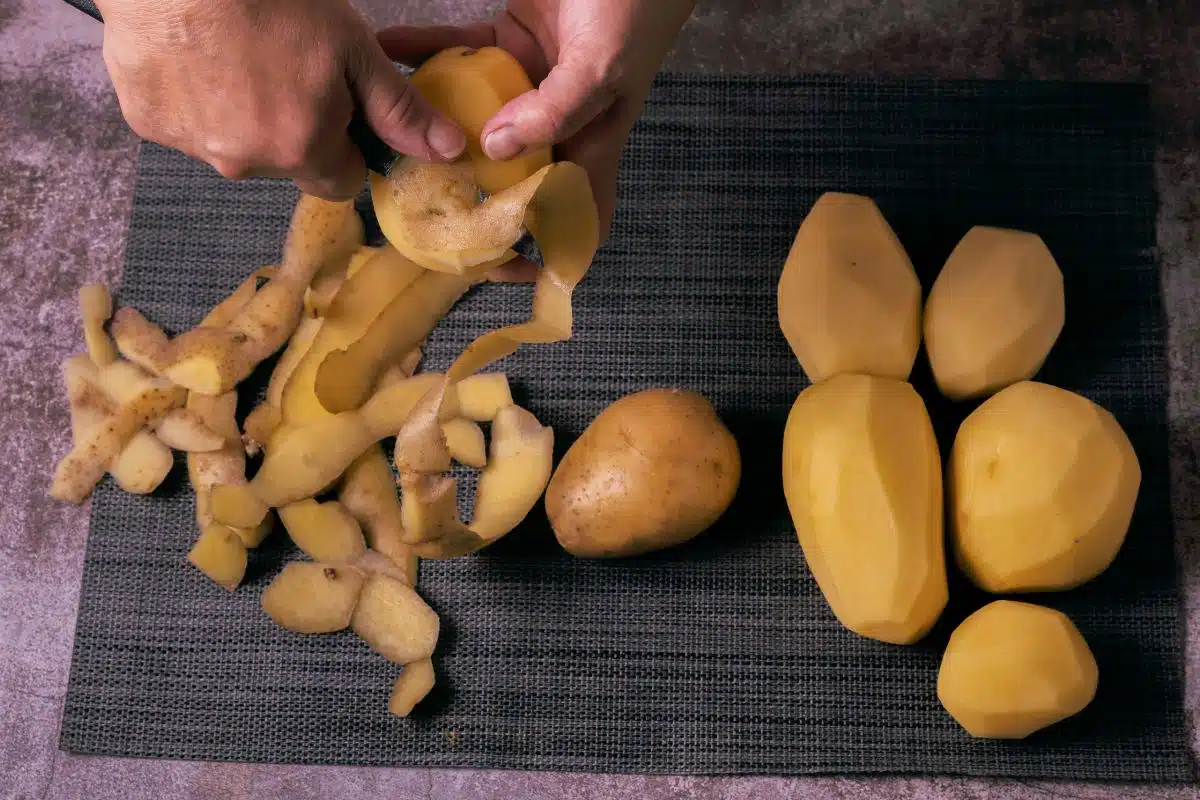
Potatoes can change significantly in the freezer, but the results depend on how they are prepared. Raw potatoes generally aren’t good candidates for freezing because their texture can become watery and unpleasant, while cooked potatoes can become soft, crumbly, or mealy after thawing. Mashed potatoes and some prepared potato dishes tend to handle freezing better than plain boiled or baked potatoes.
Cooked Egg Whites
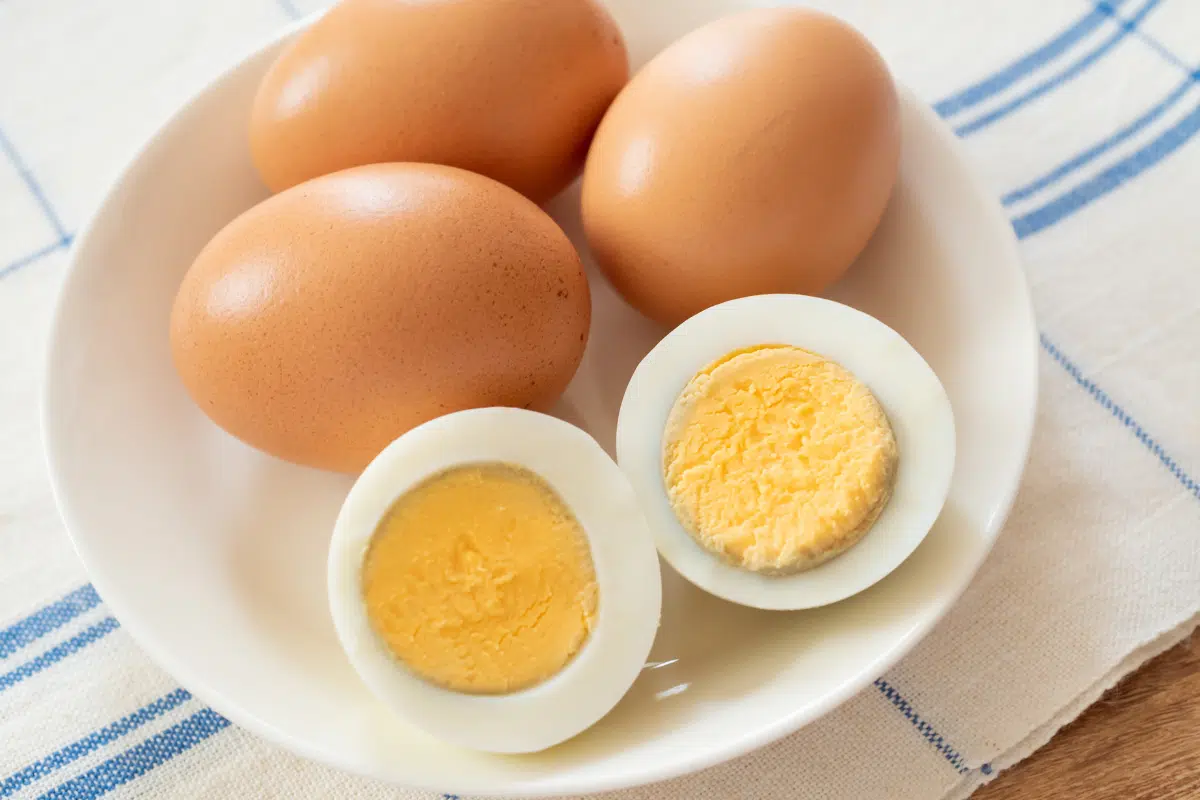
Eggs require a little clarification when it comes to freezing. Raw eggs can be frozen after removing them from their shells and beating the whites and yolks together, but cooked egg whites can become tough, rubbery, or spongy after freezing. That’s why hard-boiled eggs generally aren’t ideal for freezing whole. If you’re freezing eggs for later use, use them in a form and recipe that accommodates the texture change.
Lettuce
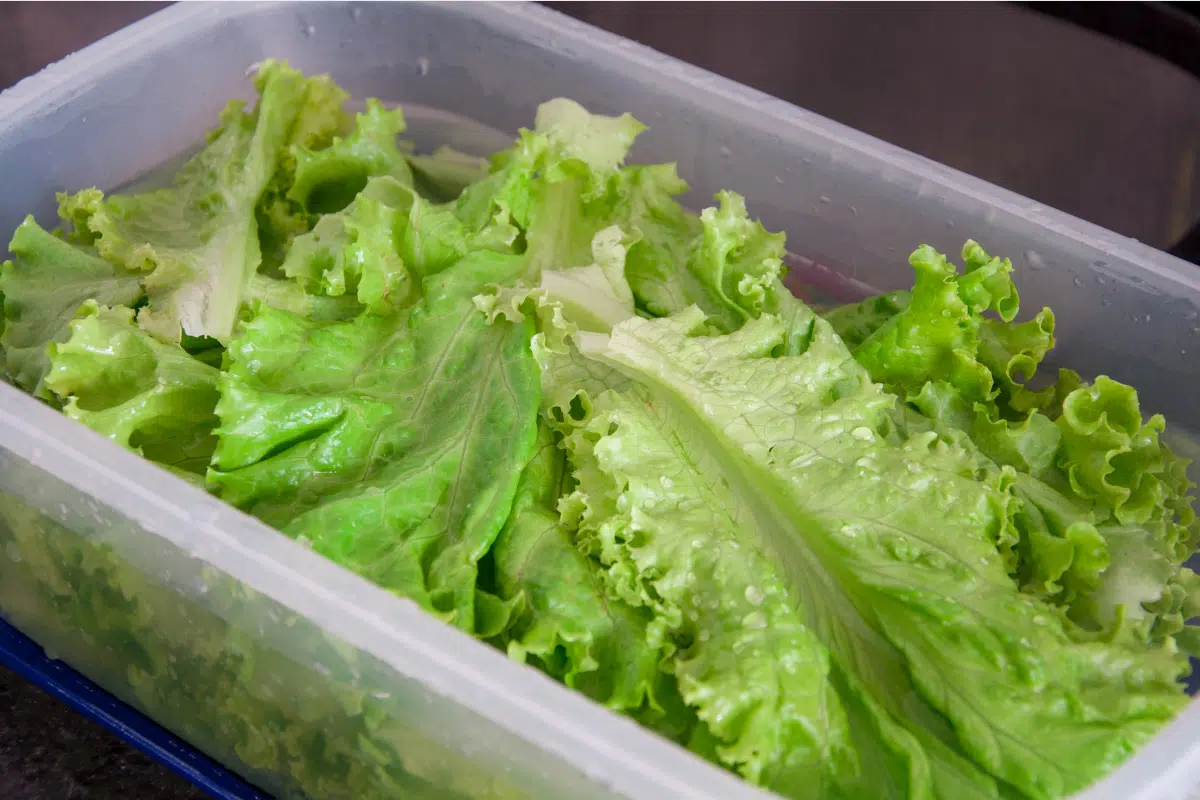
Lettuce is one of the foods most likely to disappoint after freezing because its high water content and delicate cell structure don’t hold up well. Once thawed, it becomes limp and watery rather than crisp. It’s therefore better to keep lettuce fresh for salads and sandwiches instead of using freezer space on it.
Cucumbers
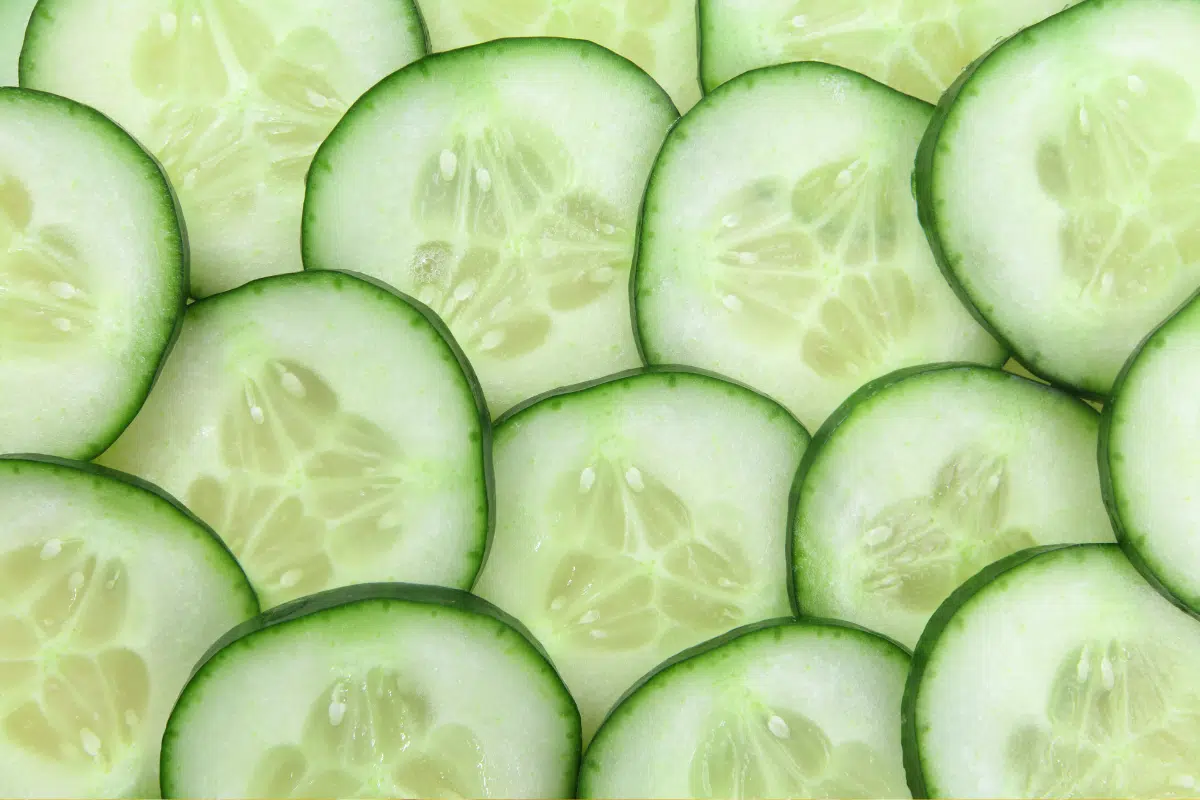
Fresh cucumbers don’t freeze well when you want to preserve their characteristic crunch. Freezing damages their cell structure, leaving them soft and watery after thawing. The National Center for Home Food Preservation does note that cucumbers can be frozen as specially prepared products such as freezer pickles or freezer slaw, but they won’t have the texture of a fresh cucumber.
Sour Cream
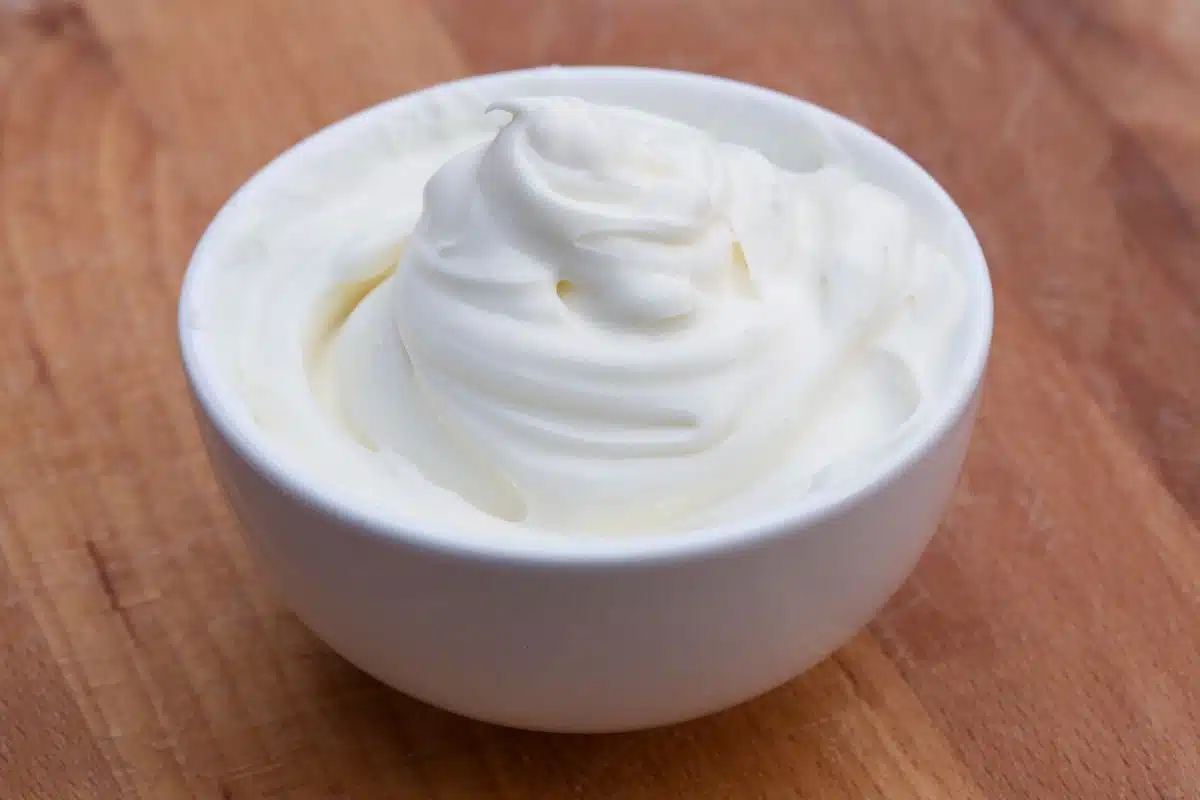
Sour cream can separate and become watery after freezing and thawing. While that makes it less appealing as a fresh topping, it can still be useful in cooked dishes where the change in texture is less noticeable. If you plan to freeze a recipe containing sour cream, incorporating it into a casserole or sauce is generally a better choice than freezing a container to use later as a topping.
Avocados
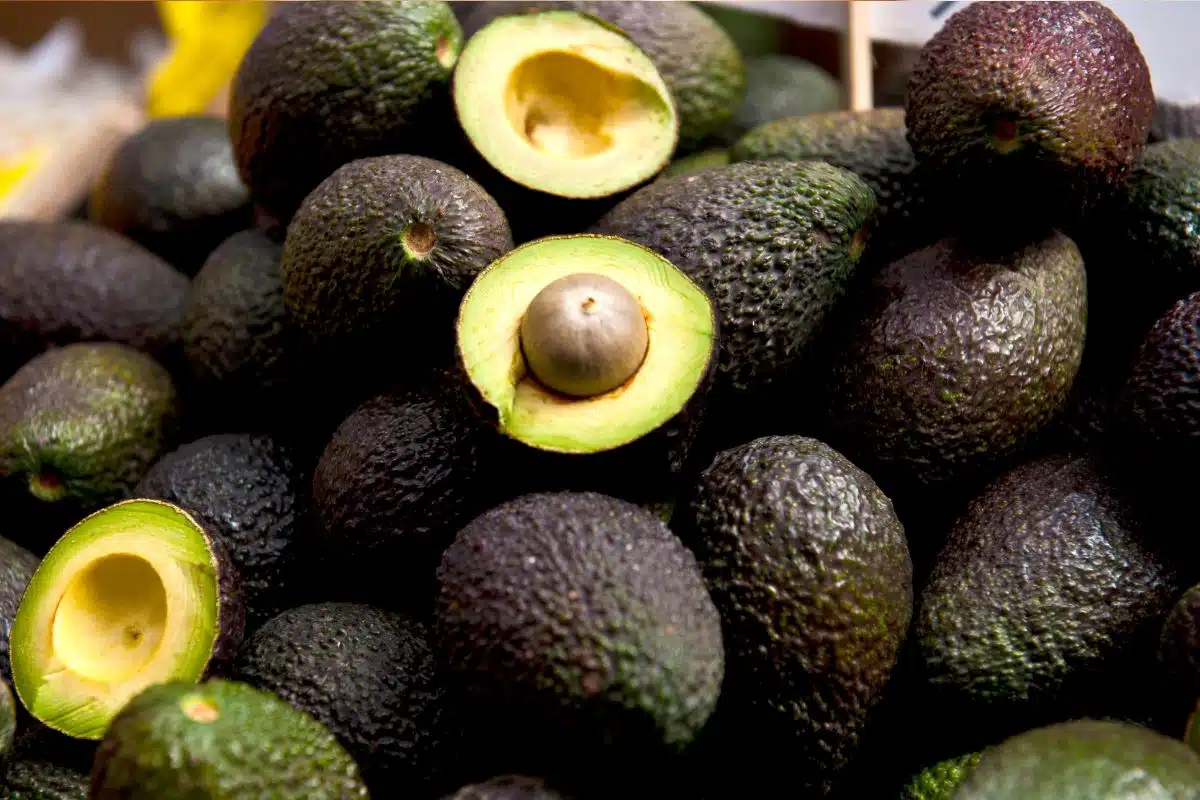
Avocados can be frozen, but they don’t retain the same texture as a fresh avocado once thawed. The National Center for Home Food Preservation recommends freezing avocado as a purée rather than whole or sliced because those forms don’t freeze satisfactorily. Frozen avocado is therefore best saved for guacamole, spreads, smoothies, and other preparations where a softer texture isn’t a problem.
This post may contain affiliate links or sponsored content. Disclosure Policy