10 Things to Check Before Buying Deli Meat
Deli meat can be a convenient protein option for sandwiches, quick lunches, and meal prep, but products can differ significantly in sodium, ingredients, price, and how long they’ll keep once opened. A few simple habits can help you make better choices at the deli counter without overcomplicating your grocery trip. From checking labels to asking for the cut you want, these tips can help you get better value, flavor, and freshness from your purchase.
Ask When It Was Sliced

If you’re buying meat from a service deli, asking when it was sliced can help you determine how long it’s likely been available for purchase. Freshly sliced meat may have a better texture and flavor than meat that has been sitting in the case, although slicing date alone doesn’t determine food safety. Keep refrigerated deli meat at home and follow the package’s storage instructions and use-by guidance.
Compare Sodium Before You Buy
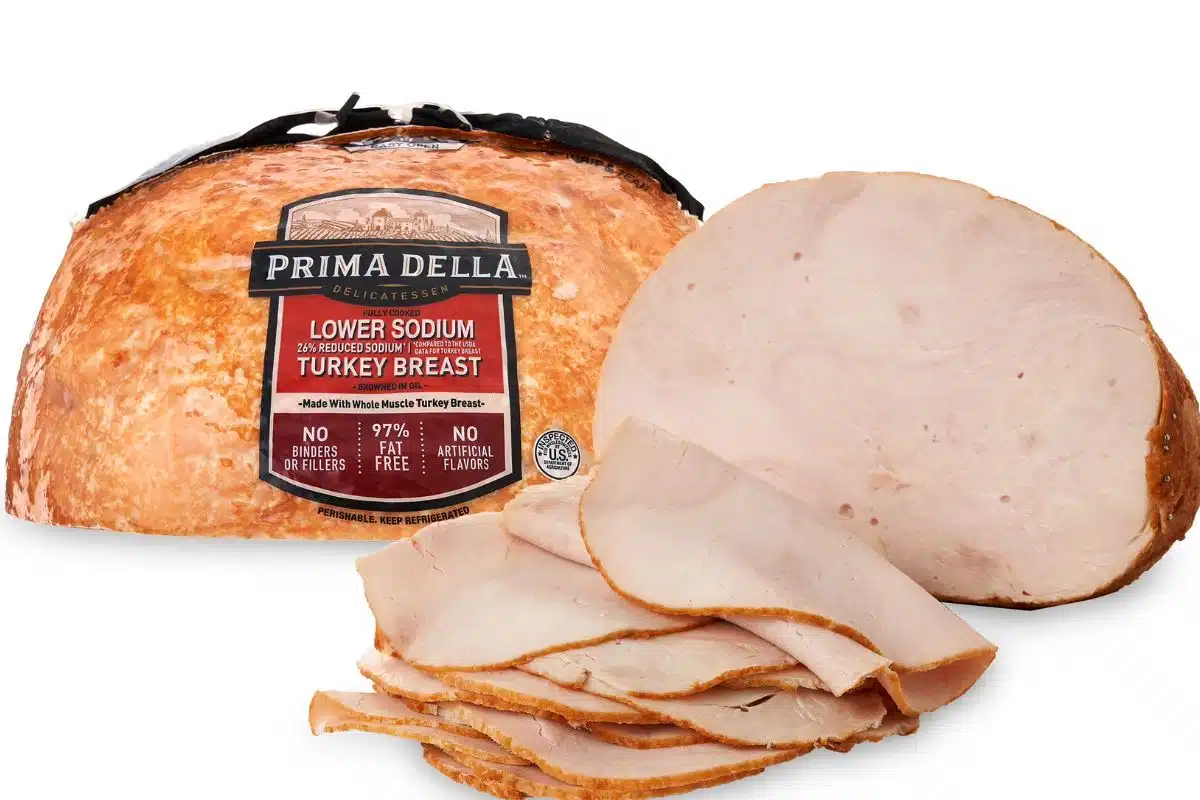
Deli meats can contain significant amounts of sodium, and the difference between brands and varieties can be substantial. Compare the Nutrition Facts labels on packaged products or ask the deli employee about lower-sodium options when available. The FDA recommends keeping daily sodium intake below 2,300 milligrams for most adults, so checking the label can help you fit deli meat into your overall diet.
Look Beyond Color
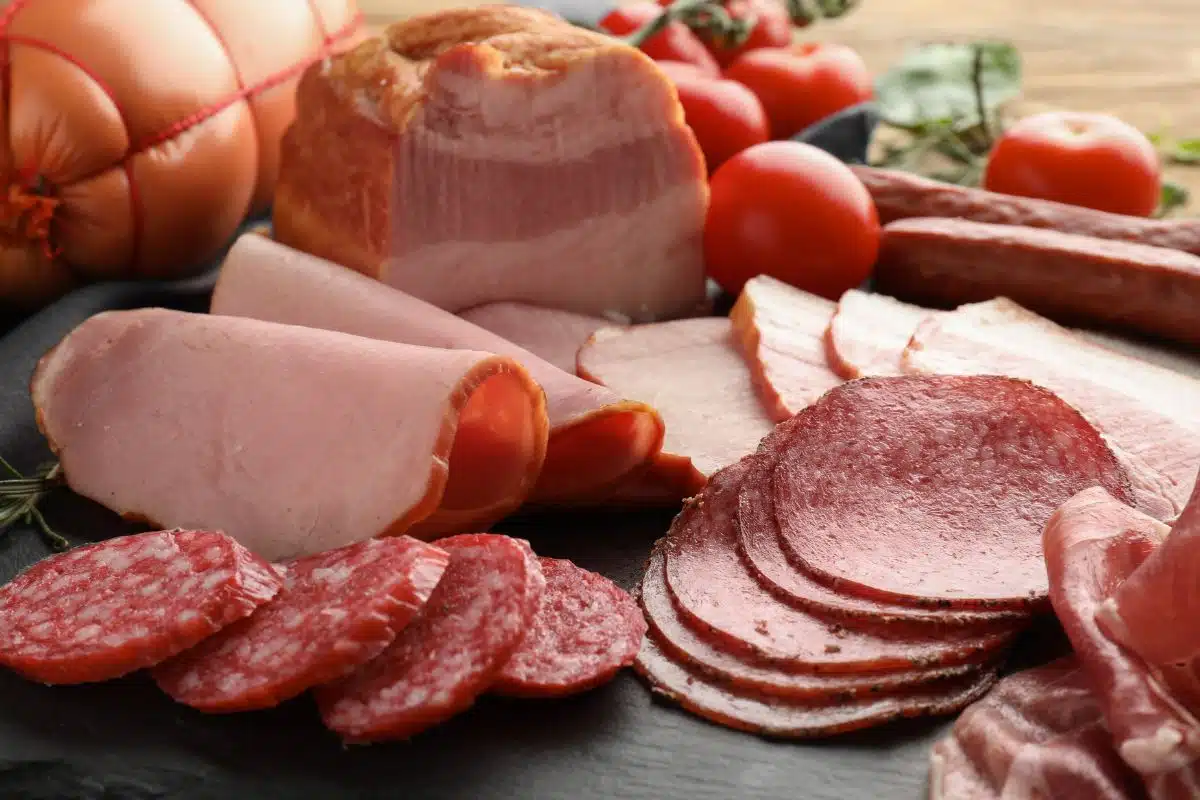
Color isn’t a reliable way to determine whether deli meat is safe or fresh because different meats naturally have different colors and some products contain ingredients that affect their appearance. Instead, look for obvious signs of spoilage such as an unpleasant odor, slimy texture, or unusual appearance, and pay attention to the product’s storage conditions and date information. When in doubt, it’s safer to skip meat that appears questionable.
Choose the Thickness You Actually Want
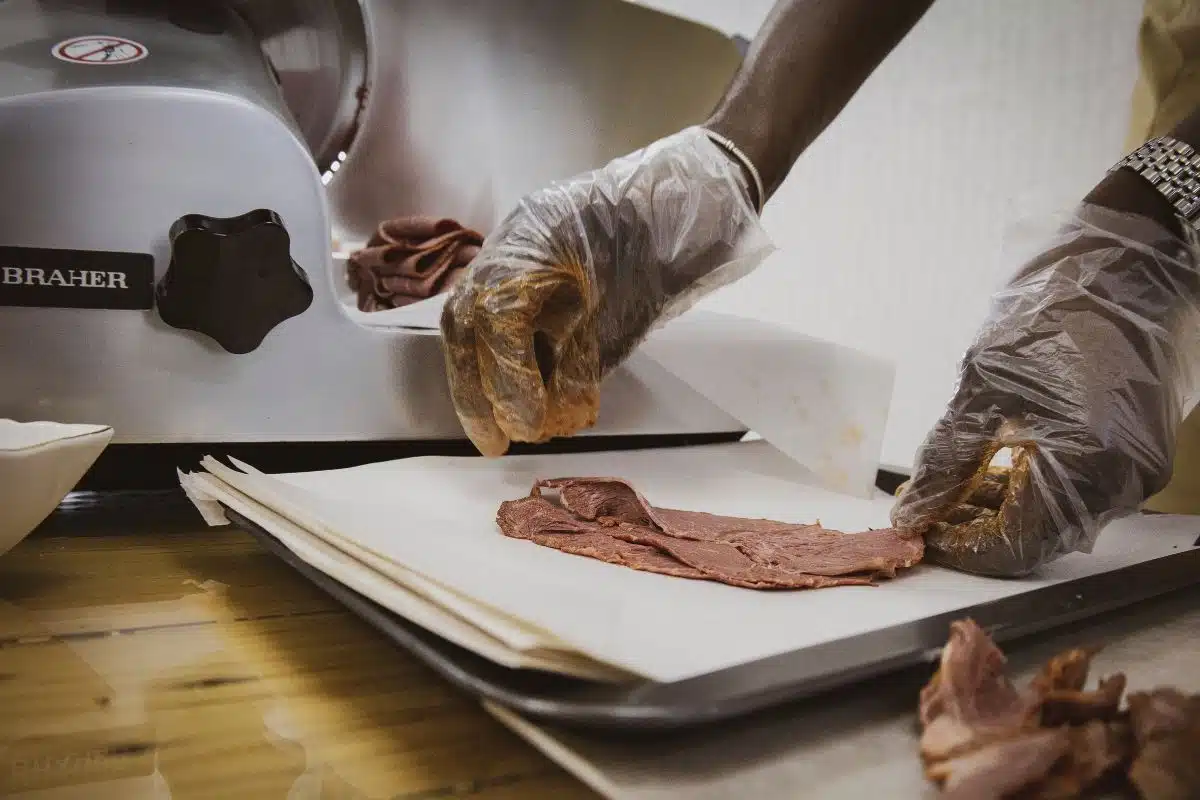
The way deli meat is sliced can make a noticeable difference in how it works in a sandwich or recipe. Thin slices are easy to layer and can be useful when you’re making several sandwiches, while thicker slices can provide a heartier texture. Don’t be afraid to tell the deli employee how you plan to use the meat and ask for a specific thickness.
Know Whether You’re Buying a Whole Cut or Processed Meat

Deli turkey, ham, roast beef, chicken, and other products can vary considerably in how they’re made. Some are recognizable whole cuts that have been cooked and sliced, while others are formed or restructured products containing additional ingredients. Checking the ingredient list can help you understand what you’re actually buying instead of relying solely on the name or appearance of the meat.
Check the Ingredient List for Nitrates and Nitrites
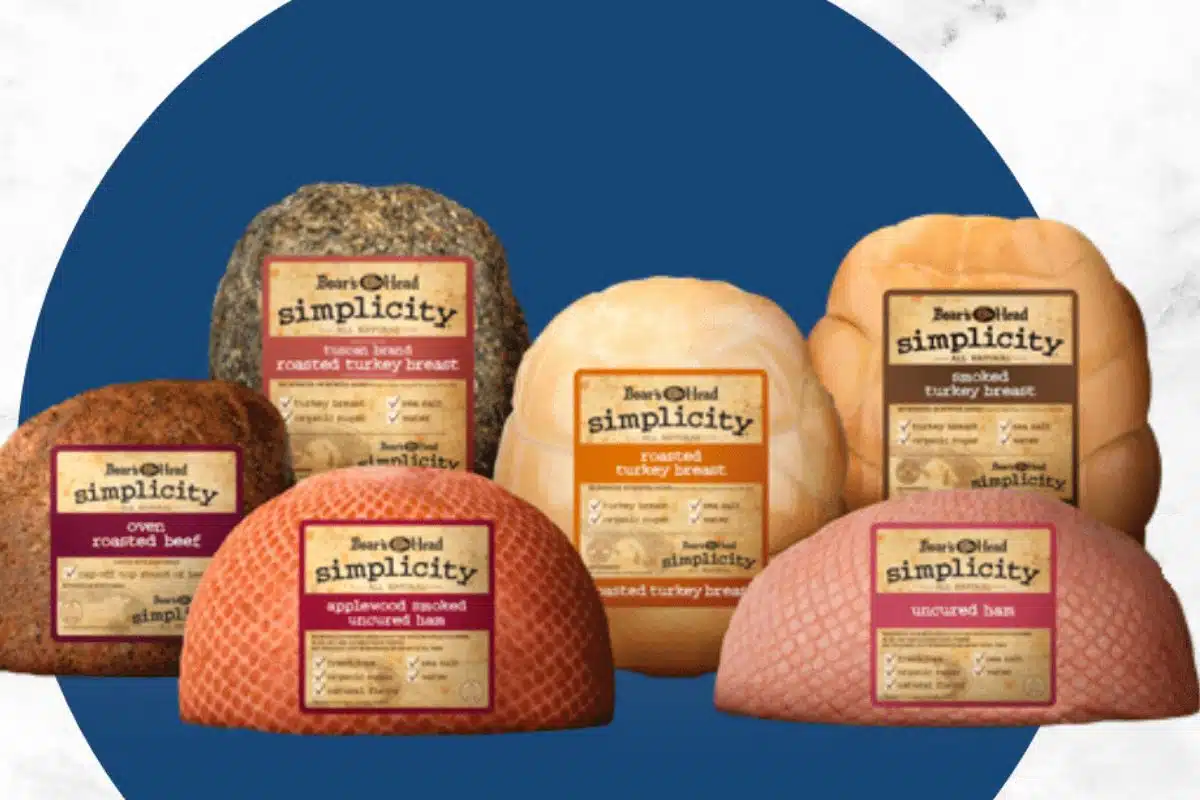
Nitrates and nitrites are used in many processed meats to help preserve them and maintain characteristics such as color and flavor. You’ll also see products marketed as “uncured” or “no nitrates or nitrites added,” but those terms don’t necessarily mean the product is free of naturally occurring nitrates or nitrites. If these ingredients matter to you, read the entire ingredient list rather than relying only on the front-of-package claims.
Ask About Samples When They’re Available
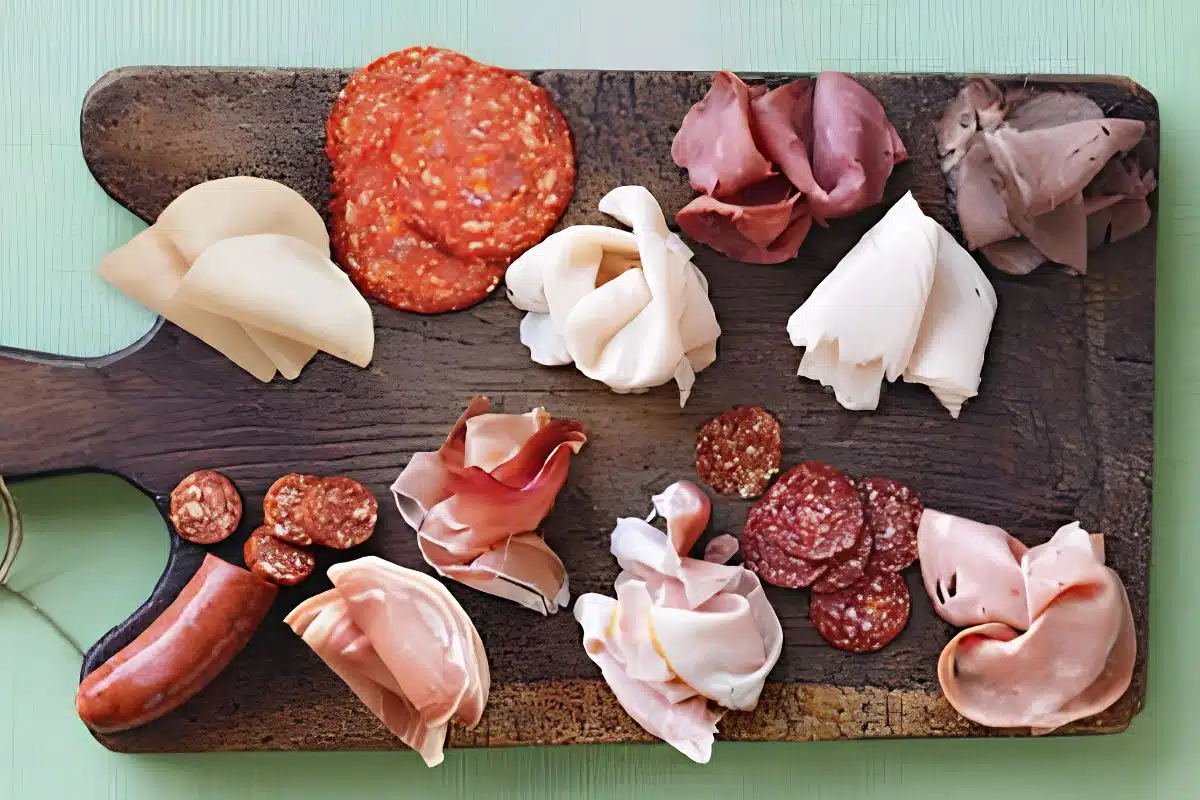
Some specialty or service deli counters offer samples, particularly for less familiar meats and cheeses. Trying a small amount can help you decide whether you actually like the flavor and texture before purchasing a larger quantity. This can be particularly useful when comparing premium products, stronger-flavored meats, or unfamiliar cuts. Availability varies by store, so sampling isn’t something every deli will offer.
Pay Attention to Food Handling
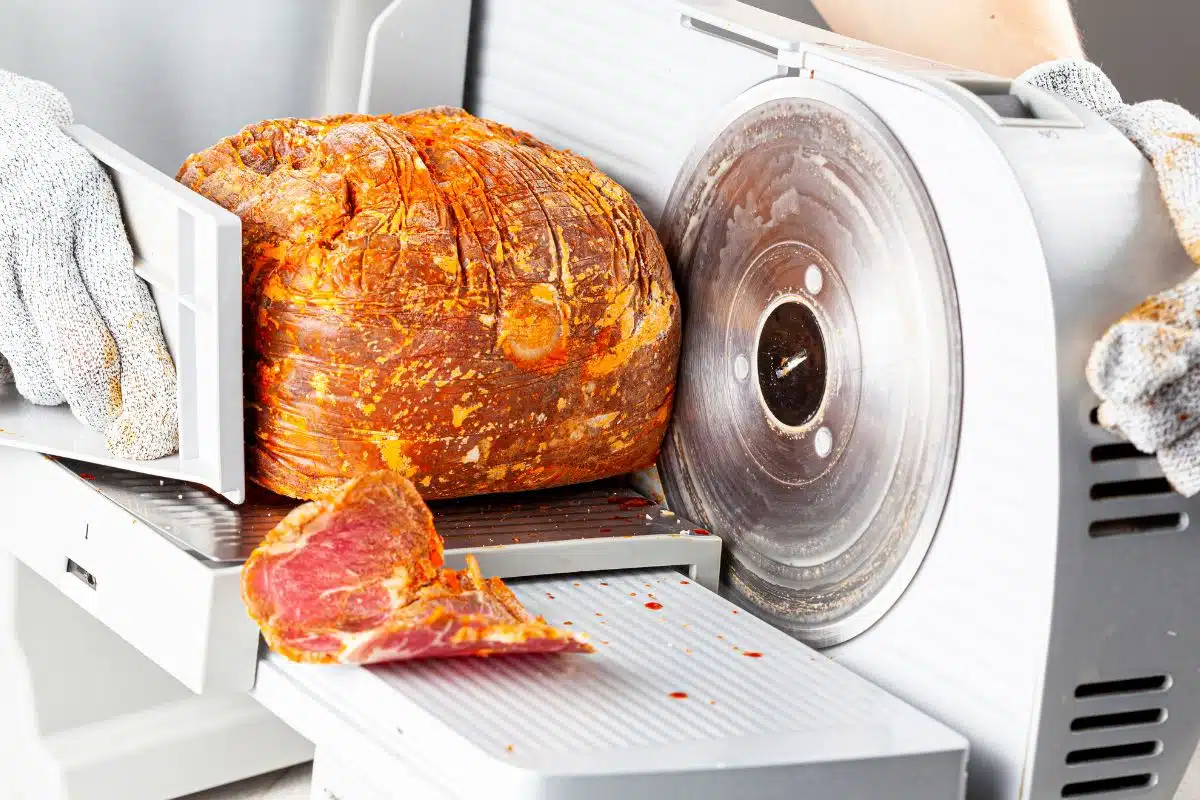
A clean, organized deli counter is important, but shoppers don’t need to monitor every step of food preparation. If you have a food allergy or another reason to avoid cross-contact, tell the employee before your order is prepared and ask about their handling procedures. At home, refrigerate perishable deli meat promptly and keep the refrigerator at 40°F or below to help maintain food safety.
Buy an Amount You Can Use

Buying a large package may seem like the better value, but deli meat can lose quality before you have a chance to finish it. If you don’t eat sandwiches regularly, purchasing a smaller amount may make more sense than buying in bulk. For longer storage, deli meat can be frozen, although the texture may change somewhat after thawing. Following the package’s storage recommendations is the best way to determine how long to keep it.
Compare Price, Ingredients, and Quality
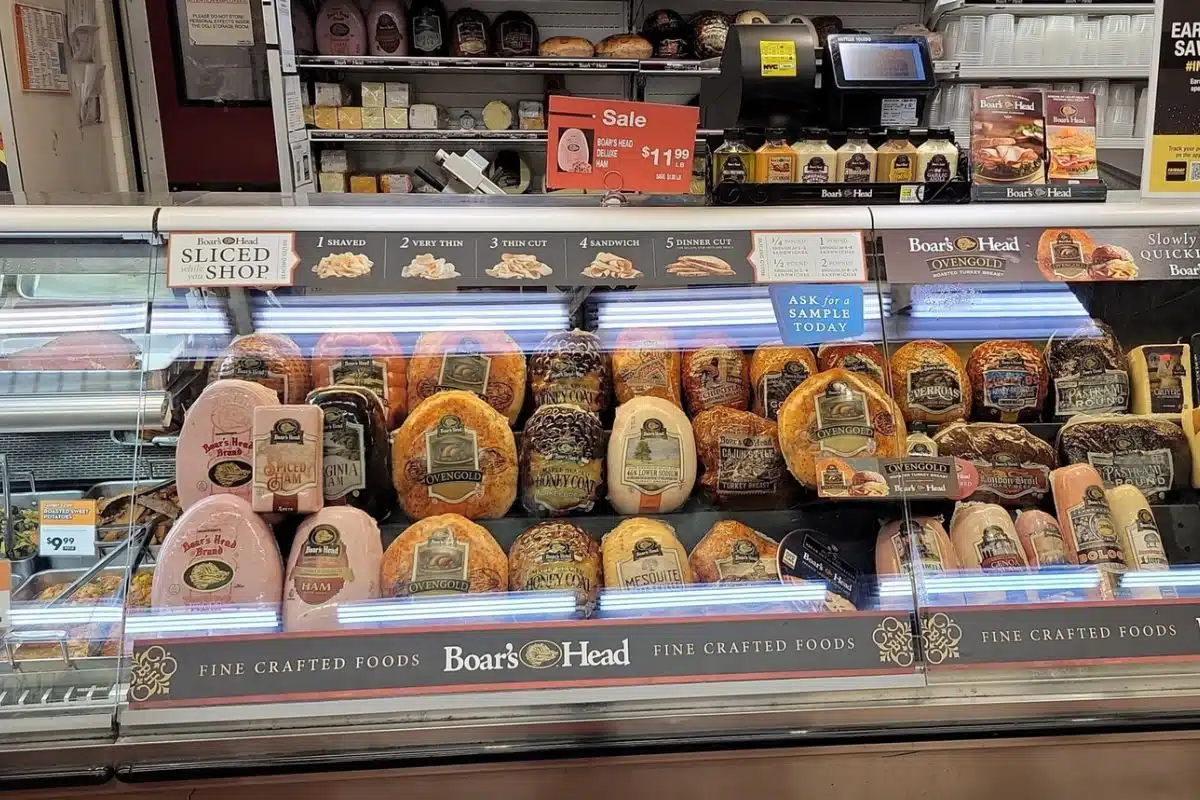
The most expensive deli meat isn’t necessarily the best choice, and the cheapest option isn’t always the best value. Compare the price per pound alongside ingredients, sodium, protein, and the type of meat you’re actually getting. Store brands, lower-sodium varieties, and simpler whole-cut options can sometimes offer a good balance of quality and cost without requiring you to buy the premium product.
This post may contain affiliate links or sponsored content. Disclosure Policy