10 Canned Foods That May Not Be as Healthy as They Seem
Canned foods can be some of the most practical items in a kitchen. They’re affordable, shelf-stable, convenient, and make it easier to keep nutritious ingredients on hand. The catch is that canned products vary considerably: some are little more than vegetables, beans, or fruit, while others contain substantial amounts of added sodium, added sugar, saturated fat, or highly processed ingredients. Instead of avoiding the canned-food aisle, learn which products deserve a closer look at the Nutrition Facts label
Fruit Packed in Heavy Syrup

Canned peaches, pears, fruit cocktail, and other fruits can be nutritious choices, but products packed in heavy syrup can contain considerably more added sugar than fruit packed in water or juice. The syrup adds sweetness and calories without providing the same nutritional benefits as the fruit itself. Look for varieties packed in water or their own juice, and compare the added-sugars line on the Nutrition Facts label when choosing between products.
Cream-Based Canned Soups
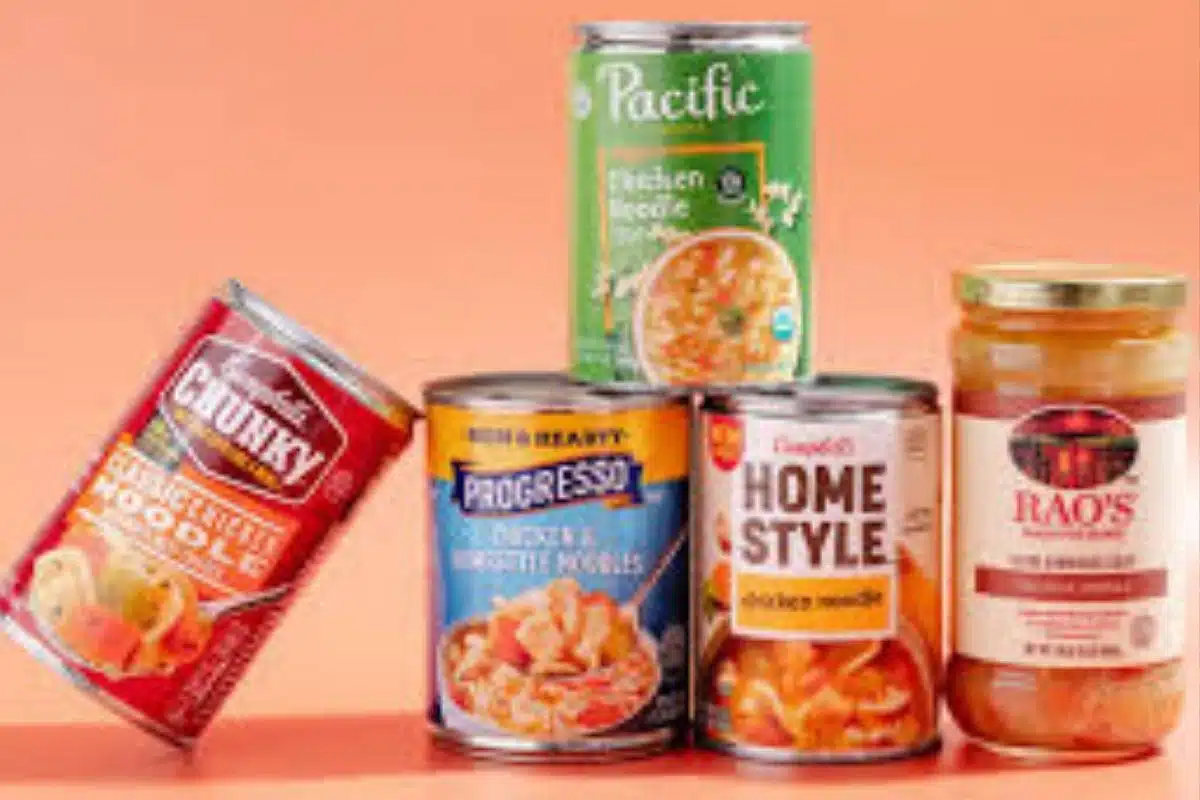
Creamy canned soups can be convenient, but some varieties are high in sodium and saturated fat, particularly soups made with cheese, cream, or other rich ingredients. The amount can vary considerably between brands, so it’s worth comparing labels rather than assuming every creamy soup is equally heavy. Lower-sodium versions or broth-based soups can be useful alternatives, and adding vegetables or beans can make a canned soup into a more balanced meal.
Canned Pasta Meals
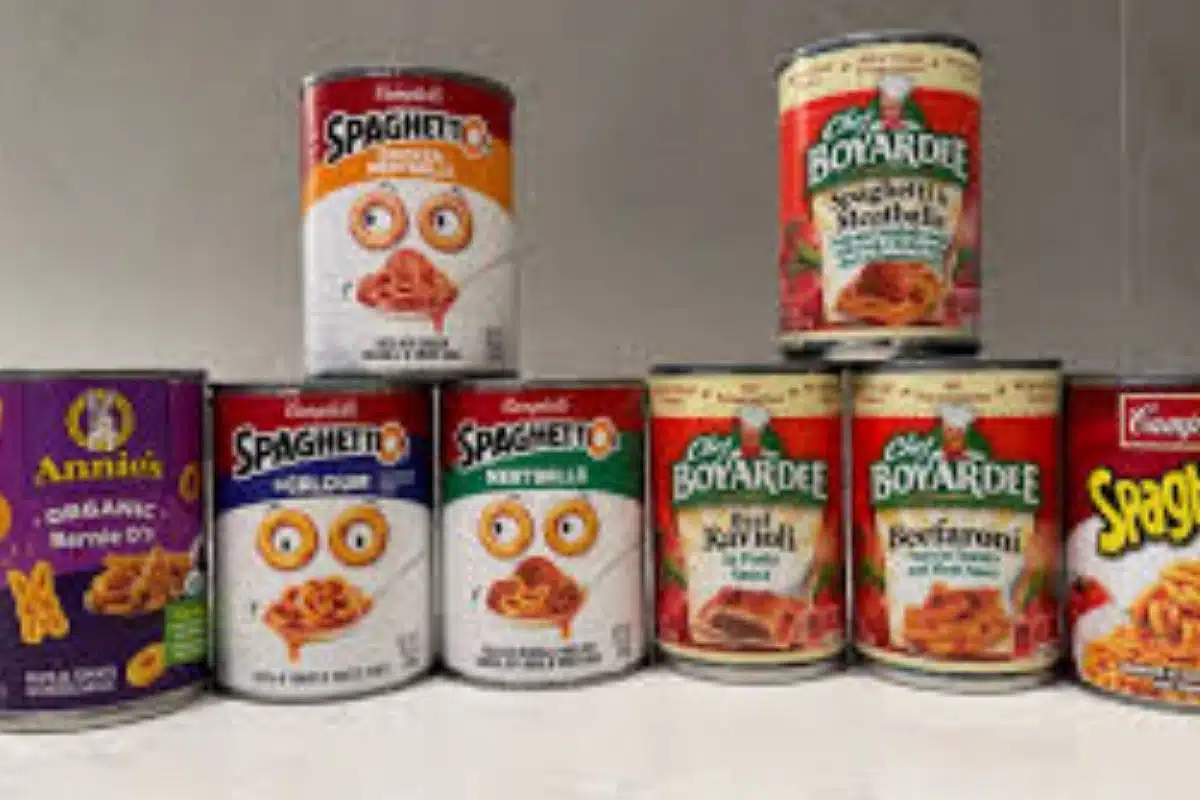
Canned ravioli, spaghetti with meatballs, and similar pasta meals are convenient, but they can contain substantial amounts of sodium while providing relatively little fiber compared with meals built around whole grains and vegetables. The serving size also deserves attention because some cans contain more than one serving. If you keep these products around for busy days, consider pairing a smaller portion with vegetables or fruit to create a more balanced meal.
Canned Chili With Processed Meat
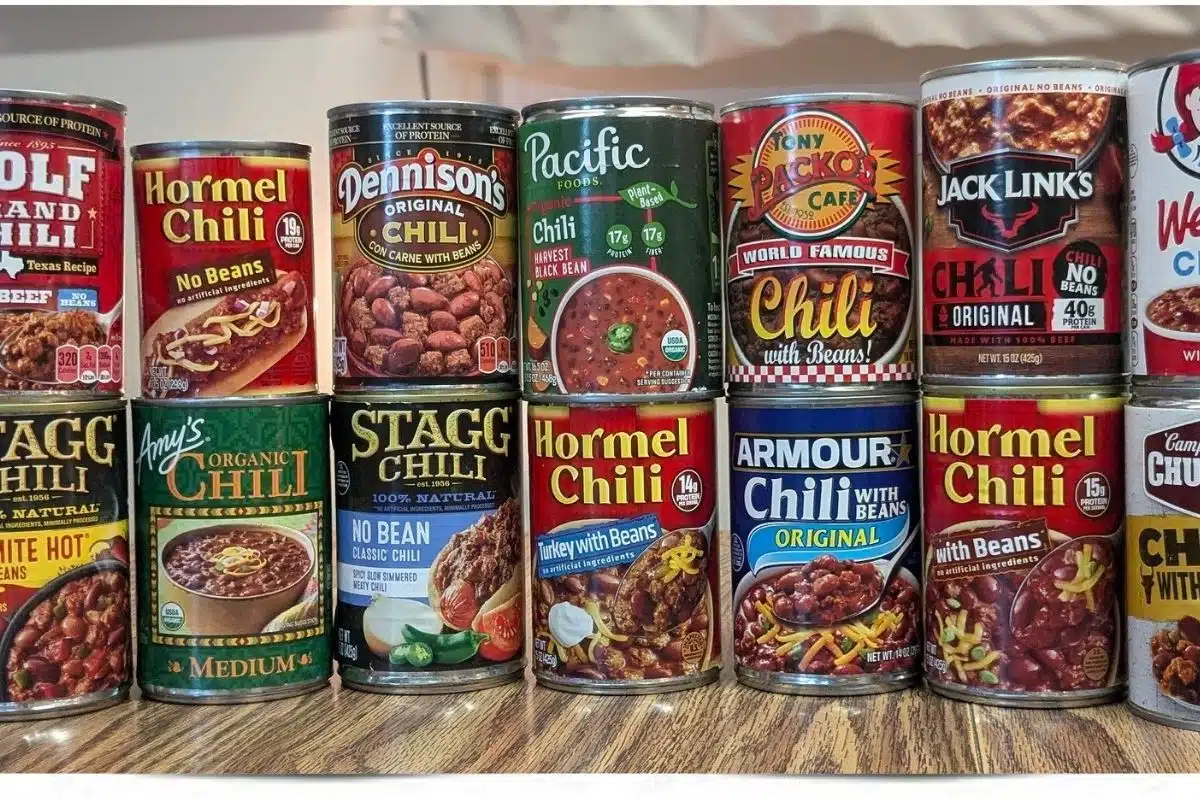
Canned chili can be a convenient source of protein and fiber, especially when beans are a major ingredient, but some varieties also contain processed meats and significant amounts of sodium. Compare the ingredient list and Nutrition Facts panel when shopping, since recipes can vary widely between brands. Bean-heavy varieties with vegetables and less processed meat can be a more nutritious choice, while adding a vegetable side can help round out the meal.
Canned Vegetables with Added Salt
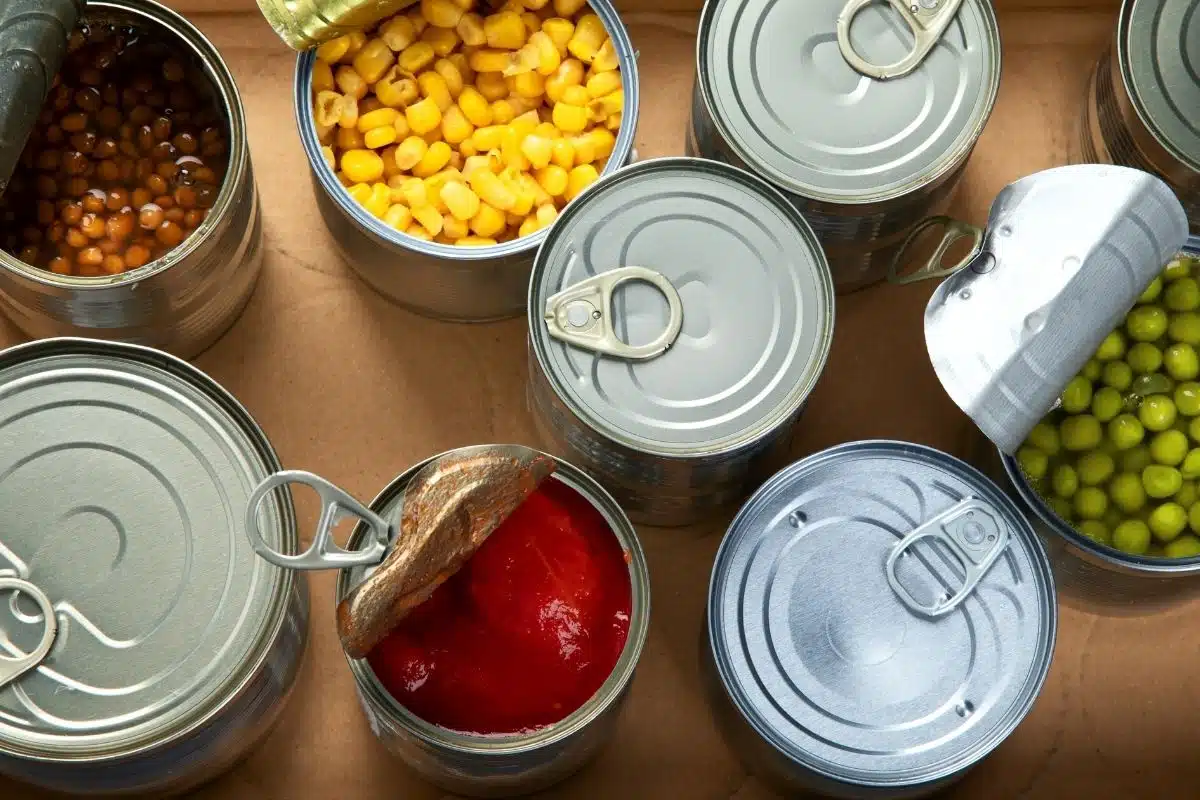
Canned vegetables can absolutely be part of a healthy diet, but regular varieties may contain considerable amounts of added sodium. The FDA recommends choosing low-sodium or no-salt-added options when possible, and rinsing canned vegetables can also remove some sodium. Compare different versions of the same vegetable because the nutritional difference between regular and no-salt-added products can be significant.
Canned Meals With Heavy Sauces
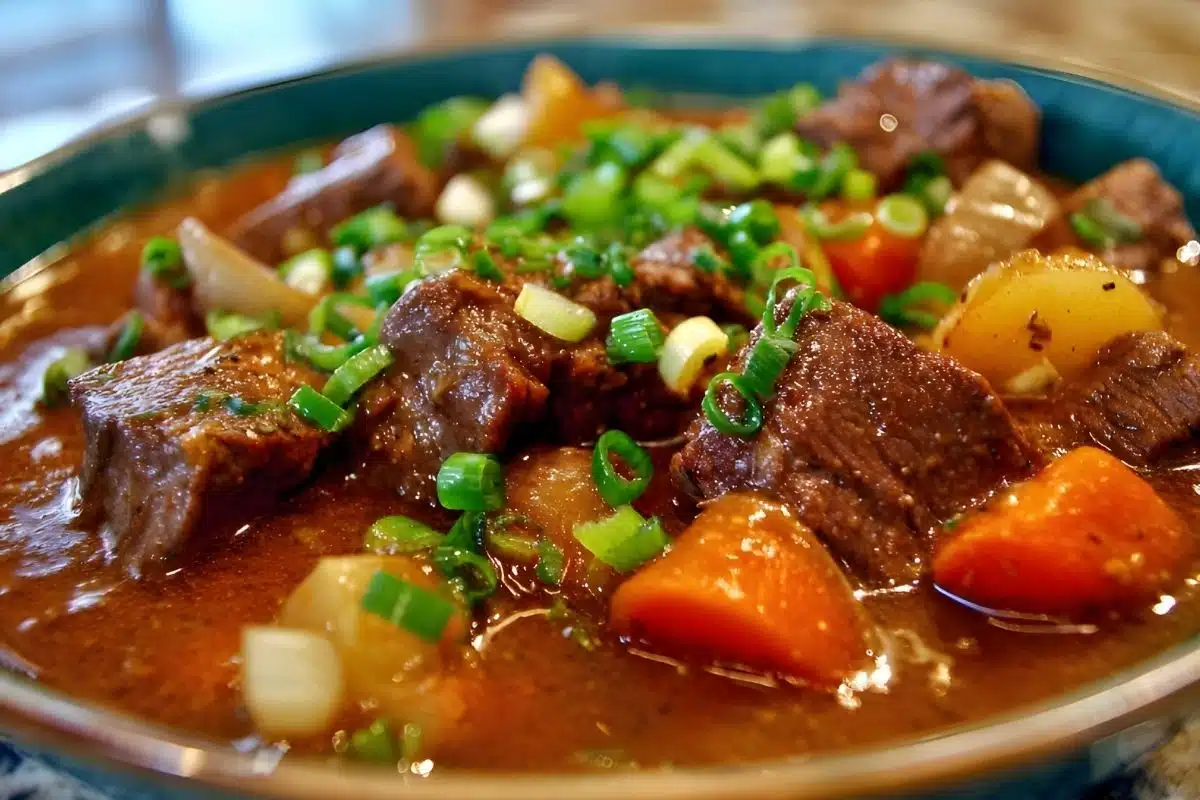
Canned meals containing meat, pasta, rice, or vegetables in a prepared sauce can be convenient, but the sauce may contribute significant amounts of sodium, saturated fat, or added sugar. Don’t rely solely on the front of the package when comparing products; check the serving size and Nutrition Facts panel instead. Choosing a lower-sodium option or serving a smaller portion alongside an unsalted vegetable can make these convenience meals easier to fit into a balanced diet.
Refried Beans With Added Fat
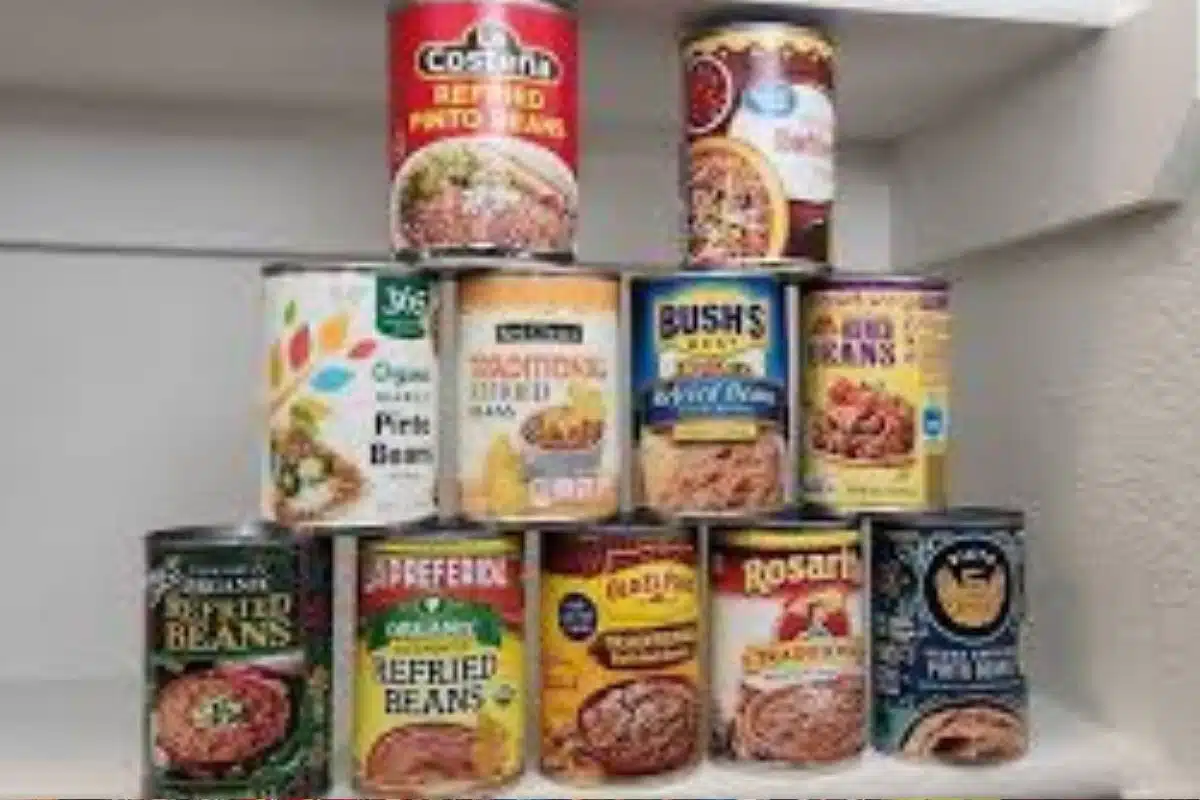
Beans are an excellent source of fiber and plant-based protein, but some refried beans contain added lard or other fats along with substantial sodium. Check the ingredient list and Nutrition Facts panel when comparing traditional, vegetarian, and low-fat versions. A simple can of black, pinto, or other beans may provide a more straightforward option, while low-sodium refried beans can still offer the convenience and flavor many shoppers want.
Canned Mac and Cheese
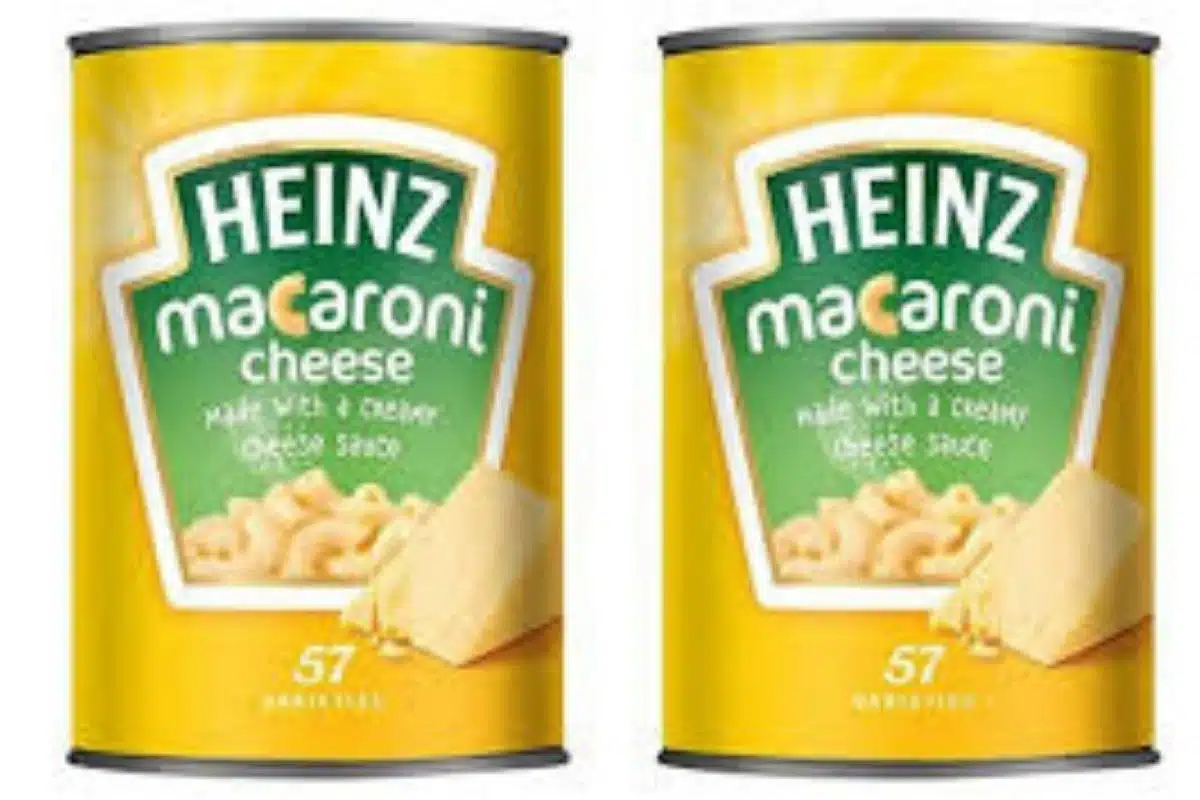
Shelf-stable macaroni and cheese is designed for convenience rather than maximum nutritional value, and many varieties are relatively high in sodium and saturated fat while providing little fiber. That doesn’t mean it has to be completely off the menu, but it works better as part of a meal than as the only food on the plate. Adding vegetables, fruit, or another protein source can make this quick pantry meal more balanced.
Canned and Potted Processed Meats

Canned luncheon meats, potted meats, and similar shelf-stable products can last a long time, but many are processed meats that are also high in sodium and saturated fat. The American Cancer Society recommends limiting processed meat because research has linked regular consumption with an increased risk of colorectal cancer. These products can be convenient in certain situations, but they are better treated as occasional foods rather than everyday protein staples.
Canned Pie Fillings

Canned pie filling is convenient for baking, but unlike plain canned fruit, it commonly contains added sugars and ingredients designed to create a thick, ready-to-use filling. Check the Nutrition Facts label for added sugar and the ingredient list for sweeteners and thickeners. If you want more control over sweetness, canned fruit packed in water or its own juice can be a more versatile starting point for desserts and other recipes.
This post may contain affiliate links or sponsored content. Disclosure Policy