10 Can Foods You Should Ignore at the Grocery Store (And Why)
Canned foods can be a lifesaver when it comes to convenience, affordability, and long shelf life. But not everything in a can is as healthy—or as worthwhile—as it seems. Some options are packed with excess sodium, added sugars, or unnecessary fillers that can take away from their nutritional value.
Others simply don’t taste as good as their fresh or frozen counterparts. That doesn’t mean you need to avoid canned foods altogether. It just means knowing which ones deserve a permanent spot in your pantry—and which ones are better left on the shelf.
Canned Fruit in Heavy Syrup
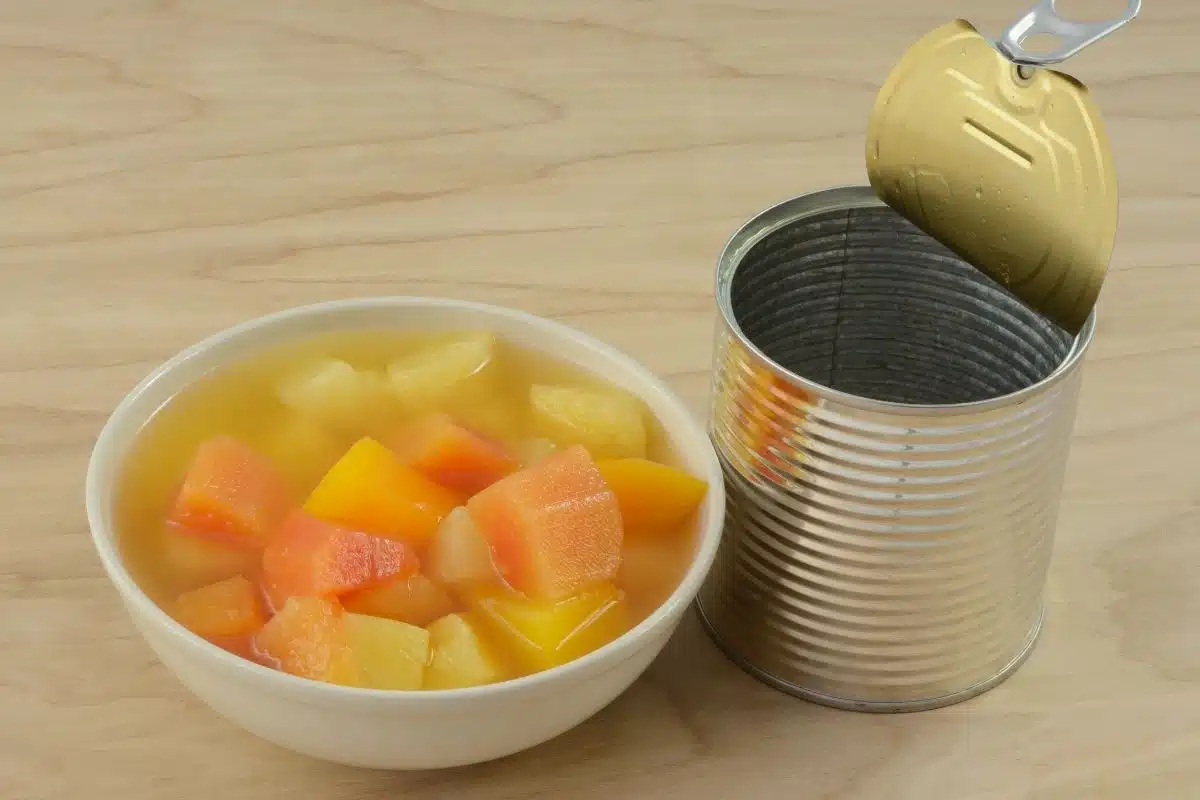
While fruit is healthy on its own, canned versions packed in heavy syrup often contain large amounts of added sugar. This can turn a nutritious snack into something closer to dessert. The syrup also adds unnecessary calories without much benefit. Instead, look for fruit canned in water or its own juice for a lighter option.
Canned Soup (Cream-Based Varieties)
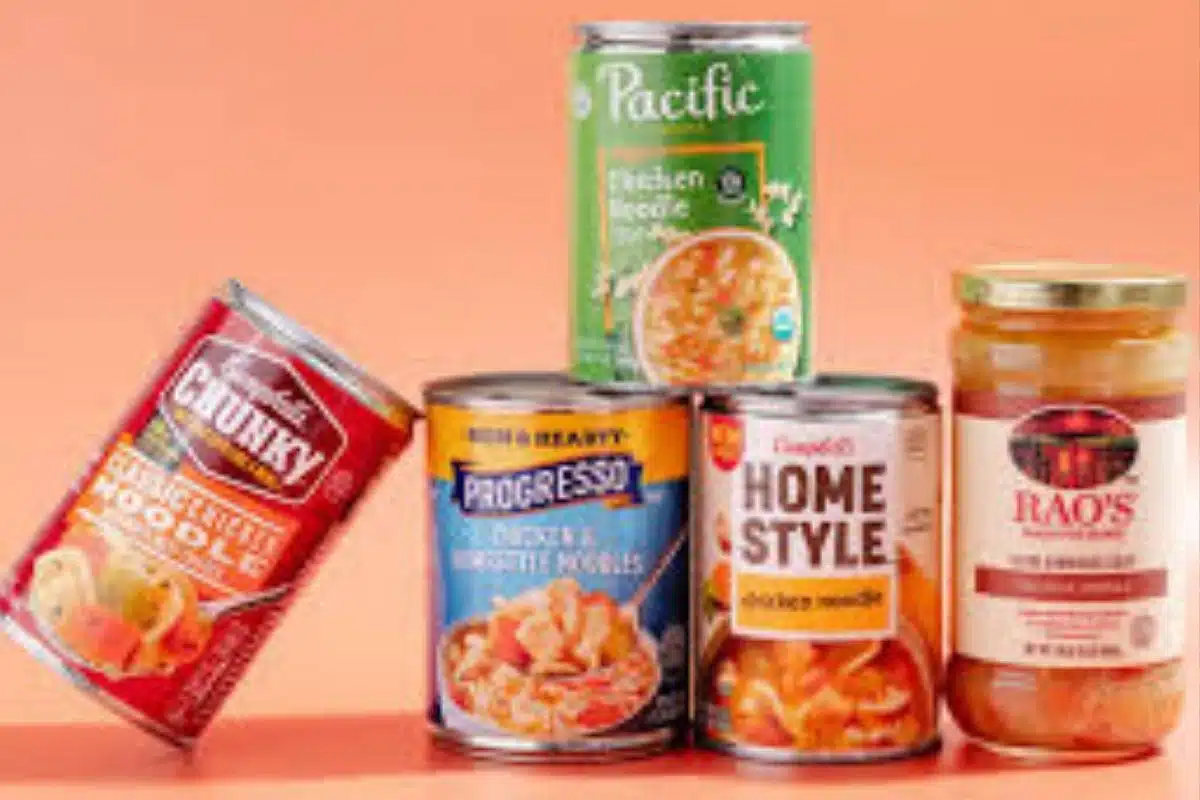
Cream-based canned soups are often high in sodium, saturated fat, and preservatives. They can seem comforting, but they don’t always provide balanced nutrition. Some also contain very little actual vegetables or protein. A better option is low-sodium broth-based soups or homemade versions you can freeze.
Canned Pasta Meals
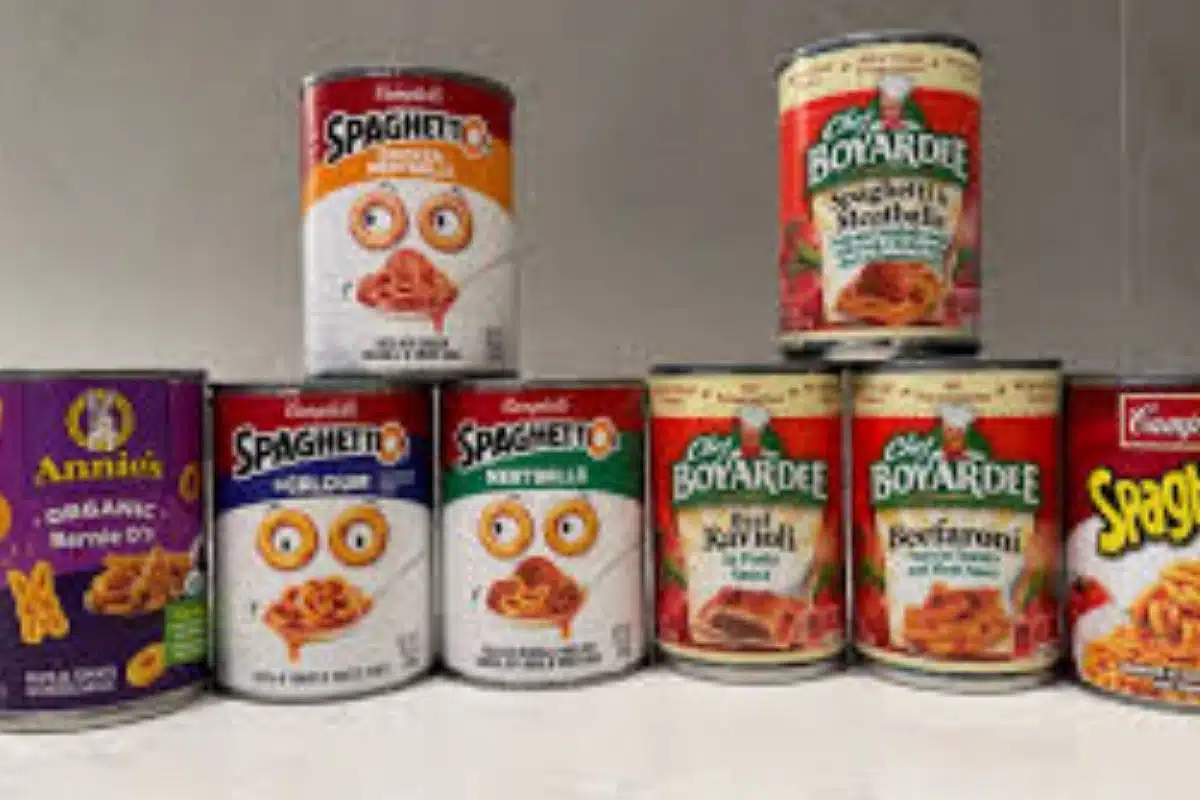
Canned ravioli and pasta dishes are usually heavily processed and high in refined carbs and sodium. While convenient, they often lack fresh ingredients and fiber. They can leave you feeling hungry again soon after eating. Whole-grain pasta with simple homemade sauce is a much better choice.
Canned Chili with Added Fillers
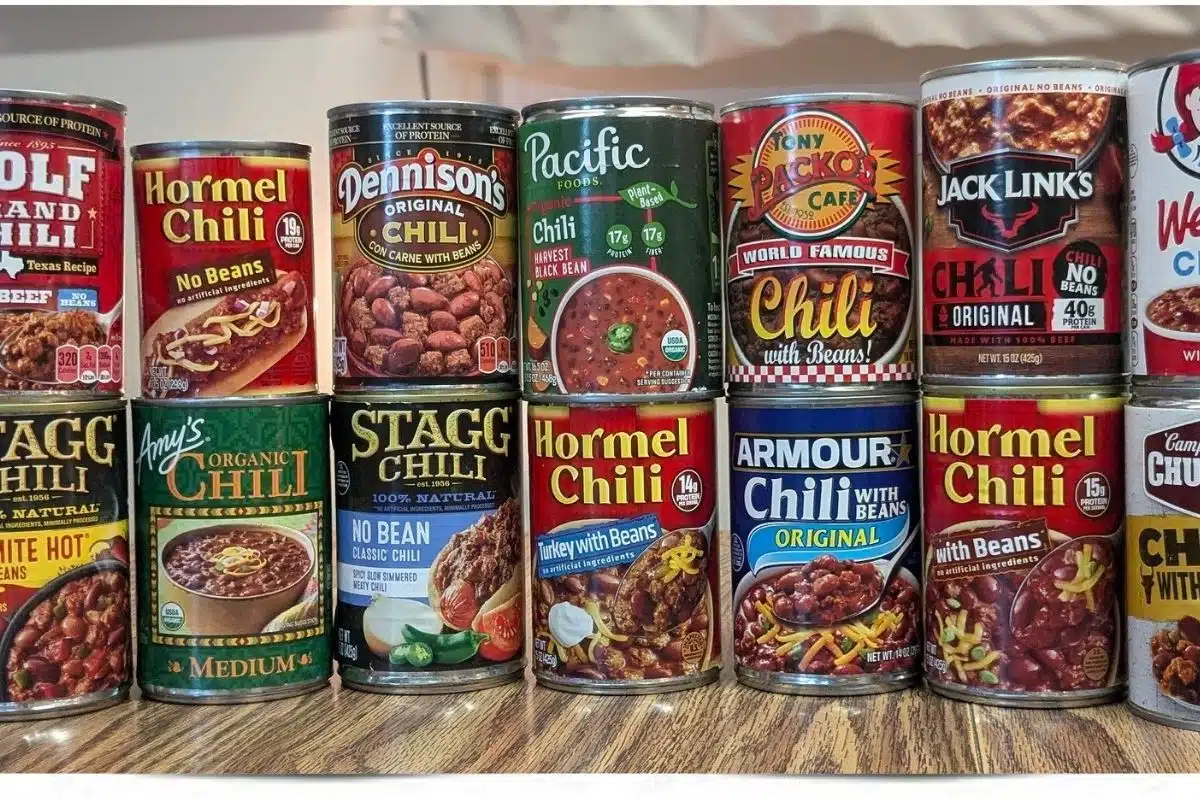
Some canned chilis contain fillers, preservatives, and excessive sodium to extend shelf life and enhance flavor. While they’re quick and filling, the ingredient quality can vary widely. Many also contain more salt than you’d expect in a single serving. Opt for low-sodium versions or make a big batch at home instead.
Canned Vegetables with Added Salt
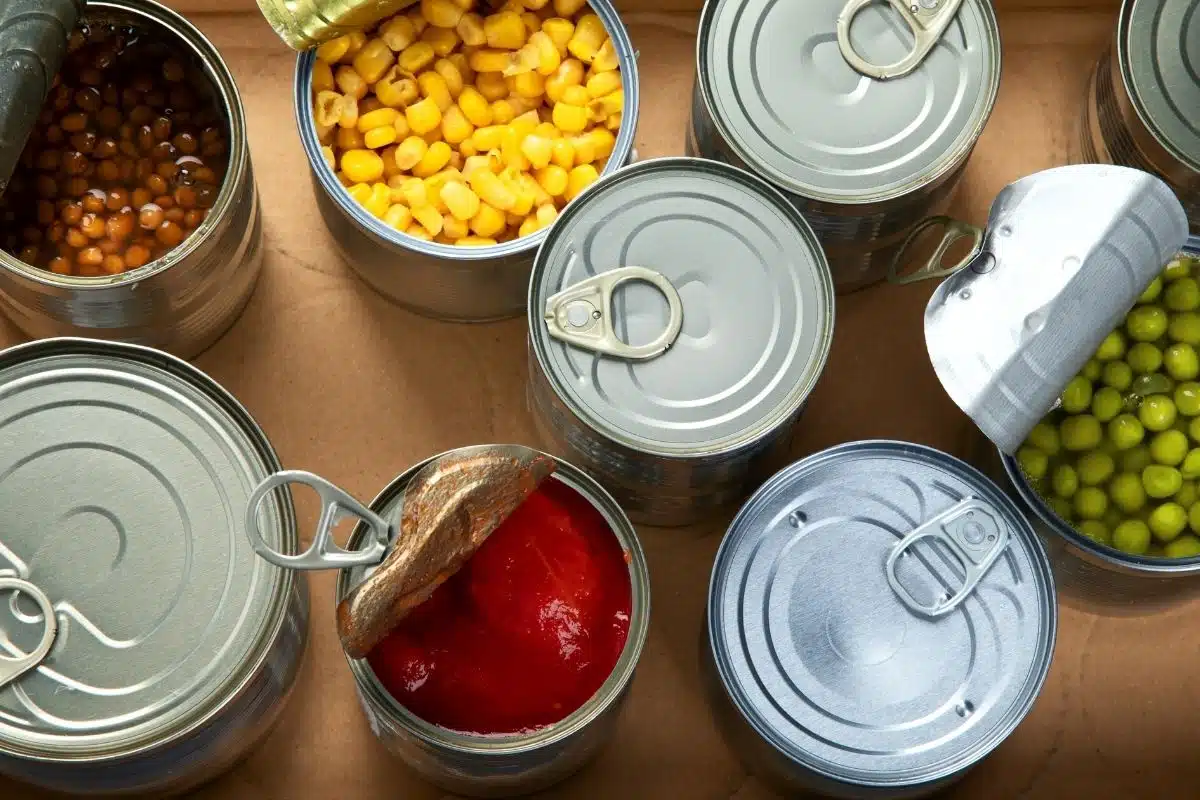
Vegetables are healthy—but canned versions often come with added sodium. This can significantly increase your daily salt intake without you realizing it. Some nutrients may also be reduced during processing. Choose no-salt-added varieties or rinse them before use to reduce sodium content.
Canned Fruit Cocktail
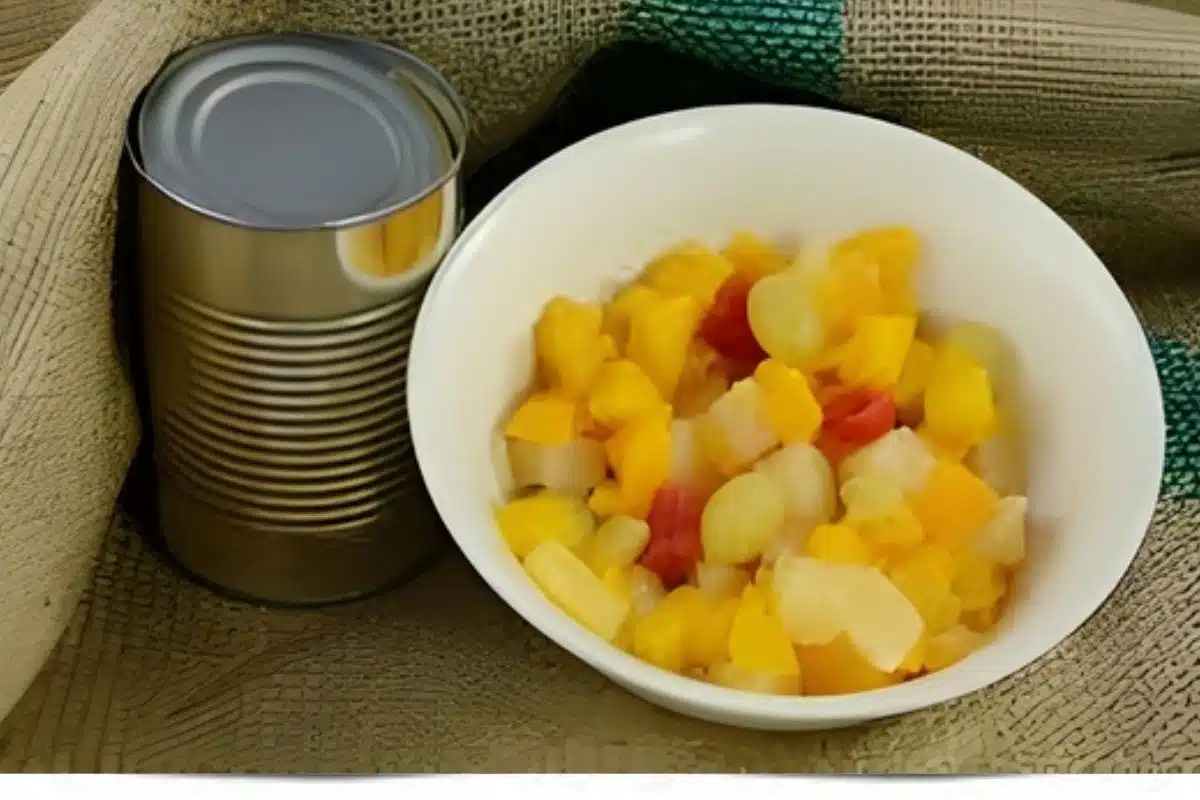
Fruit cocktail may seem like a simple way to eat more fruit, but it’s often packed in sugary syrup. It typically contains lower-quality fruit pieces and fewer nutrients than fresh options. The added sugar can outweigh the health benefits. Fresh or frozen fruit is a more nutritious and satisfying choice.
Canned Refried Beans (Full-Fat Versions)
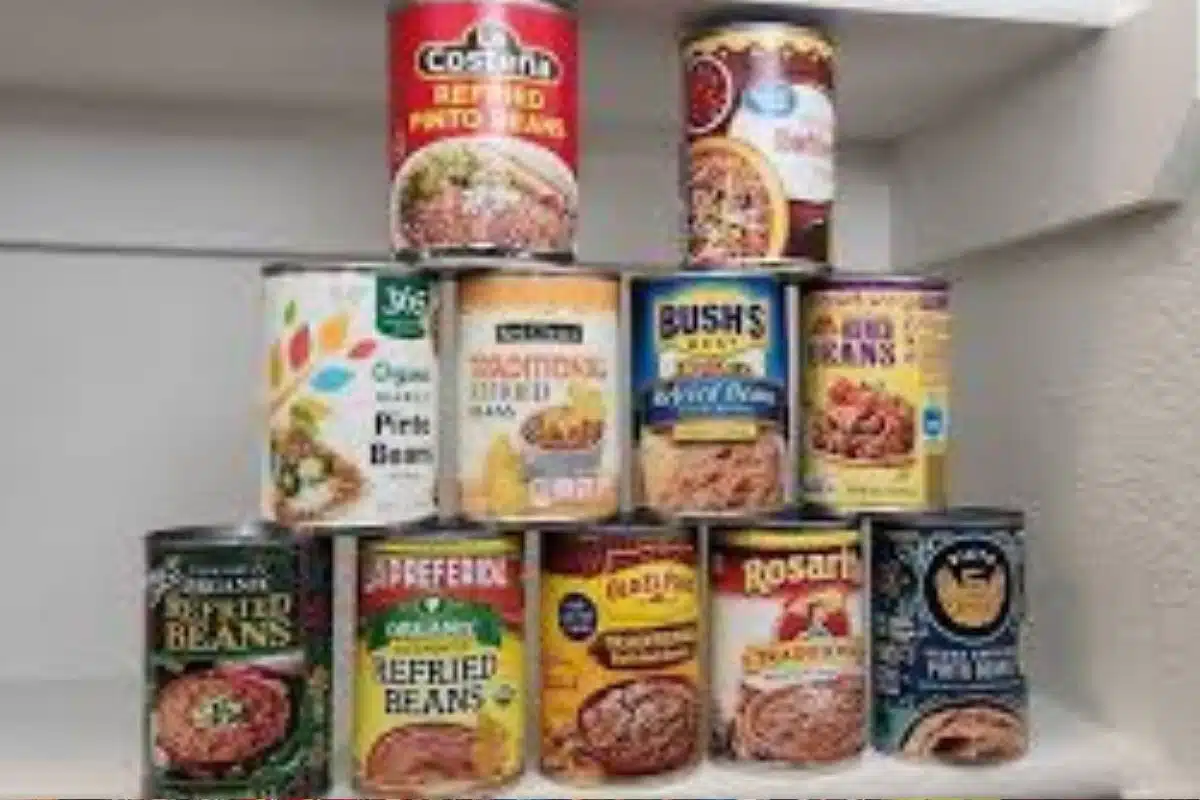
Refried beans can be a great source of fiber and protein, but canned versions often include added lard or unhealthy fats. Some brands also contain high levels of sodium. This can make them less heart-healthy than expected. Look for “fat-free” or low-sodium options—or make your own for full control.
Canned Mac and Cheese
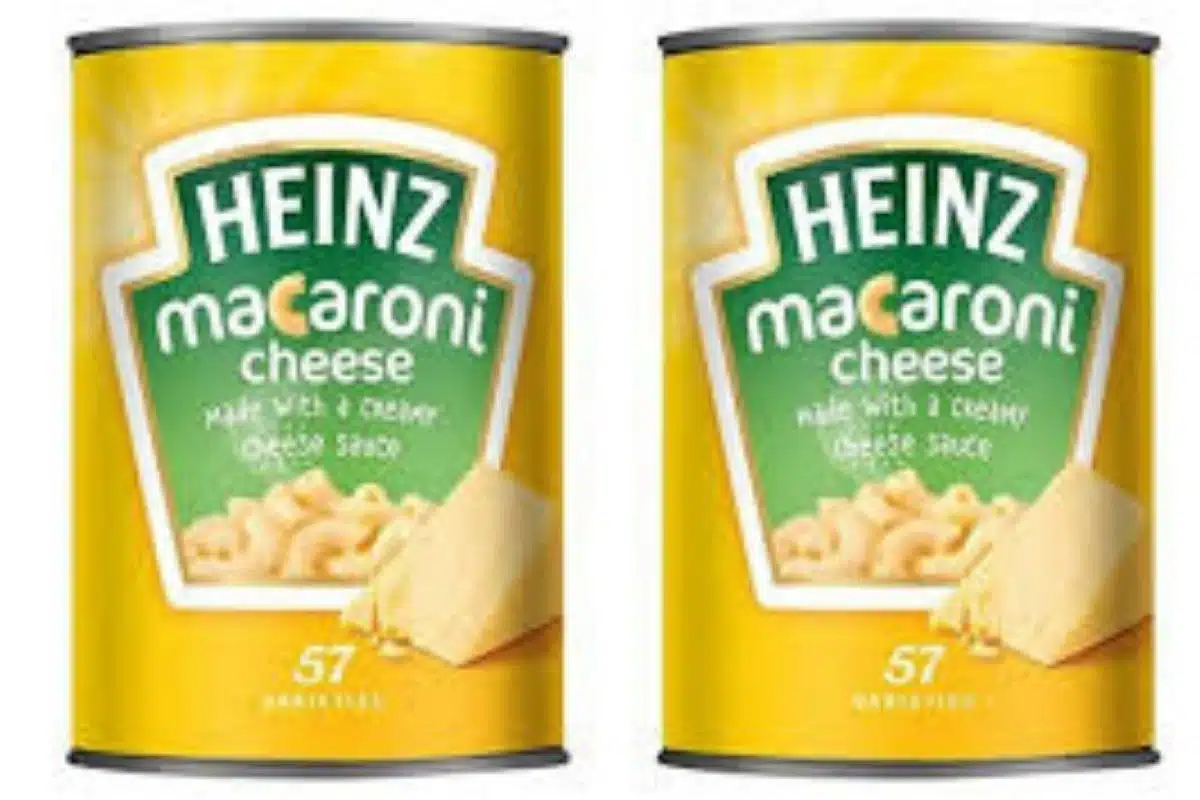
Canned mac and cheese is typically highly processed and low in nutritional value. It often contains artificial flavors, preservatives, and refined carbs. While it’s convenient, it doesn’t offer much in terms of balanced nutrition. A homemade version with real cheese and whole-grain pasta is a better alternative.
Canned Meats (Spam-Style Products)

Canned meats are often high in sodium, preservatives, and saturated fat. While they’re shelf-stable and convenient, they aren’t ideal as a regular protein source. Some also contain mystery meat blends that are heavily processed. Fresh or frozen lean proteins are a healthier everyday choice.
Canned Pie Fillings

Canned pie fillings are often loaded with added sugars, corn syrup, and thickeners. They can also contain artificial flavors and preservatives. While convenient for baking, they don’t offer much nutritional value. Fresh or frozen fruit gives you better flavor and control over sweetness.
This post may contain affiliate links or sponsored content. Disclosure Policy