Think It’s Organic? 9 Ways to Tell If Your Produce Is the Real Deal
Organic produce often comes with a higher price tag — and the promise of fewer pesticides, better farming practices, and cleaner ingredients. But not every “natural-looking” apple or farm-stand cucumber is truly organic. Labels, stickers, and marketing language can be confusing, leaving shoppers unsure if they’re actually getting what they paid for. Before you spend extra, here are nine simple ways to tell if your produce is the real organic deal.
Look for the USDA Organic Seal
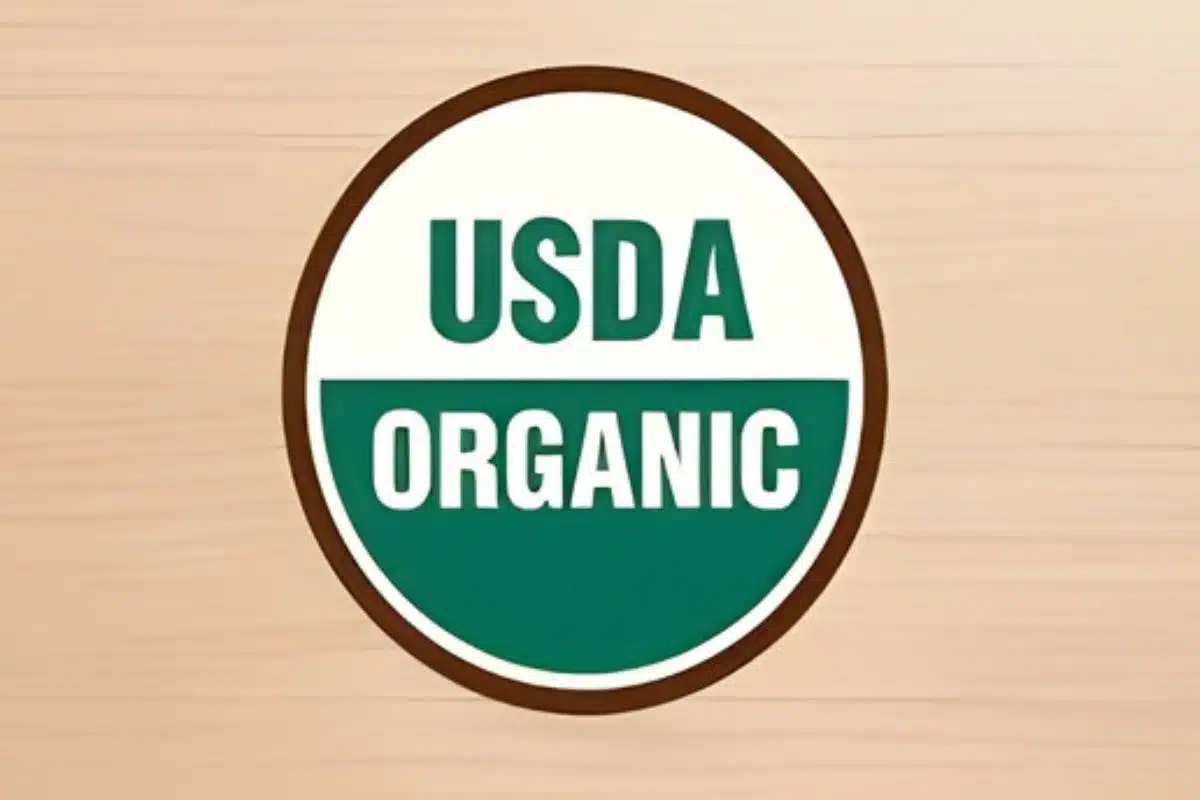
The gold standard for organic produce in the United States is the United States Department of Agriculture organic seal. If you see the official USDA Organic logo, it means the product meets strict federal standards for soil quality, pest control, and farming practices. Farms and processors must be certified and regularly inspected. Without this seal, the product isn’t officially organic — even if it looks the part.
Check the PLU Sticker Code
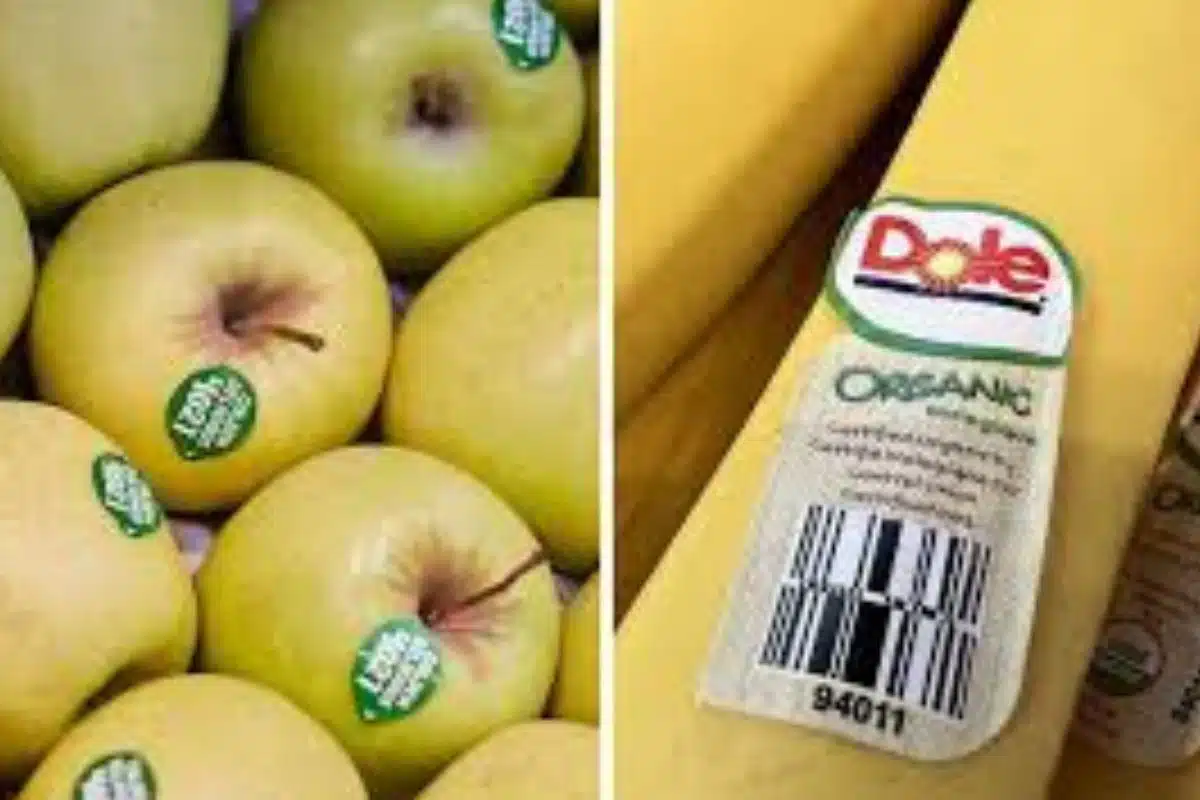
That little sticker on your fruit reveals more than you think. Organic produce typically has a five-digit Price Look-Up (PLU) code that begins with the number 9. For example, an organic banana may start with 94011 instead of 4011. If the code has only four digits, it’s conventionally grown.
Don’t Be Fooled by the Word “Natural”
“Natural” isn’t the same as organic. The term isn’t strictly regulated for produce and doesn’t guarantee specific growing practices. A label that says “all natural” may sound healthy, but it doesn’t mean the item was grown without synthetic pesticides. Always look for certified organic wording instead of marketing buzzwords.
Read the Ingredient List on Packaged Produce
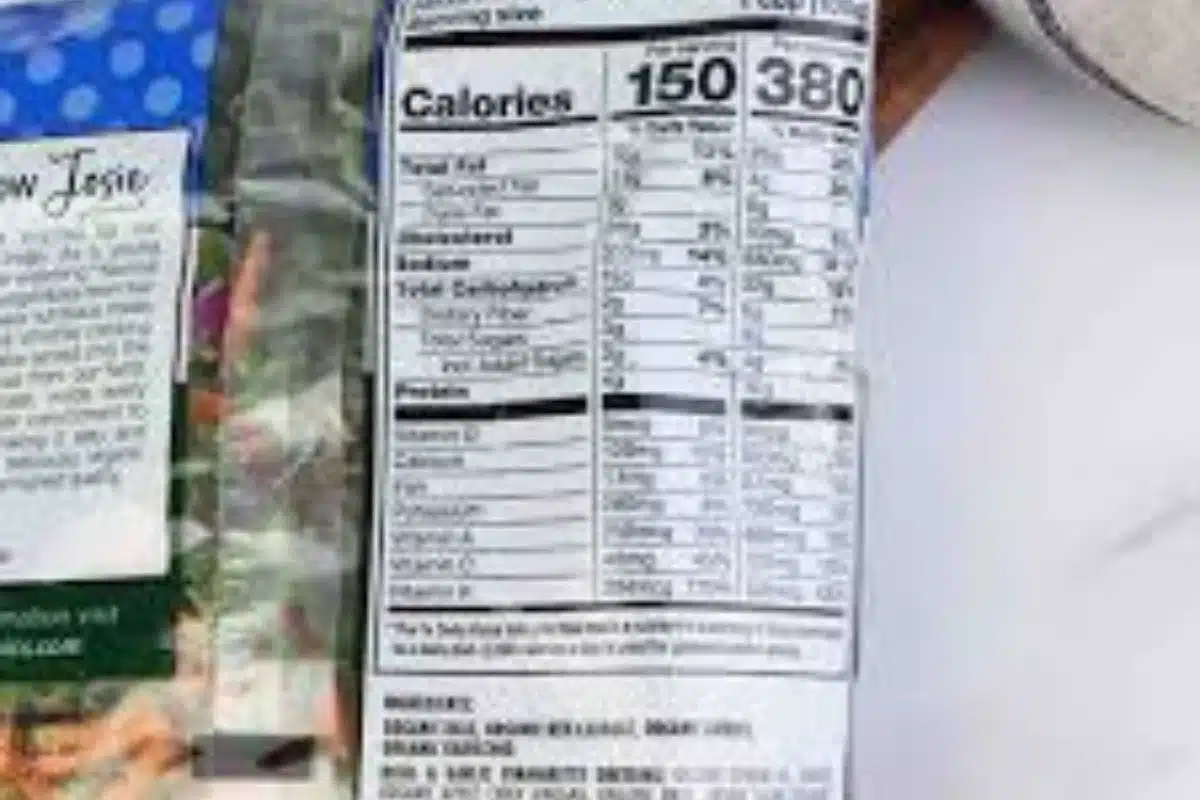
For pre-cut fruit, salad kits, or packaged vegetables, check the ingredient panel. If it’s truly organic, it will say “organic” before each ingredient or clearly state “certified organic.” Companies can’t legally label packaged food organic unless it meets federal standards. If you don’t see that wording, it likely isn’t certified.
Ask at Farmers Markets
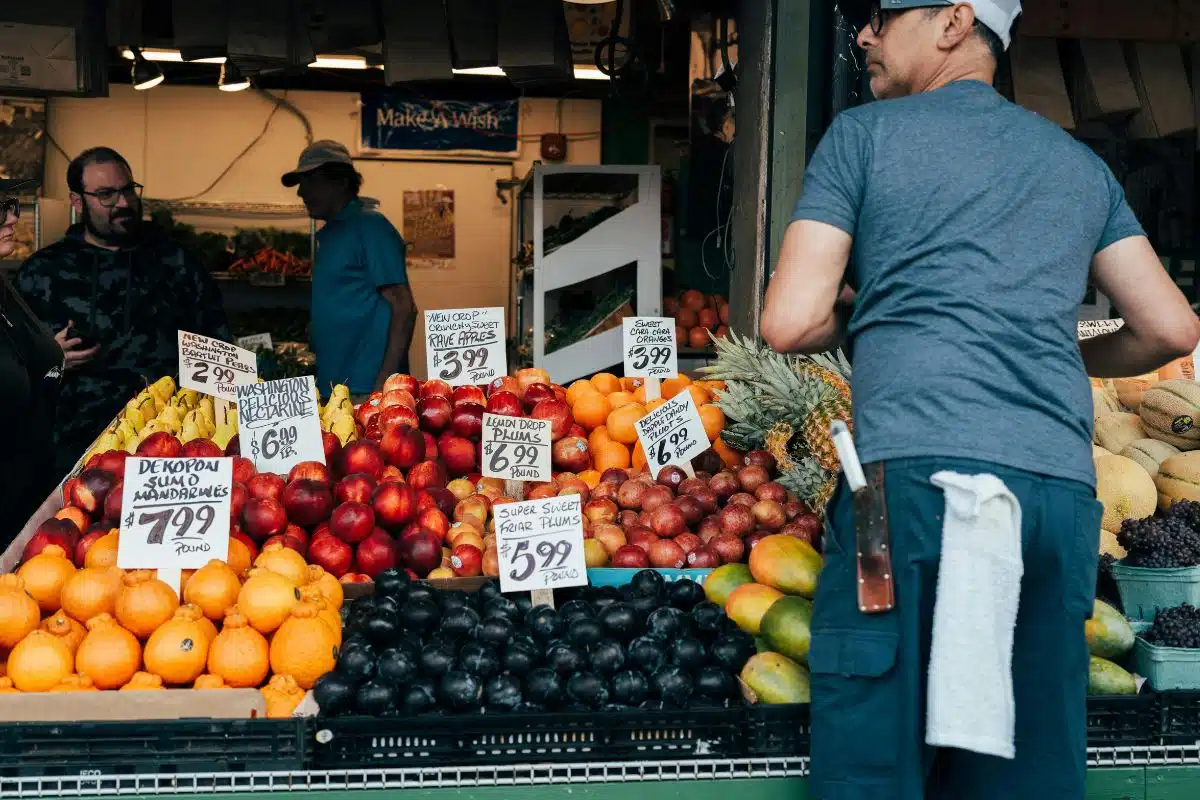
Shopping local can be a great way to find fresh food, but not all small farms are certified organic. Some growers use organic practices but skip certification due to cost. Don’t hesitate to ask how the produce was grown and whether synthetic pesticides were used. Transparent farmers are usually happy to share their methods.
Compare Pricing — If It’s Too Cheap, Be Skeptical
Organic farming is typically more labor-intensive and expensive. If you see “organic” strawberries priced the same as conventional ones, it’s worth double-checking the label. While sales do happen, unusually low prices can signal a labeling error or confusion. Paying attention protects both your wallet and your expectations.
Know What “100% Organic” Means
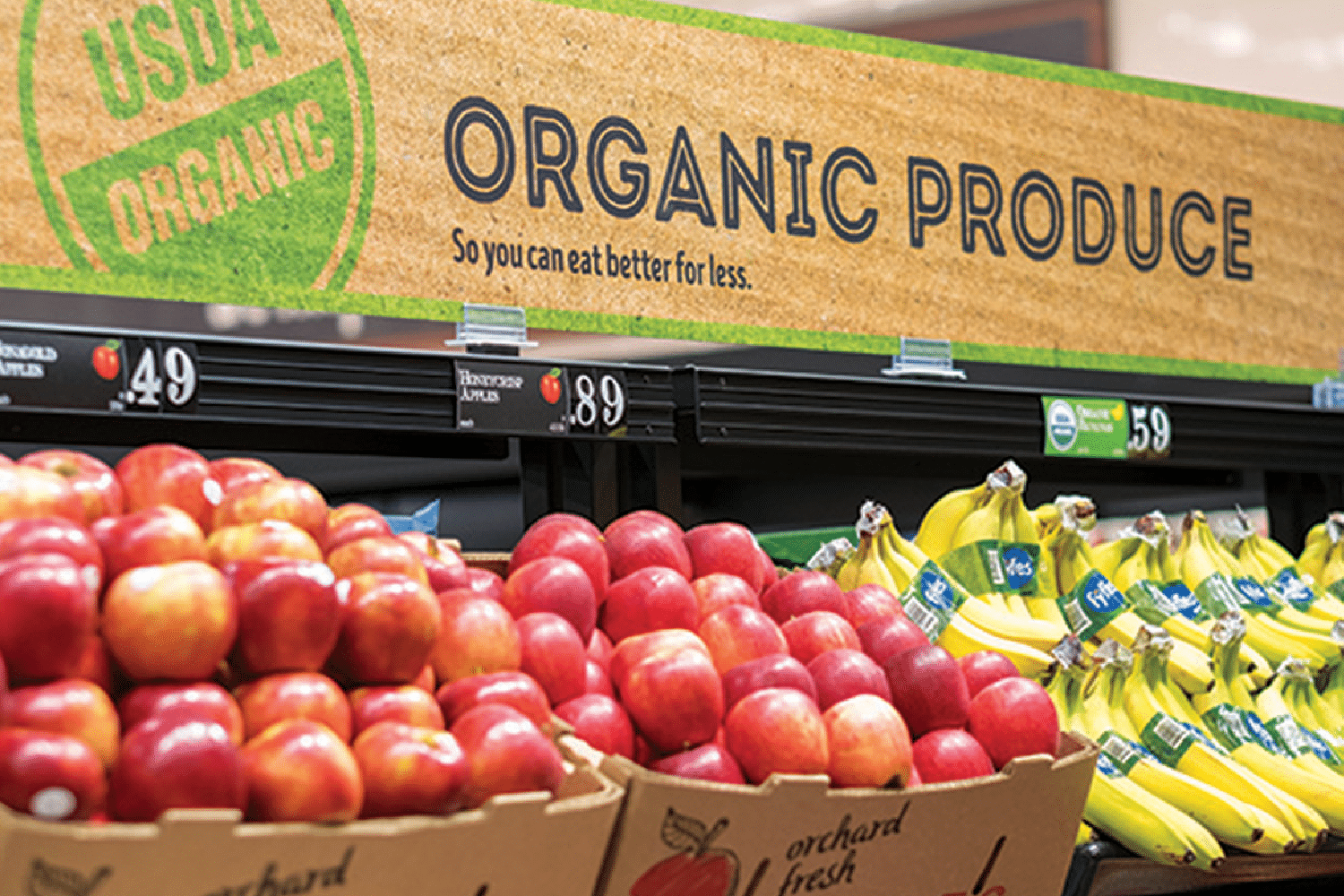
Products labeled “100% Organic” must contain only organically produced ingredients. Items labeled simply “Organic” must contain at least 95% organic ingredients. This distinction matters more with packaged foods, but it’s helpful to understand the labeling hierarchy. The stricter the wording, the tighter the standards.
Watch for Imported Produce Labels
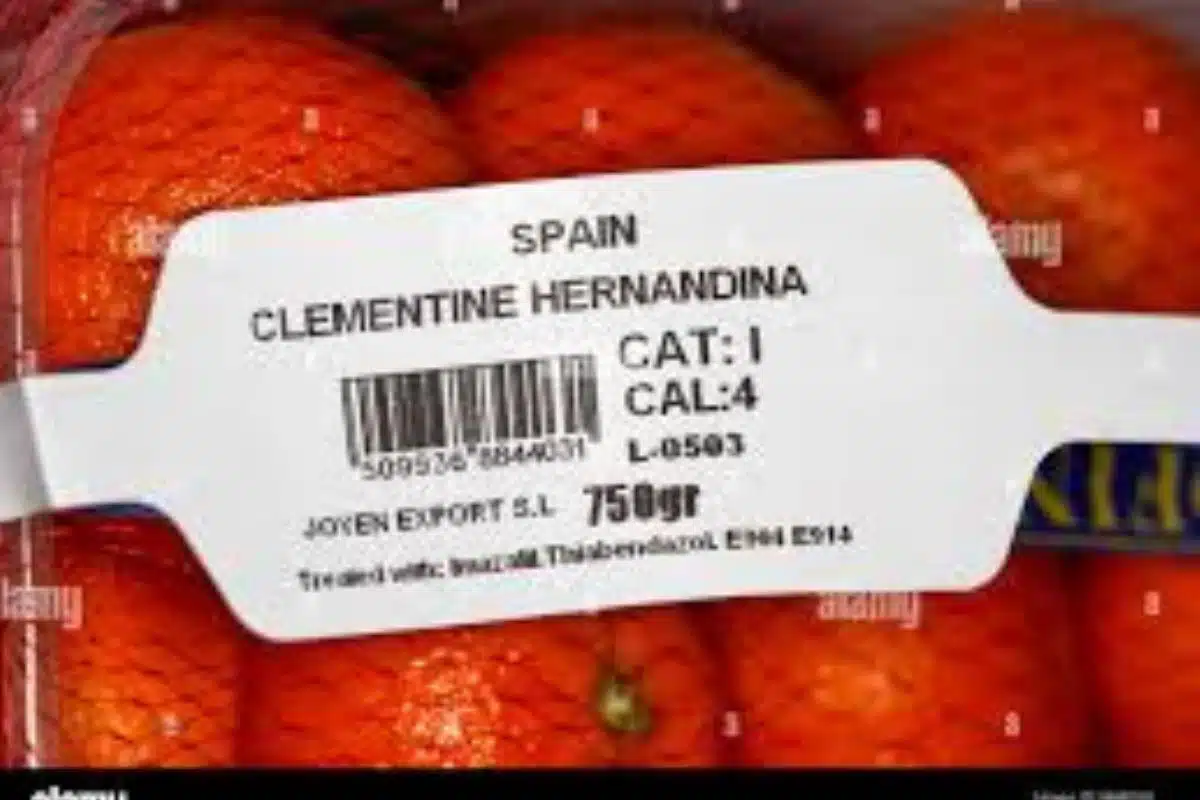
Imported organic produce must still meet USDA standards if it’s sold as organic in the U.S. However, it should clearly state the country of origin. Look for both the USDA seal and origin labeling to ensure compliance. Transparency is a key indicator of legitimate certification.
When in Doubt, Verify the Certifier
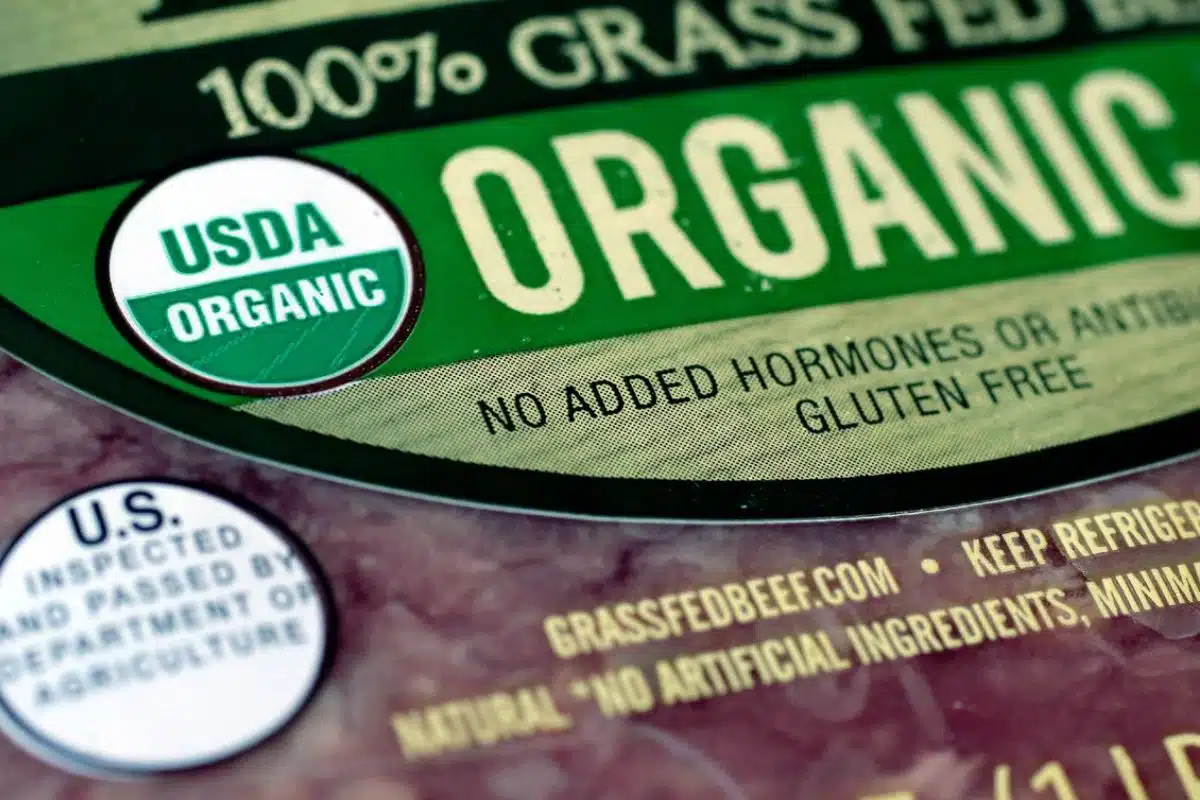
Certified organic farms are required to list their certifying agency. This information is often printed on packaging near the USDA seal. If you’re unsure, you can verify certification through public databases maintained by the USDA Agricultural Marketing Service. A quick check can give you peace of mind that you’re truly buying organic.
This post may contain affiliate links or sponsored content. Disclosure Policy