Lifestyle Trends Quietly Replacing Hustle Culture
For years, hustle culture promoted constant productivity, packed schedules, and the idea that rest needed to be earned. Increasingly, people are stepping away from that mindset in favor of a more balanced and sustainable way of living. Instead of measuring success by how busy life feels, many are prioritizing calm, intention, and overall well-being. These emerging lifestyle shifts reflect a broader rethinking of what it means to live a successful and fulfilling life.
Soft Living
Soft living is centered on reducing unnecessary pressure and choosing a gentler pace in everyday life. It emphasizes emotional well-being, comfort, and environments that feel supportive rather than demanding. Many people are adopting slower mornings, more flexible schedules, and routines that allow space to breathe. The focus is on ease and sustainability rather than constant striving.
Romanticizing the Ordinary

This trend encourages people to find meaning in everyday routines rather than waiting for major milestones to feel fulfilled. Simple moments like making coffee, folding laundry, or taking a quiet walk are viewed as experiences worth appreciating. It’s less about changing life and more about noticing it. This shift helps people feel more present and grounded in their daily routines.
Low-Stimulation Mornings

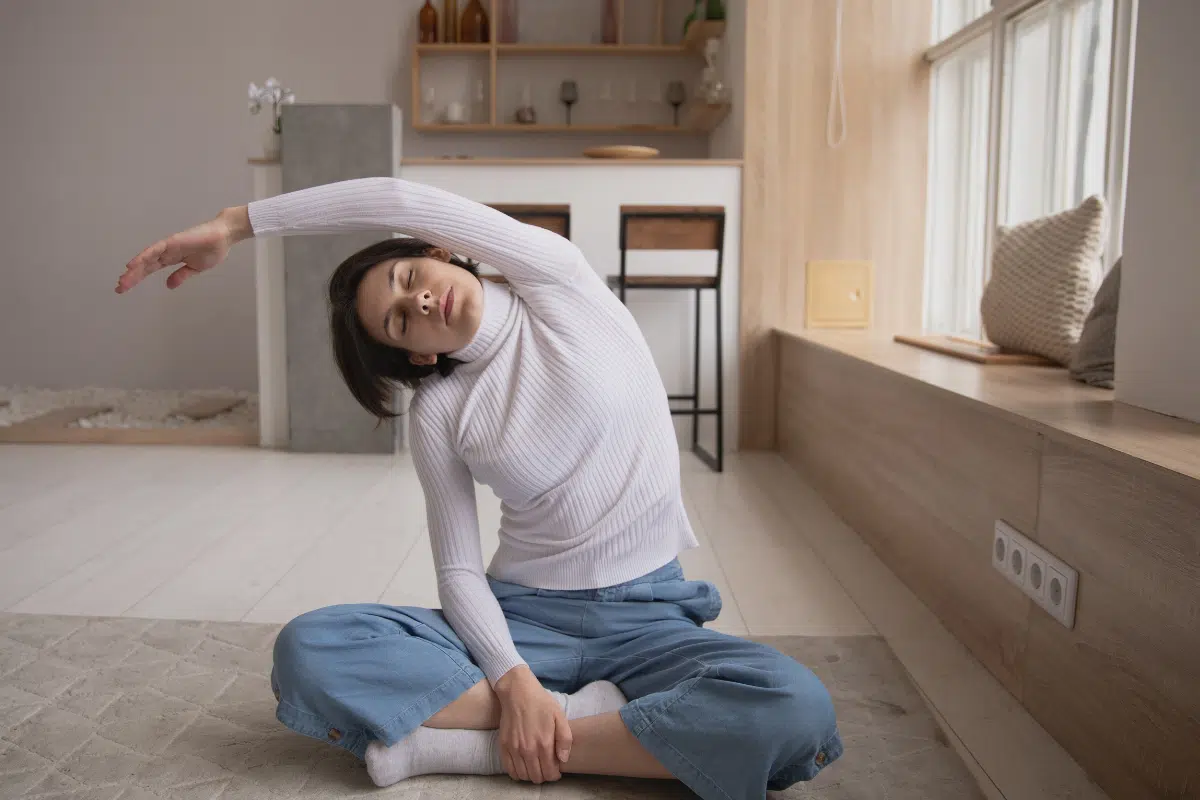
Instead of starting the day with notifications, news, or immediate screen time, many are choosing calmer morning environments. Phones are often kept out of reach, and the first moments of the day are reserved for quiet routines. This can include stretching, journaling, or simply sitting in silence before activity begins. The goal is to reduce mental overload before the day fully starts.
Slow Productivity
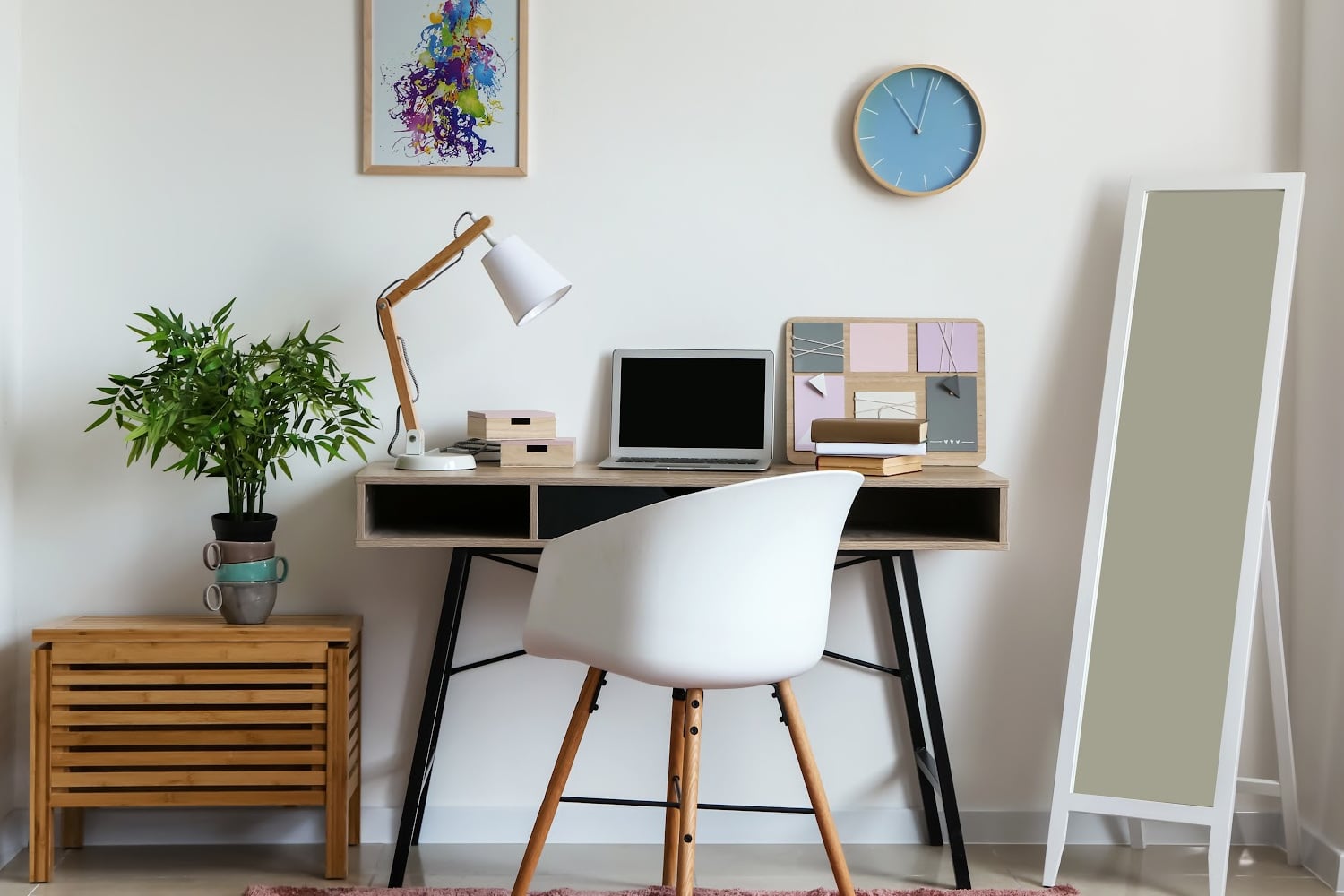
Slow productivity focuses on doing fewer tasks with greater intention rather than multitasking or overloading the schedule. It prioritizes meaningful progress over constant urgency. Many people find they produce better results when they’re not rushing from task to task. This approach also helps reduce burnout and improve focus over time.
Quiet Quitting (Without the Guilt)

Rather than disengaging from work, this trend reflects a shift toward clearer boundaries. People are focusing on doing their job responsibilities well without consistently going beyond what is required. It’s less about withdrawal and more about sustainability. For many, it’s a way to protect energy and prevent long-term burnout.
Analog Hobbies

Hands-on, low-tech hobbies are gaining popularity as a break from constant screen time. Activities like reading physical books, journaling, knitting, baking, or gardening offer a slower, more grounded experience. These hobbies also provide a sense of accomplishment without digital distraction. Many people find them calming and restorative.
Rest as a Lifestyle

Rest is increasingly being viewed as a necessary part of life rather than something reserved for weekends or vacations. Short naps, slower evenings, and intentional downtime are being built into daily routines. This shift reflects a growing awareness that recovery supports better energy and focus. Rest is becoming a consistent practice rather than an occasional reward.
Financial Simplicity

Instead of focusing on constant consumption or status-driven spending, many people are simplifying their financial lives. Budgeting, mindful purchasing, and reducing unnecessary expenses are becoming priorities. The goal is to lower stress and create more stability rather than chase lifestyle upgrades. This approach often leads to a greater sense of control and clarity.
Smaller Social Circles

Many are choosing to invest more deeply in a smaller number of relationships. Rather than maintaining large, surface-level networks, the focus is shifting toward meaningful, supportive connections. This often leads to less social pressure and more authentic interaction. Quality of relationships is becoming more important than quantity.
Home-Centered Living
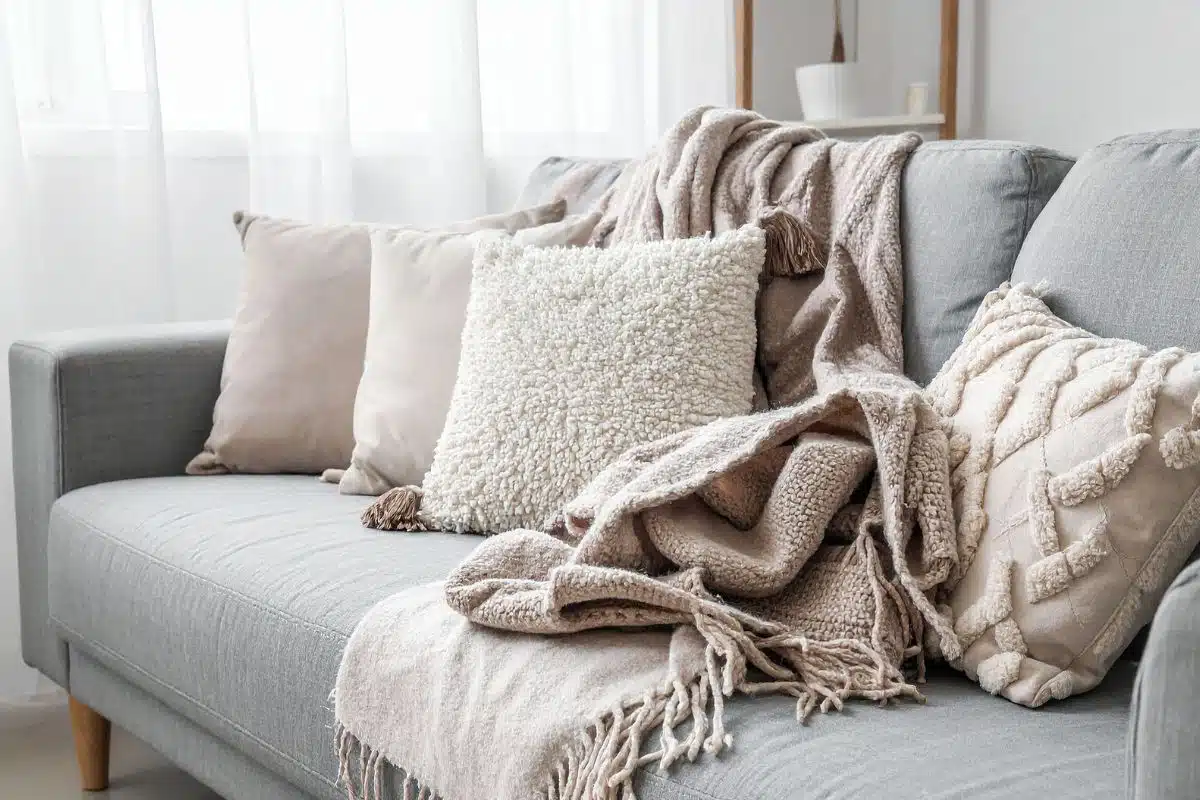
Staying home is increasingly being embraced as a valid and fulfilling lifestyle choice. Comfortable spaces, simple meals, and quiet evenings are seen as forms of rest rather than isolation. Many people are finding that home can be both restorative and enjoyable. This shift reflects a broader appreciation for calm, low-pressure environments.
This post may contain affiliate links or sponsored content. Disclosure Policy