The Worst Foods to Buy at the Grocery Store – Experts Warn Against These
Not everything on grocery store shelves is a smart buy. Some foods are loaded with hidden sugars, sodium, or unhealthy fats, while others simply aren’t worth the high price tag. Nutritionists and consumer experts often point out that many heavily marketed items are less healthy—and more expensive—than they appear. Before you toss these into your cart, here’s what experts say you may want to reconsider.
Pre-Cut Fruits and Vegetables
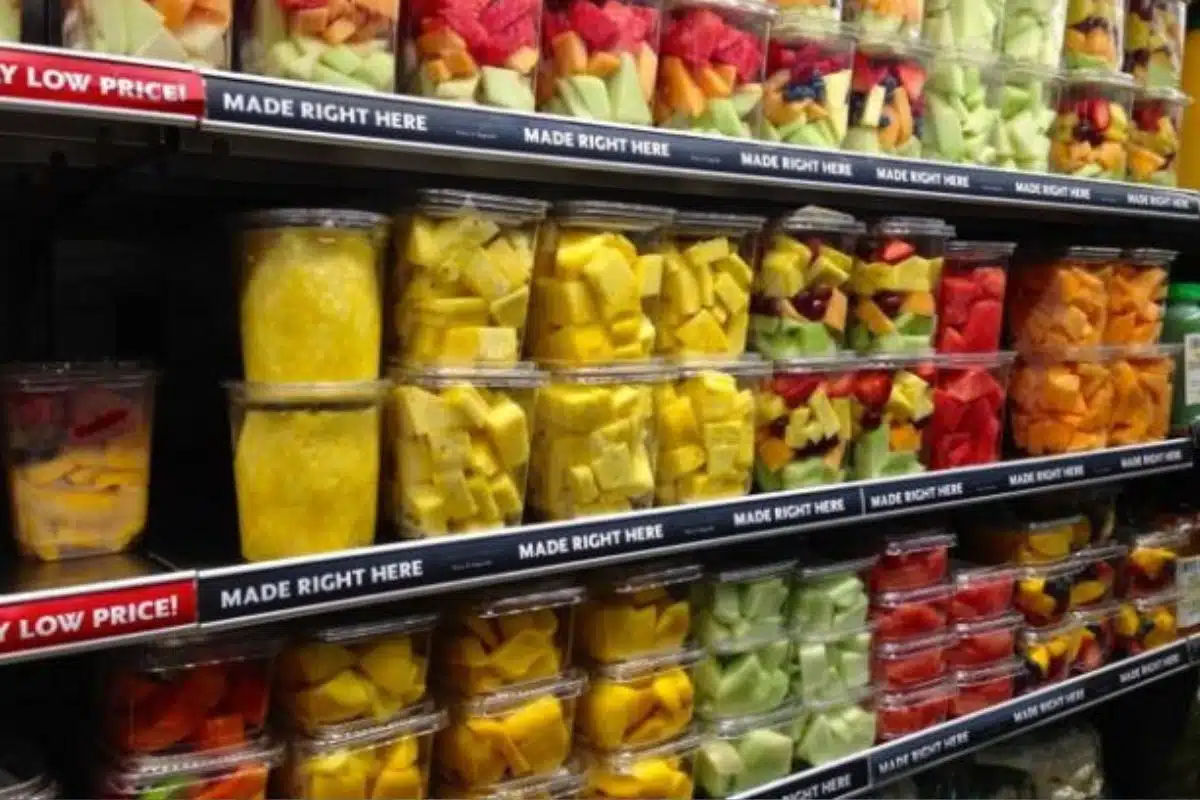
Pre-sliced produce is convenient, but you’ll often pay double (or more) compared to buying whole. It also spoils faster once cut, which increases food waste. Unless you truly need the time savings, experts recommend washing and chopping produce yourself. You’ll save money and get longer shelf life.
Sugary Breakfast Cereals
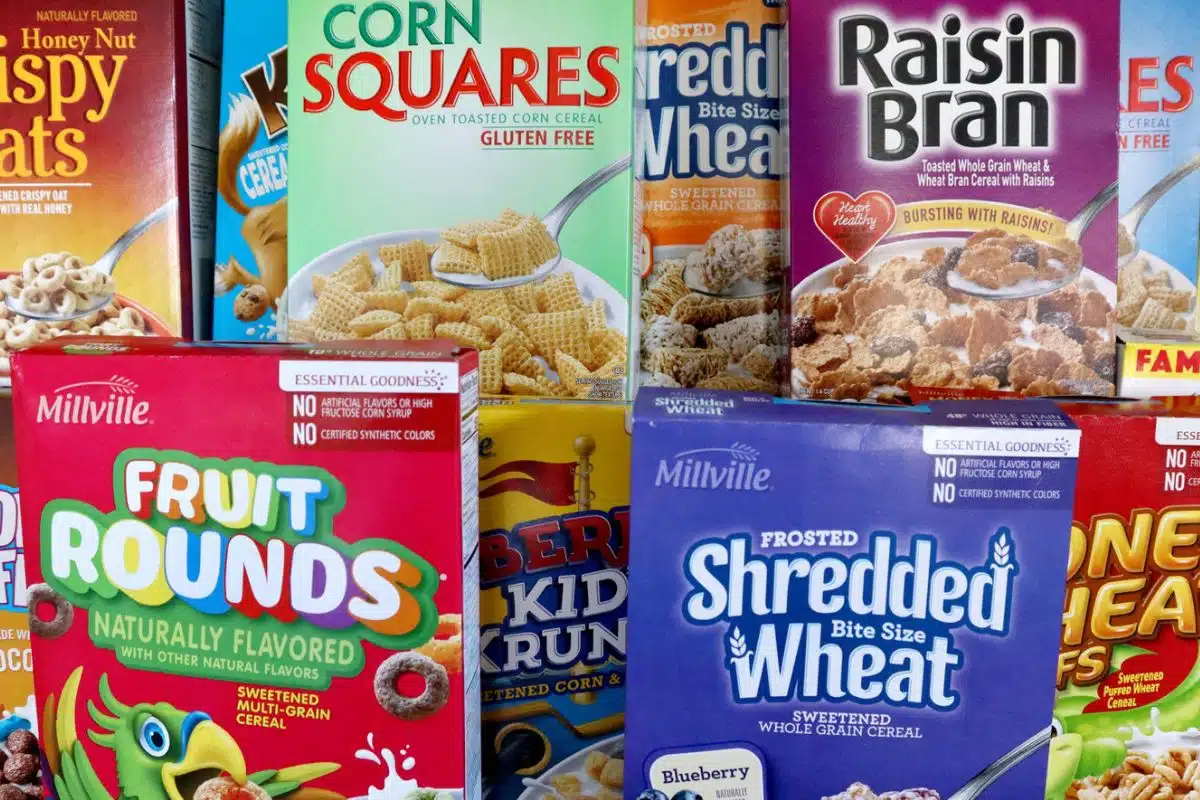
Many cereals marketed as “whole grain” or “fortified” are packed with added sugar. Some contain as much sugar per serving as a dessert. Nutrition experts suggest checking labels carefully and opting for options with minimal added sugar and higher fiber content. Oatmeal or plain whole-grain cereals are often better choices.
Bottled Smoothies
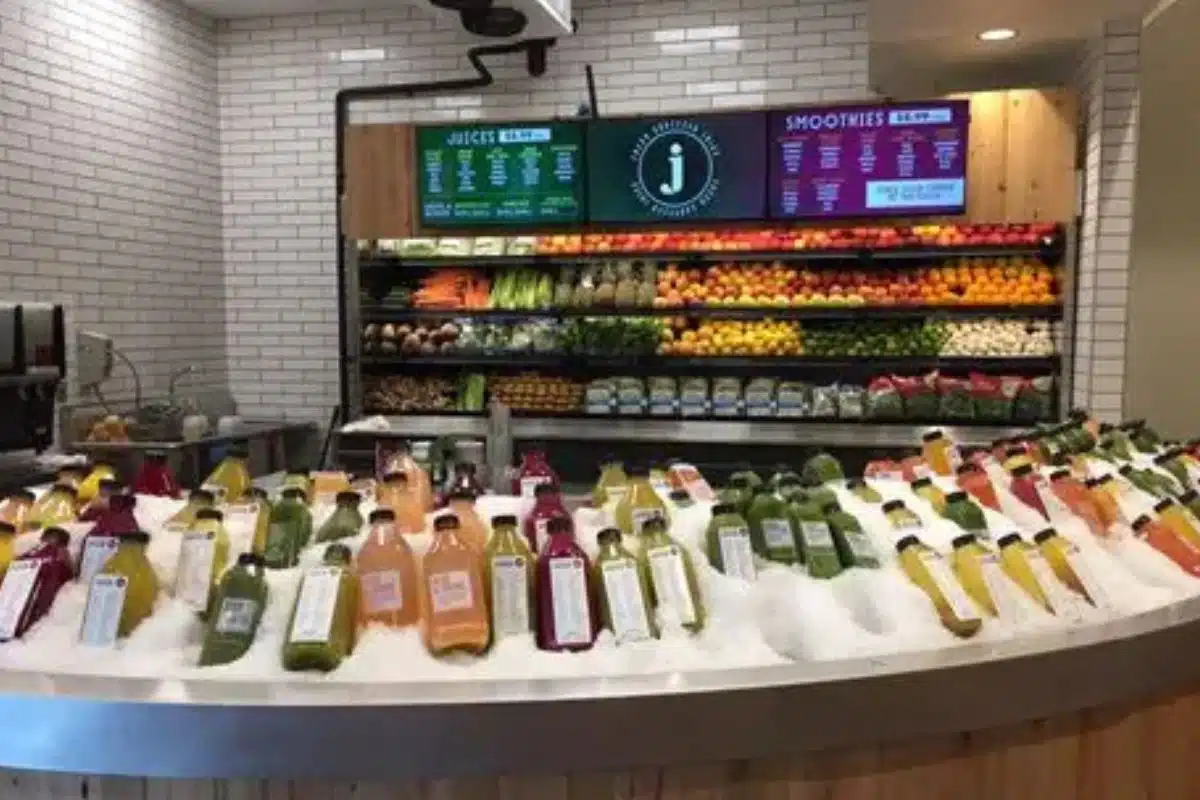
Store-bought smoothies can look healthy, but they’re frequently loaded with fruit juice concentrates and added sugars. They’re also significantly more expensive than blending your own at home. Making smoothies yourself allows you to control the ingredients and skip unnecessary sweeteners. Plus, you’ll stretch your grocery budget further.
Flavored Yogurts
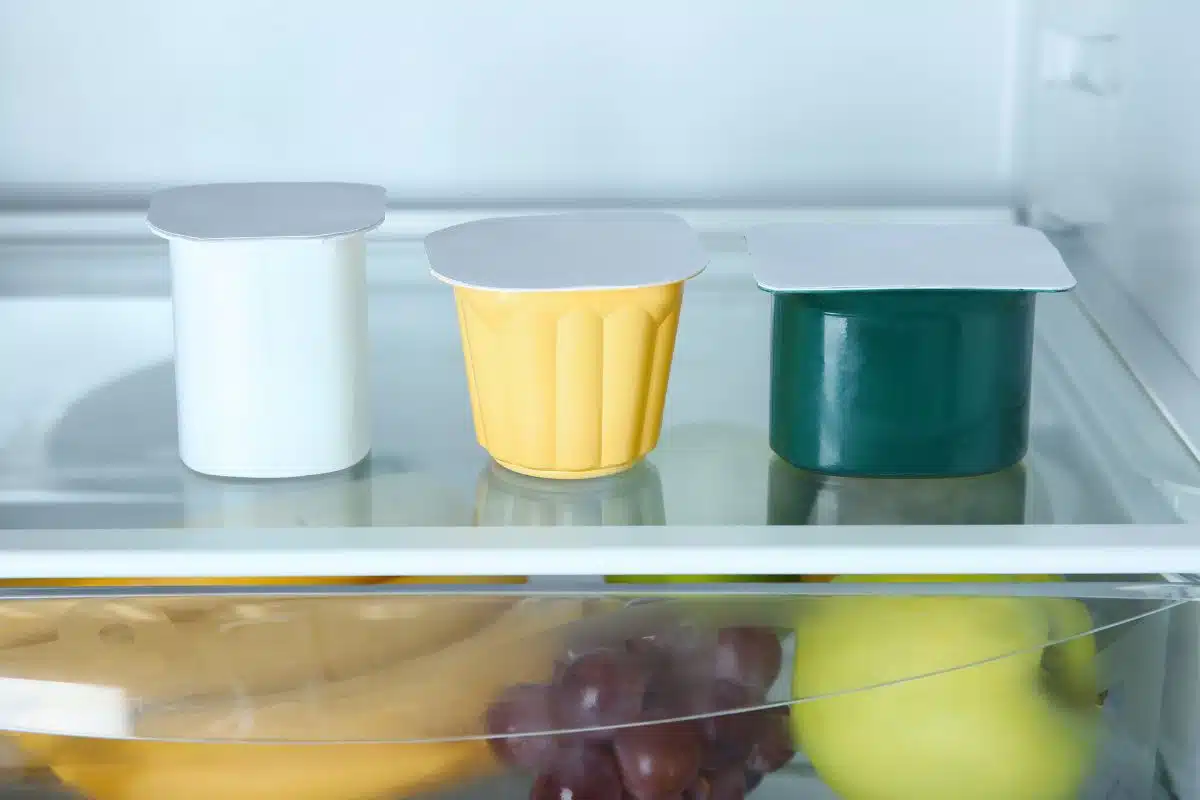
While yogurt can be a nutritious choice, many flavored varieties contain surprising amounts of added sugar. Some single-serve cups rival candy bars in sweetness. Dietitians often recommend buying plain yogurt and adding your own fruit or honey. It’s healthier and usually cheaper per ounce.
Packaged Deli Salads
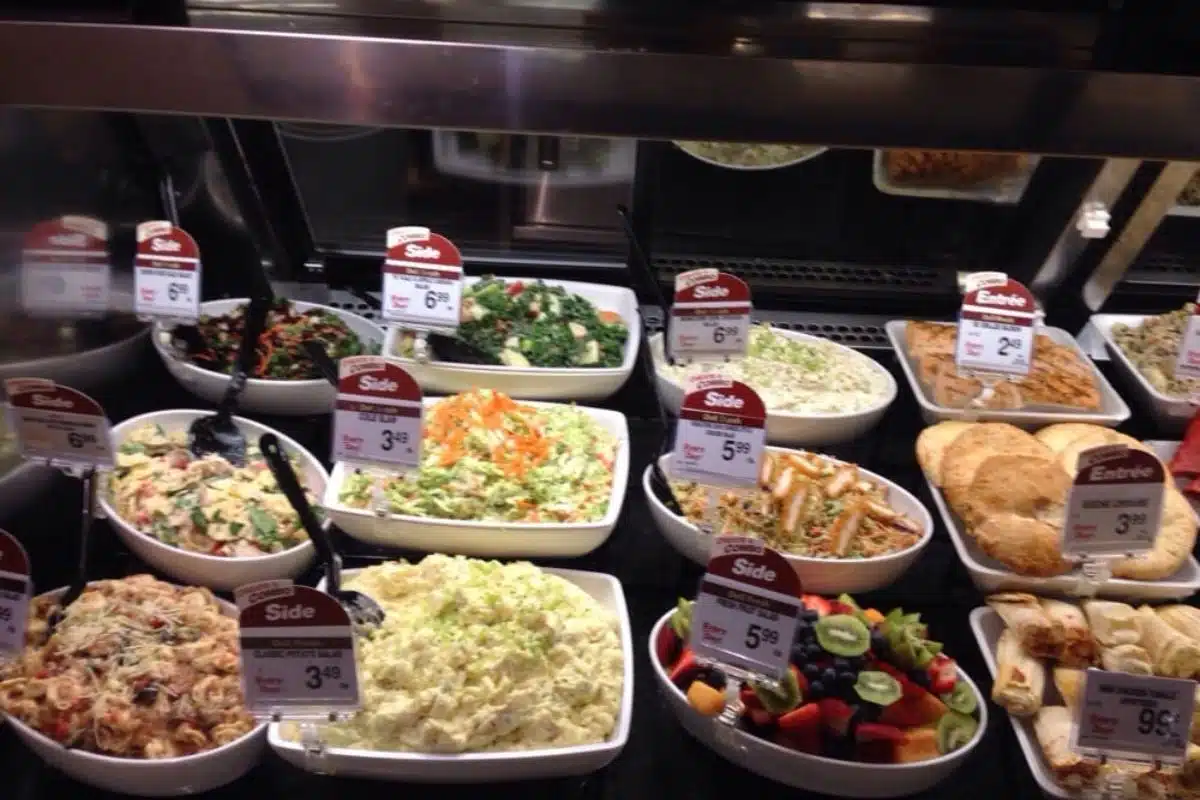
Pre-made pasta salads, chicken salads, and macaroni salads are often high in sodium, preservatives, and unhealthy fats. They can also be marked up significantly compared to making them at home. Experts suggest preparing simple versions yourself using fresh ingredients. You’ll control the quality and save money.
Name-Brand Spices

Spices lose potency over time, and grocery store prices—especially for name brands—can be steep. Consumer experts recommend checking international aisles or local markets for the same spices at a fraction of the cost. Buying smaller quantities also helps prevent waste. Fresh, affordable spices make a noticeable difference in flavor.
Frozen “Diet” Meals
Many frozen diet meals are marketed as healthy, but they often contain high sodium levels and highly processed ingredients. They may be low in calories but lack balanced nutrition. Preparing simple batch-cooked meals at home can be healthier and more cost-effective. You’ll also avoid excessive packaging waste.
Bottled Salad Dressings
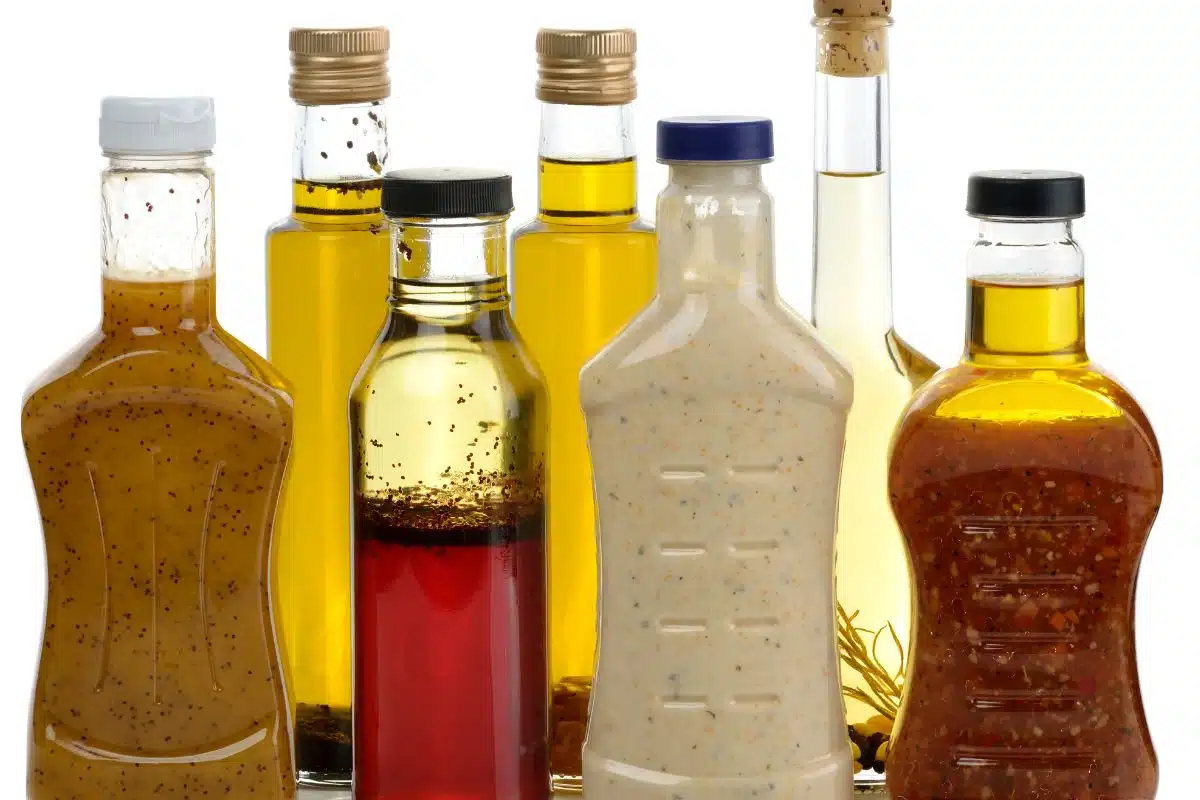
Store-bought dressings frequently contain added sugars, preservatives, and artificial flavors. They’re also surprisingly easy to make at home with oil, vinegar, and a few pantry staples. Experts note that homemade dressings taste fresher and cost pennies per serving. It’s a simple swap that can improve both flavor and nutrition.
Packaged Shredded Cheese
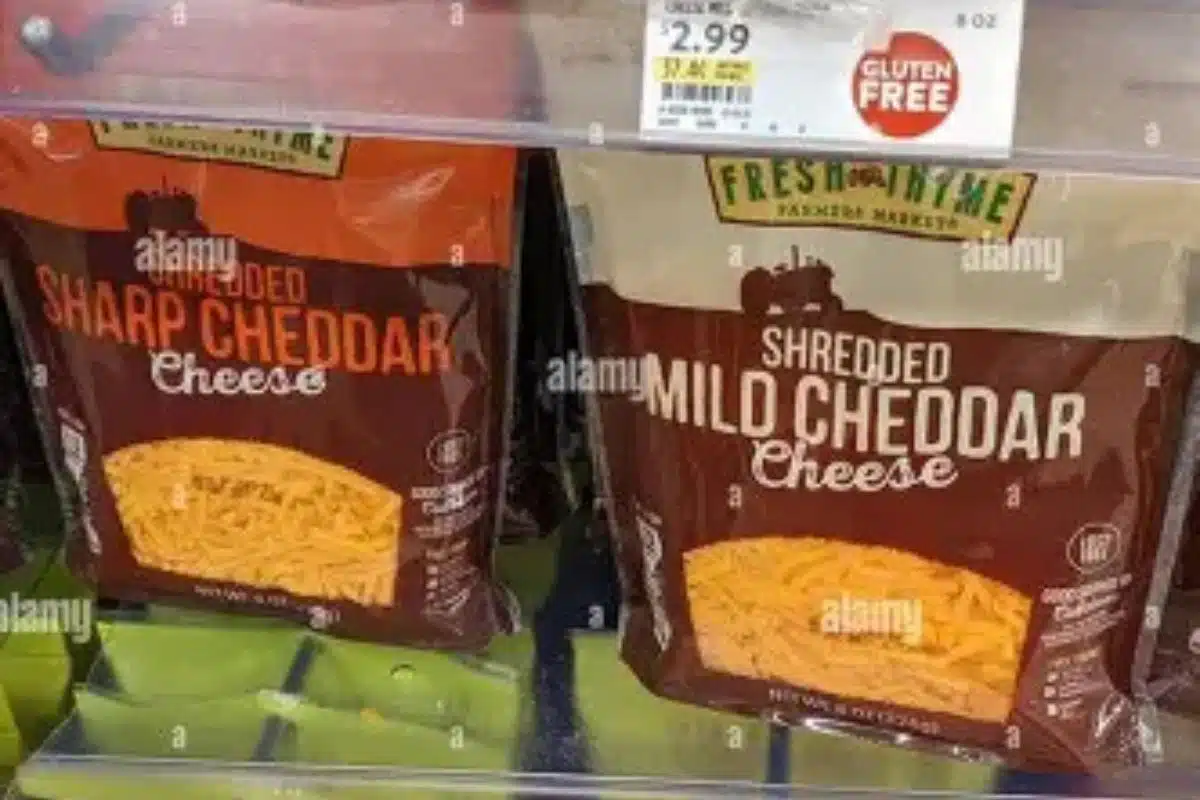
Pre-shredded cheese contains anti-caking agents that affect texture and melting quality. It’s typically more expensive per ounce than buying a block and shredding it yourself. Experts say freshly grated cheese melts better and tastes richer. The extra minute of prep can make a noticeable difference in your dishes.
Bottled Water (When Tap Is Safe)
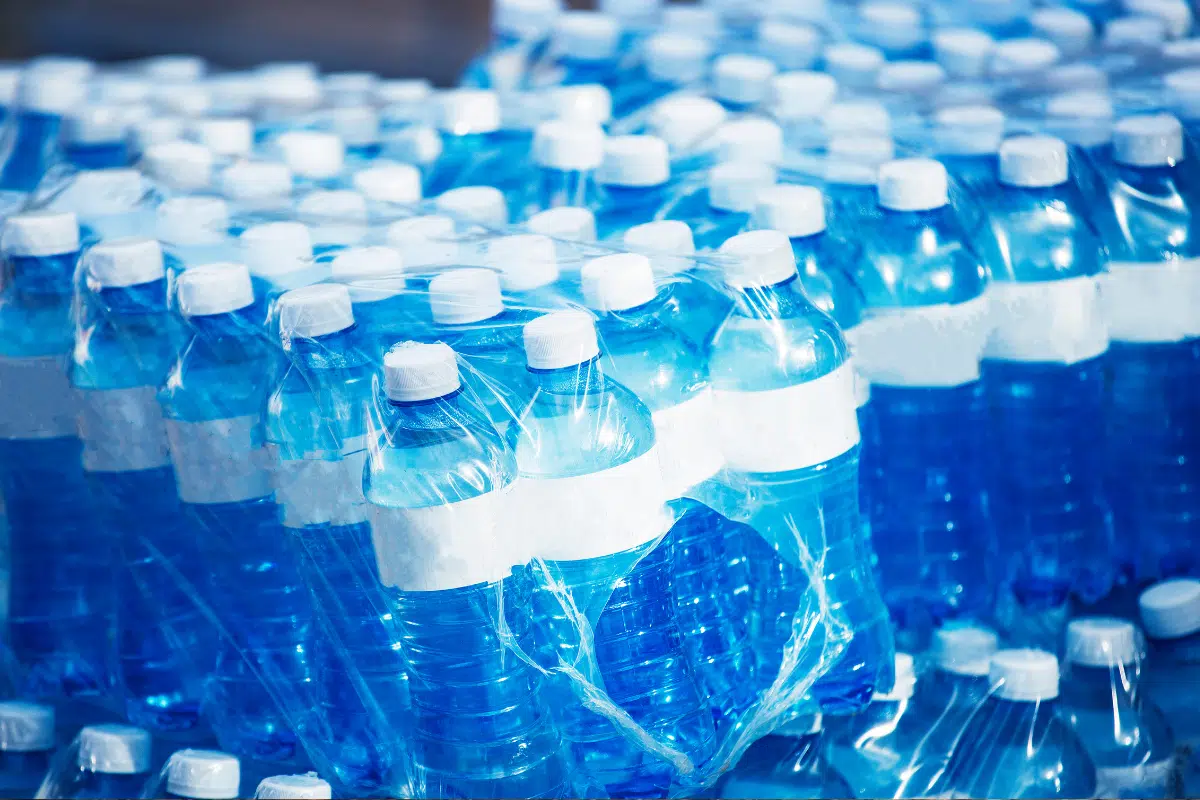
If your local tap water is safe to drink, bottled water can be an unnecessary expense. It’s significantly more expensive per gallon and contributes to plastic waste. A reusable water bottle and a home filter are often more economical long term. Experts suggest investing once and saving consistently over time.
This post may contain affiliate links or sponsored content. Disclosure Policy