What’s Trending on Restaurant Menus—and What’s Fading Away
Restaurant menus are becoming more interesting—but not necessarily in the way they were a few years ago. Chefs are blending familiar comfort foods with global flavors, adding more customizable protein options, and finding ways to give diners both value and variety. At the same time, some once-popular trends are becoming less dominant as restaurants focus on dishes that are easier to execute, appealing to a wider range of customers, and worth the price. The biggest shift may be that today’s menu trends aren’t simply about chasing something new. Restaurants are taking familiar foods and giving them fresh flavors, textures, and cultural influences.
Hot: Global Comfort Food Is Taking Center Stage
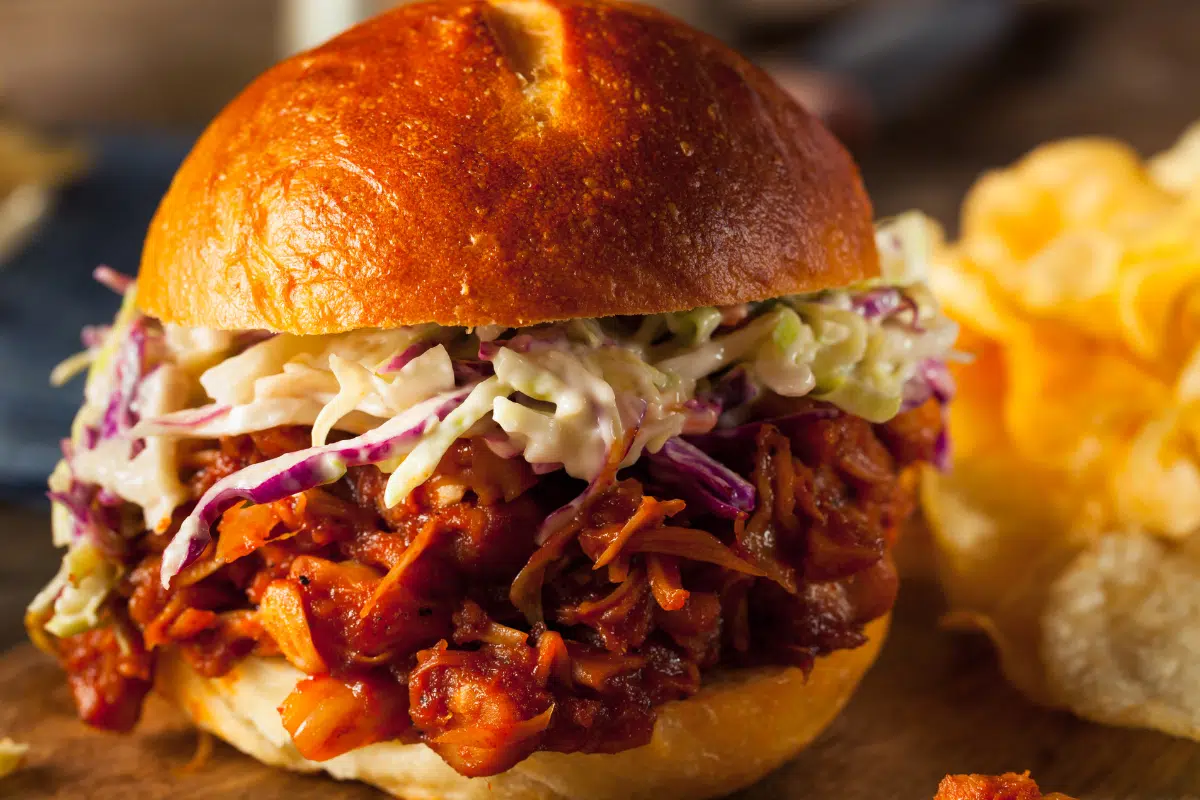
Restaurants are increasingly combining the familiarity of comfort food with flavors from around the world. The National Restaurant Association’s latest culinary forecast specifically points to global comfort foods, including Caribbean curry bowls and globally inspired smashed burgers, as major menu directions. That can mean a familiar burger topped with globally inspired ingredients, elevated noodles with more complex sauces, or comforting rice and curry bowls. These dishes give diners something recognizable while still offering a sense of discovery. It’s a combination that works particularly well for restaurants trying to appeal to adventurous customers without making the menu feel intimidating.
Fading: Menus Built Around Endless Choices
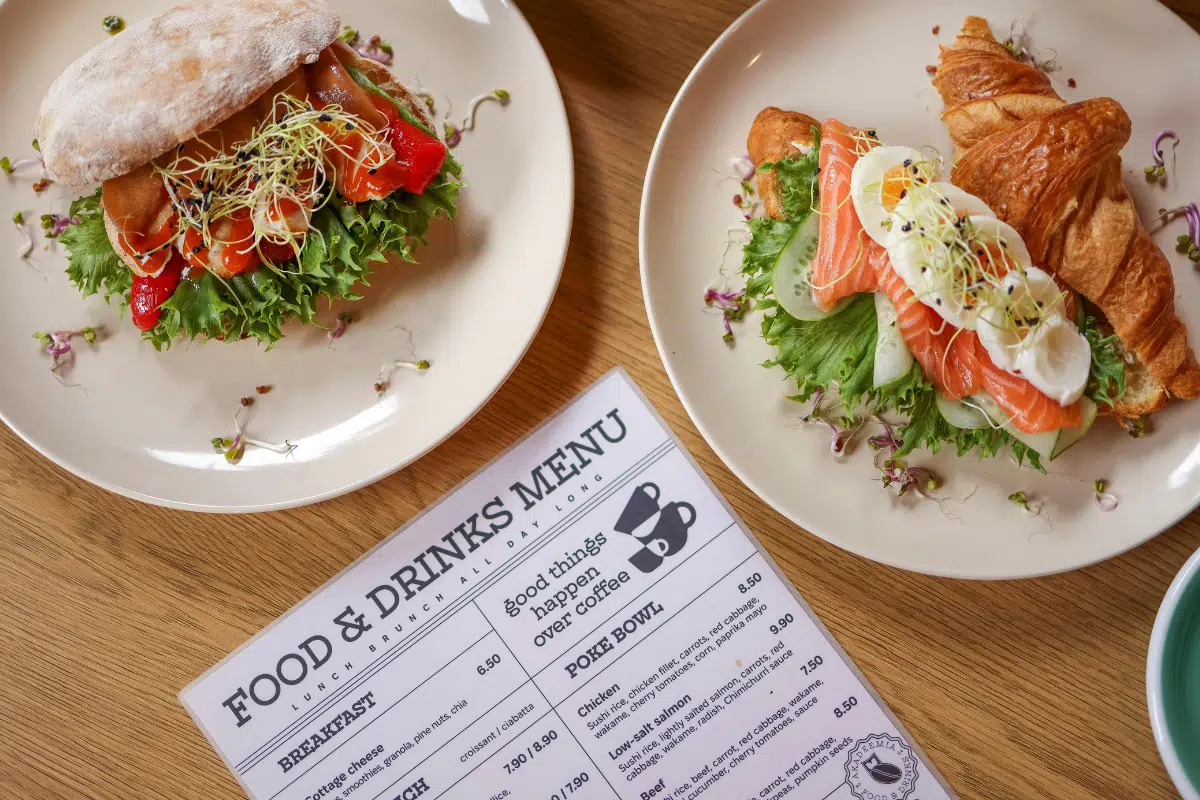
Huge menus haven’t disappeared, but restaurants have increasingly good reasons to reconsider them. Keeping dozens of dishes available requires more ingredients, more preparation, more storage, and more opportunities for food waste and inconsistent execution. Streamlined menus have also been identified as part of the restaurant industry’s broader response to cost and labor pressures. That doesn’t mean diners will suddenly see five-item menus everywhere. Instead, restaurants may concentrate on a smaller collection of signature dishes while offering customization through sauces, toppings, proteins, and sides. For customers, the result can be a menu that is easier to navigate and more focused on what the restaurant does best.
Hot: Smashed Burgers Are Getting New Twists

The classic smashed burger is having a moment, but today’s versions are rarely content to remain completely traditional. The National Restaurant Association ranked smashed burgers among its leading menu trends, noting that their nostalgic appeal is being combined with customizable and globally influenced flavors. The appeal is easy to understand: a thin beef patty develops crispy, caramelized edges while still delivering the familiar burger experience. Restaurants can then make the format their own with spicy sauces, unusual toppings, specialty cheeses, or global flavor combinations. It is a good example of a broader menu trend—taking something familiar and making it feel new again.
Fading: Plant-Based Foods Designed Only to Imitate Meat

Plant-based dining isn’t disappearing, but the idea that every vegetarian option needs to replicate a hamburger or chicken sandwich is becoming less compelling. Restaurants are increasingly finding value in naturally plant-forward ingredients such as mushrooms, legumes, vegetables, grains, and fermented foods rather than relying exclusively on meat substitutes. That distinction matters because the current menu landscape is moving in two directions at once. The latest restaurant forecast highlights both protein-forward foods and cleaner, less-processed recipes, suggesting that diners are interested in what is actually on the plate rather than simply whether a product imitates meat.
Hot: Protein Is Becoming a Menu Customization
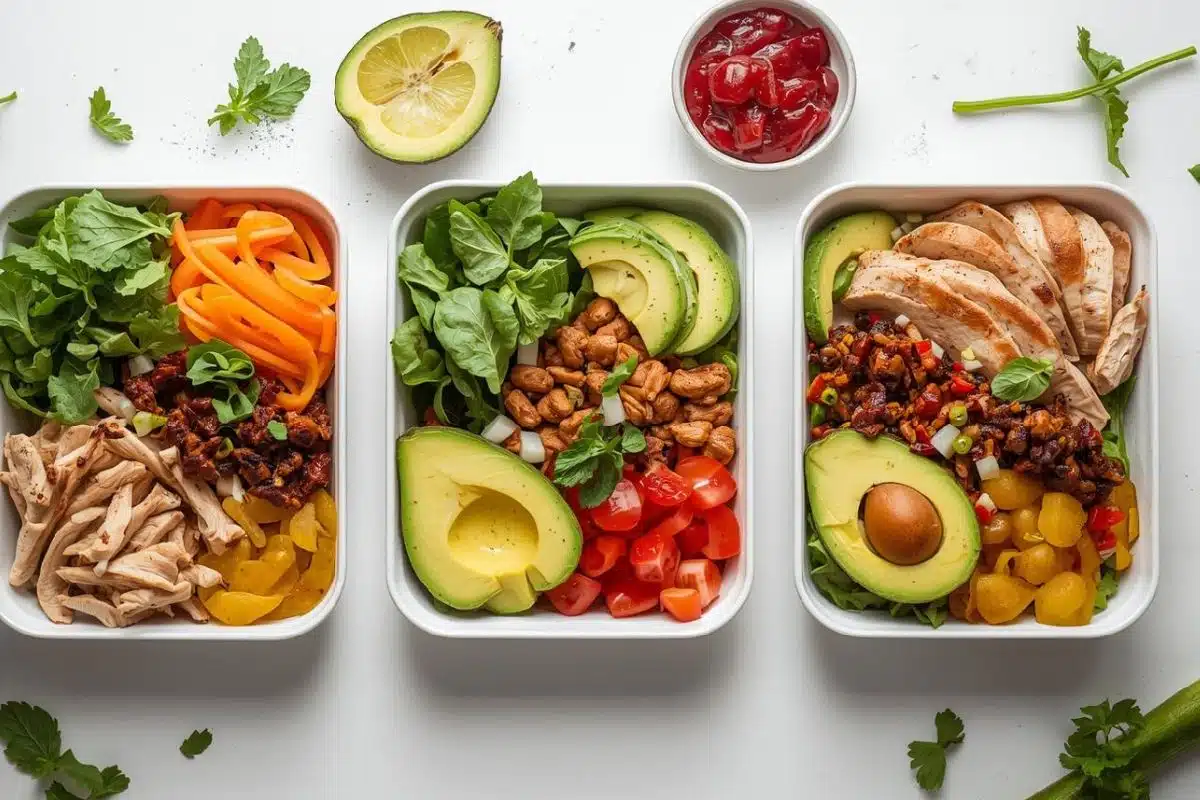
Protein is no longer confined to the center of a dinner plate. Restaurants are increasingly incorporating protein as an optional boost in foods such as bowls, smoothies, breakfast dishes, and other meals. The National Restaurant Association lists proteins as add-ons among its top overall menu trends. This approach also gives diners more control over their meals. One customer might add chicken or another protein to a grain bowl, while someone else may choose a vegetarian version. For restaurants, offering protein as an add-on creates flexibility without requiring an entirely separate menu item.
Fading: Generic “Healthy” Menu Sections
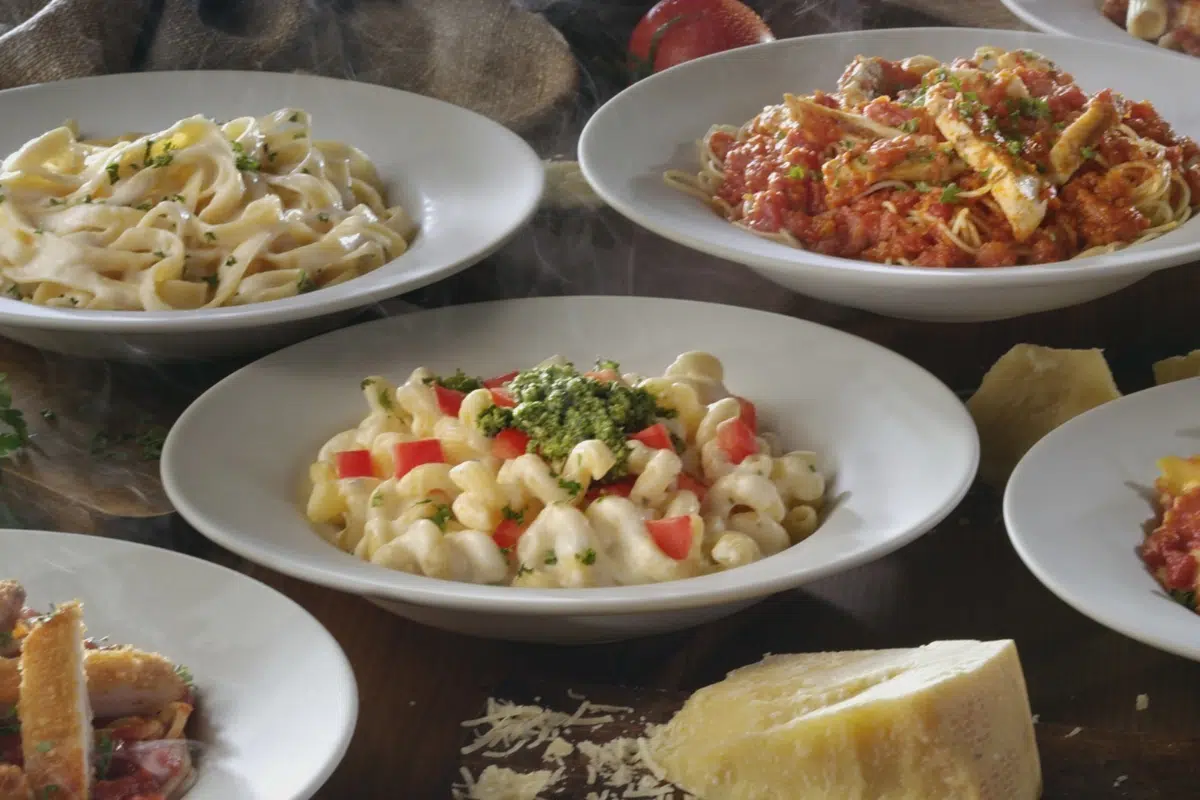
Restaurants are becoming more sophisticated about how they present healthier choices. Instead of automatically labeling a dish “healthy” and expecting customers to choose it, menus are increasingly using specific information about ingredients, allergens, preparation, and nutritional characteristics. Clear menu labeling and allergen-friendly choices are among the trends identified by the National Restaurant Association’s latest culinary forecast. That gives diners more useful information without forcing restaurants to divide their menus into simplistic “healthy” and “unhealthy” categories.
Hot: Fermented Flavors Are Moving Into Everyday Dishes
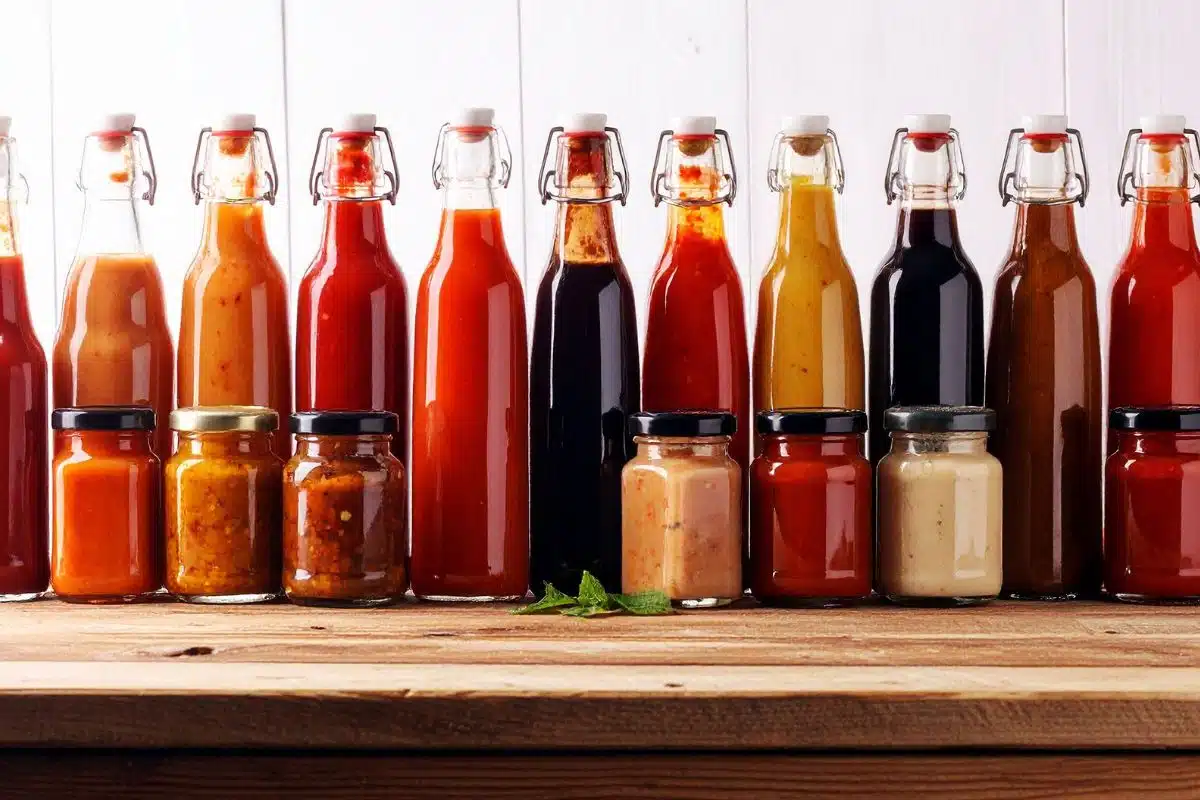
Fermented ingredients have moved well beyond specialty restaurants. Miso, kimchi, pickled vegetables, fermented hot sauces, and other ingredients can add acidity, saltiness, spice, and umami to otherwise familiar dishes. This isn’t entirely new—the National Restaurant Association identified fermented and pickled foods as a major menu trend in its previous culinary forecast—but the flavors have continued to become more familiar to mainstream diners. Restaurants can use these ingredients to create depth without making an entire dish feel unfamiliar.
Hot: Elevated Noodles Are Becoming Restaurant Comfort Food

Restaurant noodles are getting an upgrade. Rather than treating instant noodles or ramen as inexpensive convenience food, chefs are building more elaborate versions with flavorful broths, proteins, vegetables, eggs, fermented ingredients, and carefully chosen toppings. The latest National Restaurant Association culinary forecast specifically names elevated instant noodles among its leading food trends. The appeal is partly affordability and partly versatility: noodles provide a familiar base that can absorb flavors from many different cuisines.
Fading: One-Note Sweetness in Desserts

Desserts are not disappearing from restaurant menus, but the preference for desserts built around one overwhelmingly sweet flavor is giving way to more balanced combinations. Chefs are increasingly using contrasting elements such as salt, acidity, bitterness, spice, crunch, and fruit to make desserts more interesting. Ingredients such as pistachio, black sesame, citrus, tropical fruit, and tea-inspired flavors can give familiar desserts a more distinctive personality. The result doesn’t have to be complicated—it simply gives diners more contrast than a standard cake topped with an overly sweet frosting.
Hot: Lower- and No-Alcohol Drinks Are Getting More Serious
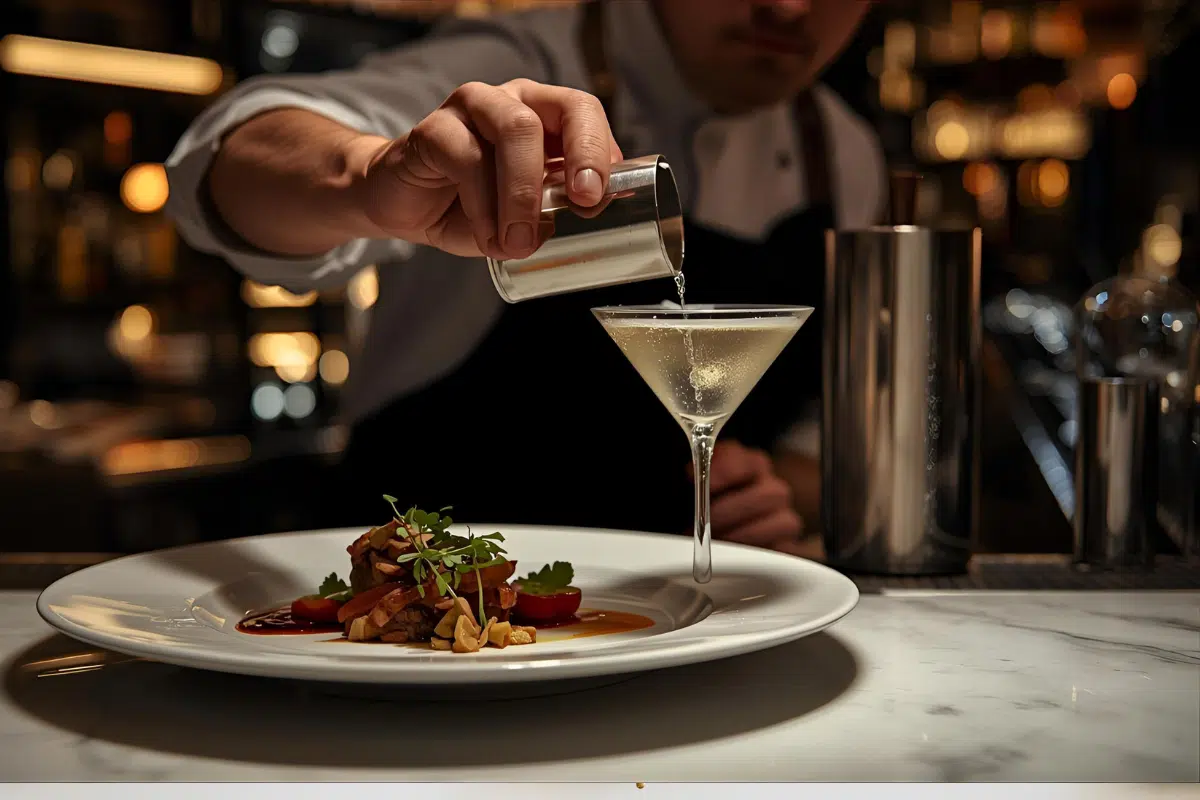
Restaurants and bars are putting more thought into beverages for customers who don’t want a traditional alcoholic drink. The trend extends beyond soda and fruit juice to include sophisticated zero-proof cocktails, botanical beverages, sparkling drinks, and lower-alcohol options. The National Restaurant Association’s latest culinary forecast specifically identifies low- and no-alcohol beverages as part of the growing interest in wellness and personalization. These drinks also allow restaurants to give non-drinking customers something that feels like part of the dining experience rather than an afterthought.
Fading: Dishes That Offer Variety Without a Clear Identity
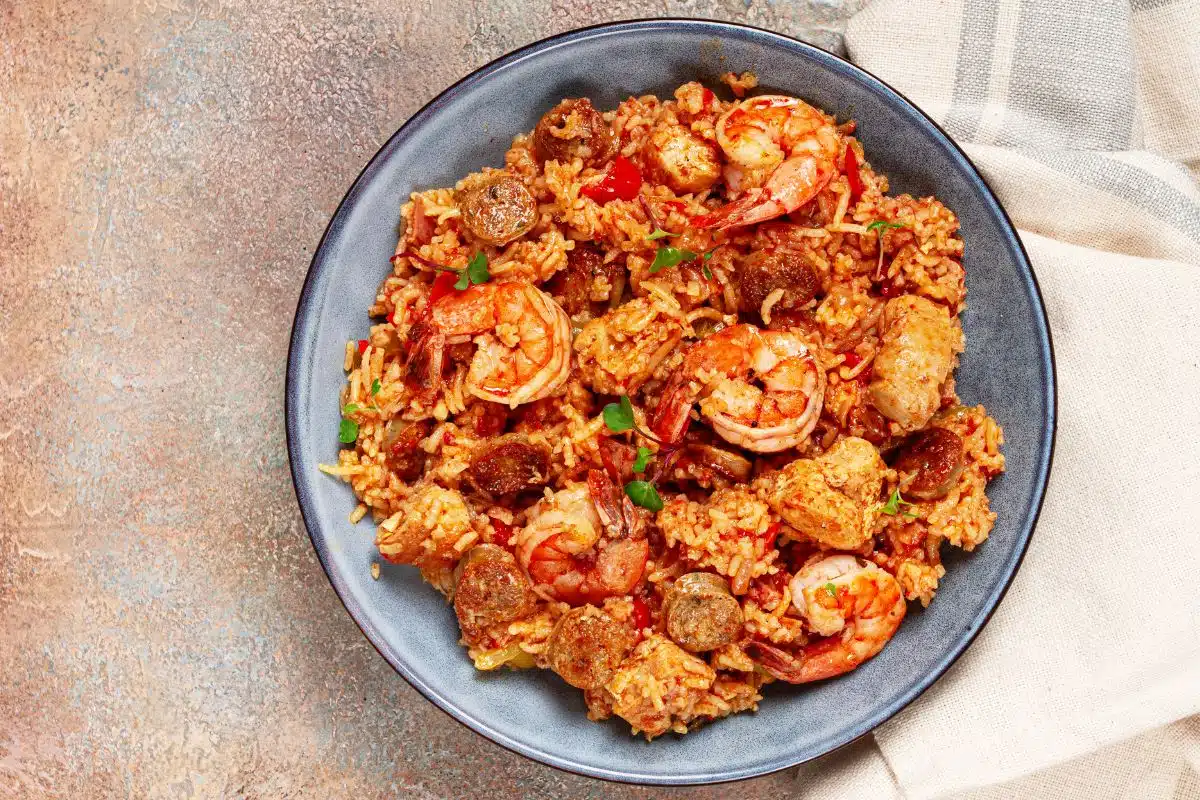
Restaurants are still offering combination plates and meals with multiple components, but simply putting several unrelated foods on one oversized plate isn’t necessarily enough anymore. Diners are increasingly responding to menus where the individual ingredients and flavors have a clear purpose. That doesn’t mean composed bowls, platters, or shared dishes are going away. Instead, the stronger trend is toward meals that combine complementary flavors and textures while still having a recognizable culinary point of view. This fits the larger shift toward menus that balance familiarity, global influence, quality, and value rather than trying to offer everything at once.
This post may contain affiliate links or sponsored content. Disclosure Policy