
Foods You’ve Been Storing Wrong Your Entire Life
You load up on groceries with the best intentions—but what happens after you get home matters just as much as what you buy. Storing food the wrong way can shorten shelf life, dull flavor, and even waste money. Surprisingly, many everyday staples are often kept in the worst possible place. Here are common foods you’ve probably been storing wrong—and how to fix it.
Tomatoes
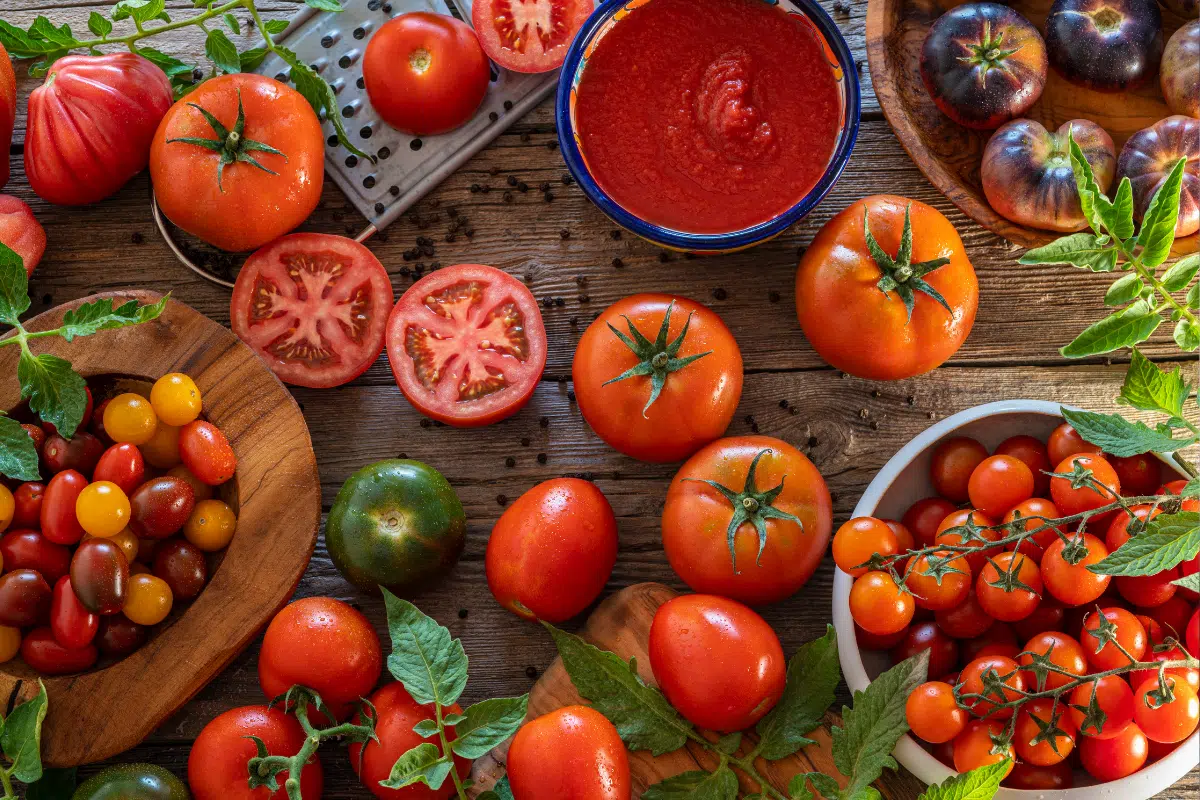
If you’re putting tomatoes in the refrigerator, you might be sacrificing flavor. Cold temperatures dull their natural sweetness and can make the texture mealy. Instead, store tomatoes at room temperature, stem-side down, and away from direct sunlight. Only refrigerate them if they’re fully ripe and you need to slow further ripening.
Bread
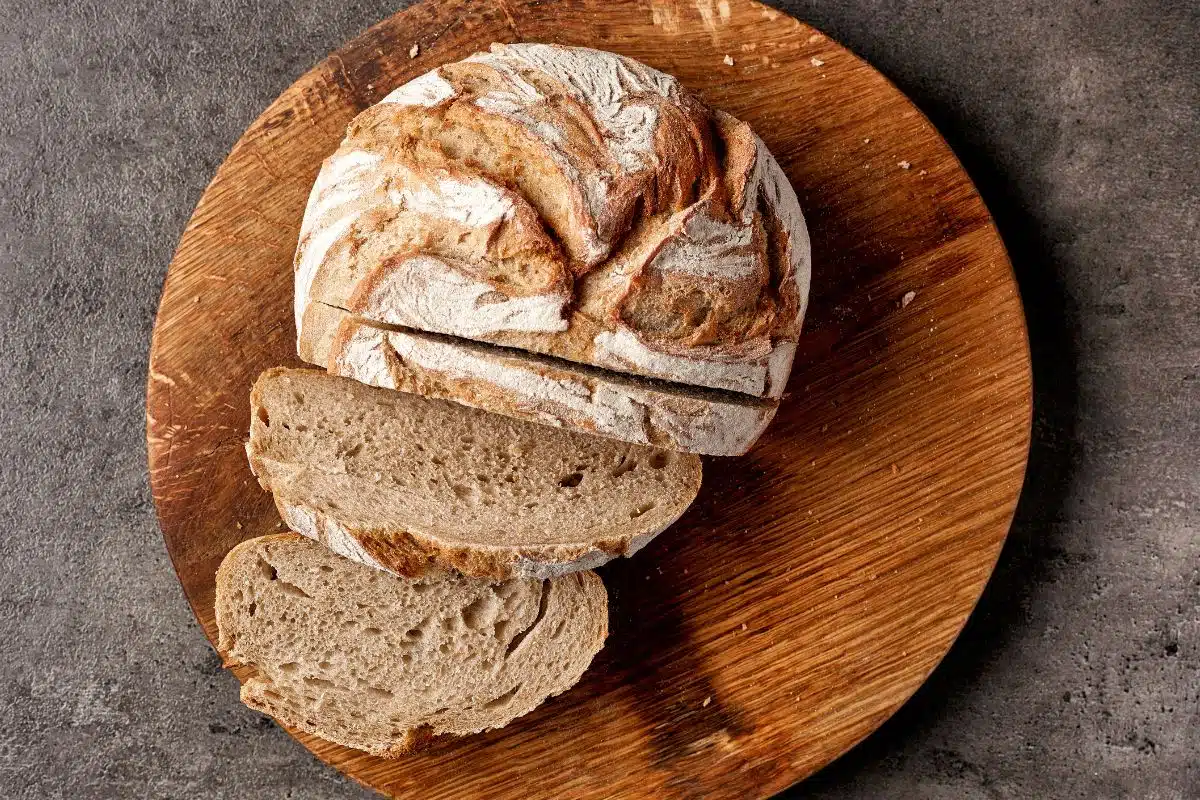
Refrigerating bread actually makes it stale faster. The cold air speeds up the crystallization of starches, which dries it out. For short-term storage, keep bread tightly wrapped at room temperature. If you won’t use it within a few days, freeze it and thaw slices as needed.
Potatoes
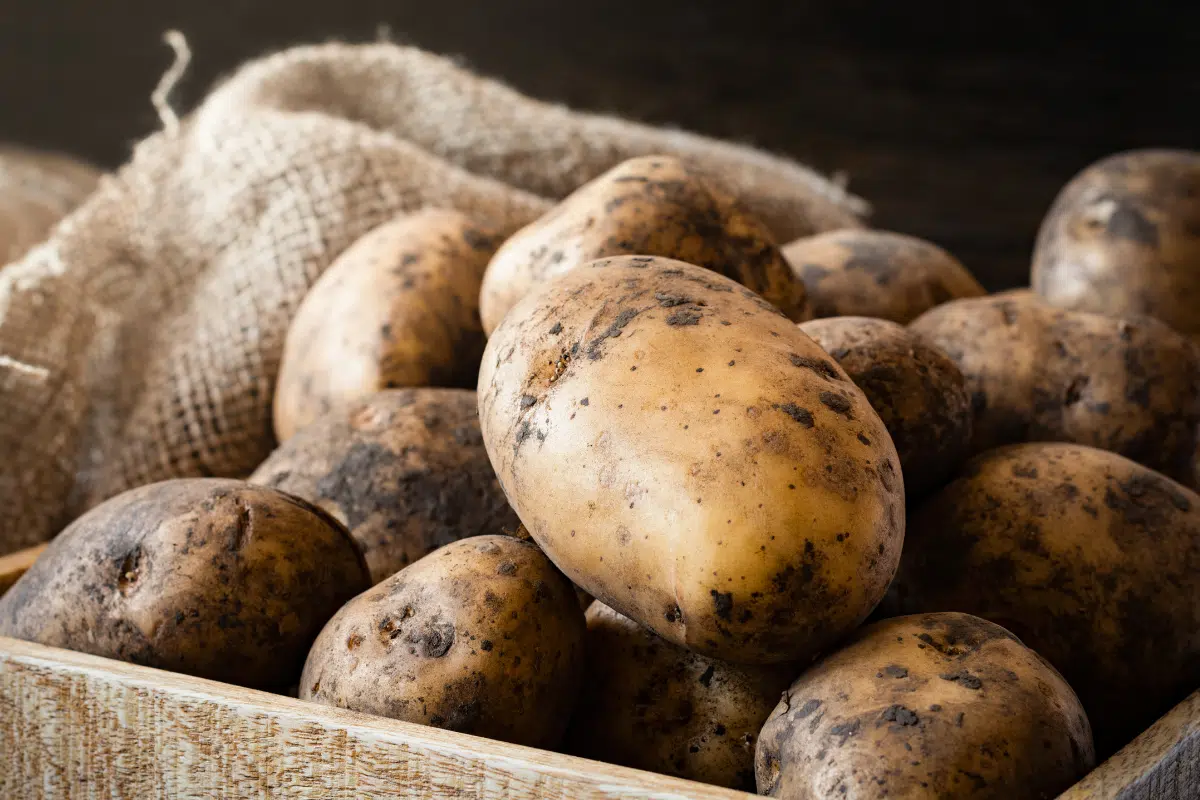
Potatoes and refrigerators don’t mix. Cold temperatures convert their starches into sugar more quickly, which can affect both flavor and texture during cooking. Store potatoes in a cool, dark, well-ventilated spot—like a pantry or cabinet. And keep them away from onions, which release gases that can cause faster spoilage.
Onions
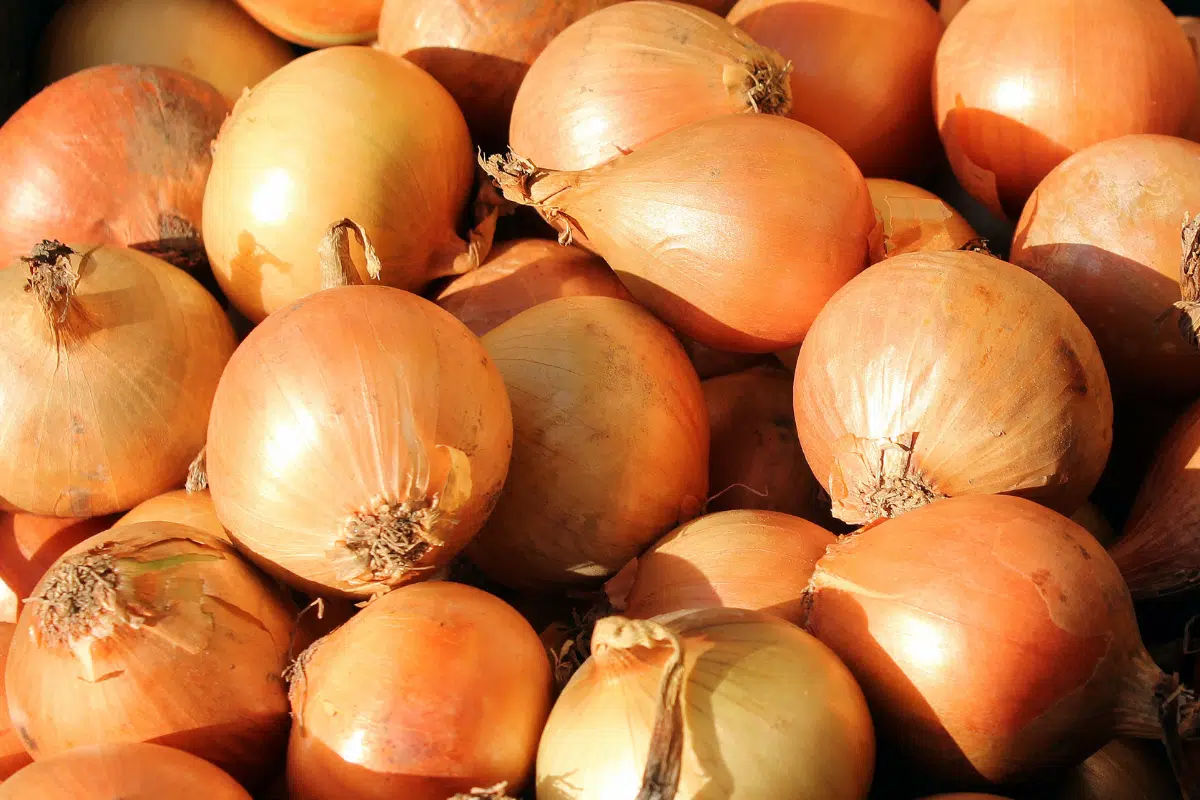
Whole onions need airflow to stay fresh. Storing them in plastic bags traps moisture and encourages mold. Instead, keep onions in a mesh bag or open basket in a cool, dry area. Once cut, however, they should be sealed tightly and refrigerated.
Garlic
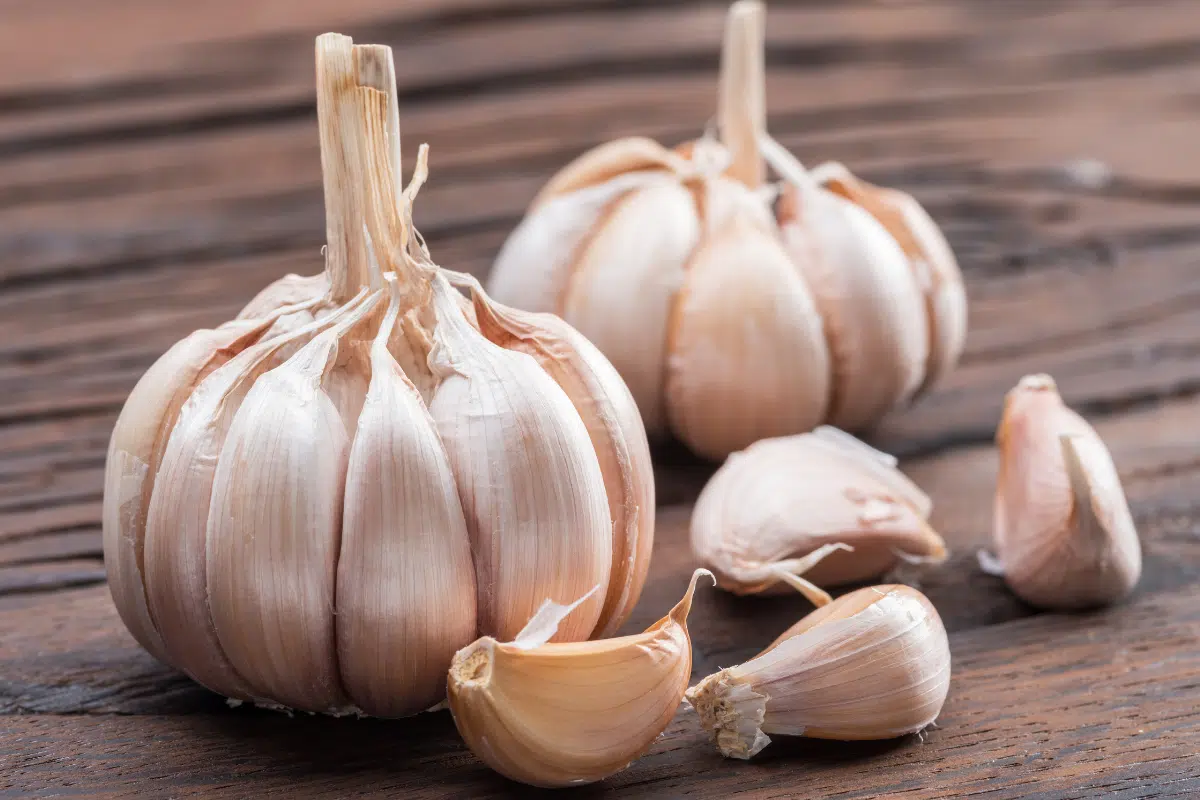
Garlic thrives in dry, ventilated conditions—not sealed containers. Keeping it in the fridge can lead to sprouting and rubbery cloves. Store whole garlic bulbs in a breathable container at room temperature. Once peeled or chopped, refrigerate in an airtight container and use within a few days.
Coffee
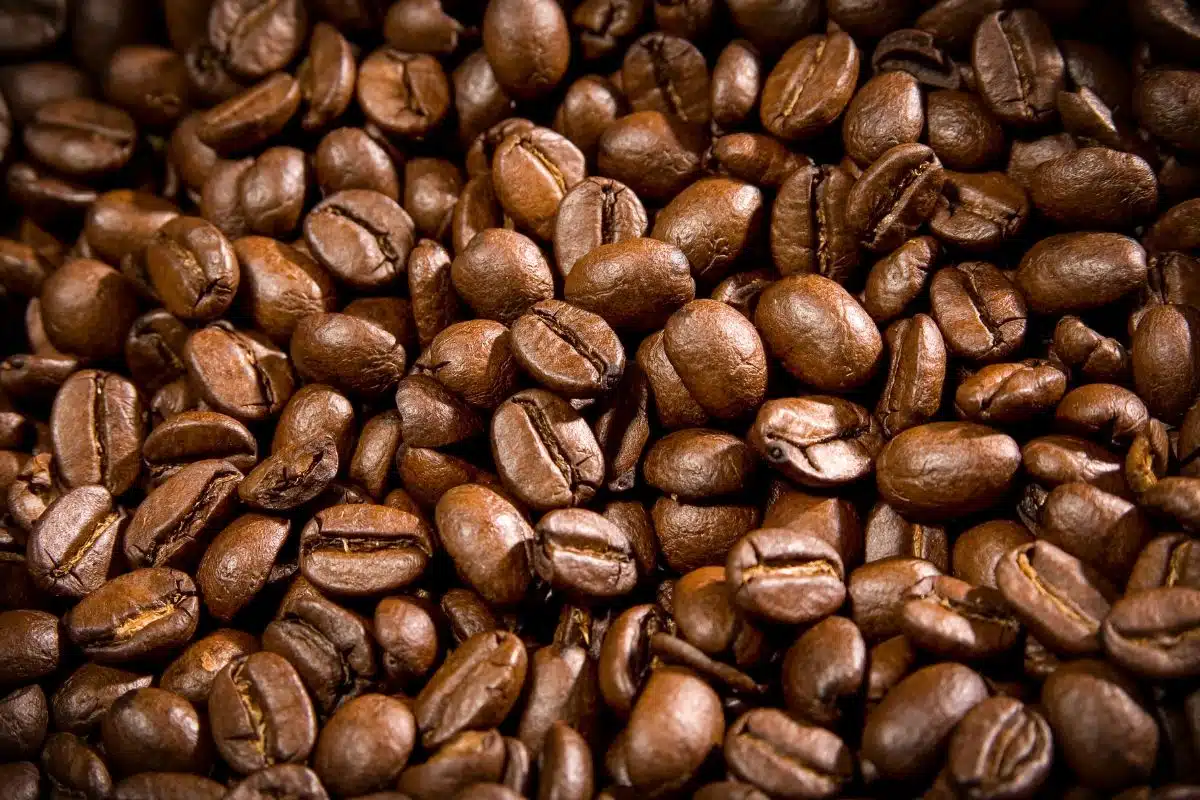
Many people store coffee in the fridge or freezer, but that can introduce moisture and absorb surrounding odors. Coffee beans and grounds are best kept in an airtight container in a cool, dark place. Exposure to air, light, and humidity is what truly diminishes freshness. Buy smaller quantities more often for the best flavor.
Honey

Honey never needs refrigeration. In fact, cold temperatures cause it to crystallize more quickly. Store honey tightly sealed at room temperature, away from direct sunlight. If it does crystallize, simply place the jar in warm water to restore its smooth texture.
Avocados
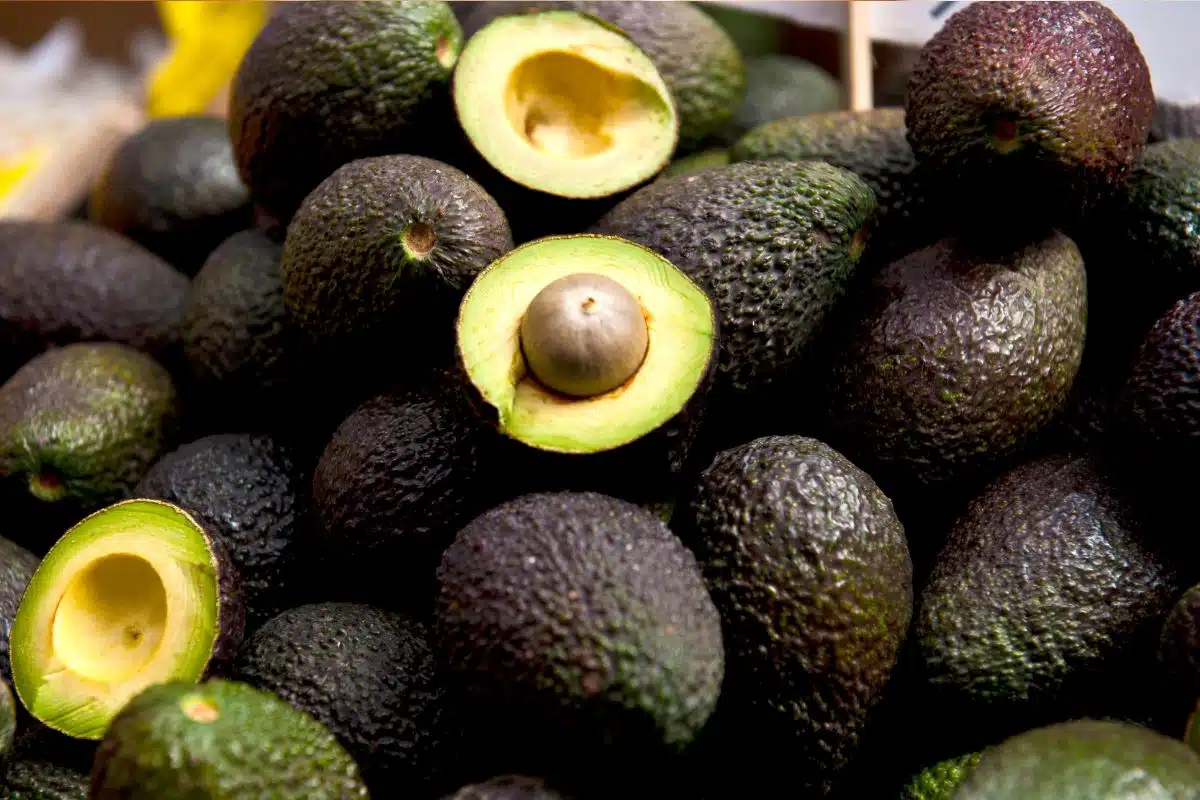
Unripe avocados should stay on the counter until they soften. Refrigerating them too soon can slow or halt the ripening process. Once ripe, however, the fridge helps extend their life by a few extra days. To store a cut avocado, keep the pit in place, brush the surface with lemon juice, and wrap tightly.
Nuts
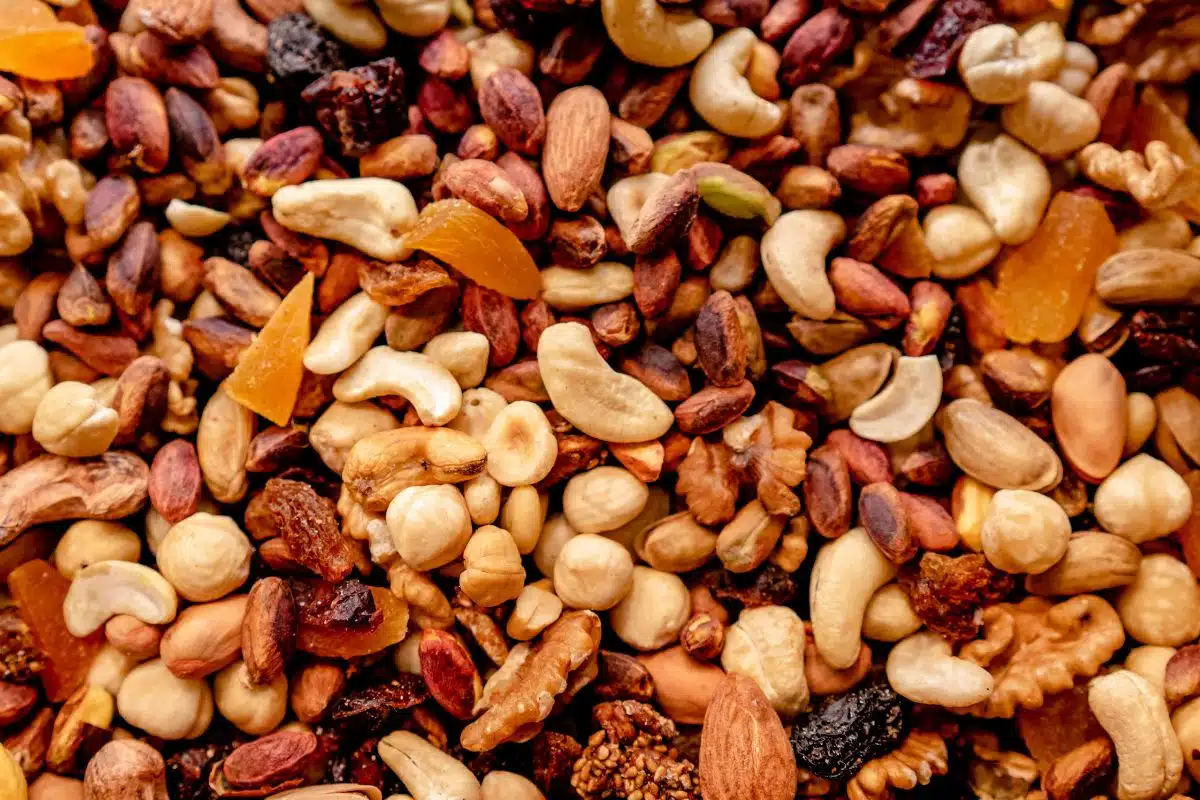
Nuts contain natural oils that can go rancid if stored improperly. Keeping them at room temperature for long periods exposes them to heat and light. For longer freshness, store nuts in airtight containers in the refrigerator or freezer. This helps preserve both flavor and nutritional quality.
Fresh Herbs
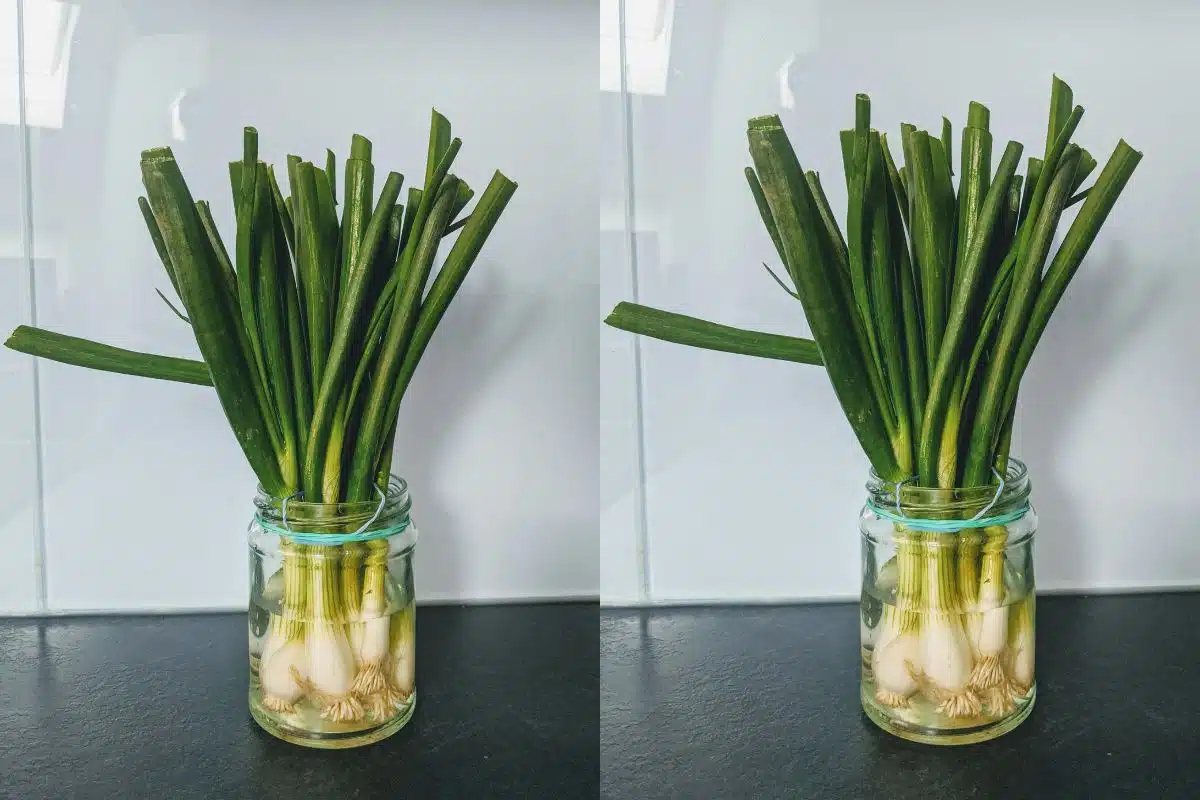
Fresh herbs often wilt quickly when left loose in the fridge. Instead, treat soft herbs like parsley and cilantro like flowers—trim the stems and place them in a jar with water, loosely covered. Hard herbs like rosemary and thyme do best wrapped in a slightly damp paper towel inside a container. Proper storage can extend their life by several days.
This post may contain affiliate links or sponsored content. Disclosure Policy