Food Expiration Dates Explained – What ‘Best By’ Really Means Will Surprise You
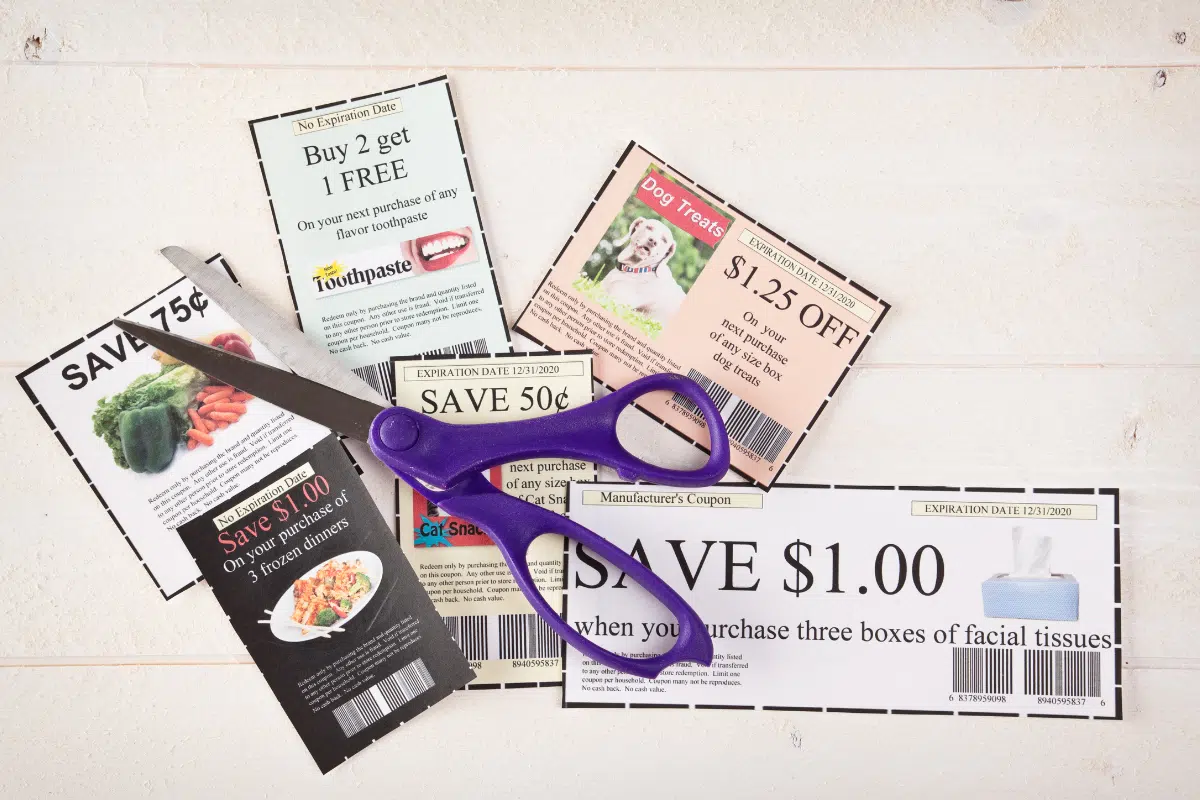
If you’ve ever tossed perfectly good food because of a date stamped on the package, you’re not alone. Confusing labels like “Best By,” “Use By,” and “Sell By” cause millions of households to throw away safe, edible food every year. The truth? Most expiration dates aren’t actually about safety. Here’s what those labels really mean—and how to tell when food is truly past its prime.
“Best By” Doesn’t Mean “Bad After”
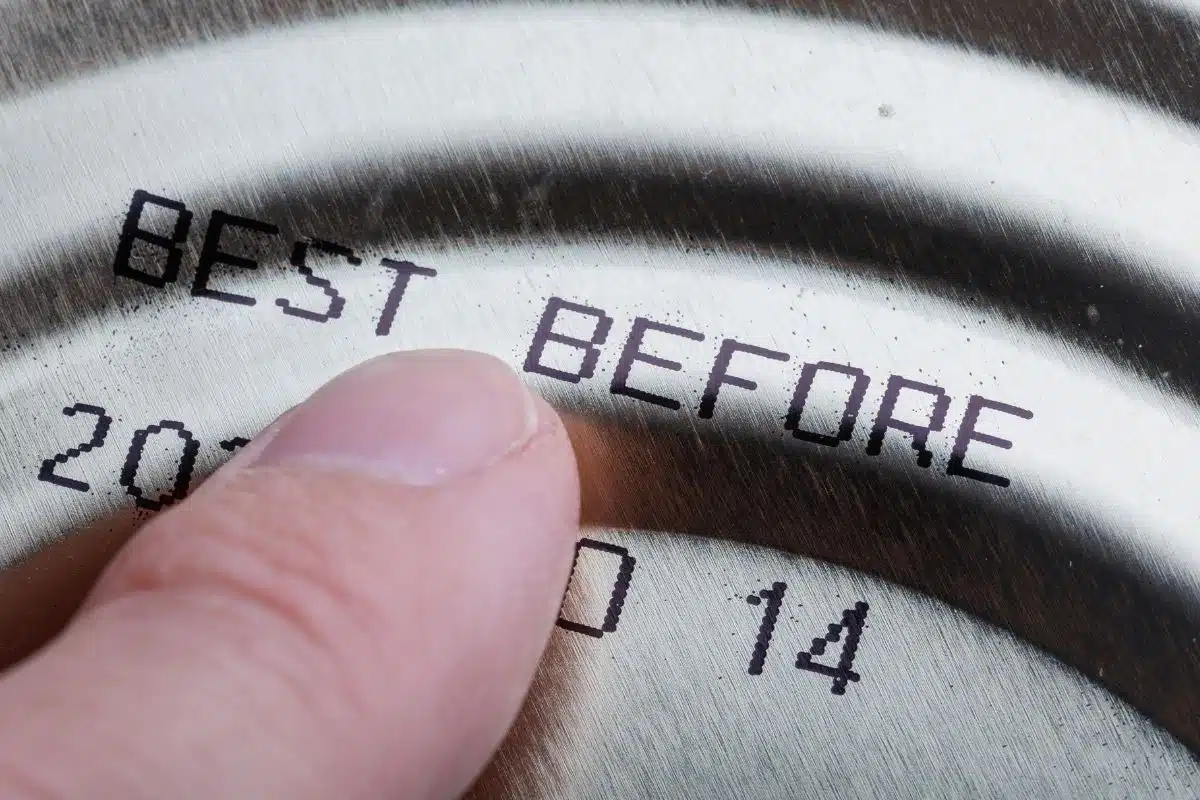
“Best By” refers to peak quality, not safety. After that date, the food may gradually lose flavor, texture, or freshness—but it’s often still perfectly safe to eat. A box of crackers might go stale, not dangerous. Many people mistakenly treat this as a strict expiration deadline.
“Sell By” Is for Stores, Not You
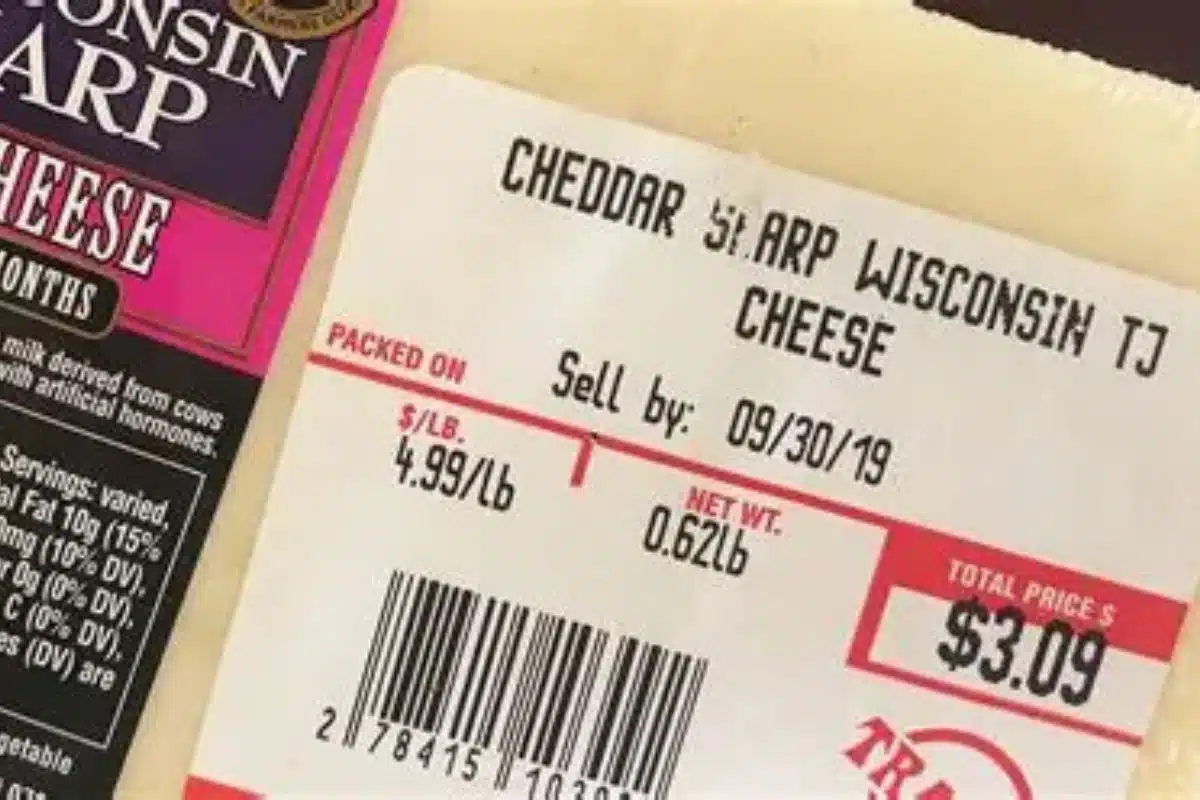
“Sell By” dates are meant to help retailers rotate stock. It tells the store how long to display the item for sale, not when you must throw it away. Most products remain safe well after this date if stored properly. Consumers often misinterpret it as a safety warning when it isn’t.
“Use By” Is the Most Serious Label
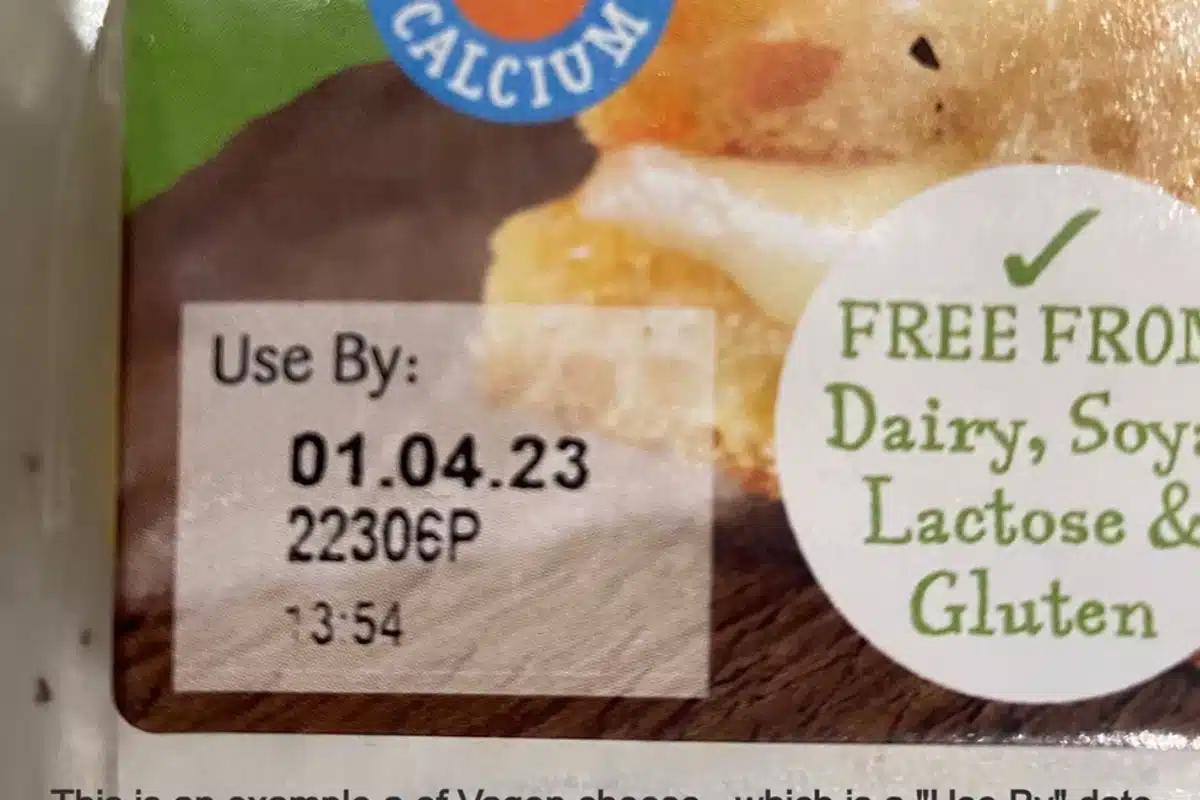
“Use By” is usually the manufacturer’s last recommended date for peak quality and, in some cases, safety. It’s commonly seen on perishable items like dairy, meat, and prepared foods. Even then, proper refrigeration matters more than the printed date. Always combine the label with common sense.
Infant Formula Is the Exception
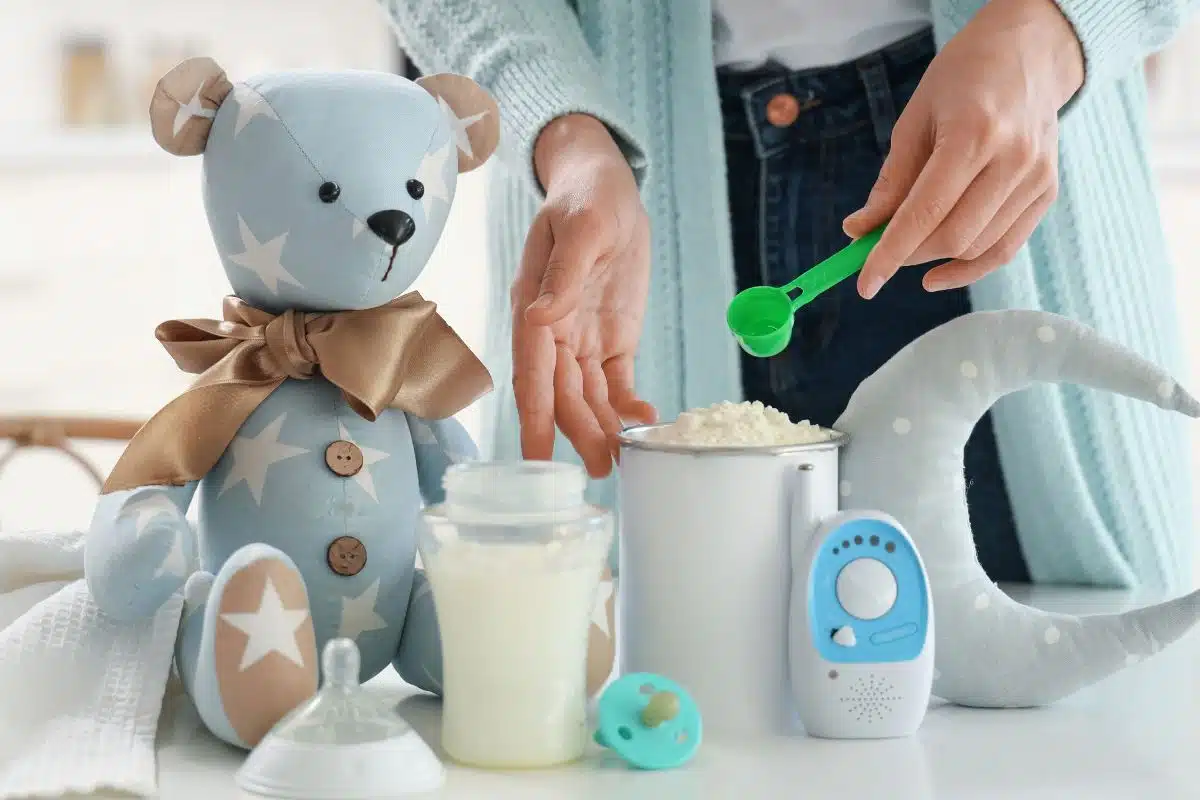
Infant formula is one of the only products in the U.S. required by federal regulation to carry a true expiration date. After that date, nutrient levels may no longer be guaranteed. This is not an area to take chances. Always follow the printed expiration date strictly for formula.
Eggs Often Last Longer Than You Think
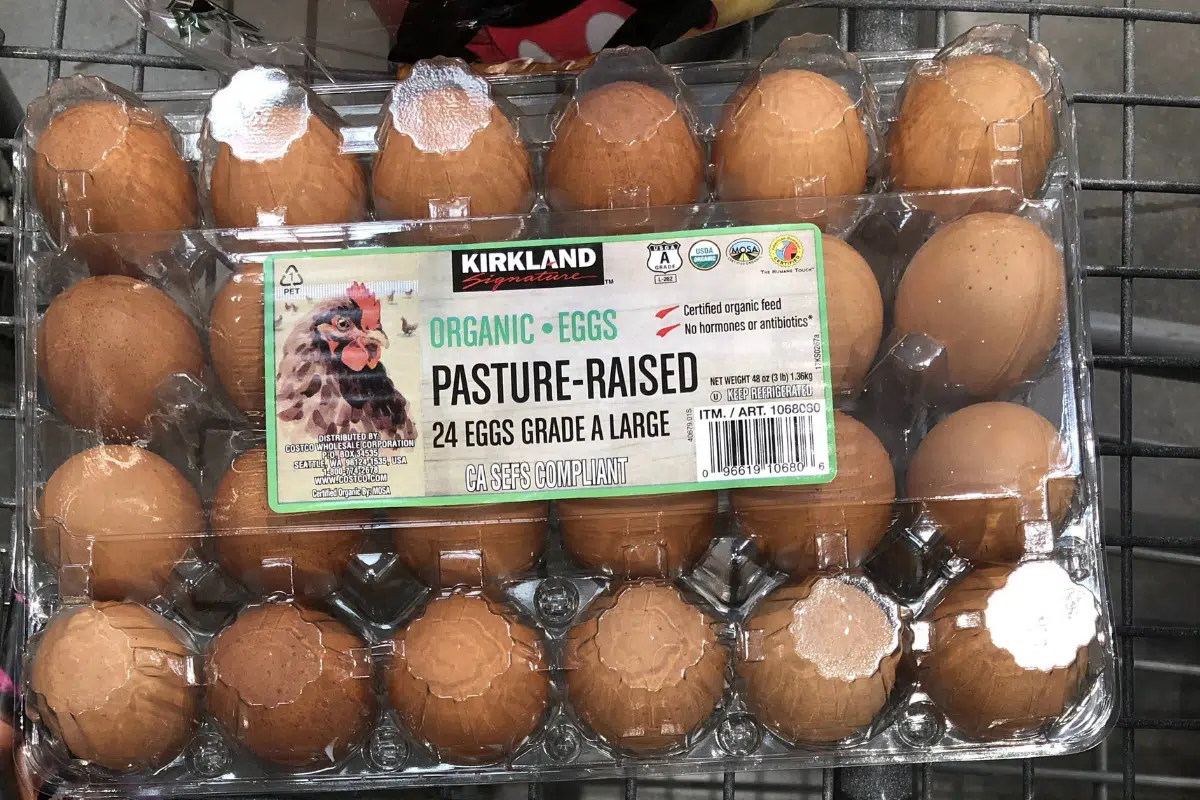
Egg cartons usually have a “Sell By” date, but eggs can remain fresh for 3–5 weeks when refrigerated. A simple float test can help: fresh eggs sink in water, older eggs float. As long as they don’t smell bad when cracked, they’re often still safe to use.
Canned Goods Can Last for Years
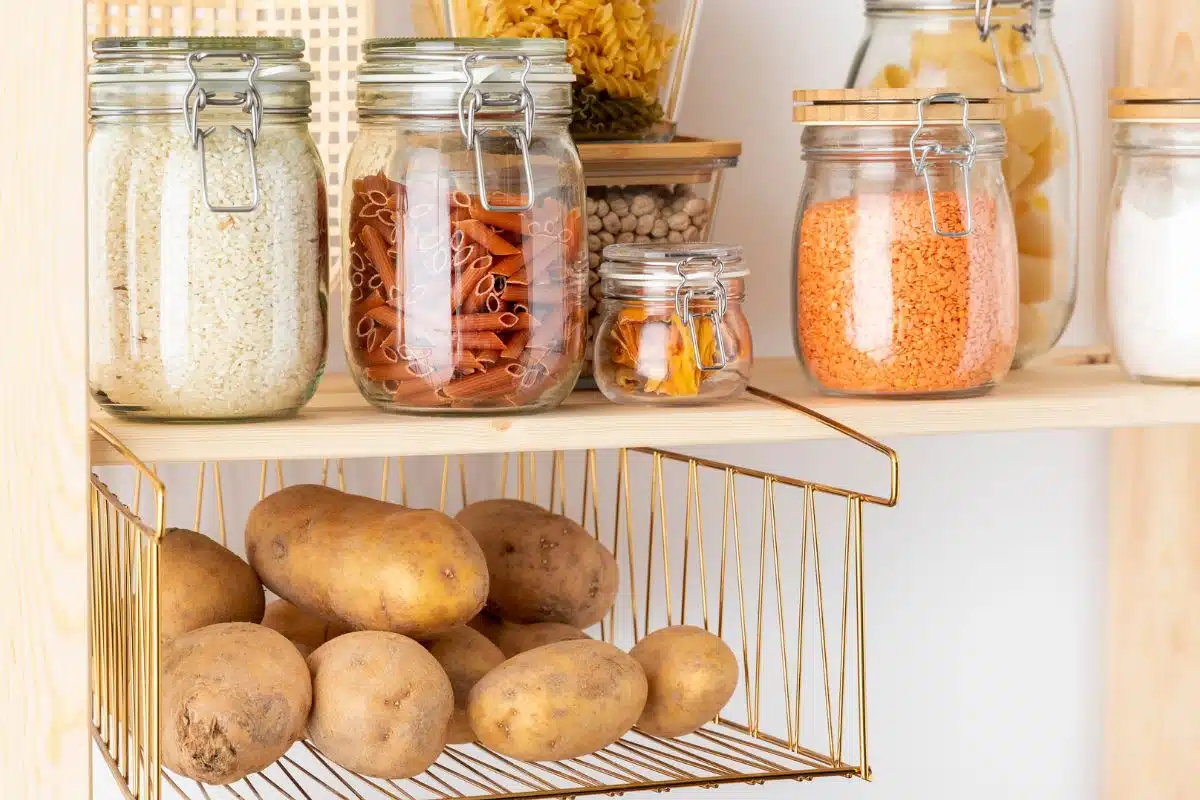
Low-acid canned foods like beans and vegetables can remain safe for years past the “Best By” date if the can is undamaged. High-acid foods like tomatoes may lose quality sooner but are still often edible beyond the date. The key warning signs are bulging, rusting, or leaking cans. When in doubt, don’t risk it.
Your Senses Matter More Than the Date

Sight, smell, and texture are powerful indicators. Spoiled food often has mold, a sour odor, sliminess, or unusual discoloration. If it looks and smells normal, it may still be fine—even if the date has passed. The label is a guideline, not a guarantee.
Freezing Extends Food Life Dramatically
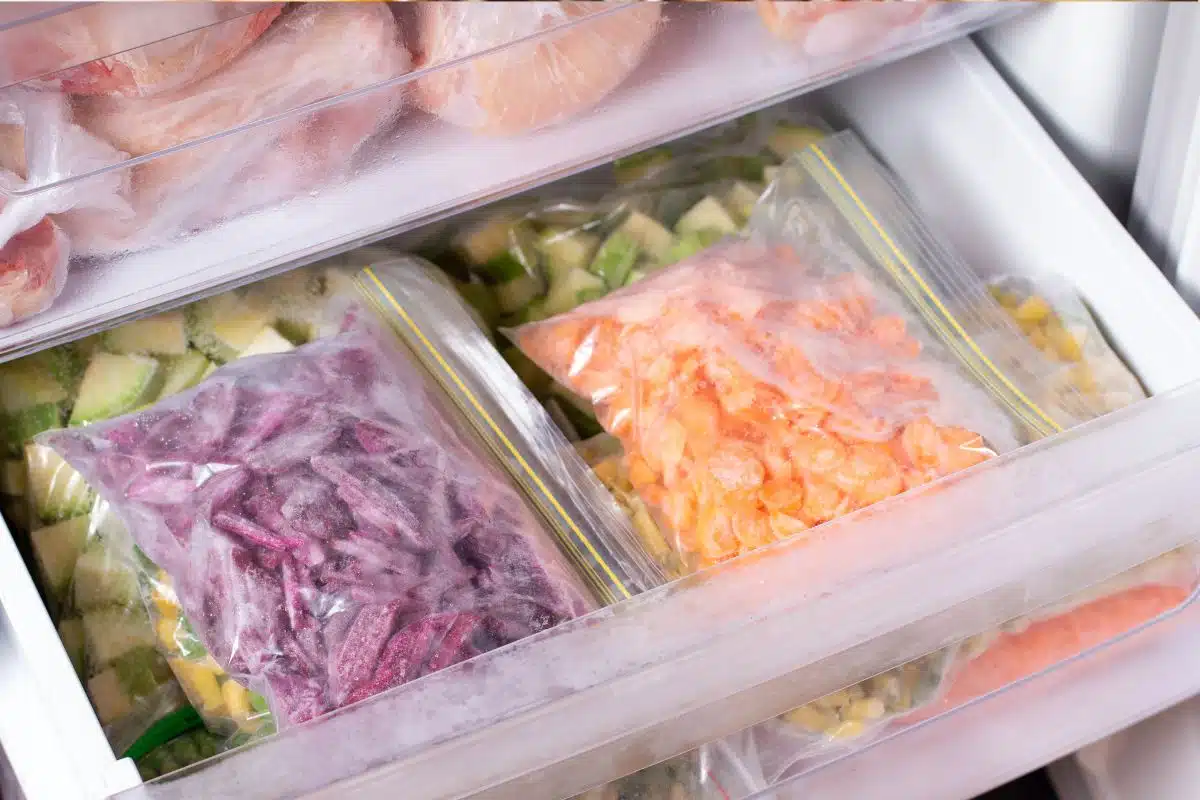
Freezing pauses bacterial growth and can keep food safe long past printed dates. Meat, bread, cheese, and leftovers can all be frozen before they reach their labeled date. While texture may change over time, safety is generally preserved when stored properly at 0°F.
Improper Storage Shortens Shelf Life
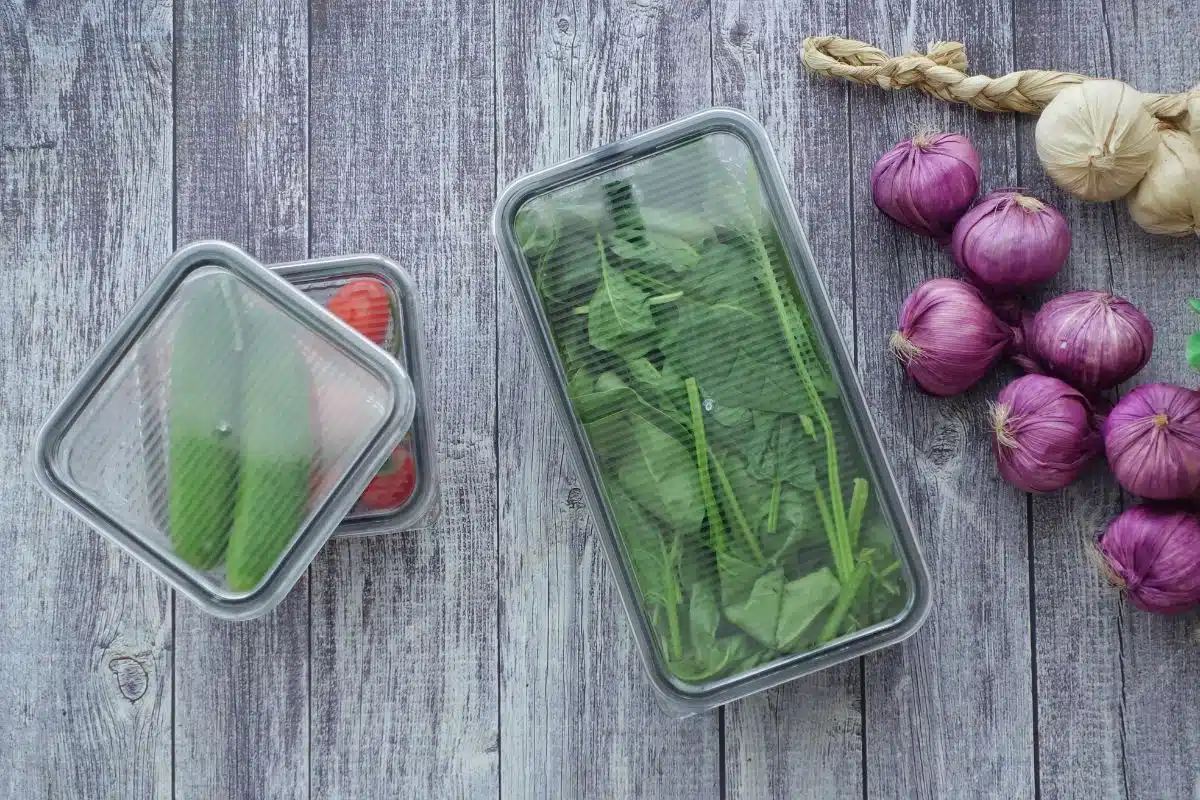
A product can spoil before its printed date if it isn’t stored correctly. Leaving milk in a warm car or frequently opening deli meat packaging accelerates spoilage. Always follow storage instructions on the label. Temperature control is critical for food safety.
Food Date Confusion Fuels Waste
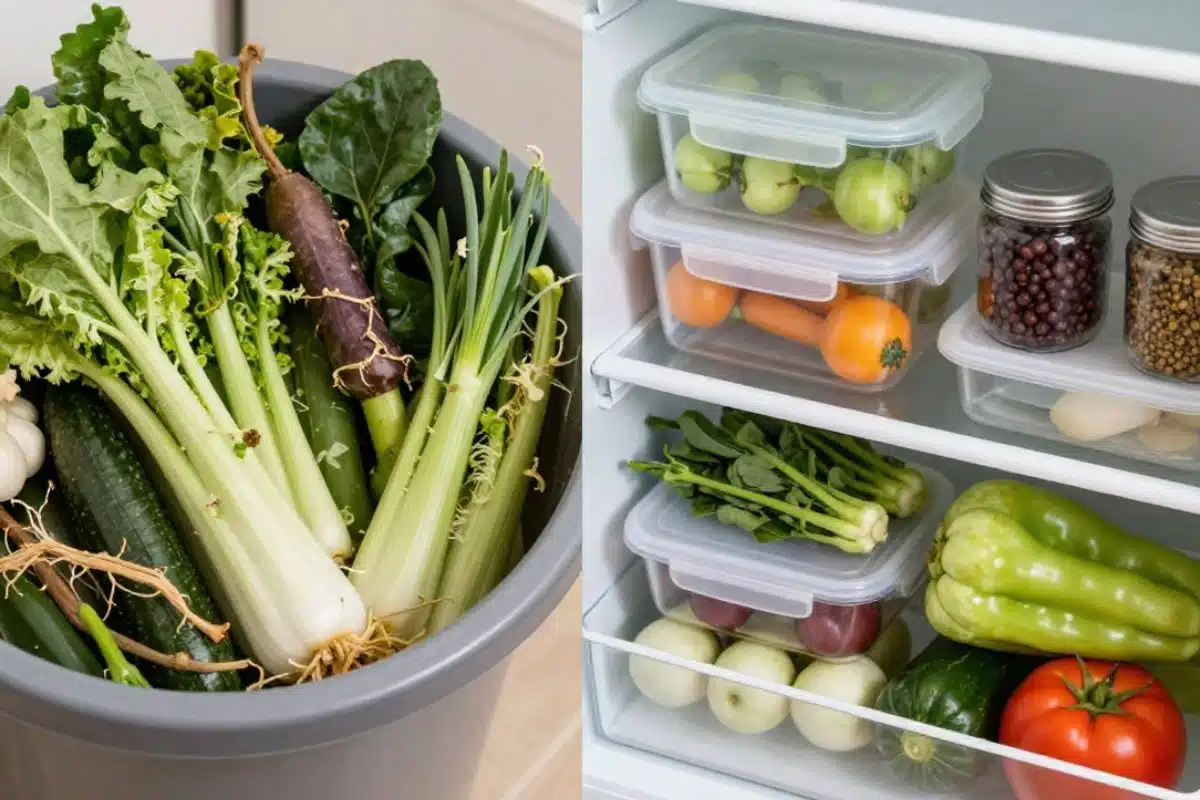
Americans waste billions of pounds of food each year, and date-label confusion is a major reason. Learning what these terms actually mean can save you money and reduce waste at home. Instead of automatically tossing food, check it carefully first. You might be surprised how much is still perfectly good.
This post may contain affiliate links or sponsored content. Disclosure Policy