Real Sugar vs. High-Fructose Corn Syrup: What’s the Difference?
Walk down any grocery store aisle, and you’ll find plenty of products advertising that they are made with “real sugar” or contain “no high-fructose corn syrup.” These labels can make one ingredient seem like the obvious better choice, but the truth is more complicated. Both sugar and high-fructose corn syrup are added sweeteners that provide calories and affect the body in similar ways when consumed in excess. The biggest differences come down to how they are made, where they are commonly used, and how they are processed by food manufacturers. Understanding the similarities and differences can help you make more informed choices the next time you shop.
Table Sugar Comes From Plants Like Sugar Cane and Sugar Beets

Table sugar, also known as sucrose, is a sweetener that comes primarily from sugar cane and sugar beets. During processing, the natural sugars from these plants are extracted, purified, and crystallized into the familiar white granules found in kitchens around the world. Sucrose is made of two simple sugars: glucose and fructose, which are bonded together. When you eat sugar, your body breaks that bond apart during digestion so it can absorb the individual sugars. While sugar can fit into a balanced diet, eating large amounts regularly can contribute to excess calorie intake and health concerns.
High-Fructose Corn Syrup Is Made From Corn Starch
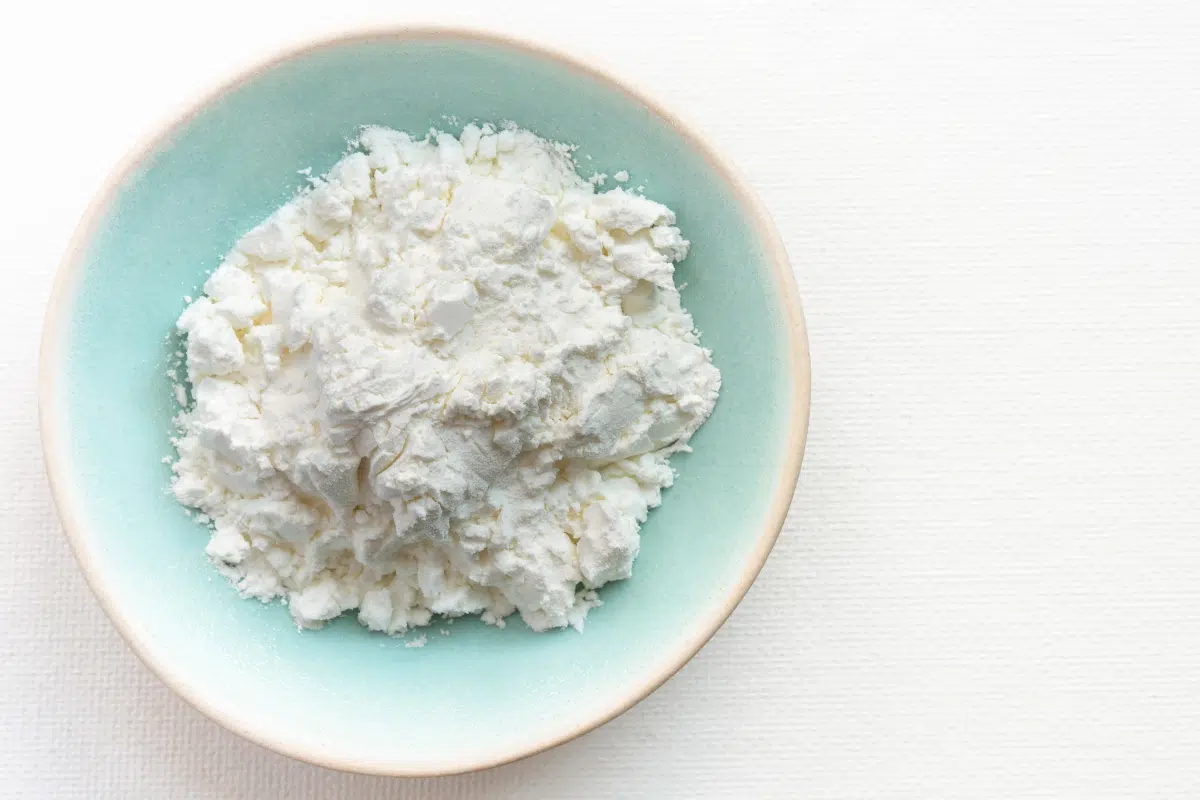
High-fructose corn syrup (HFCS) is a liquid sweetener made from corn starch. Manufacturers convert some of the glucose in corn syrup into fructose using enzymes, creating a sweeter product that is easier to blend into many foods and beverages. HFCS comes in different varieties, with HFCS-55 (about 55% fructose) commonly used in soft drinks and HFCS-42 (about 42% fructose) often used in baked goods, sauces, and processed foods. Its liquid form and affordability have made it a popular ingredient in many packaged products.
The Main Chemical Difference Is the Sugar Structure
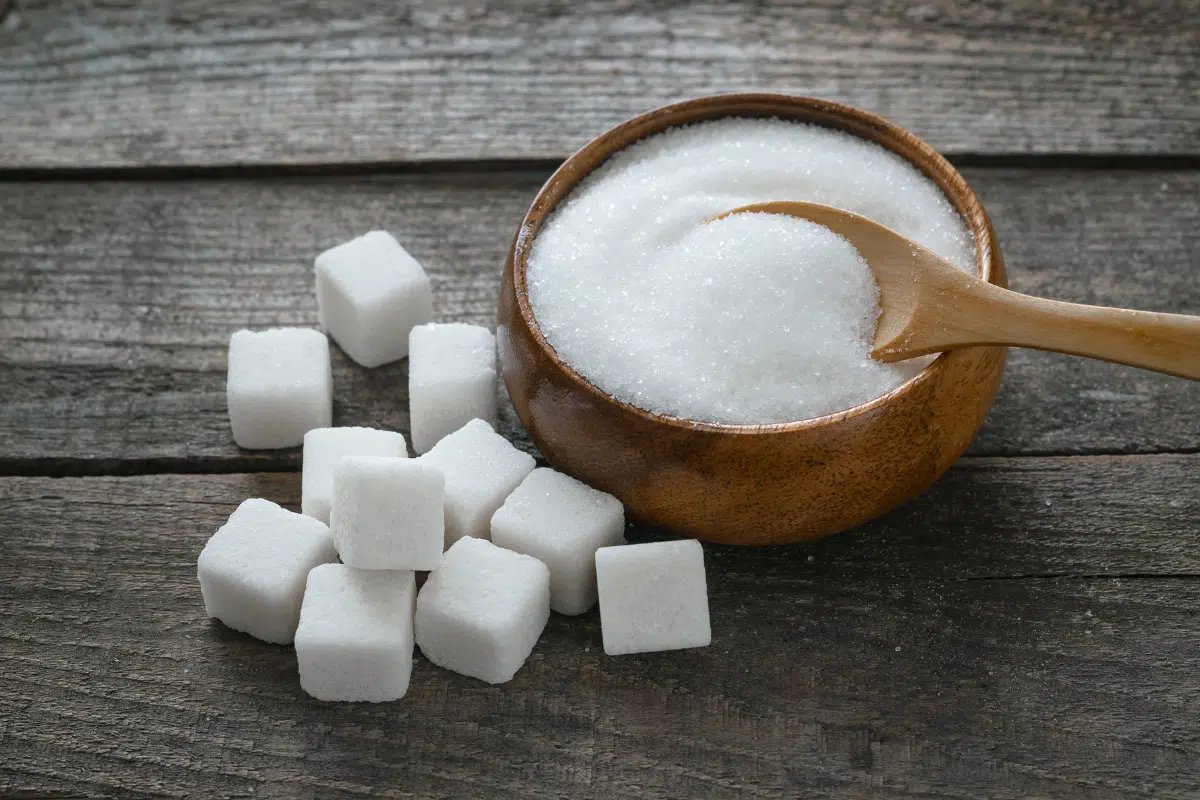
The biggest difference between table sugar and high-fructose corn syrup is how their glucose and fructose molecules are arranged. Table sugar contains equal parts glucose and fructose that are chemically bonded together, while HFCS contains separate glucose and fructose molecules mixed in a liquid solution. Despite this difference, both sweeteners deliver similar types of sugars to the body after digestion. Research has not shown that moderate amounts of HFCS have dramatically different effects on the body compared with an equal amount of table sugar.
Both Sweeteners Add Calories Without Many Nutrients
Neither table sugar nor high-fructose corn syrup provides significant vitamins, minerals, fiber, or other nutrients. They are considered sources of added sugar, which means they are added to foods and drinks during processing or preparation. Foods with added sugars can contribute extra calories without helping you feel full for long. Health experts generally recommend limiting added sugar intake, regardless of whether it comes from sugar, HFCS, or another sweetener.
High-Fructose Corn Syrup Became Common in Processed Foods

High-fructose corn syrup became widely used by food manufacturers because it is inexpensive, stable, and easy to mix into recipes. It became especially common in soft drinks, cereals, baked goods, condiments, and snack foods. In recent years, some companies have reformulated products to use cane sugar or other sweeteners in response to consumer demand. However, replacing HFCS with another added sugar does not automatically make a product healthier if the overall sugar content remains high.
“Made With Real Sugar” Does Not Always Mean Healthier
Many products highlight “real sugar” on their packaging because consumers often view it as a more natural ingredient. While cane sugar or beet sugar may sound more appealing, it is still an added sugar that the body processes similarly. A soda made with cane sugar instead of HFCS is still a sugary drink with a high amount of added sugar. When comparing products, it is often more helpful to look at the total grams of added sugar, serving size, and overall nutrition facts rather than focusing on one ingredient alone.
Your Body Processes Both Sweeteners in Similar Ways

Once digested, both table sugar and HFCS provide glucose and fructose that the body uses for energy. Glucose is used throughout the body for fuel, while fructose is primarily processed by the liver. The health impact depends largely on how much added sugar a person consumes over time. Small amounts occasionally are generally different from regularly consuming large quantities through sugary drinks, desserts, and processed foods.
Food Labels Can Help You Spot Added Sugars
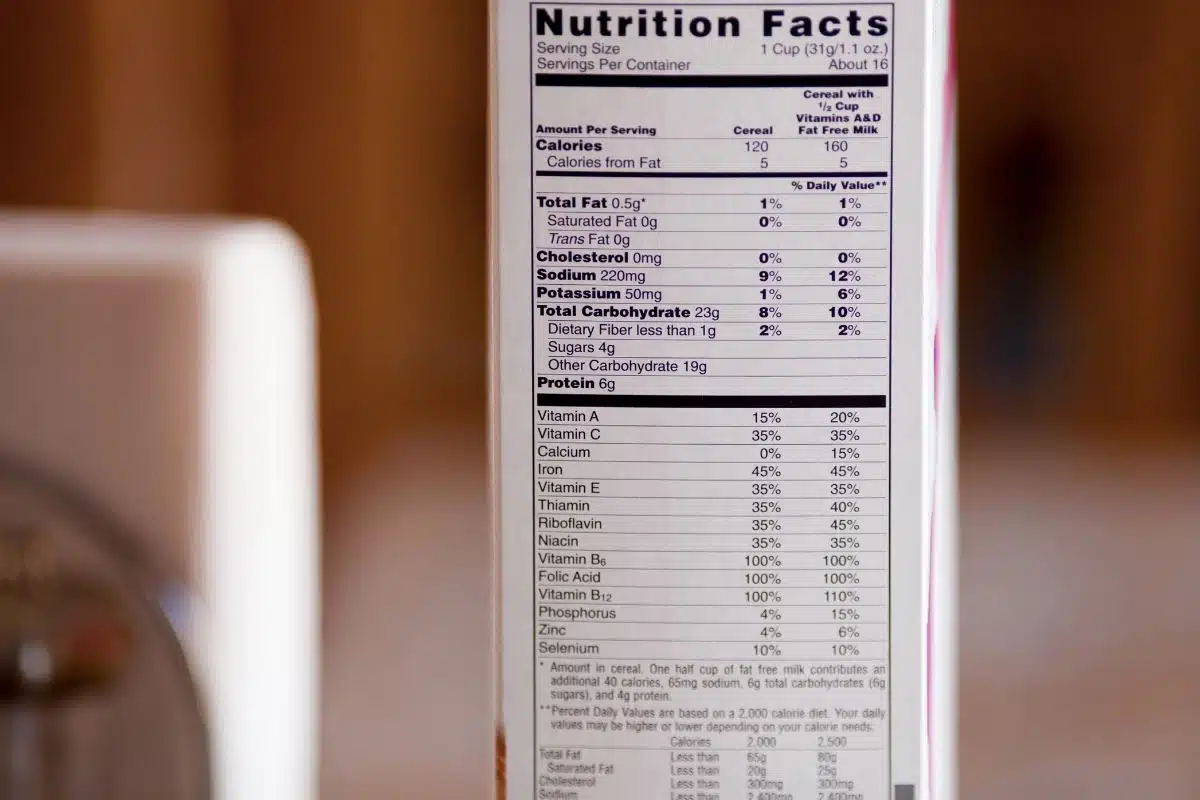
Reading nutrition labels is one of the easiest ways to understand how much added sugar is in a product. Ingredients may list added sugars under names such as cane sugar, sucrose, corn syrup, HFCS, honey, maple syrup, or other sweeteners. The Nutrition Facts label separates total sugars from added sugars, making it easier to see how much sweetness comes from ingredients added during manufacturing. Comparing similar products can help you choose options that better fit your dietary goals.
Reducing Added Sugar Matters More
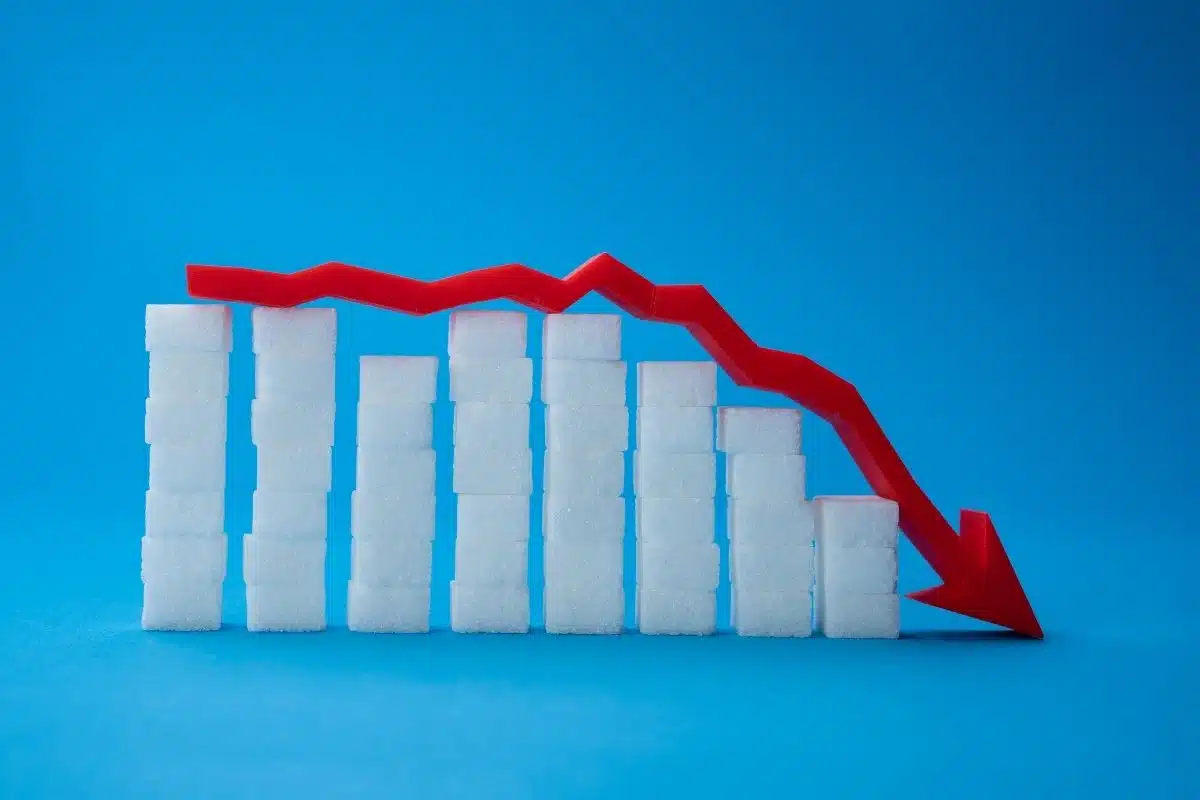
For most people, the bigger nutrition concern is not whether a product contains table sugar or high-fructose corn syrup, but how much added sugar they consume overall. Both sweeteners can be enjoyed occasionally, but frequent high intake may contribute to health issues such as weight gain and increased risk of chronic disease. Choosing more whole foods, drinking fewer sugary beverages, and paying attention to portion sizes are practical ways to reduce added sugar. The best choice is often the product with less added sugar overall—not necessarily the one with a specific sweetener.
The Bottom Line: Sugar and HFCS Are More Similar Than Many Think
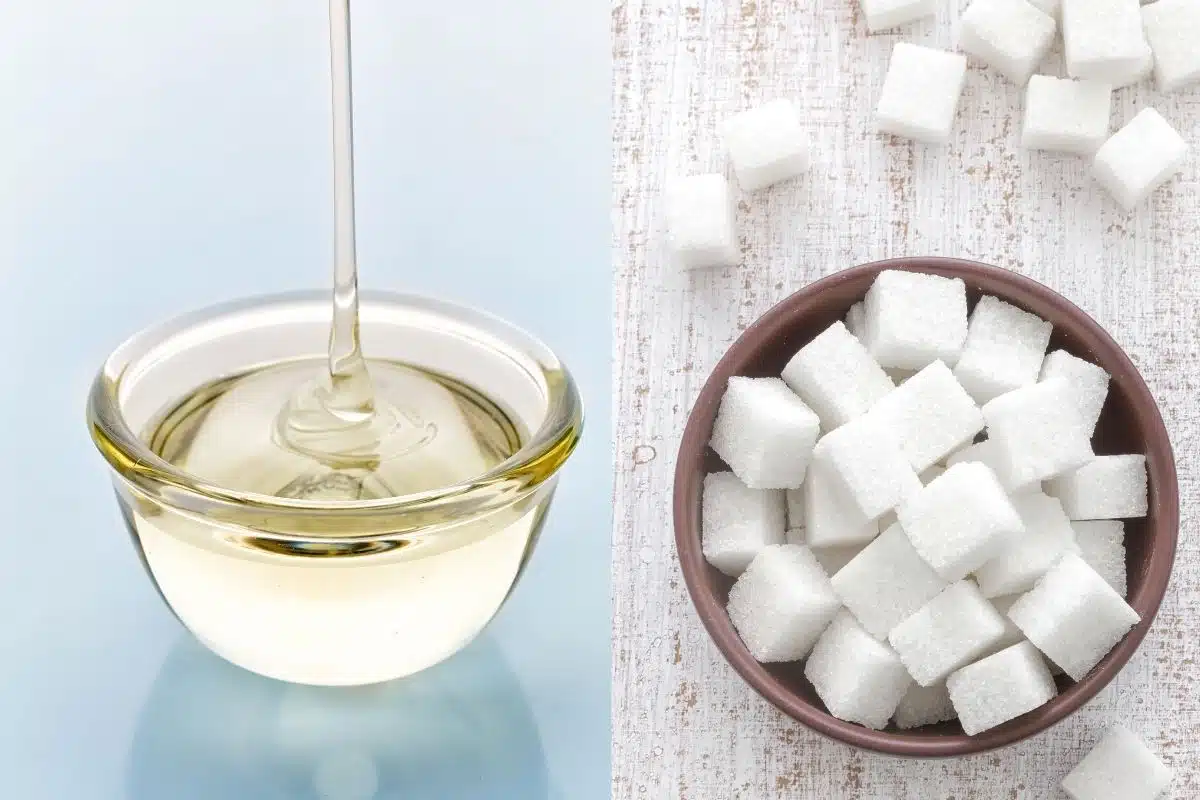
Table sugar and high-fructose corn syrup have different origins and chemical structures, but both are added sweeteners that provide similar calories and sugars. Neither one is a “healthy” ingredient when consumed in excess. Rather than focusing only on whether a product contains real sugar or HFCS, consider the entire food, its nutrition facts, and how often you consume it. Understanding the difference can help you make smarter choices without falling for confusing food labels.
This post may contain affiliate links or sponsored content. Disclosure Policy