6 Reasons Why Potato Peels Belong in Your Garden Instead of the Trash
Most people toss potato peels into the garbage without giving them a second thought. However, these kitchen scraps can be surprisingly useful in the garden, helping to enrich soil, support beneficial organisms, and even reduce household waste. While potato peels aren’t a miracle gardening solution, they can become a valuable resource when used properly. Here are six practical reasons to save your potato peels instead of sending them to the landfill.
They Add Valuable Nutrients to Compost
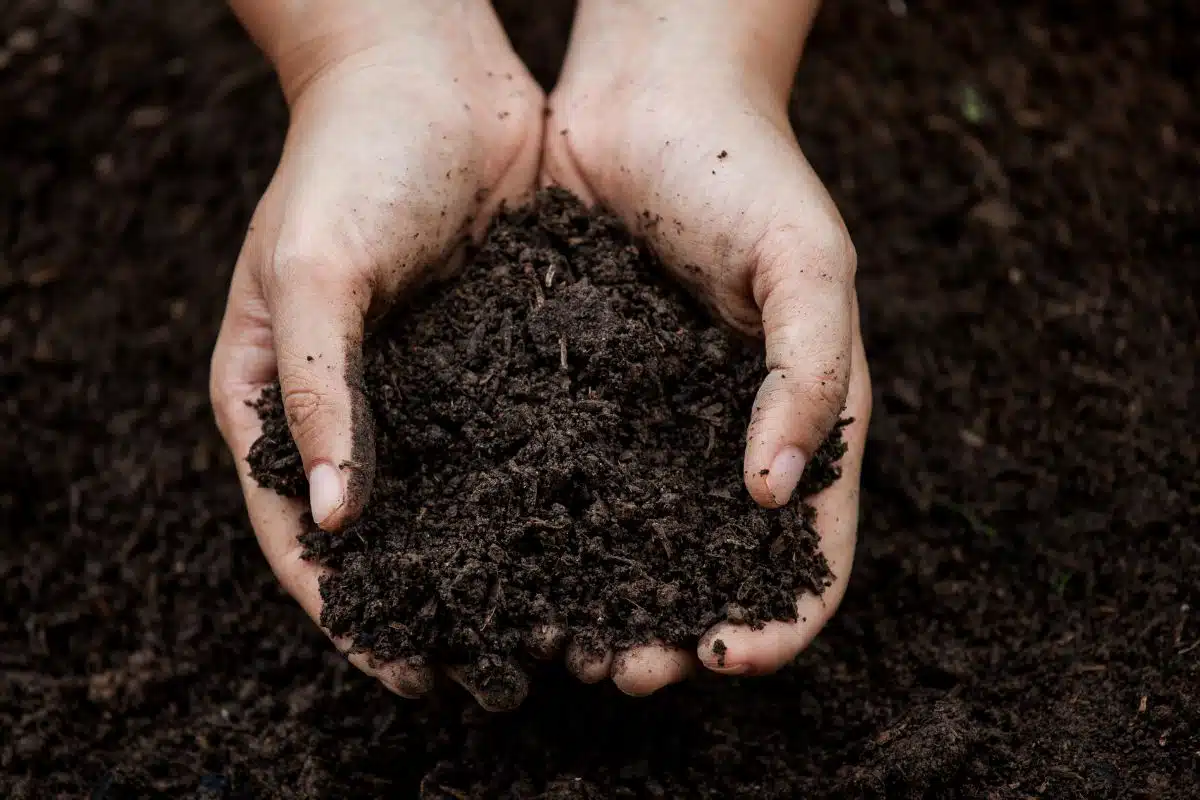
Potato peels are considered a “green” compost material because they contain nitrogen, which helps fuel the decomposition process. They also contribute small amounts of potassium, phosphorus, magnesium, and other nutrients that plants need to grow. When mixed with carbon-rich materials like dried leaves, shredded paper, or straw, potato peels break down into nutrient-rich compost that can improve soil structure and fertility.
They Help Feed Earthworms
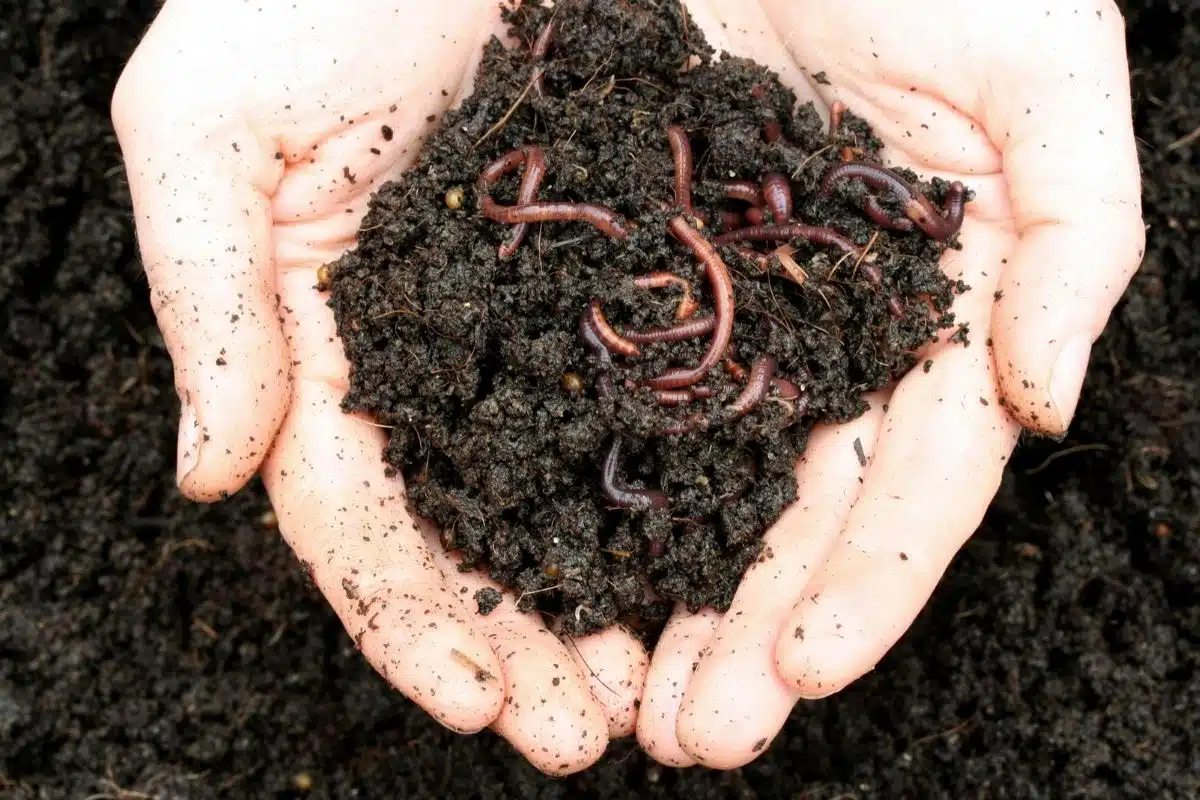
Healthy garden soil depends on a thriving population of earthworms, and decomposing organic matter provides an important food source for them. Potato peels naturally soften as they break down, making them easier for worms and beneficial microorganisms to consume. As worms process organic material, they leave behind nutrient-rich castings that improve soil aeration, drainage, and overall plant health.
They Can Be Used to Make Compost Tea
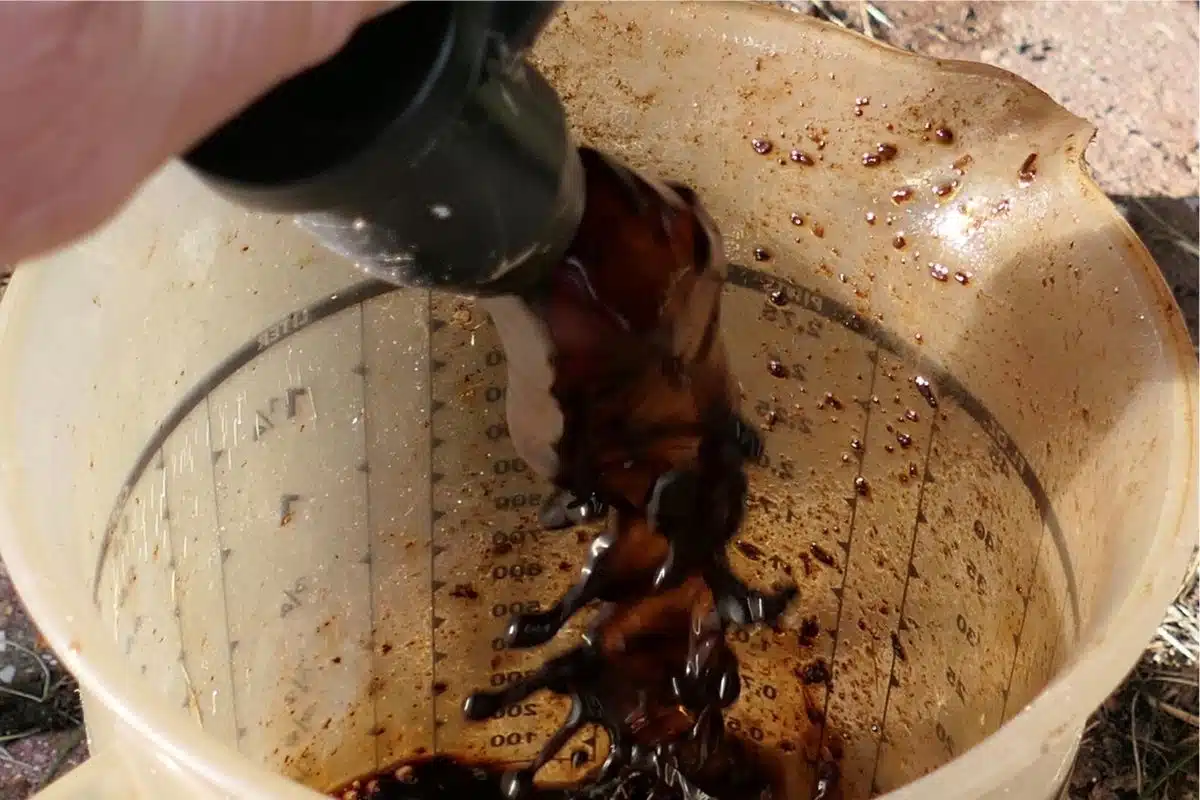
Some gardeners soak potato peels in water for a day or two to create a mild compost tea that can be poured around ornamental plants or added to compost piles. While this liquid isn’t a complete fertilizer, it may contain small amounts of nutrients released during soaking. Most gardening experts recommend using it as a supplement rather than a replacement for balanced fertilizers or finished compost.
They Reduce Kitchen Waste
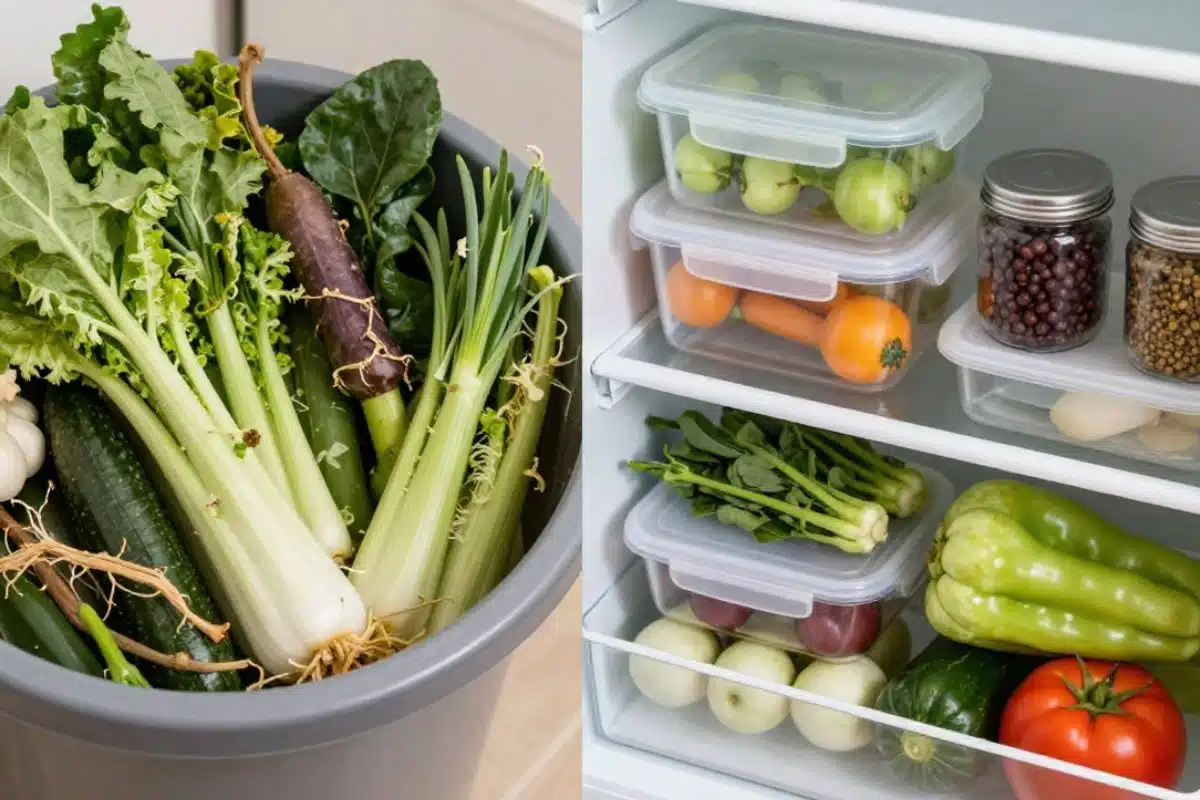
Food scraps make up a significant portion of household waste, and composting potato peels is a simple way to reduce what ends up in landfills. Recycling organic materials back into your garden supports a more sustainable gardening routine while reducing methane emissions associated with food waste in landfills. Even small changes in how kitchen scraps are managed can make a positive environmental impact over time.
They Can Improve Soil Quality Over Time
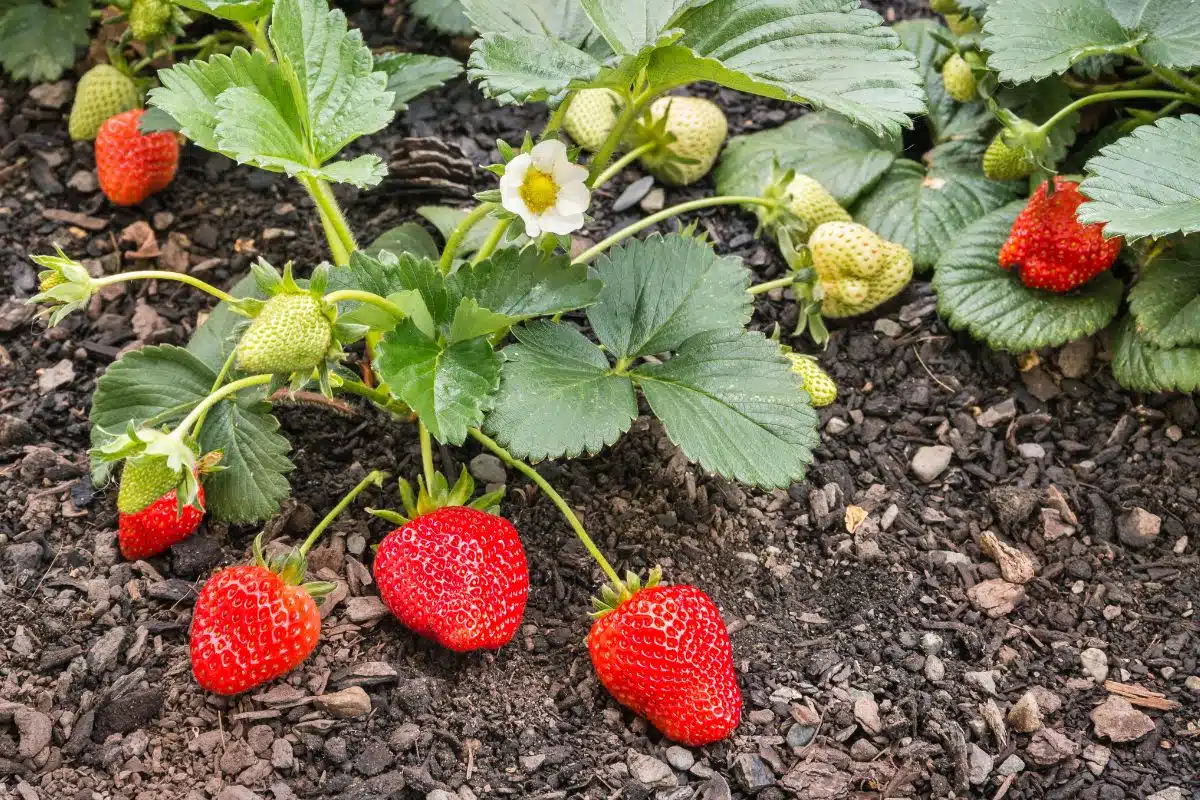
Once fully decomposed, potato peels become part of the organic matter that helps create healthy, productive soil. Organic matter improves moisture retention in sandy soils while helping heavy clay soils drain more effectively. It also supports beneficial microbes that play an important role in making nutrients more available to plants. Healthier soil often leads to stronger root systems and more resilient gardens.
They Encourage Sustainable Gardening Practices
Using potato peels in compost or other approved gardening methods is an easy way to make better use of resources you already have. Rather than purchasing additional soil amendments, gardeners can recycle many common kitchen scraps into valuable organic matter. It’s important, however, to avoid tossing raw potato peels directly into garden beds, especially if they show signs of disease or have begun sprouting, as they may attract pests or occasionally produce volunteer potato plants. Composting them properly is generally the safest and most effective approach.
This post may contain affiliate links or sponsored content. Disclosure Policy