6 Budget Sandwiches Families Ate During the Great Depression
During the Great Depression, families across America had to get creative with meals as money was tight and ingredients were often limited. Home cooks relied on affordable staples, simple preparations, and recipes that could stretch across multiple meals while still providing something filling for the family table. Sandwiches became a practical solution because they were inexpensive, easy to prepare, and could be made with ingredients many households already had on hand. While some of these combinations may seem unusual today, they reflect the resourcefulness of families who learned how to make the most of what they had.
Peanut Butter and Pickle Sandwiches
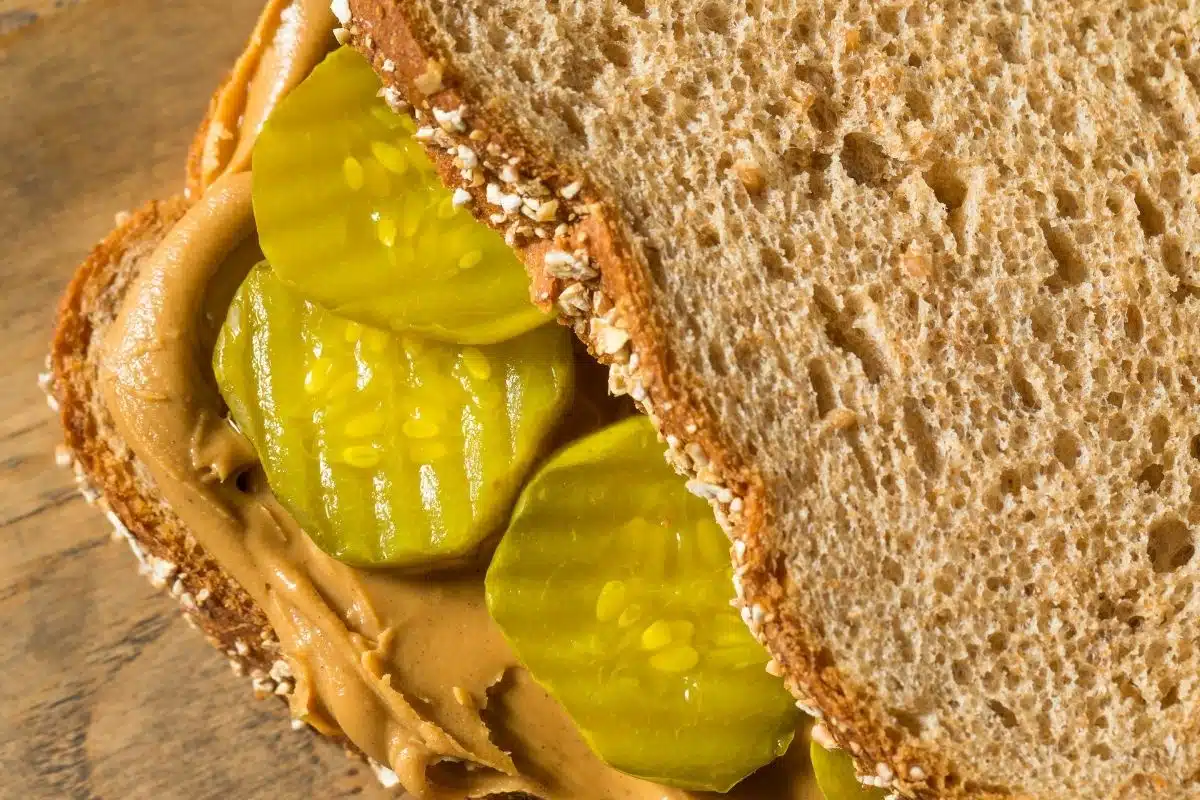
Peanut butter and pickle sandwiches were a surprisingly popular combination during the Depression because both ingredients were affordable and had a long shelf life. Peanut butter provided protein and calories, while pickles added flavor and variety to a simple meal. For families trying to stretch their grocery budgets, this sandwich offered a filling option without requiring expensive ingredients like meat. The sweet-and-salty combination may seem unusual today, but similar budget-friendly pairings were common during challenging economic times.
Fried Egg Sandwiches
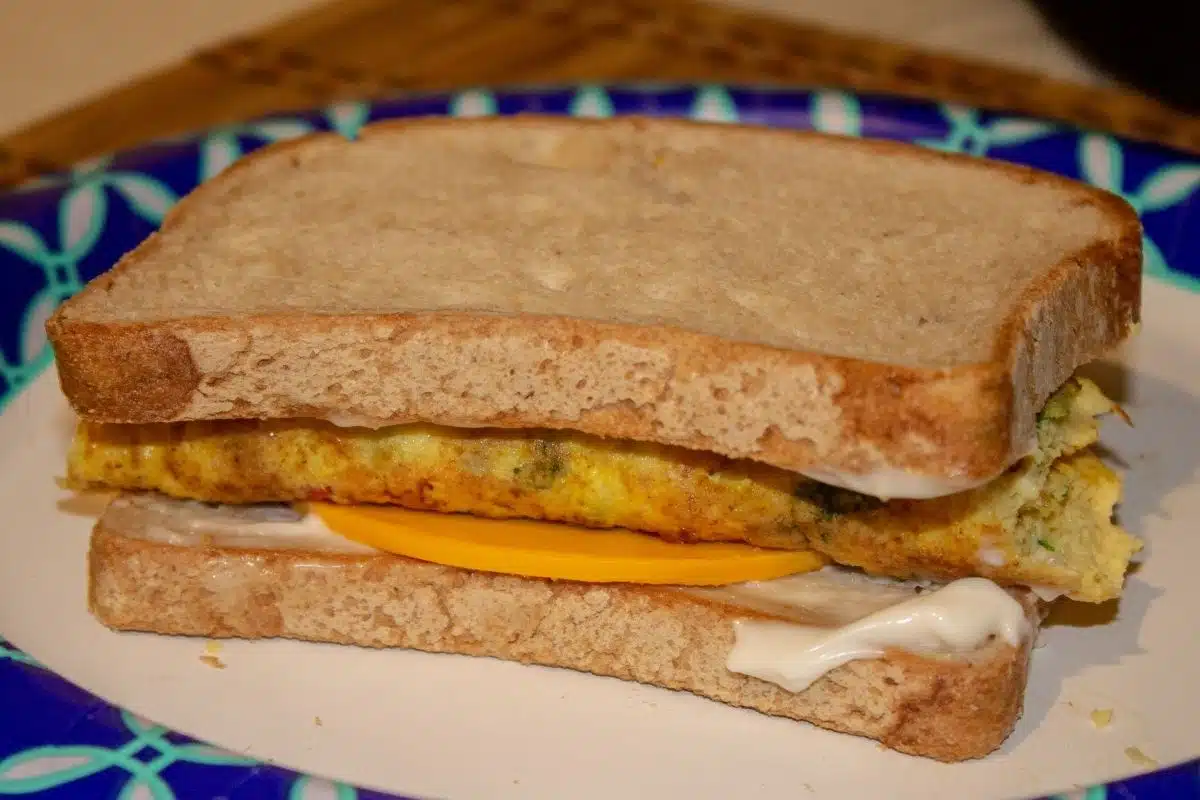
Eggs were often considered a practical source of protein because families could purchase them relatively affordably or raise chickens at home. A fried egg placed between slices of bread created a simple, satisfying meal that could be served for breakfast, lunch, or dinner. Some families added onions, leftover vegetables, or a small amount of cheese when available. The sandwich was an example of how a basic ingredient could be turned into a filling meal with minimal cost.
Bologna Sandwiches
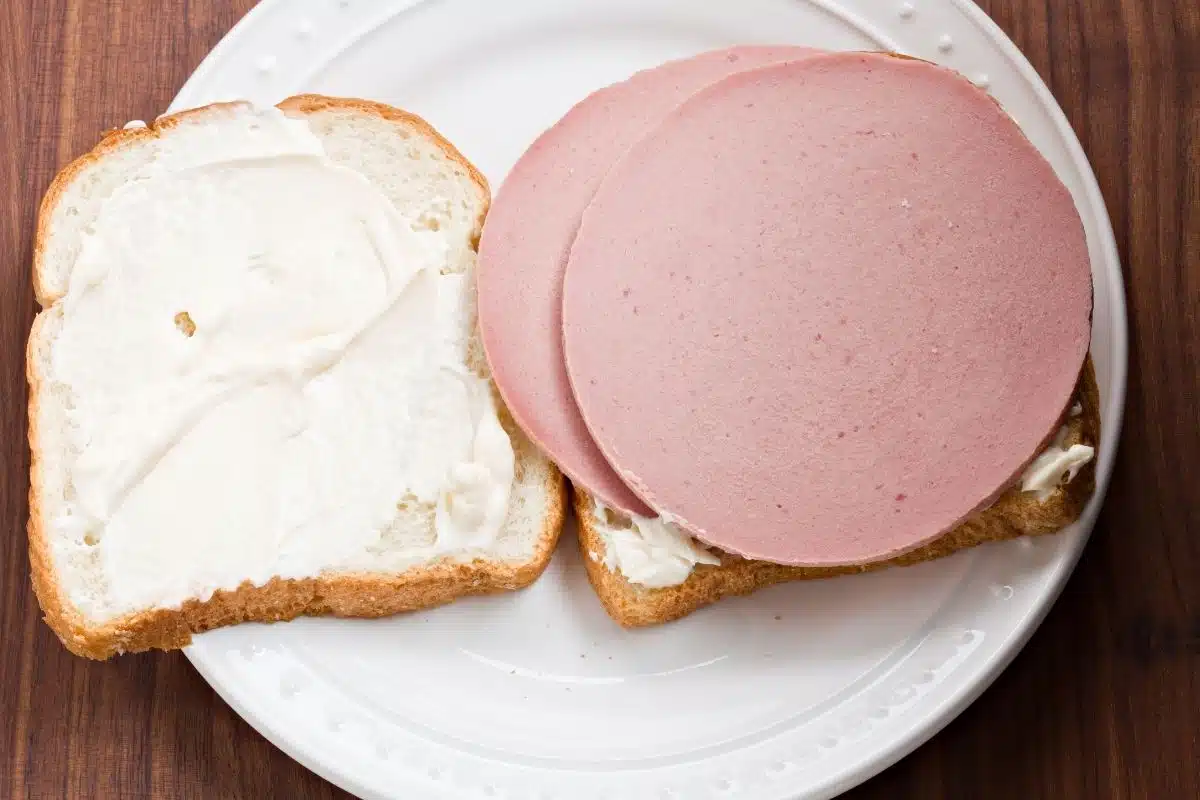
Bologna became a popular choice for budget-conscious families because it was inexpensive compared with many other meats. A few slices between bread could provide a quick meal that was easy to prepare and widely available. Many households paired bologna with mustard, mayonnaise, pickles, or whatever condiments they had on hand. While simple, these sandwiches became a familiar part of everyday meals for many American families.
Cheese and Onion Sandwiches
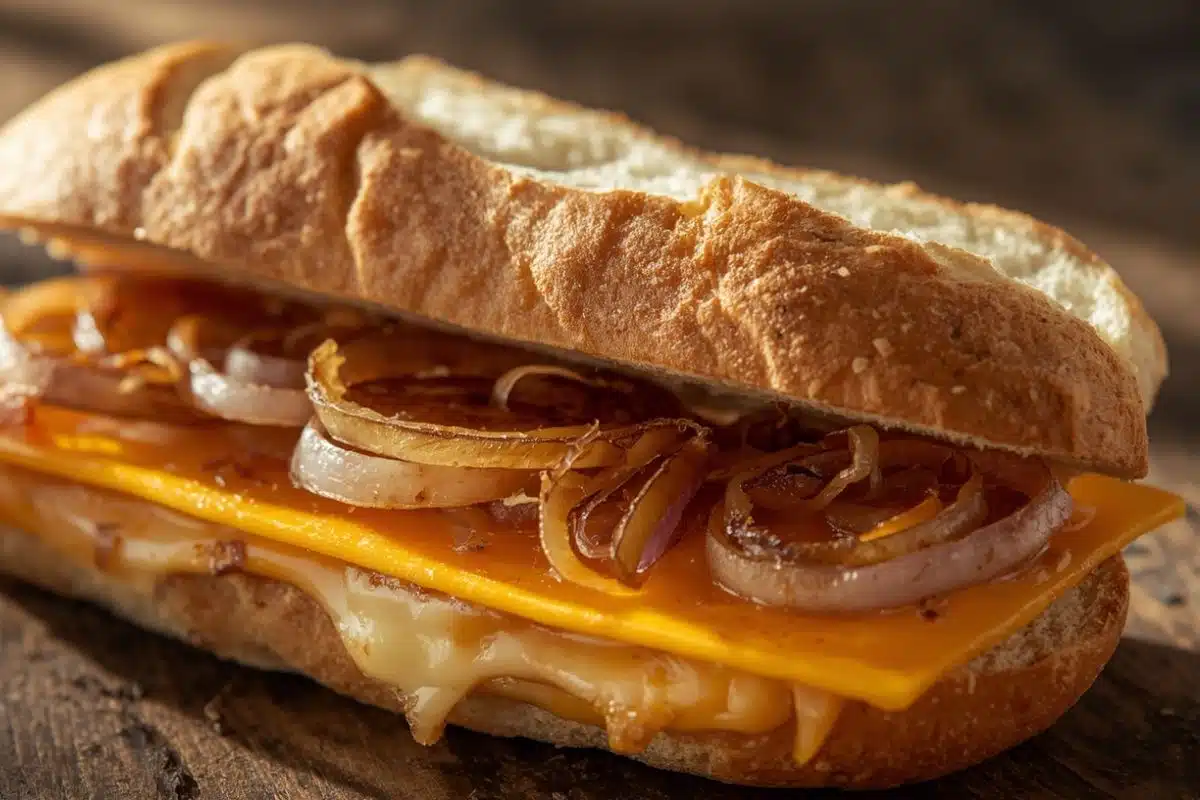
Cheese and onion sandwiches were another affordable option during the Depression, especially when meat was difficult to afford. Basic ingredients like bread, cheese, and onions could create a flavorful meal without a large grocery expense. Depending on what was available, families might use different types of cheese or add seasonings to change the flavor. This type of sandwich showed how simple pantry staples could be combined into something satisfying.
Creamed Chipped Beef Sandwiches
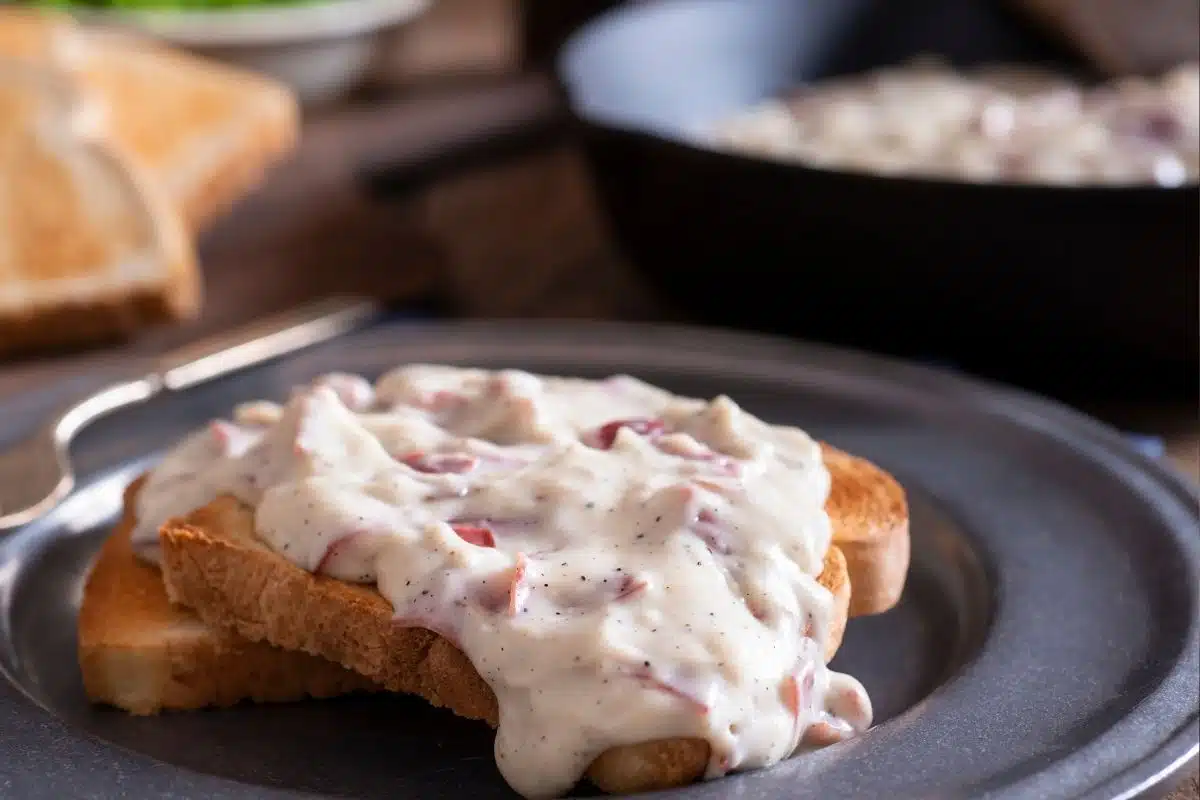
Creamed chipped beef was a popular economical dish made with dried beef and a creamy sauce served over bread or toast. Because dried meats lasted longer than fresh options, they were useful ingredients during times when families needed food that could be stored. Often called “SOS” (a nickname from military and home kitchens), this dish became associated with stretching inexpensive ingredients into a hearty meal. It was especially common in households looking for filling recipes that could feed several people.
Fried Potato Sandwiches
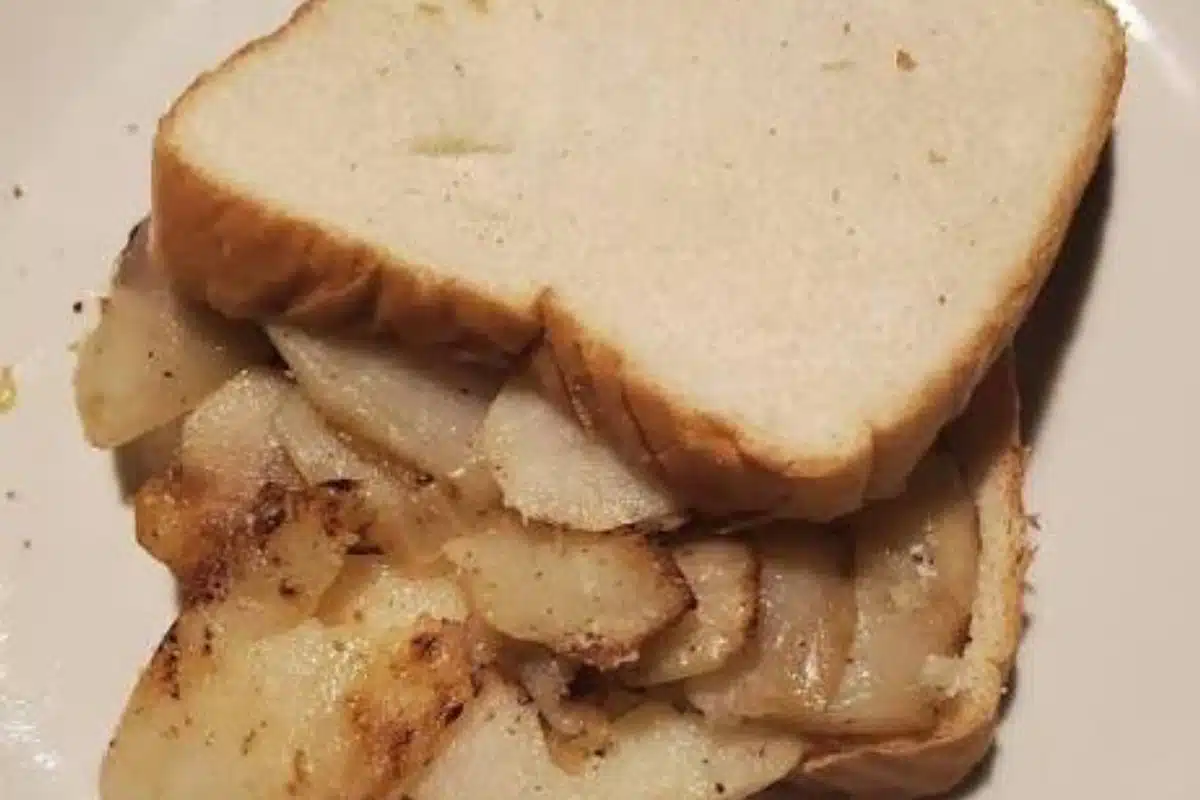
Potatoes were one of the most affordable and versatile foods available during the Depression. Fried potato sandwiches used leftover or freshly cooked potatoes placed between slices of bread to create a low-cost meal. Some families added onions, seasonings, or a little butter or gravy for extra flavor. This humble sandwich represents the creativity of Depression-era cooking, where leftovers and inexpensive ingredients were transformed into practical meals.
This post may contain affiliate links or sponsored content. Disclosure Policy