7 Pantry Staples You Should Actually Store In The Fridge
Most people assume that once a food makes it into the pantry, it can stay there indefinitely—but that’s not always true. Some common staples actually last longer, taste better, and stay safer when refrigerated. Heat, light, and humidity can cause oils to go rancid, flavors to degrade, or textures to change faster than expected. To keep your ingredients fresh and full of flavor, here are seven pantry staples experts say you should consider moving to the fridge.
Nut Butters
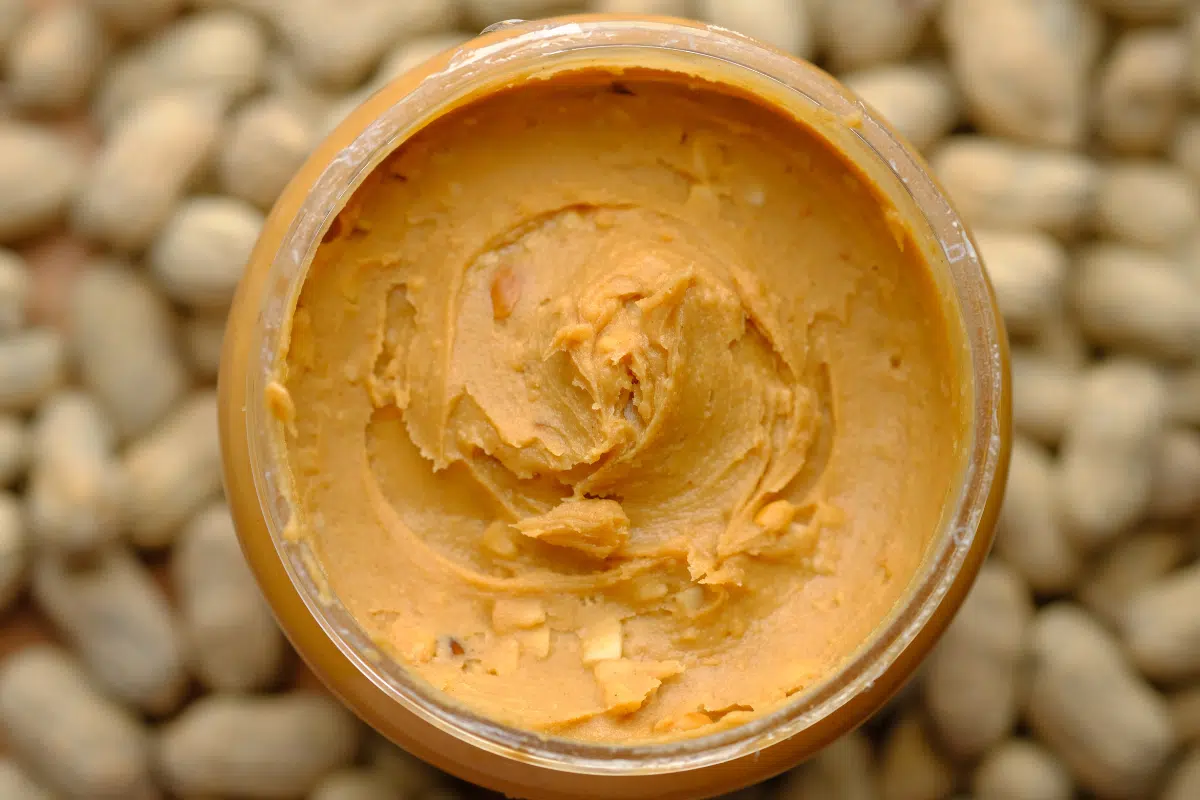
Natural nut butters, especially those without preservatives, can spoil quickly at room temperature. The oils in nuts are prone to oxidation, which can lead to rancid flavors over time. Refrigeration helps slow this process and keeps the texture more stable. While it may make spreading a bit firmer, it significantly extends freshness.
Cooking Oils (Like Flaxseed and Walnut Oil)

Certain oils are highly sensitive to heat and light, which can cause them to go rancid faster. Flaxseed, walnut, and other delicate oils benefit from refrigeration after opening. Cold storage preserves their nutritional value and flavor integrity. If an oil smells bitter or “off,” it’s often a sign of oxidation.
Whole-Grain Flours
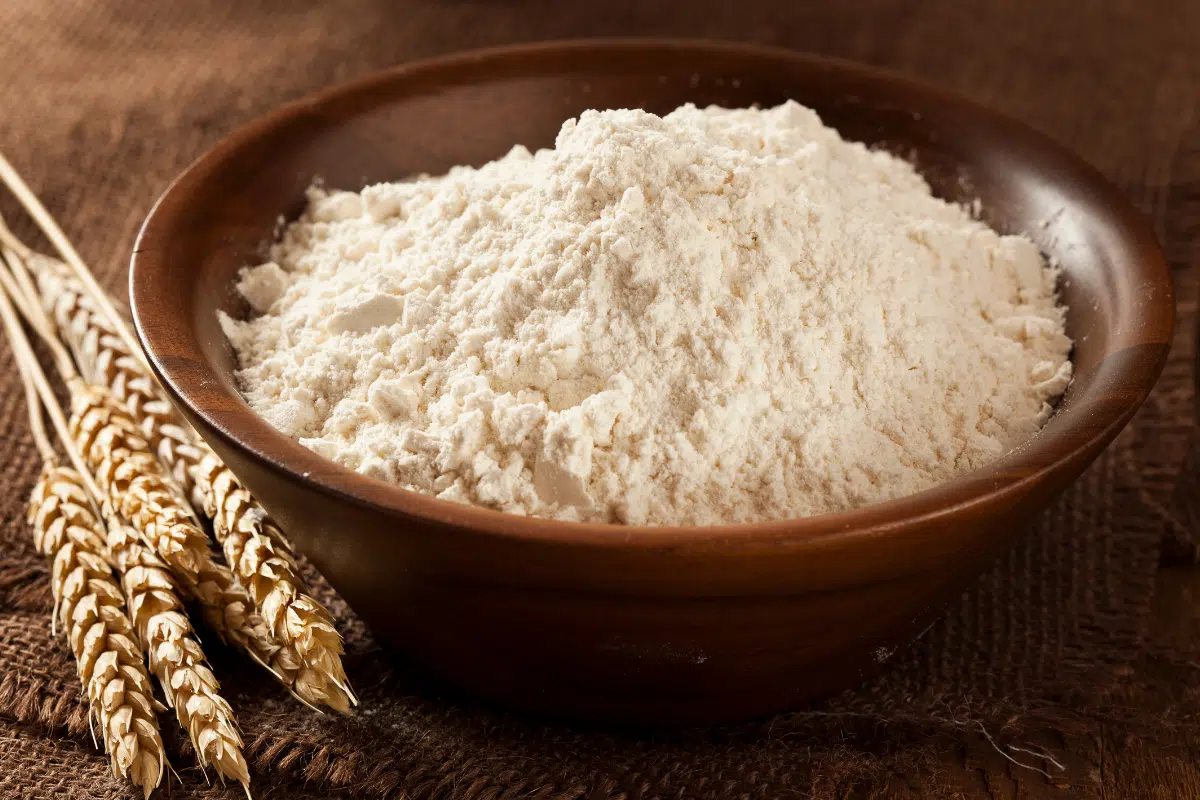
Unlike refined flour, whole-grain varieties contain natural oils that can spoil over time. Storing them in the fridge helps prevent rancidity and preserves freshness longer. This is especially important for flours used less frequently. Airtight containers are key to preventing moisture absorption.
Nuts and Seeds
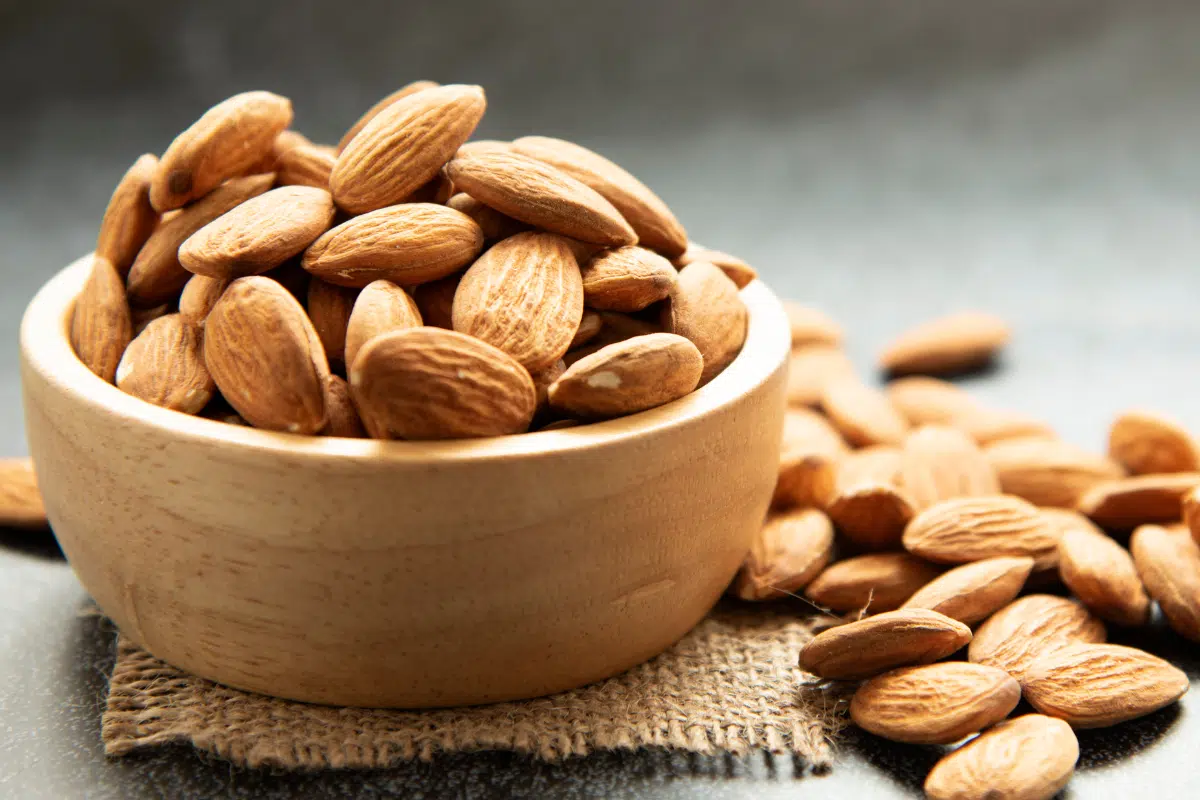
Almonds, walnuts, flaxseeds, and similar items contain healthy fats that can go rancid at room temperature. Refrigeration slows down oxidation and keeps them tasting fresh and crisp. This is especially helpful if you buy in bulk. Storing them in sealed containers also prevents them from absorbing fridge odors.
Opened Soy Sauce

While unopened soy sauce is shelf-stable, opening it changes everything. Exposure to air can gradually alter its flavor and aroma over time. Refrigeration helps maintain its rich umami profile for longer. It also slows down any subtle fermentation changes after opening.
Natural Sweeteners (Maple Syrup & Honey Variations)

Pure maple syrup should always be refrigerated after opening to prevent mold growth. Some raw or specialty honey products also benefit from cooler storage, especially in humid climates. Cold temperatures help maintain quality and prevent unwanted fermentation. Proper sealing is essential for both.
Opened Jams and Jellies
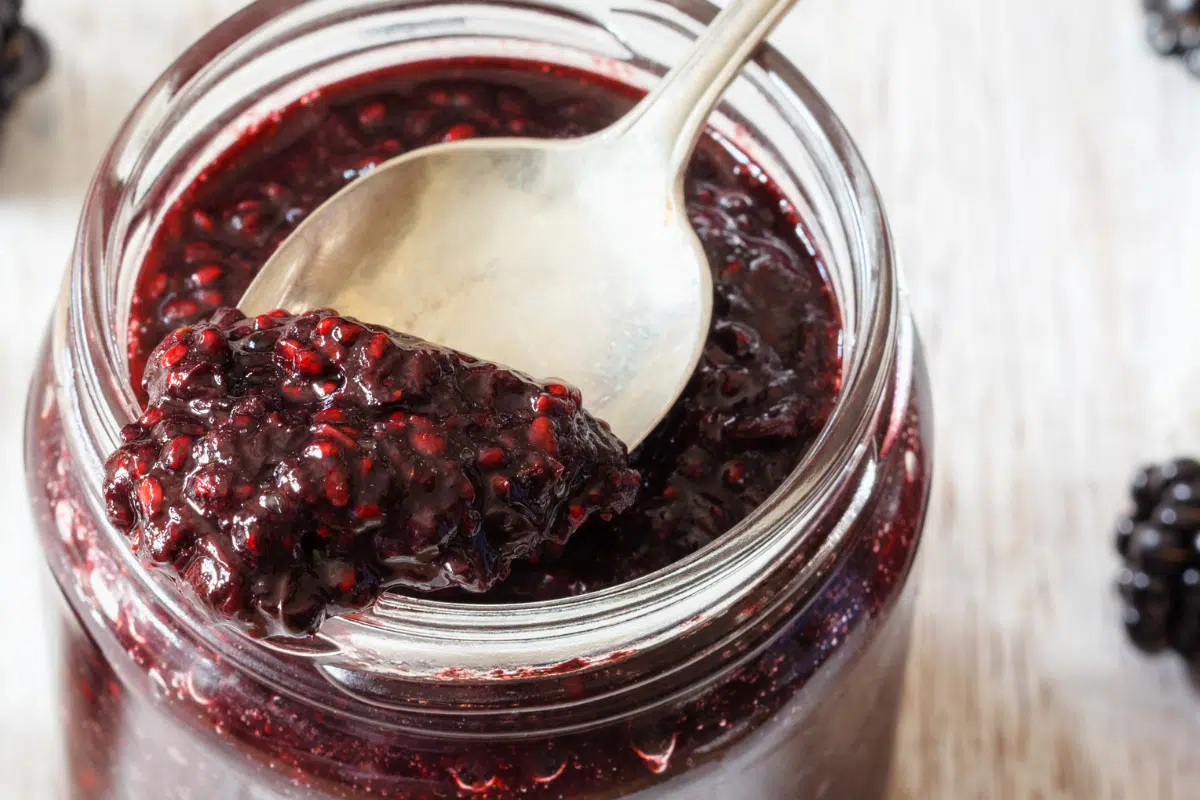
Once opened, jams and jellies are exposed to air and bacteria, which can shorten their shelf life. Refrigeration helps preserve flavor and prevents mold from forming. It also keeps texture and spreadability more consistent. Always use clean utensils to avoid contamination.
Flavored Nut Oils and Specialty Condiments

Infused oils, gourmet mustards, and specialty condiments often contain ingredients that degrade faster than standard pantry staples. Refrigeration helps maintain their flavor complexity and prevents spoilage. These items are often used in small amounts, making cold storage practical. Keeping them chilled ensures they stay vibrant and usable longer.
This post may contain affiliate links or sponsored content. Disclosure Policy