
11 Hydrating Drinks to Reach for When You’re Tired of Plain Water
Water is the simplest way to stay hydrated, but it isn’t the only beverage that contributes to your daily fluid intake. Milk, tea, coffee, coconut water, and other drinks can provide fluids along with nutrients or electrolytes. The best choice depends on what you’re doing, how much you’re sweating, and whether you need additional carbohydrates or electrolytes. Here are 11 beverages that can support hydration, along with when each one makes the most sense.
Coconut Water Can Add Electrolytes
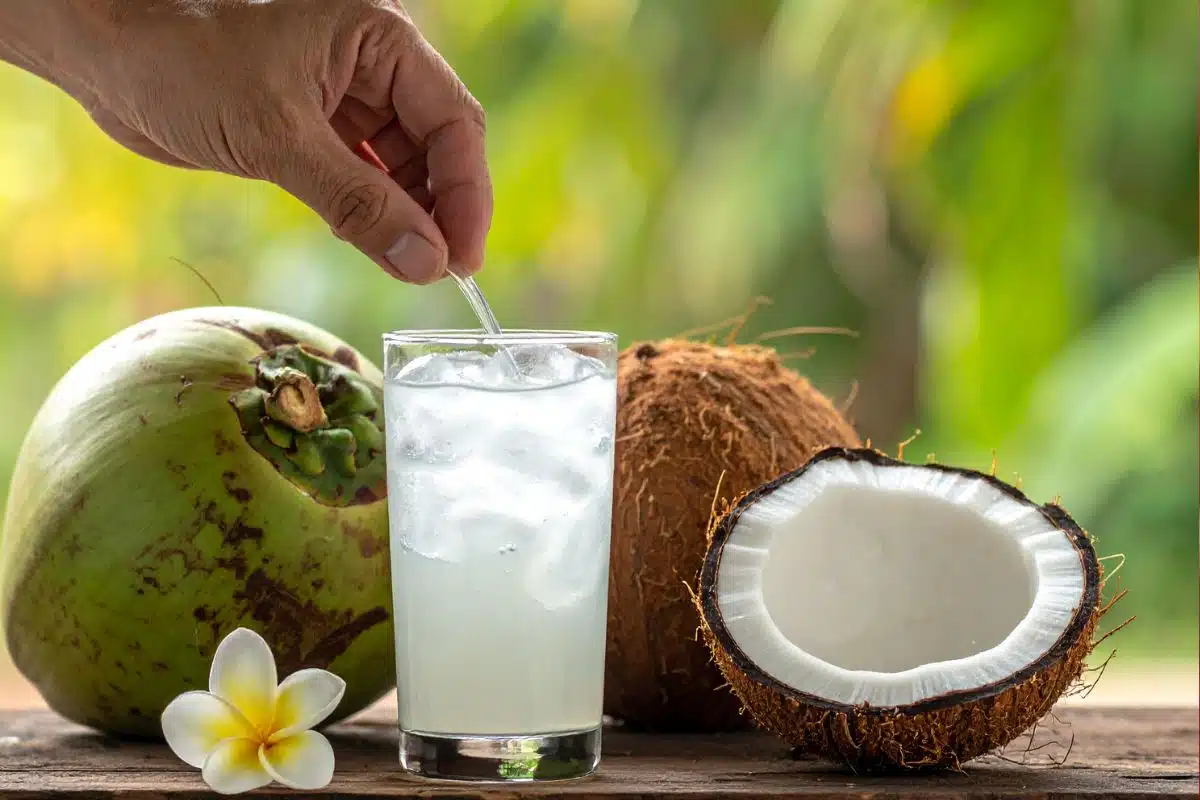
Coconut water provides fluid along with naturally occurring electrolytes, particularly potassium. It can be a refreshing choice after light activity or on a hot day, although it isn’t necessarily more hydrating than plain water for everyday use. Because some brands contain added sugar, check the nutrition label if you’re looking for an unsweetened option. Coconut water also isn’t a replacement for a medically formulated rehydration solution when someone is significantly dehydrated from illness.
Herbal Tea Counts Toward Your Fluid Intake

Caffeine-free herbal teas such as chamomile, peppermint, and rooibos can contribute to your overall fluid intake. They’re especially useful for people who prefer a warm beverage or want more variety than plain water. Unlike sugary drinks, unsweetened herbal tea can provide flavor without adding significant calories or sugar. Just remember that individual herbal products can have different effects or medication interactions, so check with a healthcare professional if that is a concern.
Milk Provides Fluid Plus Nutrients
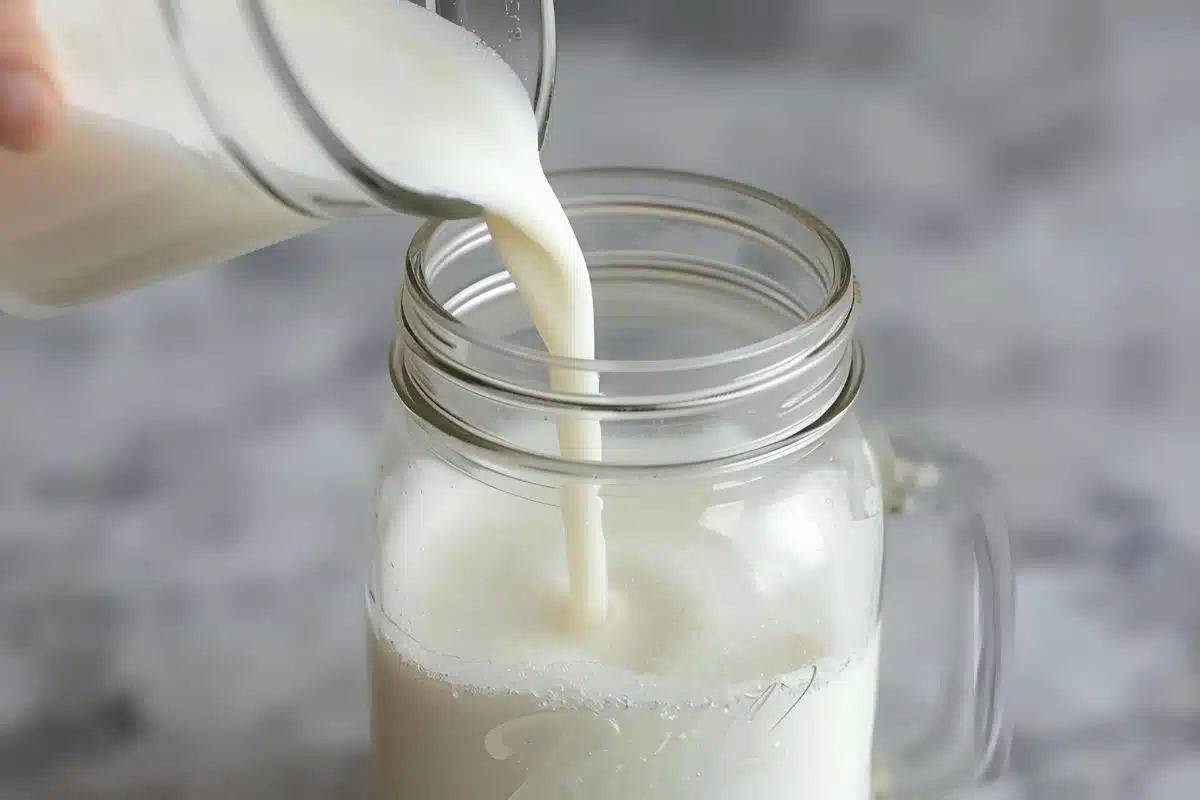
Milk contributes to hydration while also providing protein, carbohydrates, and minerals such as calcium and potassium. Its combination of fluid and nutrients can make it a useful option with a meal or after exercise. Dairy milk isn’t the only choice; fortified soy milk and some other plant-based milks can also contribute fluids and nutrients. Because plant-based beverages vary considerably, check the label for protein, calcium, vitamin D, and added sugar.
Fruit-Infused Water Makes Hydration More Appealing

Adding lemon, lime, berries, cucumber, mint, or other produce to water doesn’t give it special hydrating properties. What it can do is make plain water more appealing, which may encourage you to drink more throughout the day. This is a particularly simple option for people who don’t enjoy the taste of plain water. Keep homemade infused water refrigerated and use clean produce to reduce the risk of contamination.
Low-Sodium Vegetable Juice Adds Fluids and Nutrients
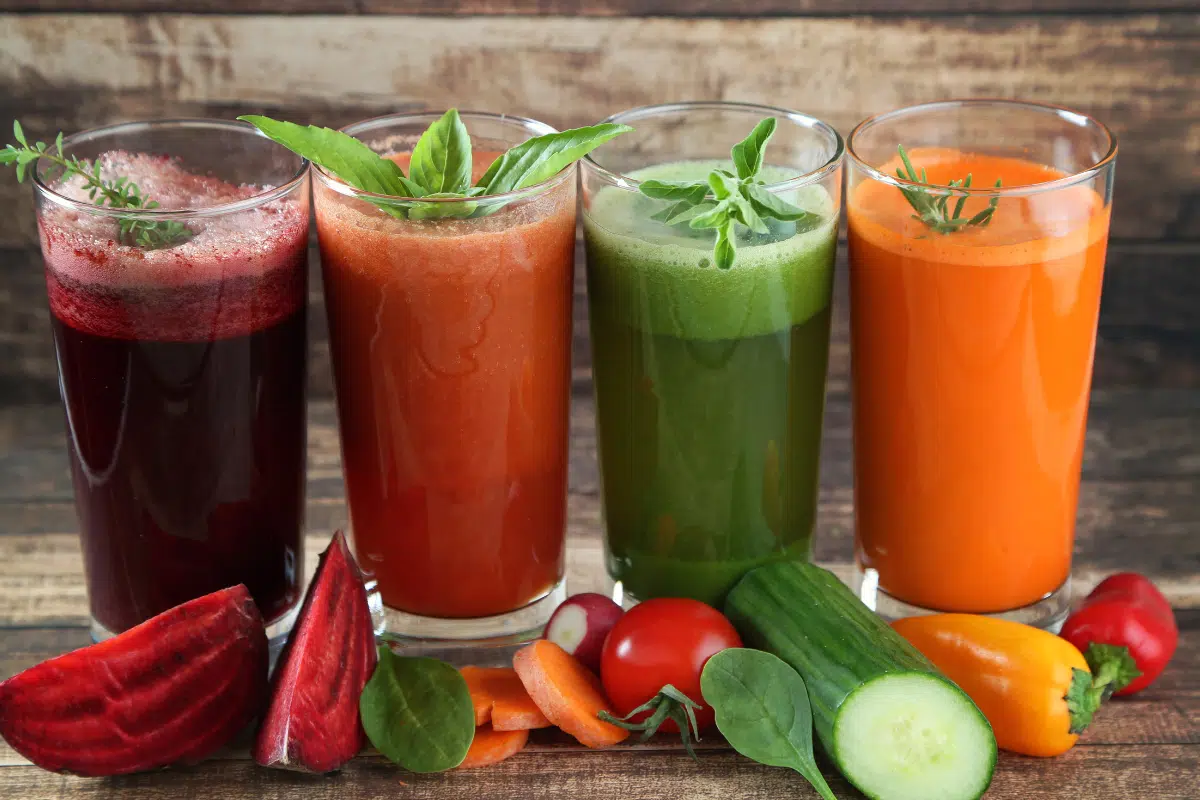
Vegetable juice can contribute to daily fluid intake while providing nutrients such as potassium and vitamin C, depending on the vegetables used. The main thing to watch is sodium, since some packaged vegetable juices are surprisingly high in salt. Look for lower-sodium varieties and compare nutrition labels when shopping. Vegetable juice can complement a meal, but it doesn’t need to replace water as your primary everyday beverage.
Water-Rich Fruits and Vegetables
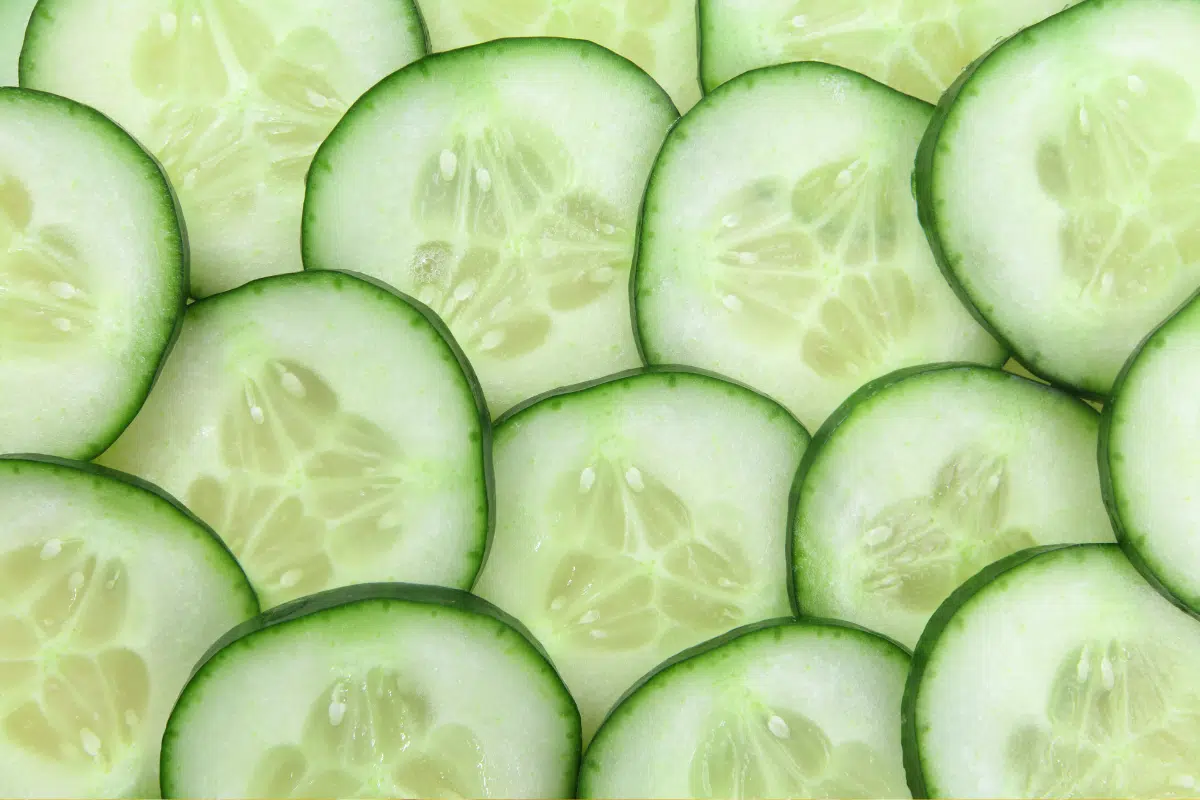
Hydration doesn’t come only from beverages. Fruits and vegetables such as watermelon, strawberries, cucumbers, lettuce, and oranges contain substantial amounts of water and can contribute to your overall fluid intake. They’re also a source of vitamins, minerals, and, in many cases, fiber, making them a nutritious addition to meals and snacks. They won’t replace the need to drink fluids, but adding water-rich foods to your diet is another simple way to support hydration.
Broth Can Help Replace Fluids and Sodium

Broth is mostly water and can provide sodium, making it useful when someone needs both fluid and some electrolytes. It can be especially appealing when you’re sick and don’t feel like drinking cold beverages. However, broth can vary widely in sodium content, so it isn’t automatically a better hydration choice. For significant dehydration caused by vomiting or diarrhea, a properly formulated oral rehydration solution is generally more appropriate.
Smoothies Combine Fluids With Food

A smoothie made with fruit, vegetables, yogurt, milk, or another liquid can contribute to hydration while also providing calories and nutrients. Because smoothies contain food ingredients, they’re better thought of as a snack or meal component rather than a substitute for water. They can be particularly useful when appetite is low but you still need fluids and nutrition. Keep added sugars modest by relying primarily on whole fruit for sweetness.
Coffee Still Contributes to Your Fluid Intake
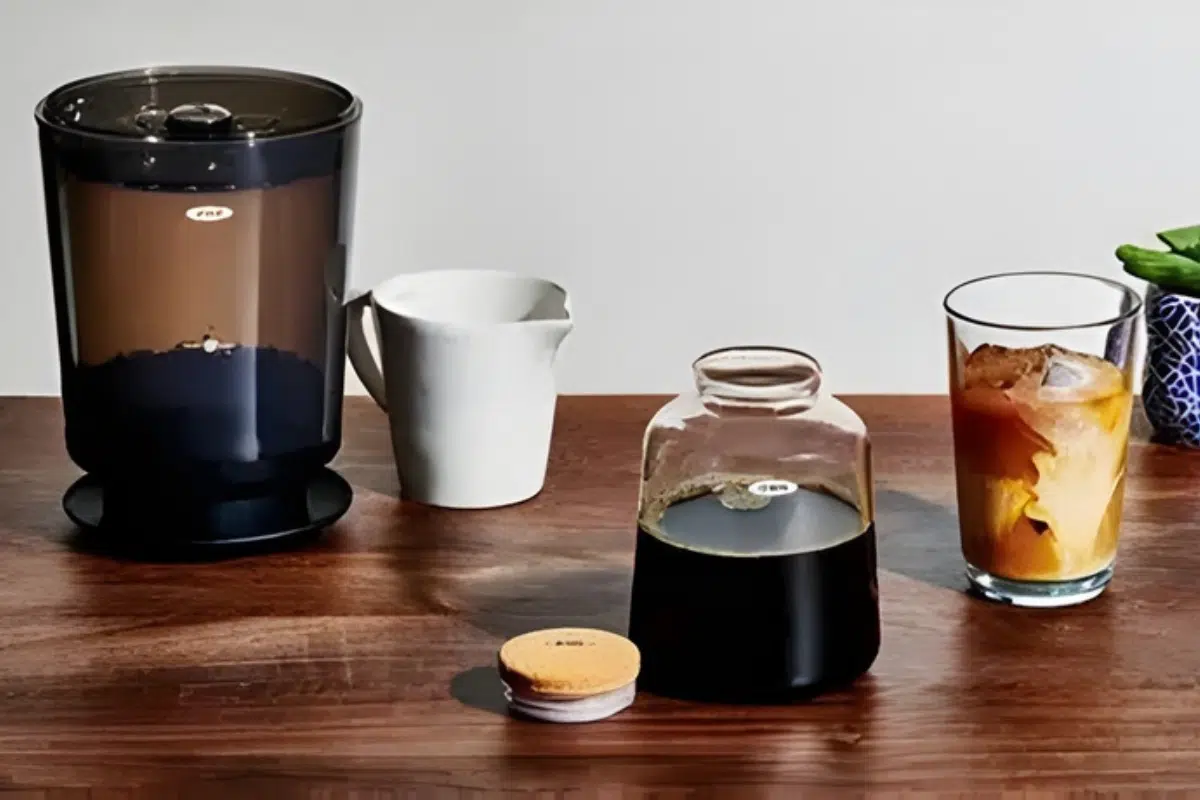
Coffee doesn’t automatically dehydrate you. Research indicates that the fluid in typical servings of caffeinated beverages generally offsets caffeine’s mild diuretic effect, particularly in regular caffeine consumers. That doesn’t make coffee a better hydration choice than water, however. Large amounts of caffeine can increase urine production, and coffee drinks loaded with sugar and cream can add substantial calories. For everyday hydration, unsweetened or lightly sweetened coffee can count toward your fluid intake while water remains an easy caffeine-free option.
Sports Drinks Have a Specific Purpose

Sports drinks are designed to provide fluid along with electrolytes and carbohydrates, which can be useful during prolonged or strenuous exercise. For a typical short workout or an ordinary day, most people don’t need a sports drink and can hydrate with water and regular meals. During exercise lasting longer than about an hour, particularly in heat or when sweating heavily, electrolytes and carbohydrates can become more relevant. Because many sports drinks contain added sugar, they’re best matched to situations where their carbohydrates and electrolytes are actually useful.
Sparkling Water Can Hydrate Just Like Still Water

Plain sparkling water provides fluid and can be just as useful for hydration as still water. For people who find flat water boring, carbonation can make it easier to drink enough throughout the day. Choose unsweetened varieties if you want the hydration benefits without added sugar. Flavored sparkling waters can also be a reasonable choice when they contain no or very little added sugar.
The Best Hydration Choice Depends on the Situation
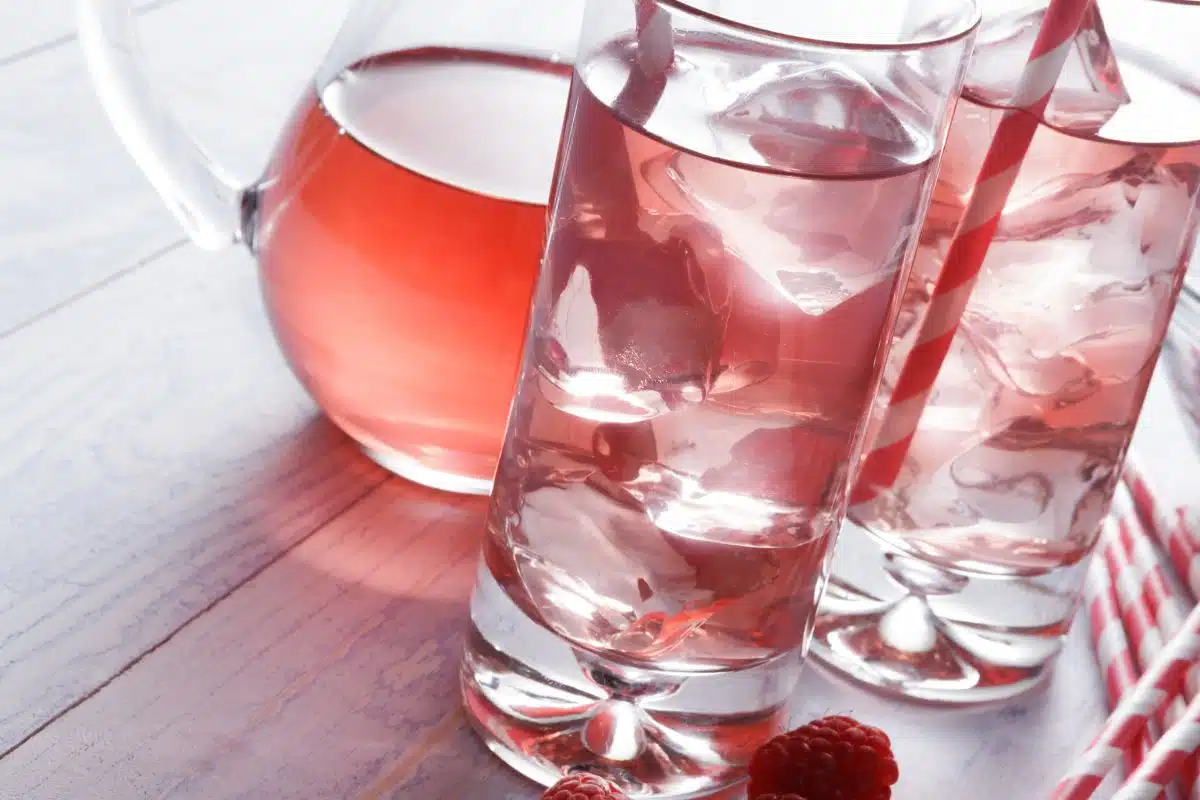
For everyday hydration, plain water remains an excellent choice, but variety can make it easier to consume enough fluids. Tea, coffee, milk, sparkling water, and other beverages can all contribute to your daily fluid intake. When you’re exercising for long periods or losing substantial fluid through sweat, beverages containing electrolytes and carbohydrates may have a more specific role. And when illness causes significant fluid and electrolyte losses, an oral rehydration solution may be more appropriate than an ordinary beverage.
This post may contain affiliate links or sponsored content. Disclosure Policy