Think All Butter Is the Same? These 9 Types Will Change How You Cook
Butter is one of the most common ingredients in the kitchen, but not all butter is created equal. From rich European-style varieties to cultured and clarified options, each type brings something different to flavor, texture, and cooking performance. The butter you choose can completely change the outcome of baked goods, sauces, and even simple toast. Understanding the differences can help you cook smarter—and elevate everyday meals without much extra effort.
Salted Butter
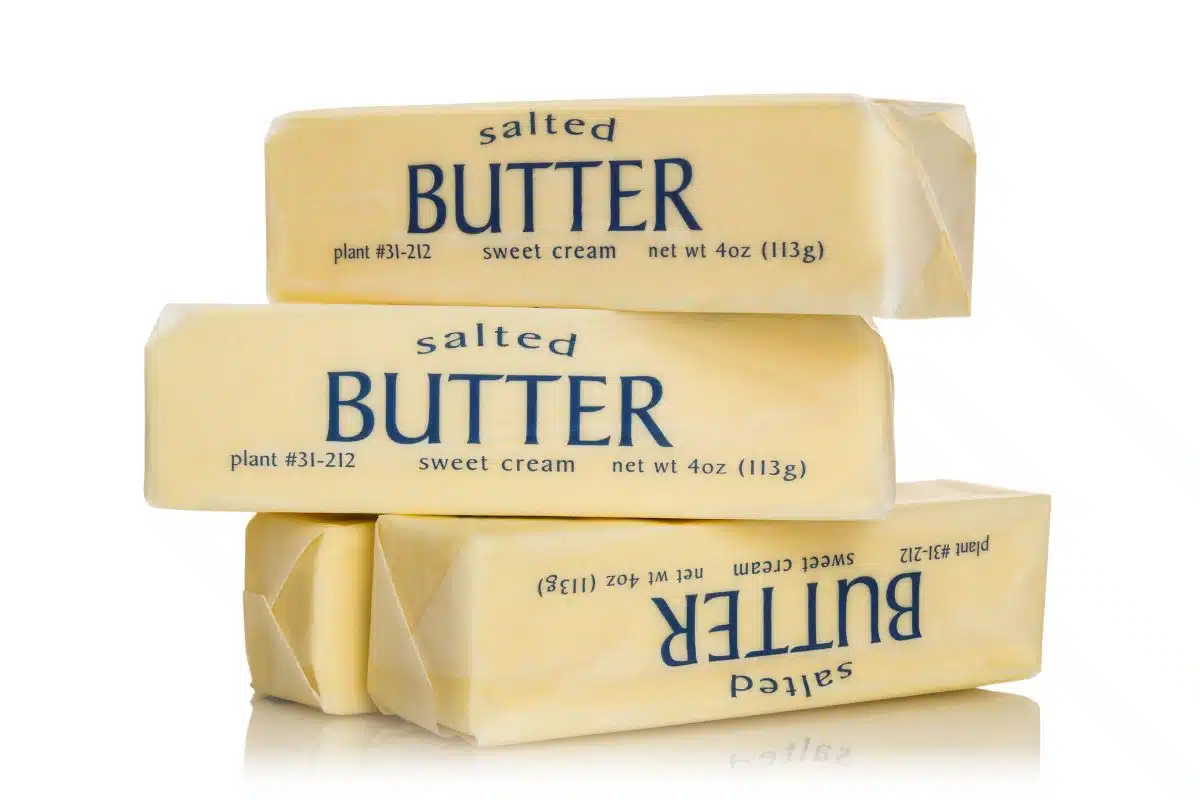
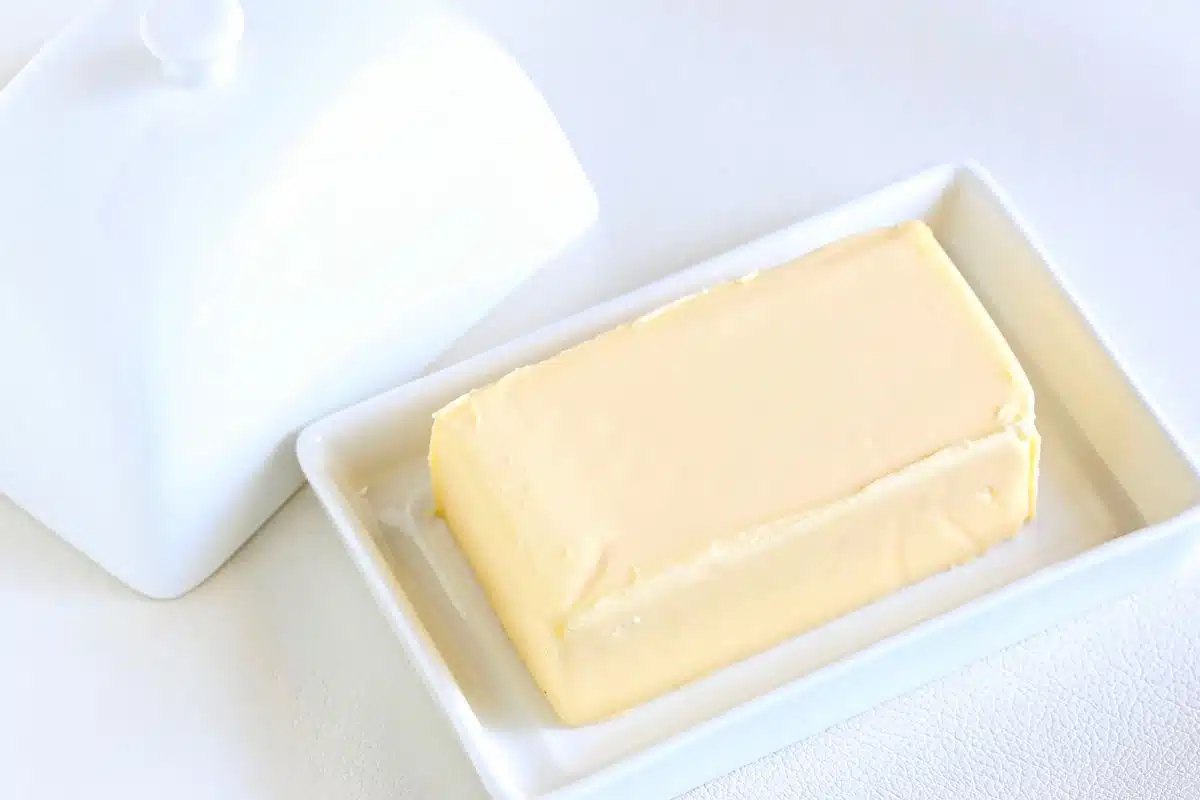
Salted butter typically contains about 80% butterfat, with added salt for flavor and preservation. It’s the most common type found in grocery stores and works well for everyday use like spreading on toast or finishing vegetables. The salt content can vary by brand, which makes it less precise for baking. Still, it’s a convenient all-purpose option for quick cooking and table use.
Unsalted Butter
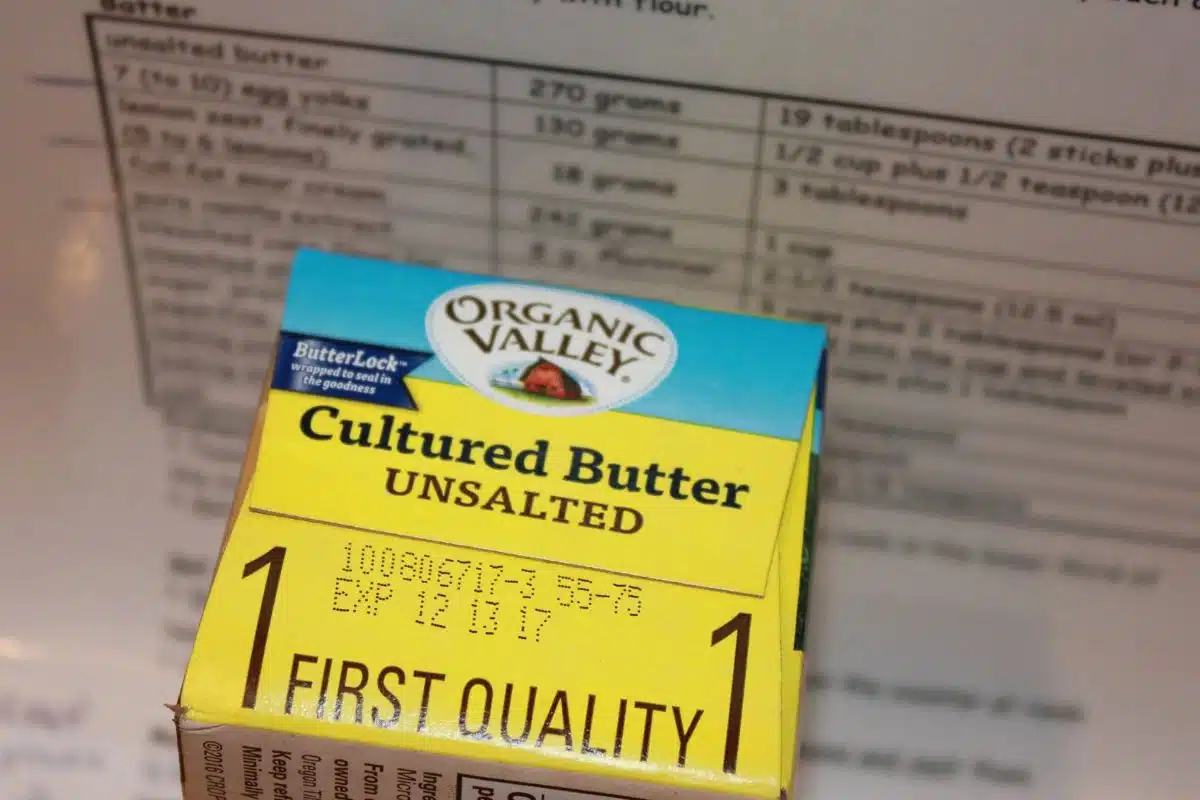
Unsalted butter also contains around 80–82% butterfat but has no added salt, giving you full control over seasoning. This makes it the preferred choice for baking, where accuracy matters. It delivers a clean, creamy flavor that lets other ingredients shine. Many recipes are designed specifically with unsalted butter in mind for consistency.
European-Style Butter
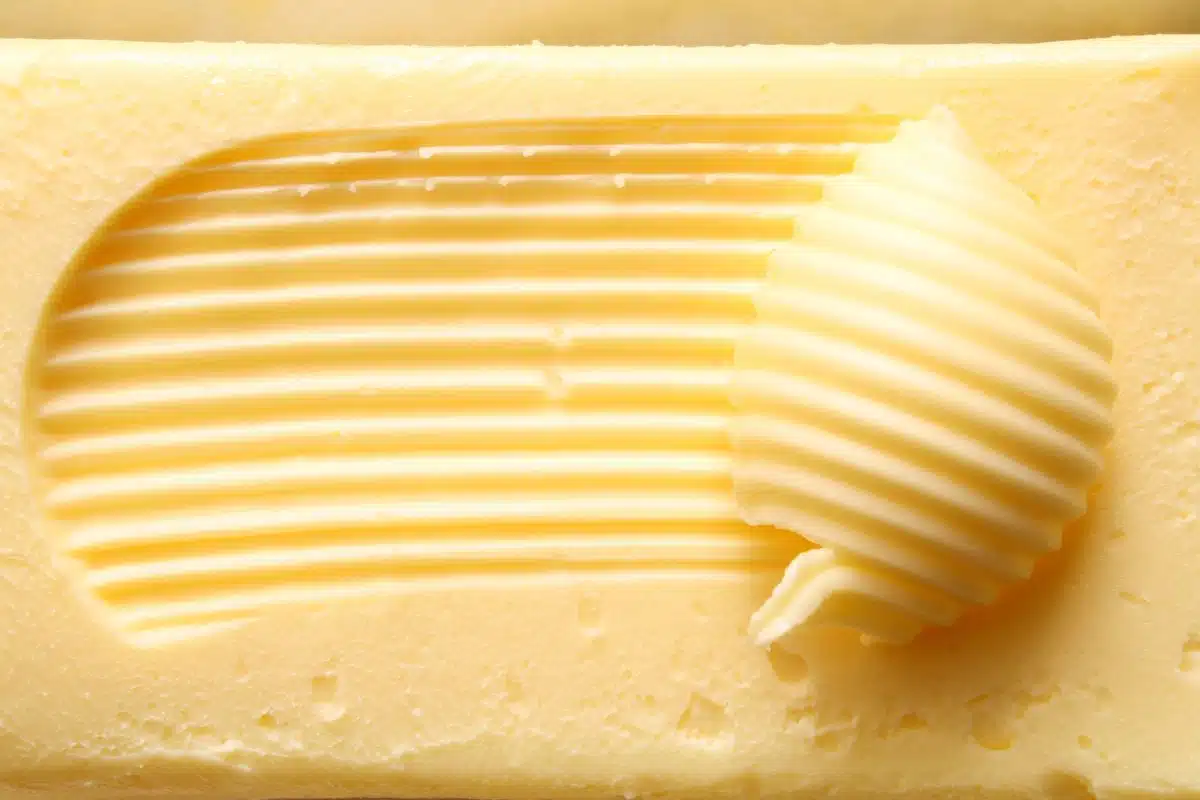
European-style butter typically contains at least 82–85% butterfat, making it richer and creamier than standard American butter. The higher fat content gives baked goods a flakier texture and more pronounced flavor. It’s especially popular in pastries, croissants, and high-end baking. Even simple dishes taste more luxurious thanks to its velvety richness.
Cultured Butter
Cultured butter is made from cream that has been fermented before churning, giving it a slightly tangy, complex flavor. It usually contains around 80–85% butterfat depending on the brand. The fermentation process adds depth that enhances both sweet and savory dishes. It’s often used for spreading on bread or finishing sauces for a gourmet touch.
Clarified Butter (Ghee)
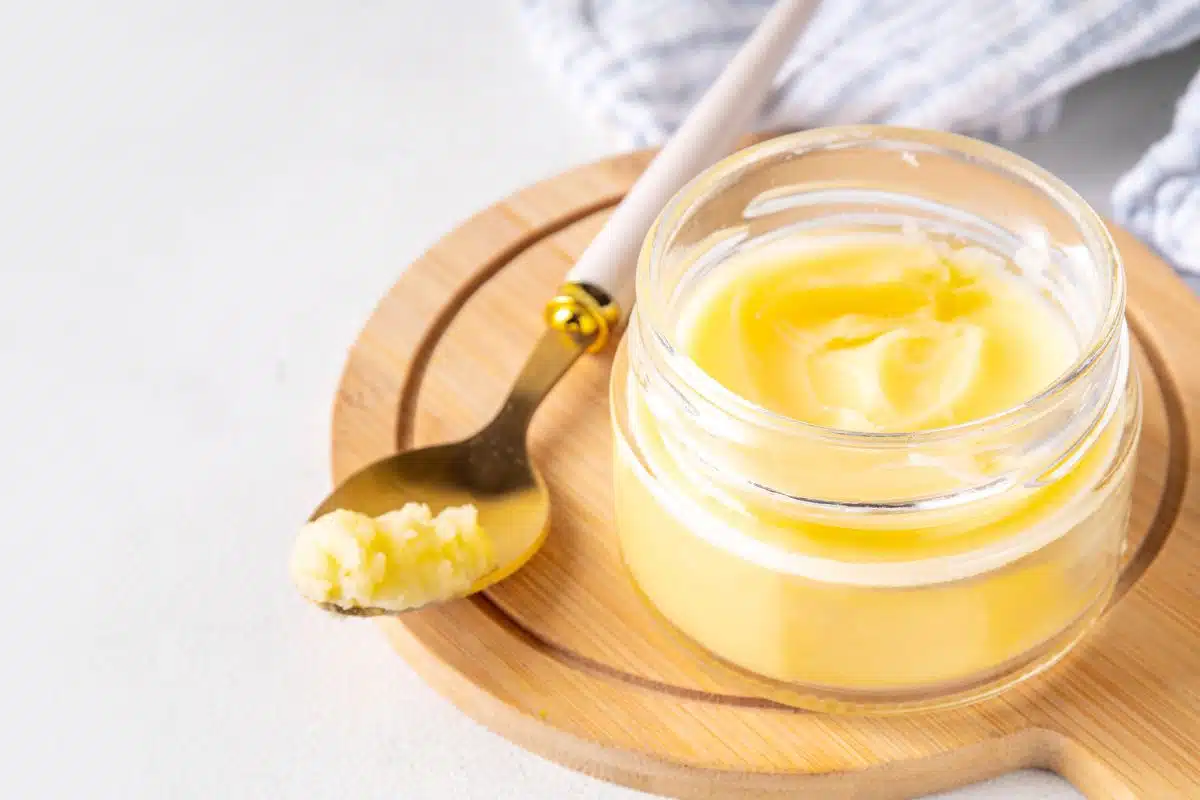
Clarified butter, or ghee, is made by removing water and milk solids, leaving nearly 100% pure butterfat. This gives it a very high smoke point, making it ideal for frying, sautéing, and high-heat cooking. It also has a rich, nutty flavor that deepens dishes. Because it’s lactose-free, it’s often easier to digest for those sensitive to dairy.
Whipped Butter
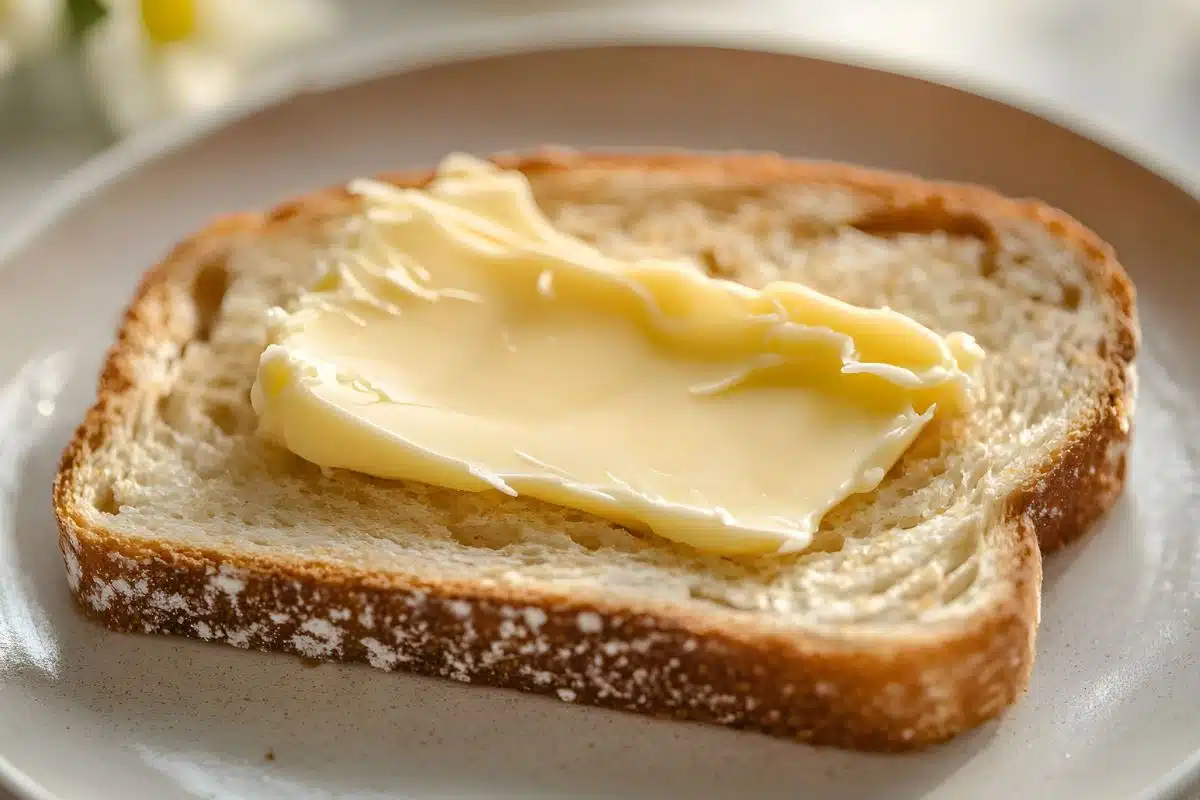
Whipped butter contains about 40–60% butterfat because it’s aerated with air or sometimes water. This makes it lighter, softer, and easier to spread straight from the fridge. It’s great for toast, muffins, and quick breakfasts where convenience matters. However, it’s not always ideal for baking since the lower fat content can affect texture.
Plant-Based Butter
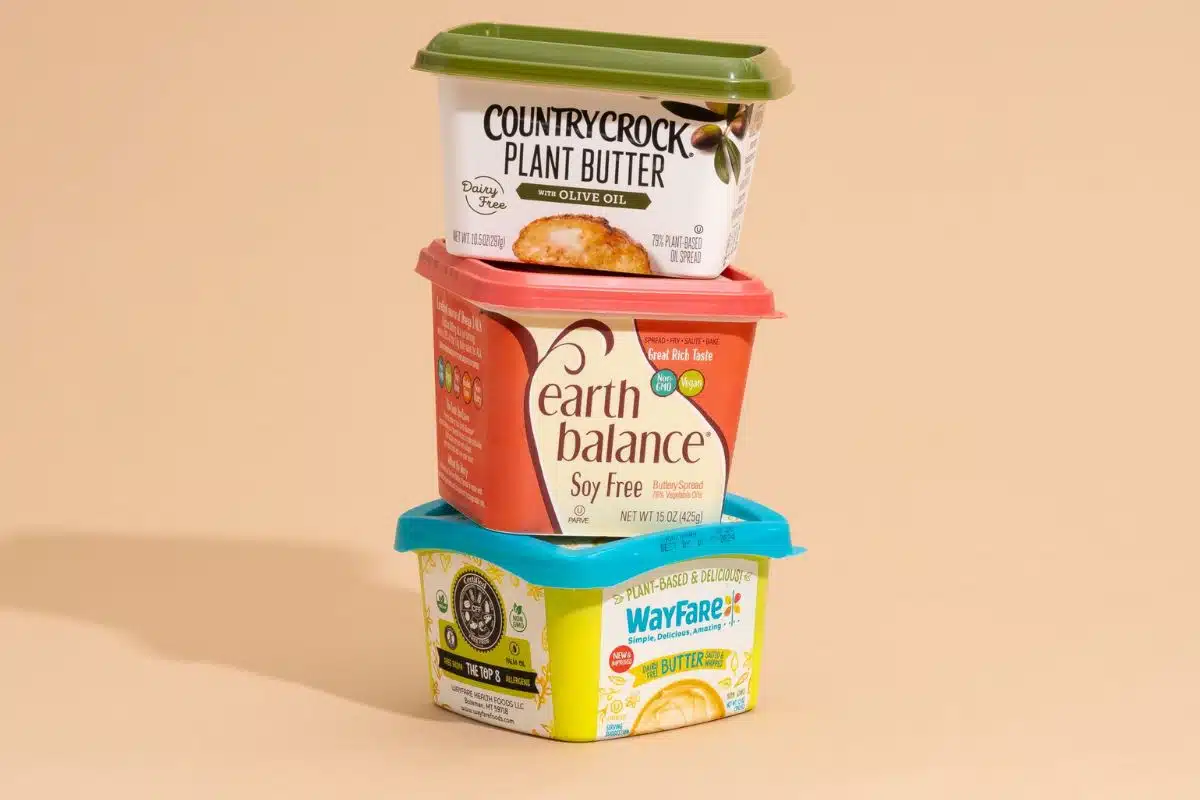
Plant-based butter is typically made from oils like coconut, avocado, or olive oil and usually contains around 60–80% fat depending on the brand. It’s designed to mimic traditional butter while being dairy-free and vegan-friendly. Many versions are formulated to perform well in baking and cooking. The flavor and texture can vary widely between brands, so some experimentation may be needed.
Amish Butter
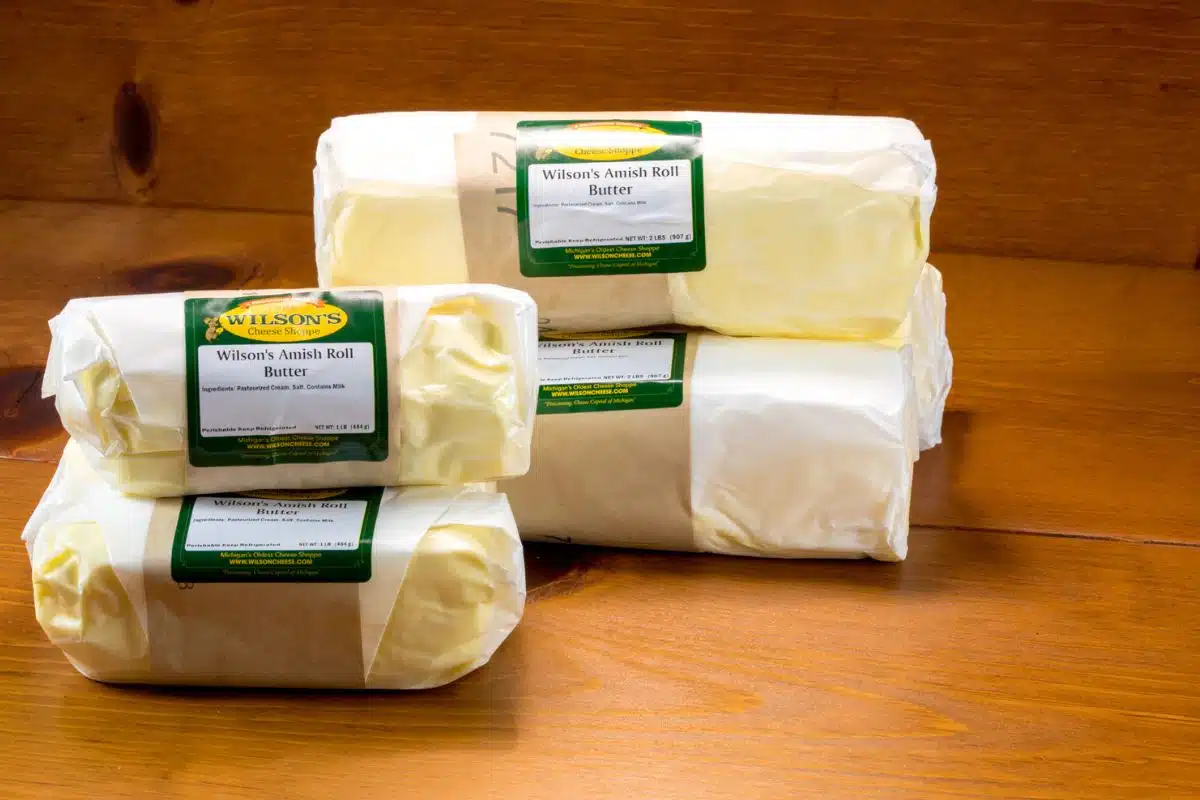
Amish butter is known for its rich, old-fashioned flavor and is often made using traditional churning methods. It typically has a higher butterfat content, around 83–86%, giving it a creamy, dense texture. Many varieties are lightly salted and prized for their deep, natural dairy taste. It’s especially popular for spreading on bread or using in recipes where butter flavor is front and center.
European-Style Cultured Butter
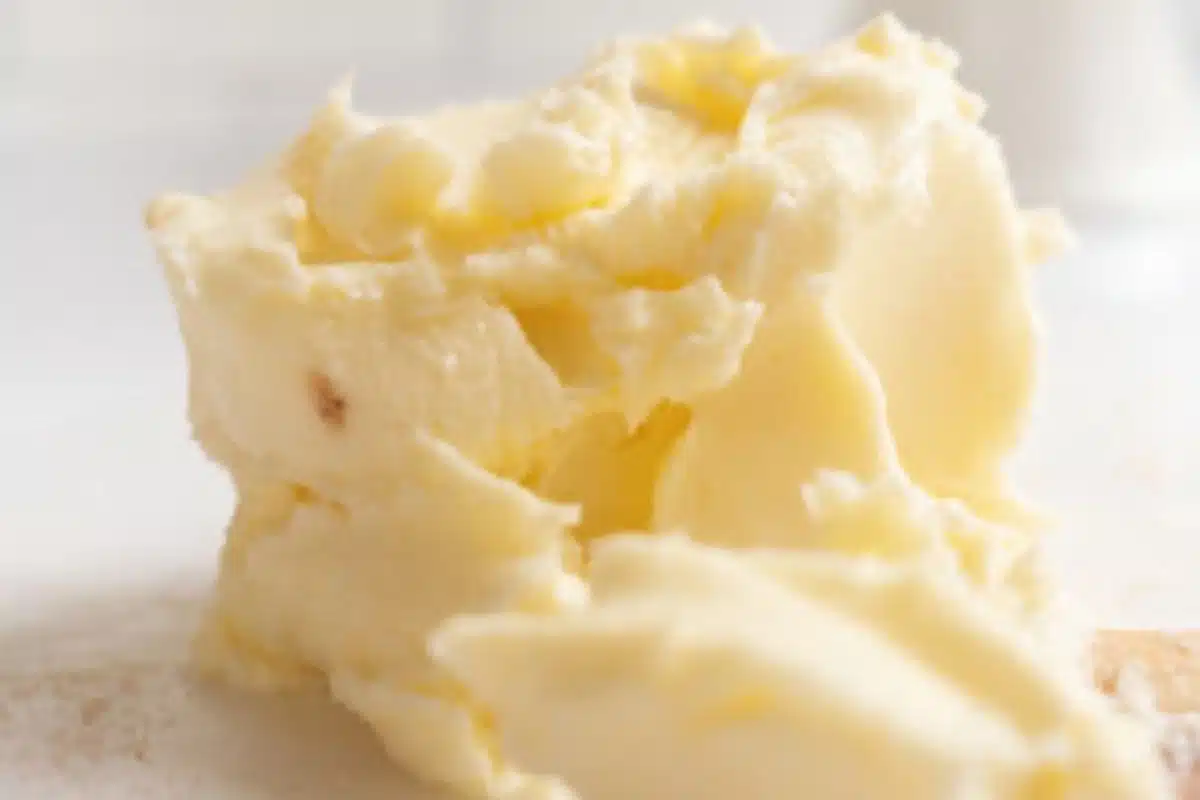
This premium butter combines the higher butterfat content of European-style butter (82–85%) with cultured cream for added tang. The result is an exceptionally rich, complex flavor profile that stands out in both cooking and baking. It’s often used by chefs for finishing dishes or making pastries with extra depth. Even a small amount can noticeably elevate simple recipes.
This post may contain affiliate links or sponsored content. Disclosure Policy