Why Hard-Boiled Eggs Stick to the Shell and How to Prevent It
Peeling hard-boiled eggs should be easy—but for many home cooks, the shell sticks stubbornly, pulling chunks of egg white away and leaving a rough, uneven surface. This is one of the most common kitchen frustrations, and it usually has nothing to do with cooking skill. The issue is mostly about egg freshness, cooking method, and cooling technique. Once you understand what’s happening inside the egg, it becomes much easier to consistently get smooth, clean peels. Here are the most common reasons eggs are hard to peel—and how to fix each one.
Your Eggs Are Too Fresh
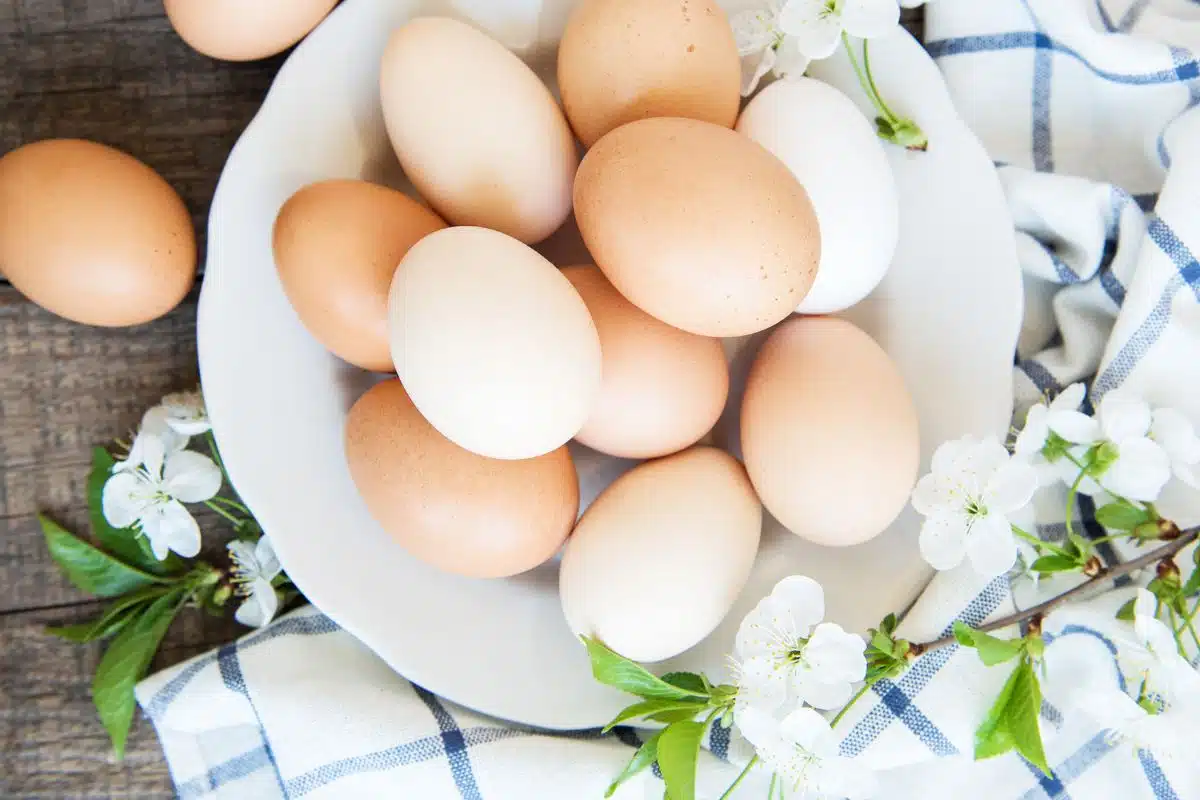
Fresh eggs are actually the worst candidates for easy peeling. As eggs age, the inner membrane loosens slightly from the shell, which makes peeling much smoother. Very fresh eggs have a tighter bond between the white and the shell membrane, so they tend to tear when you peel them. If possible, use eggs that are about 7–14 days old for boiling instead of farm-fresh or newly purchased cartons.
You’re starting with cold eggs straight from the fridge
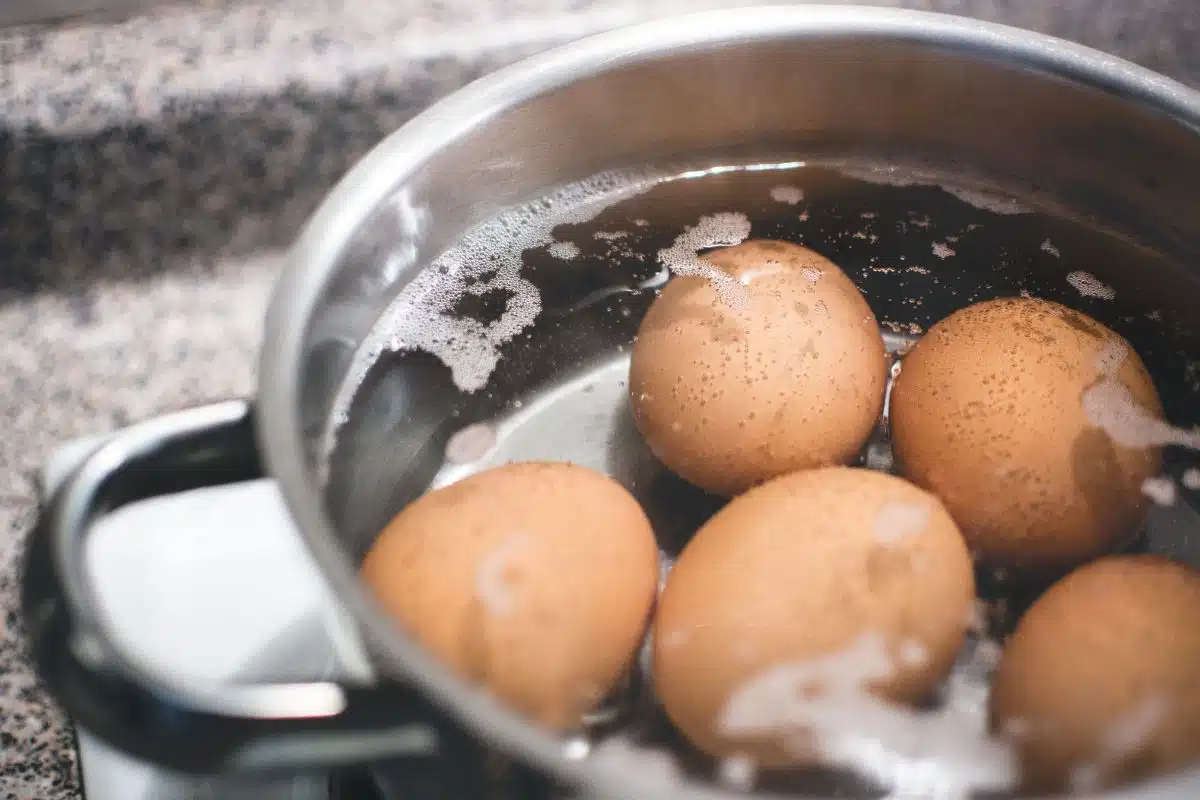
Placing eggs in cold water and bringing them up to a boil can make peeling more difficult. This method allows the egg white to bond more strongly to the shell. Instead, try adding eggs to already boiling water for better results. The sudden heat helps the proteins set in a way that makes peeling easier.
You’re skipping the ice bath (or not cooling long enough)
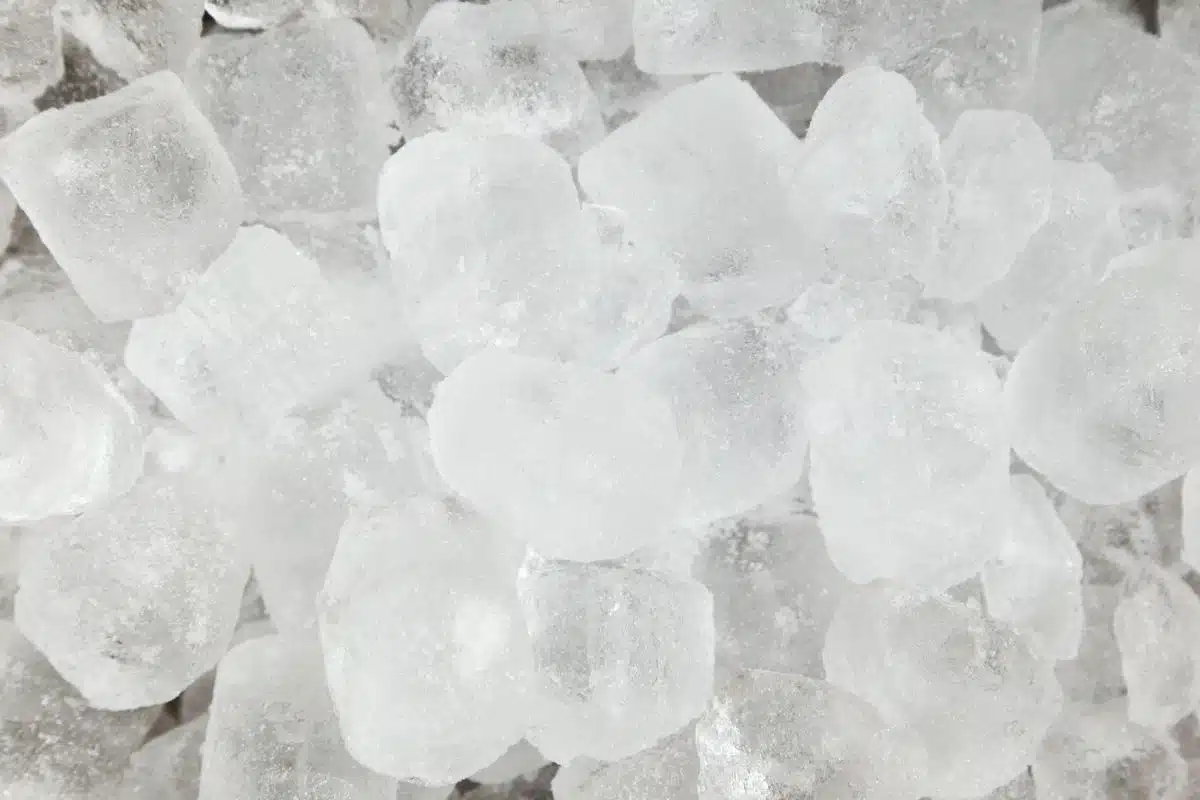
Cooling is one of the most important steps for easy peeling. When eggs finish cooking, placing them immediately into an ice bath helps stop the cooking process and causes the egg to contract slightly inside the shell. This creates a small gap that helps separate the membrane. Letting eggs sit in ice water for at least 10–15 minutes can dramatically improve peelability.
The cooking method matters more than you think
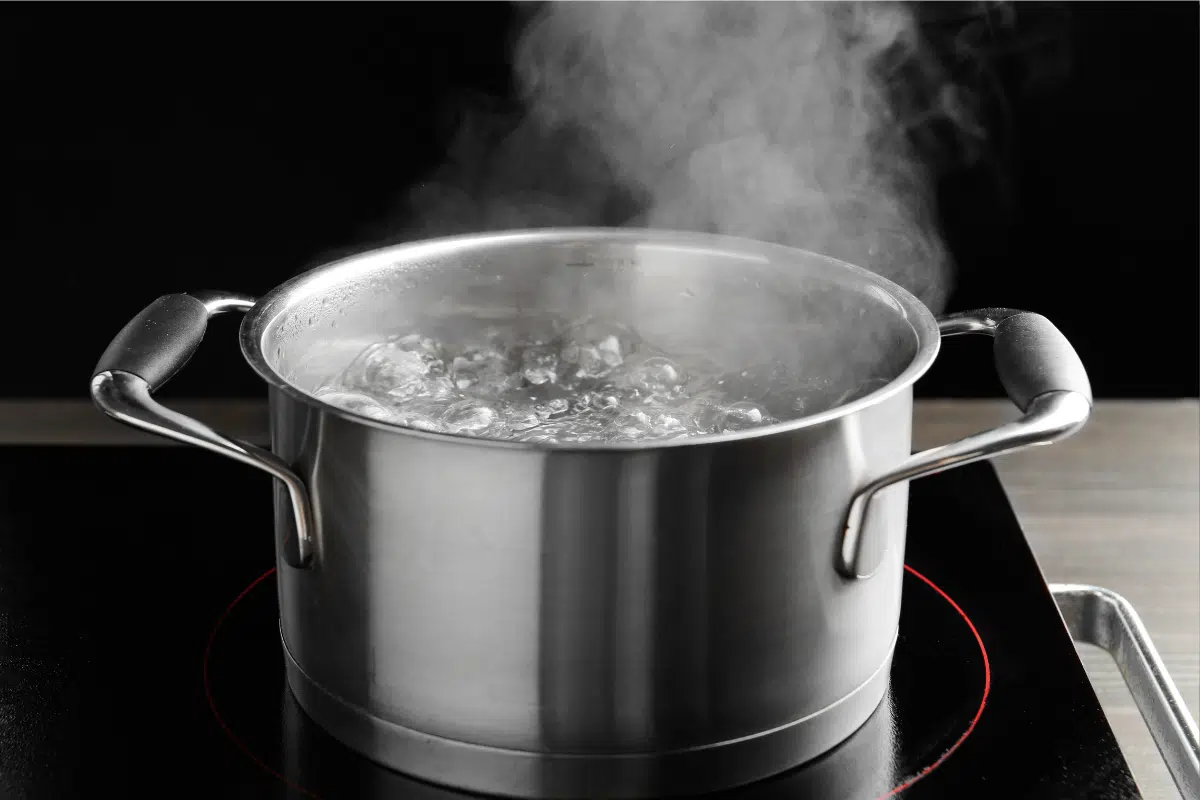
How you cook the eggs has a big impact on peelability. Eggs that are overcooked or rapidly boiled for too long tend to bond more tightly to the shell. Many cooks get better results using a gentle boil or even a steaming method instead of a rolling boil. Steaming eggs for 10–12 minutes often produces consistently easier-to-peel results.
Cracking technique and peeling method make a difference
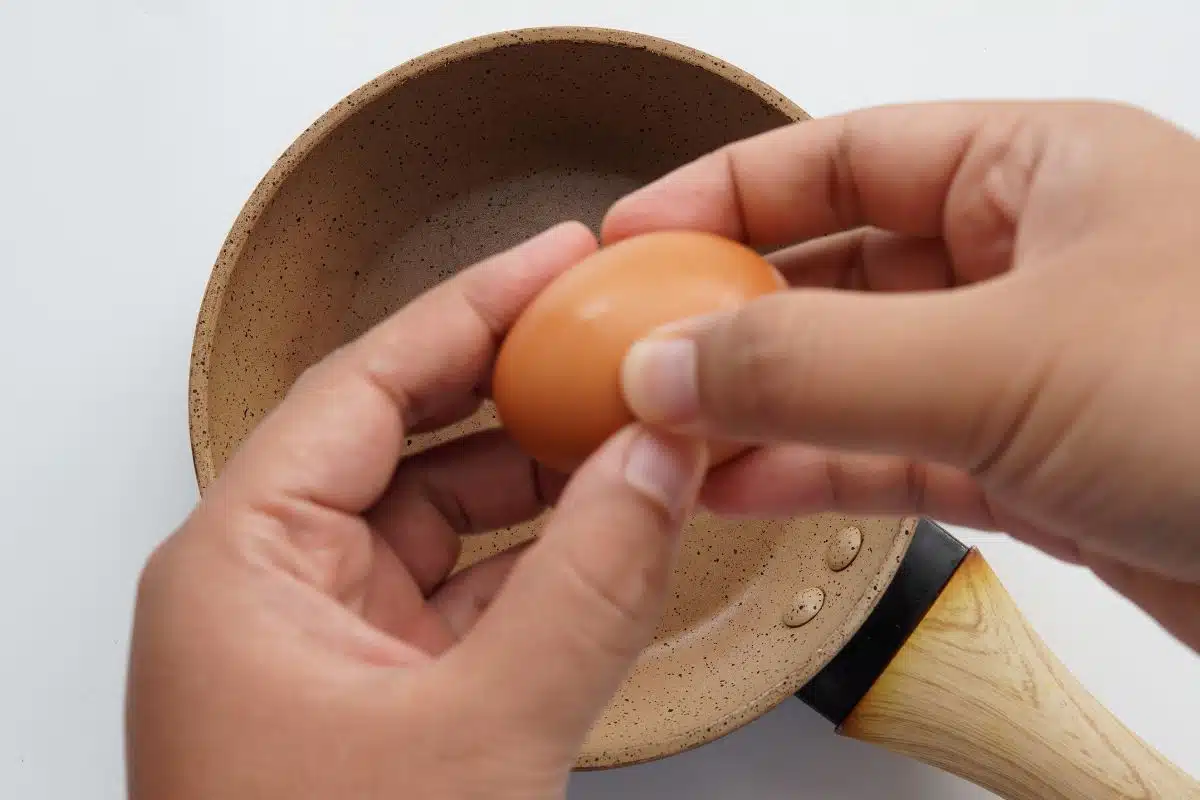
How you crack the egg matters more than you might think. Tapping gently all over the shell creates multiple small cracks, making it easier to peel in pieces. Starting from the wider end, where there’s usually an air pocket, can also help. This gives you a better entry point to lift the shell.
You’re Peeling Them Too Soon (or Too Late)
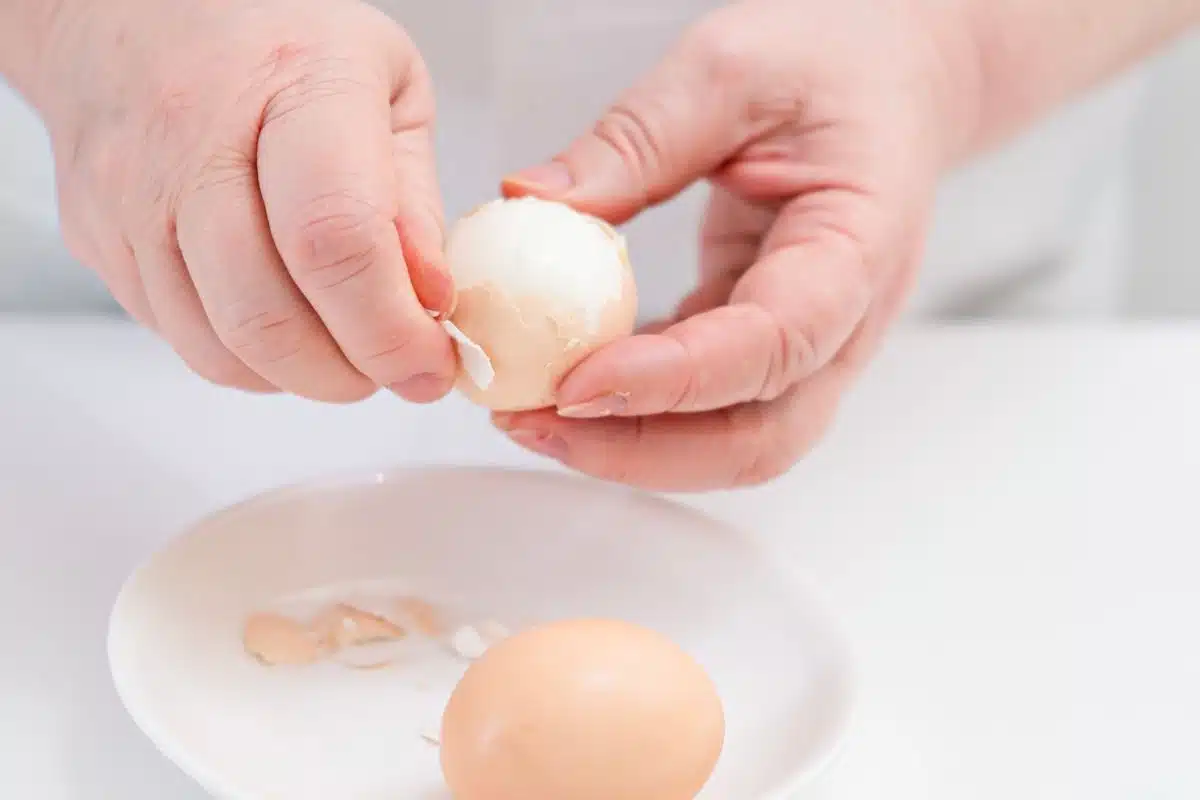
How you crack and peel the egg matters more than most people realize. Gently tapping the egg all over and starting peeling from the wider end (where the air pocket is) usually gives the best results. Peeling under running water or in a bowl of water can also help separate stubborn shell pieces. Rushing this step often leads to tearing and frustration.
The pH level of the water can affect peeling
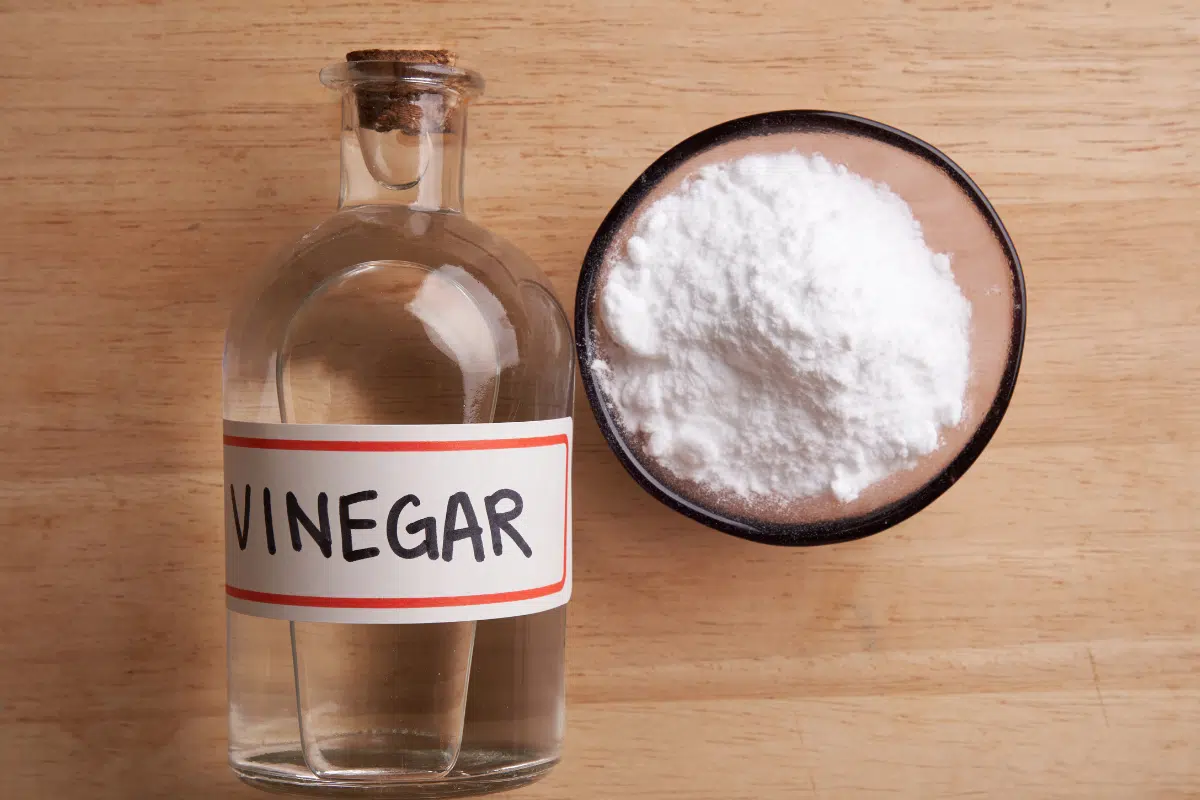
Slightly increasing the alkalinity of the cooking water can help loosen the egg white from the shell membrane. Some cooks add a small amount of baking soda or vinegar to the water for this reason. Baking soda in particular can raise the pH, which reduces how tightly the egg white sticks. Even a small adjustment can make a noticeable difference over multiple batches.
Cracking technique and peeling method make a difference
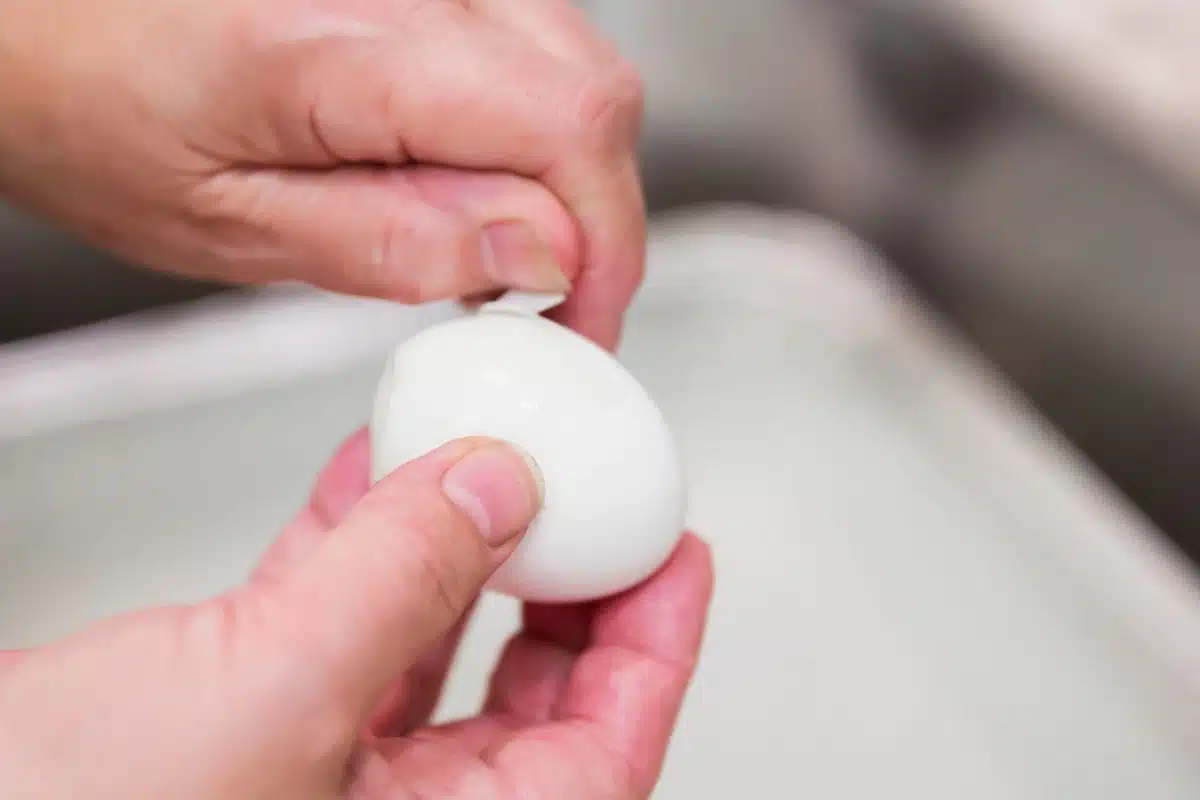
How you crack and peel the egg matters more than most people realize. Gently tapping the egg all over and starting peeling from the wider end (where the air pocket is) usually gives the best results. Peeling under running water or in a bowl of water can also help separate stubborn shell pieces. Rushing this step often leads to tearing and frustration.
Alternative cooking methods can solve the problem entirely
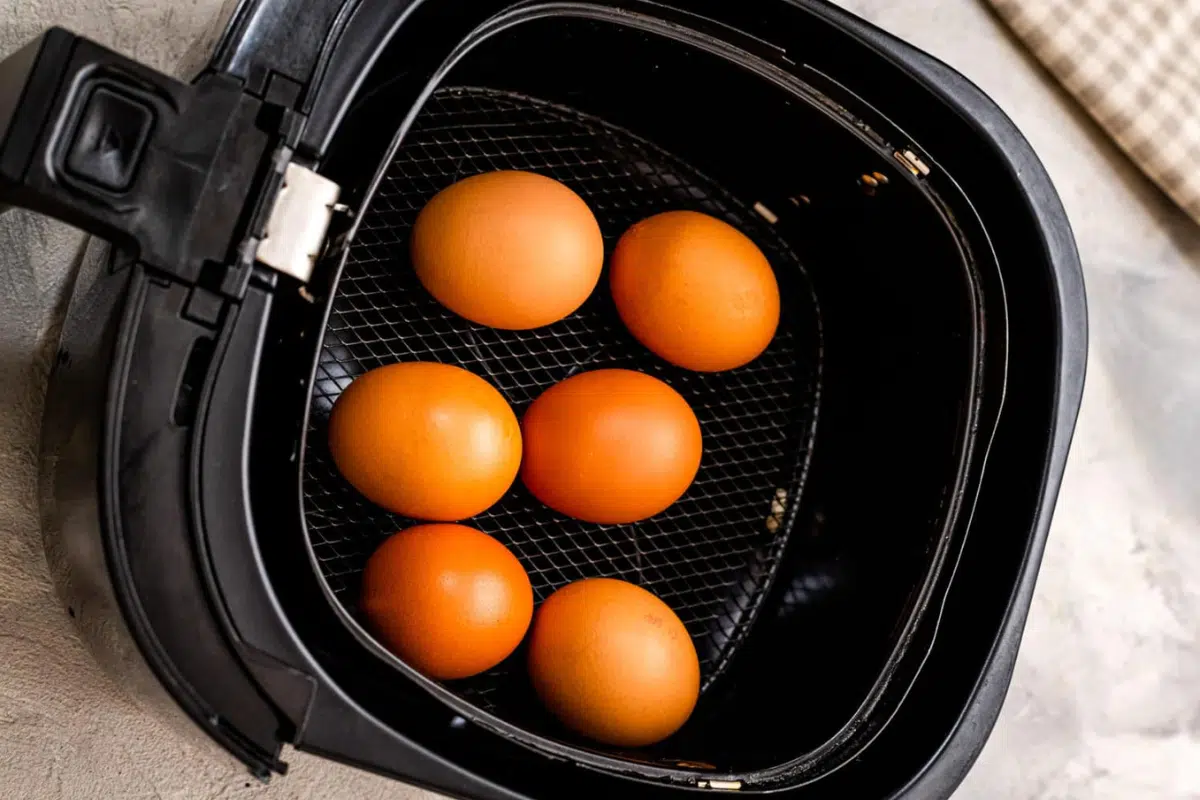
If you consistently struggle with peeling, switching methods may help more than tweaking boiling times. Steaming eggs, using a pressure cooker or Instant Pot, or even baking eggs in the shell can all produce more reliable results. These methods often create steam separation between the egg and shell membrane, making peeling much easier. Many home cooks find pressure-cooked eggs to be the most consistently peelable option.
This post may contain affiliate links or sponsored content. Disclosure Policy