10 Whole Foods Deals That Are Easy to Miss
Whole Foods may not be the first grocery store that comes to mind when you’re trying to lower your grocery bill, but there are plenty of ways to shop there without paying full price. The biggest savings aren’t always the flashy promotions. Store-brand staples, bulk foods, weekly sales, Prime member offers, and items marked with “Low Price” signs can all be worth a closer look. Prices and promotions vary by store, so it’s still smart to compare unit prices before you buy. Here are some of the Whole Foods deals and savings opportunities that are easy to overlook.
365 Pantry Staples

Whole Foods’ 365 brand is one of the first places to look when you’re trying to keep your grocery bill down. The line includes hundreds of products, from pantry staples to everyday grocery items, and Whole Foods specifically promotes 365 as a way to get its ingredient standards at a more accessible price. Look for basics such as pasta, canned goods, grains, sauces, and other staples you buy regularly.
Frozen Fruits and Vegetables
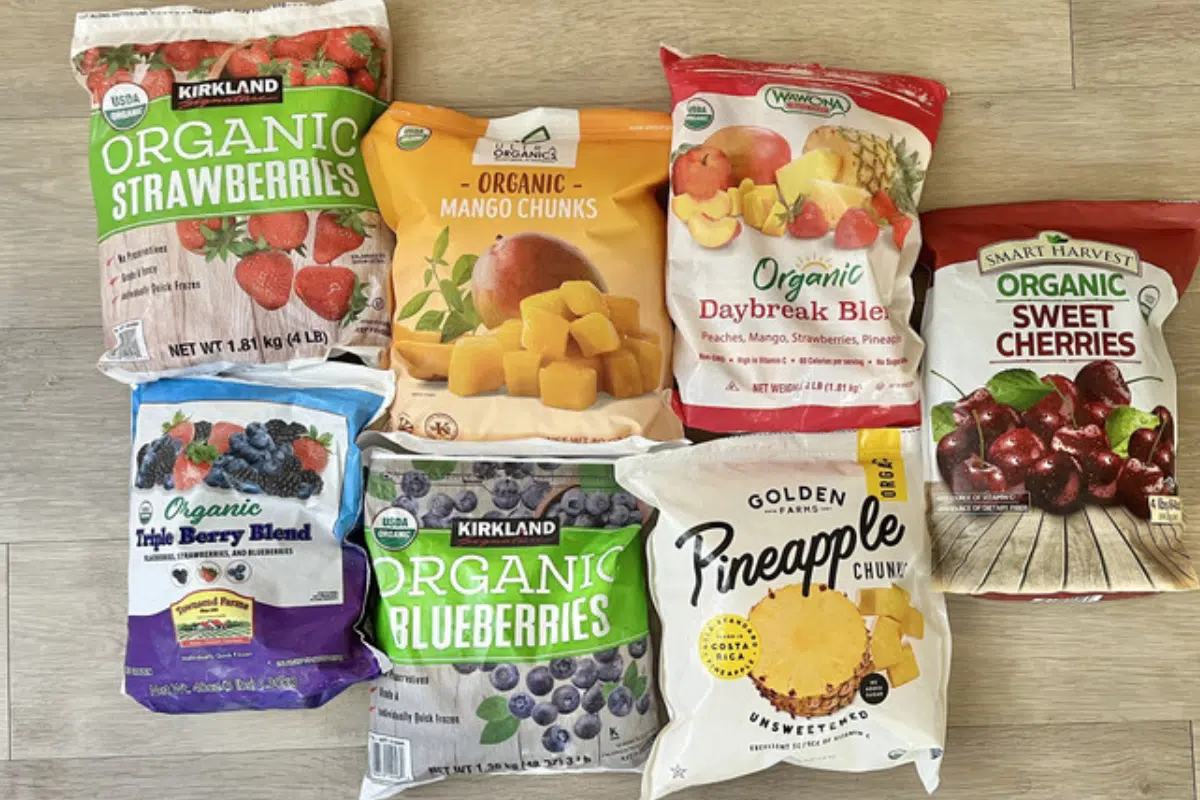
Frozen produce is worth checking when fresh produce isn’t on sale or you know you won’t use it quickly. Frozen berries, spinach, peas, and mixed vegetables can be especially convenient because you can use only what you need and return the rest to the freezer. The biggest savings come when you compare the price per ounce with both fresh produce and other frozen brands rather than automatically choosing organic or assuming one format costs less.
Bulk Grains, Beans, Nuts, and Seeds
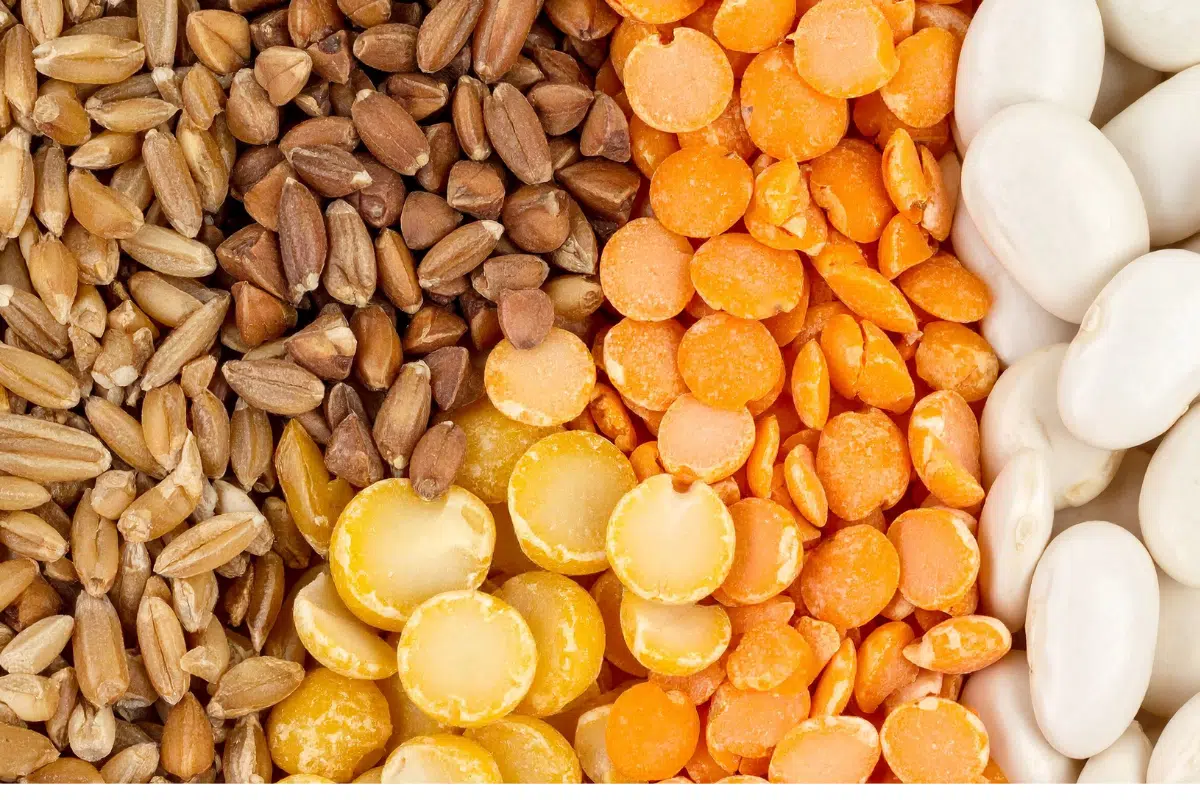
The bulk section can be useful when you need a small amount of an ingredient or want to compare the cost with packaged versions. Whole Foods’ bulk department includes items such as grains, beans, nut butters, nuts, and seeds, and the store points out that buying only the amount you need can help save money and reduce packaging waste. Just compare the per-pound price with packaged options before assuming bulk is cheaper.
Produce With a Weekly Sale Sign
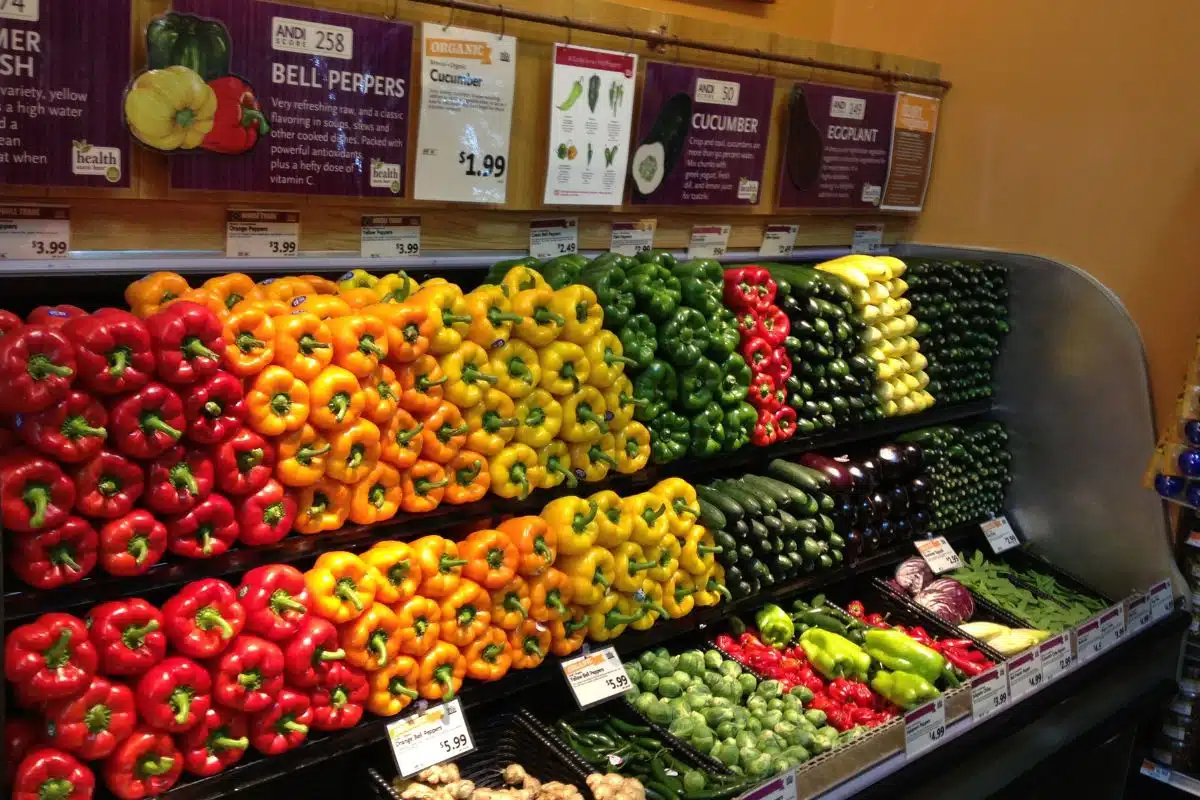
The produce section can have some surprisingly good prices when you shop around the weekly promotions. Instead of building your grocery list around specific fruits and vegetables, check the sale signs first and plan a few meals around what’s discounted. Whole Foods’ current sales system includes weekly grocery deals, although the specific products and prices vary by location.
Rotisserie Chicken on the Right Day

A rotisserie chicken can be a convenient buy when you turn it into more than one meal. Whole Foods currently includes rotisserie chicken among its recurring Tuesday Prime savings, with the promotion offering a discount on qualifying Whole Foods Market rotisserie chickens. Promotions and exclusions can change, so check the current offer in the Whole Foods app before making a special trip.
Meat and Seafood on Sale
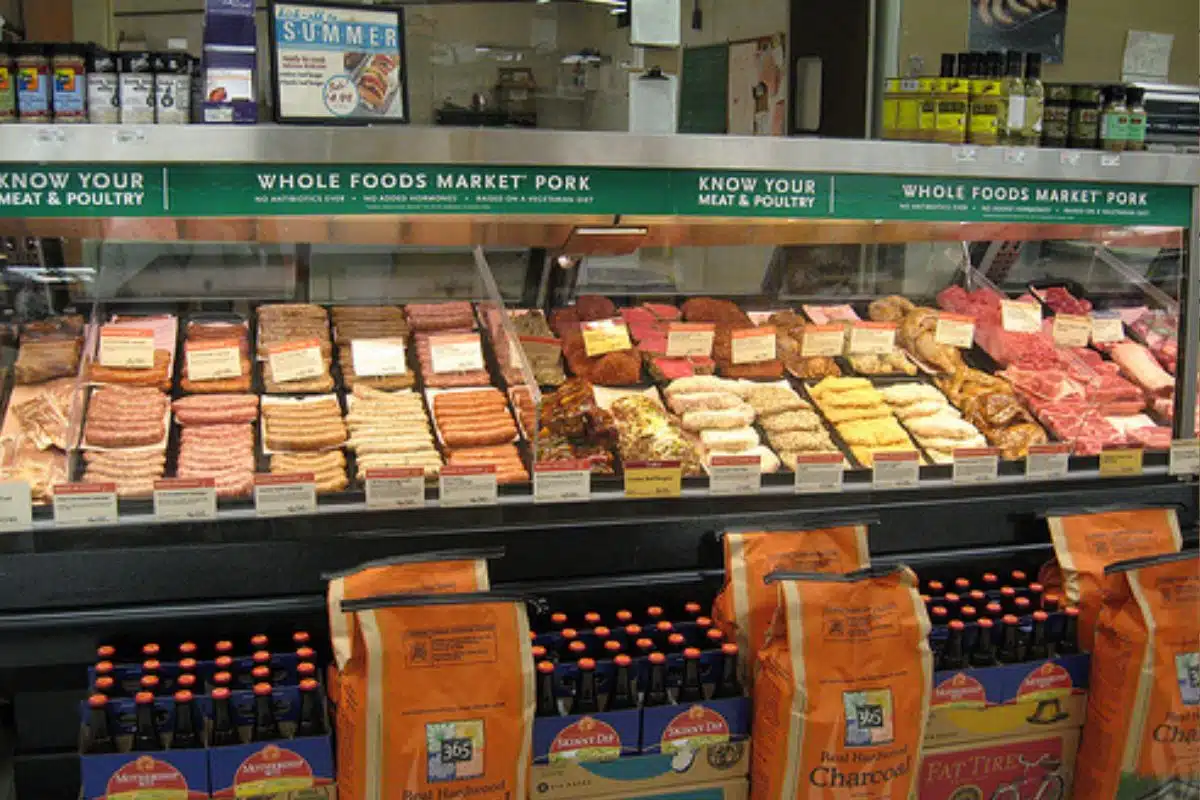
Meat and seafood are categories where shopping the regular price can add up quickly, but the weekly sale section can make certain cuts much more reasonable. Check the current promotions before deciding what protein to buy and compare the price per pound with other local stores. If you find a genuinely good price on something your household will use, buying extra and freezing it can make the sale work harder for your grocery budget.
“Low Price” Items
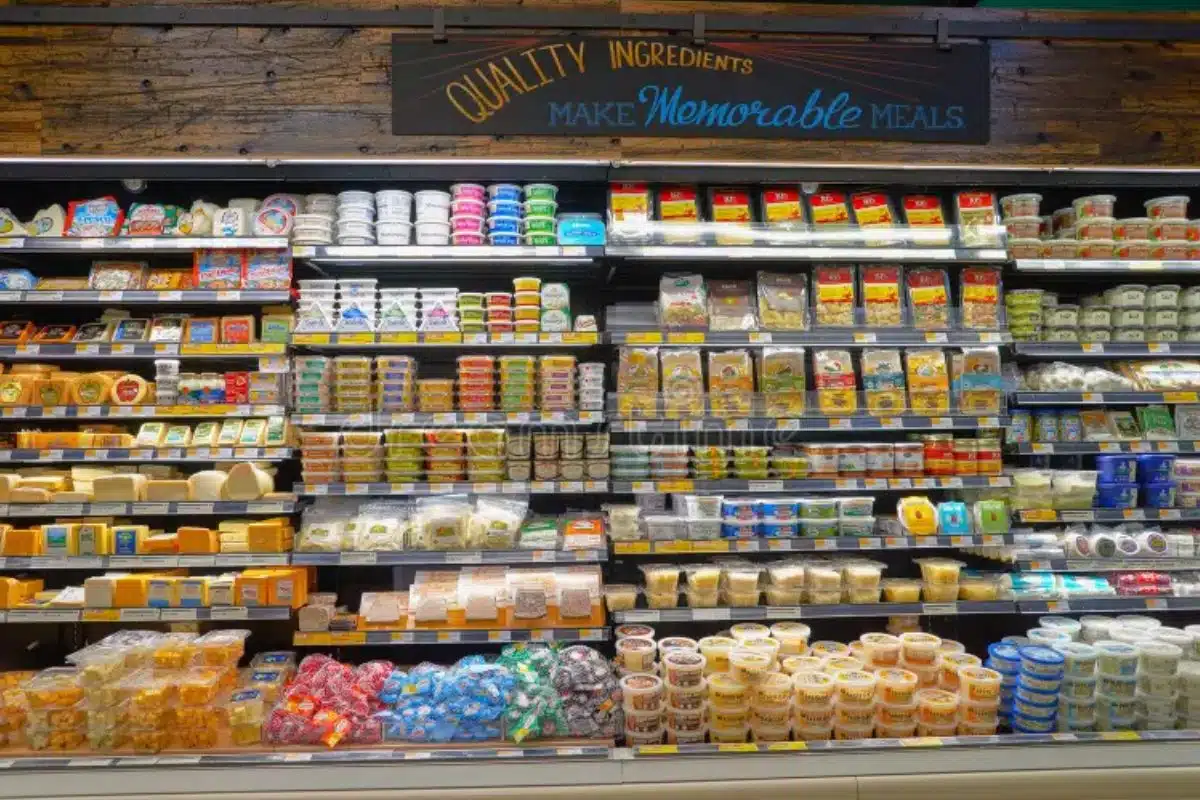
Don’t overlook the yellow “Low Price” signs around the store. Whole Foods specifically uses these signs to identify grocery items it considers competitively priced, so they’re a useful starting point when you’re trying to find better everyday values. The items marked this way can change, which makes them more useful than relying on a fixed list of products that may eventually go back to a higher price.
Prime Member Deals

If you already have an Amazon Prime membership, make sure you’re actually using the Whole Foods benefits attached to it. Whole Foods says Prime members receive 30 or more exclusive deals each week, along with an additional 10% off eligible sale items when they identify themselves as Prime members at checkout. You can scan the Whole Foods or Amazon app at checkout to receive the applicable discounts.
Tuesday and Friday Food Deals
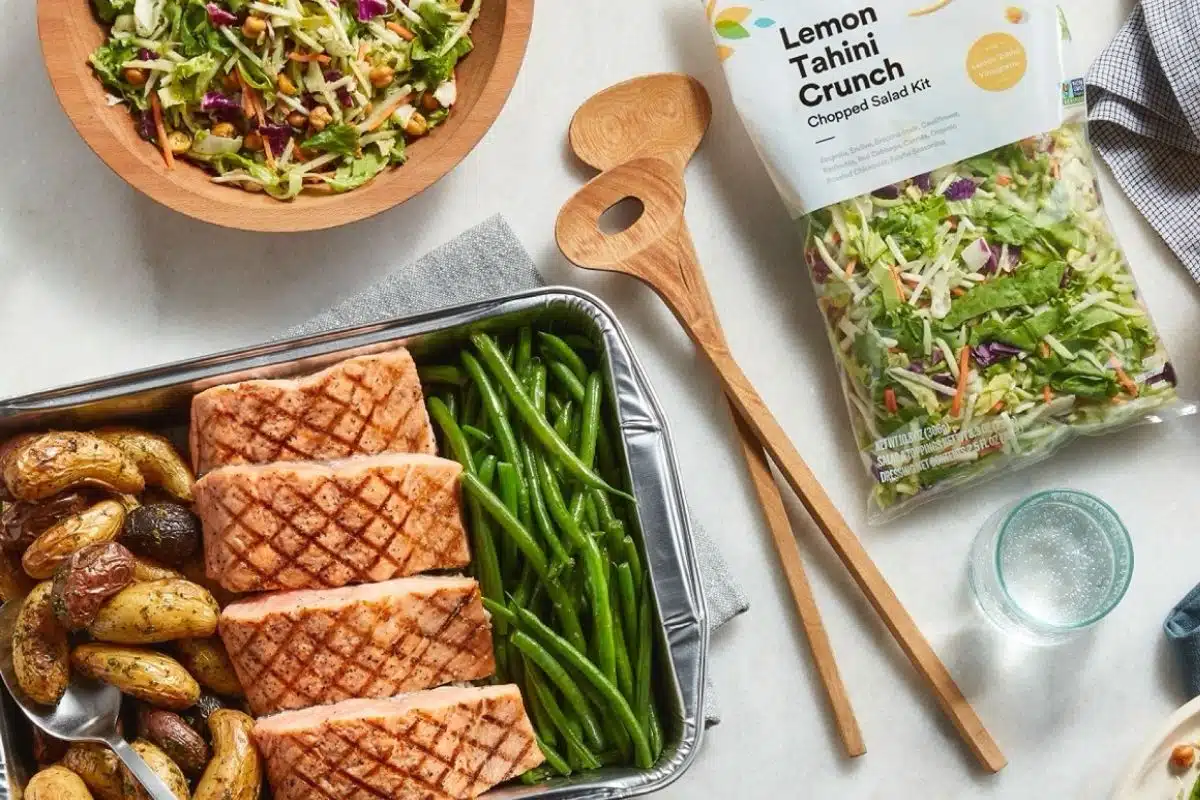
The recurring Tuesday and Friday promotions are worth checking if your shopping schedule is flexible. Current Tuesday offers include savings on items such as rotisserie chicken, packaged soups, individual meals, ground beef, and select salad greens, while Friday promotions include products such as sushi and pizza. These offers are for Prime members and are subject to store, product, quantity, and availability restrictions, so check the current promotion before shopping.
Weekly Sales in the Whole Foods App
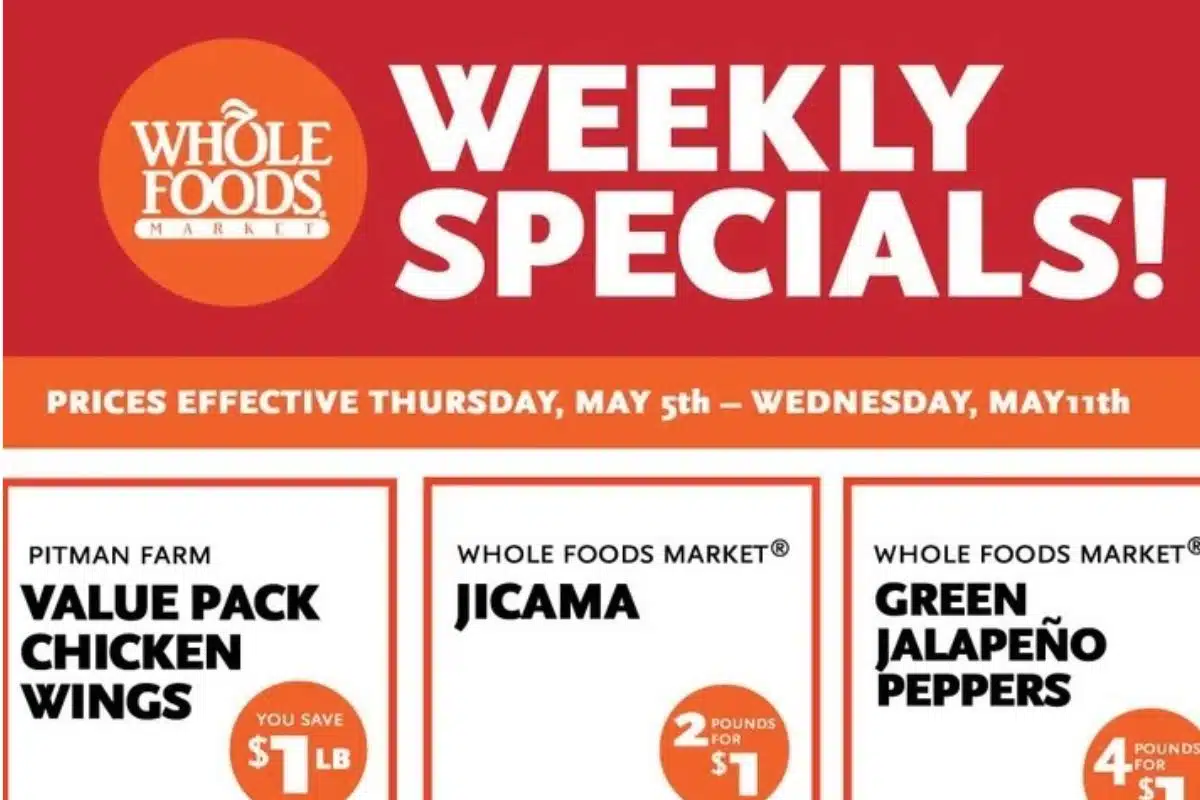
The Whole Foods app is more than a way to build a shopping list. It lets shoppers see sales at their local store and filter products by sales and deals, making it easier to check prices before heading to the store. Prime members can also use the app to identify themselves at checkout and receive applicable Prime discounts. Checking the app before you shop can help you build your list around what’s actually on sale instead of discovering the deals after you’ve already filled your cart.
This post may contain affiliate links or sponsored content. Disclosure Policy