7 Common Food Myths That Deserve a Second Look
Nutrition advice can be confusing, especially when social media, old diet rules, and conflicting headlines make it difficult to know what to believe. Some food myths contain a small piece of truth but leave out important context, while others have little evidence behind them. Rather than labeling foods as simply “good” or “bad,” current nutrition guidance generally emphasizes overall eating patterns, food quality, and individual needs. Here are seven common food beliefs worth reconsidering.
Carbohydrates Are Always Bad for You

Carbohydrates aren’t inherently unhealthy, and they include many nutritious foods such as fruits, vegetables, beans, lentils, and whole grains. These foods can provide fiber, vitamins, minerals, and energy, while highly refined carbohydrate foods may offer fewer nutrients and less fiber. The Dietary Guidelines for Americans include grains, fruits, and vegetables as important parts of a healthy eating pattern. The better question isn’t whether a food contains carbohydrates, but what type of carbohydrate it provides and how it fits into the overall diet. Choosing more minimally processed, fiber-rich carbohydrate sources can be a practical way to improve diet quality.
Brown Eggs Are More Nutritious Than White Eggs

Brown eggs often cost more, but the color of the shell doesn’t make an egg healthier. USDA explains that shell color is determined by the breed of the hen and does not affect the egg’s quality or nutritional value. There can be nutritional differences between eggs based on factors such as the hen’s diet, but those differences aren’t caused simply by whether the shell is brown or white. When comparing cartons, it’s more useful to consider factors such as price, egg size, production claims, and any specific nutritional features you’re looking for.
Microwaving Food Destroys Its Nutrients

Microwaving does not automatically destroy the nutrients in food. Nutrient losses can occur during many types of cooking, but the amount depends on factors such as cooking time, temperature, the food itself, and how much water is used. USDA research notes that microwave cooking can produce nutrient values similar to other cooking methods, with the cooking conditions playing an important role. In some cases, microwaving may actually help preserve certain nutrients because foods can cook quickly with little added water. Rather than avoiding the microwave because of nutrition concerns, focus on cooking foods appropriately and avoiding unnecessarily long cooking times.
Healthy Foods Can Be Eaten Without Paying Attention to Portions
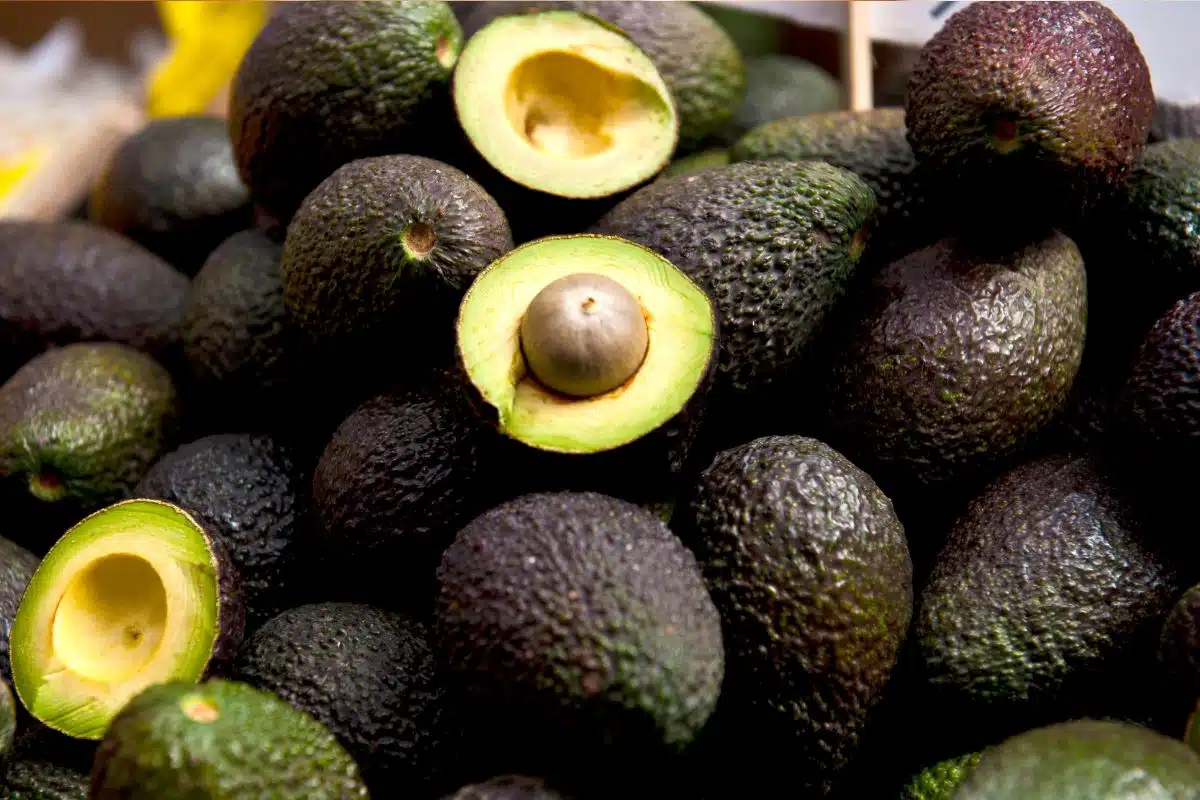
Nutrient-dense foods such as nuts, seeds, avocados, olive oil, and nut butters can be excellent additions to a balanced diet. However, being nutritious doesn’t mean a food has no calories or that unlimited amounts are appropriate for everyone. Portion needs vary depending on the food, a person’s energy requirements, and their overall eating pattern. This doesn’t mean you need to obsess over every bite or calorie. It simply means that healthy eating involves both the nutritional quality of foods and the amounts that fit your individual needs. The Dietary Guidelines emphasize nutrient-dense foods while also staying within individual calorie needs.
Everyone Needs Exactly Eight Glasses of Water a Day

The familiar “eight glasses a day” rule is easy to remember, but hydration needs aren’t identical for everyone. Fluid requirements can change with body size, activity level, climate, diet, pregnancy, illness, and other individual factors. Water isn’t the only source of fluid, either. Other beverages and foods with high water content contribute to overall fluid intake. Rather than treating eight glasses as a universal prescription, consider thirst, activity, environmental conditions, and your individual health needs when determining how much to drink.
Fresh Produce Is Always More Nutritious Than Frozen

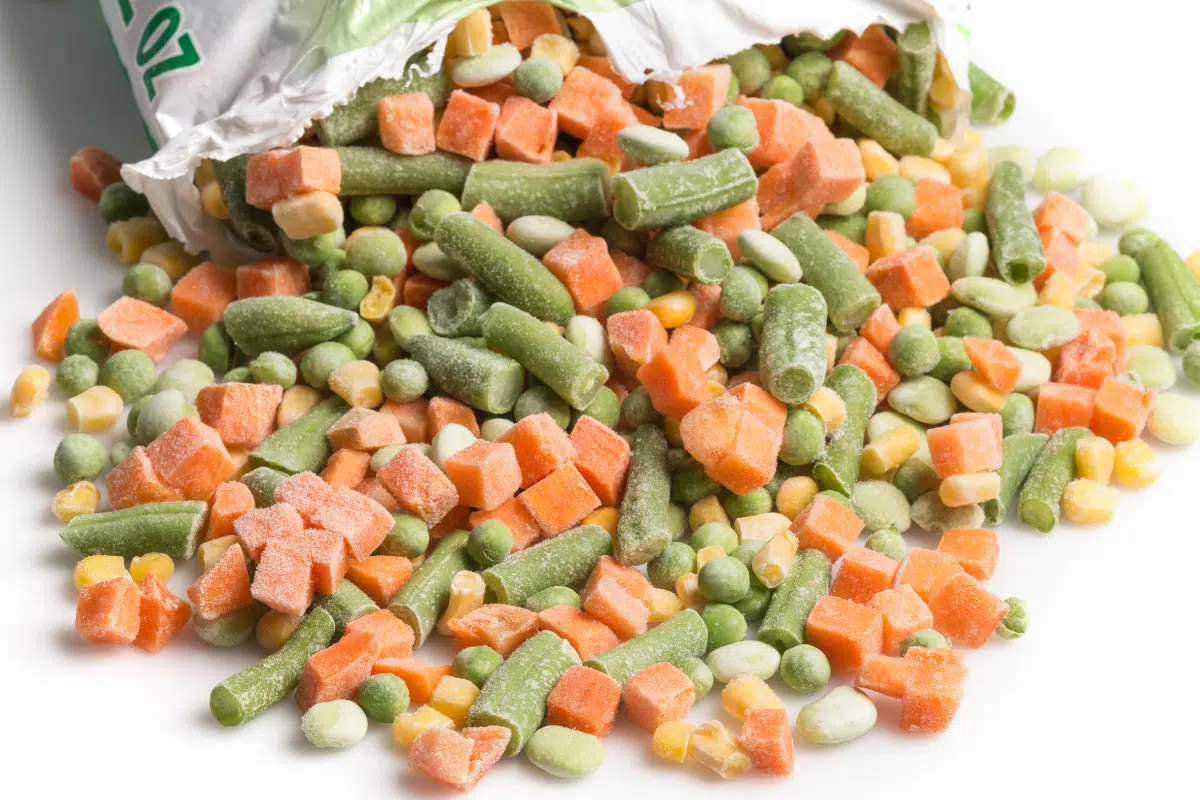
Fresh produce can be an excellent choice, but frozen fruits and vegetables aren’t automatically less nutritious. Produce can lose some nutrients during storage, while freezing can help preserve many nutrients by slowing the natural deterioration that occurs after harvest. The nutritional difference between fresh and frozen can vary depending on the food, how long fresh produce has been stored, and how each product is prepared. Frozen produce can also make it easier to keep fruits and vegetables available for longer, which may help reduce food waste and make it easier to include them regularly in meals.
Detox Diets Are Necessary to Cleanse the Body
Juice cleanses, detox teas, and restrictive “detox” diets are often promoted as ways to remove toxins from the body, but the concept is frequently oversimplified. Your body already has organs and systems, including the liver and kidneys, that continuously process and eliminate waste products. There isn’t good evidence that commercial detox programs are necessary for healthy people to perform this basic function. Some detox programs can also involve severe calorie restriction or eliminate entire food groups, making them difficult to sustain.
This post may contain affiliate links or sponsored content. Disclosure Policy