10 Easy DIY Money-Saving Ideas That Can Help Cut Everyday Costs
Saving money doesn’t have to mean giving up the things that make your home comfortable and enjoyable. The most useful DIY money-saving ideas often involve getting more use from what you already own, reducing waste, or handling simple projects yourself. From reusable cleaning supplies to homemade meals and basic home maintenance, these practical ideas can help lower everyday expenses without making life feel restrictive. A few small changes can add up over time, especially when they become regular household habits.
Make Simple Cleaning Supplies for Everyday Jobs
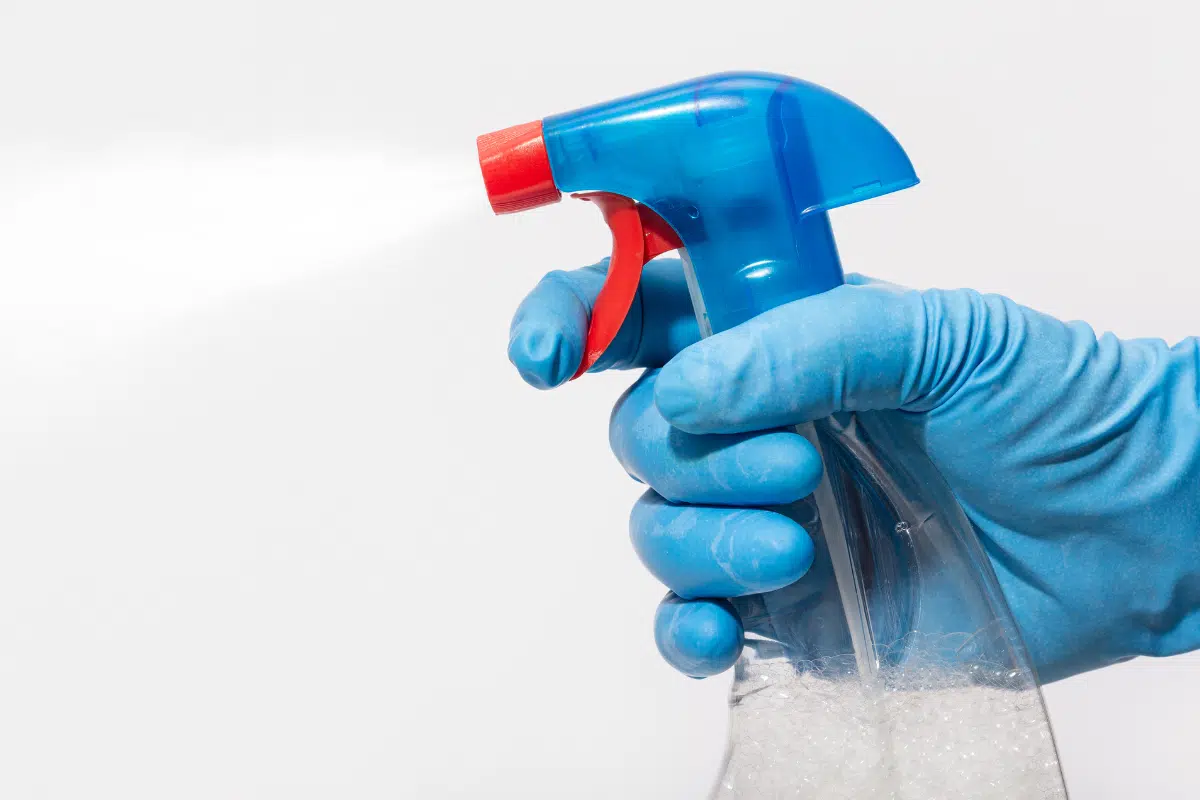
Some basic household ingredients can handle certain everyday cleaning jobs without requiring a cabinet full of specialty products. Vinegar diluted with water can be useful for some surfaces, while baking soda works well as a mild abrasive, but they are not a universal replacement for commercial cleaners. Homemade cleaners also aren’t automatically safer or more effective, so use them only for appropriate surfaces and follow product guidance when disinfecting or sanitizing. Most importantly, never mix cleaning products, especially bleach with other cleaners, because dangerous fumes can result.
Turn Empty Jars Into Useful Storage
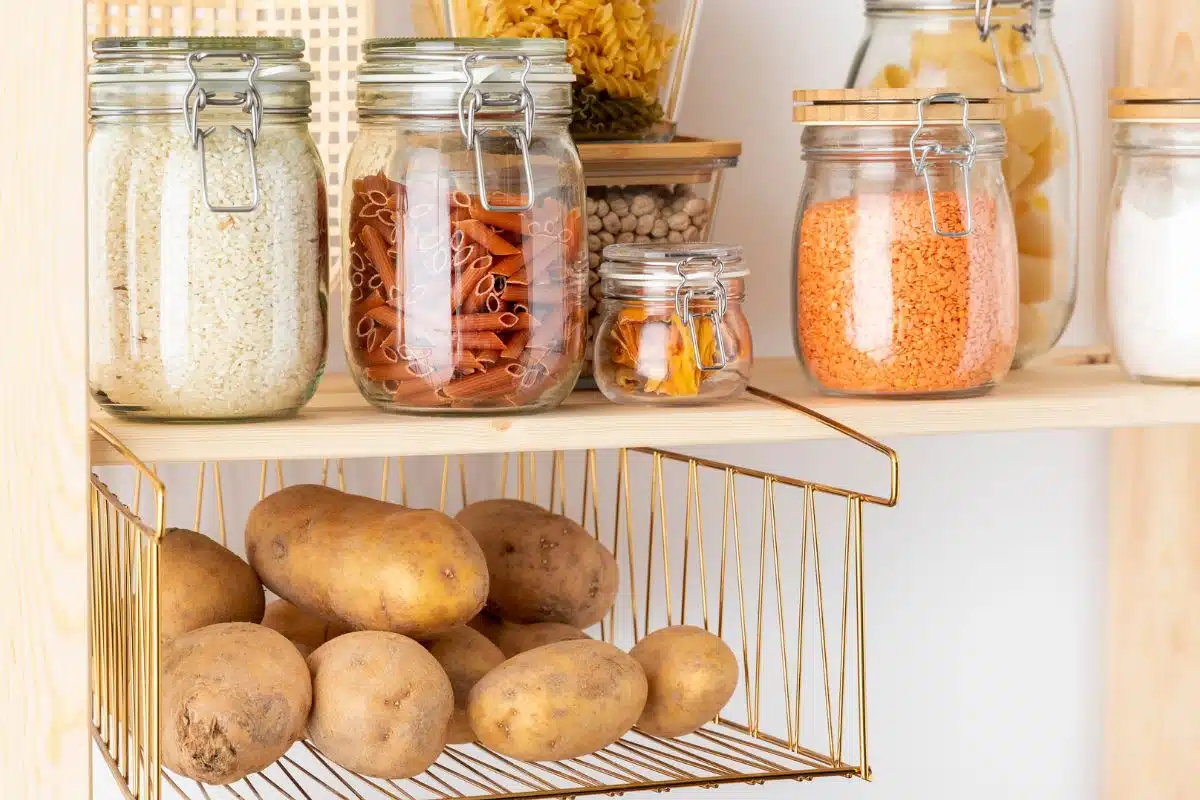
Before buying another set of organizing containers, look around your kitchen for sturdy jars and containers you already have. Glass jars can hold dry pantry ingredients, homemade mixes, craft supplies, small hardware, or other household odds and ends. Wash and dry containers thoroughly, and label them so their new purpose is easy to identify. This simple habit can reduce the need to buy storage products every time you reorganize a room.
Refresh Your Home With Low-Cost Décor Projects

You don’t always need new furniture or expensive artwork to make a room feel different. Try framing fabric remnants, updating an inexpensive thrift-store find, rearranging artwork, or giving an existing accessory a fresh finish. Focus on one small area at a time rather than attempting a costly room makeover all at once. The result can give your home a refreshed look while keeping the project budget under control.
Recreate Your Favorite Coffeehouse Drinks at Home

Making coffee at home can be a practical way to reduce the cost of a daily café habit. Instead of buying an elaborate setup immediately, start with the equipment you will actually use, whether that’s a drip coffee maker, French press, or another brewing method. Milk, syrups, spices, and other additions can be adjusted to recreate favorite drinks at home. If you already have a coffee maker, using it consistently rather than purchasing individual drinks can make this one of the easiest changes to maintain.
Give Existing Furniture a Second Life

A dated piece of furniture doesn’t necessarily need to be replaced. Depending on its condition, a thorough cleaning, new hardware, paint, stain, or fresh upholstery can give it an entirely different appearance. Before starting, check what the material and existing finish can safely handle and determine whether the repair will actually cost less than replacement. For solid, well-made pieces, a thoughtful update can extend their useful life and postpone a larger purchase.
Grow a Small Indoor Herb Garden
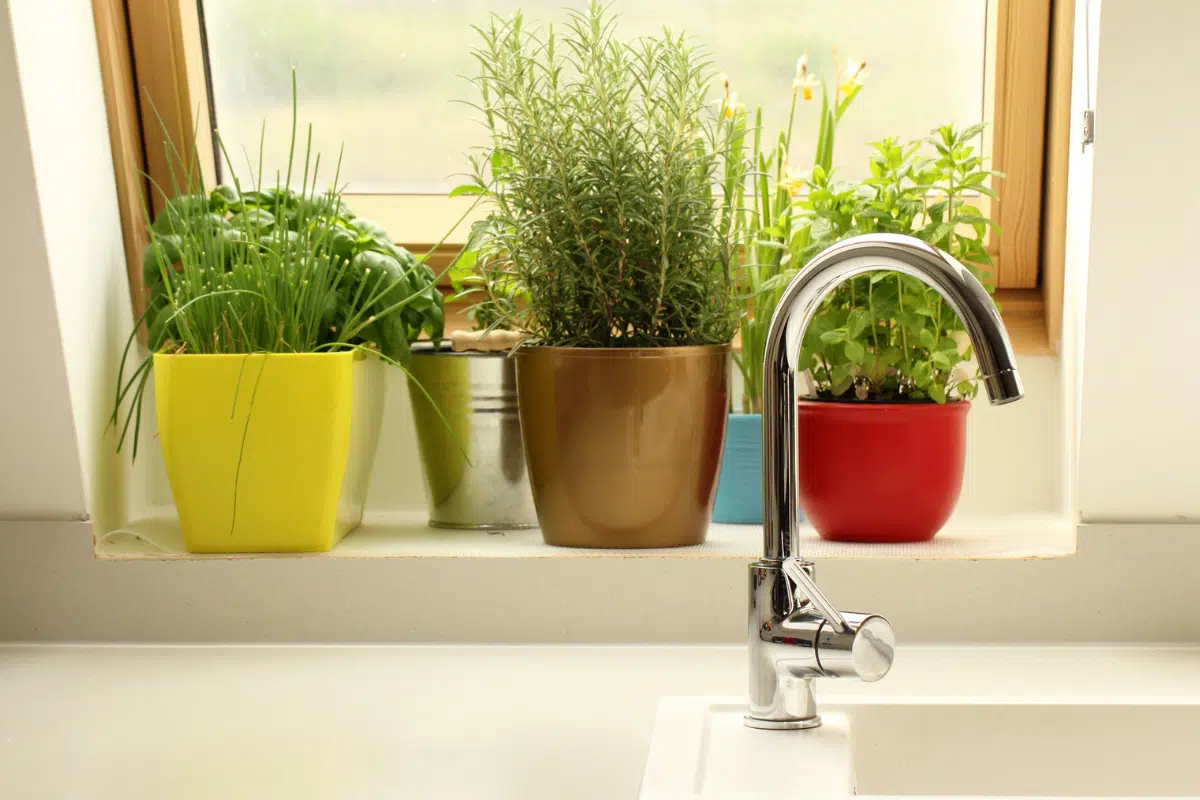
Fresh herbs can be convenient to grow at home, particularly when you regularly use small amounts of basil, parsley, chives, or mint. A sunny windowsill, suitable container, potting mix, and proper watering are enough to get started with many common herbs. Growing your own isn’t guaranteed to be cheaper than every grocery-store option, especially when supplies are included, but it can help reduce waste when you harvest only what you need. Start with a few herbs you use frequently rather than buying a large collection that may go unused.
Make Thoughtful Gifts Instead of Buying Everything

A homemade gift can be both personal and practical when it matches the recipient’s interests. Baked goods, assembled gift baskets, handmade cards, simple crafts, or a collection of favorite recipes can all be thoughtful options. Use ingredients and supplies you already have when possible, rather than purchasing a long list of materials just to make a supposedly inexpensive gift. Presentation matters, too, so a reusable basket, ribbon, or simple wrapping can make a homemade gift feel finished without adding much expense.
Turn Old Towels and T-Shirts Into Cleaning Cloths
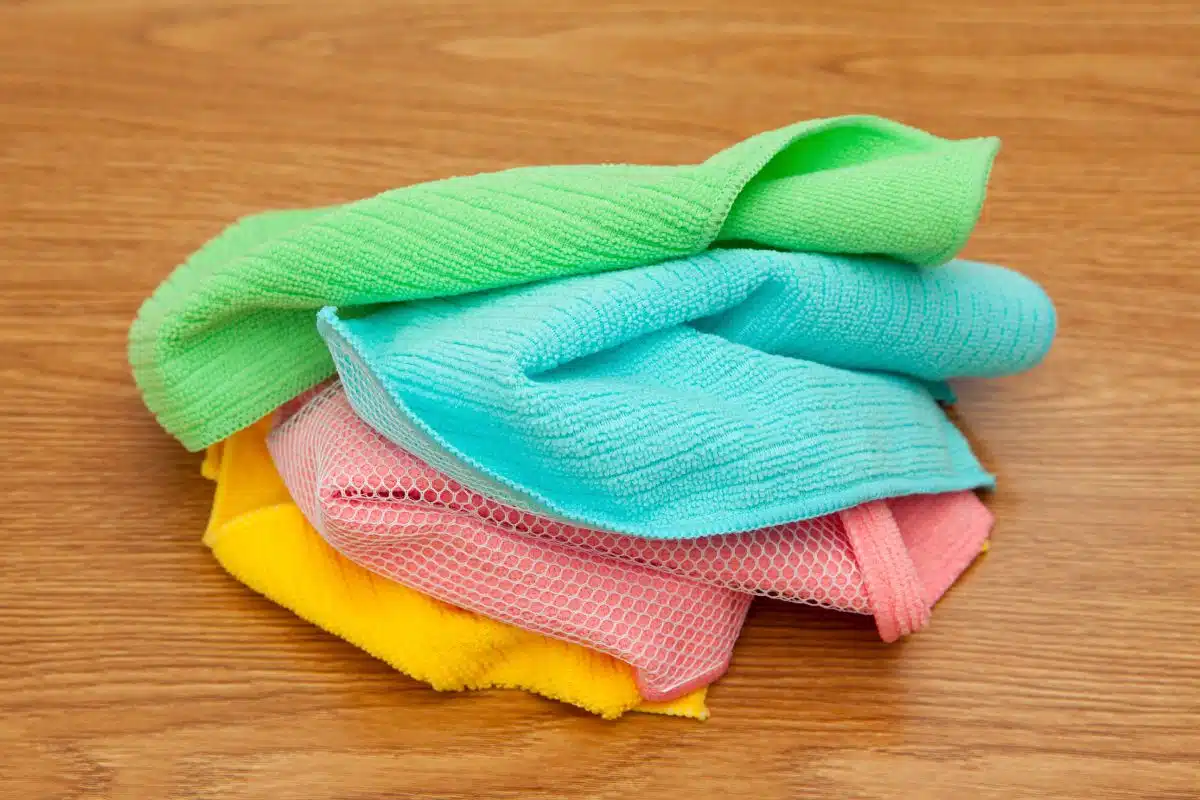
Old cotton T-shirts, towels, and other absorbent fabrics can often be repurposed as household cleaning cloths. Cut them into manageable pieces and keep a small supply where you normally clean so they are easy to grab. Wash reusable cloths according to the fabric and the type of mess they handled, keeping especially dirty or contaminated materials separate when appropriate. Reusing fabric you already own can reduce your dependence on disposable paper products and gives worn-out textiles another useful purpose.
Seal Drafty Windows and Doors
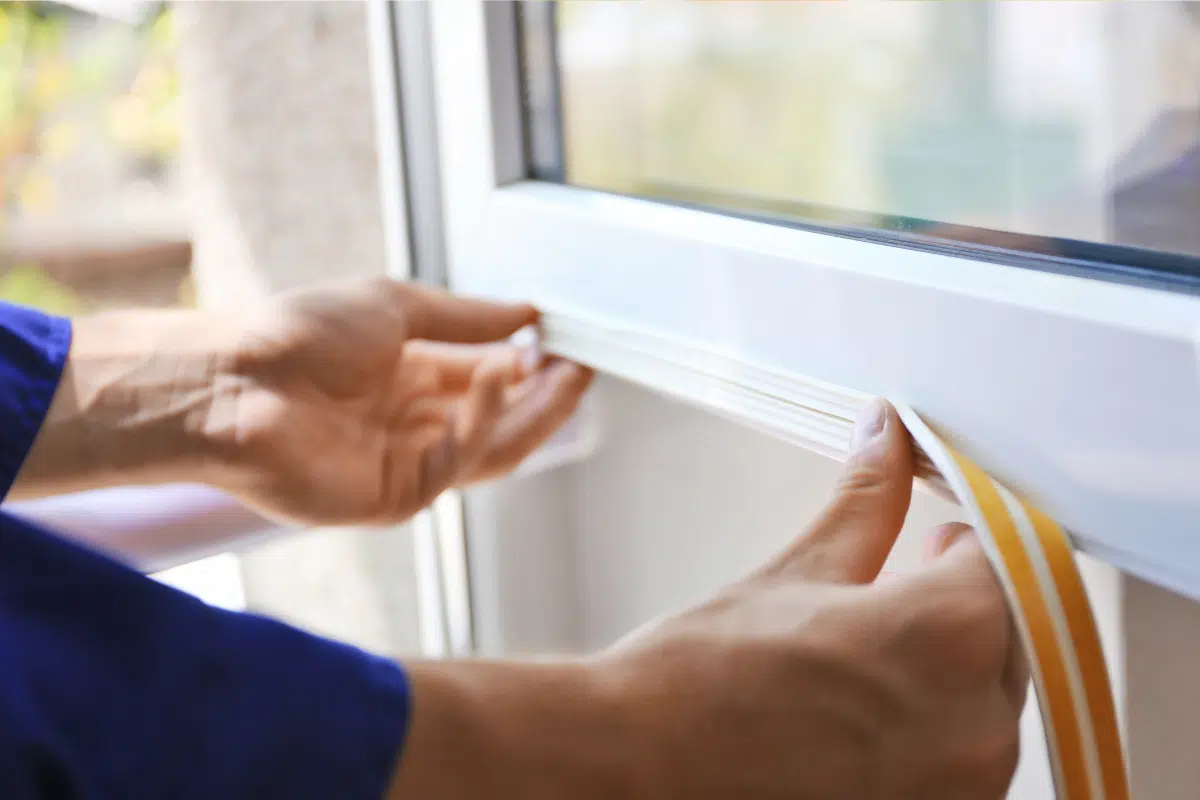
Small air leaks around windows and doors can make a home less comfortable and force heating and cooling systems to work harder. The U.S. Department of Energy recommends caulking stationary gaps around areas such as window and door frames and using weatherstripping around movable components. These are relatively accessible DIY projects that can improve comfort and reduce energy waste. Larger or harder-to-access air leaks, particularly around ducts or combustion equipment, may be better handled by a qualified professional.
Prep Meals at Home and Freeze What You Won’t Eat

Planning meals before shopping can help you buy ingredients with a purpose and make better use of leftovers. Prepare extra portions when it makes sense, then refrigerate what you’ll eat soon and freeze the rest in clearly labeled portions. The USDA recommends using refrigerated leftovers within three to four days, while properly frozen leftovers can be kept longer for quality purposes. Keeping a few prepared meals in the freezer can also make it easier to avoid an expensive takeout order on a busy night.
This post may contain affiliate links or sponsored content. Disclosure Policy