10 Smart Ways to Store Bulk Buys Without Losing Your Pantry
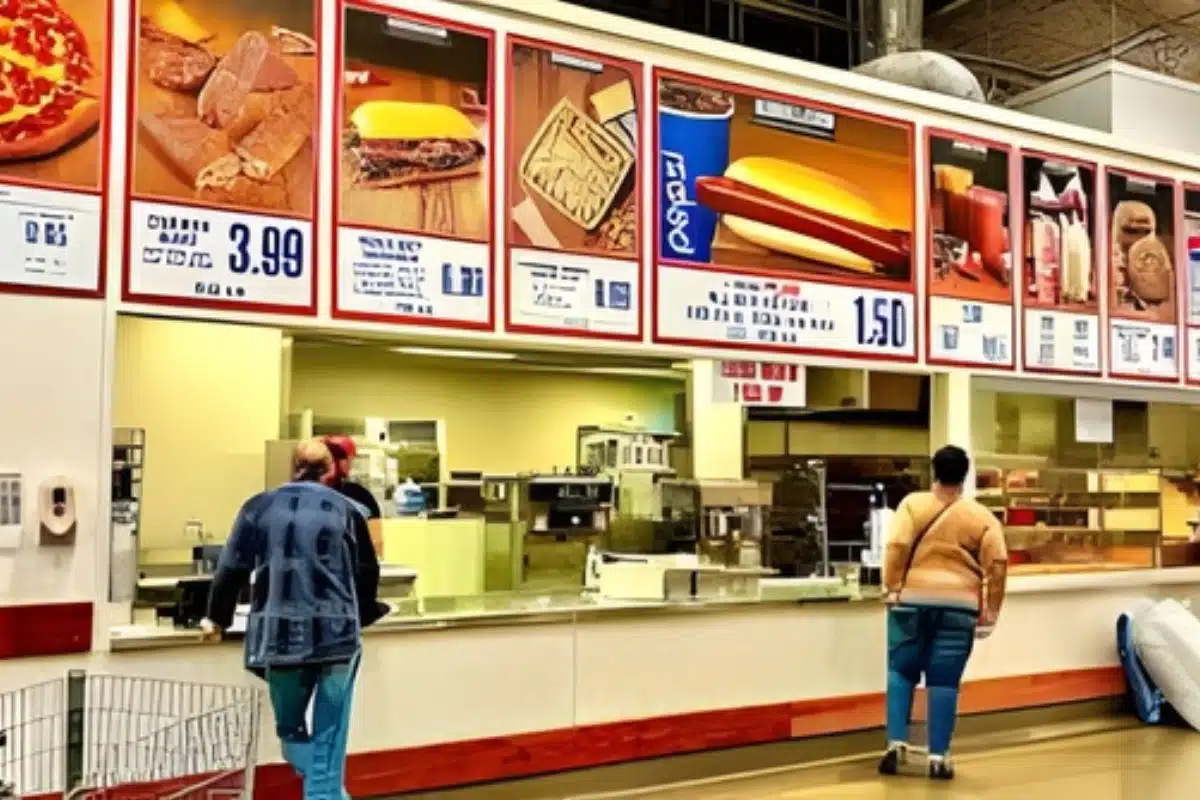
Buying in bulk can save money, but those savings aren’t much help if your pantry, basement, or garage becomes a maze of oversized packages. The trick is finding a storage system that makes your extras easy to see, reach, and use before you buy more. These practical ideas can help you make the most of your available space while keeping bulk purchases organized and easier to manage.
Use Clear Bins to See What You’ve Got
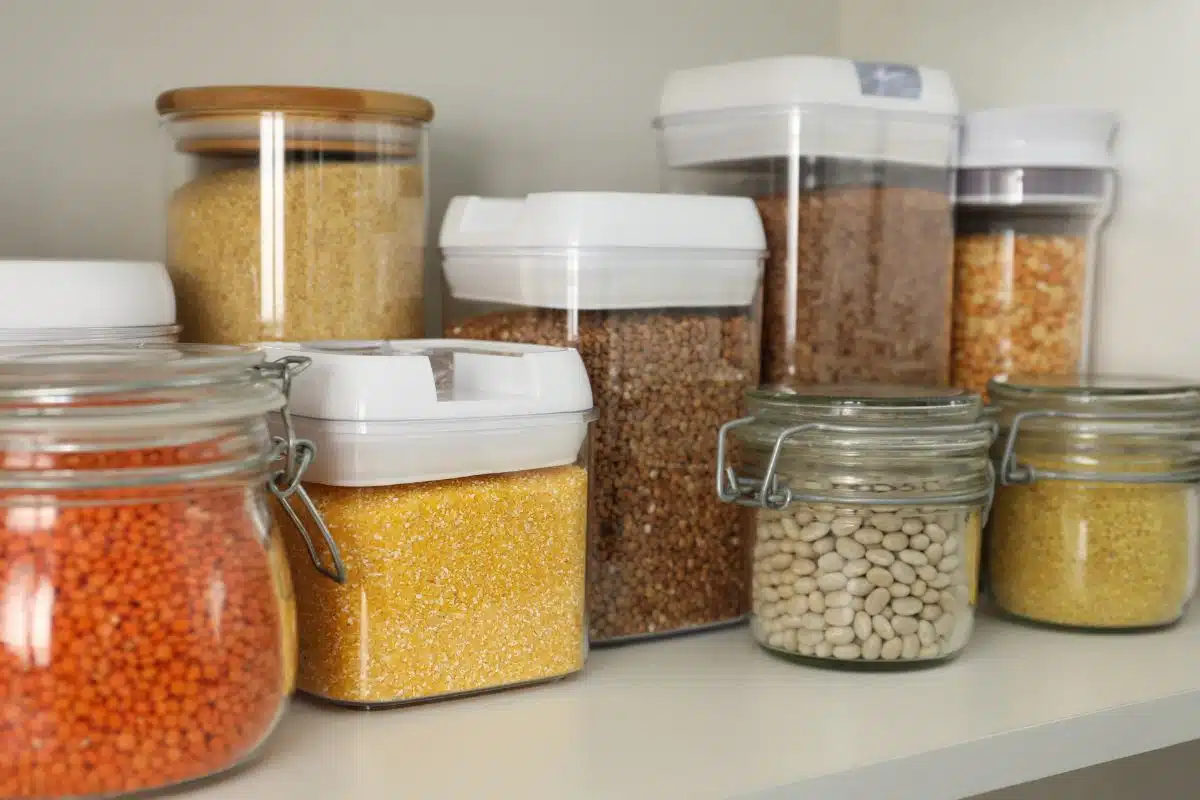
Clear bins work especially well for smaller bulk purchases that can easily get scattered across a pantry or cabinet. Group similar items together, such as snacks, baking supplies, or individually packaged foods, so you can see what you have without digging through several boxes. Choose containers that fit your shelves rather than buying a collection of bins that takes up more space than the food itself.
Decant Dry Goods Into Airtight Containers
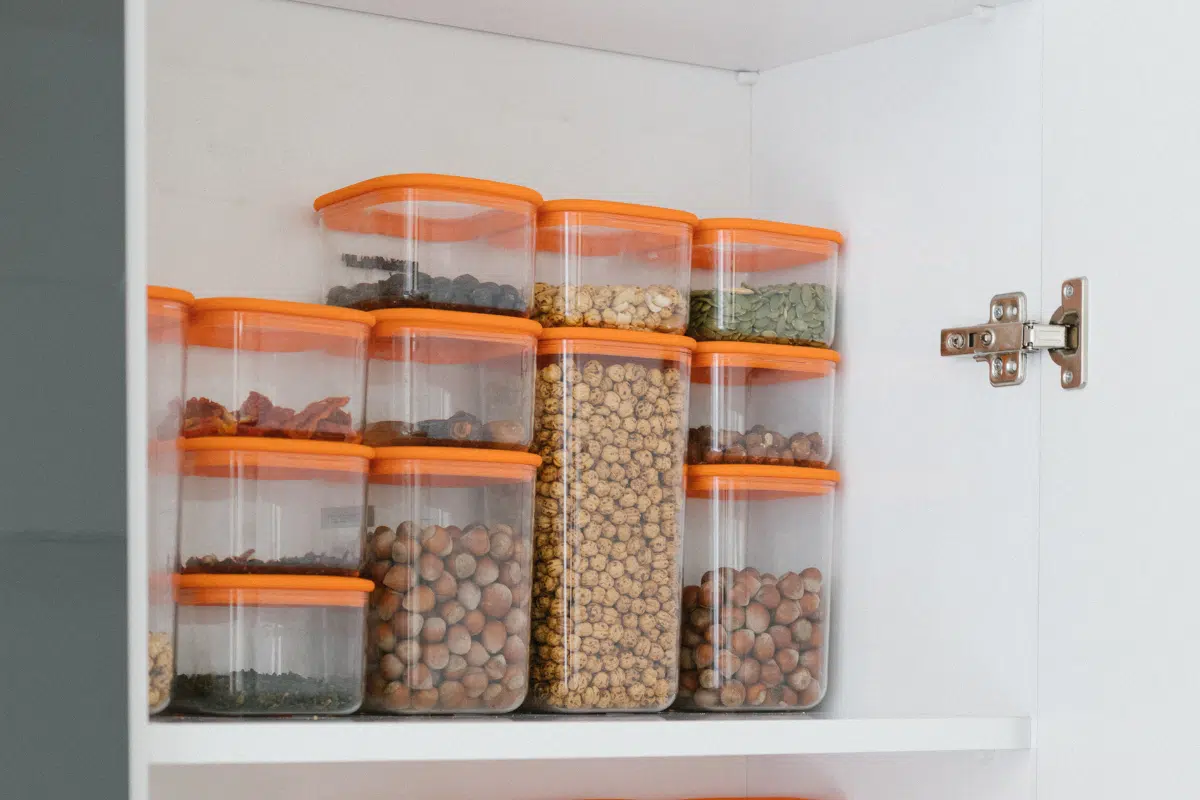
Large bags and cardboard boxes can take up more room than necessary, especially when you’re storing flour, rice, oats, pasta, or other dry staples. Airtight food-storage containers can make these ingredients easier to stack while helping protect them from moisture and pantry pests. Keep the original expiration or best-by information handy if you transfer food out of its original packaging.
Make Better Use of Vertical Space
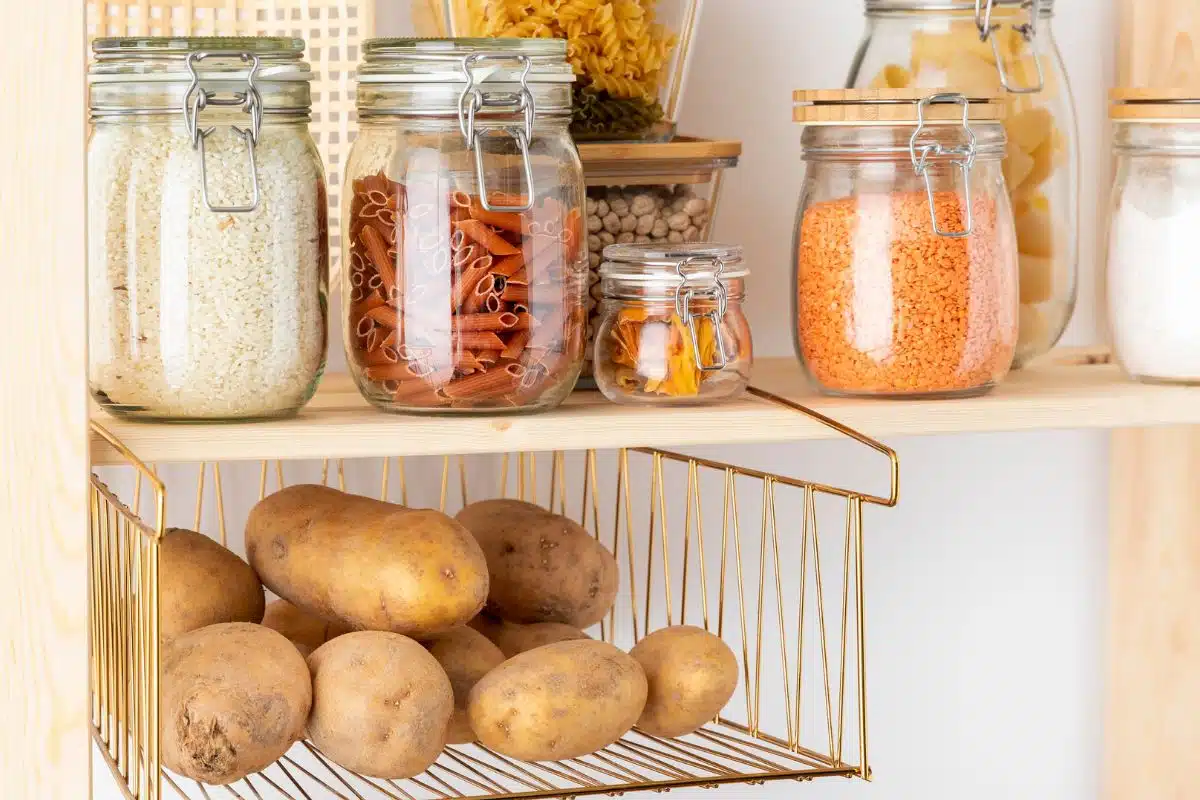
Don’t overlook the space above and below your existing shelves. Shelf risers, stackable bins, and narrow organizers can create additional usable levels without requiring a larger pantry. Just make sure heavier containers are stored securely and that frequently used items remain within easy reach.
Create a Dedicated Stockpile Area

If your pantry doesn’t have room for all your extras, create a dedicated stockpile area somewhere else in your home. A basement shelf, laundry-room cabinet, or other cool, dry storage area can work well for appropriate items. Keep food away from excessive heat, moisture, and areas where pests could become a problem, and organize the space so you can easily see what you have.
Use Vacuum-Sealing for Appropriate Items

A vacuum sealer can be useful for certain foods you buy in larger quantities, particularly when you’re dividing them into smaller portions for longer-term storage. It can also help reduce the amount of air around foods that are being frozen, which may help protect quality. Vacuum sealing isn’t a solution for every pantry item, though, so follow the manufacturer’s storage guidance and use appropriate food-safety practices.
Turn Everyday Organizers Into Storage
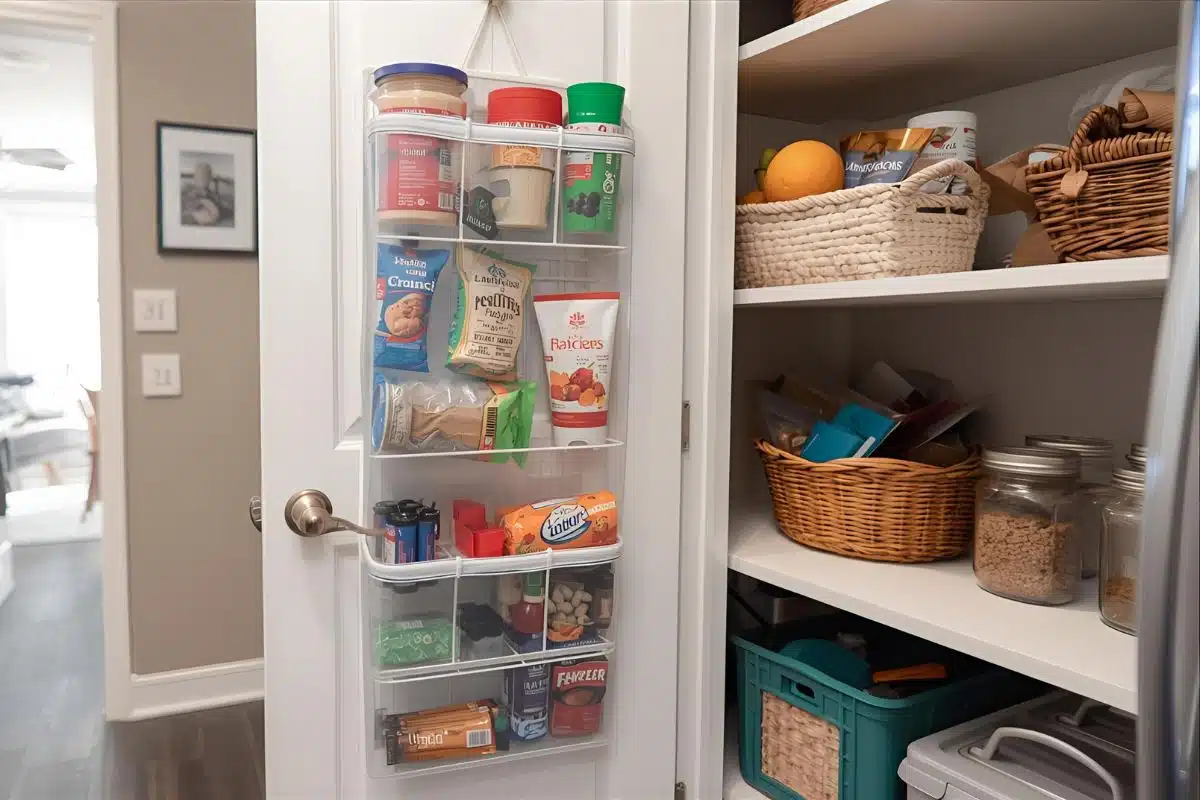
You don’t necessarily need specialty pantry organizers to create a functional storage system. Magazine holders can corral cans or boxed foods, while baskets and small bins can keep individual packages from spreading across a shelf. Look around your home for containers you already own before spending money on new organizing products.
Label Containers So You Know What’s Inside

Labels are especially helpful when you’re transferring food into opaque containers or storing several similar products together. Include the name of the food and, when useful, the date you opened or stored it. For foods with a manufacturer best-by or expiration date, keep that information with the container rather than assuming the transfer date replaces it.
Put Older Items in Front

When you bring home a new bulk purchase, resist the temptation to put it directly in front of what you already have. Move the older items forward and place the newer purchases behind them whenever practical. This simple rotation system makes it easier to use what you already own before opening another package.
Keep Overflow Where You Actually Have Room
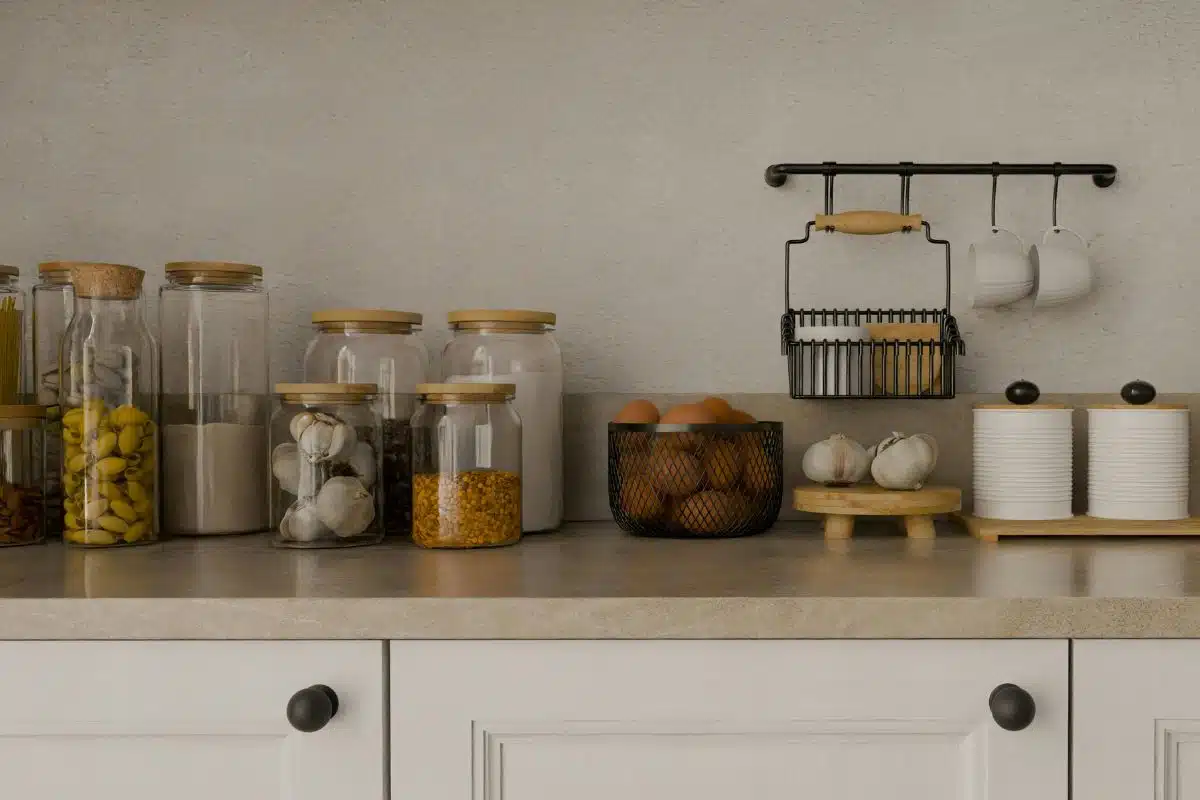
Your kitchen doesn’t have to hold every item you buy in bulk. Paper products, extra toiletries, unopened cleaning supplies, and other suitable household goods can often be stored in a closet, basement, or other dry storage area. The important thing is to give these items a designated home so your overflow doesn’t end up taking over countertops, floors, or random corners.
Take Inventory Before You Shop
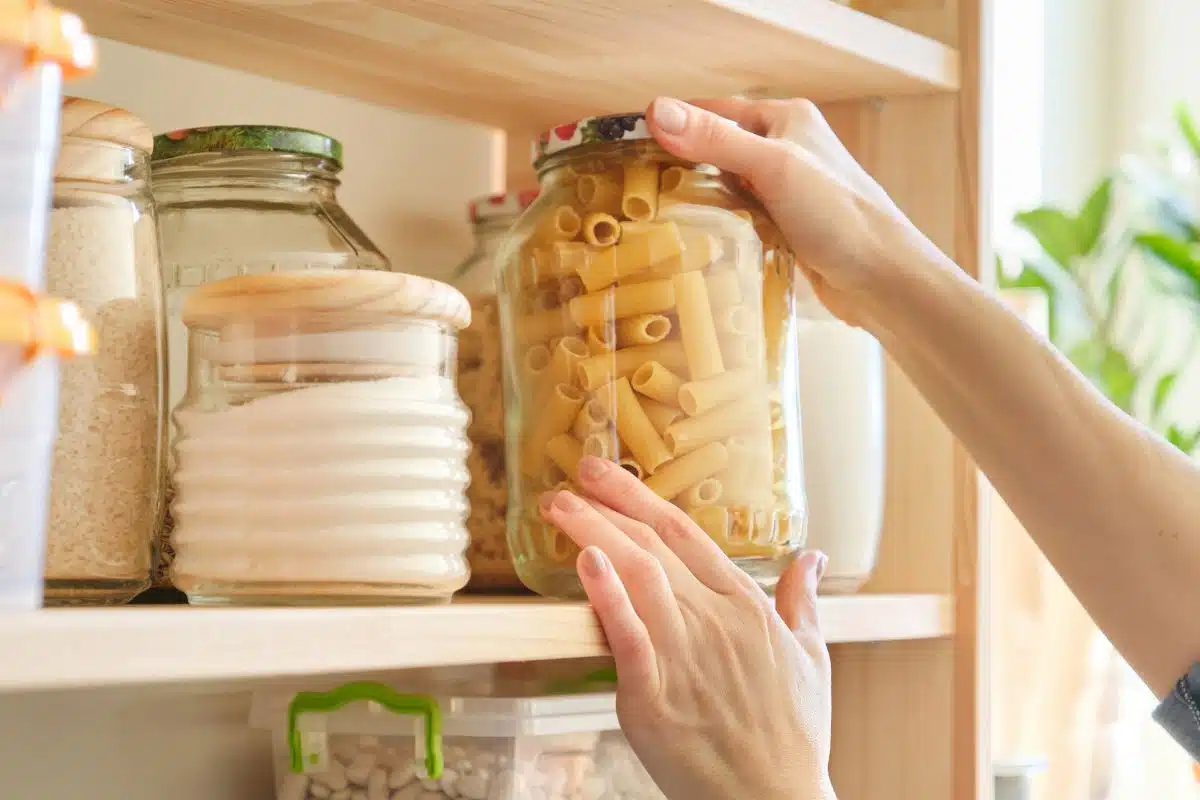
Before your next warehouse-club or bulk-shopping trip, take a quick look at your storage areas. Make a note of what you already have and what you’re actually running low on. A simple inventory can prevent the classic bulk-buying mistake: purchasing another giant package of something you already have three of at home.
This post may contain affiliate links or sponsored content. Disclosure Policy