Aldi vs. Costco vs. Trader Joe’s: Which Groceries Give You More for Your Money?
When grocery prices fluctuate from week to week, choosing the right store can make a noticeable difference in your monthly budget. While Aldi, Costco, and Trader Joe’s all have devoted shoppers, they each shine in different areas. The best choice often depends on what you’re buying, how many people you’re feeding, and whether you have room to buy in bulk. Here’s where each retailer delivers the best value today—and how savvy shoppers combine them to stretch every grocery dollar.
Fresh Produce & Everyday Staples — Aldi Delivers the Lowest Everyday Prices
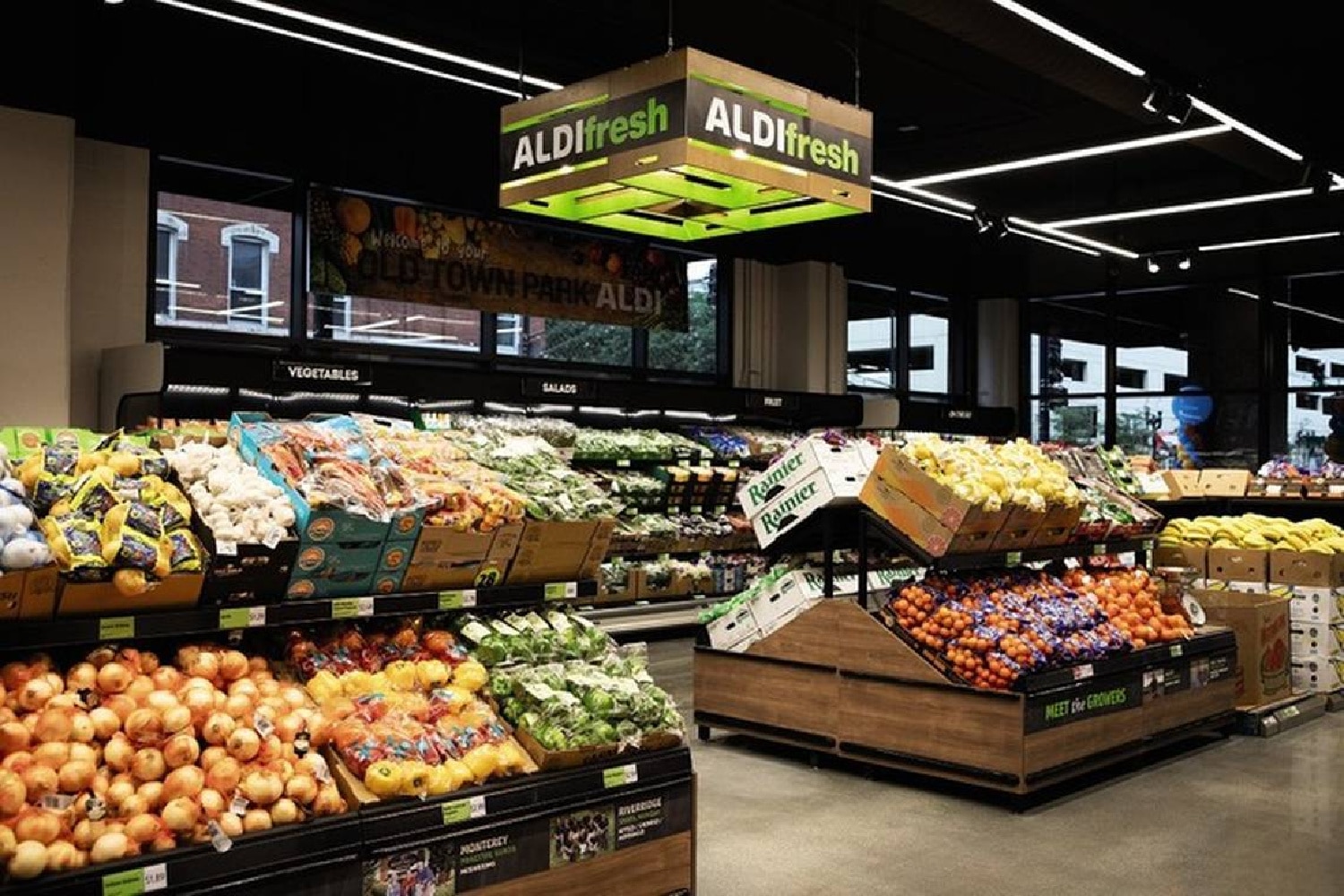
For basic groceries like bananas, potatoes, lettuce, milk, eggs, bread, and pantry essentials, Aldi continues to be one of the most affordable grocery chains in the country. Its private-label approach and smaller store footprint help keep operating costs low, allowing the savings to be passed on to customers. Many independent grocery price comparisons consistently show Aldi beating traditional supermarkets on these everyday purchases. If your goal is lowering your weekly grocery bill without sacrificing quality, Aldi remains one of the strongest options.
Bulk Meat, Frozen Foods & Pantry Staples — Costco Offers Outstanding Value
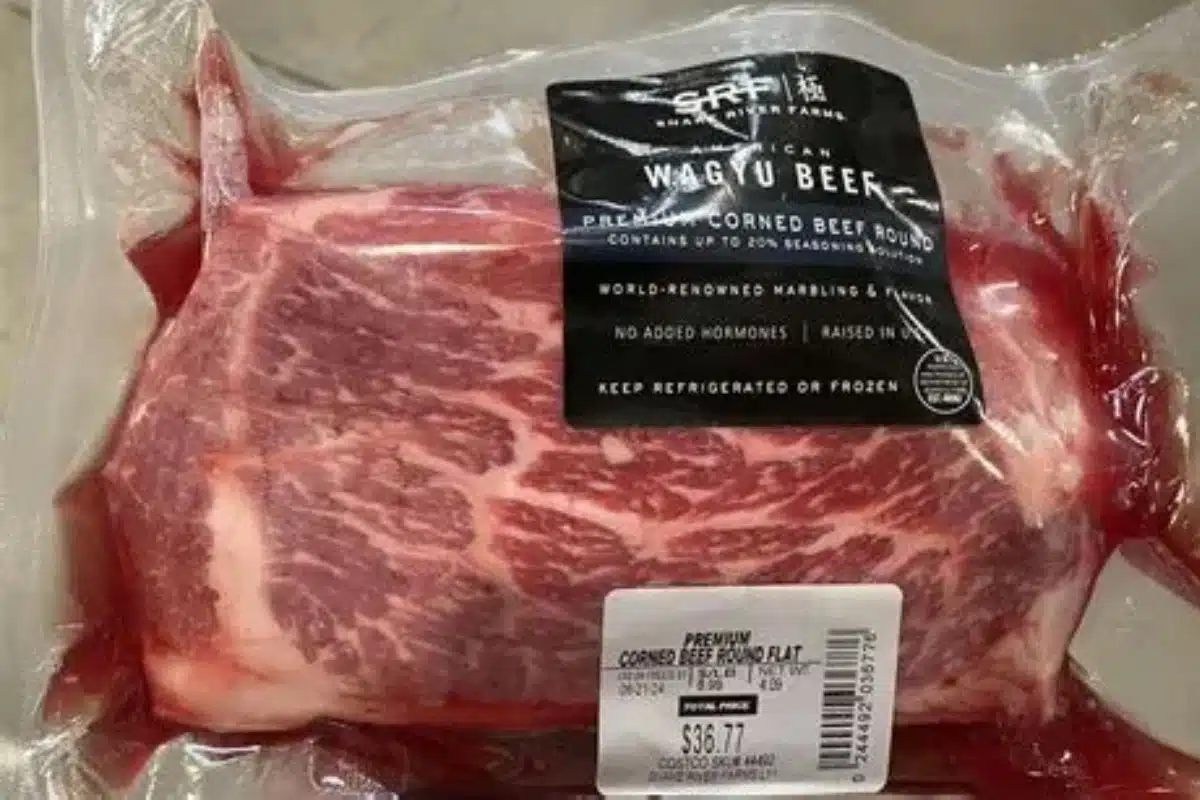
Costco excels when you’re buying foods your family uses regularly. Large packages of chicken, ground beef, frozen vegetables, rice, pasta, nuts, and shredded cheese often cost significantly less per serving than buying smaller packages elsewhere. Kirkland Signature products continue to earn high marks for both quality and value, making many bulk purchases worth the membership fee. Just be sure you have enough freezer and pantry space to avoid food waste.
Specialty Foods & Unique Finds — Trader Joe’s Stands Out
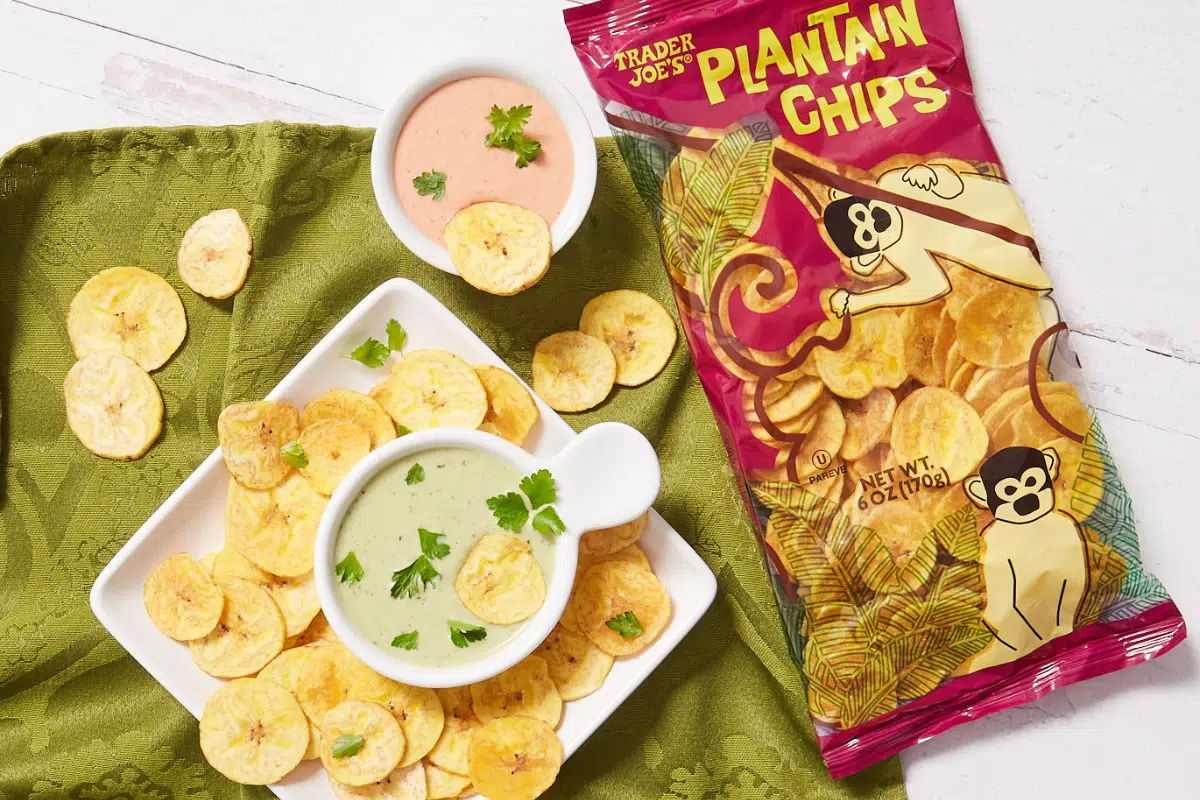
Trader Joe’s has carved out a niche by offering distinctive private-label products you won’t find at other grocery stores. Its frozen meals, globally inspired sauces, cheeses, snacks, and seasonal products are often priced well below similar specialty items sold elsewhere. The chain also carries a strong selection of organic foods without the premium pricing often found at natural food stores. It’s an excellent stop for shoppers who enjoy trying new flavors while staying within budget.
Organic Foods — The Best Store Depends on Your Shopping List
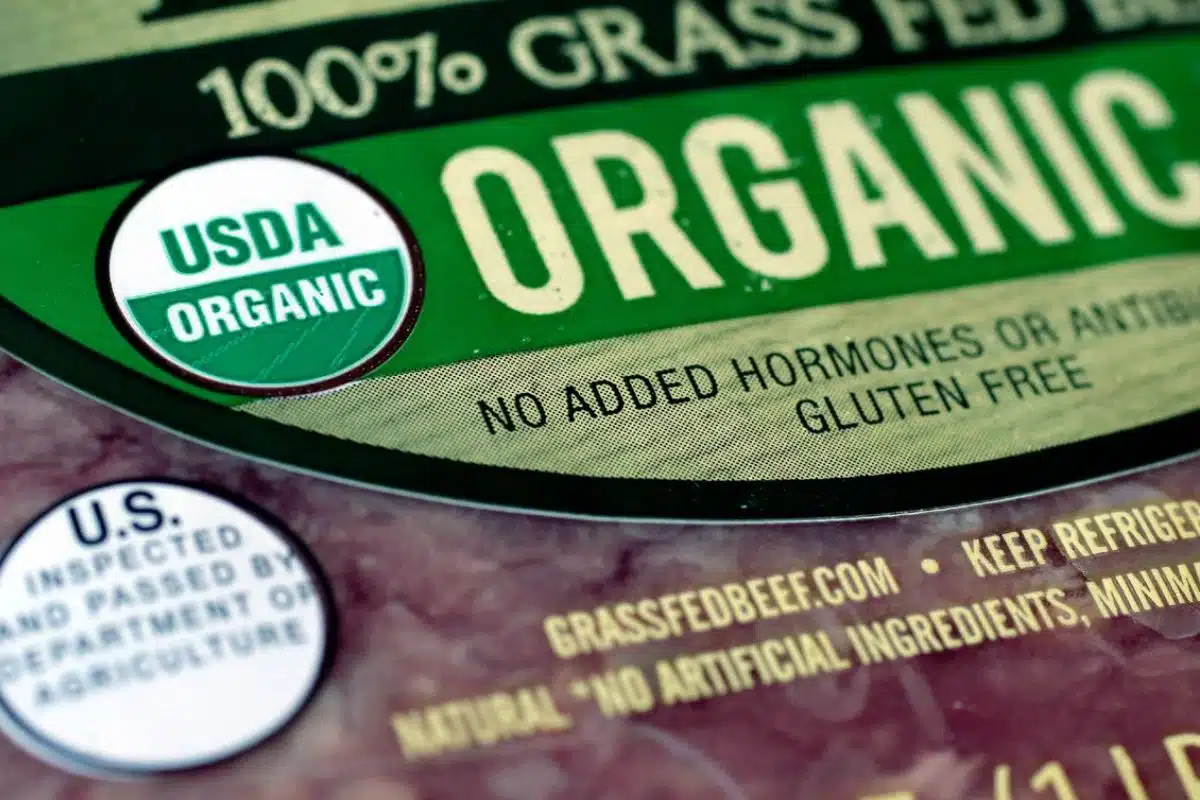
If you’re buying just a handful of organic fruits, vegetables, or snacks, Aldi frequently offers the lowest prices. Costco becomes the better value for larger households purchasing organic milk, eggs, frozen fruit, spinach, and other staples in bulk. Trader Joe’s also remains competitive on many organic packaged foods and frozen meals. Comparing a few of your family’s most-purchased organic items can help determine which store gives you the best overall savings.
Dairy & Eggs — Buy Based on Household Size
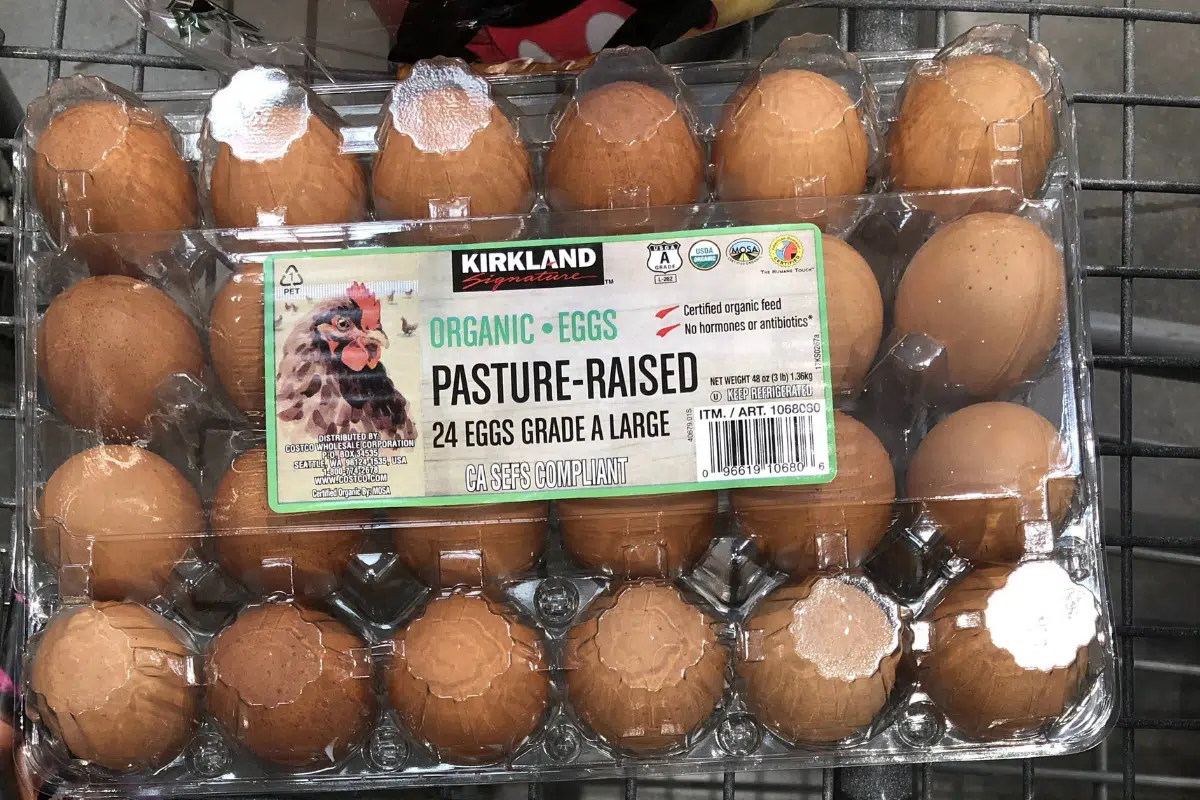
For individuals, couples, or smaller families, Aldi usually offers some of the lowest prices on milk, butter, sour cream, yogurt, and eggs. Larger families often find Costco provides a better cost per ounce on dairy products, particularly when purchasing cheese, butter, and organic milk in bulk. Trader Joe’s falls somewhere in the middle, offering competitive pricing on specialty cheeses and cultured dairy products. The better value often comes down to how quickly your household uses these items.
Pantry Essentials — Each Store Has Its Strengths
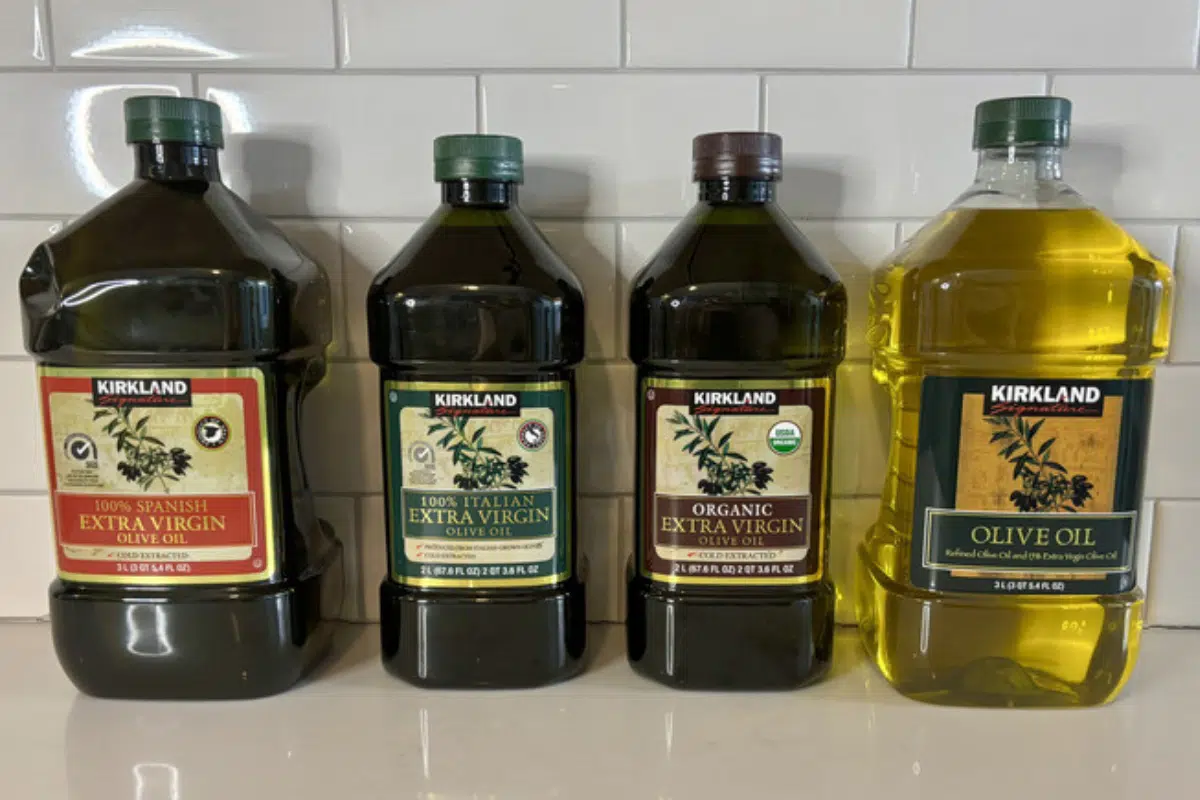
No single retailer wins every pantry category. Costco is hard to beat for large bottles of olive oil, baking supplies, nuts, flour, and cooking oils that get used frequently. Aldi remains a strong choice for canned vegetables, pasta, pasta sauce, beans, and everyday baking ingredients thanks to its low-priced private-label selection. Trader Joe’s shines when you’re looking for specialty condiments, spice blends, broths, and unique cooking ingredients that add variety without costing a fortune.
Snacks & Frozen Convenience Foods — Trader Joe’s Earns Loyal Fans
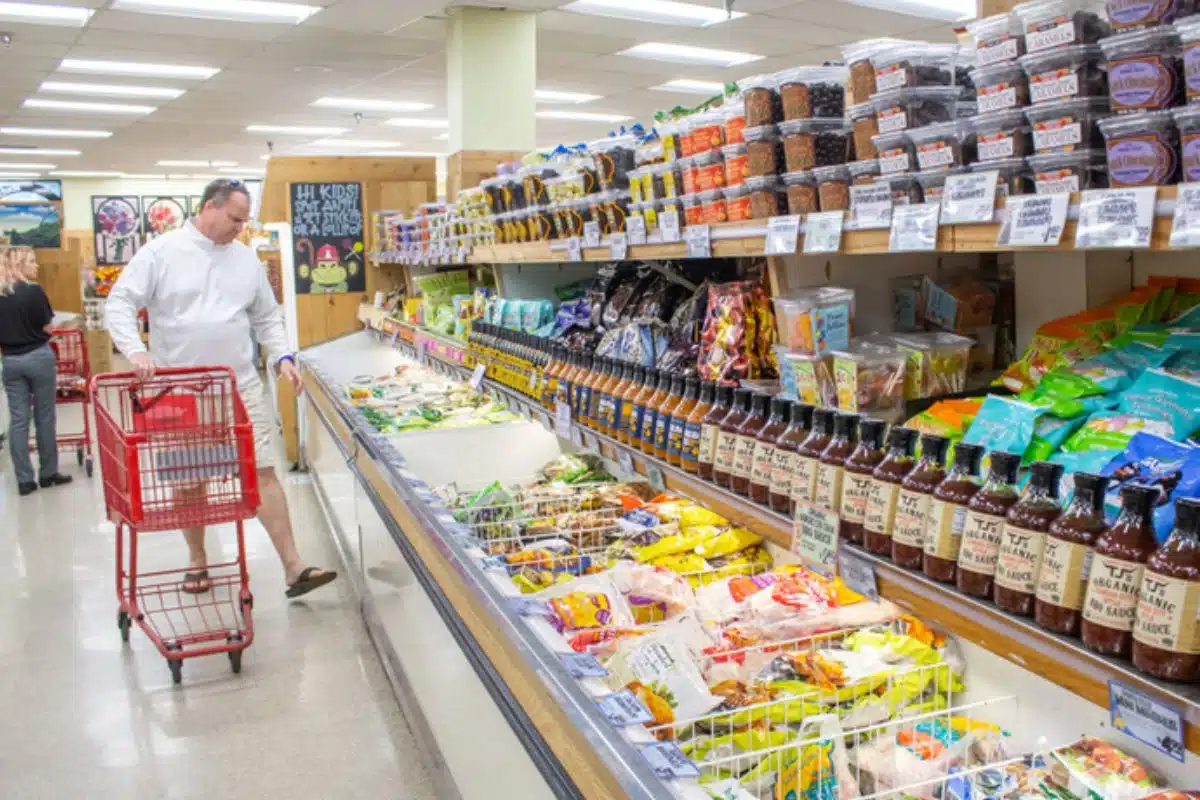
Trader Joe’s has built a reputation around frozen convenience foods and creative snacks that are both affordable and consistently well-reviewed. Favorites like frozen appetizers, Asian-inspired meals, dips, chips, and desserts often cost less than similar premium brands found at larger grocery stores. Aldi also offers excellent value on snacks through its private labels, while Costco is ideal for families who prefer buying snack favorites in bulk. The right choice depends on whether you prioritize variety or quantity.
Household Essentials — Costco Often Wins on Unit Price
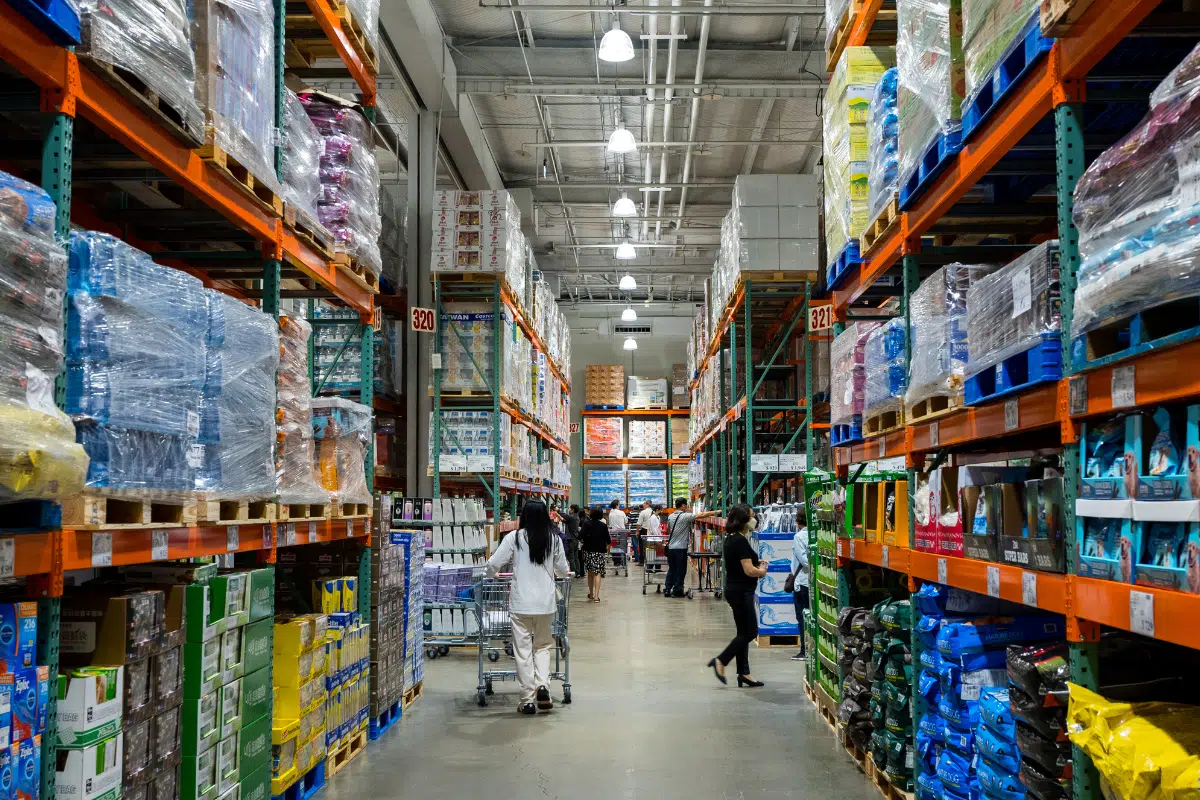
Paper towels, toilet paper, trash bags, laundry detergent, dishwasher pods, and cleaning supplies are categories where Costco frequently offers the lowest cost per unit. Buying these products in larger quantities can significantly reduce shopping trips throughout the year. Aldi occasionally features excellent limited-time household bargains, while Trader Joe’s carries a smaller selection focused mostly on cleaning products and paper goods. If you have storage space, Costco can deliver meaningful long-term savings.
The Smartest Money-Saving Strategy — Mix and Match
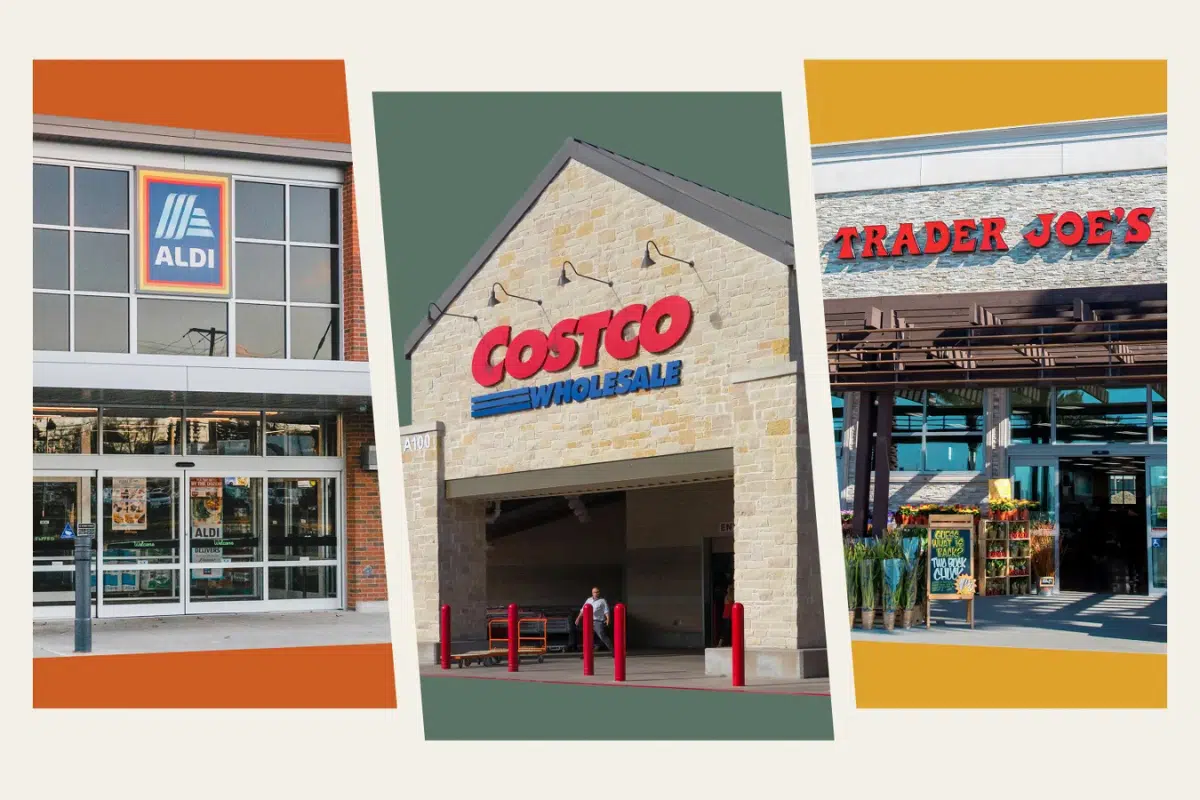
For The most budget-conscious shoppers rarely rely on just one grocery store. Many start at Aldi for affordable produce, dairy, bread, and pantry basics, visit Costco for bulk proteins and household essentials, and stop by Trader Joe’s for specialty foods and frozen favorites. This approach lets you take advantage of each retailer’s strengths instead of settling for higher prices across the board. A little planning can save hundreds of dollars over the course of a year while still giving you variety at mealtime.
This post may contain affiliate links or sponsored content. Disclosure Policy