
10 Ocean-Grown Plant Foods to Add More Variety to Your Diet
Sea vegetables and other marine-grown foods offer a fascinating way to add new flavors, textures, and ingredients to everyday meals. From familiar nori and wakame to less-common sea grapes and dulse, these foods appear in everything from soups and salads to snacks and seasoning blends. Their nutritional profiles vary considerably, so they shouldn’t all be treated as interchangeable “superfoods.” Still, if you’re curious about expanding your pantry beyond familiar vegetables, these ocean-grown ingredients are worth exploring.
Seaweed Snacks
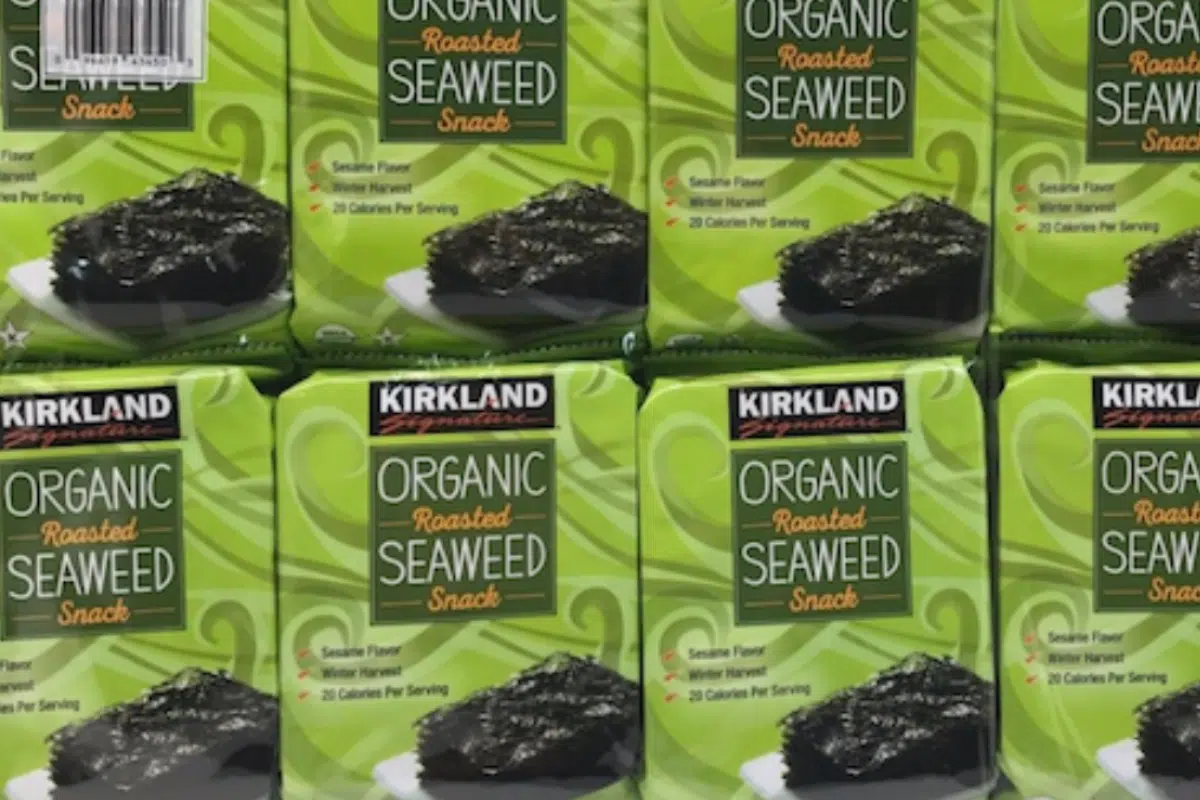
Roasted seaweed snacks have become an easy introduction to edible sea vegetables. Thin sheets of seaweed are typically roasted and seasoned with ingredients such as salt, sesame oil, or other spices, giving them a crisp texture and savory flavor. They can be eaten on their own or crumbled over rice, noodles, soups, and salads. Check the nutrition label when comparing brands, since sodium and added oils can vary considerably.
Kelp Noodles
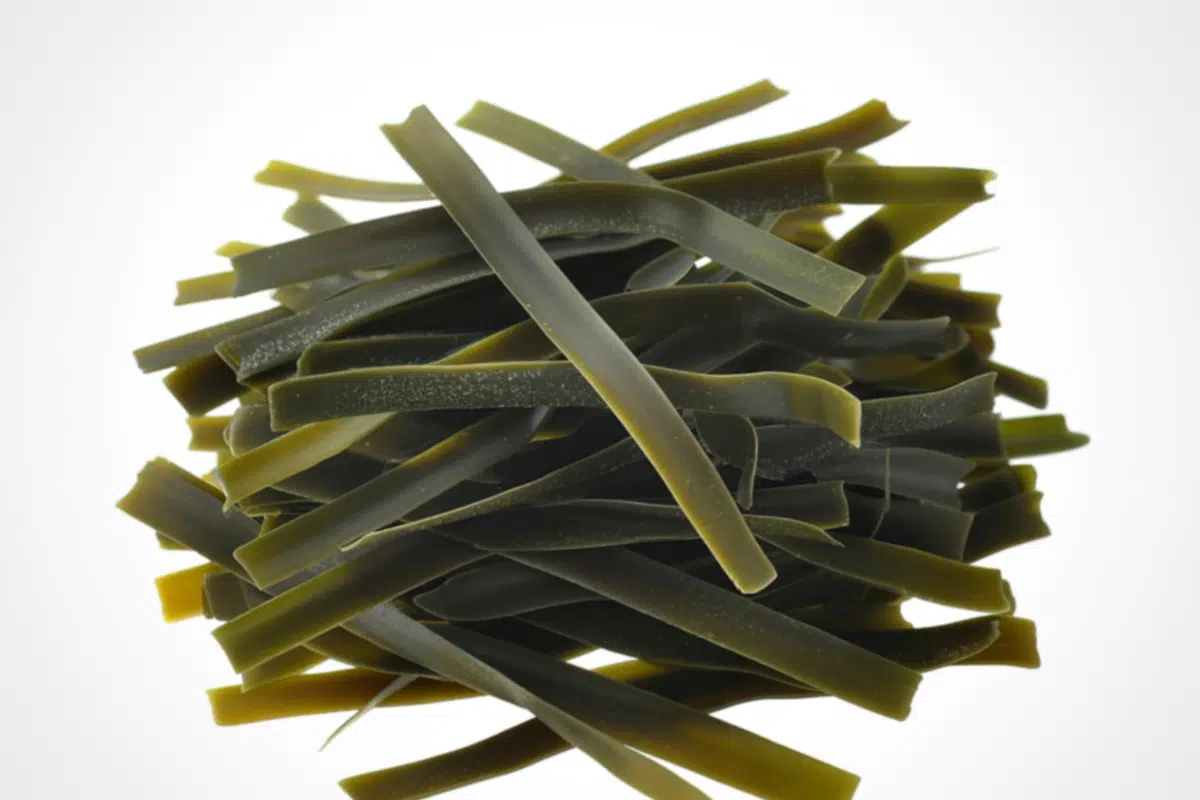
Kelp noodles are made primarily from kelp-derived ingredients and water, often with sodium alginate used to create their distinctive noodle-like structure. They are translucent, crisp, and commonly sold ready to eat, although preparation methods vary by brand. Their relatively neutral flavor allows them to work with sauces ranging from sesame and peanut to ginger and soy. Because their texture is quite different from wheat or rice noodles, they are best thought of as their own ingredient rather than a direct substitute.
Spirulina

Spirulina is a blue-green algae often found in powdered form and added to smoothies, juices, and energy bowls. Despite its strong color, its flavor is mild when blended with fruit or citrus. It is widely recognized for its high protein content and dense nutrient profile, including iron and antioxidants. In 2026, it continues to be a staple in functional foods and wellness routines focused on plant-based nutrition.
Nori Flakes
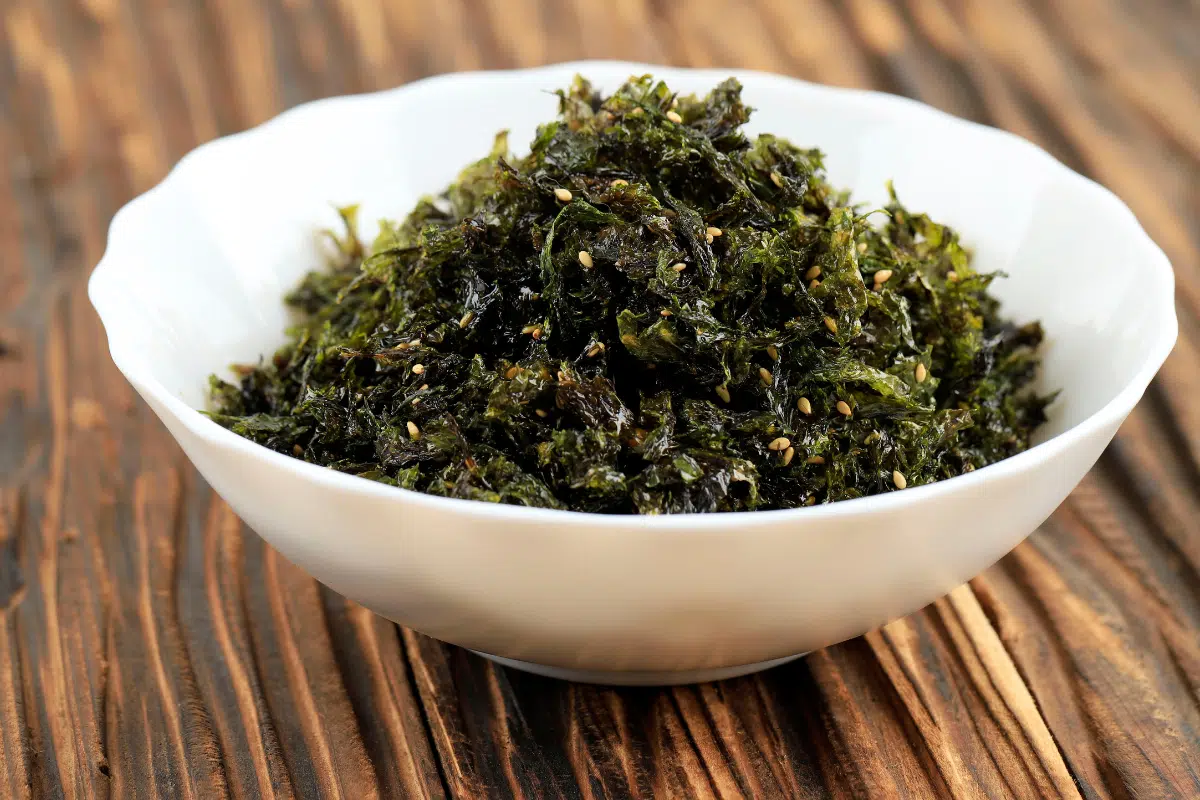
Nori is the familiar seaweed used to wrap sushi, but dried nori can also be crumbled into flakes or sold in seasoning blends. It has a savory, slightly briny flavor that can add depth to foods without requiring a large amount. Try sprinkling nori flakes over rice, eggs, popcorn, roasted vegetables, noodles, or avocado toast. It’s an especially convenient option for cooks who want to experiment with seaweed without buying large sheets.
Dulse
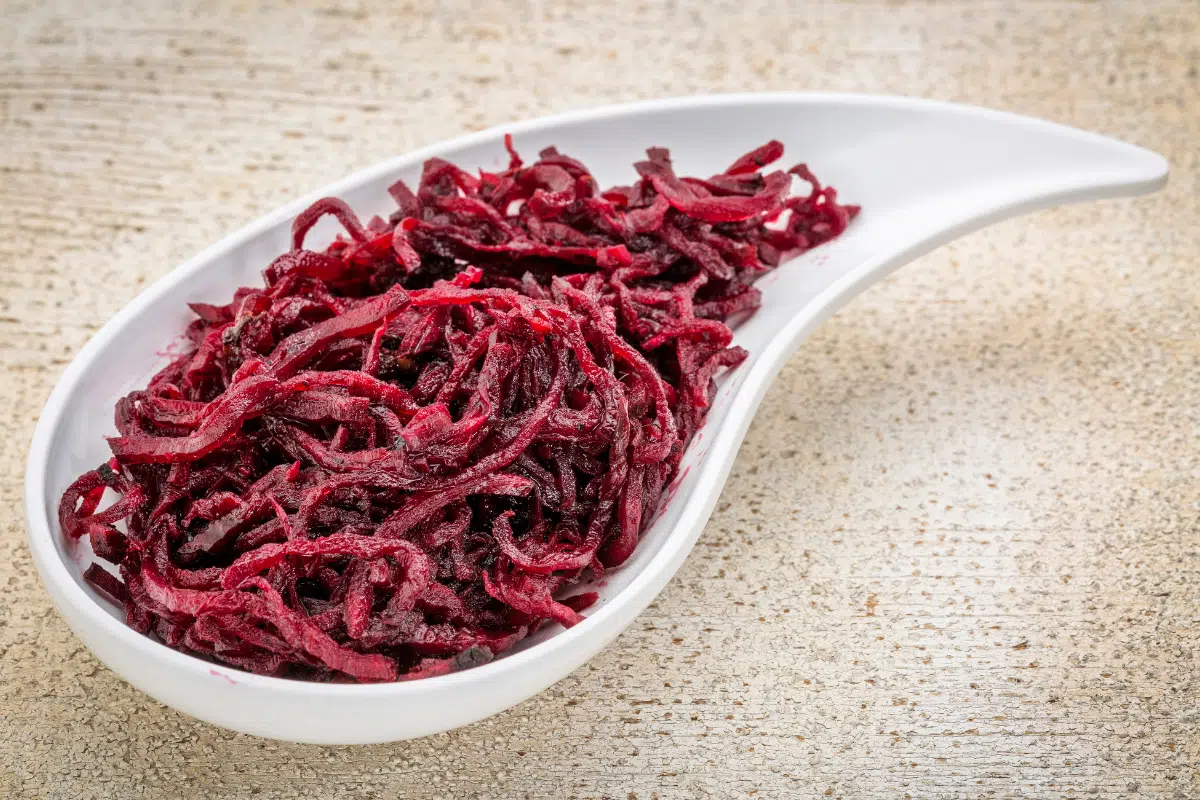
Dulse is a reddish-purple seaweed found in cold coastal waters, including parts of the North Atlantic and Pacific. It has a savory flavor that can become crisp when cooked, and dried dulse can also be crumbled into soups, stews, potatoes, or other dishes. Some cooks use it when they want a smoky or bacon-like note, although it isn’t a direct substitute for bacon. As with other sea vegetables, the amount of iodine and other nutrients can vary by species, growing conditions, and processing.
Sea Grapes (Umibudo)
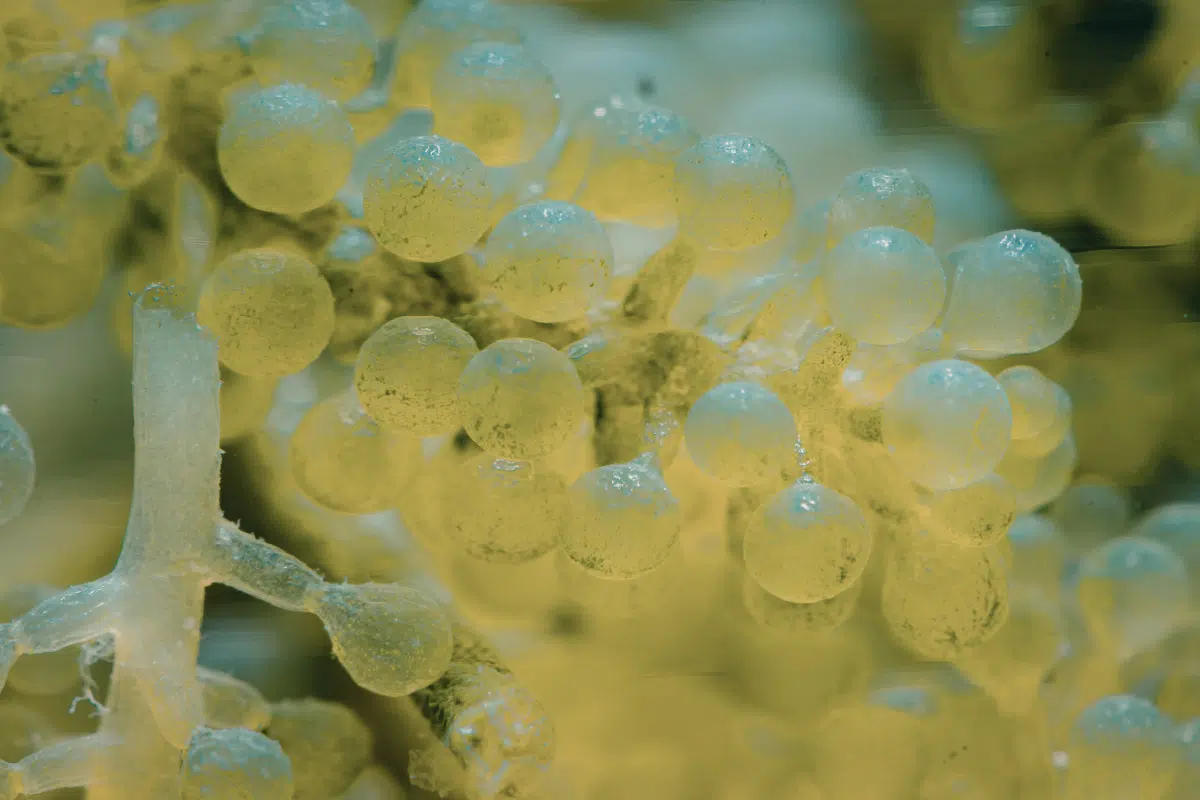
Sea grapes, also called umibudo or green caviar, are a type of edible green algae made up of tiny bead-like structures. They are prized for their delicate pop when bitten and their clean, briny flavor. In Japanese and Southeast Asian cuisines, they may be served with dipping sauces, salads, rice dishes, or seafood. Because they’re delicate and perishable, fresh sea grapes are very different from the dried seaweed found in most grocery-store aisles.
Wakame

Wakame is a brown seaweed commonly used in Japanese cooking and is perhaps best known as an ingredient in miso soup. Once rehydrated, it develops a soft, tender texture and a mild, slightly sweet flavor. It also works well in seaweed salads, soups, noodle dishes, and grain bowls. Because dried wakame expands substantially when soaked, a small amount can go farther than shoppers might expect.
Kelp
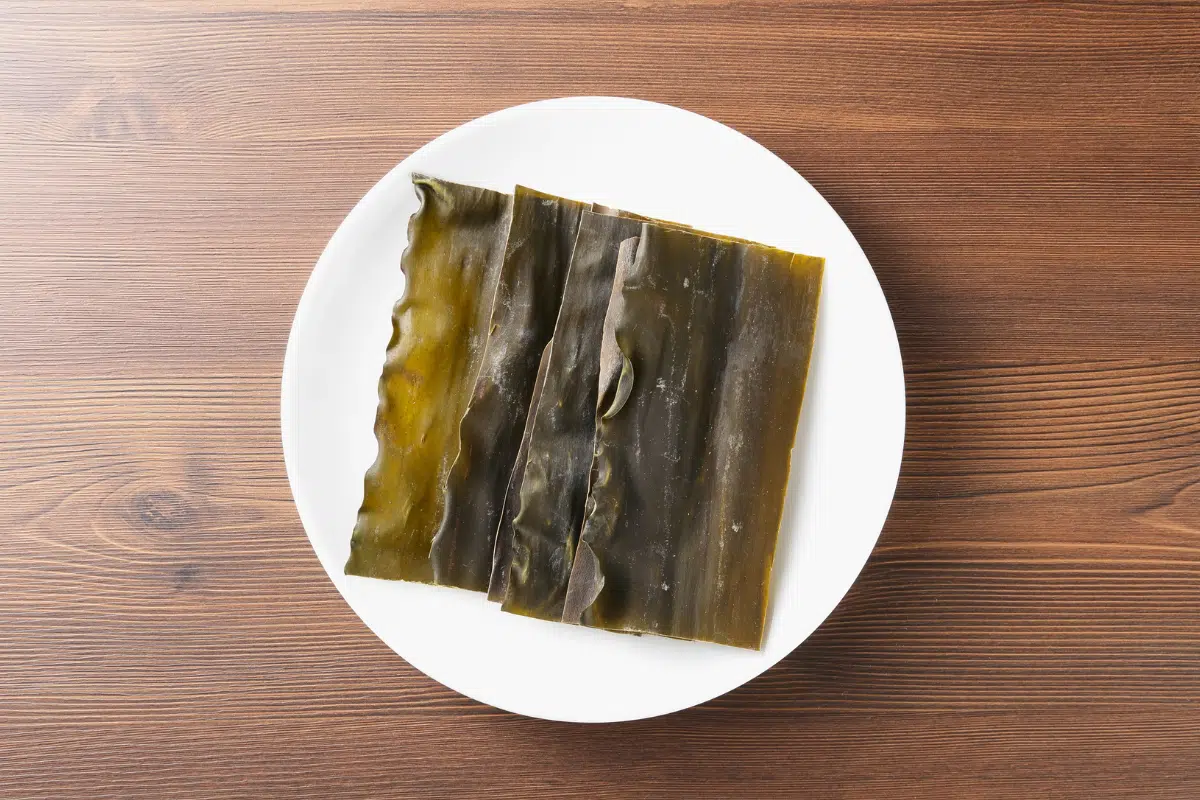
Kelp encompasses a large group of brown seaweeds that grow in underwater forests in coastal waters. It is used in foods in several forms, including dried pieces, flakes, powders, broths, and seasonings. Kelp contributes a naturally savory flavor and is an important source of alginates, compounds that are also used as thickeners and stabilizers in food production. Because kelp can contain substantial amounts of iodine, eating very large quantities or using concentrated kelp products regularly isn’t necessarily better.
Dried Seaweed Seasonings
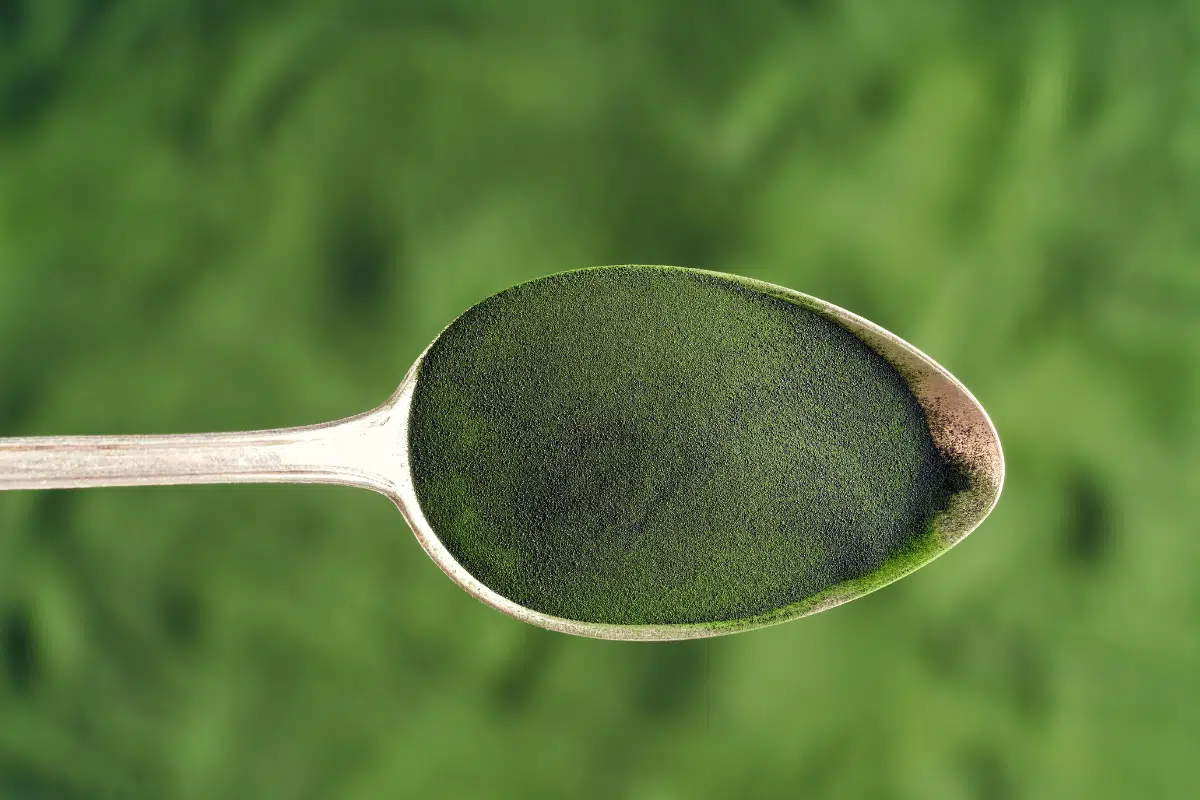
Dried seaweed can be ground or blended with other ingredients to create seasonings for everyday cooking. Depending on the product, blends may include nori, kelp, sesame seeds, salt, chili, or other spices. A small sprinkle can add savory flavor to rice, vegetables, soups, popcorn, eggs, and noodles without changing the basic character of the dish. These blends are also an easy entry point for people who aren’t ready to eat larger pieces of seaweed.
Sea Moss (Irish Moss)
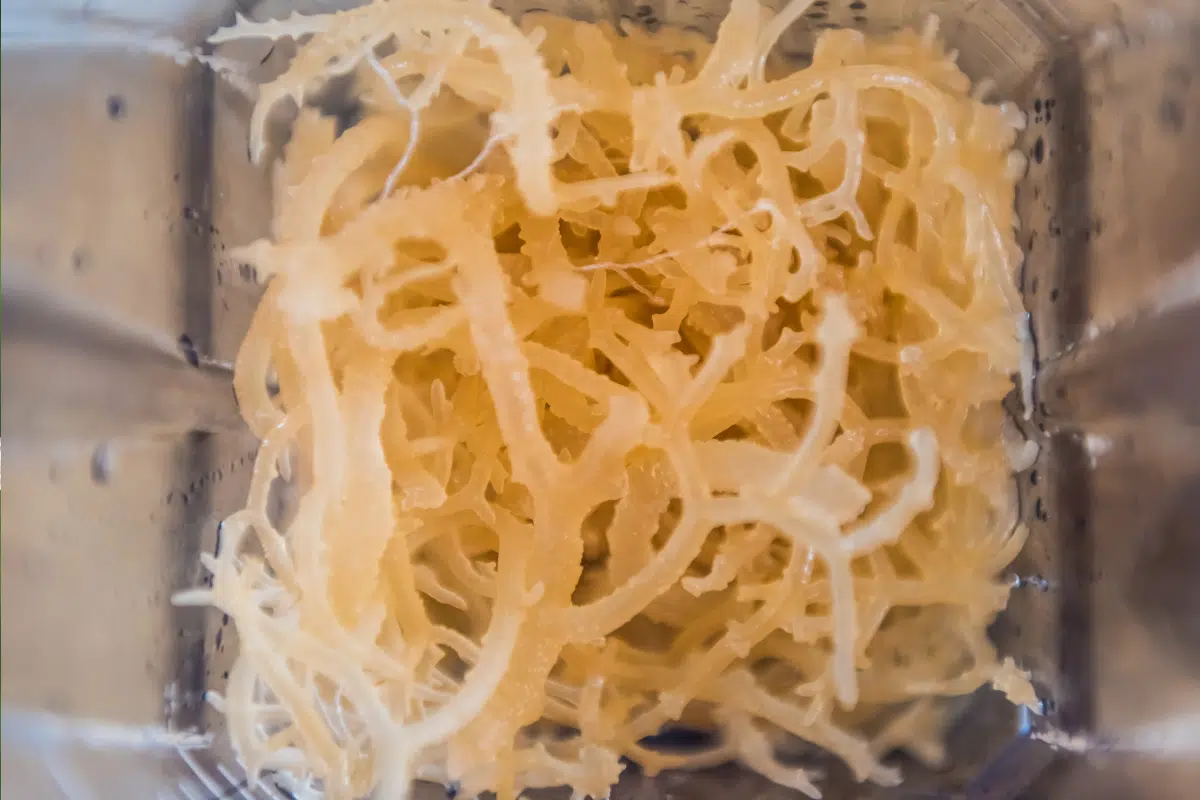
Sea moss is a type of red algae that has long been used as a food ingredient in parts of the Caribbean and Ireland. When soaked and prepared, it can develop a thick, gel-like consistency and is sometimes incorporated into drinks, smoothies, puddings, and other recipes. Sea moss products are also sold as supplements, but their nutritional content can vary, and “detox” or disease-treatment claims aren’t supported simply because an ingredient is marketed as a wellness product. Its iodine content is also worth considering, since excessive iodine intake can be problematic for some people.
This post may contain affiliate links or sponsored content. Disclosure Policy