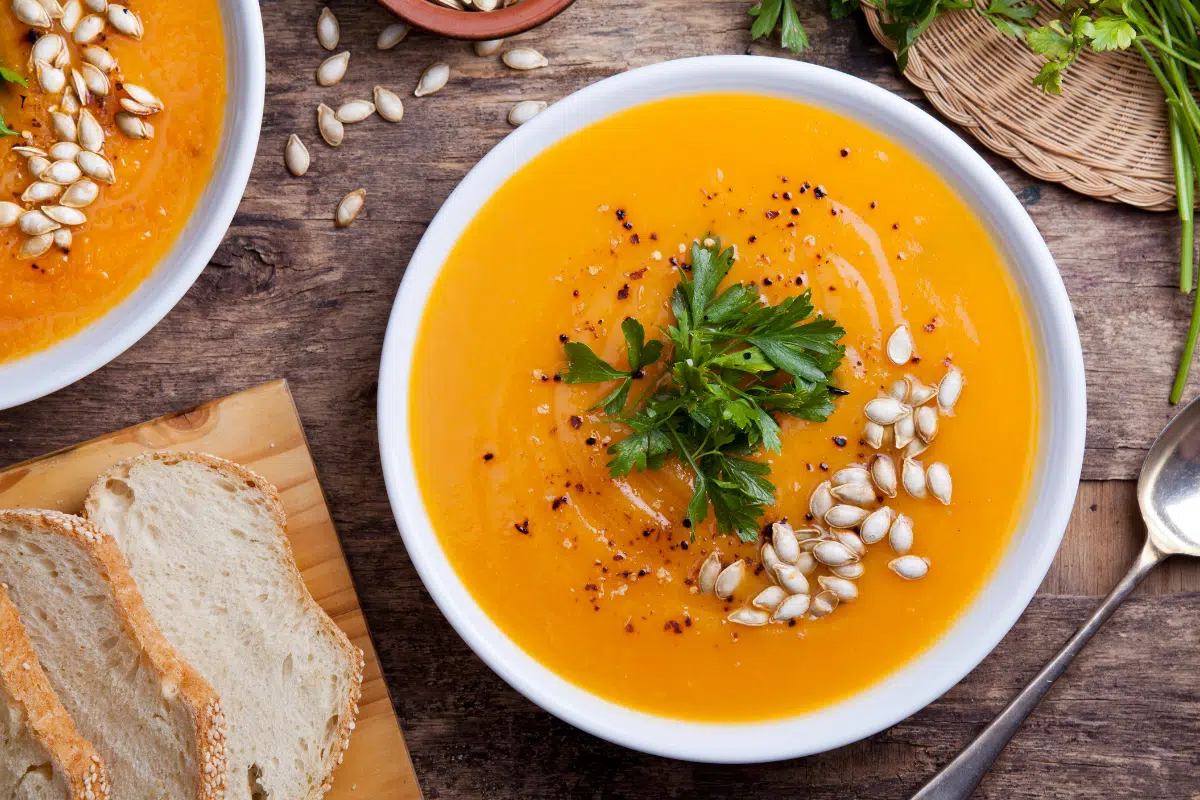
12 Grocery Items Worth Every Penny Right Now
Stretching your grocery budget doesn’t always mean buying the cheapest option. Sometimes spending a little more upfront delivers better flavor, longer shelf life, higher-quality ingredients, or greater versatility, making the purchase a better value in the long run. Whether you’re stocking your pantry or planning weekly meals, these grocery staples consistently stand out for their quality and everyday usefulness. Here are 12 items that are often worth paying a little extra for.
Extra Virgin Olive Oil
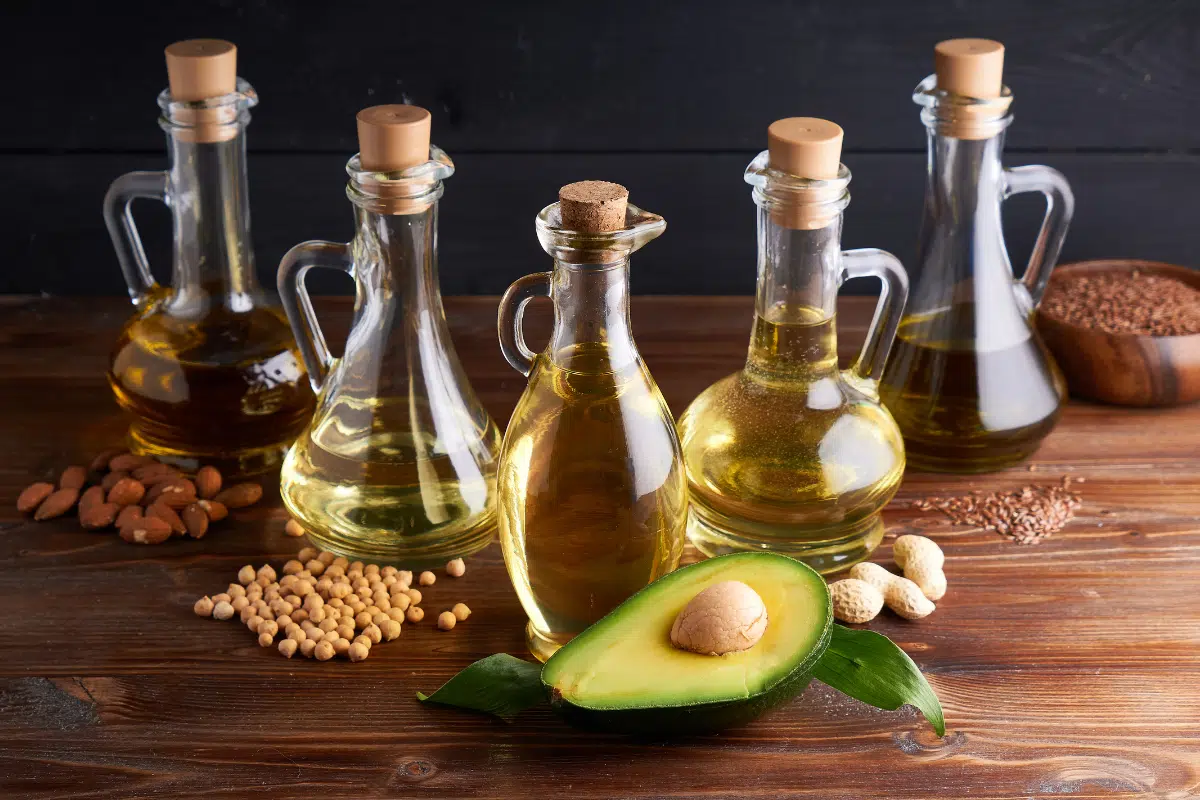
A high-quality extra-virgin olive oil can transform everything from salads to roasted vegetables and homemade pasta. Look for bottles with a harvest date, dark glass packaging, and a single-country or single-estate origin when possible. Because it’s often used as a finishing oil, its fresh, fruity flavor is easy to notice. A little goes a long way, making it a worthwhile kitchen staple.
Pasture-Raised Eggs
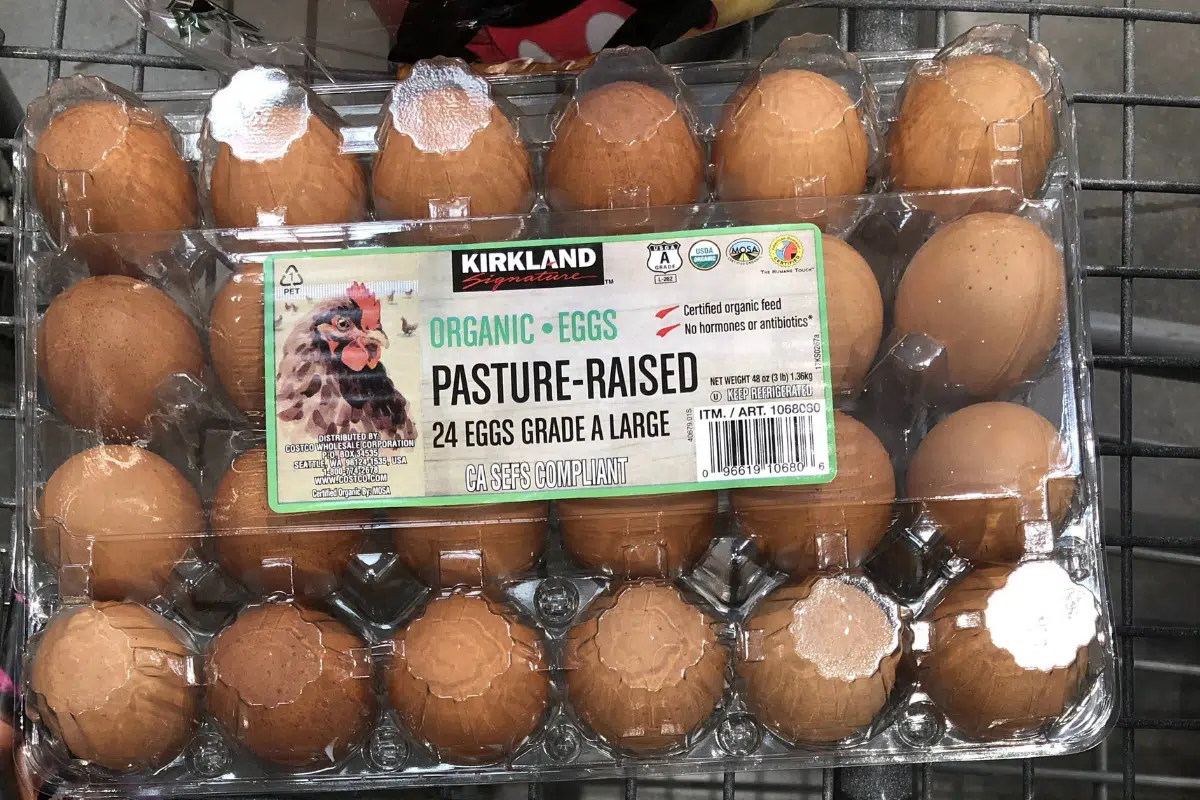
Pasture-raised eggs often have richer flavor, firmer whites, and vibrant yolks that many home cooks prefer. Hens raised with outdoor access typically have more opportunities to forage, although farming practices can vary by producer. These eggs shine in simple dishes like scrambled eggs, omelets, and baking where their quality is easy to appreciate. For many shoppers, the improved taste and animal welfare standards make them worth the higher price.
Whole Coffee Beans
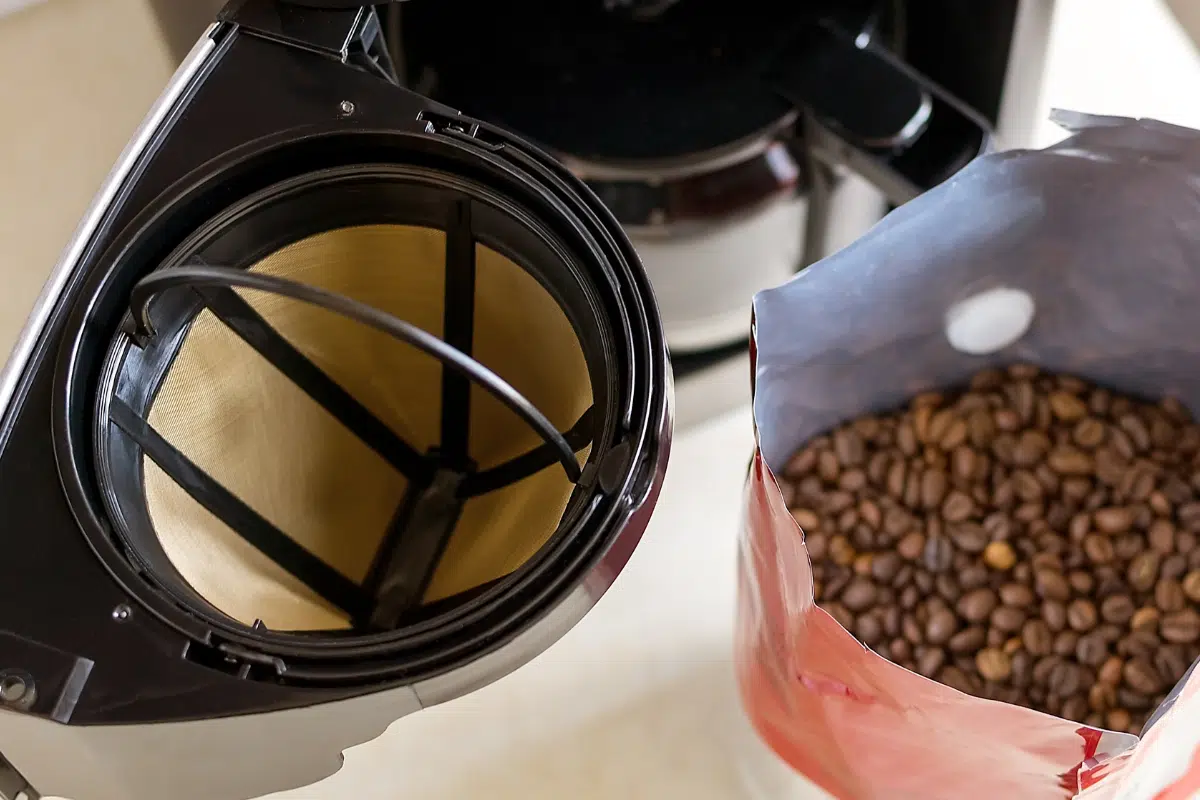
Buying whole coffee beans and grinding them just before brewing helps preserve aroma and flavor that gradually fade after grinding. Whether you use a drip coffee maker, French press, or espresso machine, freshly ground beans produce a more vibrant cup. Many specialty roasters also provide roast dates so you can enjoy coffee closer to its peak freshness. If coffee is part of your daily routine, this upgrade is easy to appreciate.
Fresh Berries
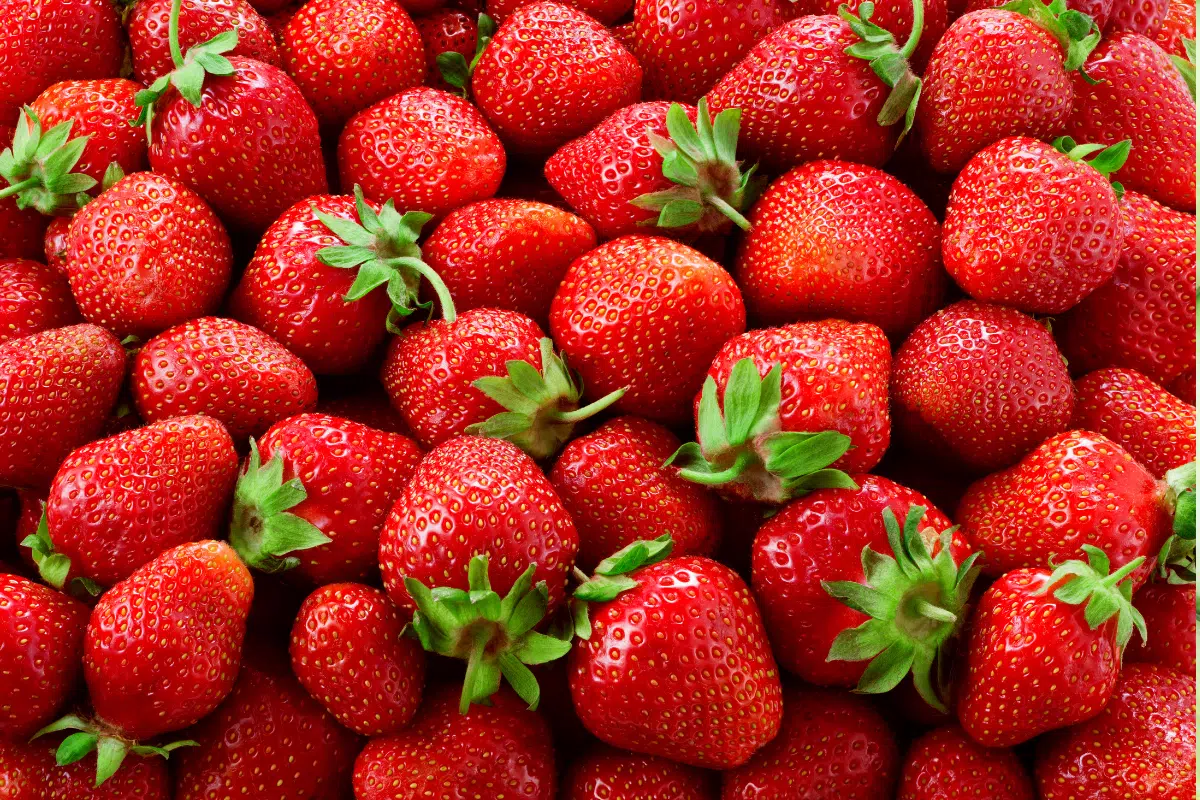
Fresh berries can be one of the more expensive items in the produce section, but they’re also incredibly versatile. Enjoy them in smoothies, yogurt, oatmeal, salads, desserts, or simply on their own. Choosing berries that are firm, brightly colored, and in season often provides the best flavor and value. If fresh berries aren’t available, frozen berries offer a nutritious and budget-friendly alternative.
Fresh Bakery Bread
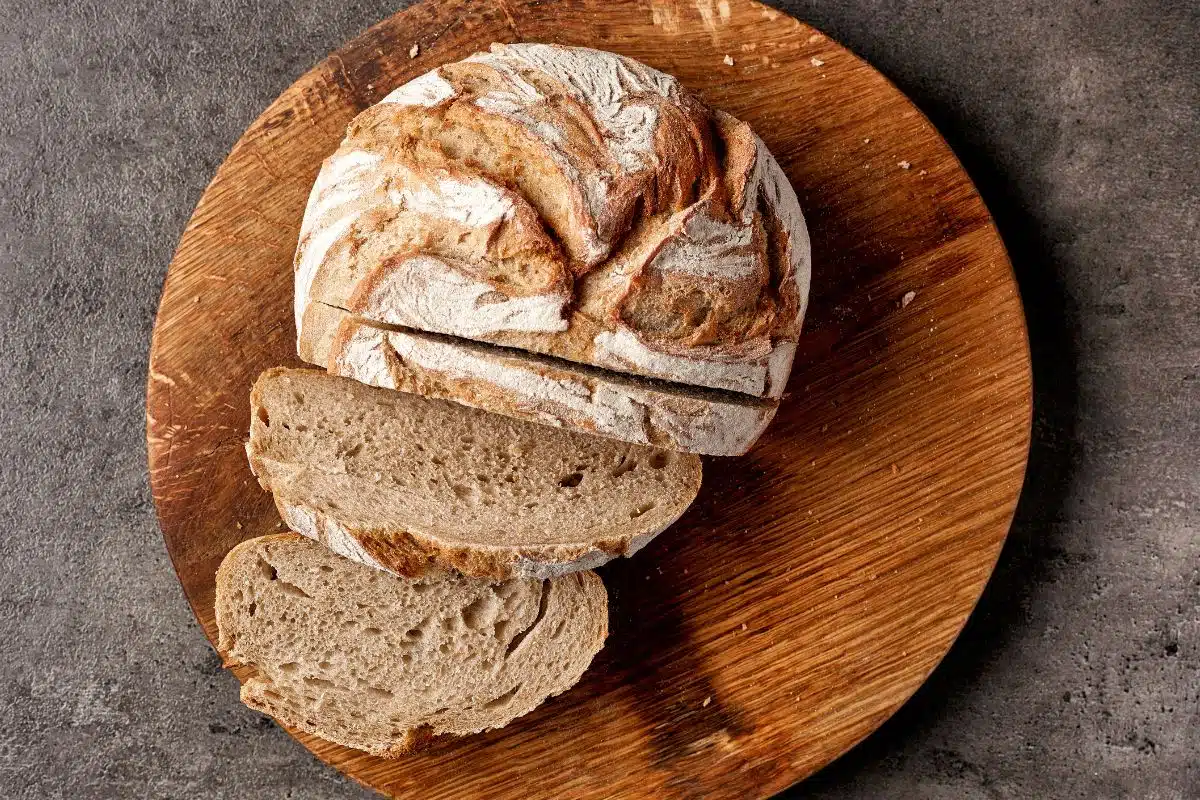
A freshly baked loaf from your grocery store bakery or local bakery often delivers better flavor, texture, and crust than highly processed packaged bread. Many artisan loaves use longer fermentation times that develop more complex flavors. They’re excellent for sandwiches, toast, soups, and homemade garlic bread. Freeze extra slices so nothing goes to waste.vatives needed.
Aged Cheese
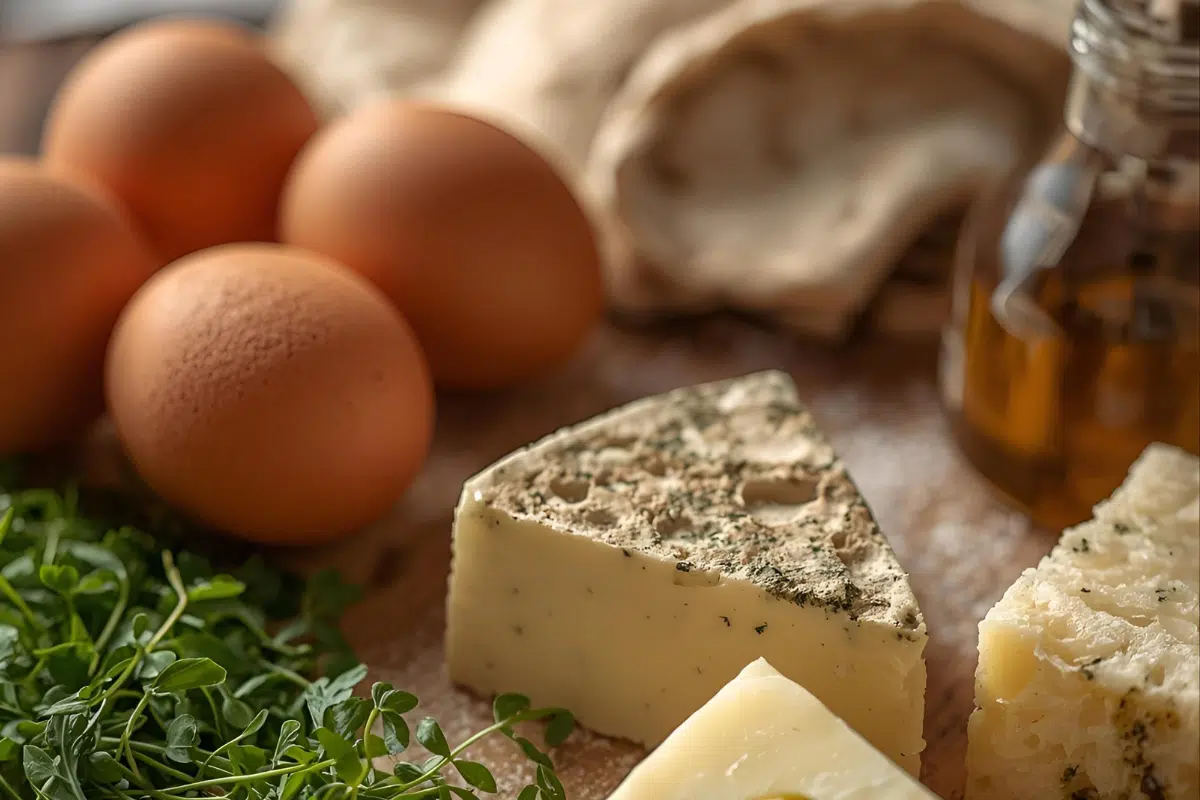
A good wedge of aged cheddar, Parmigiano Reggiano, Gouda, or Gruyère can elevate countless recipes. Because these cheeses have concentrated flavor, you often need less than you would with milder varieties. Freshly grating or slicing cheese also provides better texture than many pre-shredded options. It’s a simple upgrade that adds richness to everyday meals.
Raw or Local Honey

Raw and locally produced honey often offers more distinctive floral flavors than highly processed varieties. Different flowers produce noticeably different taste profiles, making honey an interesting ingredient for tea, yogurt, marinades, dressings, and baking. Supporting local beekeepers also benefits regional agriculture and pollinator populations. Keep in mind that honey should never be given to infants under one year old.
Pure Maple Syrup

Pure maple syrup contains just one ingredient: maple sap that’s been concentrated through boiling. Unlike pancake syrups made primarily from corn syrup and artificial flavorings, real maple syrup offers rich caramel-like flavor that works equally well in baking, marinades, salad dressings, oatmeal, and roasted vegetables. Because it’s naturally flavorful, you often need less than you might expect.
Greek or Icelandic Yogurt

Greek yogurt and Icelandic-style skyr are strained to create a thicker texture and higher protein content than traditional yogurt. They work equally well for breakfast, snacks, smoothies, dips, and baking. Plain varieties also allow you to control sweetness by adding fresh fruit or a drizzle of honey. Their versatility makes them a smart staple for many kitchens.
Responsibly Sourced Seafood

Seafood certified through recognized sustainability programs can help support responsible fishing and aquaculture practices while providing excellent flavor and quality. Salmon, cod, trout, shrimp, and mussels are widely available with sustainability certifications in many grocery stores. Frozen seafood can also be an excellent value because it’s often frozen shortly after harvest. Reading labels helps shoppers make informed choices.
Fresh Whole Spices
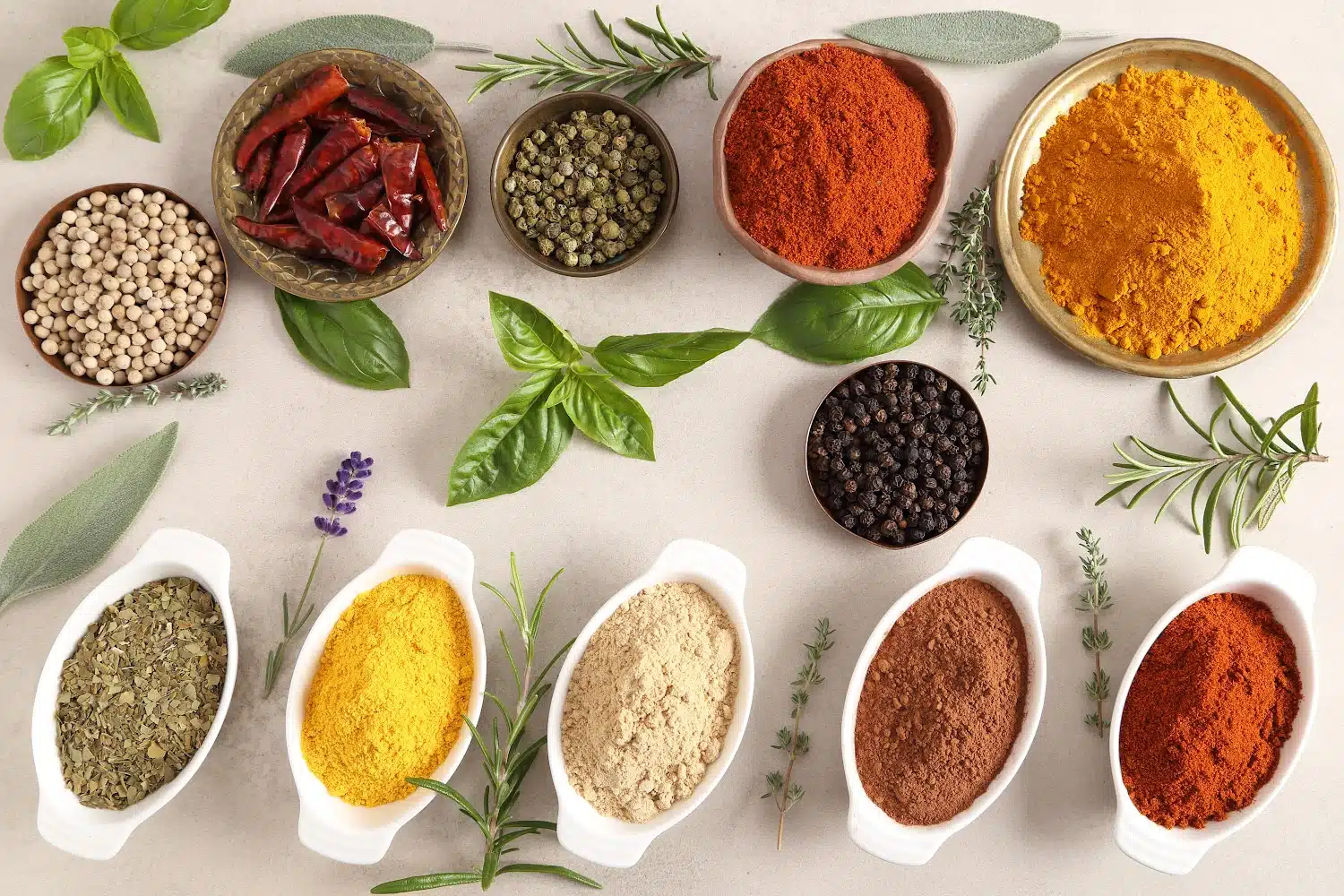
Whole peppercorns, cumin seeds, coriander, and other whole spices retain their flavor much longer than pre-ground versions. Grinding or crushing them just before cooking releases aromatic oils that create noticeably bolder flavor. Even if you don’t grind every spice yourself, purchasing fresher spices from stores with high turnover can improve your cooking. Small amounts can make a significant difference in soups, sauces, and roasted dishes.
Dark Chocolate

Quality dark chocolate typically contains a higher percentage of cocoa and fewer fillers than inexpensive candy bars. Its deeper flavor makes it enjoyable on its own while also enhancing cookies, brownies, cakes, sauces, and hot chocolate. Many shoppers also look for fair trade or ethically sourced cocoa when choosing chocolate. Since rich chocolate is satisfying in smaller portions, one good bar often lasts longer than expected.
This post may contain affiliate links or sponsored content. Disclosure Policy