Why Your Breakfast Costs So Much More Than It Used To
Grabbing a quick breakfast used to be one of the most affordable ways to eat out. Today, it’s not uncommon to see breakfast sandwiches, coffee drinks, and other morning favorites priced much higher than many people remember. While rising food costs play a role, they’re only part of the story. From premium ingredients to higher labor costs and changing consumer expectations, several factors have reshaped the price of breakfast at restaurants and cafés.
Premium Ingredients Have Become the New Standard

Many restaurants have upgraded their breakfast menus with higher-quality ingredients that naturally cost more. Cage-free or pasture-raised eggs, artisan breads, locally sourced meats, specialty cheeses, and house-made sauces have become increasingly common. While these upgrades often improve flavor and quality, they also increase the cost of preparing each sandwich. Diners are paying for ingredients that are often far different from the traditional bacon, egg, and cheese of years past.
Restaurant Labor Costs Continue to Rise

Preparing a fresh breakfast sandwich involves more than simply assembling ingredients. Restaurant owners must account for wages, employee benefits, training, payroll taxes, and scheduling enough staff to handle busy morning rushes. Many states and local communities have also seen increases in minimum wages over the past several years. Those higher labor costs are reflected in menu prices across much of the restaurant industry.
Trendy Toppings Add Up Quickly

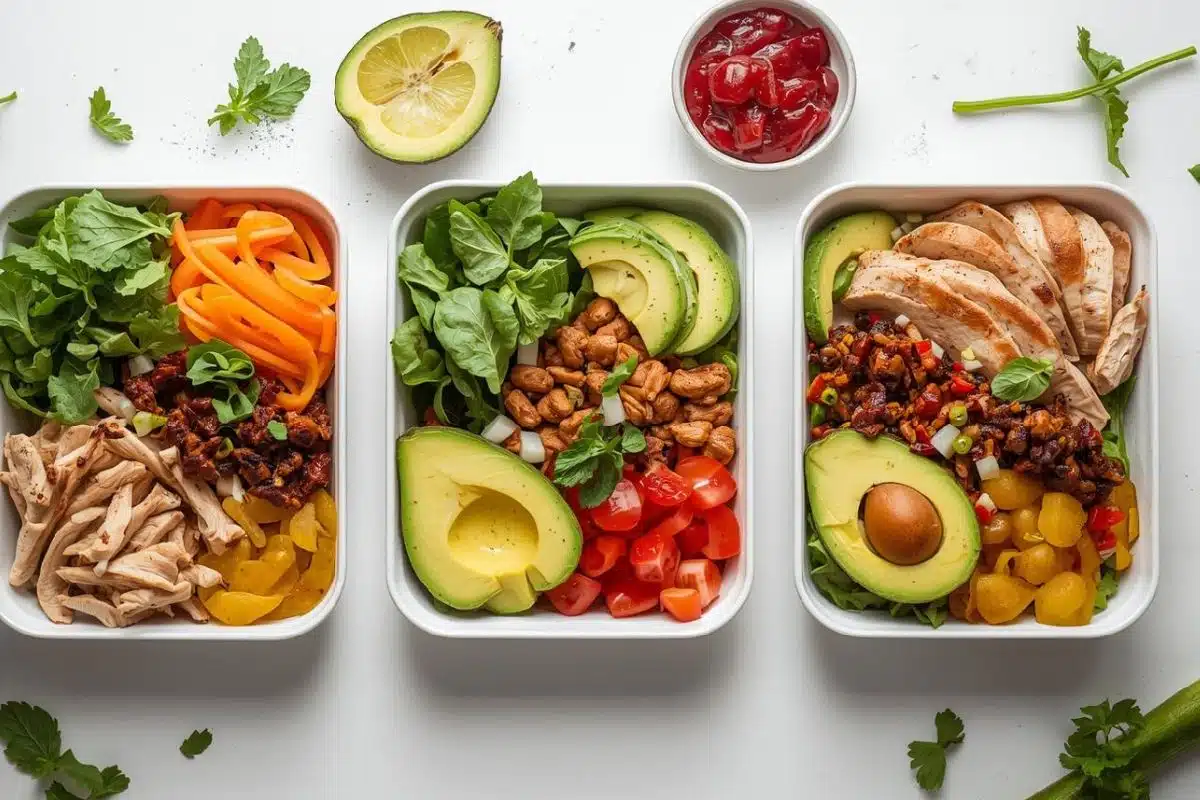
Today’s breakfast sandwiches often include ingredients that were once considered gourmet extras. Avocado, specialty aiolis, hot honey, heirloom tomatoes, microgreens, artisan cheeses, and premium meats can transform a simple sandwich into a chef-inspired meal. While these additions create unique flavor combinations, they also raise food costs for restaurants. Even adding one or two premium ingredients can noticeably increase the final price.
Rent and Operating Costs Vary by Location
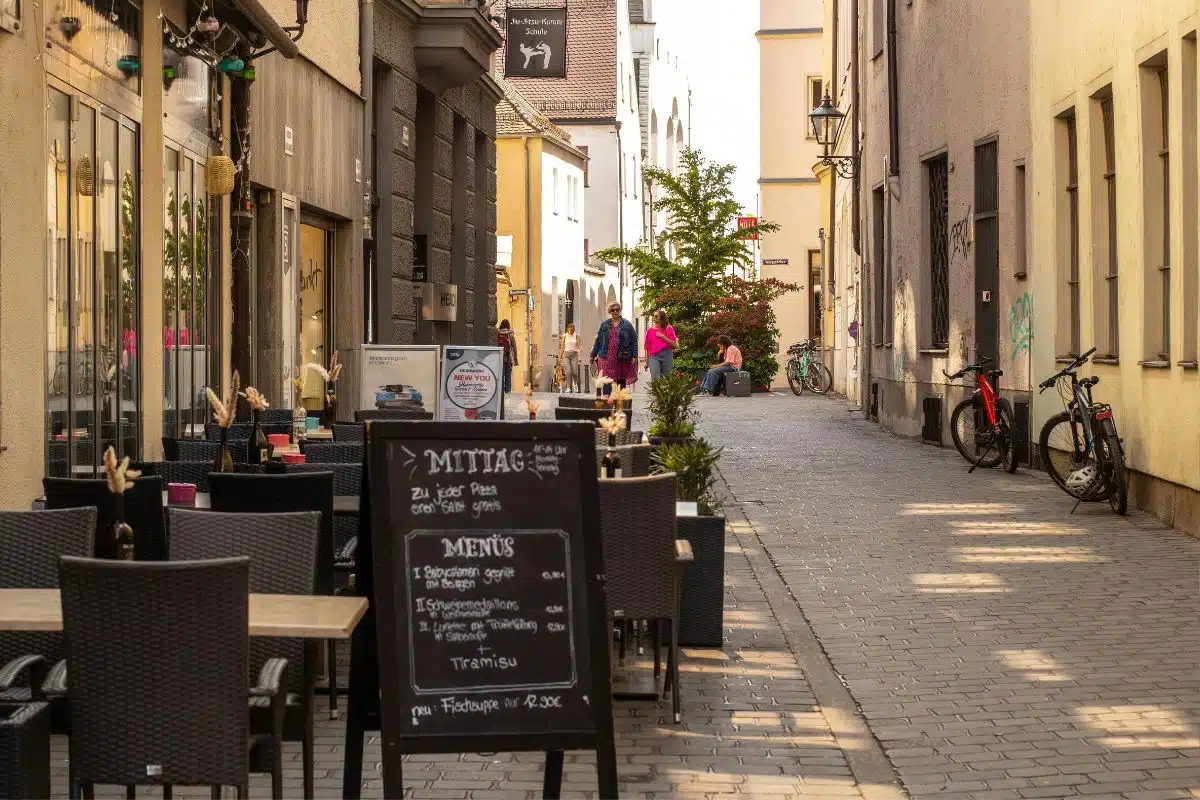
Where you order breakfast has a major impact on what you’ll pay. Restaurants in downtown business districts, tourist destinations, airports, and high-demand neighborhoods typically face much higher rent, utilities, insurance, and property costs than those in smaller communities. Those expenses become part of every menu item sold. That’s why the same style of breakfast sandwich may cost significantly more in one city than another.
You’re Paying for More Than the Food

Many cafés and brunch restaurants now focus on creating a complete dining experience rather than simply serving breakfast. Comfortable seating, attractive décor, specialty coffee programs, outdoor patios, and attentive service all require additional investment. For many customers, the atmosphere is just as important as the meal itself. Those added amenities contribute to higher menu prices across the industry.
Brunch Has Become a Destination Meal

Brunch has evolved from a casual weekend meal into a popular social outing. Friends and families often gather for leisurely breakfasts that include specialty drinks, unique menu items, and an inviting atmosphere. Restaurants have responded by expanding their menus and investing in creative presentations that make the experience feel special. As demand for brunch has grown, so has consumers’ willingness to spend more on the occasion.
Food Costs Remain Higher Than They Were a Few Years Ago
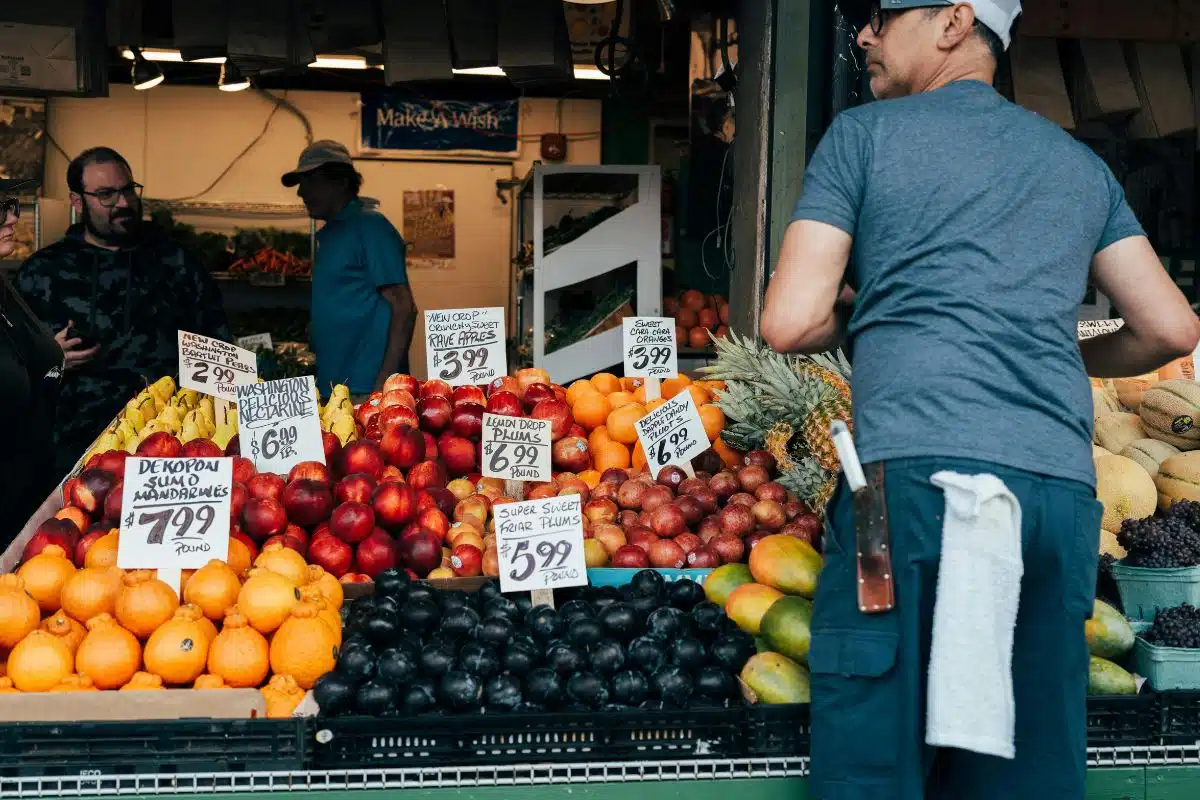
Restaurants continue to navigate higher costs for many everyday ingredients, including eggs, dairy products, meats, coffee, cooking oils, and baked goods. While prices for some items have stabilized, others remain more expensive than they were before recent inflationary periods. Packaging, transportation, and utility expenses have also increased operating costs for many businesses. To remain profitable, restaurants often adjust menu prices to reflect these ongoing expenses.
This post may contain affiliate links or sponsored content. Disclosure Policy