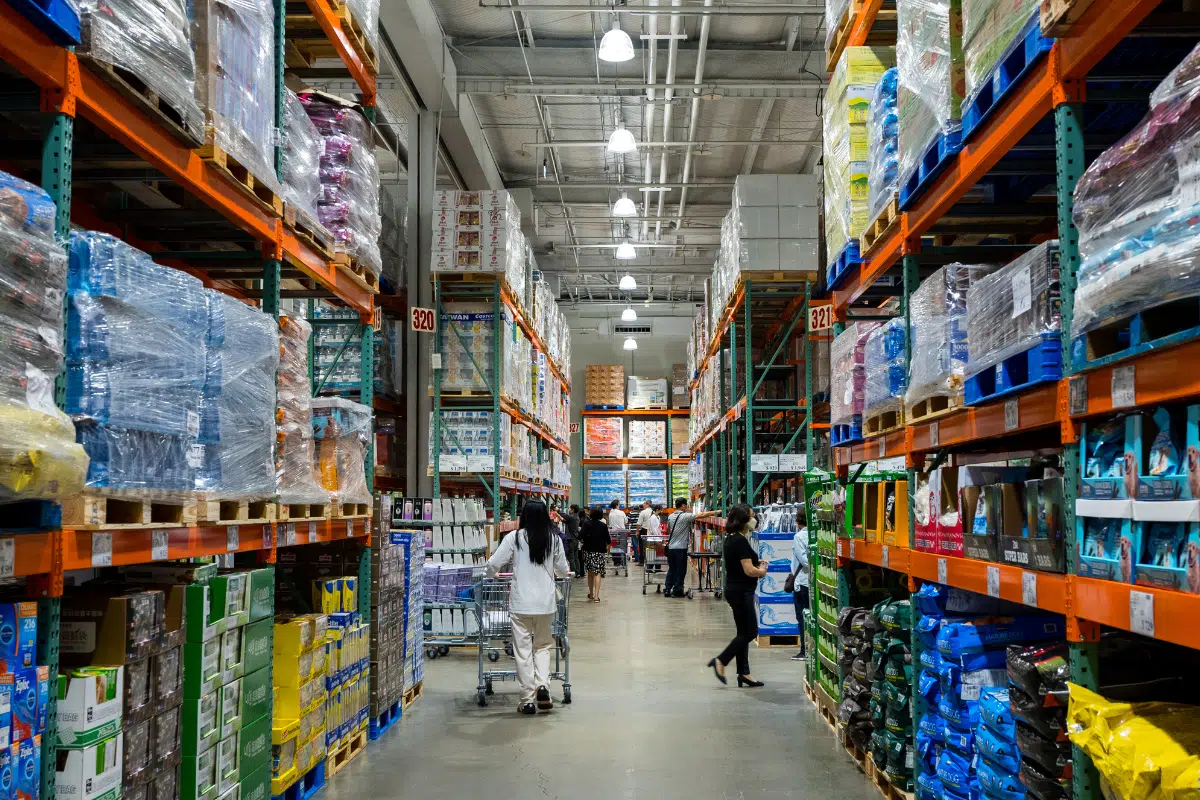
10 Grocery Swaps That Can Save You Money Every Week
Grocery prices seem to climb higher every time you shop, making it harder than ever to stick to a budget. The good news is that saving money at the store doesn’t have to mean giving up your favorite foods or completely changing the way you eat. Small, smart swaps can add up quickly and help lower your monthly grocery bill without sacrificing convenience, flavor, or quality. From pantry staples to household essentials, these easy changes can help you stretch your budget while still keeping your kitchen stocked with foods your family loves.
Swap Name Brands for Store Brands

Store-brand products are often made in the same factories as the big-name versions, but they come with a much lower price tag. Many shoppers find little to no difference in taste when it comes to basics like cereal, pasta, canned vegetables, and frozen foods. Making this switch consistently can shave a noticeable amount off your weekly grocery total. Over time, choosing generic products for everyday items can save families hundreds of dollars each year.
Choose Frozen Over Fresh Produce
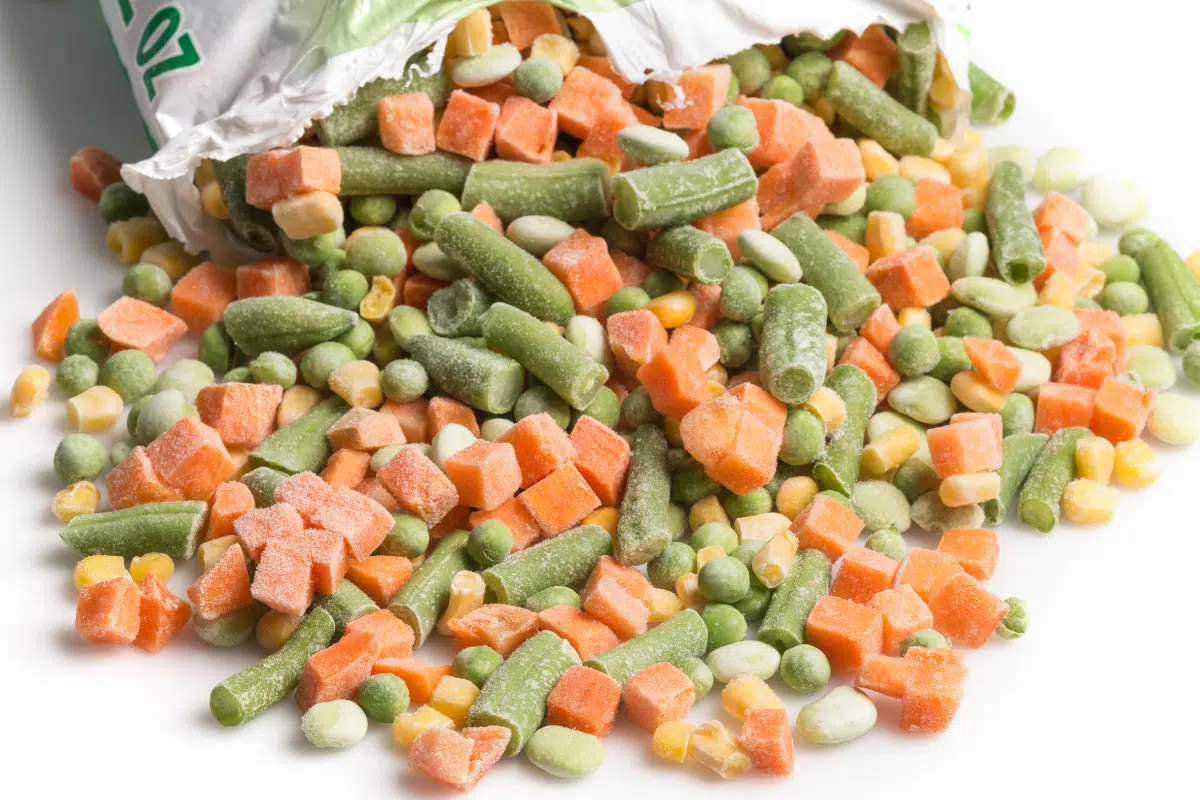
Frozen fruits and vegetables are usually picked at peak ripeness and flash-frozen quickly to preserve nutrients and flavor. They also tend to cost less than fresh produce, especially when certain fruits or vegetables are out of season. Because frozen produce lasts much longer, it helps reduce food waste and prevents spoiled items from ending up in the trash. Keeping a variety of frozen produce on hand also makes it easier to throw together quick meals and smoothies anytime.
Buy Whole Grains Instead of Pre-Packaged

Pre-seasoned rice packets and ready-made grain mixes may be convenient, but they often cost significantly more per serving. Buying plain rice, oats, quinoa, or pasta in larger bags gives you more food for less money. You can easily add your own seasonings and customize meals to your taste while avoiding excess sodium and preservatives. Bulk grains also store well, making them a smart pantry staple for budget-conscious shoppers.
Use Beans Instead of Meat in Some Meals

Beans are one of the most affordable protein sources you can buy, and they work well in a wide variety of meals. Replacing some or all of the meat in dishes like chili, tacos, soups, or casseroles can dramatically lower meal costs. Beans are also high in fiber and nutrients, helping create filling meals that keep everyone satisfied longer. Even swapping meat just once or twice a week can make a noticeable difference in your grocery spending.
Swap Sugary Drinks for Infused Water

Soft drinks, bottled teas, and juices can quietly become one of the most expensive items in your grocery cart. Infusing water with lemon slices, berries, cucumber, or mint creates a refreshing drink without the extra cost or added sugar. This simple switch can help reduce both grocery expenses and unnecessary calories at the same time. Investing in a reusable water bottle or pitcher can make this habit even easier to maintain.
Buy in Bulk for Non-Perishables
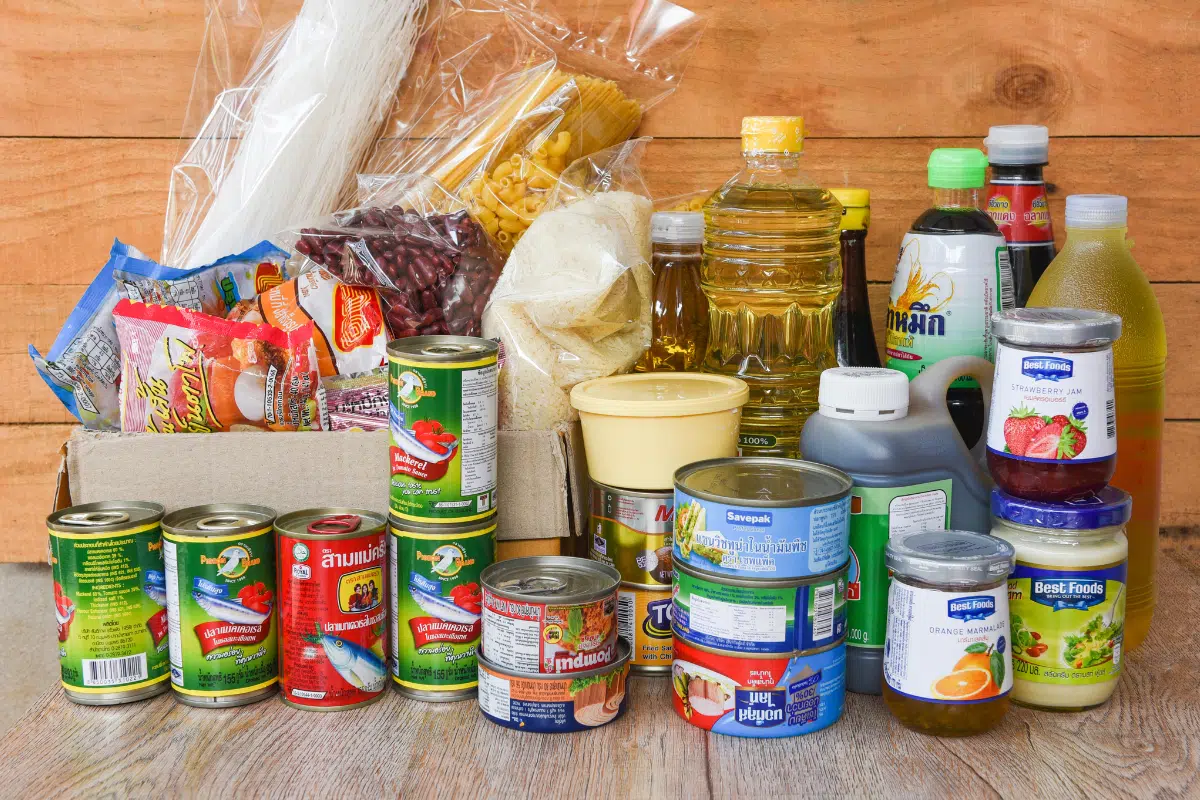
Staples like pasta, rice, flour, canned goods, and paper products are often much cheaper when purchased in larger quantities. Bulk shopping reduces the cost per unit and can minimize the number of grocery trips you need to make. The key is focusing on items you regularly use so nothing goes to waste before you can use it. With a little pantry organization, bulk buying can become one of the easiest ways to lower long-term grocery costs.
Choose Seasonal Produce

Produce that is in season is usually more abundant, fresher, and less expensive than out-of-season options shipped from far away. Seasonal fruits and vegetables often taste better because they are harvested at the right time instead of being picked early for transport. Shopping seasonally also encourages more variety in your meals throughout the year. Visiting local farmers markets during peak growing seasons can sometimes lead to even bigger savings.
Opt for Generic Snacks and Pantry Staples
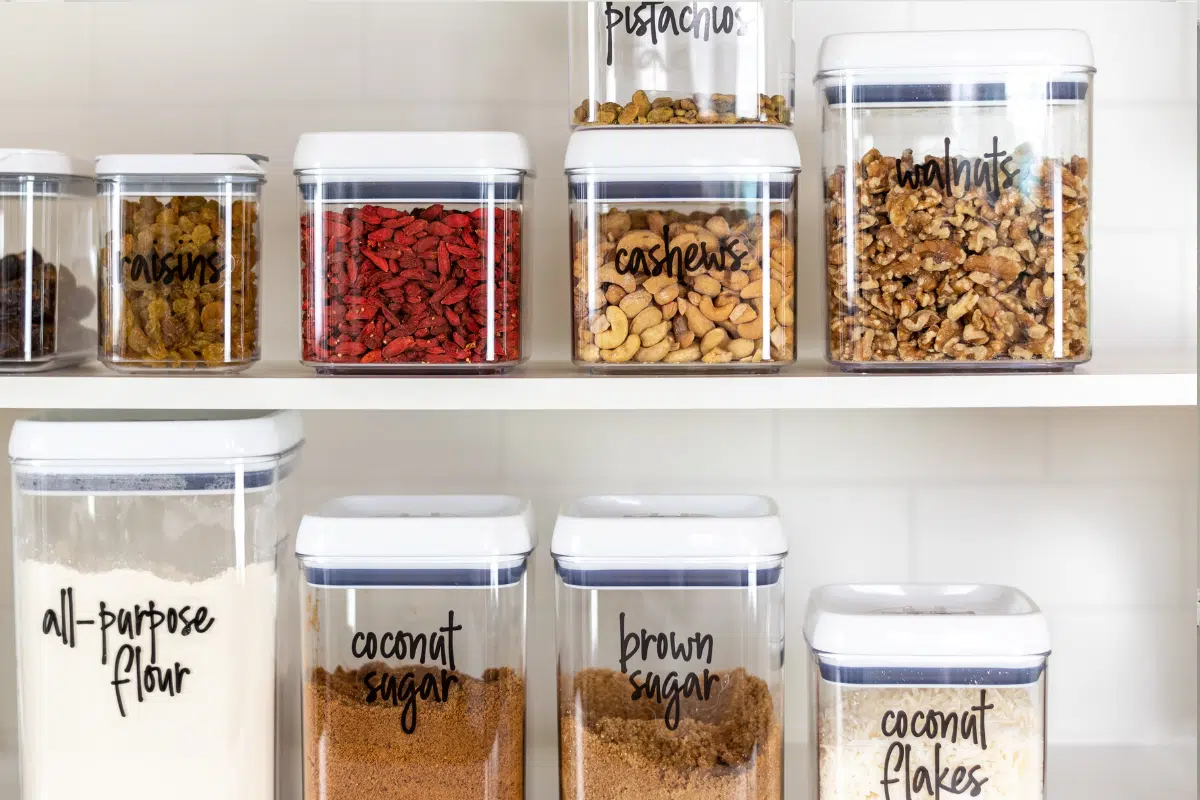
Popular snack foods and pantry staples often carry premium prices simply because of brand recognition. Generic chips, crackers, baking ingredients, and cereals can taste nearly identical while costing much less. Many store brands have improved significantly over the years and now offer quality comparable to national brands. Swapping even a few snack items each shopping trip can help lower your total without anyone noticing the difference.
Replace Pre-Made Sauces with DIY Versions

Store-bought sauces, marinades, and dressings are convenient, but they are often overpriced and packed with extra sugar or sodium. Making your own at home using pantry staples like olive oil, vinegar, herbs, and spices is usually much cheaper. Homemade versions also let you control the flavor and ingredients to better suit your preferences. Once you start making simple sauces yourself, you may never want to go back to bottled versions again.
Swap Paper Towels for Reusable Cloths

Paper towels may seem inexpensive at first, but constantly replacing them adds up over time. Reusable cleaning cloths and microfiber towels can handle most household messes and can be washed and reused repeatedly. This simple swap helps reduce household waste while cutting back on recurring grocery and cleaning expenses. Keeping a small basket of reusable cloths in the kitchen makes the transition easy and convenient for everyday cleaning tasks.
This post may contain affiliate links or sponsored content. Disclosure Policy