9 Foods That Naturally Help Fight Inflammation Every Day
Inflammation is a natural process your body uses to protect itself from injury and illness. But when it becomes chronic, it can contribute to fatigue, joint discomfort, and long-term health concerns. While no single food can “cure” inflammation, a nutrient-rich diet can play a powerful role in helping your body manage it more effectively. Adding more anti-inflammatory foods to your meals is a simple, everyday way to support overall wellness.
Fatty Fish
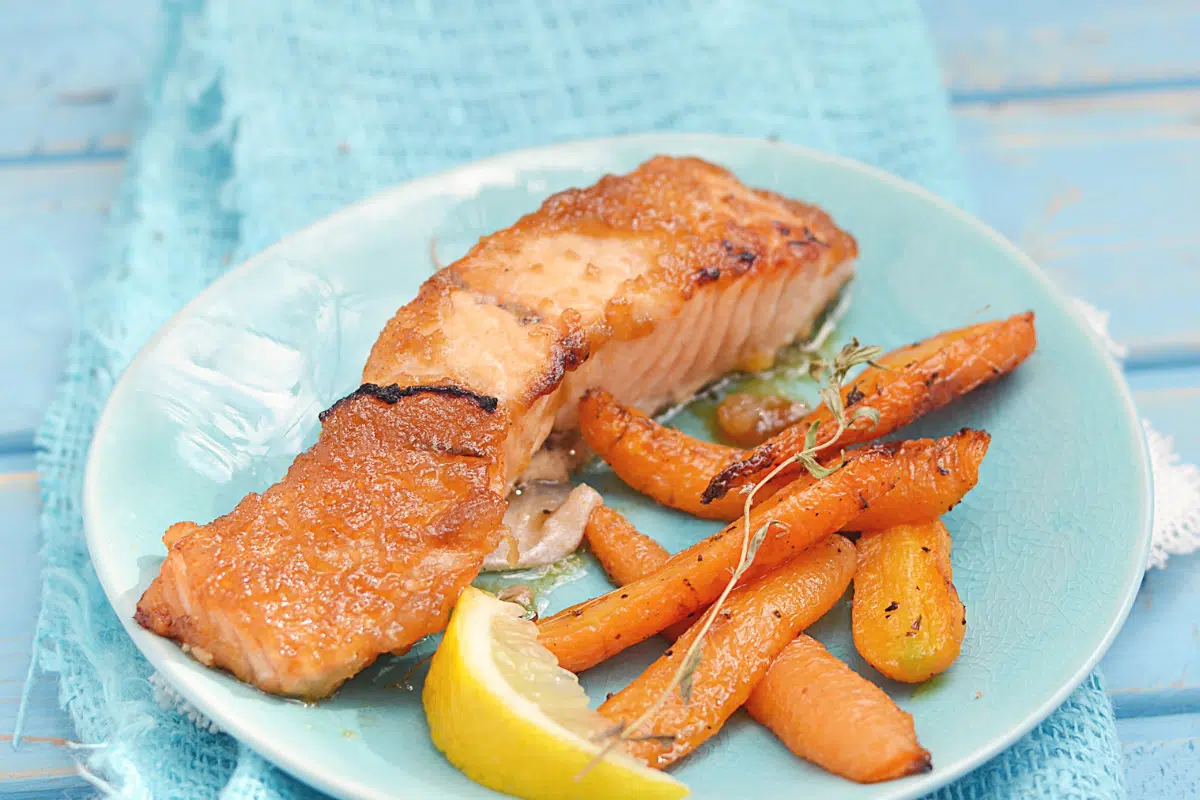
Fatty fish like salmon, sardines, mackerel, and tuna are rich in omega-3 fatty acids, which are known to help reduce inflammation in the body. These healthy fats support heart and brain health while also helping balance inflammatory responses. Regularly including fatty fish in your diet may help lower key inflammatory markers over time. Grilling, baking, or adding them to salads are easy ways to enjoy their benefits.
Berries

Blueberries, strawberries, raspberries, and blackberries are packed with antioxidants, fiber, and vitamin C. These nutrients help combat oxidative stress, which is closely linked to inflammation. Their natural sweetness makes them an easy addition to breakfast, snacks, or smoothies. Eating a variety of berries can help support immune health while adding color and flavor to your diet.
Leafy Greens
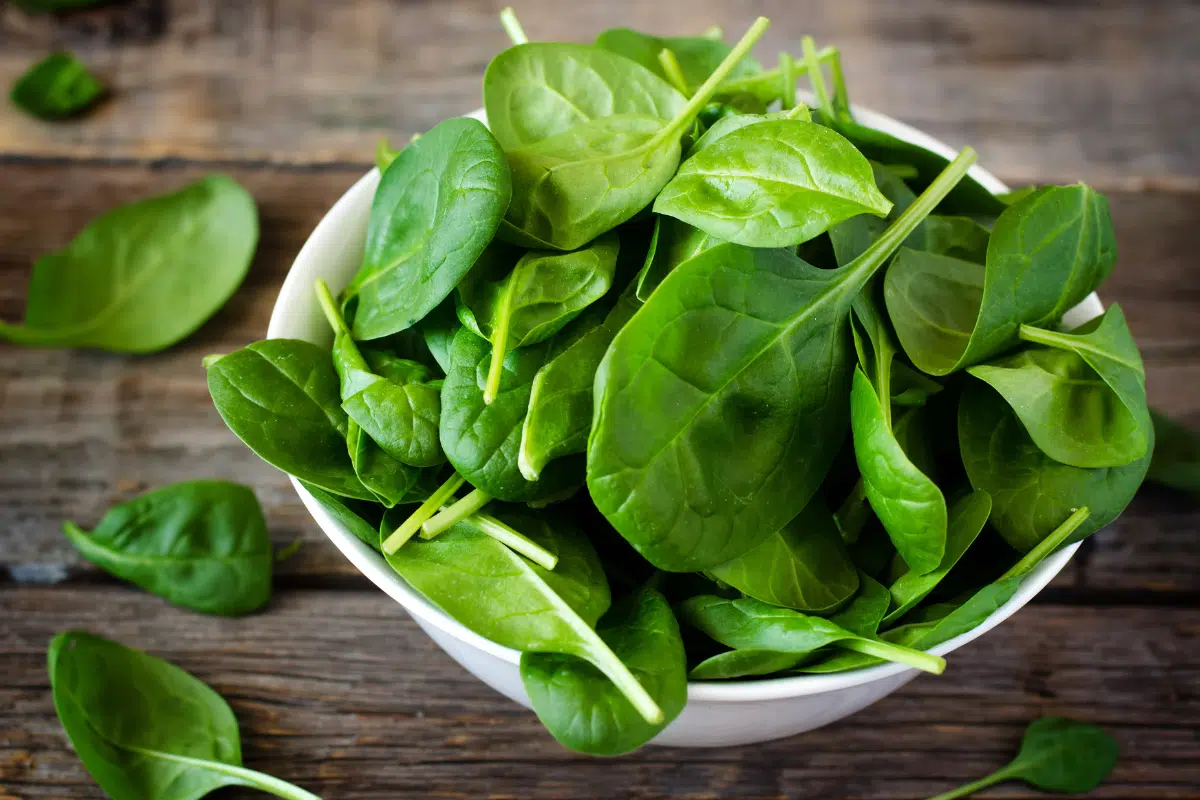
Spinach, kale, Swiss chard, and other leafy greens are nutritional powerhouses. They contain vitamins, minerals, and plant compounds called polyphenols that help reduce inflammation at the cellular level. These greens are also high in fiber, which supports gut health—a key factor in inflammation control. Whether raw in salads or cooked into meals, they’re an easy daily staple.
Turmeric

Turmeric is well known for its active compound curcumin, which has strong anti-inflammatory and antioxidant properties. It has been widely studied for its potential to help reduce inflammation in the body. Pairing turmeric with black pepper can improve absorption and effectiveness. It’s commonly used in soups, curries, teas, and golden milk lattes.
Olive Oil
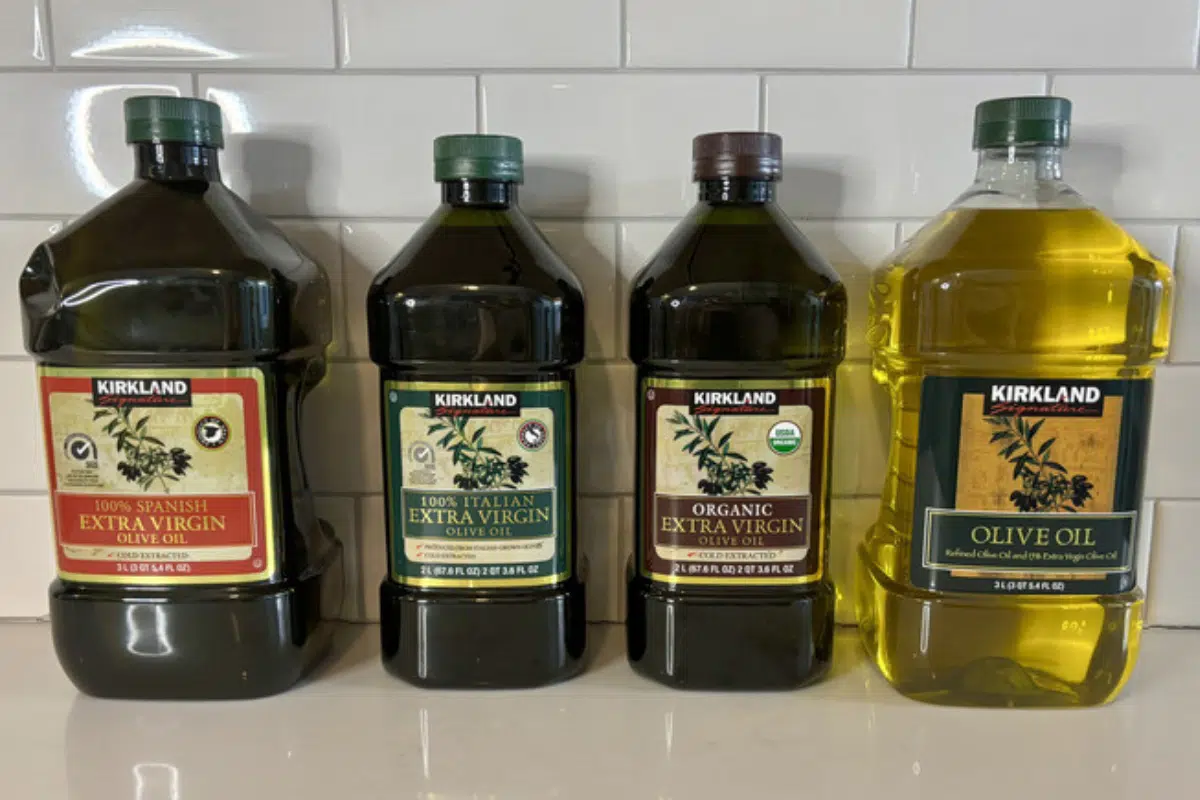
Extra-virgin olive oil is a cornerstone of many heart-healthy diets and contains powerful anti-inflammatory compounds. Its healthy monounsaturated fats and antioxidants may help reduce inflammation in a similar way to some medications, but naturally. Drizzling it over salads or using it in cooking is an easy way to incorporate it into your routine. Choosing high-quality extra-virgin varieties offers the most benefit.
Nuts and Seeds
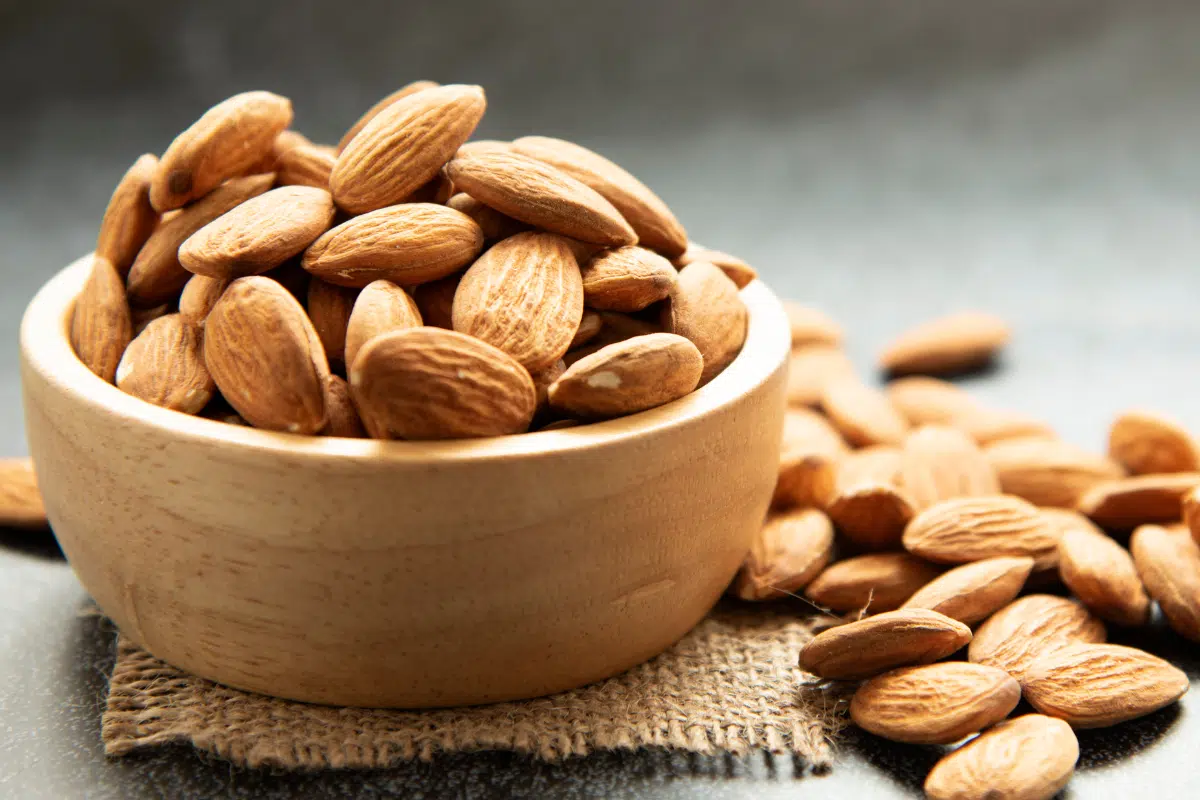
Almonds, walnuts, flaxseeds, chia seeds, and other nuts and seeds provide healthy fats, fiber, and magnesium. These nutrients help regulate inflammation and support overall cellular health. They also make convenient snacks that are easy to add to yogurt, oatmeal, or salads. A small handful a day can make a meaningful difference over time.
Green Tea

Green tea is rich in antioxidants known as catechins, which help protect the body from oxidative stress. These compounds may assist in lowering inflammation while also supporting metabolism and heart health. Drinking green tea regularly can be a soothing daily habit with long-term benefits. It’s best enjoyed unsweetened to maximize its health impact.
Garlic
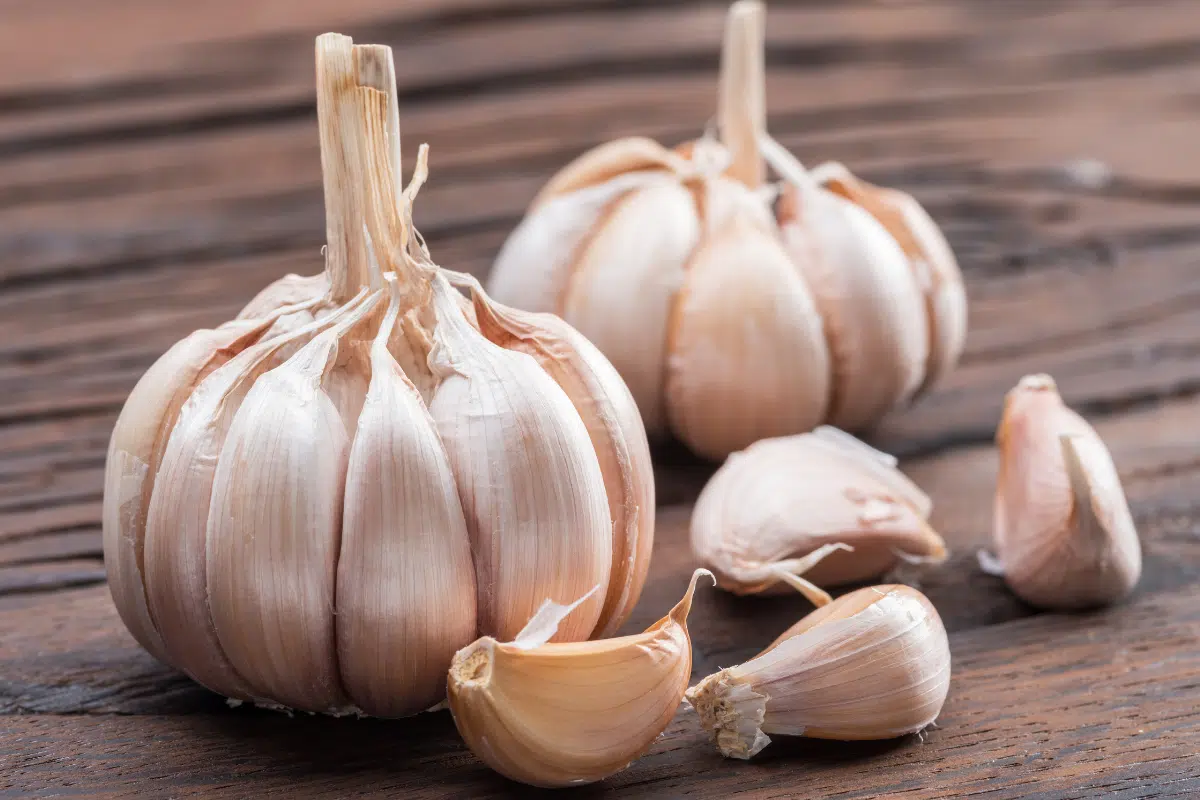
Garlic contains sulfur compounds that have been linked to reduced inflammation and stronger immune function. It also adds deep flavor to a wide variety of savory dishes. When chopped or crushed, garlic releases compounds that may provide the greatest health benefits. Using it fresh in cooking can enhance both taste and nutritional value.
Ginger
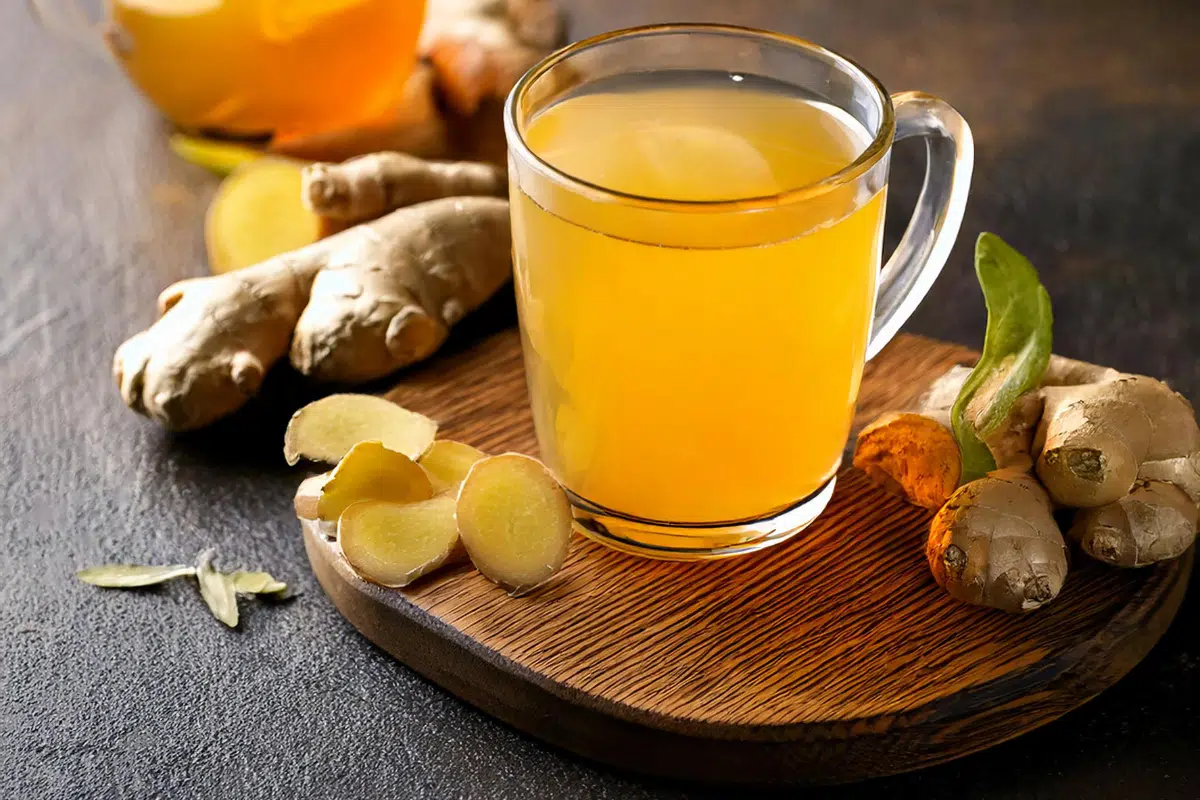
Ginger contains active compounds like gingerol and shogaol, which are known for their anti-inflammatory effects. It may also help reduce muscle soreness and support joint comfort. Fresh ginger can be added to teas, stir-fries, smoothies, and baked goods. Its warming flavor makes it both a culinary and wellness favorite.
This post may contain affiliate links or sponsored content. Disclosure Policy