
8 Practical Steps That Can Help Improve Your Credit Score
A strong credit score can make a real difference in your financial life—from qualifying for lower interest rates to getting approved more easily for loans, rentals, and even insurance in some cases. While credit repair takes time, there are consistent habits that can help move your score in the right direction. The key is focusing on the factors that matter most and building better credit behavior over time. These practical steps can help you create steady progress without feeling overwhelmed.
Pay All Bills on Time—Without Exceptions

Payment history is still the most important factor in your credit score. Even one missed or late payment can have a noticeable impact, especially if your credit history is still developing. Setting up automatic payments or calendar reminders can help ensure nothing slips through the cracks. Over time, consistent on-time payments build trust with lenders and strengthen your overall credit profile.
Keep Your Credit Card Balances Low

Credit utilization—the amount of credit you’re using compared to your limit—plays a big role in your score. Most experts recommend staying below 30%, but lower is even better if you’re trying to improve your score quickly. If possible, make multiple payments throughout the month instead of waiting for the due date. This can help keep reported balances lower and improve your credit profile.
Consider Becoming an Authorized User
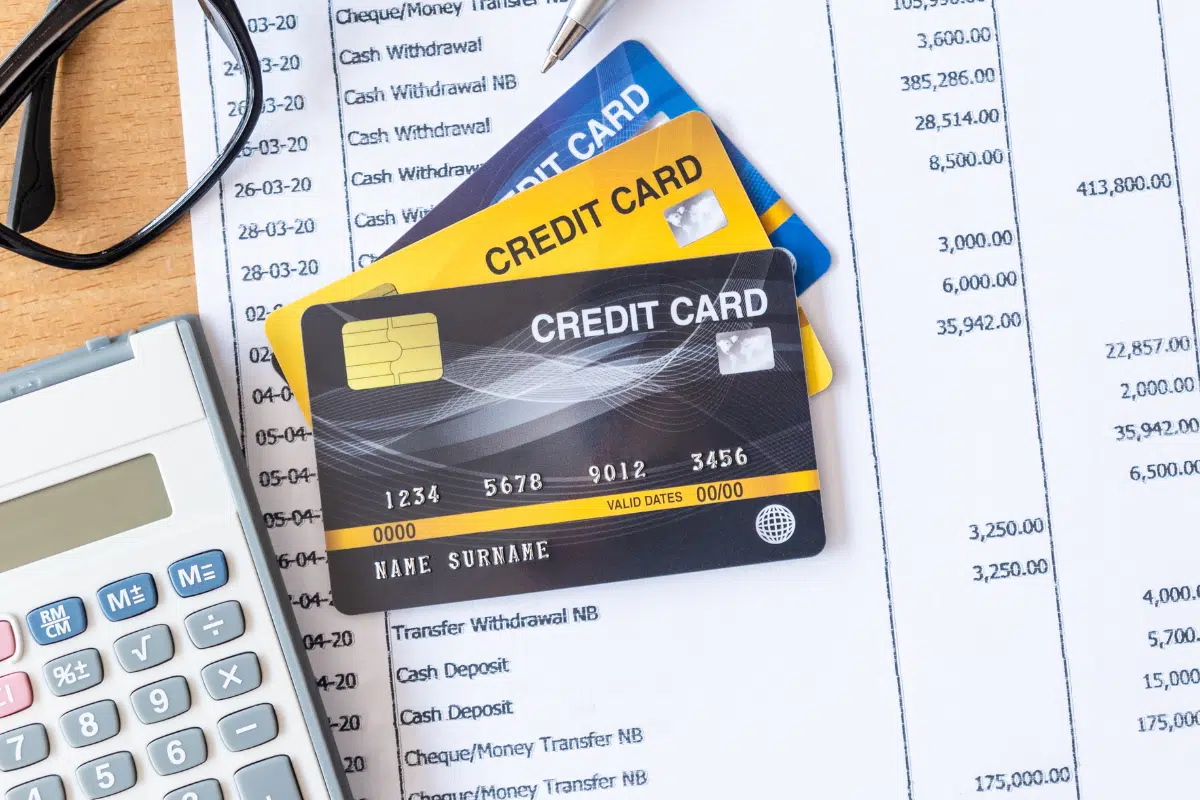
If a trusted family member has strong credit habits, being added as an authorized user on their credit card may help your score. Their positive payment history can reflect on your credit report, depending on the issuer. This strategy works best when the primary user consistently pays on time and keeps balances low. It’s a simple way to benefit from established credit behavior while building your own history.
Start with a Secured Credit Card if Needed
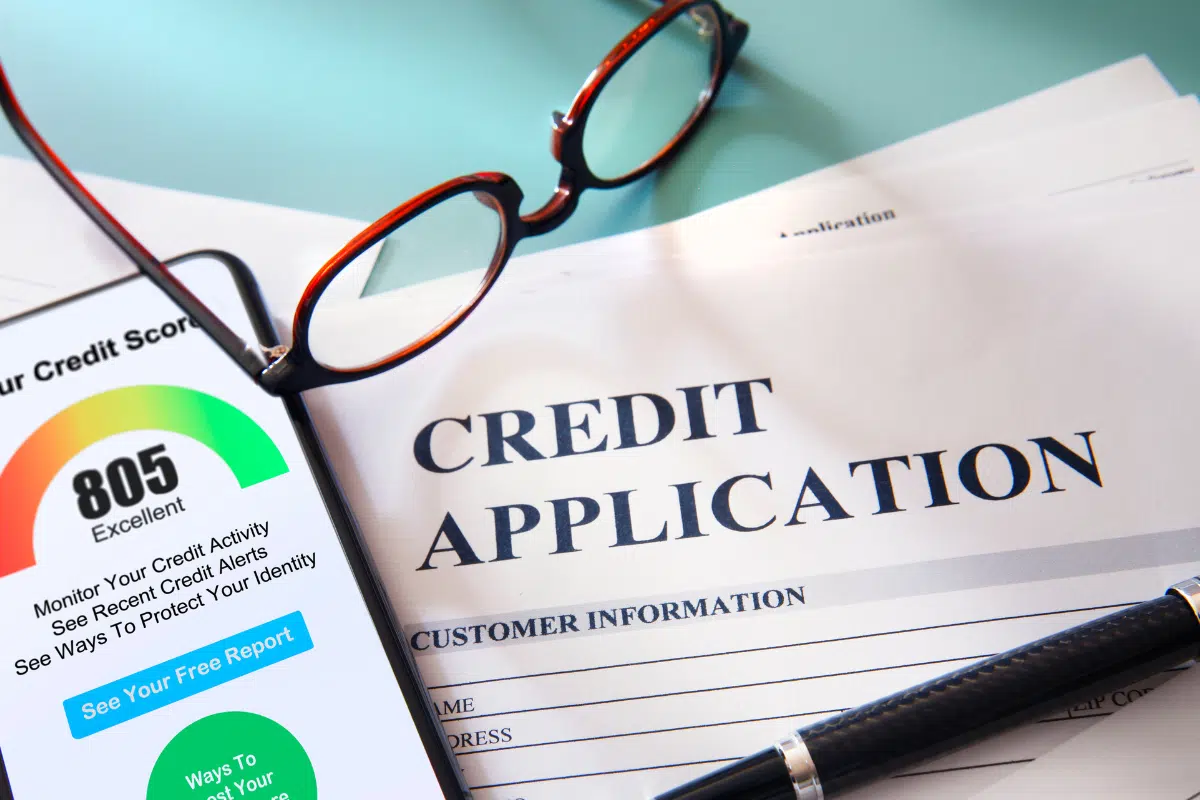
For those building credit or rebuilding after setbacks, a secured credit card can be a helpful tool. It requires a refundable deposit and works like a regular credit card when used responsibly. Small, consistent purchases paid off in full each month can help demonstrate reliability. Over time, many issuers may transition you to an unsecured card as your credit improves.
Maintain a Healthy Mix of Credit Types

Credit scoring models often consider the variety of credit accounts you manage. This can include credit cards, installment loans, or other forms of credit. You don’t need multiple accounts in every category, but showing responsible use of different types can help strengthen your profile. The goal is balance—only take on credit you actually need and can manage comfortably.
Review Your Credit Reports for Errors
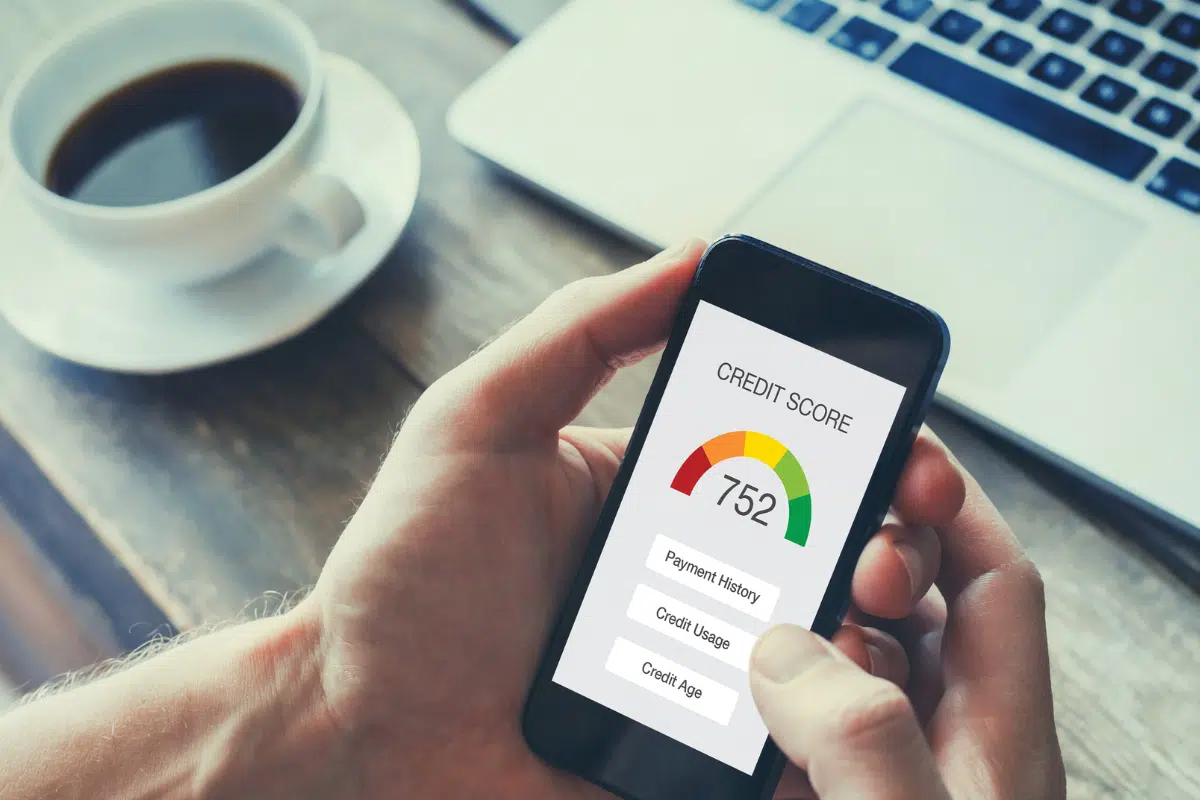
Mistakes on credit reports are more common than many people realize and can negatively affect your score. Reviewing your reports regularly allows you to spot inaccurate balances, outdated accounts, or incorrect late payments. You can request free reports through authorized credit reporting services and dispute any errors you find. Fixing inaccuracies can sometimes lead to quick improvements in your score.
Avoid Opening Too Many New Accounts at Once

Each new credit application can trigger a hard inquiry, which may slightly lower your score temporarily. Opening multiple accounts in a short period can also make lenders view you as higher risk. Instead, apply for credit only when necessary and space out applications when possible. Being selective helps protect your credit profile while you build it.
Keep Older Accounts Open When Possible

The length of your credit history matters, especially the age of your oldest accounts. Even if you’re not using an older credit card, keeping it open can help maintain a longer average credit age. Closing accounts too soon may shorten your history and impact your score. As long as there are no fees, keeping older accounts active with occasional small purchases can be beneficial.
This post may contain affiliate links or sponsored content. Disclosure Policy