8 Pasta Mistakes That Can Leave Your Noodles Sticky and Soggy
Few kitchen frustrations are as common as pasta that clumps together into a sticky, tangled mess. While it might seem like a simple cooking issue, the difference between gummy noodles and perfectly separated pasta often comes down to technique rather than ingredients. Professional chefs rely on a handful of small but intentional steps that control starch, heat, and timing. These simple adjustments can completely change the texture of your pasta and make homemade meals feel restaurant-quality.
Use Plenty of Water
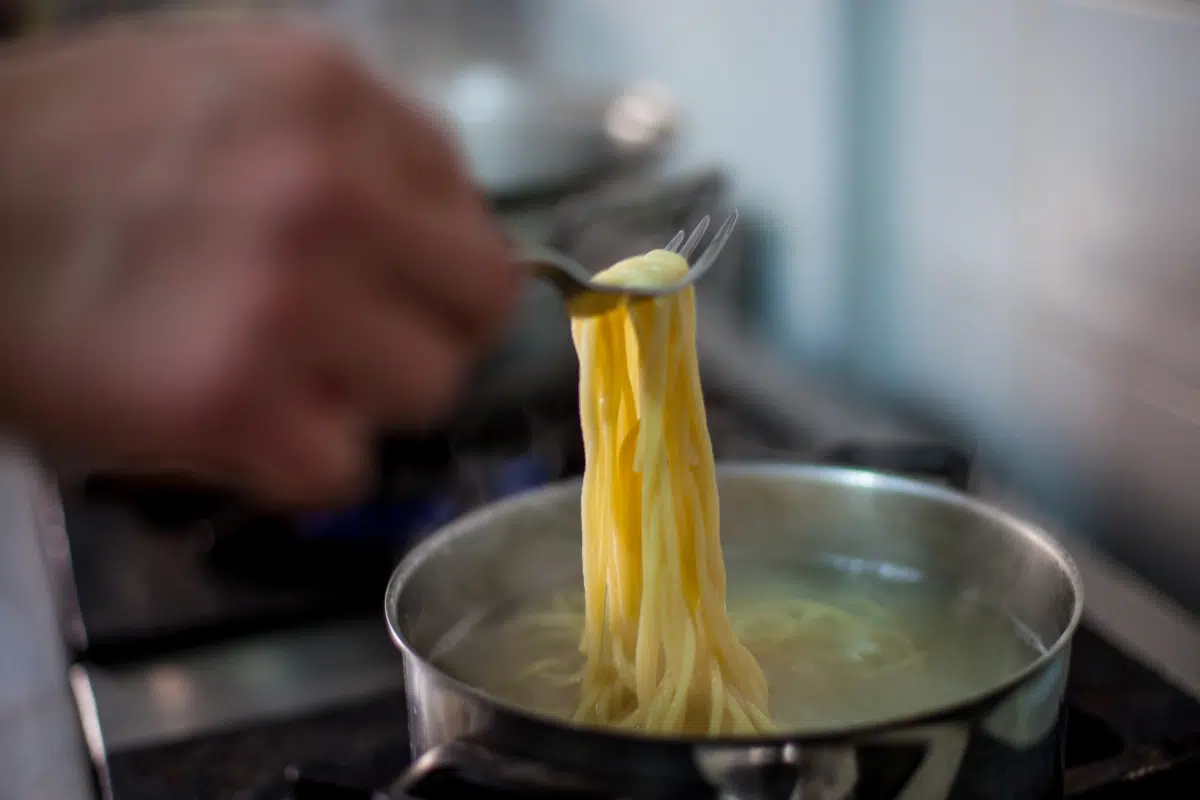
One of the most important rules for better pasta is giving it enough space to cook. When pasta is crowded in too little water, starch builds up quickly and causes noodles to stick together. A large pot filled with plenty of boiling water allows the pasta to move freely as it cooks. This constant movement helps keep each piece separated and evenly cooked from the start.
Stir Right After Adding Pasta
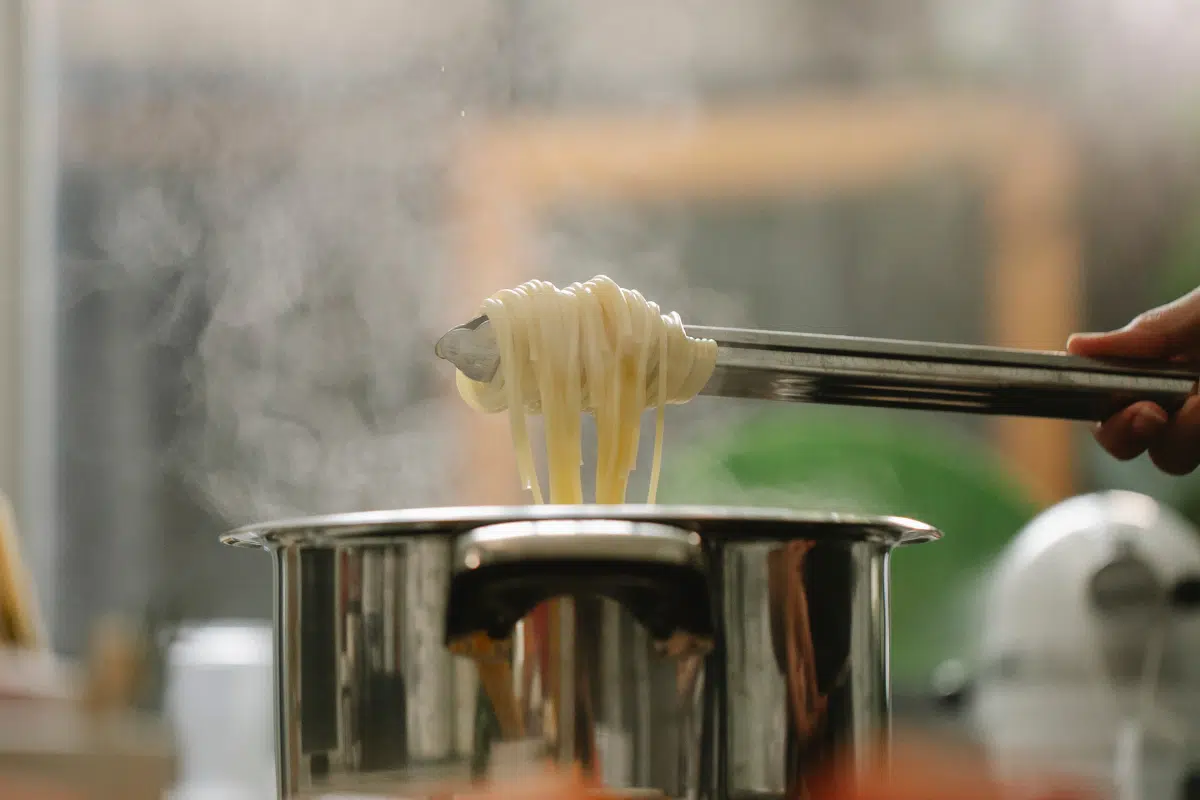
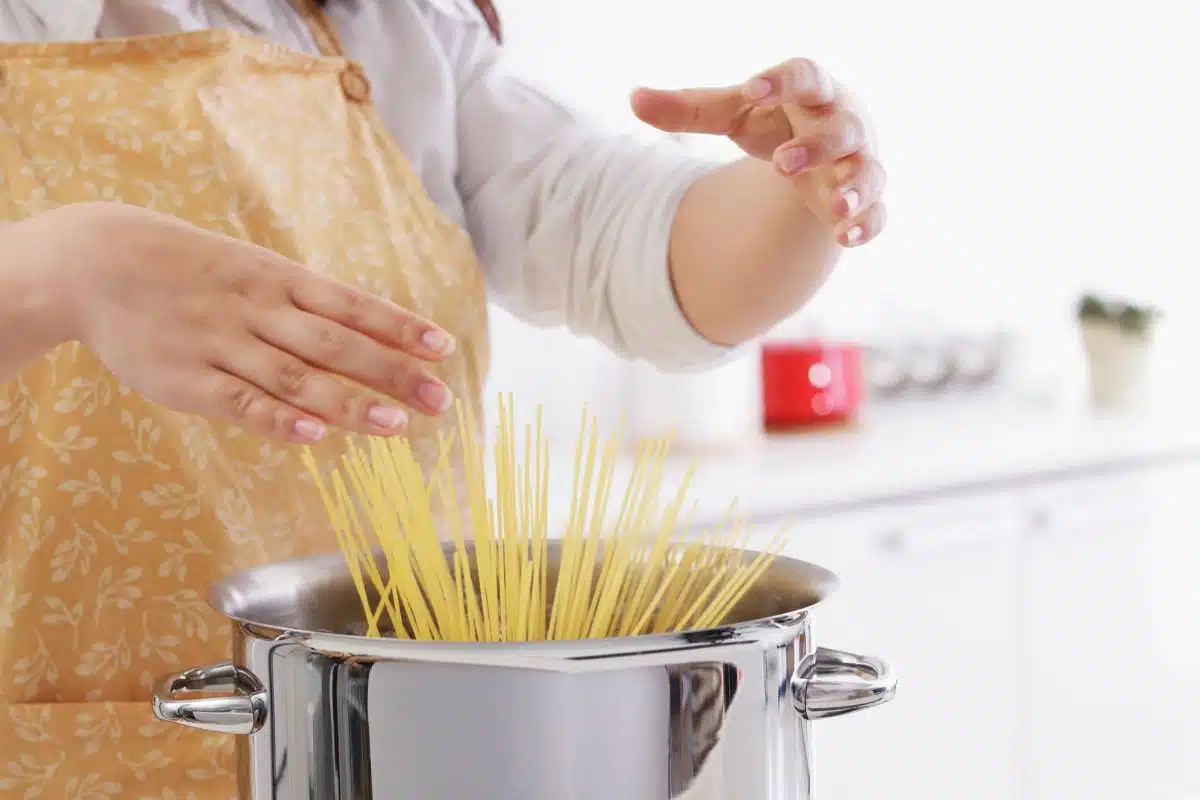
The first minute of cooking is when pasta is most vulnerable to sticking. As soon as the noodles hit the boiling water, they begin releasing starch that can cause them to clump if left untouched. Stirring immediately—and a few more times during the first couple of minutes—keeps everything moving. This simple step is one of the easiest ways to guarantee smooth, separate noodles.
Salt the Water Generously
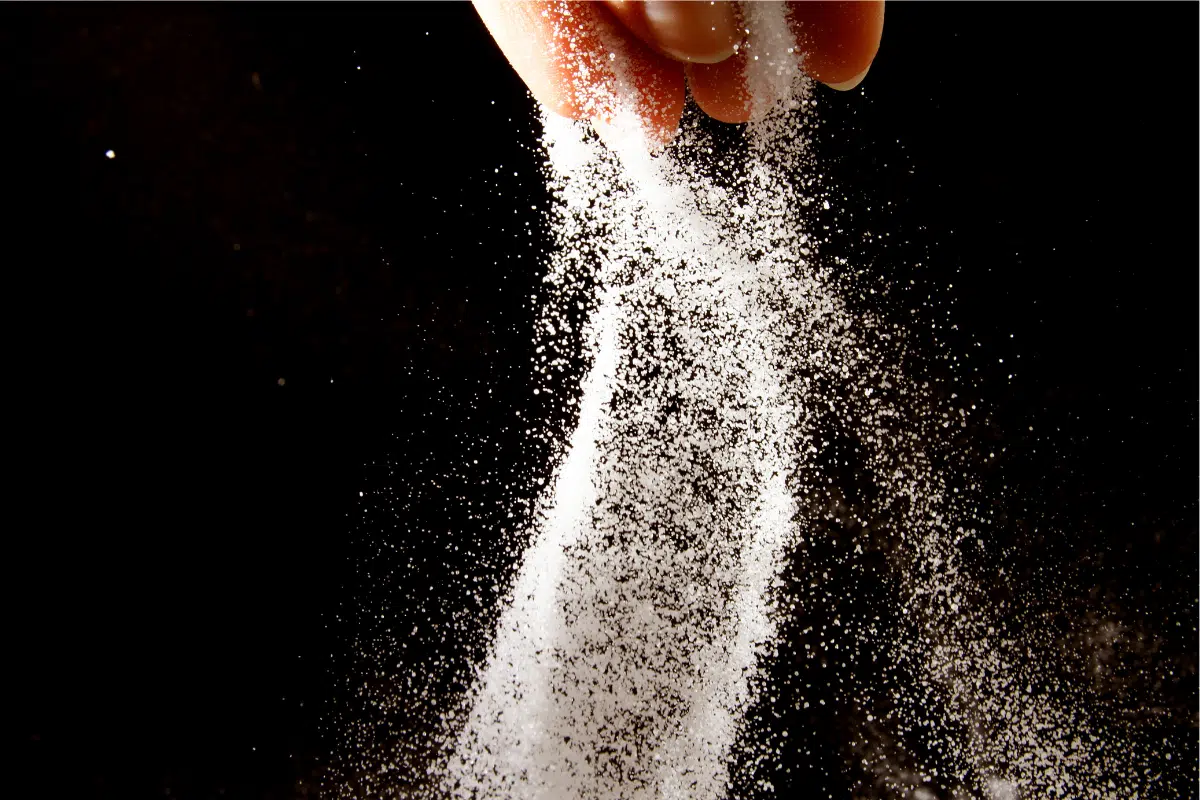
Salting pasta water is about more than flavor—it also plays a subtle role in texture. Properly salted water enhances the taste of the pasta itself and helps reduce surface stickiness. Many chefs recommend seasoning the water so it tastes lightly like seawater before adding the pasta. This step ensures every bite is well-seasoned from the inside out, not just from the sauce.
Skip Adding Oil to the Water
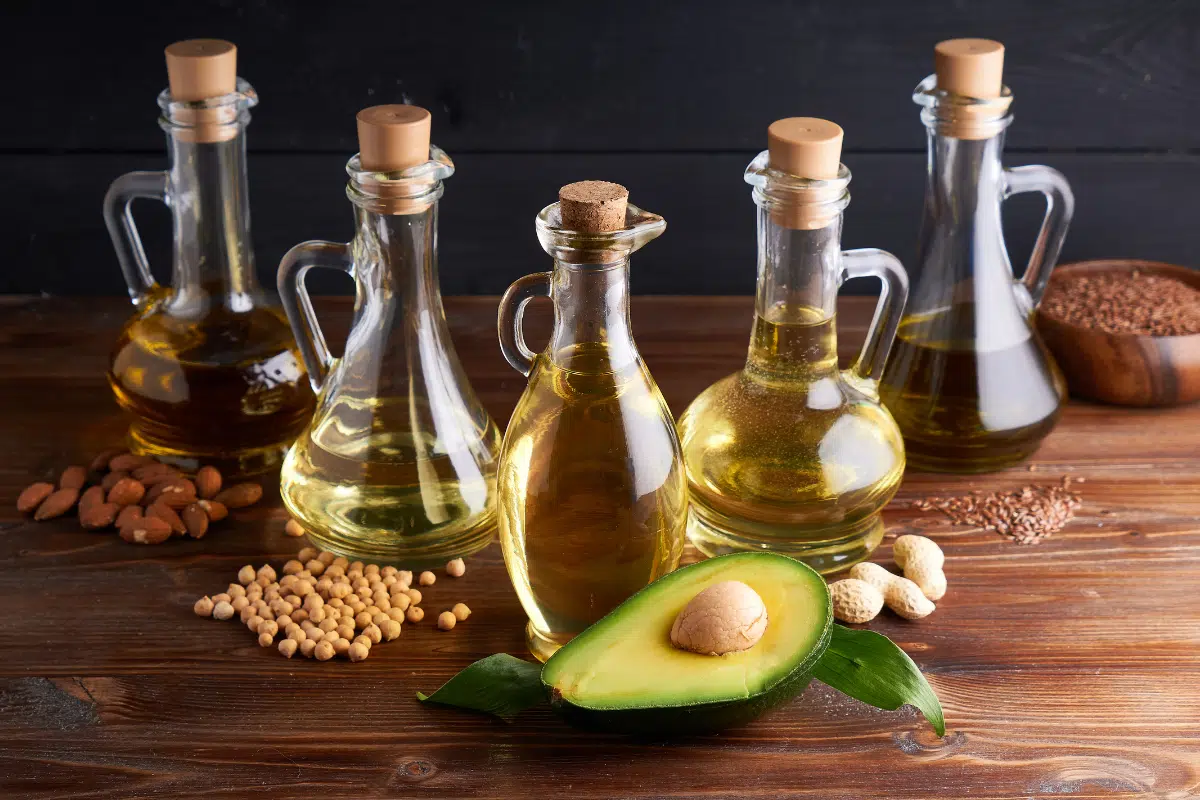
It’s a common myth that adding oil to boiling pasta water prevents sticking, but it often does more harm than good. Oil floats on the surface and can coat the noodles, making it harder for sauces to cling later. Instead of improving texture, it can actually create a slippery layer that weakens flavor absorption. Proper stirring and enough water are far more effective than adding oil.
Save Some Pasta Water
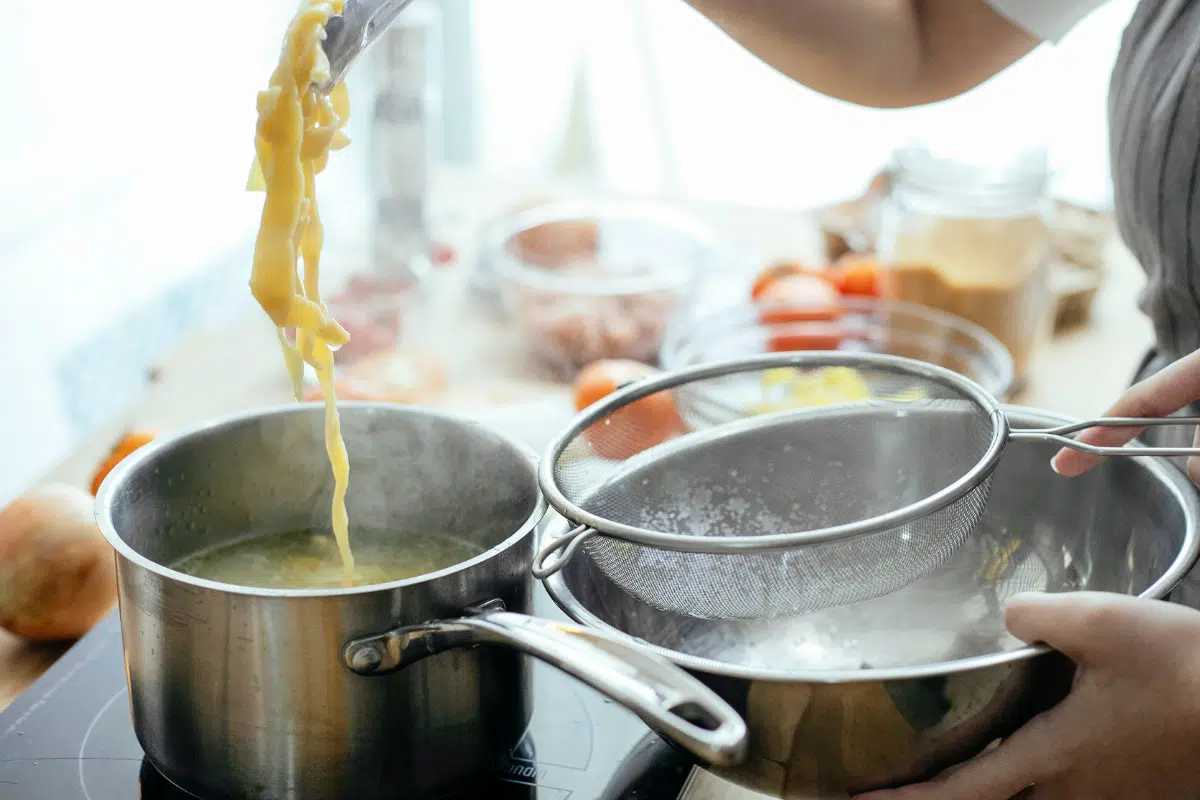
That cloudy cooking water is one of the most useful ingredients in your kitchen. Before draining pasta, saving a cup of the starchy water can help bring sauces together more smoothly. When added to sauce, it helps emulsify fats and liquids so everything clings better to the noodles. This creates a silkier, more cohesive dish instead of a dry or separated one.
Cook to Al Dente
Cooking pasta until it is just al dente—tender but still slightly firm—is key to preventing stickiness. Overcooked pasta releases more starch and becomes soft, gummy, and prone to clumping. Checking a minute or two before the package instructions helps you catch the perfect texture. Properly cooked pasta also holds up better when tossed with sauce.
Toss Pasta With Sauce Immediately
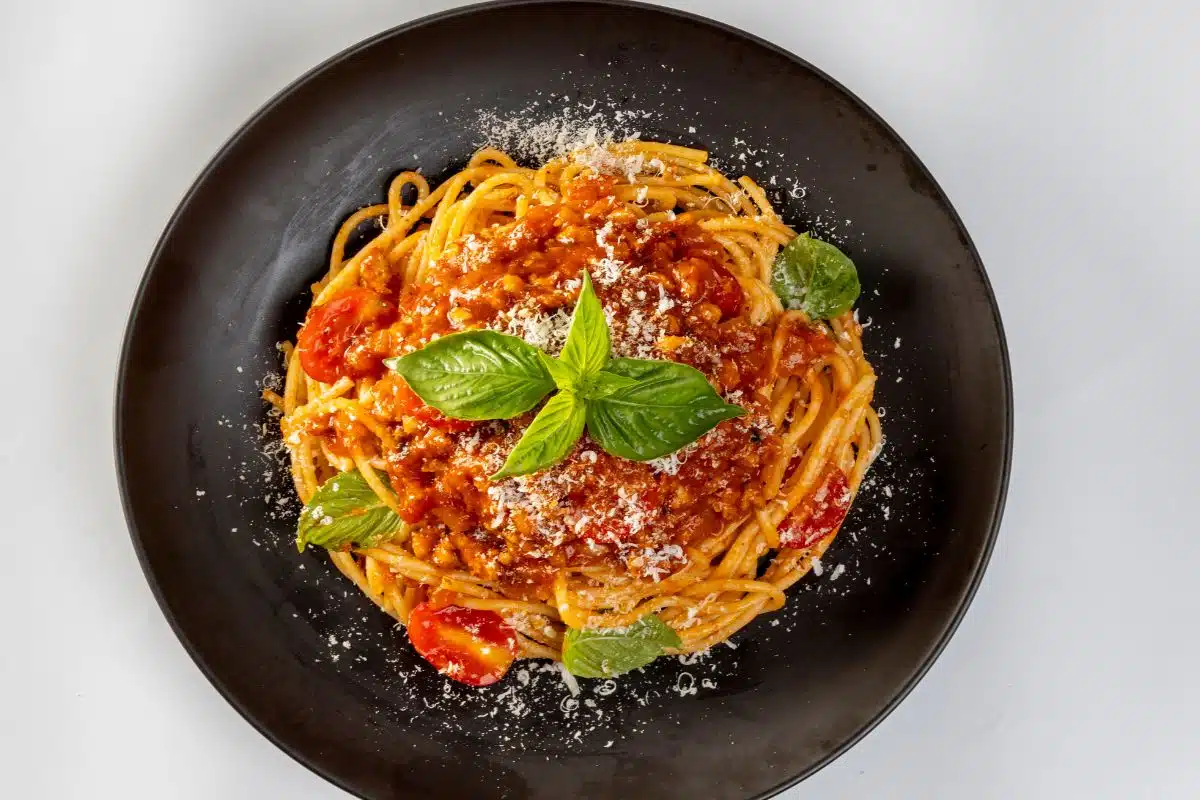
Letting drained pasta sit in a colander is one of the fastest ways for it to stick together. Instead, transfer it directly into warm sauce as soon as it’s ready. The heat helps loosen the noodles while the sauce coats each strand evenly. This step ensures better flavor distribution and prevents the pasta from drying out.
Serve Without Delay
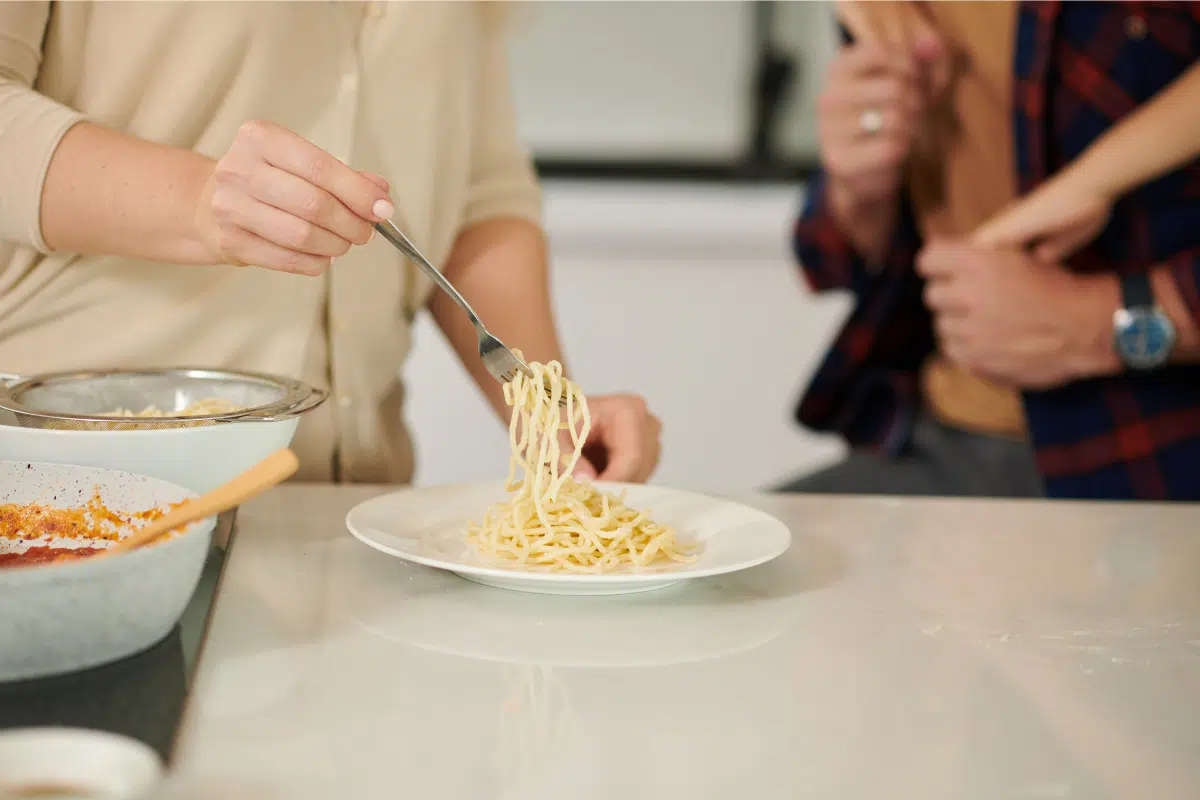
Pasta continues to absorb moisture and release starch as it sits, which can quickly change its texture. Serving it soon after mixing helps maintain that ideal balance of soft yet separate noodles. If it sits too long, it can become dense or clump together on the plate. Timing matters just as much as technique when it comes to perfect pasta.
This post may contain affiliate links or sponsored content. Disclosure Policy