6 Grocery Shopping Habits That Can Quietly Cost You More
Most grocery-saving advice starts with coupons, shopping sales, or making a list. While those tips still have value, they’re only part of the picture. Many shoppers lose money in less obvious ways without even realizing it—from buying the wrong package sizes to overlooking where stores place their best values. A few small changes in how you shop can add up to meaningful savings over the course of a year. Here are six overlooked habits that could help you spend less without drastically changing what you buy.
Compare the Unit Price—Not Just the Shelf Price
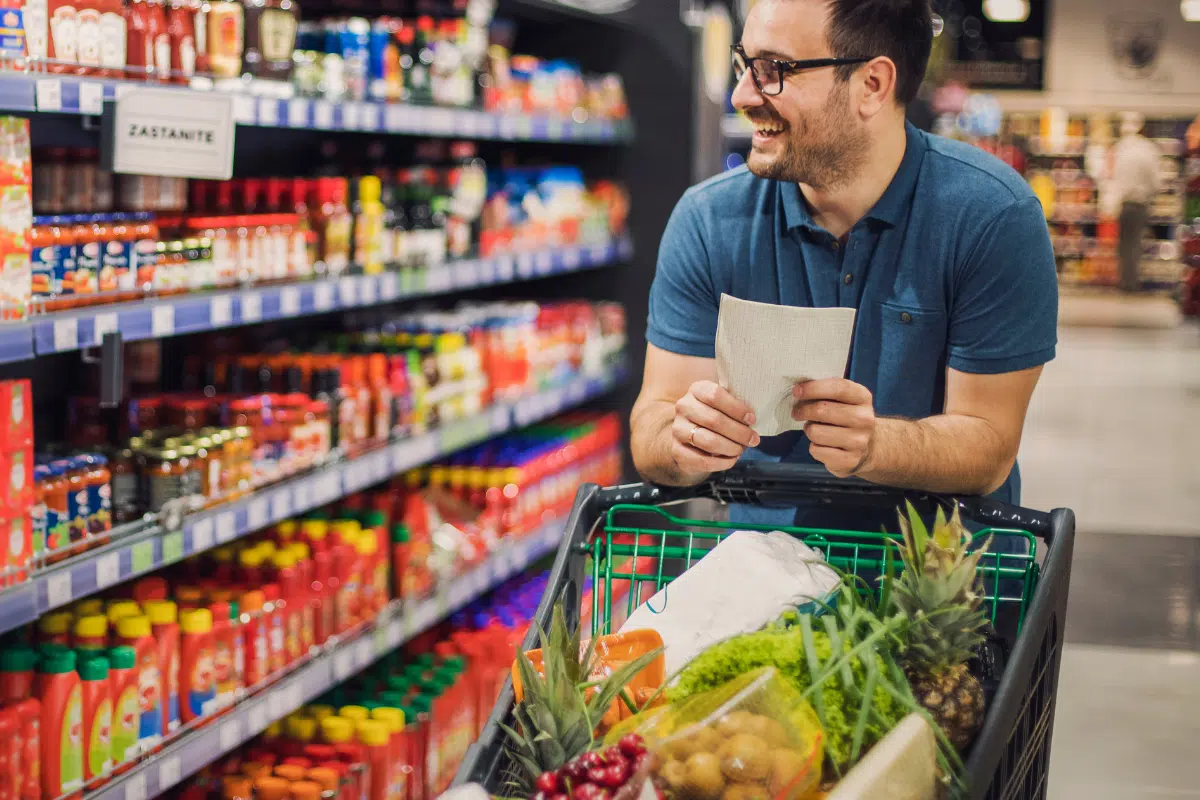
The lowest shelf price isn’t always the best deal. Grocery stores list the unit price—such as cost per ounce, pound, or serving—on most shelf tags, making it much easier to compare products of different sizes. Sometimes a smaller package costs less upfront but significantly more per serving. Taking a few extra seconds to compare unit prices can help you identify the better value, especially for pantry staples, snacks, and household essentials.
Don’t Assume Warehouse Sizes Always Save Money

Buying in bulk only pays off if you’ll actually use everything before it expires. Warehouse clubs and family-size packages can offer excellent values, but they’re not automatically the lowest price. Compare the unit price with regular grocery stores, especially when items are on sale. For perishable foods, buying a smaller amount that gets used is often less expensive than throwing part of a bulk purchase away.
Look Above and Below Eye Level
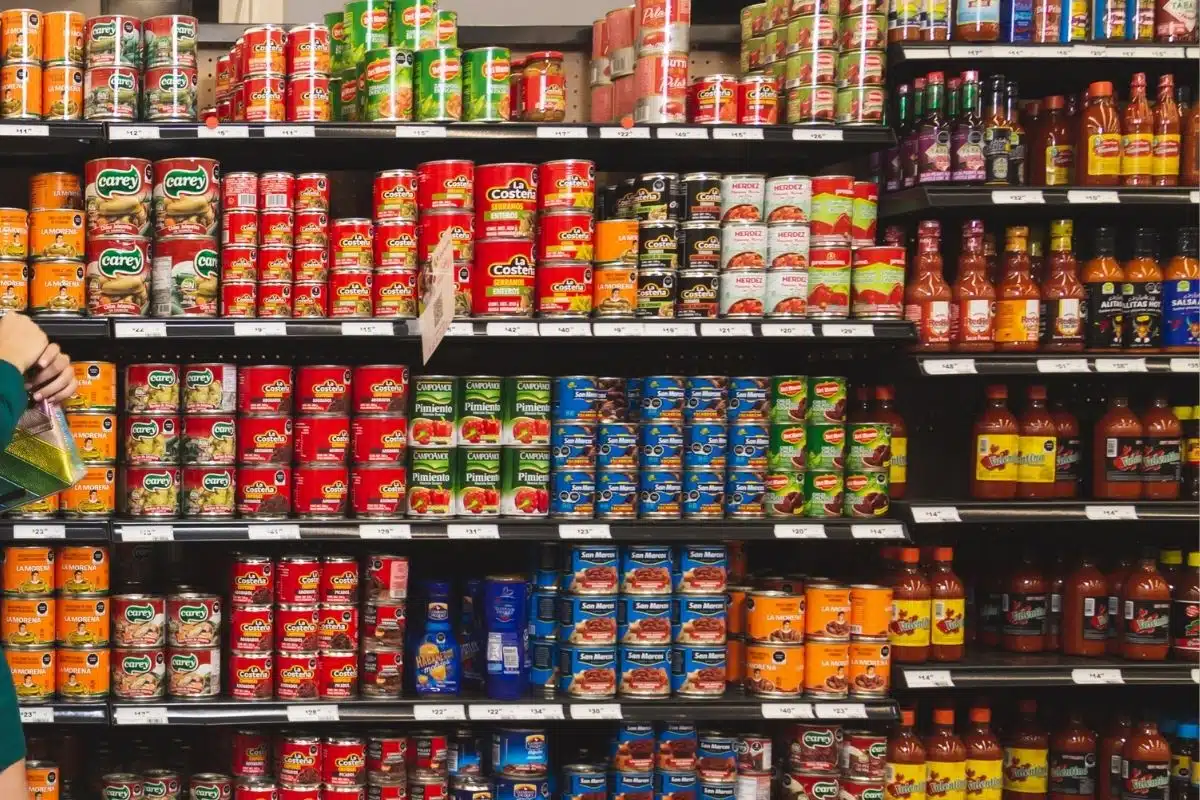
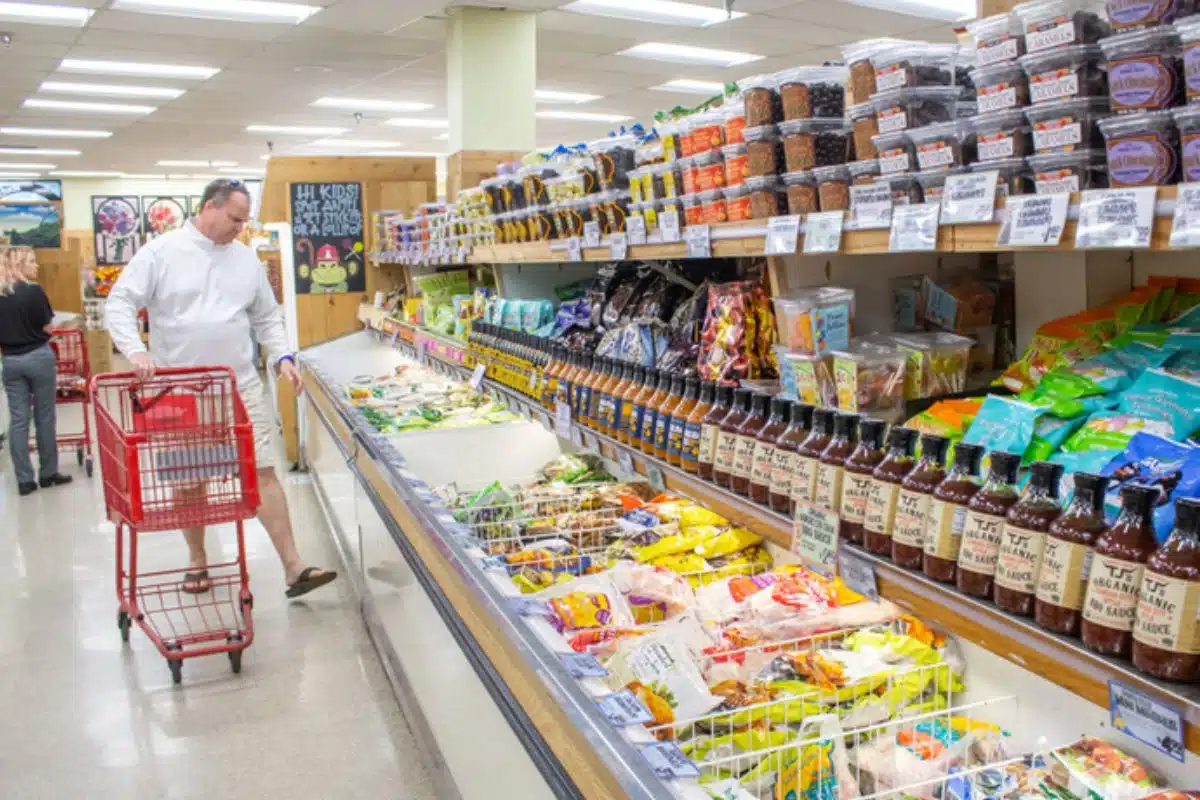
Manufacturers often pay for products to be placed at eye level because that’s where most shoppers naturally look first. Store brands and lower-priced alternatives are frequently stocked on the top or bottom shelves instead. Spending a few extra moments scanning the entire shelf can uncover similar products at noticeably lower prices. It’s a simple habit that often leads to better values without changing your shopping list.
Shop Your Freezer Before Buying More
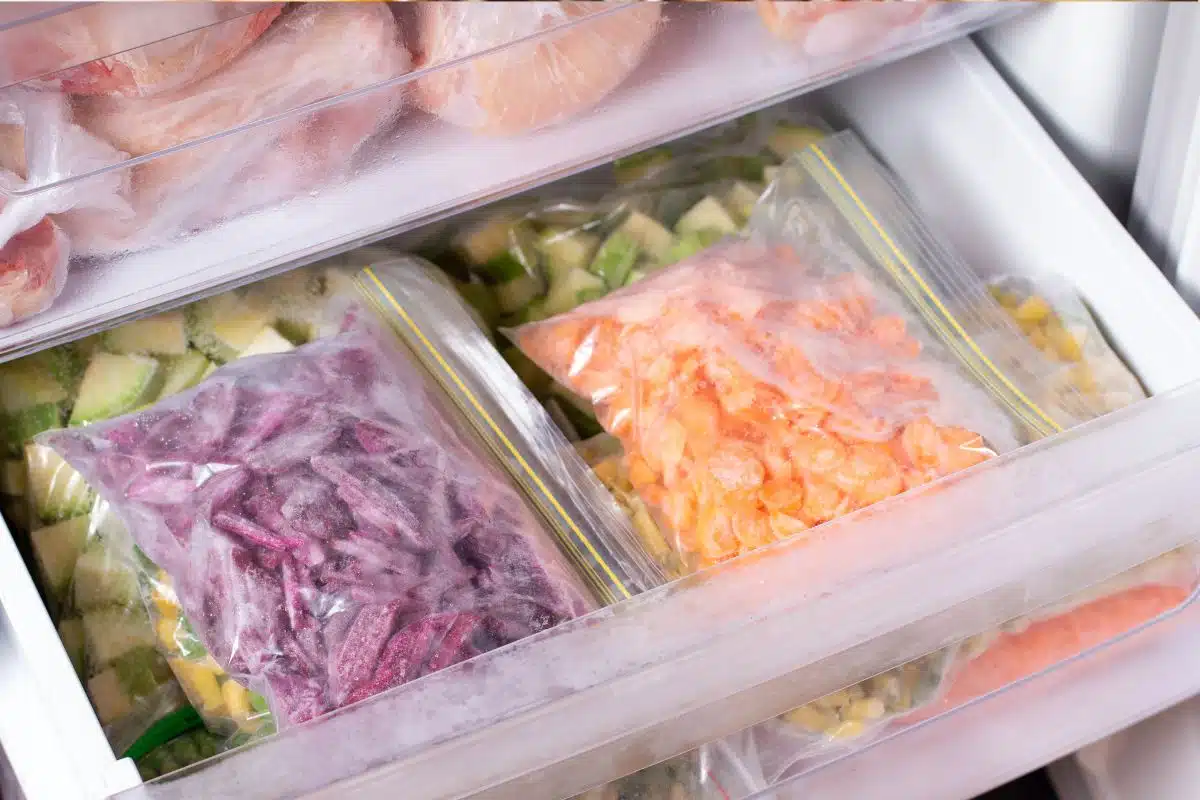
Many households already own ingredients that get forgotten in the freezer. Before shopping, take a quick inventory of frozen vegetables, meat, bread, fruit, and leftovers that could be turned into meals. Using what you already have reduces waste and often allows you to skip buying duplicate items. It also creates space for stocking up when your favorite foods go on sale.
Build Meals Around Markdown Finds
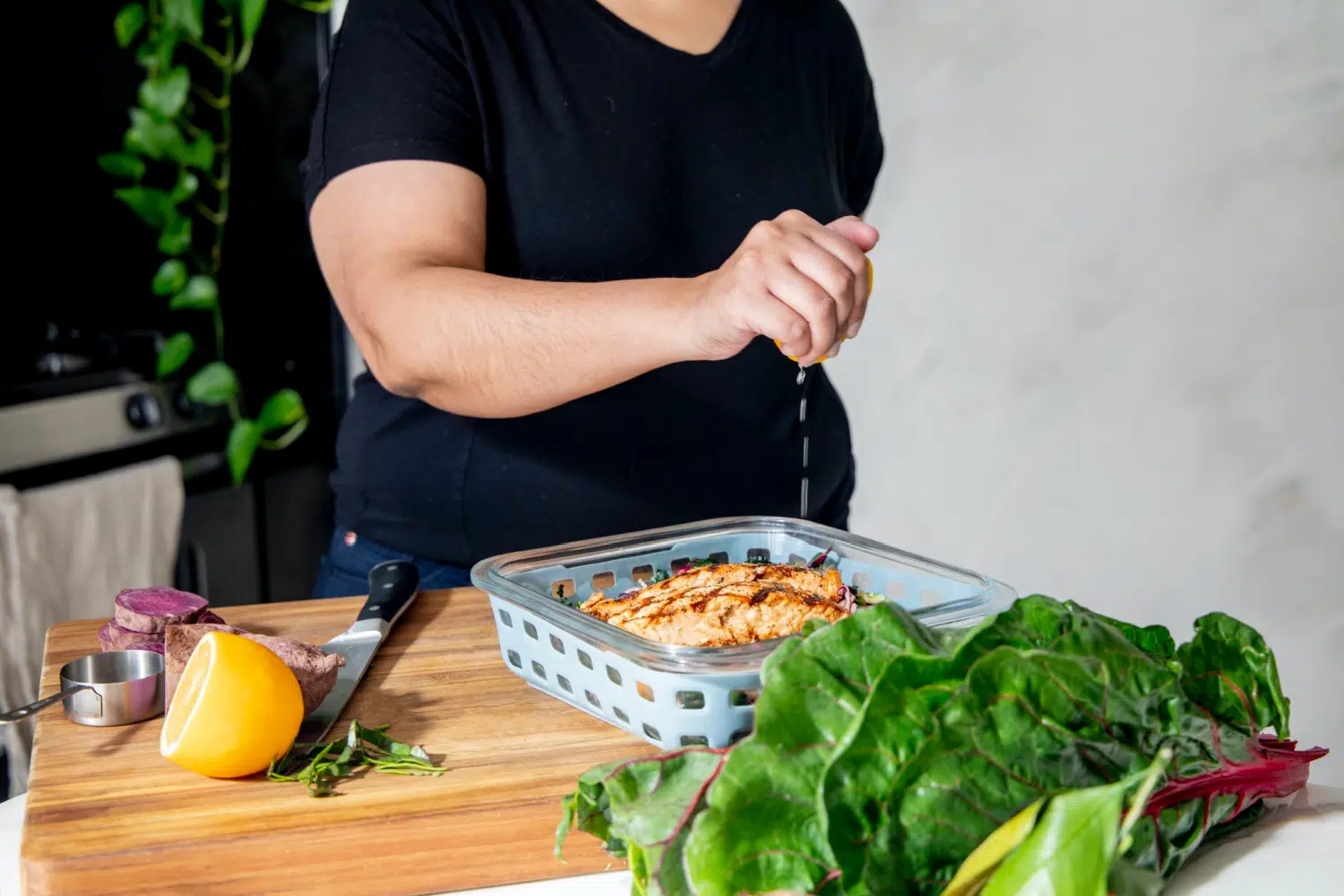
Instead of deciding every meal before you shop, leave room to build one or two dinners around discounted items you find in the store. Many grocery stores mark down meat, bakery items, produce, and dairy products as they approach their sell-by dates. When used promptly or frozen for later, these markdowns can significantly reduce your grocery bill. Staying flexible with part of your weekly menu often leads to some of the biggest savings.
Watch for “Shrinkflation”
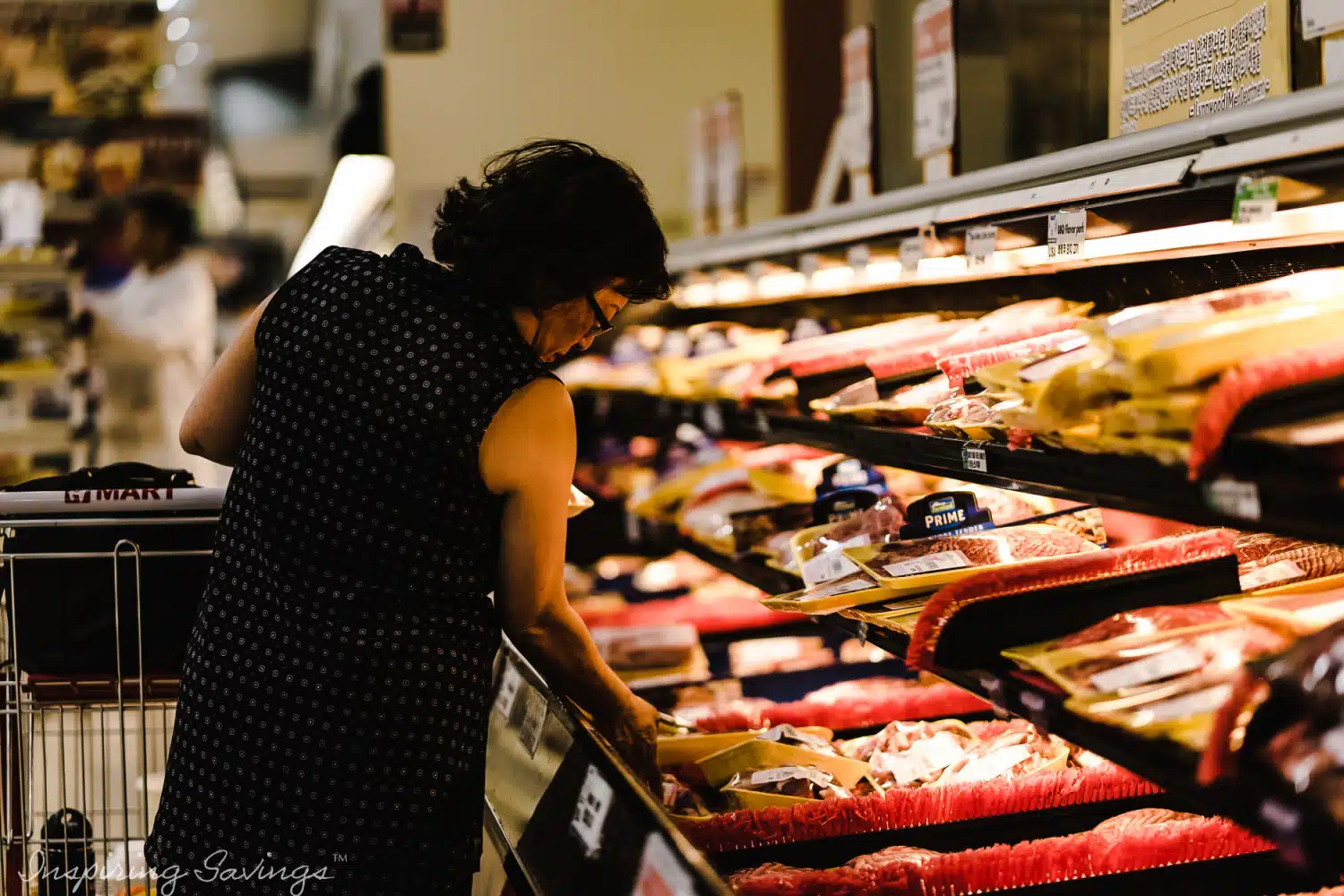
Sometimes the price stays the same while the package quietly gets smaller. This practice, often called shrinkflation, means you’re paying more for less product without an obvious price increase. Compare package weights when buying familiar items, especially snacks, cereal, coffee, and frozen foods. A quick glance at the size can help you spot when a product no longer offers the value it once did.
This post may contain affiliate links or sponsored content. Disclosure Policy