9 Simple Ways to Make Meal Prep More Flavorful
Meal prep can save time and money, but eating the same meal day after day can get boring fast. The solution isn’t necessarily cooking more food—it’s learning how to change the flavors, textures, and combinations of what you already prepared. These simple meal-prep strategies make it easier to create meals that feel fresh throughout the week without adding a lot of extra work.
Rotate Sauces, Not Proteins
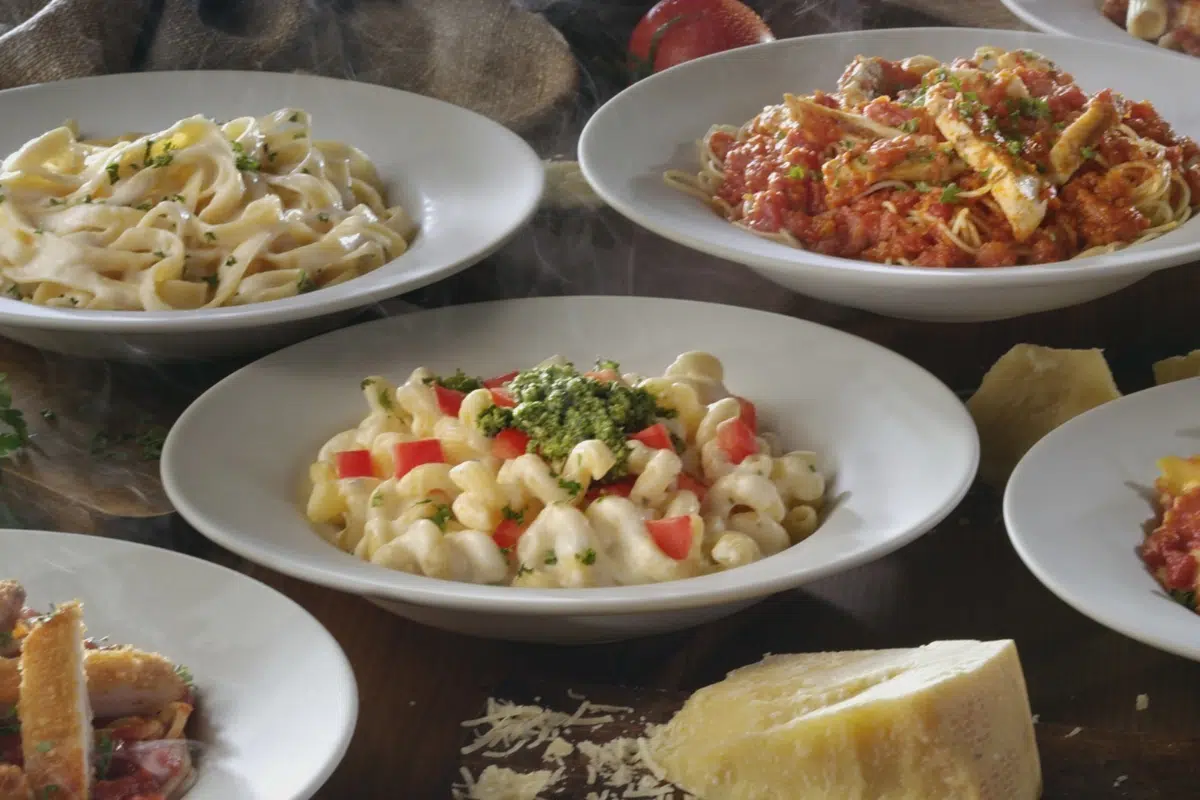
Cooking one protein for several meals can save considerable time, but you don’t have to eat it the same way every day. Keep the base simple and change the sauce or seasoning when you’re ready to eat. Pesto, teriyaki, chimichurri, salsa, and a creamy herb sauce can take the same chicken or grain bowl in completely different directions.
Keep a Few Spice Blends on Hand
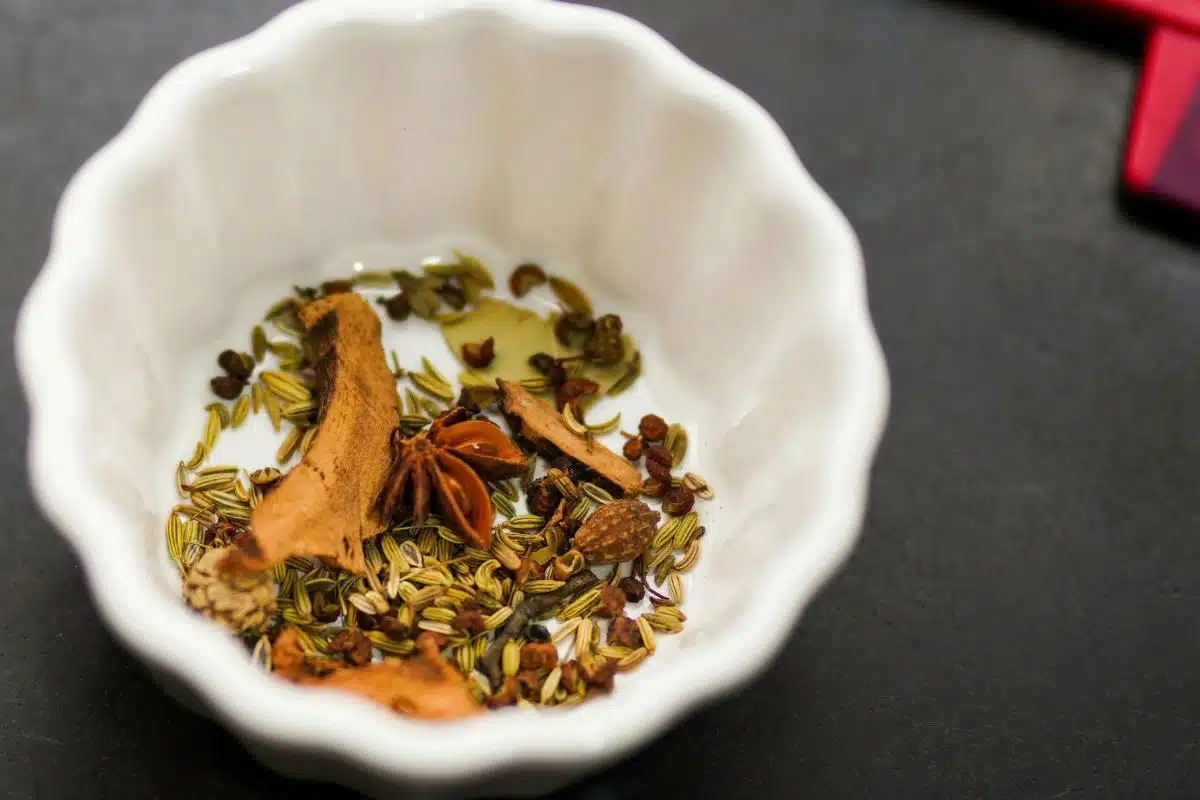
A good spice blend can change the character of a meal in seconds. Taco seasoning, Cajun seasoning, za’atar, Chinese five-spice, and curry powder each bring a distinct combination of flavors without requiring you to measure several individual spices. Add them to roasted vegetables, proteins, grains, or even eggs to keep your weekly prep from tasting monotonous.
Add Something Fresh

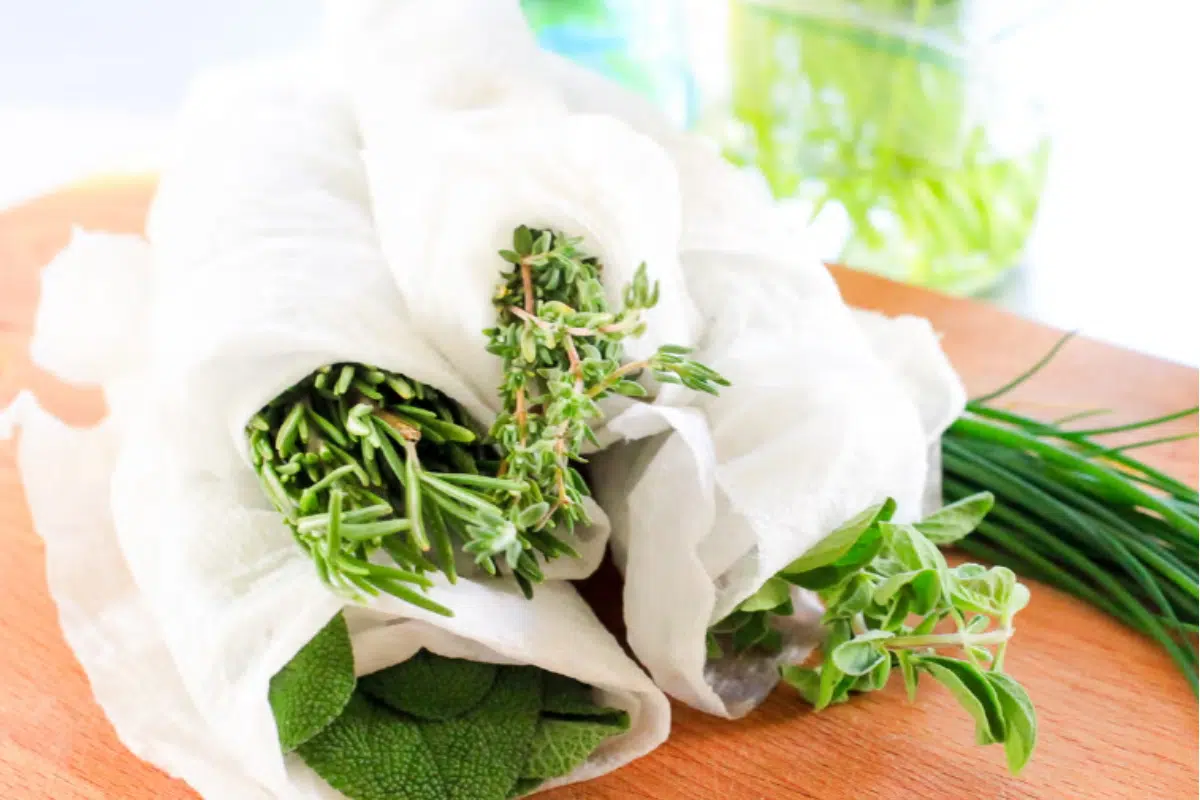
Meal-prepped foods can taste much fresher when you add an ingredient that wasn’t cooked ahead of time. Try sliced cucumber, fresh herbs, avocado, shredded cabbage, tomatoes, or a handful of greens when assembling your meal. These ingredients add brightness and contrast to foods that have been refrigerated for several days.
Change the Base
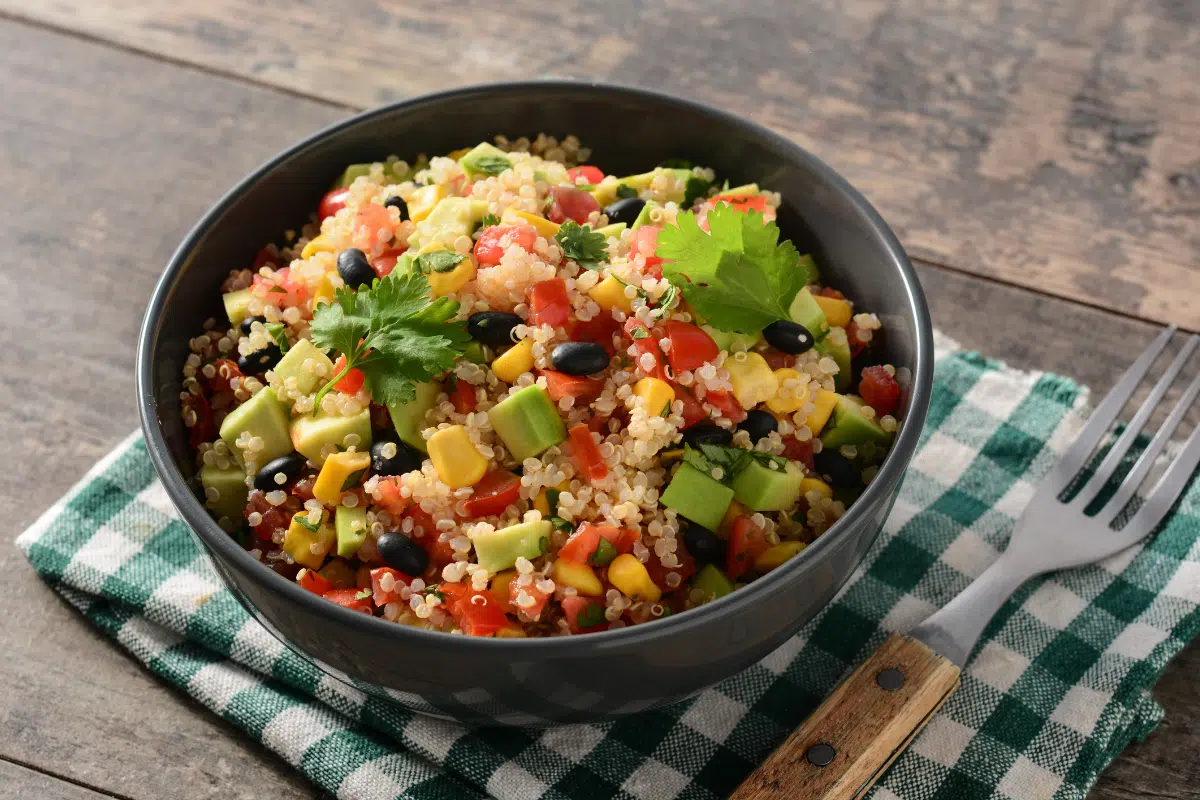
Don’t automatically serve every meal over rice. Rotate between quinoa, farro, couscous, potatoes, pasta, tortillas, or greens depending on what you’re preparing. Even when the protein and vegetables stay the same, changing the base can make the meal feel completely different.
Add Crunch Just Before Eating
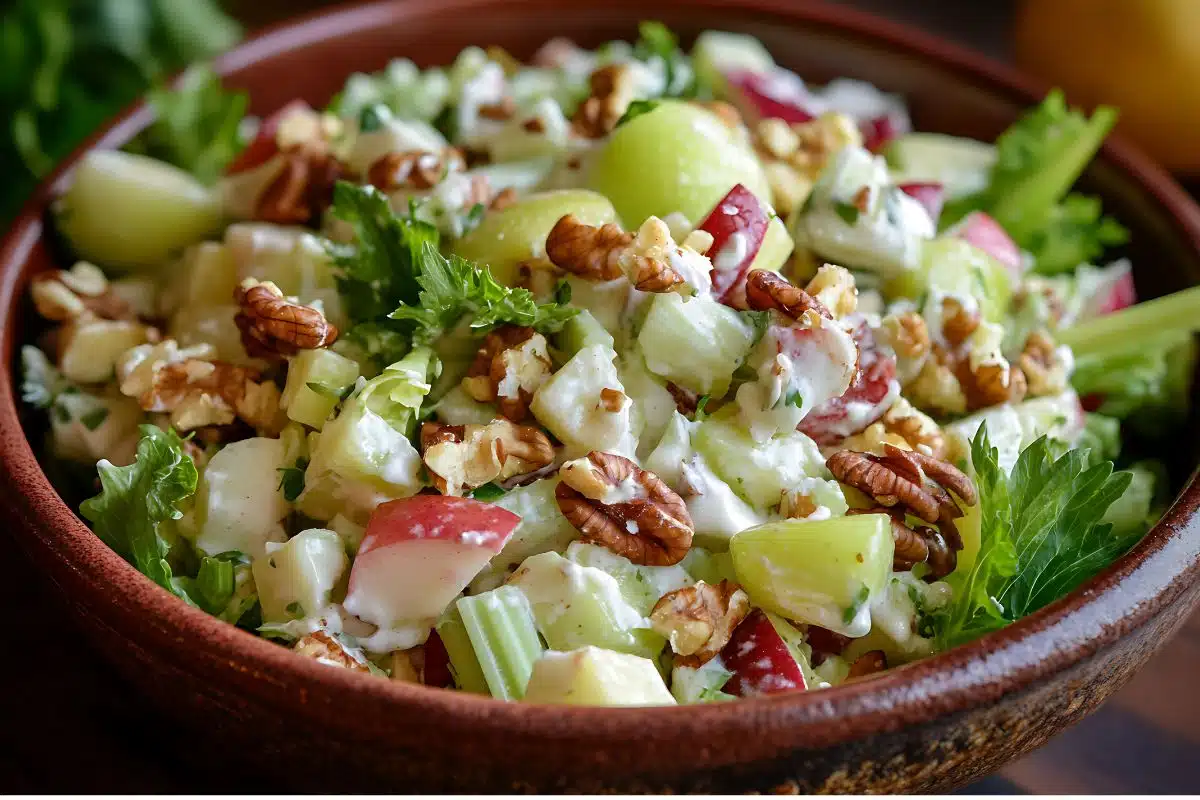
Texture matters just as much as flavor when you’re eating leftovers. Keep toasted nuts, seeds, crispy chickpeas, fried onions, tortilla strips, or croutons in a separate container and add them right before serving. Keeping crunchy toppings away from moist ingredients helps them retain their texture throughout the week.
Prep One Bold Ingredient
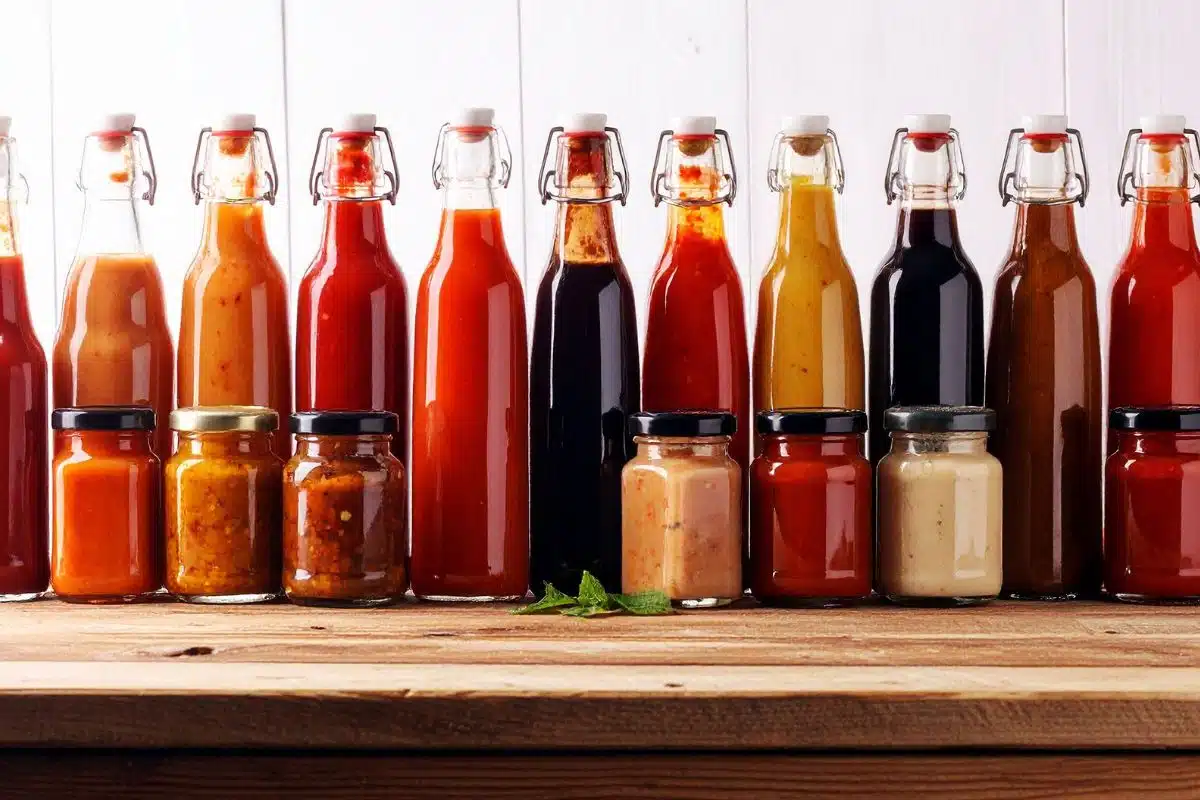
Instead of preparing an entirely different meal every night, make one flavorful ingredient that can be used in several ways. Roasted red peppers, caramelized onions, marinated artichokes, pickled vegetables, or a batch of spicy salsa can add a noticeable change to otherwise simple meals. A small amount can be enough to make a familiar combination feel new.
Finish With Something Tangy
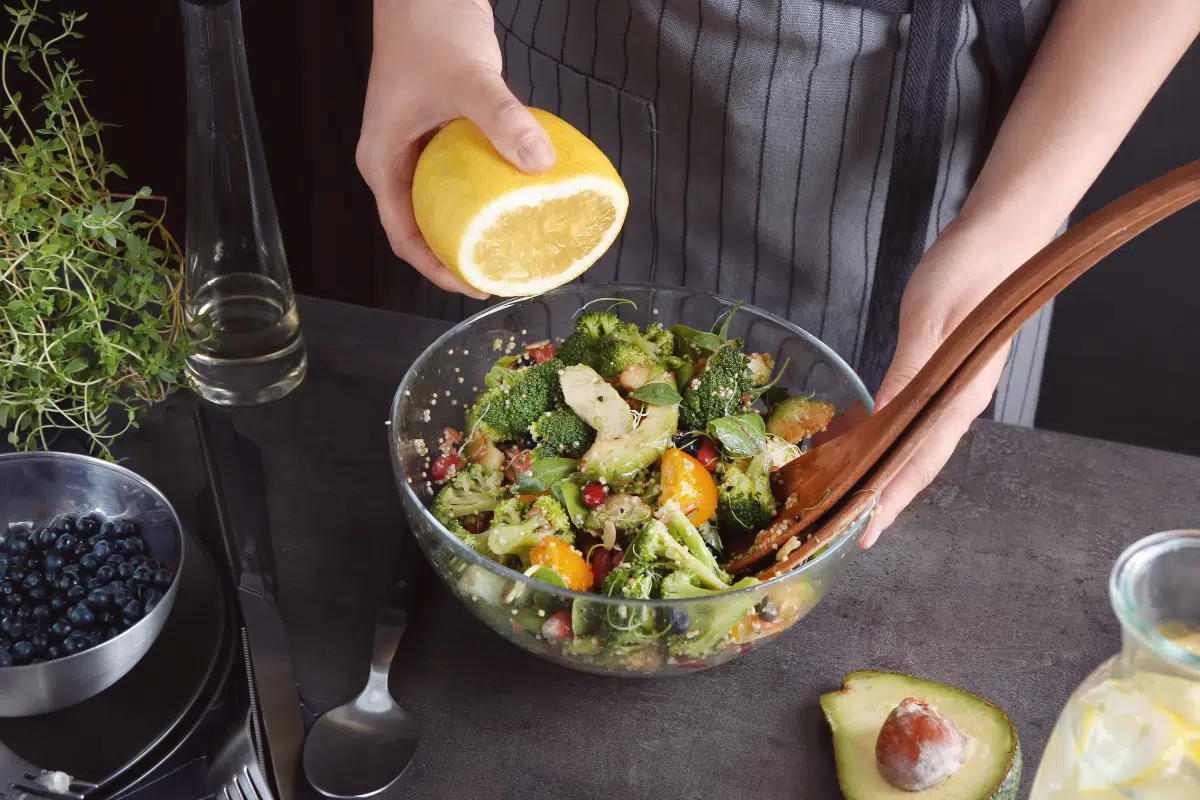
A meal can taste completely different with a small splash of acid added at the end. Lemon juice, lime juice, balsamic vinegar, red wine vinegar, or pickled vegetable brine can brighten rich or savory foods. This is especially useful for leftovers because a little acidity can bring some freshness back to a refrigerated meal.
Change the Texture
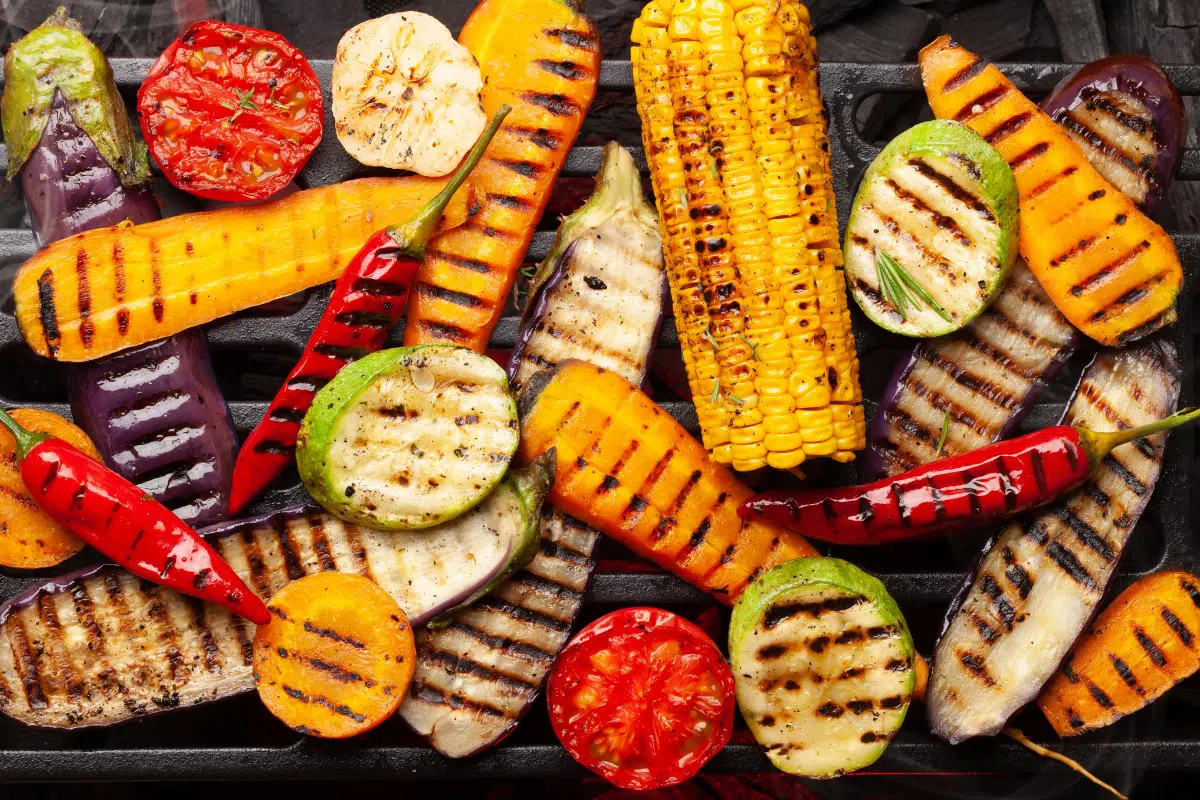
When you’re preparing the same ingredients, vary how you use them. Roasted vegetables can go into a grain bowl one day and a wrap the next, while cooked chicken can be served warm, shredded into a salad, or tucked into tacos. Changing the texture and presentation can make familiar ingredients feel less repetitive.
Build Around a Flavor Theme
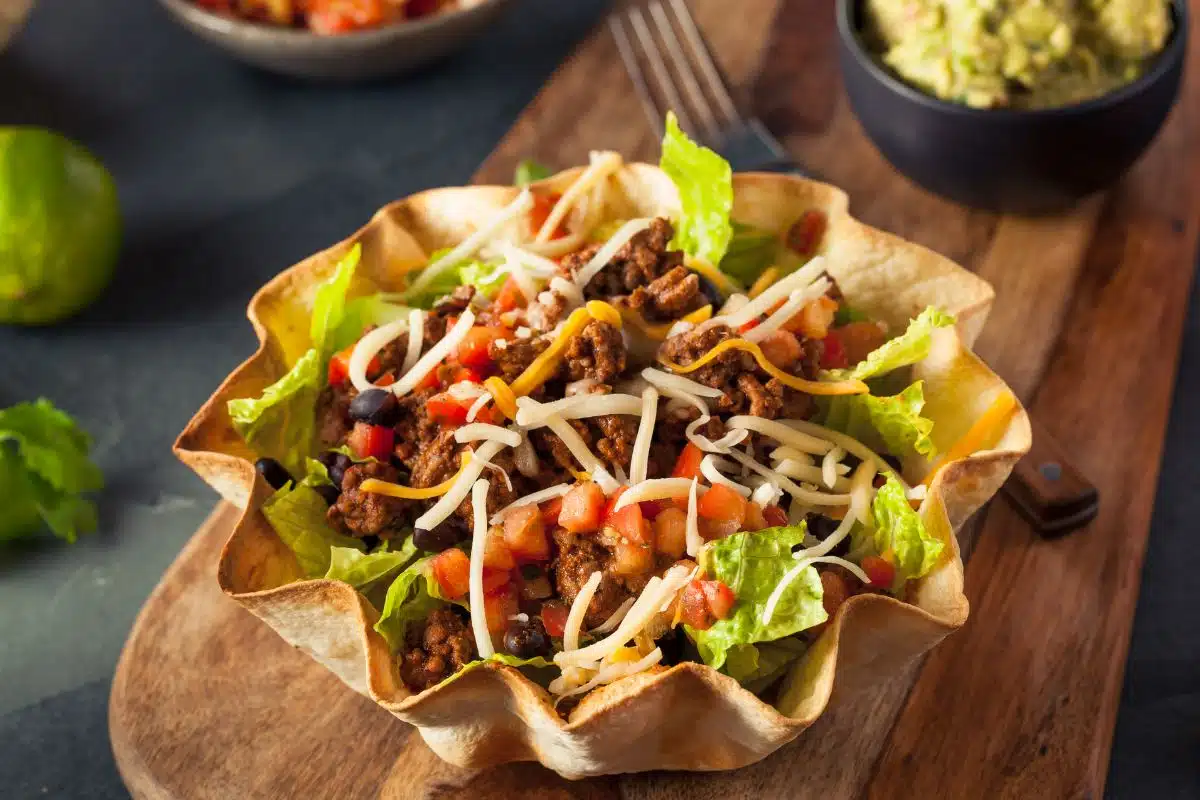
Choose a broad flavor profile when planning your meals instead of simply cooking a collection of unrelated ingredients. A Mediterranean week might include lemon, herbs, feta, olives, and roasted vegetables, while a Tex-Mex theme could center on salsa, lime, beans, corn, and avocado. A loose theme makes meal planning easier and gives you more ways to combine the ingredients you’ve already prepared.
This post may contain affiliate links or sponsored content. Disclosure Policy