
8 Shopping Habits That Save Money Every Time You Buy
Big sales events can make it feel like you’re saving money simply by shopping, but not every discount is as good as it seems. Retailers often use flashy promotions, limited-time offers, and psychological pricing tricks to encourage impulse spending. Smart shoppers know that real savings come from strategy — not just buying something because it’s marked down. These insider shopping tips can help you avoid common sale traps, spot better deals, and make every dollar go further the next time you shop online or in stores.
Start With a Target List — Not the Discount Tags

Creating a list before you start shopping helps prevent impulse purchases triggered by flashy sale signs and countdown timers. When you already know what you need, it becomes much easier to ignore unnecessary “deals” that can quickly inflate your total. A targeted list also helps you compare prices more effectively across multiple stores. Shopping with a plan is one of the easiest ways to stay within budget during major sales events.
Check Price History — Not Just Today’s Price

Not every sale price is truly a bargain. Some retailers temporarily raise prices before a big promotion so the discount appears larger than it really is. Using price-tracking websites or browser extensions can reveal whether the current deal is genuinely lower than the normal selling price. Taking a few extra seconds to check price history can save you from overpaying on “discounted” items.
Stack Discounts Whenever Possible
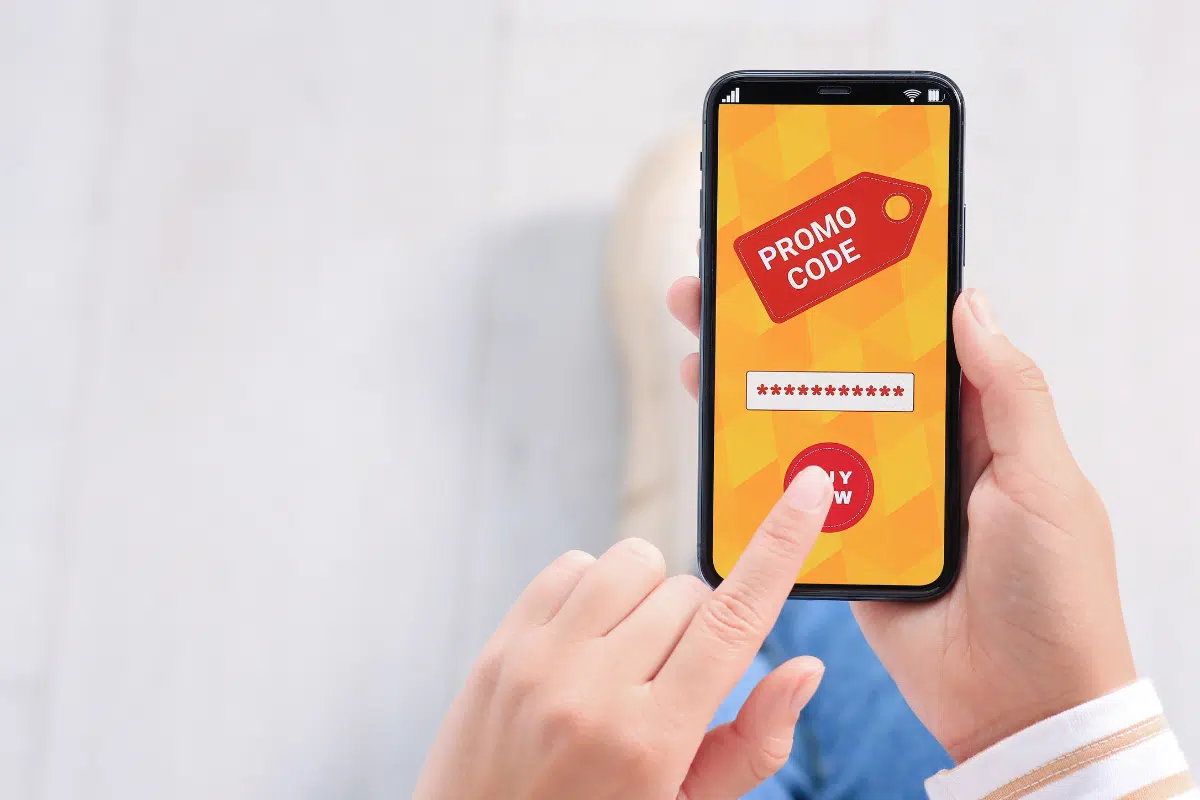
Savvy shoppers rarely rely on a single discount. Stacking promo codes, store coupons, loyalty rewards, and cashback offers can dramatically increase your savings. Even small discounts can add up when combined strategically at checkout. Before making a purchase, it’s worth checking for extra savings opportunities that many shoppers overlook.
Join Text Alerts — Not Just Email Lists

Many retailers offer their best flash sales and limited-time coupon codes through text message alerts rather than email. SMS subscribers may receive early access to promotions, birthday discounts, or exclusive one-day offers. Because text alerts tend to be opened more quickly than emails, companies often reserve better deals for those subscribers. Signing up can give you access to savings that casual shoppers never see.
Shop the Off-Season — and the Off-Category

Timing plays a huge role in finding the best deals. Winter coats are often cheapest in late winter, patio furniture drops after summer, and fitness equipment becomes more affordable after New Year’s resolutions fade. Buying items when demand is low can lead to major savings. Planning purchases ahead instead of buying during peak season is one of the smartest ways to stretch your budget.
Use Cashback Portals Before You Click “Buy”

Cashback websites and apps can return a percentage of your purchase simply for clicking through their links before shopping. These rewards often apply even during major sales events, helping you save even more. Over time, cashback earnings can add up surprisingly fast, especially for frequent online shoppers. Taking this extra step only takes seconds but can lead to significant savings throughout the year.
Watch for “Final Sale” and Modified Return Windows
Deep discounts often come with stricter return rules or “final sale” labels. Before purchasing, always check whether sale items can be returned, exchanged, or refunded. A low price is not a good deal if you end up stuck with something you cannot use. Understanding return policies can help you avoid costly shopping mistakes during clearance events.
Know When to Buy Early — and When to Wait

Some items sell out quickly during sales, especially popular sizes, electronics, or limited-edition products. In those cases, shopping early may be the smartest move. However, slower-moving inventory often receives deeper markdowns later in the sale cycle. Knowing which products tend to drop further in price can help you decide whether to buy now or wait for a better deal.
This post may contain affiliate links or sponsored content. Disclosure Policy