8 Sneaky Grocery Store Tricks Designed to Make You Spend More
Ever walk into a store for “just a few things” and somehow leave with a full cart? That’s rarely an accident. Grocery and retail stores are carefully designed to influence how you move, what you notice, and ultimately what you buy. From store layouts to lighting and pricing psychology, these subtle tactics are built to encourage extra spending—often without you realizing it. Here are some of the most common strategies retailers use to nudge you into buying more.
Strategic Store Layouts
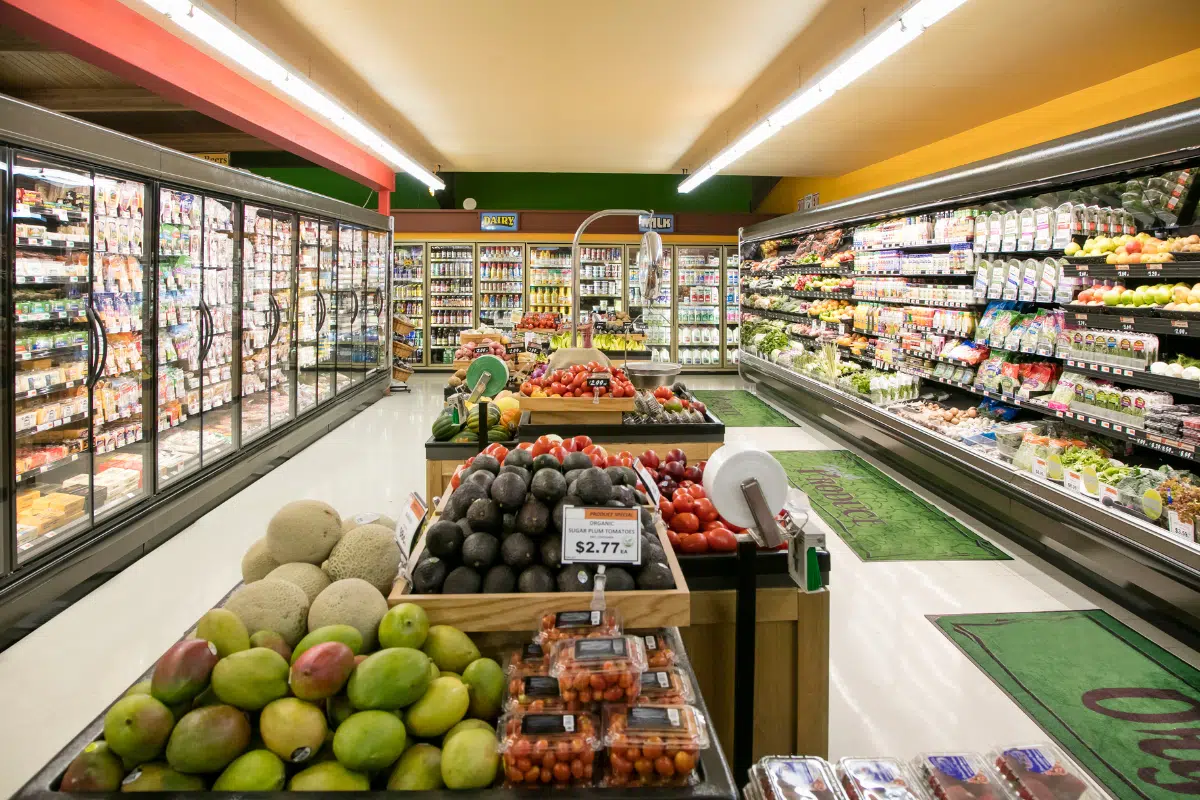
One of the most powerful retail tricks is how stores are physically arranged. Essentials like milk, eggs, and bread are often placed at the back so you’re forced to walk through aisles filled with tempting extras. Along the way, you’re exposed to seasonal items, promotions, and impulse buys. The longer your path through the store, the more likely you are to add items you didn’t plan on purchasing.
Eye-Level Placement
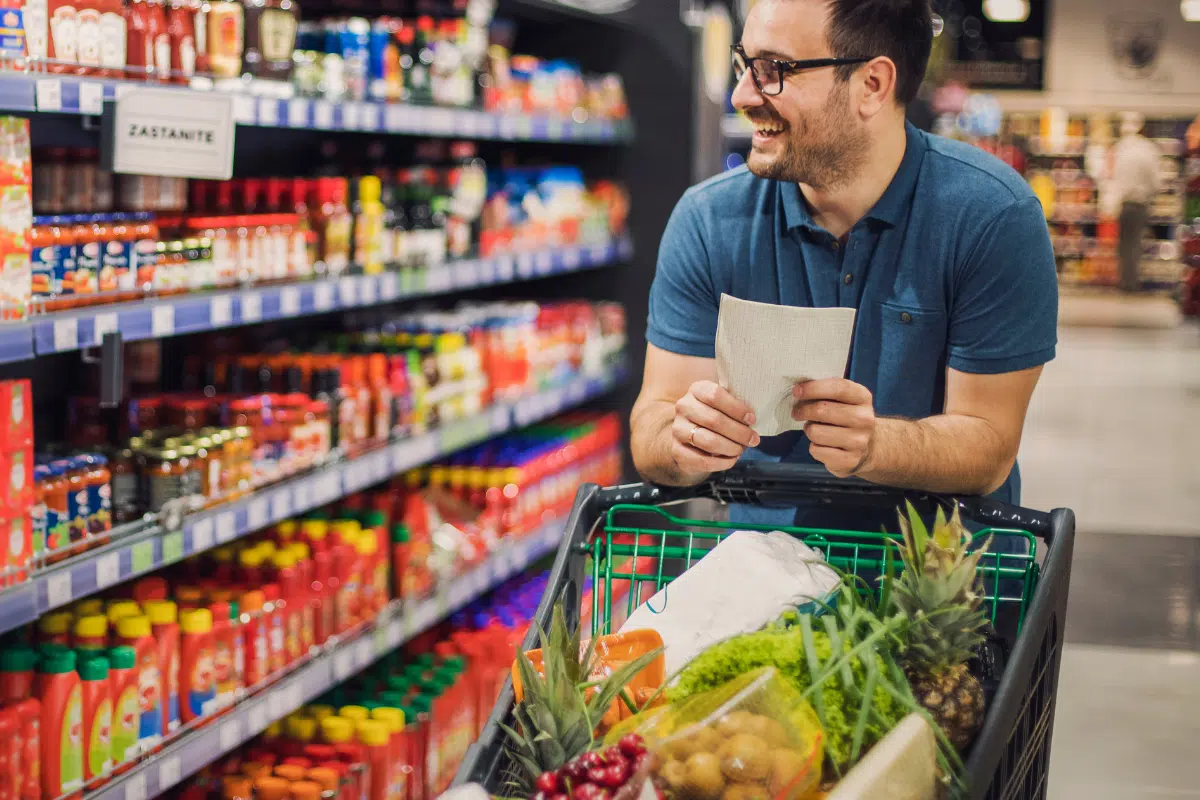
Where a product sits on the shelf matters more than most shoppers realize. Items placed at eye level are far more likely to be purchased, which is why those spots are often reserved for higher-margin or sponsored products. Meanwhile, cheaper alternatives are typically placed on lower or upper shelves where they’re easier to overlook. A quick glance at different shelf levels can sometimes reveal better deals hiding in plain sight.
“Sale” Signs Everywhere
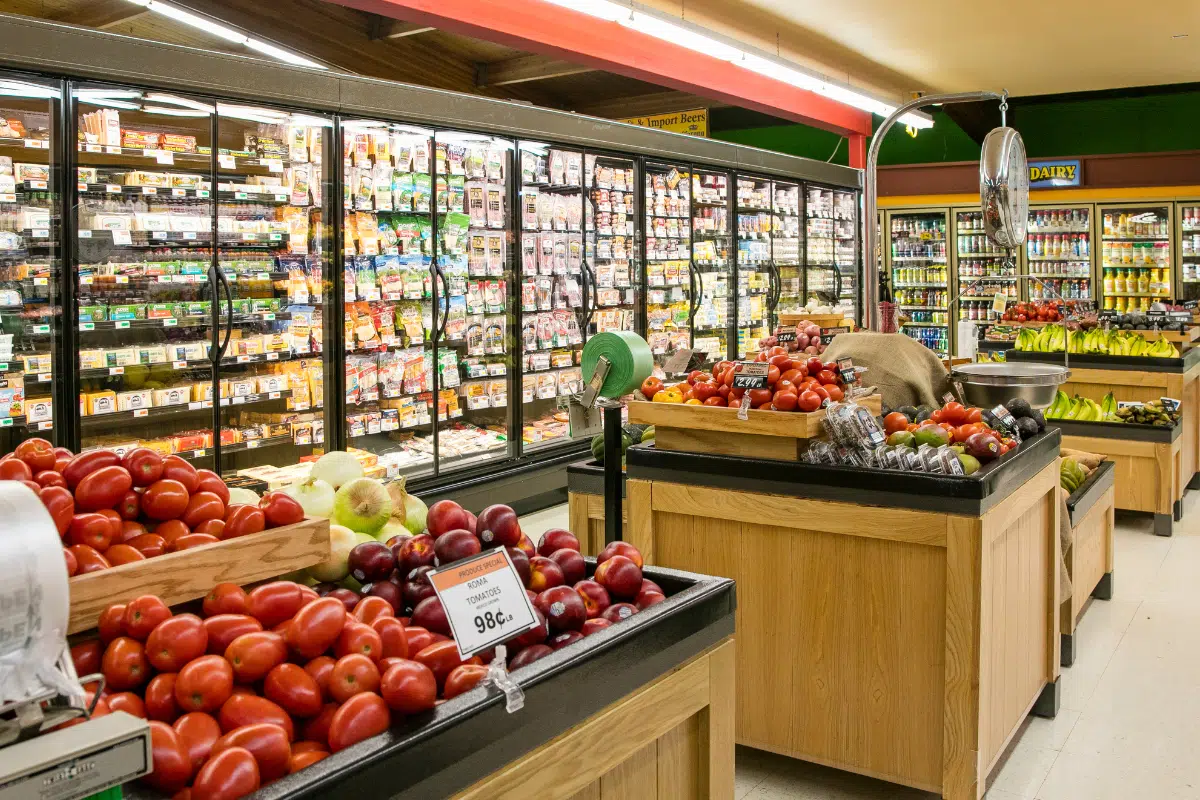
Bright, bold “SALE” signs are designed to grab your attention instantly—even when the discount is minimal. The visual cue creates a sense of urgency and value, making products feel like limited-time bargains. In reality, not every sale is a major savings opportunity. Still, the emotional pull of a deal can easily lead to unplanned purchases.
Small Carts, Big Spending
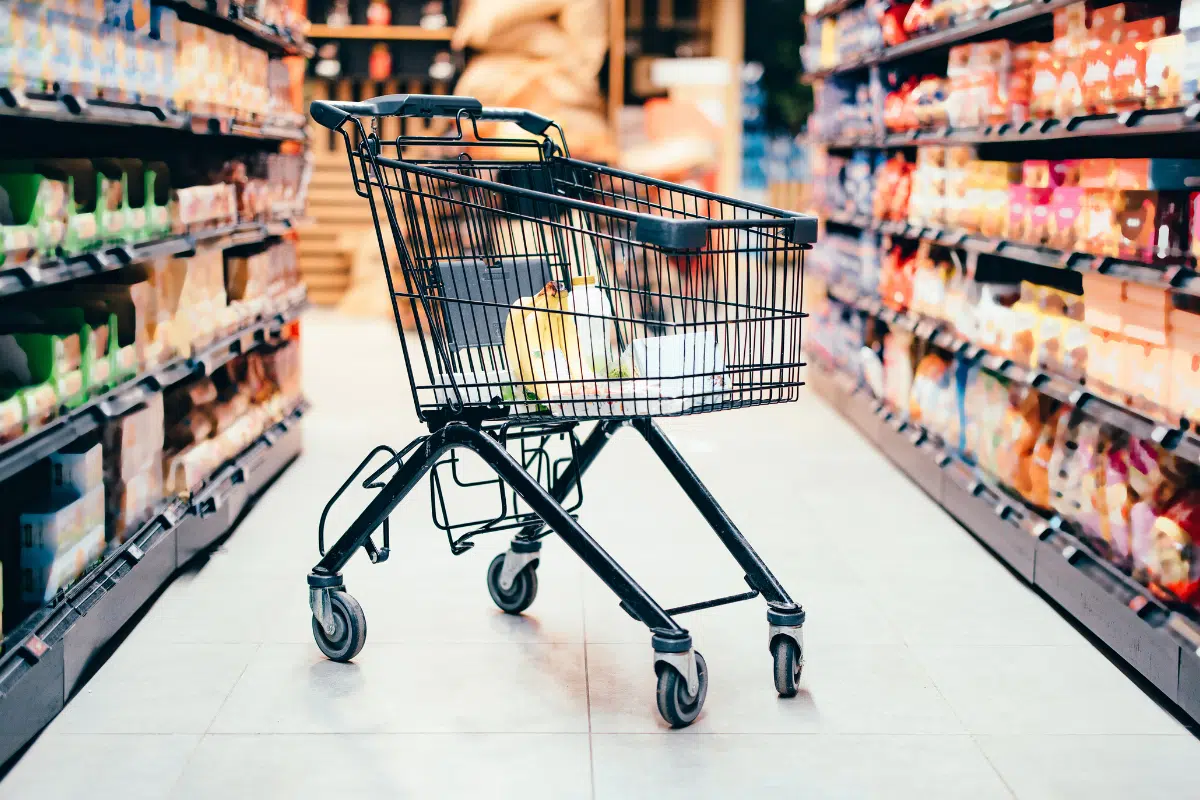
Shopping cart size can influence how much you buy more than you might expect. Larger carts create a psychological sense of space, encouraging you to keep adding items until they feel “full enough.” Smaller baskets, on the other hand, can make you more selective. Retailers understand this behavior and often favor larger carts to subtly increase total spending.
Free Samples
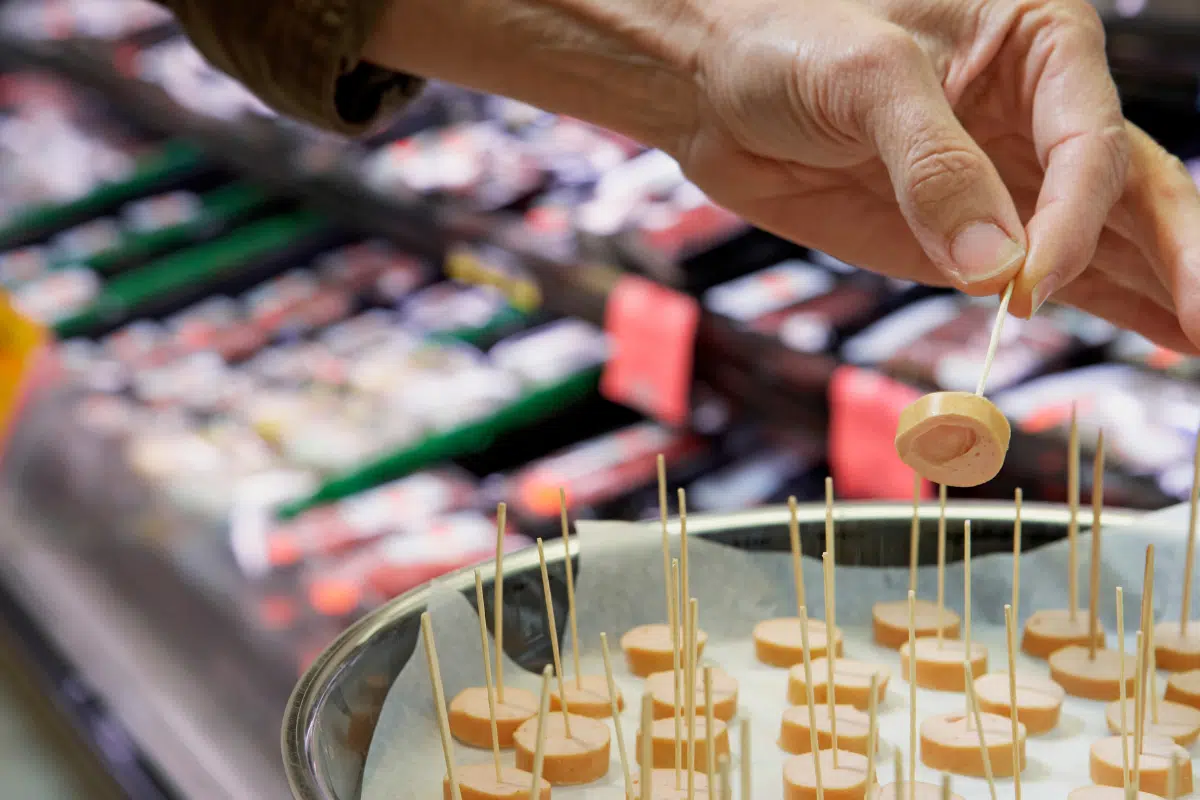
Free samples feel like a generous perk, but they’re also a powerful marketing tool. Trying a small bite or sip creates instant familiarity and can trigger cravings you didn’t have before. Once you like what you taste, buying the full product feels like a natural next step. It’s one of the most effective ways stores convert curiosity into sales.
Impulse Checkout Items
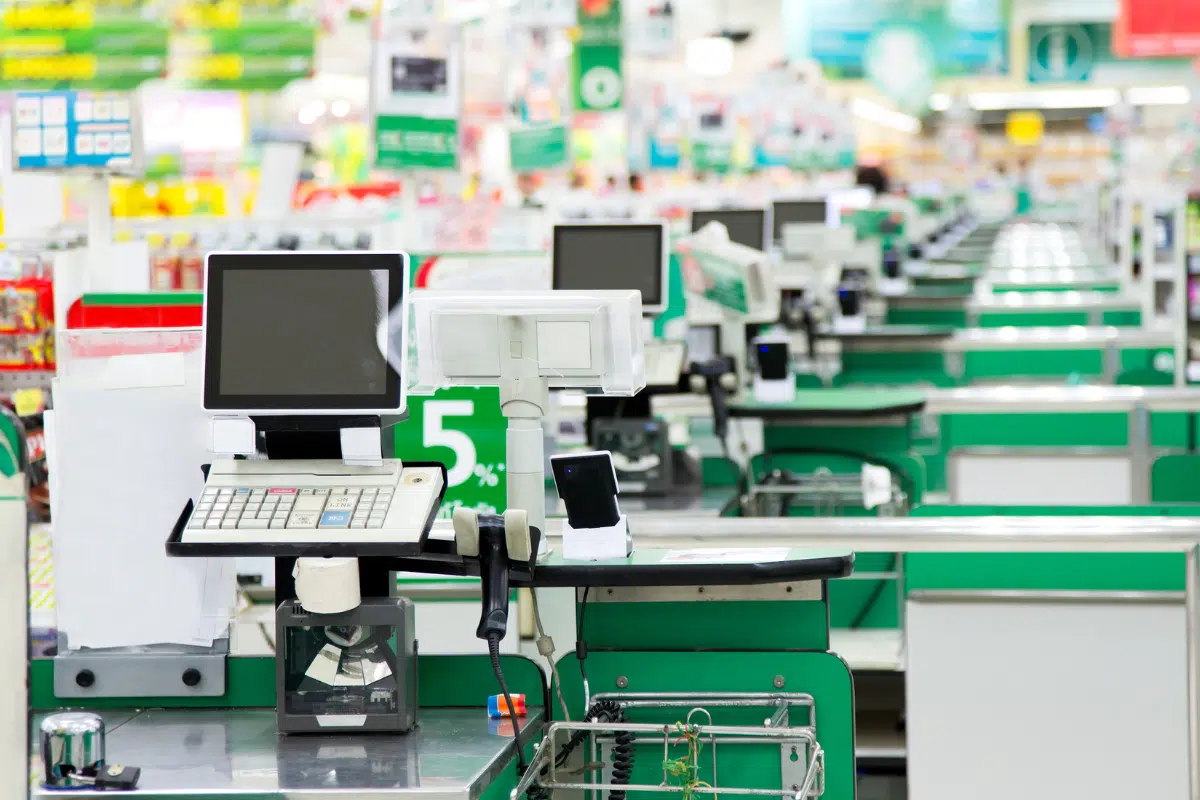
The checkout lane is carefully designed to catch you at a vulnerable moment—when you’re waiting and your shopping is almost done. Candy, magazines, drinks, and small gadgets are placed there specifically for last-minute decisions. These low-cost items feel harmless on their own, but they add up quickly over time. It’s a final opportunity for retailers to increase your total before you leave.
Music and Lighting
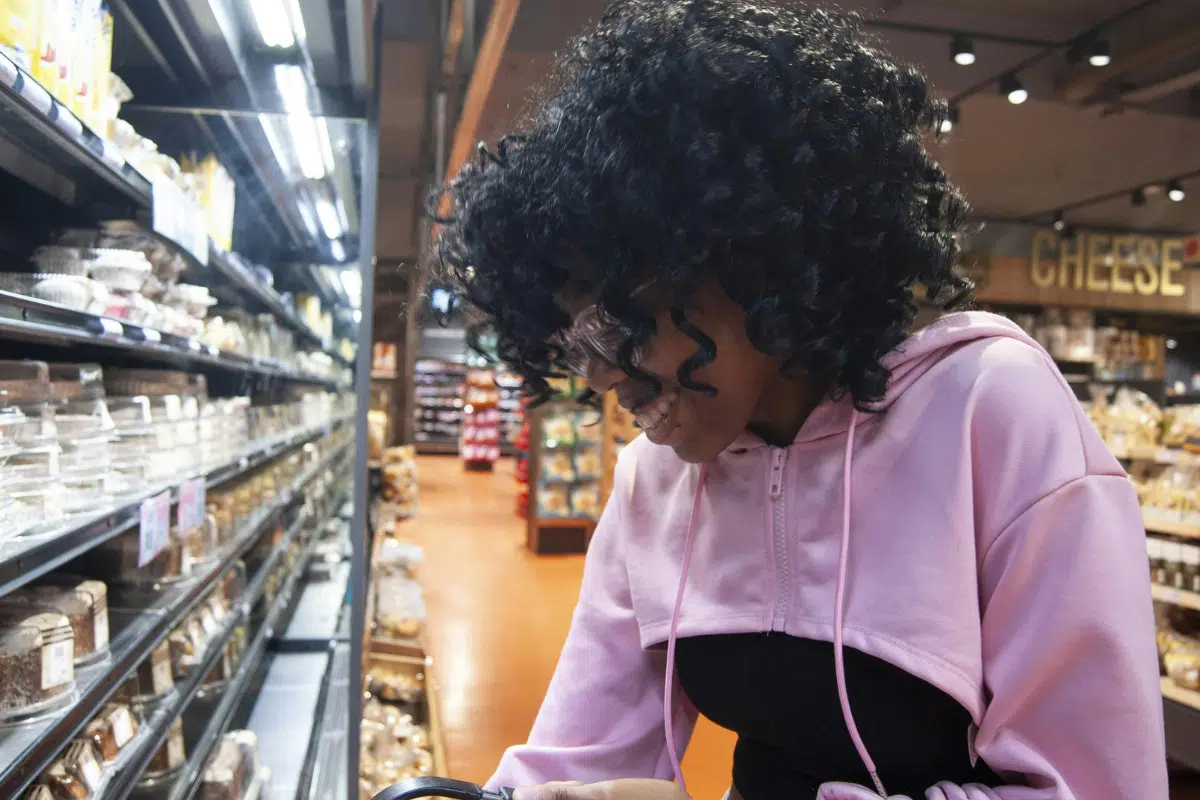
The atmosphere of a store is intentionally curated to influence how long you stay. Soft music and warm lighting can make the environment feel more relaxed and inviting. When shoppers feel comfortable, they tend to browse longer and spend more time exploring aisles. That extra time often translates into extra purchases.
Loyalty Programs
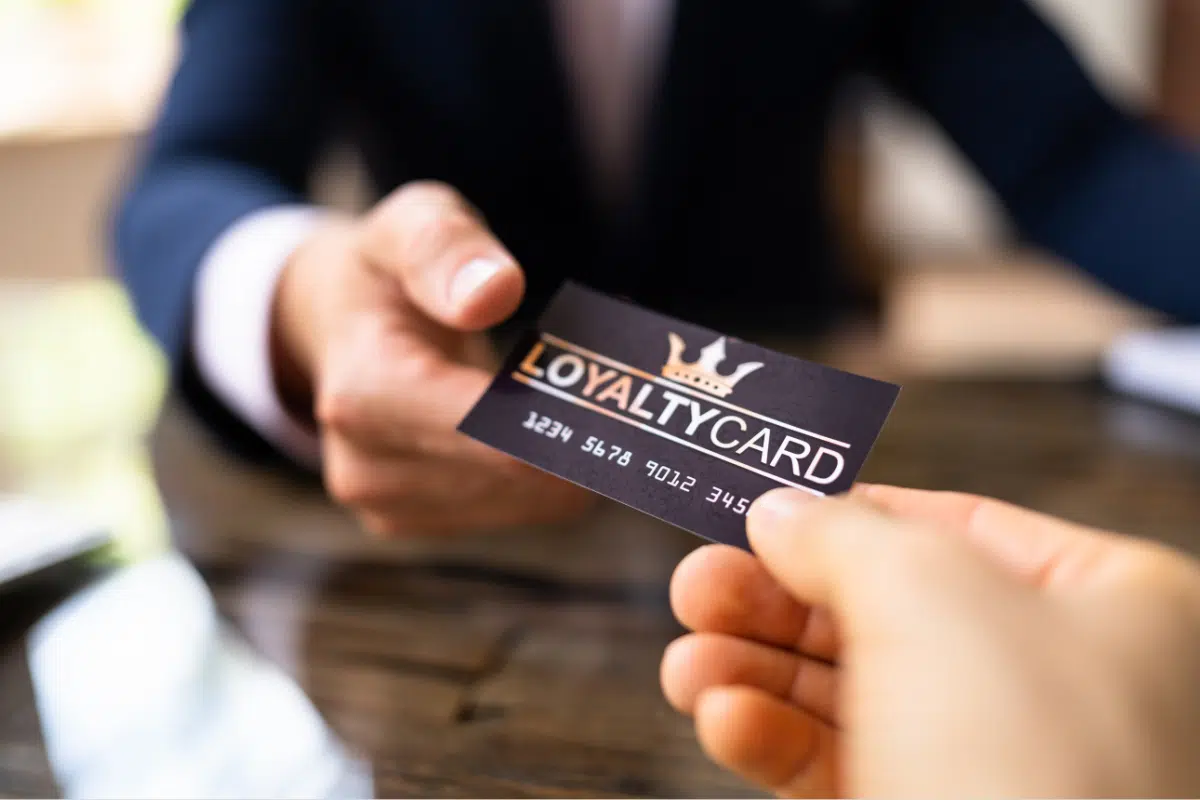
Loyalty programs are designed to reward repeat customers, but they also encourage more frequent spending. Points, discounts, and rewards can create a sense of progress that motivates shoppers to buy more to reach the next benefit level. Even small incentives can influence where you shop and how much you spend. Over time, these programs can subtly shape your buying habits without you noticing.
This post may contain affiliate links or sponsored content. Disclosure Policy