8 Common Pantry Staples That Can Lose Quality Faster Than Expected
Most pantry foods seem like they can sit on a shelf indefinitely, but many common staples slowly lose flavor, potency, and quality long before they become unsafe to eat. In some cases, ingredients that appear perfectly fine can leave baked goods flat, make recipes taste bland, or develop unpleasant flavors that ruin a meal. Food experts say regularly checking a few overlooked pantry items can improve everything from weeknight dinners to holiday baking. Here are eight pantry staples that deserve a closer look.
Spices and Dried Herbs
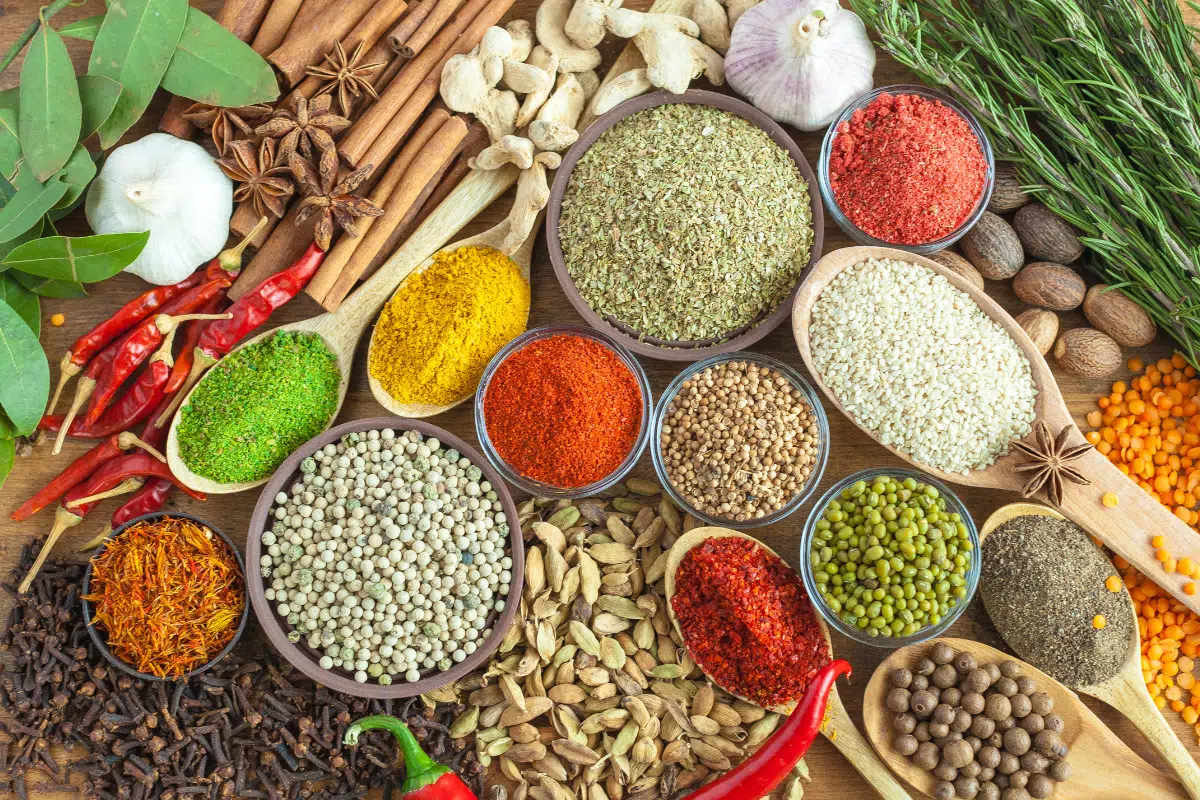
Dried spices and herbs don’t necessarily spoil quickly, but they do lose their flavor and aroma over time. Ground spices typically begin fading after six months to a year, while whole spices generally last longer. If your paprika, oregano, or cinnamon barely has a scent when opened, it probably isn’t contributing much flavor to your cooking. Replacing old spices can instantly improve the taste of soups, sauces, roasted vegetables, and baked goods.
Baking Powder and Baking Soda
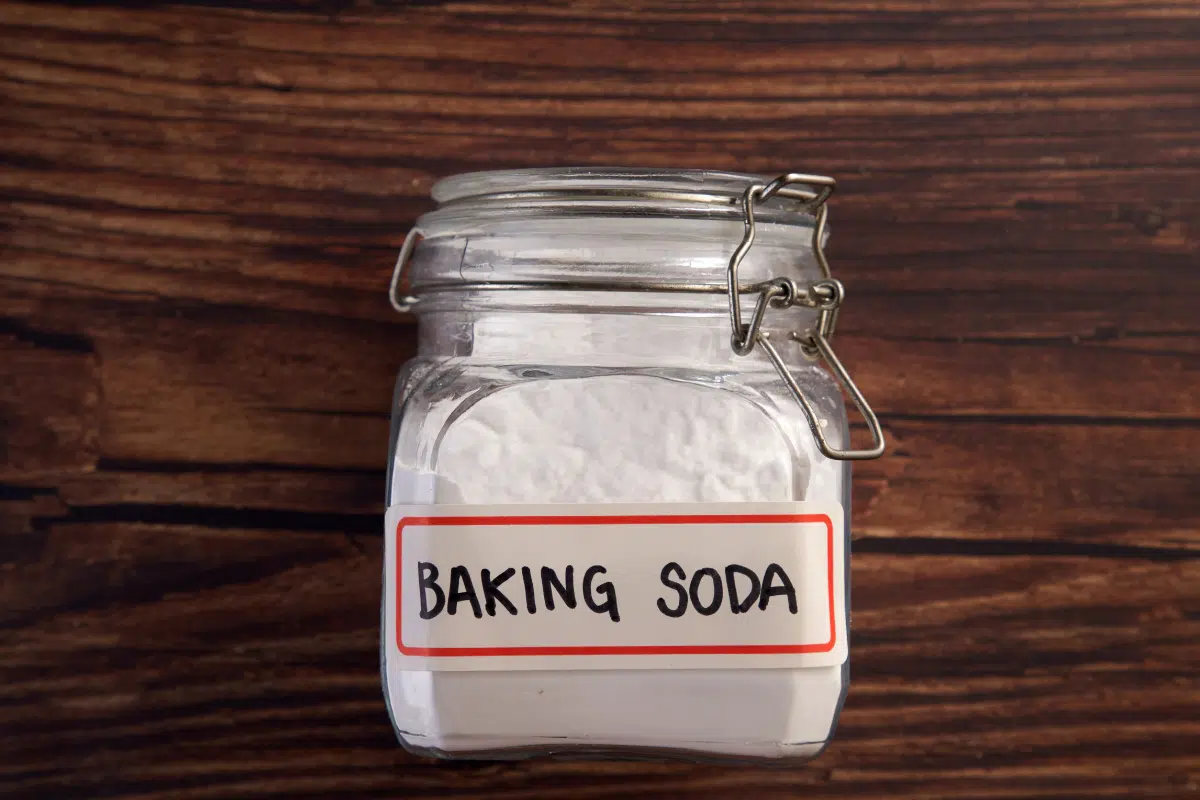
These baking essentials gradually lose their ability to help baked goods rise properly. Old baking powder can leave cakes dense and cookies disappointingly flat, while expired baking soda may not provide the lift recipes depend on. Frequent bakers should check freshness regularly, especially if containers have been open for months. A simple replacement can make a noticeable difference in texture and consistency.
Cooking Oils
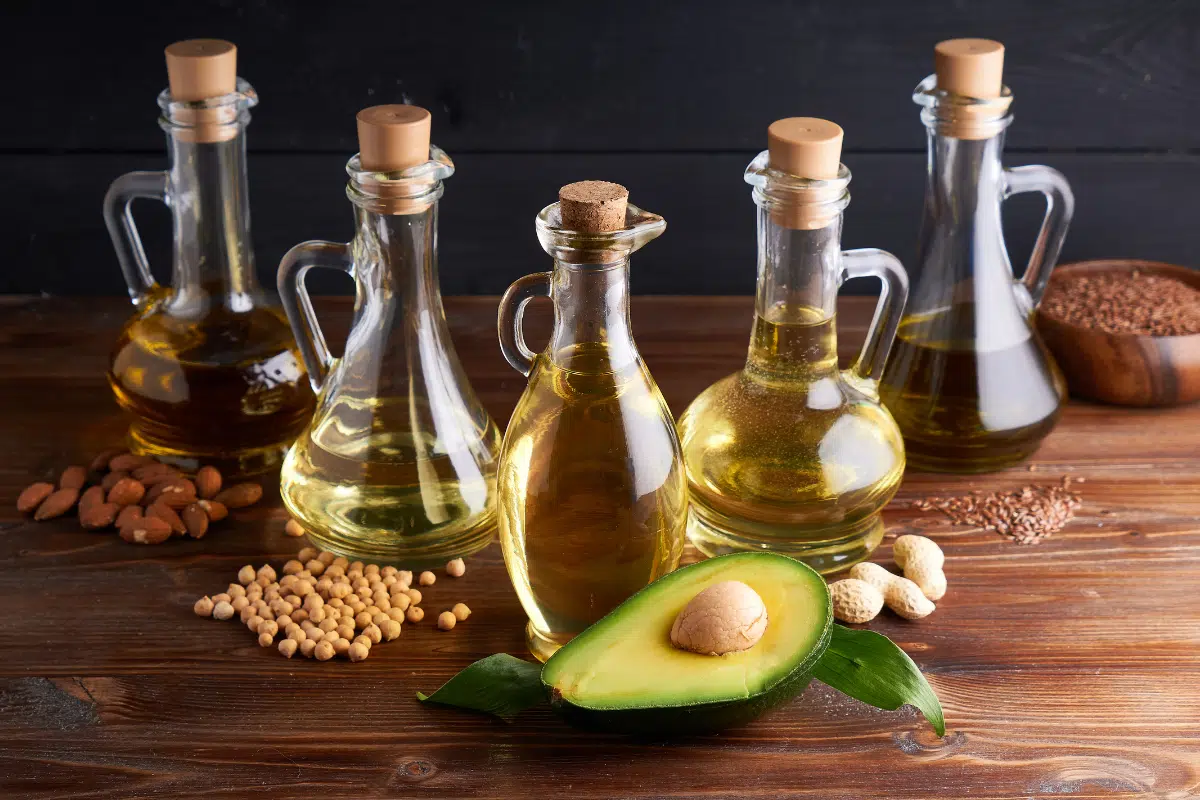
Many people assume cooking oils last indefinitely, but exposure to light, heat, and oxygen slowly causes them to deteriorate. Olive oil, vegetable oil, avocado oil, and nut oils can all develop rancid flavors that negatively affect recipes. An unpleasant smell, bitter taste, or waxy aftertaste often signals it’s time for a new bottle. Storing oils in a cool, dark place helps preserve their quality longer.
Flour
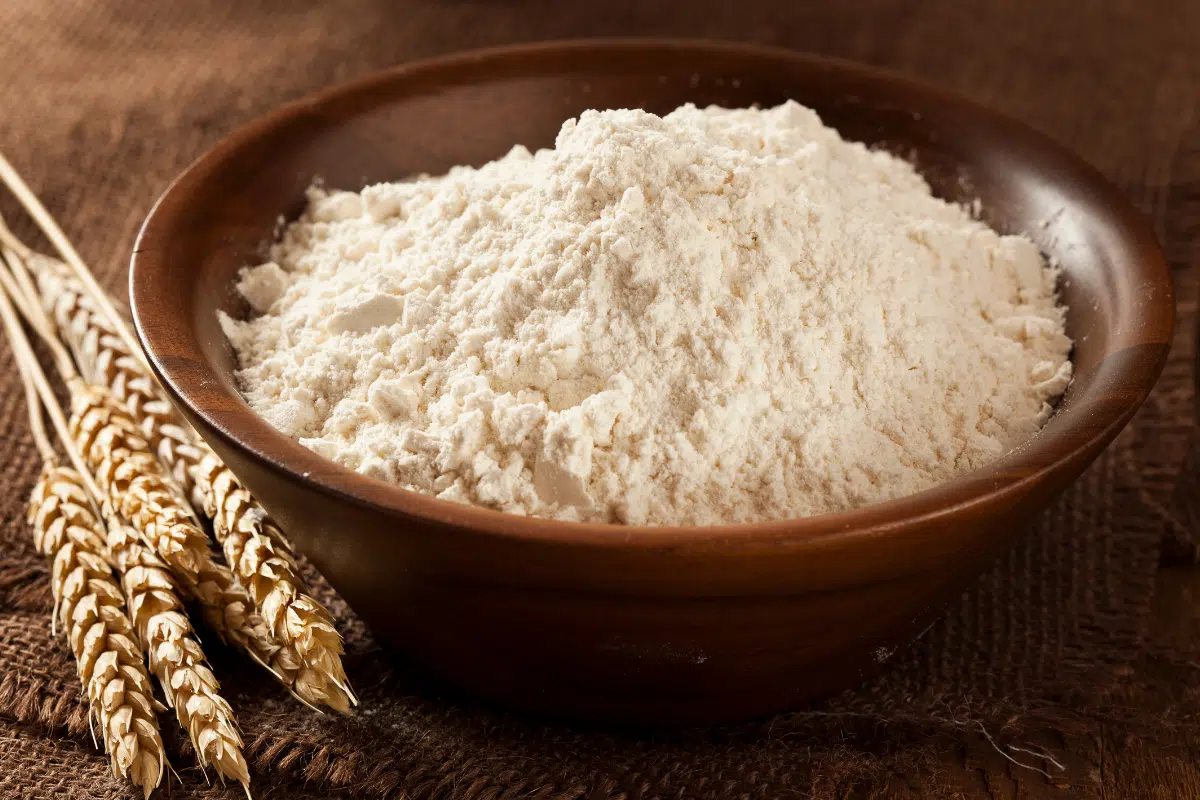
While white all-purpose flour has a relatively long shelf life, whole-grain flours are much more perishable because they contain natural oils from the grain. Those oils can eventually turn rancid, creating off flavors in breads, pancakes, and baked goods. Warm kitchens can accelerate the process. Many bakers store whole-wheat and specialty flours in the refrigerator or freezer to maintain freshness.
Nuts and Seeds
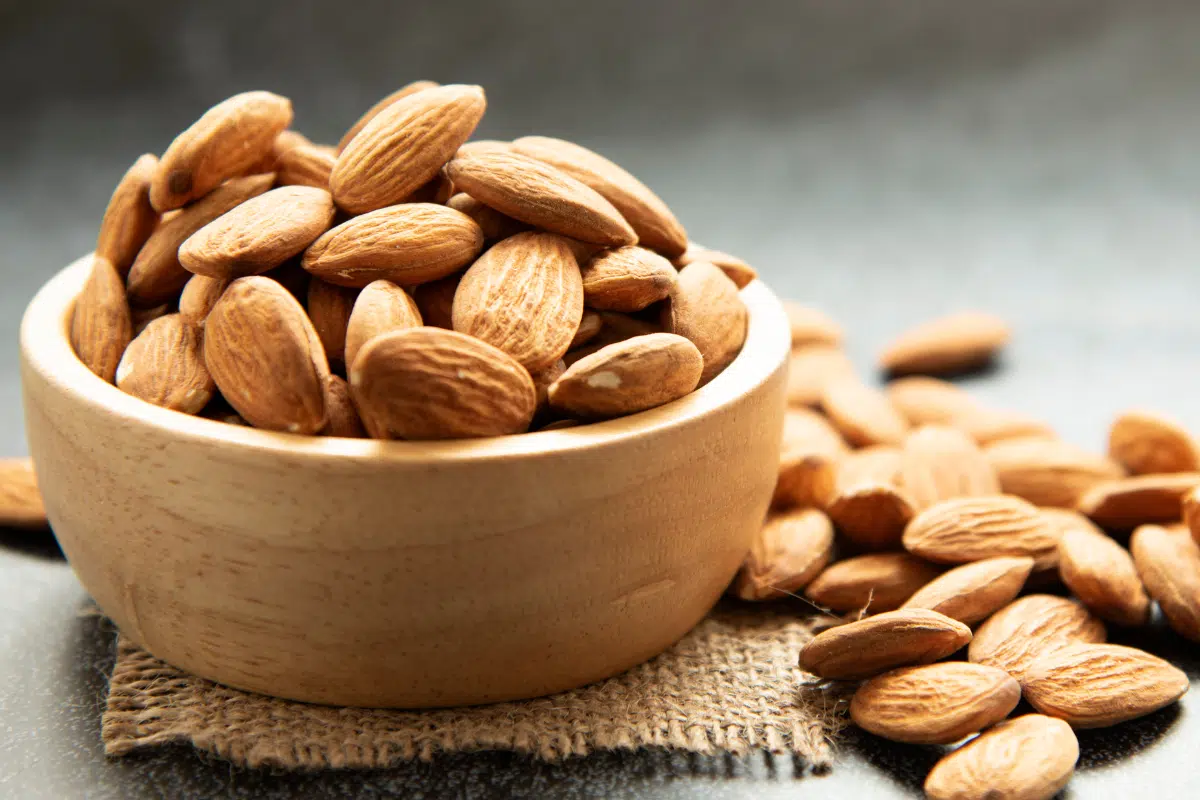
Almonds, walnuts, pecans, sunflower seeds, and flaxseeds contain healthy fats that can spoil surprisingly quickly. Once rancid, they often develop a bitter taste or an odor similar to paint or varnish. Buying in smaller quantities and storing them in the refrigerator can significantly extend their lifespan. Fresh nuts and seeds provide better flavor, texture, and nutritional value.
Dried Beans and Lentils
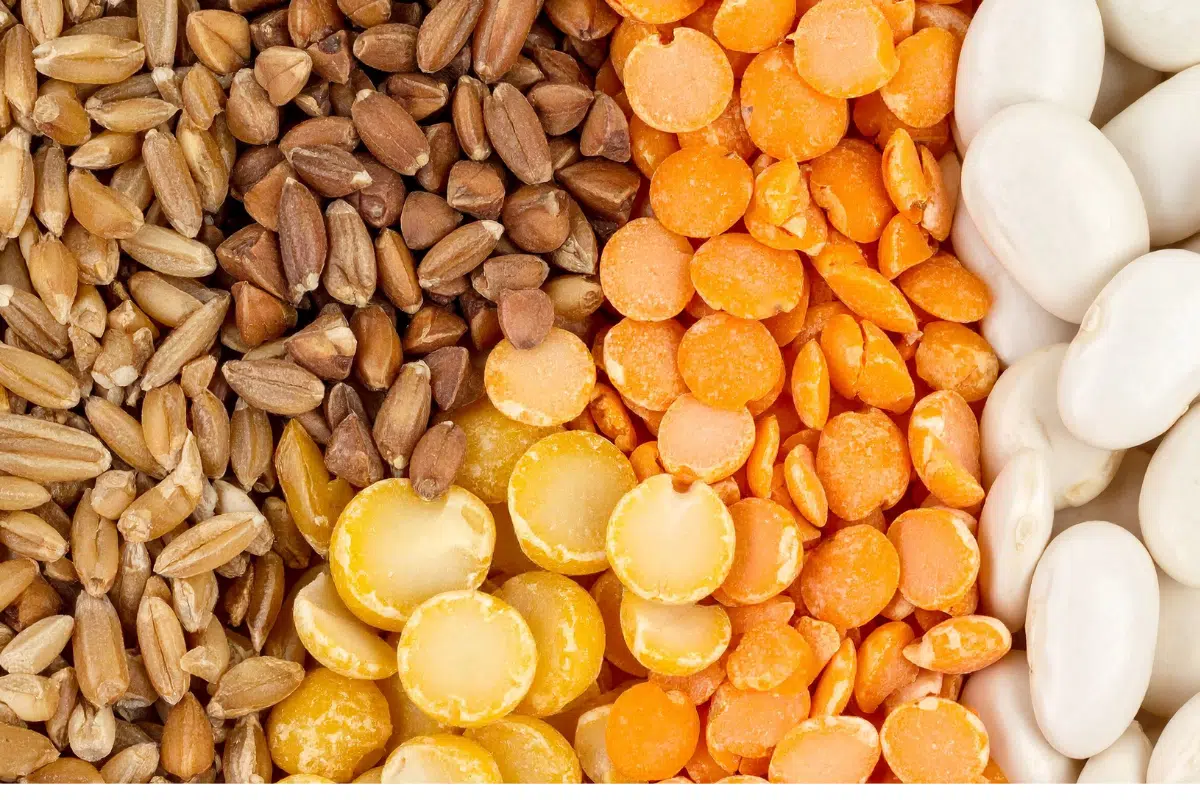
Dried beans may remain safe to eat for years, but age affects their cooking performance. Older beans often require much longer cooking times and may never become fully tender, even after hours of simmering. This can lead to uneven textures in soups, stews, and side dishes. Rotating your supply regularly helps ensure better results and shorter cooking times.
Brown Rice
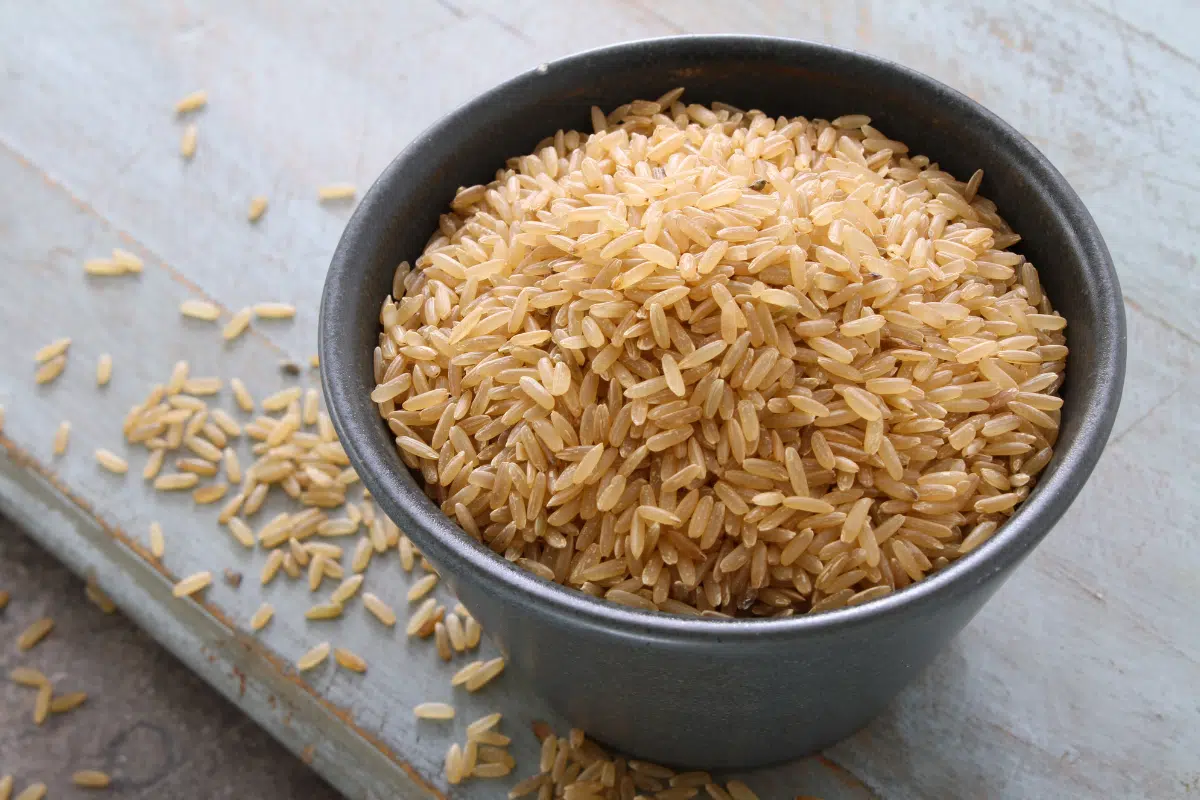
Unlike white rice, brown rice contains the nutrient-rich bran layer, which also contains oils that can become rancid over time. Its shelf life is much shorter than many people realize, especially when stored in warm environments. If brown rice develops an unusual smell or bitter flavor, it’s best replaced. Refrigeration can help extend its freshness considerably.
Bread Crumbs and Croutons
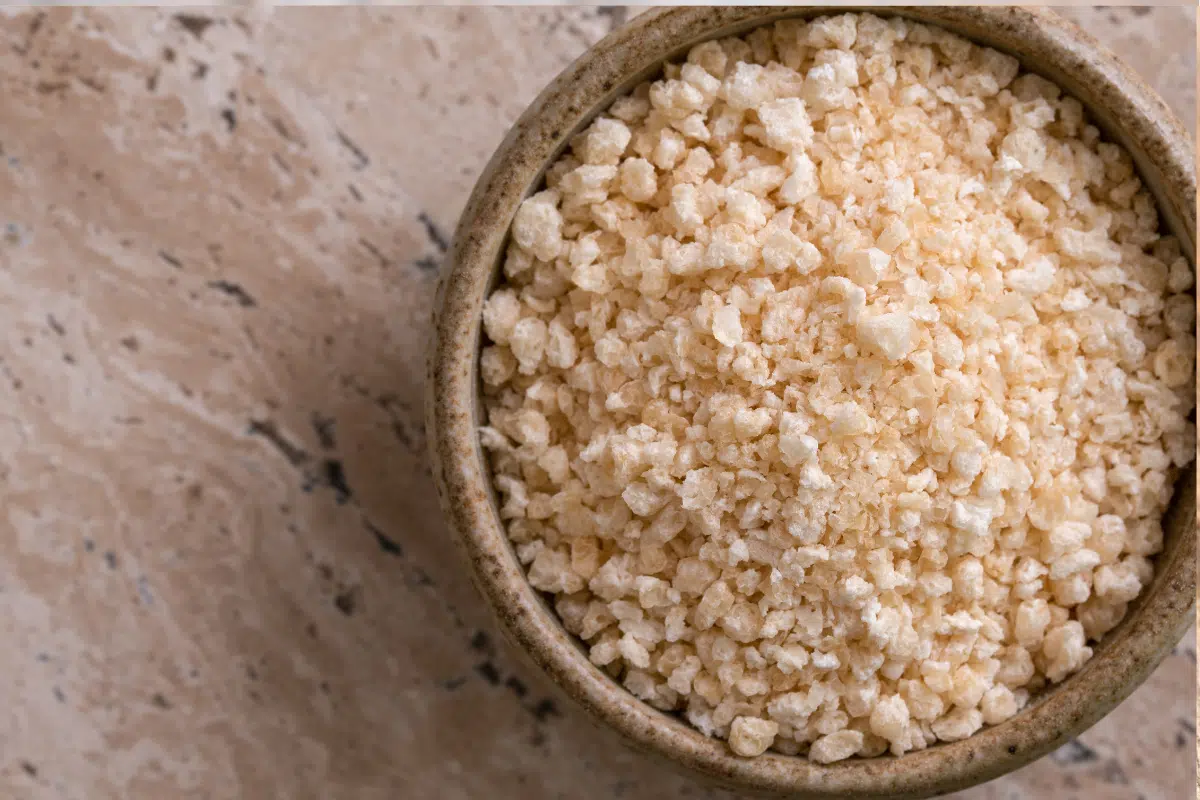
These pantry staples can gradually absorb moisture, odors, and oils from their surroundings. Over time, they may become stale, develop clumps, or lose their crisp texture. Because they’re often used to add crunch and flavor, freshness matters more than many people think. Keeping them tightly sealed and replacing them periodically helps maintain their quality.
This post may contain affiliate links or sponsored content. Disclosure Policy