8 Kitchen Essentials With Shorter Lifespans Than You Might Expect
Not everything in your pantry has a true expiration date. Many packaged foods carry dates intended to indicate peak quality rather than the exact moment a product becomes unsafe, so storage conditions and signs of deterioration matter too. Some kitchen staples can lose flavor, freshness, texture, or effectiveness long before you notice a problem. Here are eight items worth checking regularly so you can avoid wasting ingredients—or discovering that an old staple isn’t performing as expected.
Vanilla Extract Can Lose Its Best Flavor
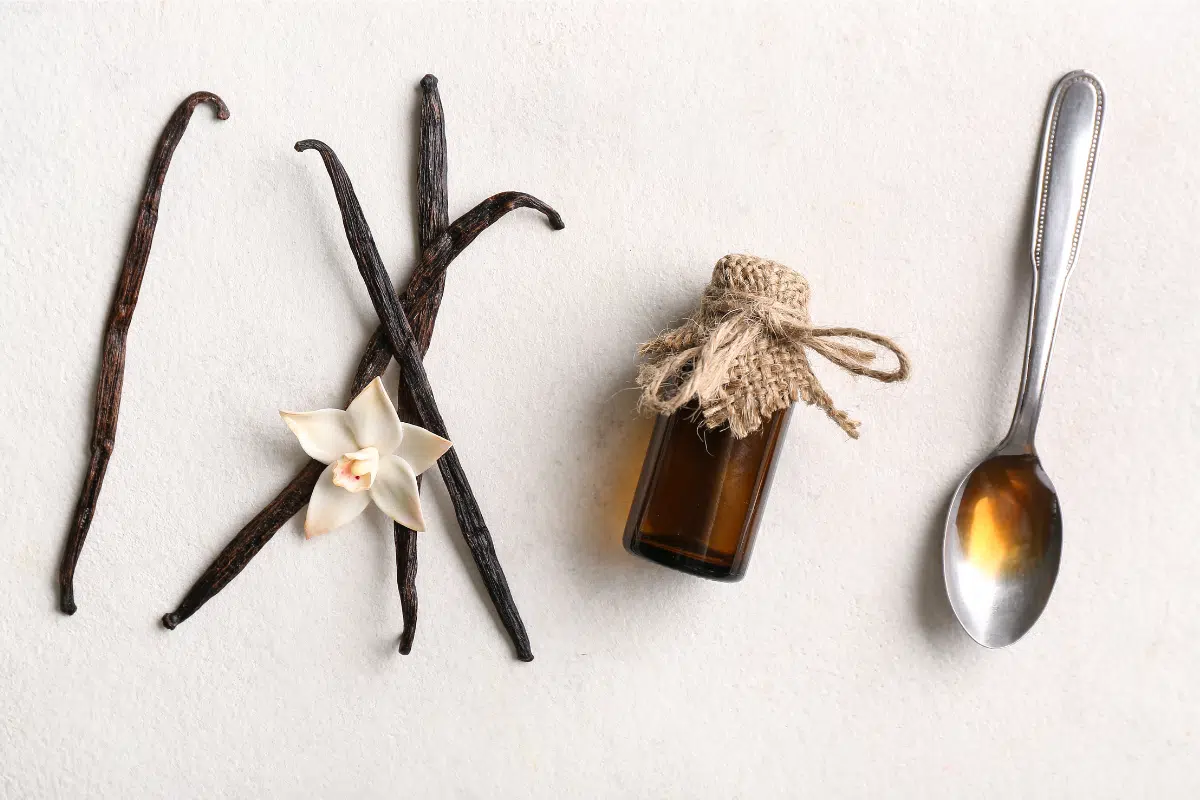
Pure vanilla extract has a long shelf life when it is stored properly, but its flavor can change over time. Keep the bottle tightly closed and store it in a cool, dark place away from heat and direct sunlight. Unlike some pantry ingredients, vanilla extract isn’t necessarily something you need to discard simply because a date on the bottle has passed. Instead, check for changes in aroma, appearance, or overall quality and follow the manufacturer’s storage recommendations.
Baking Powder Can Lose Its Leavening Power
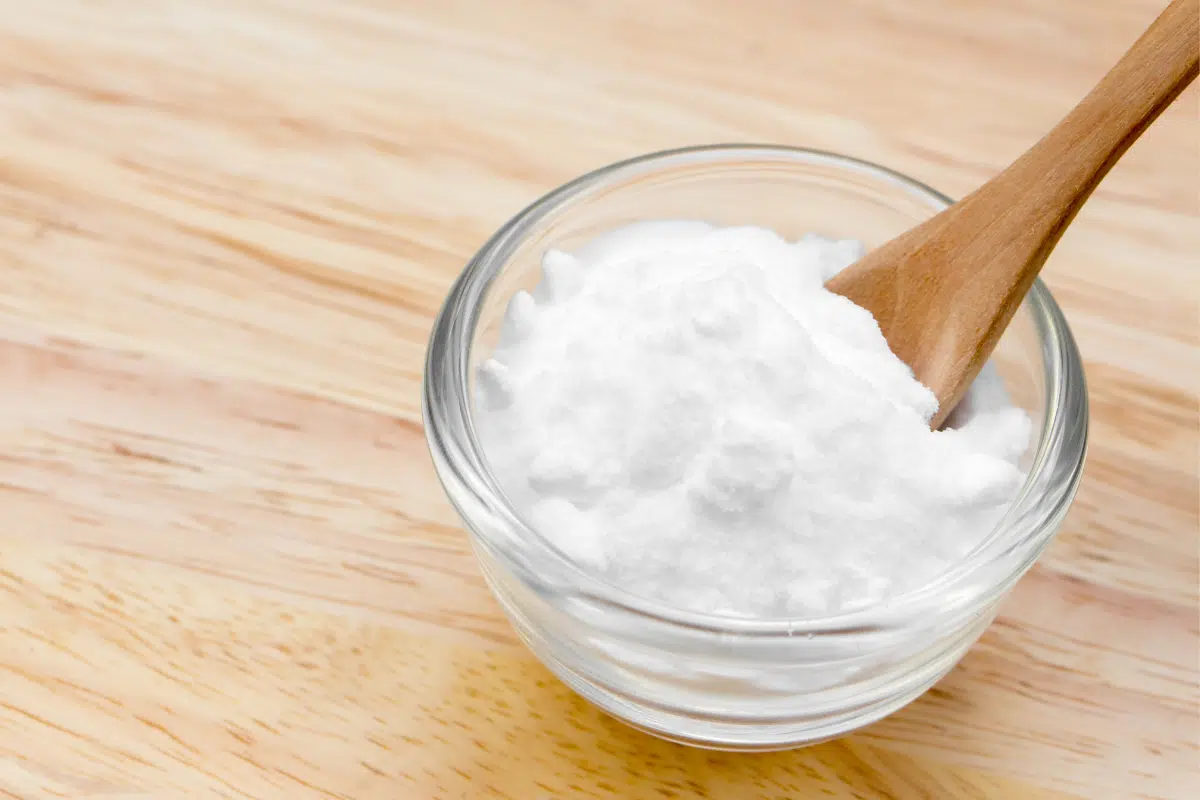
Baking powder doesn’t necessarily become unsafe when it gets old, but it can gradually lose its ability to produce the gas needed to help baked goods rise. That means an older container could leave biscuits, cakes, muffins, or quick breads flatter than intended. You can test baking powder by stirring some into hot water; a fresh product should react with noticeable bubbling. Keep the container tightly closed and stored somewhere cool and dry to help preserve its effectiveness.
Olive Oil Can Go Rancid
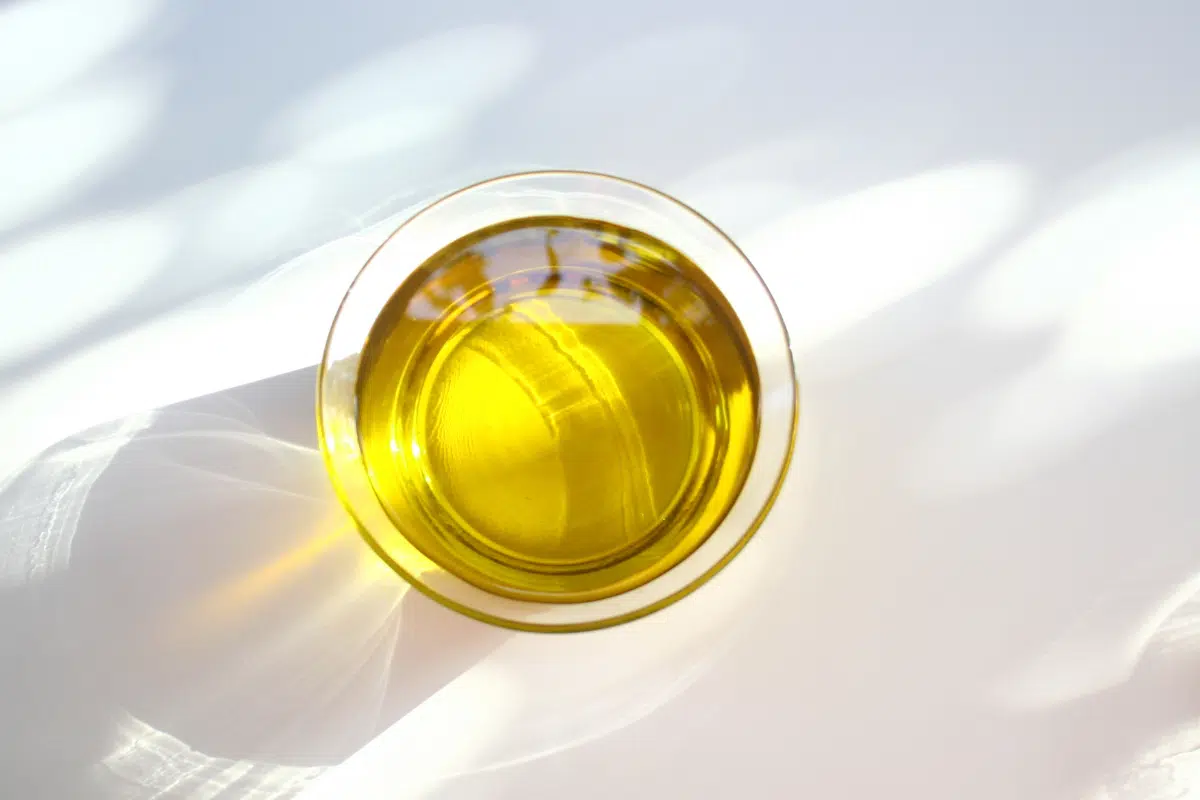
Olive oil is sensitive to light, heat, and oxygen, all of which can speed up quality deterioration. As it ages, the oil can develop stale or rancid flavors that make an otherwise good recipe taste unpleasant. Store olive oil tightly sealed in a cool, dark location rather than next to a hot stove or in direct sunlight. If the oil smells noticeably stale, waxy, or unpleasant, it’s time to replace it regardless of the date printed on the bottle.
Dried Herbs and Spices Gradually Lose Their Strength

Dried spices and herbs generally don’t suddenly become unsafe when they pass their printed date, but their flavor and aroma can fade with time. Ground spices typically lose their potency faster than many whole spices because more surface area is exposed to air. Proper storage in tightly closed containers away from heat, moisture, and direct sunlight can help preserve their quality. If an old spice smells weak or has very little flavor when rubbed between your fingers, replacing it may make a noticeable difference in your cooking.
Soy Sauce Can Change in Quality After Opening

Soy sauce contains a high concentration of salt, which helps make it relatively shelf-stable, but that doesn’t mean its quality remains unchanged forever. Over time, exposure to air, heat, and light can affect its flavor, aroma, and color. Once opened, check the manufacturer’s storage instructions because recommendations can vary between products and formulations. If you notice mold, an unusual odor, or an unexpected change in appearance, discard the sauce rather than relying solely on its printed date.
Natural Nut Butters Need More Attention
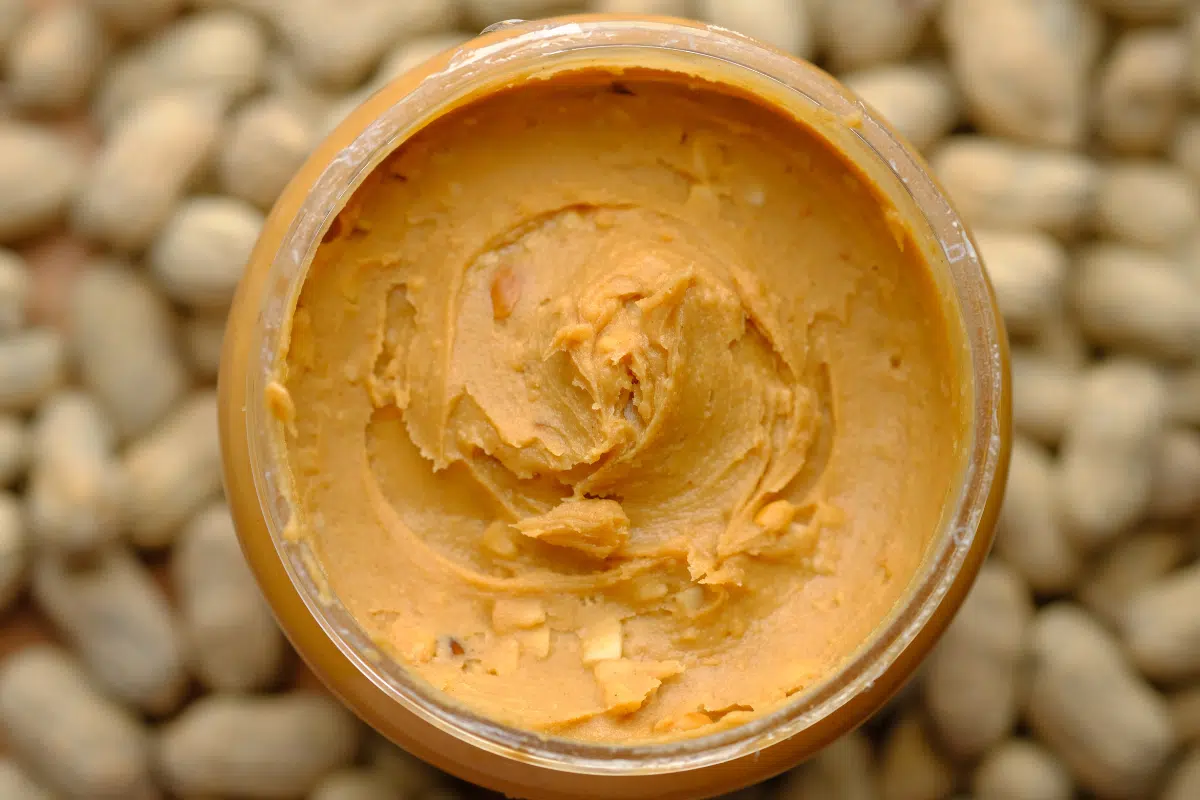
Natural peanut, almond, and other nut butters can separate because their oils aren’t always stabilized, but separation alone isn’t a sign that the product has spoiled. Some natural nut butters can also develop rancid flavors as their oils deteriorate, particularly if they are stored improperly or kept for a long time. Follow the label’s storage instructions, which may recommend refrigeration after opening. If you notice mold, an unpleasant rancid odor, or an obviously off flavor, discard the product.
Brown Sugar Can Become Hard Without Actually Spoiling
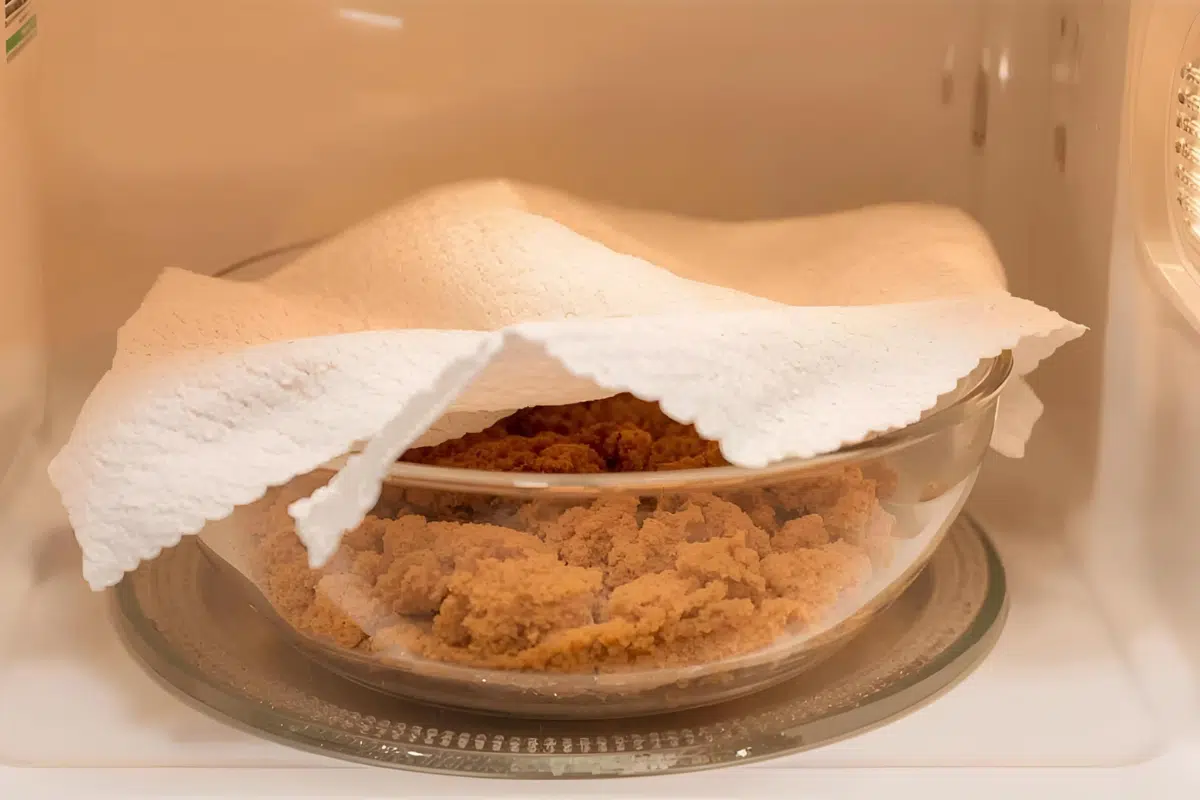
Brown sugar is one pantry staple that can look unusable long before it is actually spoiled. Its characteristic soft texture comes from molasses, and exposure to air can cause the sugar to dry out and harden. Hard brown sugar isn’t necessarily unsafe, and it can often be softened again using appropriate storage or a food-safe softening method. Keeping it in an airtight container helps preserve its texture and prevents moisture problems.
Opened Condiments Can Gradually Lose Quality
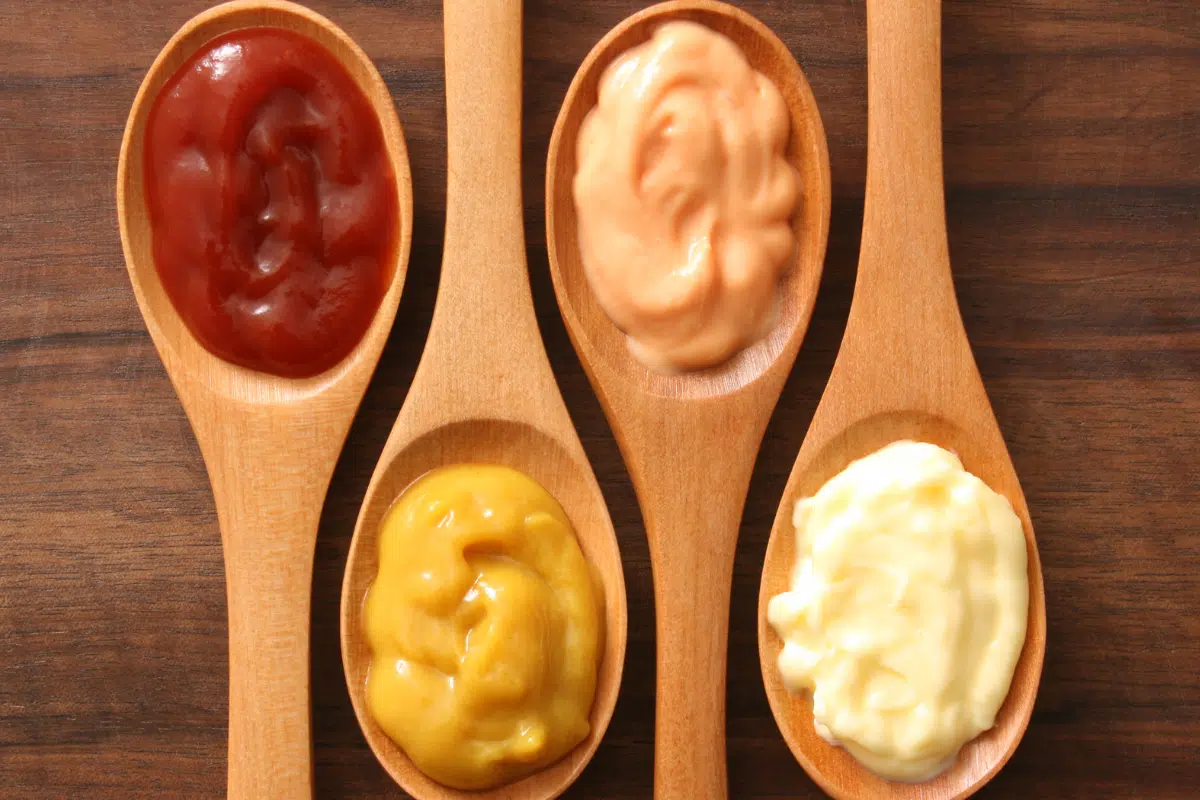
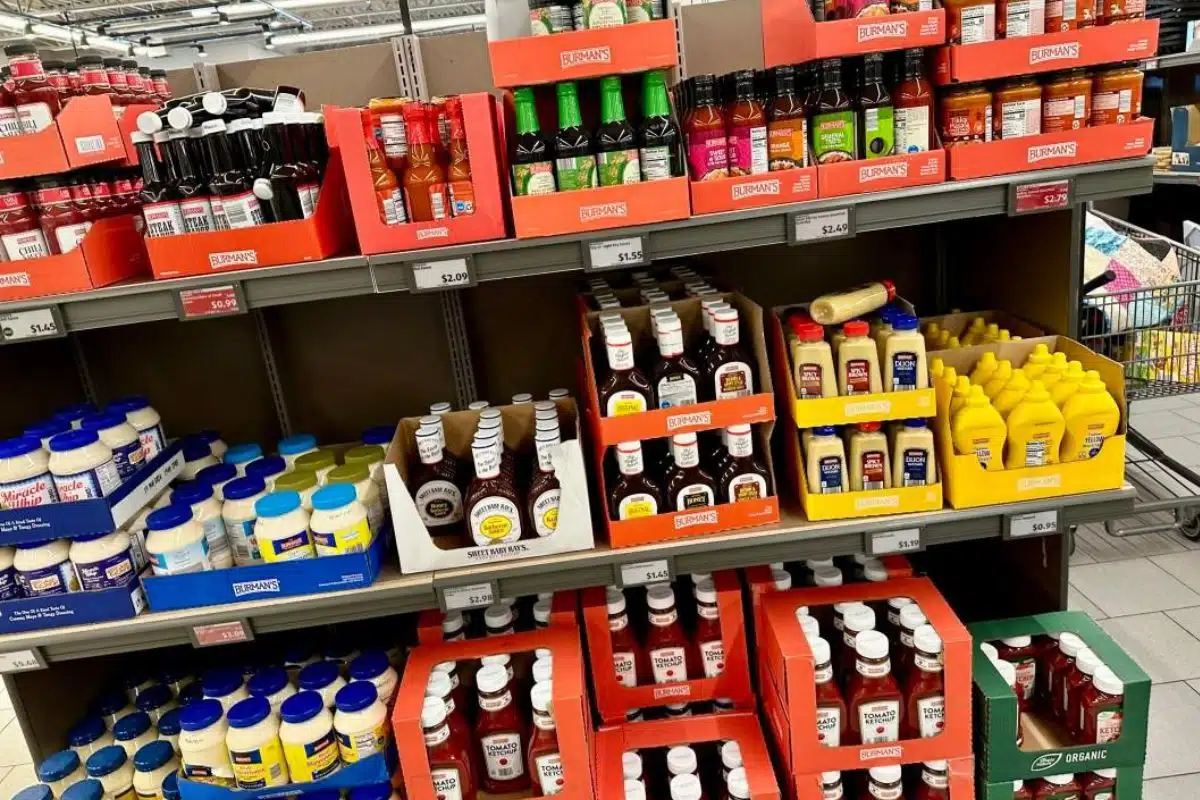
Ketchup, mustard, barbecue sauce, and similar condiments can have relatively long shelf lives, but their storage requirements vary by product. An unopened shelf-stable condiment may remain usable beyond a quality date when properly stored, while an opened product may have different recommendations from the manufacturer. Refrigerate products when the label instructs you to do so and watch for mold, unusual odors, unexpected texture changes, or other obvious signs of spoilage. When in doubt, check the manufacturer’s guidance rather than assuming every condiment has the same shelf life.
Don’t Confuse a Quality Date With an Expiration Date
A date printed on a food package doesn’t automatically mean the food becomes unsafe the following day. The FDA notes that, except for infant formula, manufacturers generally aren’t required by federal law to place quality-based date labels on packaged foods, and it supports using “Best if Used By” to indicate peak quality. Storage conditions, whether a product has been opened, and signs of spoilage can all matter when deciding whether to keep or discard a food. When a product is moldy, has an off odor, has changed noticeably in appearance or texture, or has been stored improperly, it’s safer to throw it away. Proper storage and understanding food-date labels can also help reduce unnecessary food waste.
This post may contain affiliate links or sponsored content. Disclosure Policy